Kyoto — the ancient capital of Japan for over a thousand years — is the ultimate destination for goshuin collectors. From UNESCO World Heritage shrines surrounded by primeval forests to tiny neighborhood shrines with quirky animal motifs, the city offers an unmatched variety of sacred stamps. This guide covers 20 of the best shrines for goshuin in Kyoto, complete with practical info to plan your visits.
1. Fushimi Inari Taisha (Fushimi Ward)
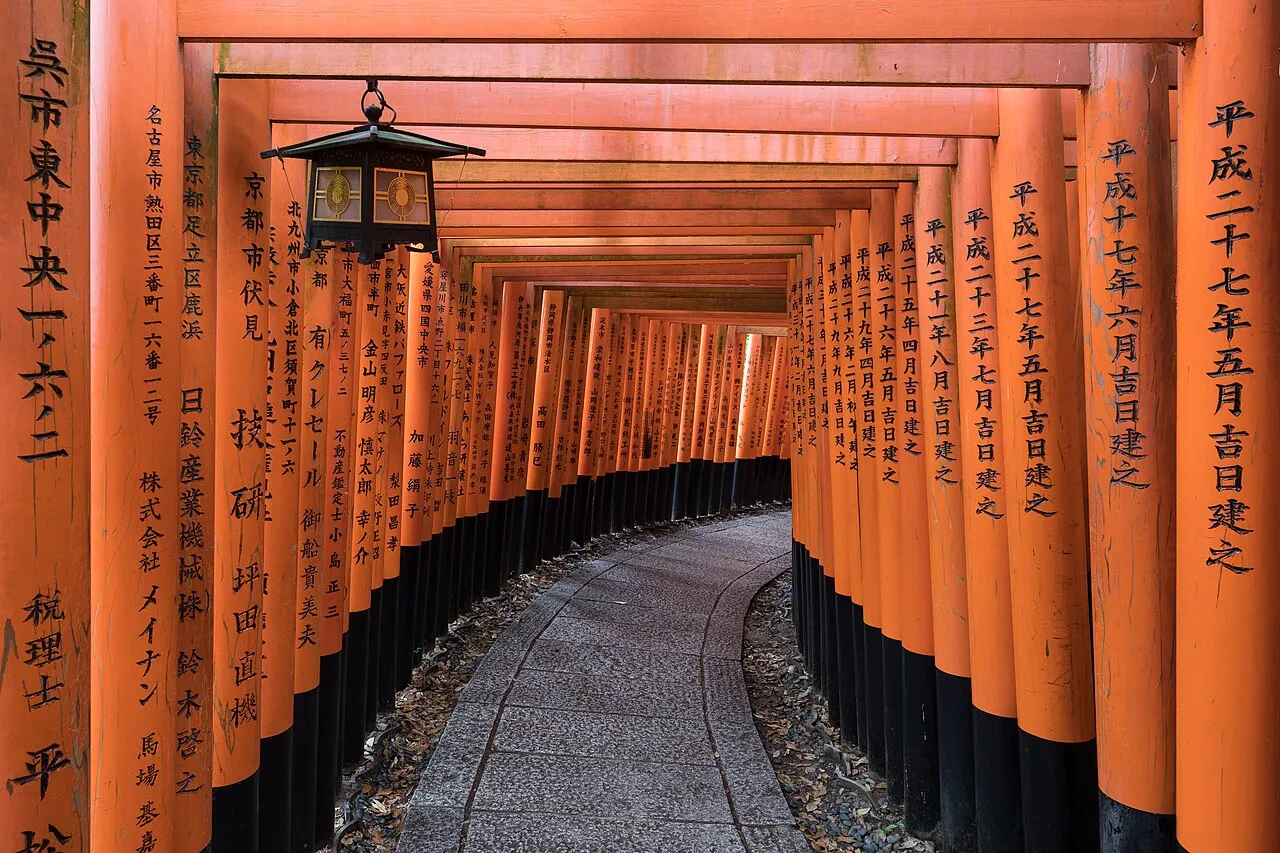
Enshrined deity: Ukanomitama-no-Okami and four other deities
The head shrine of roughly 30,000 Inari shrines across Japan. The seemingly endless tunnels of vermillion torii gates climbing Mount Inari are one of Japan’s most iconic sights. The full mountain loop takes about 2 hours and passes through smaller sub-shrines along the way.
- Goshuin highlights: Multiple goshuin available — the main hall, Okusha Hohaisho, and Gozendan Hohaisho each offer distinct stamps
- Fee: ¥300
- Access: 1-min walk from JR Inari Station / 5-min walk from Keihan Fushimi-Inari Station
- Don’t miss: Senbon Torii, Omokaru Stone (lift it and make a wish), Ganriki-sha, panoramic view from Yotsutsuji
Goshuin Info
| Details | |
|---|---|
| Hours | 8:30–16:30 (main hall office) |
| Location | Office beside the main hall; also at Okusha Hohaisho |
| Handwritten/Pre-made | Handwritten |
| Limited editions | None (same design year-round) |
2. Yasaka Shrine (Higashiyama Ward)
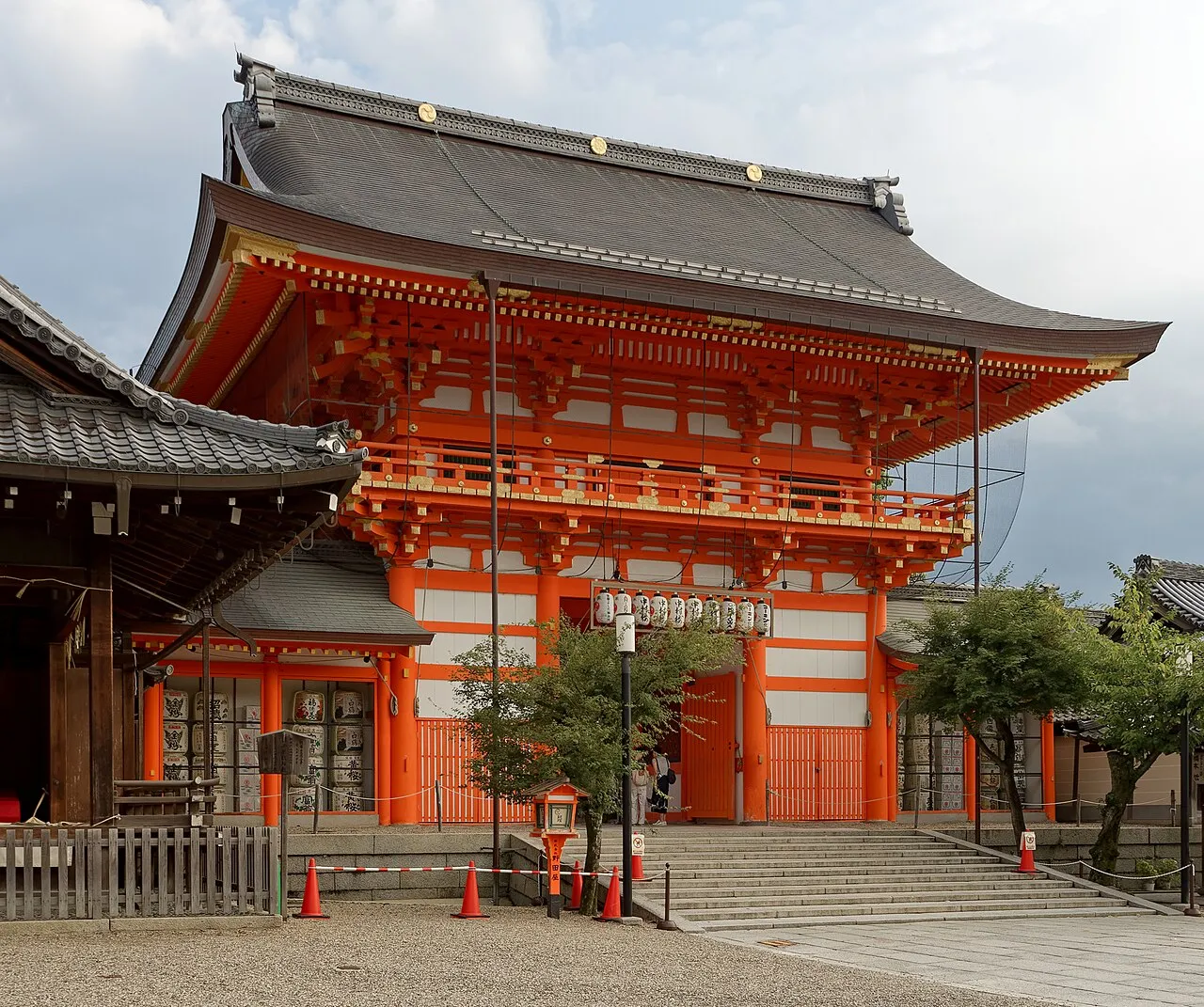
Enshrined deity: Susanoo-no-Mikoto, Kushinadahime-no-Mikoto, Yahashira-no-Mikogami
Known affectionately as “Gion-san,” this ancient shrine sits at the heart of Kyoto’s most famous entertainment district. It’s the home shrine of the Gion Matsuri, one of Japan’s three greatest festivals.
- Goshuin highlights: The main goshuin bears the characters “Gion-sha.” Sub-shrines offer additional stamps
- Fee: ¥500
- Access: 5-min walk from Keihan Gion-Shijo Station / 8-min walk from Hankyu Kyoto-Kawaramachi Station
- Don’t miss: West gate (Nishi-Romon), Utsukushi-gozensha (beauty shrine), Okuninushi-sha (matchmaking), weeping cherry in Maruyama Park
Goshuin Info
| Details | |
|---|---|
| Hours | 9:00–17:00 |
| Location | Shrine office (right of main hall) |
| Handwritten/Pre-made | Handwritten |
| Limited editions | Yes (Gion Matsuri period specials) |
3. Kitano Tenmangu (Kamigyo Ward)
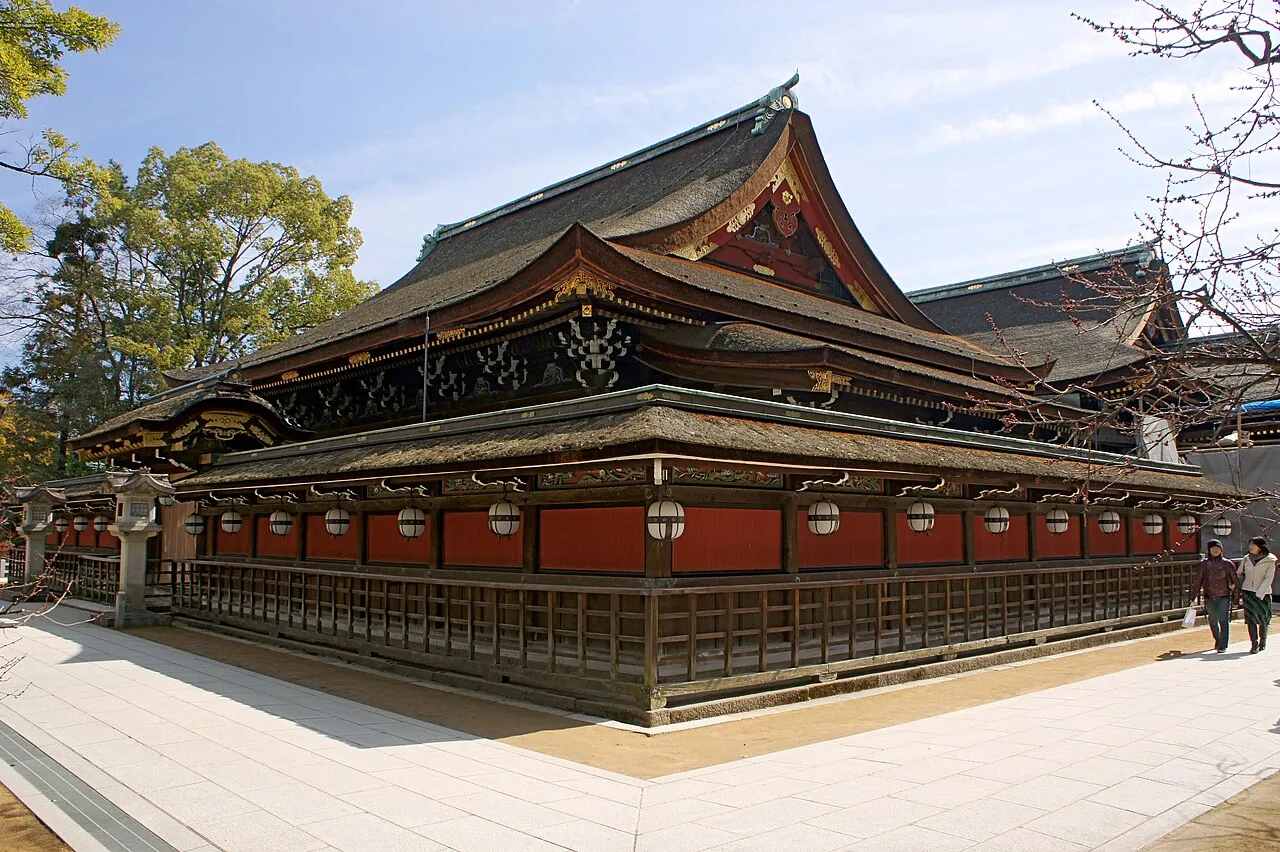
Enshrined deity: Sugawara no Michizane
The head shrine of all Tenmangu shrines in Japan, dedicated to the god of learning. Famous for its 1,500 plum trees of 50 varieties, it draws students praying for exam success and visitors admiring the blossoms every spring. Also houses a notable collection of swords.
- Goshuin highlights: Bold calligraphy with the plum blossom crest. Special sword-themed goshuin editions are popular
- Fee: ¥500
- Access: 5-min walk from Keifuku Kitano-Hakubaicho Station / Bus stop “Kitano Tenmangu-mae”
- Don’t miss: National Treasure main hall, ox statues (rub for luck), plum garden (Feb–Mar), autumn maple garden, sword collection
Goshuin Info
| Details | |
|---|---|
| Hours | 9:00–17:00 |
| Location | Office inside the tower gate |
| Handwritten/Pre-made | Handwritten |
| Limited editions | Yes (Plum Blossom Festival, Tenjin market day specials) |
4. Shimogamo Shrine / Kamomioya Shrine (Sakyo Ward)
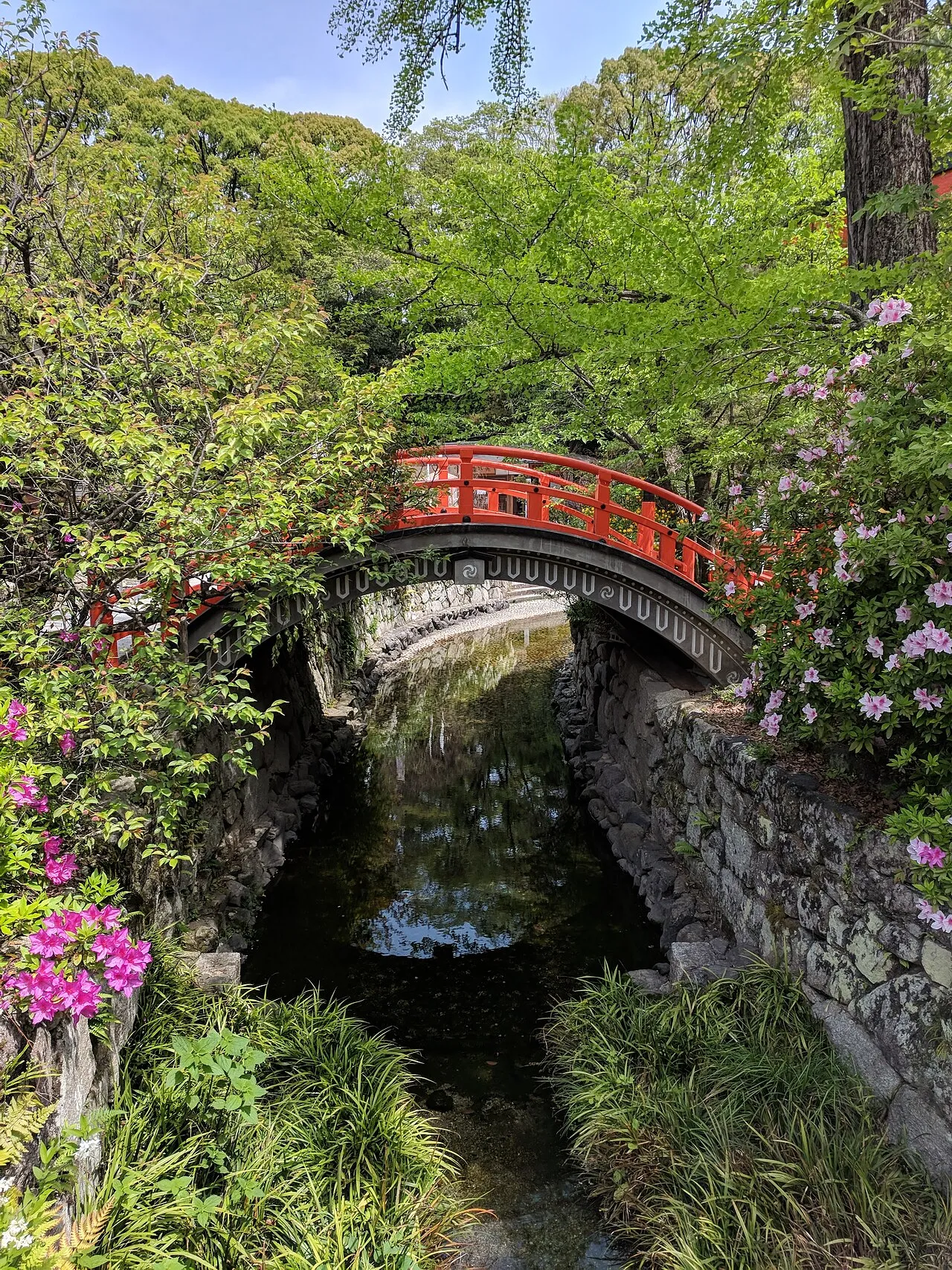
Enshrined deity: Tamayorihime-no-Mikoto, Kamotaketsunumi-no-Mikoto
A UNESCO World Heritage shrine and one of Kyoto’s oldest. Nestled within Tadasu-no-Mori, a primeval forest that has survived untouched in the city center, walking through its grounds feels like stepping back centuries.
- Goshuin highlights: Bears the formal name “Kamomioya Shrine.” Special editions during the Aoi Matsuri
- Fee: ¥500
- Access: 12-min walk from Keihan Demachiyanagi Station / Bus stop “Shimogamo-Jinja-mae”
- Don’t miss: Tadasu-no-Mori forest, Kawai Shrine (beauty deity with mirror ema), Sazare-ishi stone, Mitarashi Pond
Goshuin Info
| Details | |
|---|---|
| Hours | 9:00–16:00 |
| Location | Office inside the inner gate |
| Handwritten/Pre-made | Handwritten |
| Limited editions | Yes (Aoi Matsuri, Mitarashi Festival specials) |
5. Kamigamo Shrine / Kamowakeikazuchi Shrine (Kita Ward)
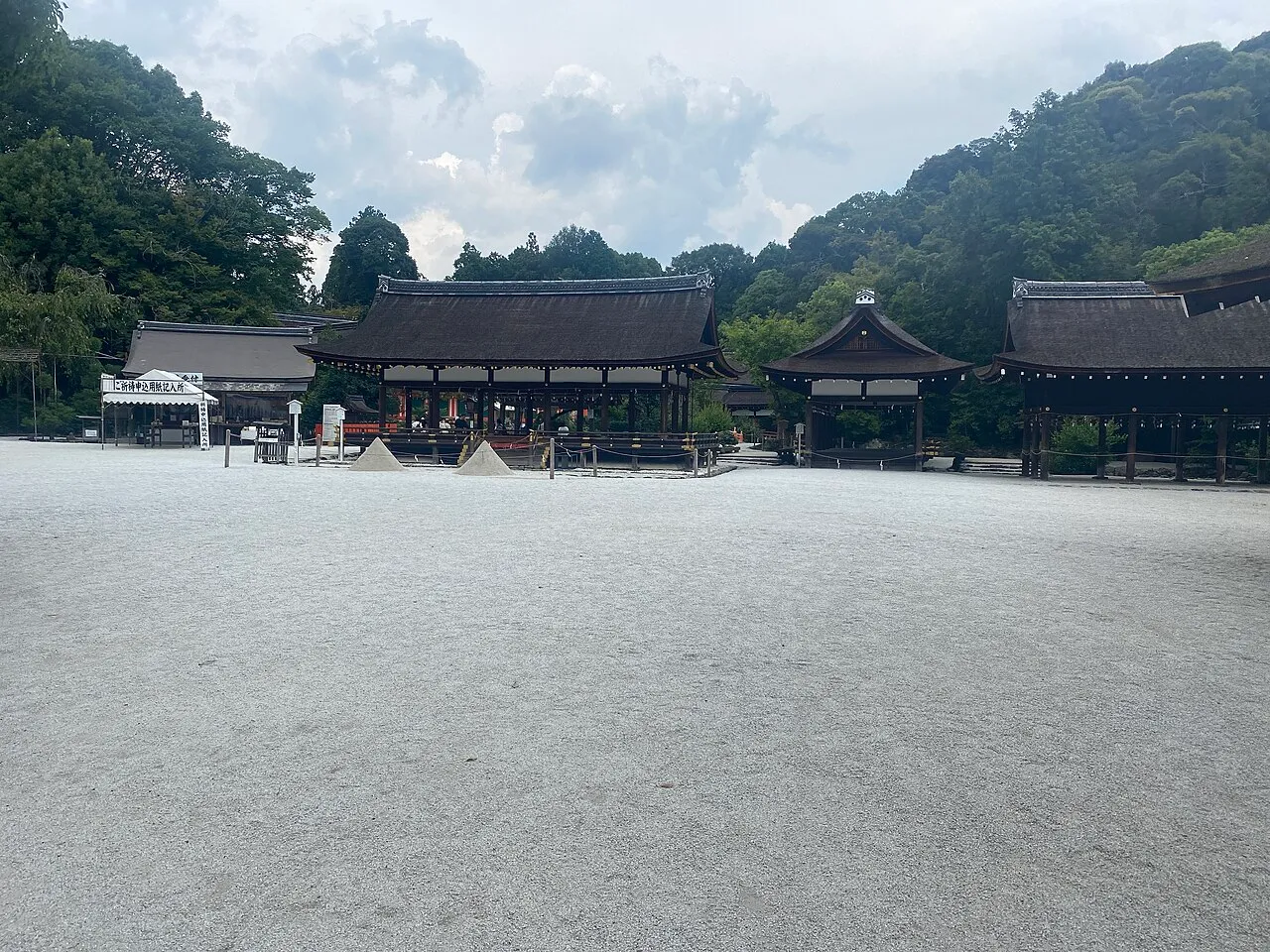
Enshrined deity: Kamowakeikazuchi-no-Okami
Together with Shimogamo Shrine, this is a UNESCO World Heritage site and the ichinomiya (highest-ranking shrine) of the former Yamashiro Province. The iconic cone-shaped “tatesuna” sand mounds in front of the worship hall are believed to be the origin of purifying sand used in Japan.
- Goshuin highlights: Formal name “Kamowakeikazuchi Shrine” with the dignity of an ichinomiya
- Fee: ¥500
- Access: Bus stop “Kamigamo-Jinja-mae” / Taxi ~10 min from Subway Kitayama Station
- Don’t miss: Tatesuna sand cones, Hosodono hall, Nara-no-Ogawa stream, sacred horse (often present on Sundays and holidays)
Goshuin Info
| Details | |
|---|---|
| Hours | 9:00–17:00 |
| Location | Office inside the second torii gate |
| Handwritten/Pre-made | Handwritten |
| Limited editions | Yes (Shikinen Sengu commemorative, Aoi Matsuri specials) |
6. Heian Jingu (Sakyo Ward)
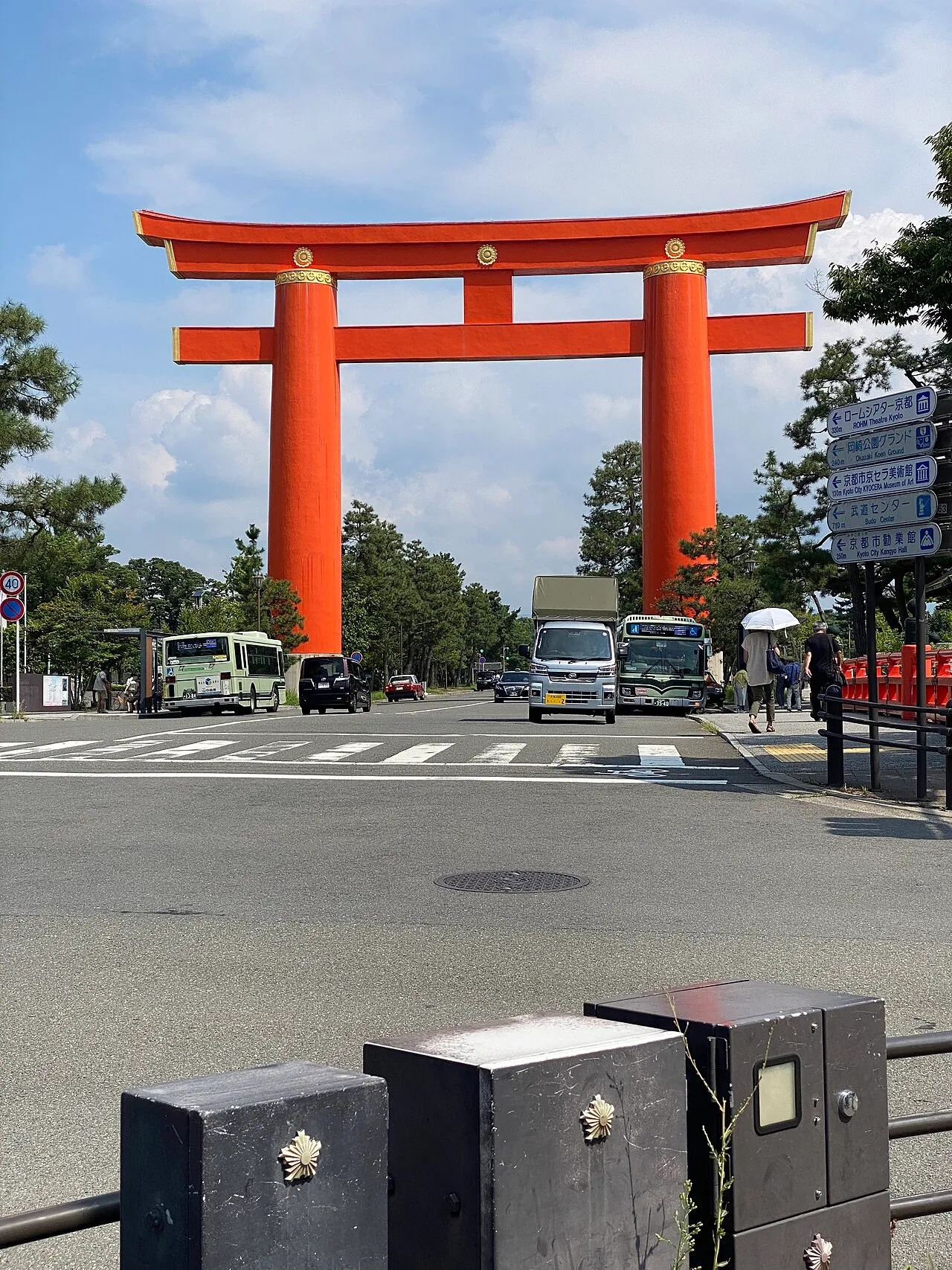
Enshrined deity: Emperor Kanmu, Emperor Komei
Built in 1895 to celebrate the 1,100th anniversary of Kyoto becoming the capital. Its 24-meter-tall vermillion torii gate is one of the city’s most recognizable landmarks. The Shin-en garden was designed by the legendary landscape architect Ogawa Jihei.
- Goshuin highlights: Impressive calligraphy with a large vermillion seal — a photogenic stamp
- Fee: ¥500
- Access: 10-min walk from Subway Higashiyama Station / Bus stop “Okazaki Koen”
- Don’t miss: Giant torii gate, Otenmon gate, Shin-en garden (cherry blossoms, irises, autumn leaves), Jidai Matsuri (October)
Goshuin Info
| Details | |
|---|---|
| Hours | 8:30–17:00 (varies by season) |
| Location | Office inside Otenmon gate |
| Handwritten/Pre-made | Handwritten |
| Limited editions | None (same design year-round) |
7. Kifune Shrine (Sakyo Ward)
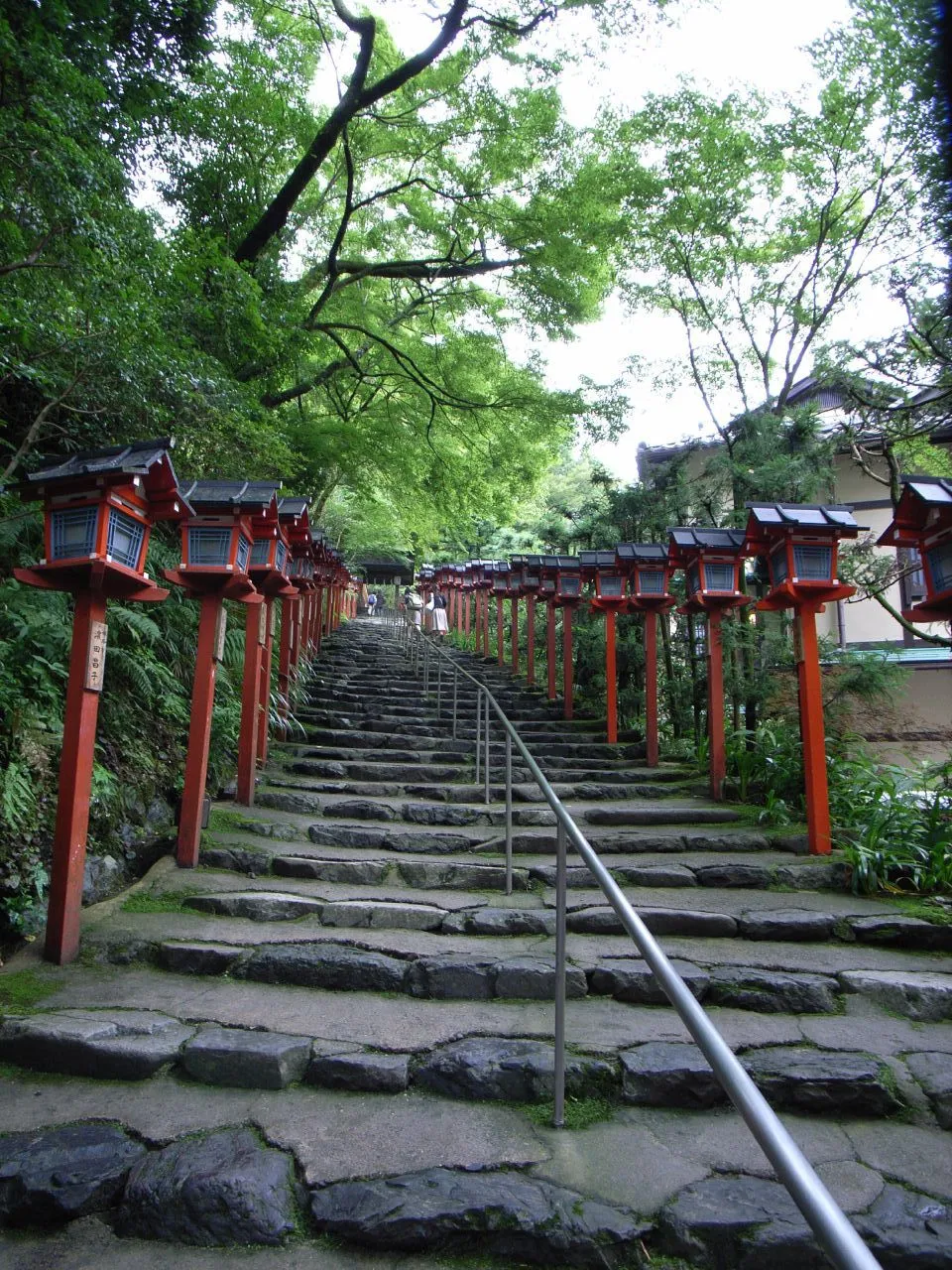
Enshrined deity: Takaokami-no-Kami (god of water)
A shrine dedicated to the deity of water, famous for matchmaking blessings. The approach lined with vermillion lanterns is stunning in every season, especially when dusted with snow in winter. The unique “Mizuura Mikuji” fortune slips reveal their messages only when dipped in sacred water.
- Goshuin highlights: Elegant calligraphy befitting a water deity. The Oku-no-Miya (inner shrine) offers a separate stamp
- Fee: ¥300
- Access: Bus ~5 min from Eizan Railway Kibuneguchi Station + 5-min walk
- Don’t miss: Lantern-lined path, Mizuura Mikuji (water fortune), Oku-no-Miya, kawadoko dining on river platforms (summer)
Goshuin Info
| Details | |
|---|---|
| Hours | 9:00–17:00 (varies by season) |
| Location | Main shrine office |
| Handwritten/Pre-made | Handwritten |
| Limited editions | Yes (seasonal, illumination event specials) |
8. Seimei Shrine (Kamigyo Ward)
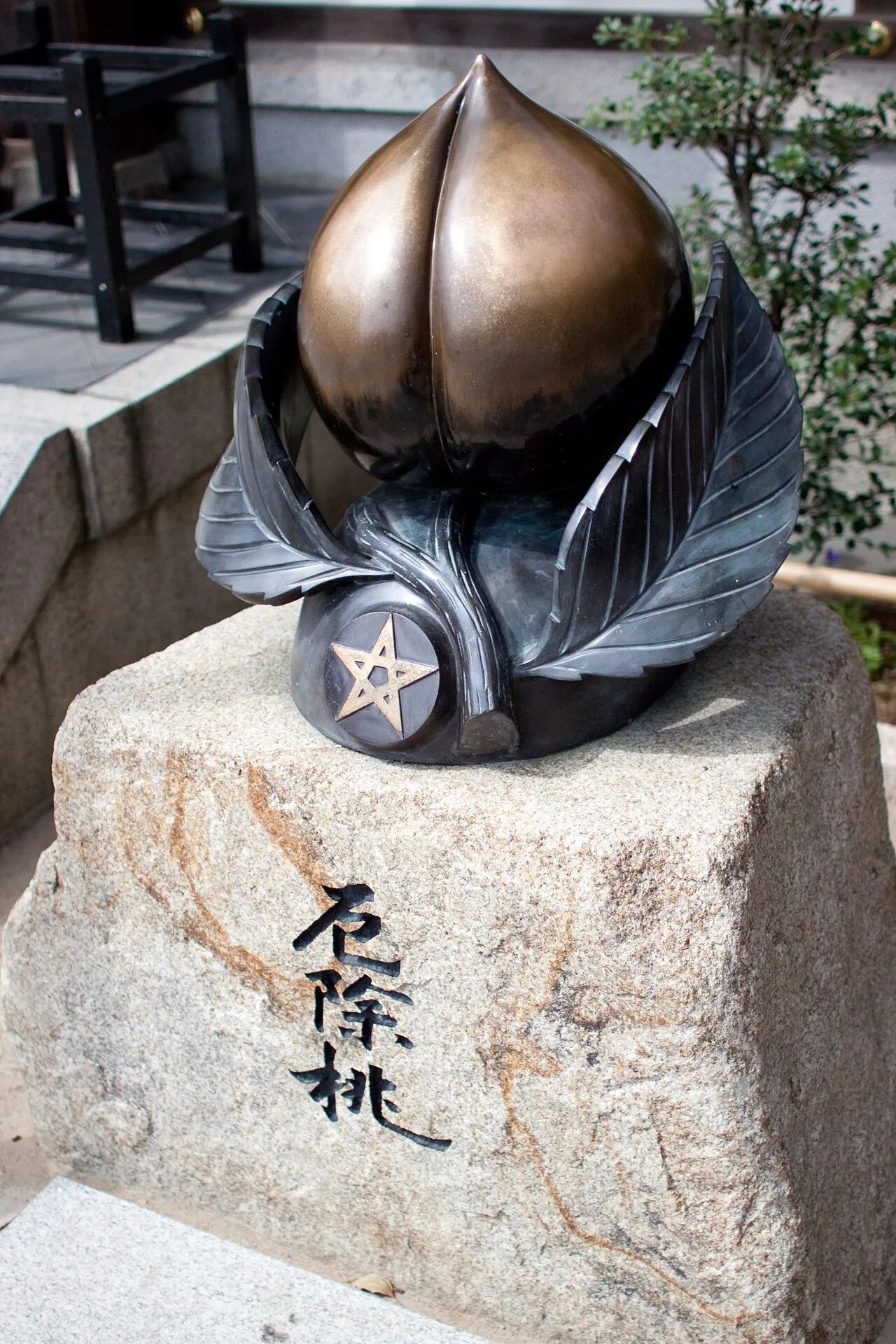
Enshrined deity: Abe no Seimei
Dedicated to the legendary Heian-era onmyoji (master of yin-yang divination), Abe no Seimei. Pentagrams (the Seimei Kikyo crest) adorn the shrine grounds, creating a uniquely mystical atmosphere that draws fans of Japanese occult history.
- Goshuin highlights: The pentagram seal is iconic. Chinese bellflower season brings limited designs
- Fee: ¥500
- Access: Bus stop “Ichijo-Modori-Bashi, Seimei-Jinja-mae” / 12-min walk from Subway Imadegawa Station
- Don’t miss: Seimei Well (its direction changes yearly), Ichijo Modori-bashi bridge replica, evil-dispelling peach statue, shikigami stone figures
Goshuin Info
| Details | |
|---|---|
| Hours | 9:00–17:00 |
| Location | Shrine office |
| Handwritten/Pre-made | Handwritten |
| Limited editions | Yes (bellflower season, Setsubun specials) |
9. Mikane Shrine (Nakagyo Ward)
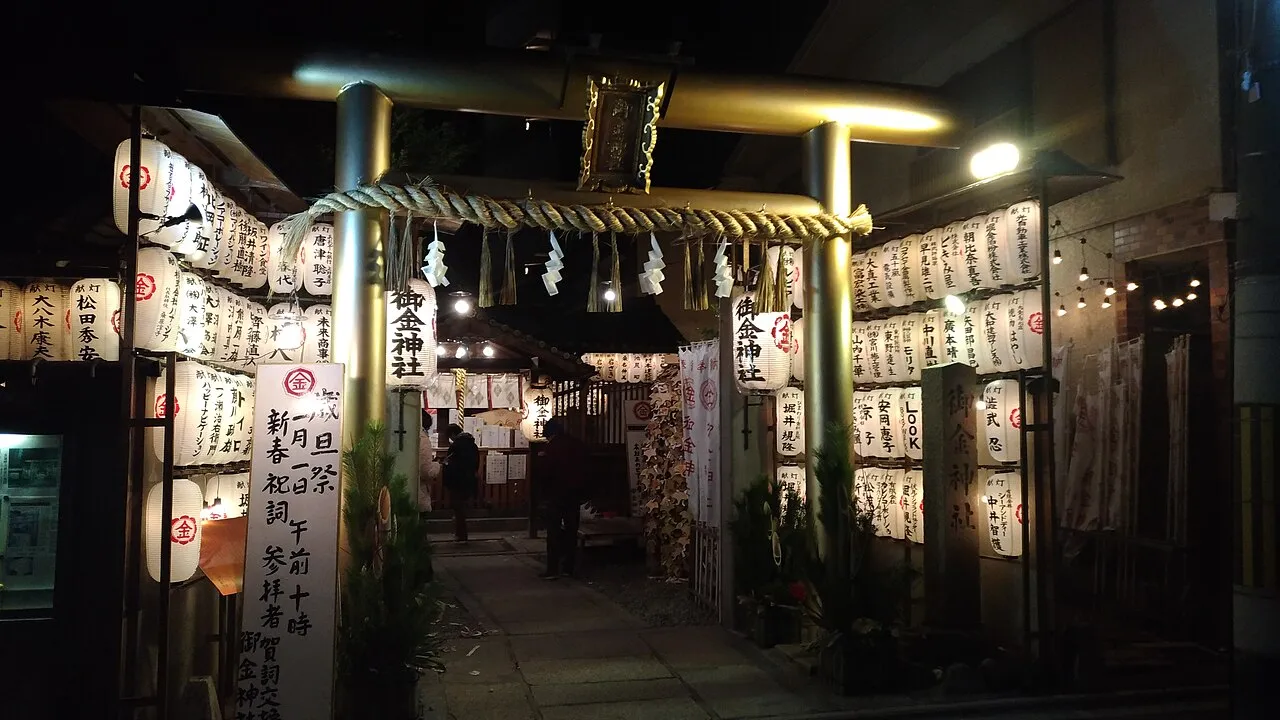
Enshrined deity: Kanayamahiko-no-Mikoto
Read “Mi-kane” (not “O-kane”), this shrine’s glittering golden torii gate stops passersby in their tracks. Originally dedicated to the deity of metals and minerals, it has become one of Kyoto’s hottest power spots for financial fortune.
- Goshuin highlights: Written on gold paper — visually striking and appropriately prosperous
- Fee: ¥500
- Access: 5-min walk from Subway Karasuma-Oike Station / 5-min walk from Subway Nijojo-mae Station
- Don’t miss: Golden torii gate, ginkgo-leaf ema (votive tablets), fukuzaifu (lucky wallet charm)
Goshuin Info
| Details | |
|---|---|
| Hours | 10:00–16:00 |
| Location | Shrine office |
| Handwritten/Pre-made | Mostly pre-made |
| Limited editions | Yes (New Year specials) |
10. Matsunoo Taisha (Nishikyo Ward)
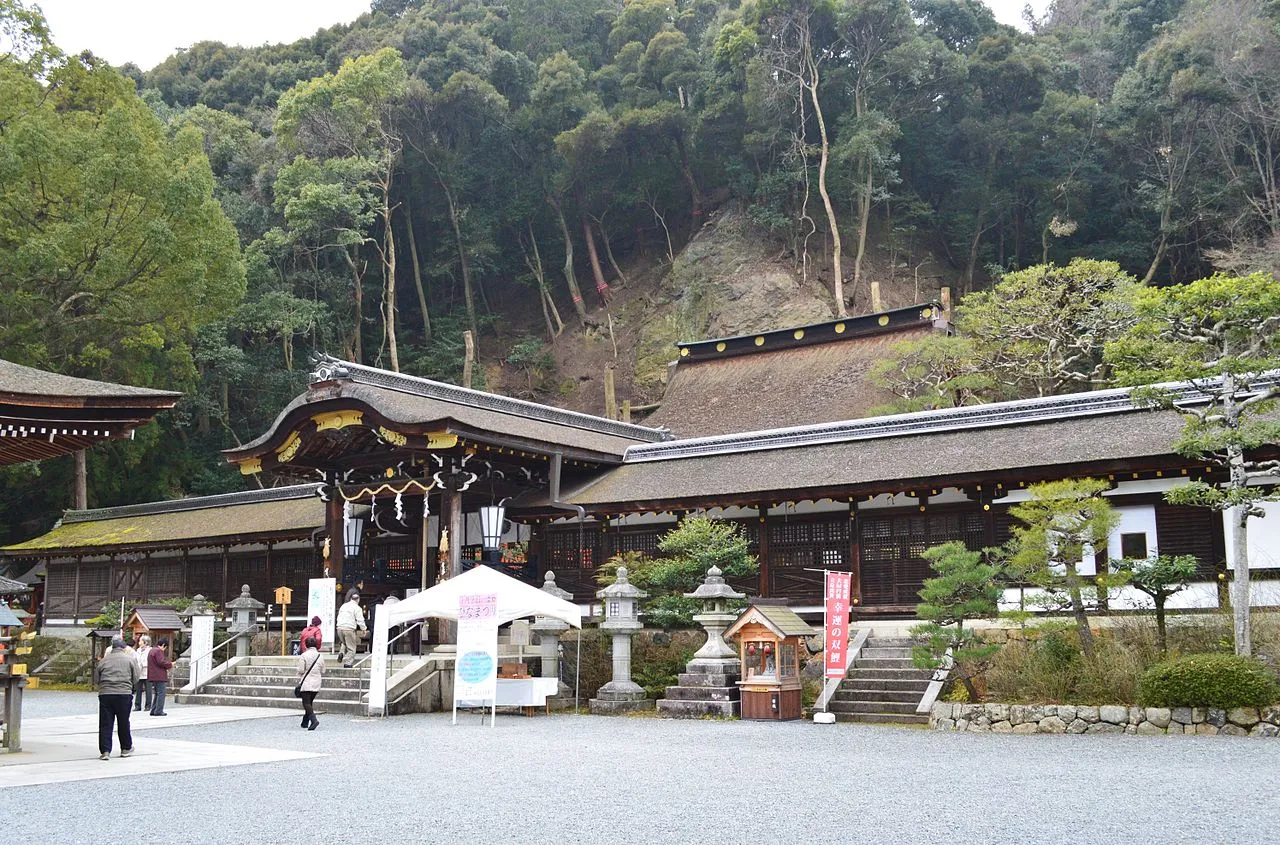
Enshrined deity: Oyamakui-no-Kami, Nakatsushimahime-no-Mikoto
One of Kyoto’s oldest shrines, revered as the guardian deity of sake brewing. Breweries across Japan send offerings here. The “Kame-no-I” sacred spring is prized as a source of water for sake production. Also renowned for its yamabuki (kerria) blossoms.
- Goshuin highlights: Bold “Matsunoo Taisha” calligraphy with the futaba-aoi (twin-leaf hollyhock) seal
- Fee: ¥500
- Access: 3-min walk from Hankyu Matsuo-Taisha Station
- Don’t miss: Tower gate, Kame-no-I spring, Shofuen garden (by Shigemori Mirei), yamabuki flowers (Apr–May), sake barrel display
Goshuin Info
| Details | |
|---|---|
| Hours | 9:00–16:00 |
| Location | Shrine office |
| Handwritten/Pre-made | Handwritten |
| Limited editions | Yes (Yamabuki Festival specials) |
11. Iwashimizu Hachimangu (Yawata City)
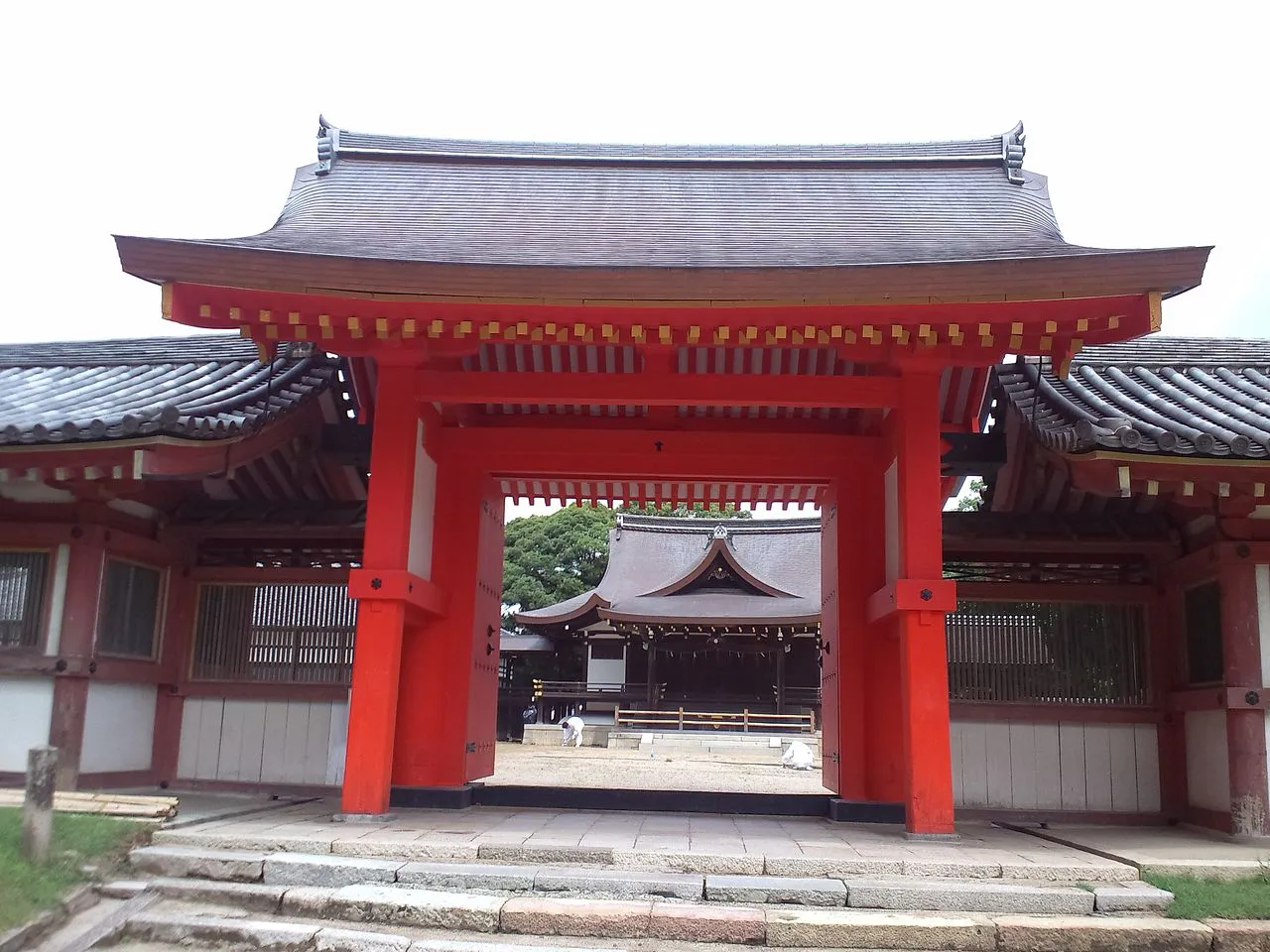
Enshrined deity: Hondawake-no-Mikoto, Himeokami, Okinagatarashihime-no-Mikoto
One of Japan’s three great Hachiman shrines, perched atop Mount Otoko. The main hall — a National Treasure — sits on stone walls donated by Oda Nobunaga and features magnificent polychrome decoration.
- Goshuin highlights: Commanding “Hachiman Daishin” calligraphy. Commemorative National Treasure editions available
- Fee: ¥500
- Access: Cable car ~3 min from Keihan Iwashimizu-Hachimangu Station + 5-min walk
- Don’t miss: National Treasure main hall, Edison Monument, Mount Otoko observation deck, cable car ride
Goshuin Info
| Details | |
|---|---|
| Hours | 9:00–16:00 |
| Location | Office beside the main hall |
| Handwritten/Pre-made | Handwritten |
| Limited editions | Yes (Iwashimizu Festival, New Year specials) |
12. Nonomiya Shrine (Ukyo Ward)
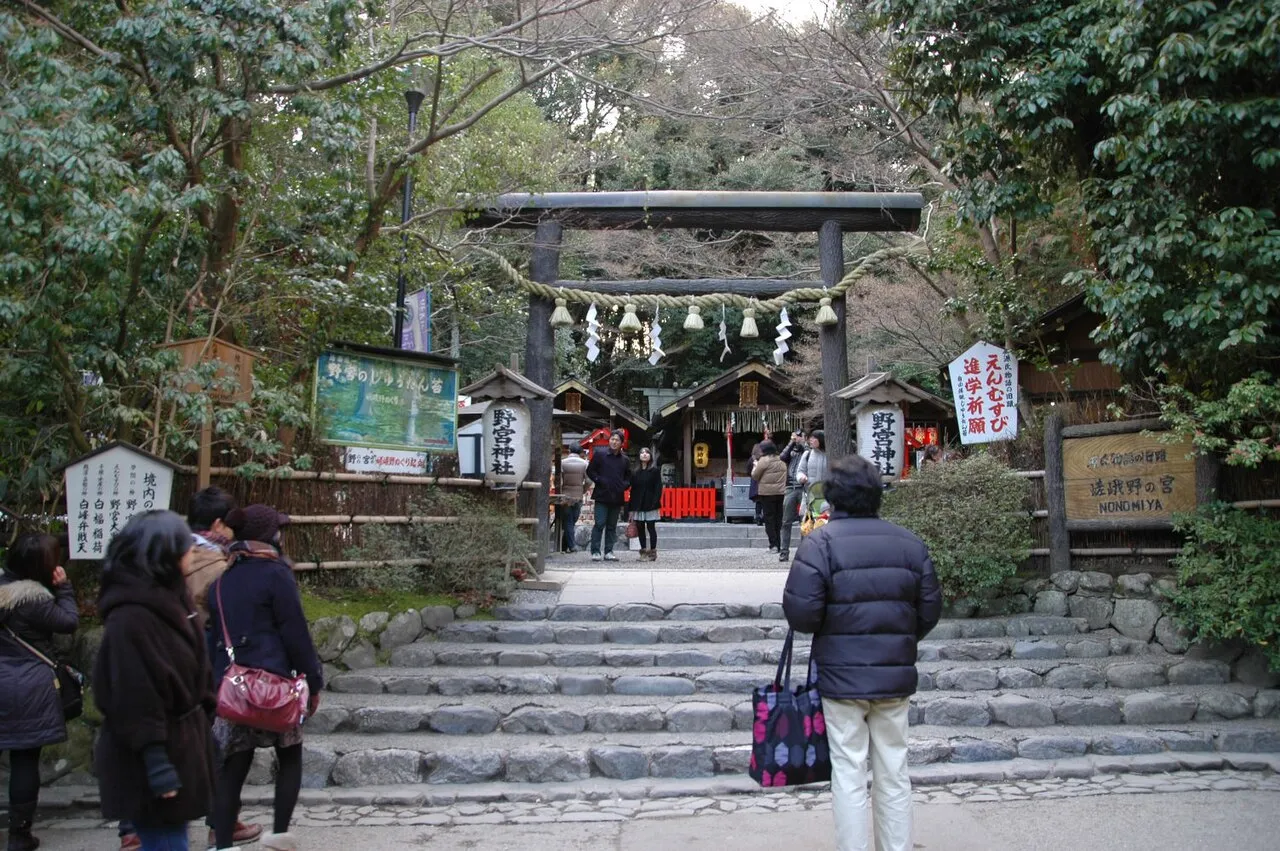
Enshrined deity: Nonomiya-no-Okami (Amaterasu Omikami)
Tucked within Arashiyama’s famous bamboo grove, this small shrine appears in “The Tale of Genji.” Popular for matchmaking and safe childbirth blessings. Its kuroki torii (black-bark gate) is an ancient style that uses unstripped tree bark.
- Goshuin highlights: A charming, modestly-sized stamp. Genji-themed limited editions appear seasonally
- Fee: ¥300
- Access: 10-min walk from JR Saga-Arashiyama Station / 5-min walk from Keifuku Arashiyama Station
- Don’t miss: Kuroki torii gate, bamboo path, Okame Stone (rub for wishes), moss garden
Goshuin Info
| Details | |
|---|---|
| Hours | 9:00–17:00 |
| Location | Shrine office |
| Handwritten/Pre-made | Handwritten |
| Limited editions | Yes (seasonal designs) |
13. Kenkun Shrine (Kita Ward)
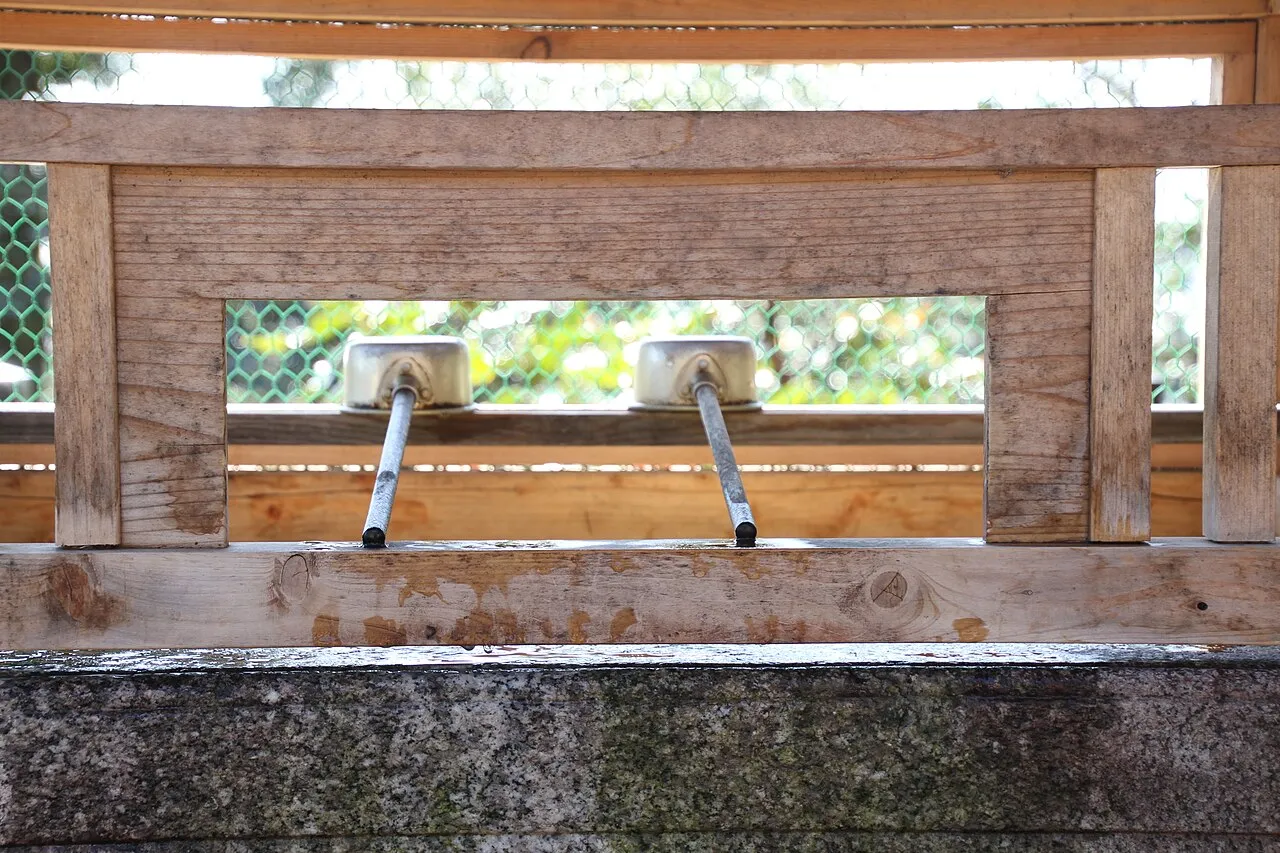
Enshrined deity: Oda Nobunaga
Perched atop Mount Funaoka, this shrine honors the great unifier Oda Nobunaga. The spirit of “Tenka Fubu” (rule the realm by force) makes it a pilgrimage site for those seeking success in ambitious goals. Also a hot spot for sword enthusiasts.
- Goshuin highlights: Features the “Tenka Fubu” seal. Sword-themed limited editions appear regularly
- Fee: ¥500
- Access: Bus stop “Kenkun-Jinja-mae” + 7-min walk / 20-min walk from Subway Kitaoji Station
- Don’t miss: City panorama from Mount Funaoka, Nobunaga artifacts, “Atsumori” poem monument
Goshuin Info
| Details | |
|---|---|
| Hours | 9:00–17:00 |
| Location | Shrine office |
| Handwritten/Pre-made | Handwritten |
| Limited editions | Yes (Nobunaga memorial day, sword-themed specials) |
14. Toyokuni Shrine (Higashiyama Ward)
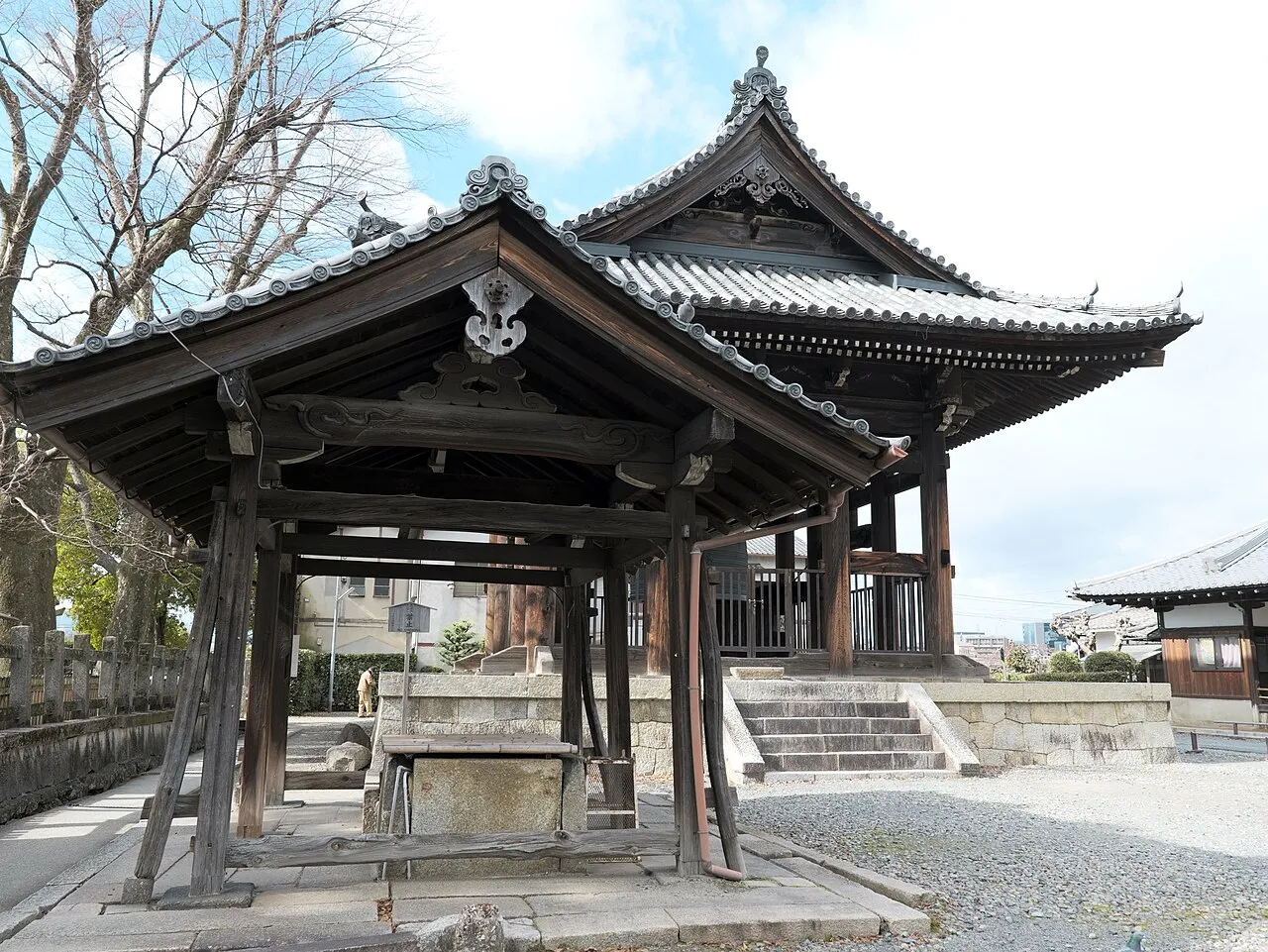
Enshrined deity: Toyotomi Hideyoshi
Dedicated to the legendary warlord Toyotomi Hideyoshi, known affectionately as “Taiko-san.” The front karamon (Chinese-style gate) is a National Treasure believed to have originated from Fushimi Castle. A shrine for career advancement and success.
- Goshuin highlights: Features the Taiko-kiri (paulownia) crest — Hideyoshi’s personal emblem
- Fee: ¥500
- Access: 10-min walk from Keihan Shichijo Station / Bus stop “Hakubutsukan Sanjusangendo-mae”
- Don’t miss: National Treasure karamon gate, treasure hall, adjacent Hoko-ji temple bell (with its famous inscription)
Goshuin Info
| Details | |
|---|---|
| Hours | 9:00–16:30 |
| Location | Shrine office |
| Handwritten/Pre-made | Handwritten |
| Limited editions | Yes (Taiko Festival, New Year specials) |
15. Fujinomori Shrine (Fushimi Ward)
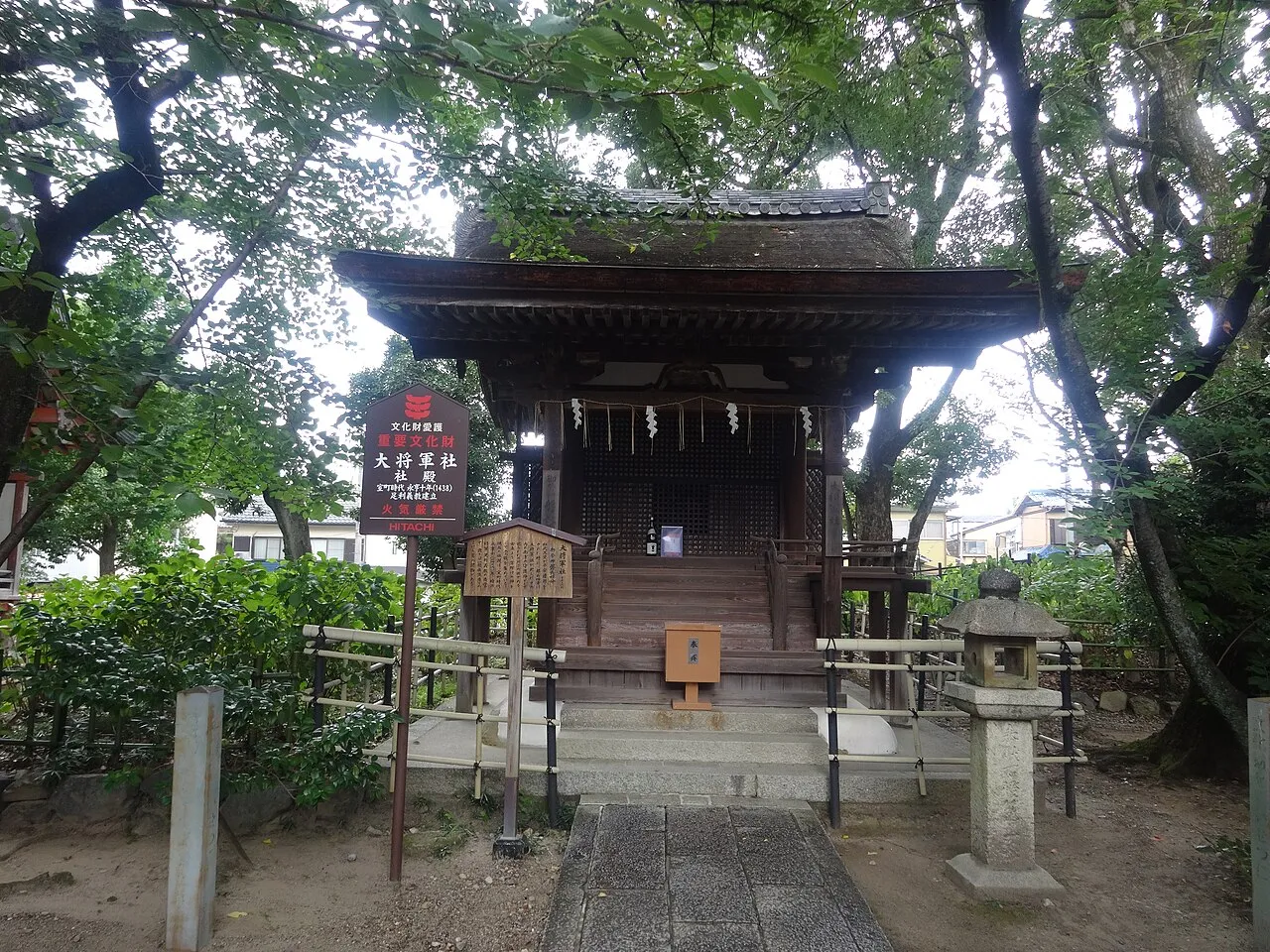
Enshrined deity: Susanoo-no-Mikoto and eleven other deities
Known as the shrine of victory and horses, Fujinomori draws horse racing fans and anyone seeking good luck in competitions. Its hydrangea garden, with roughly 3,500 plants, is one of Kyoto’s most spectacular displays in June.
- Goshuin highlights: Horse motif stamps. The hydrangea festival period brings popular limited editions
- Fee: ¥500
- Access: 5-min walk from JR Fujinomori Station / 7-min walk from Keihan Sumizome Station
- Don’t miss: Hydrangea garden (June), Kakeuma horse-running ritual (May), Fuji-no-Mizu sacred water, Tsurumaru sword (treasure hall)
Goshuin Info
| Details | |
|---|---|
| Hours | 9:00–17:00 |
| Location | Shrine office |
| Handwritten/Pre-made | Handwritten |
| Limited editions | Yes (Hydrangea Festival, sword-themed specials) |
16. Imamiya Shrine (Kita Ward)
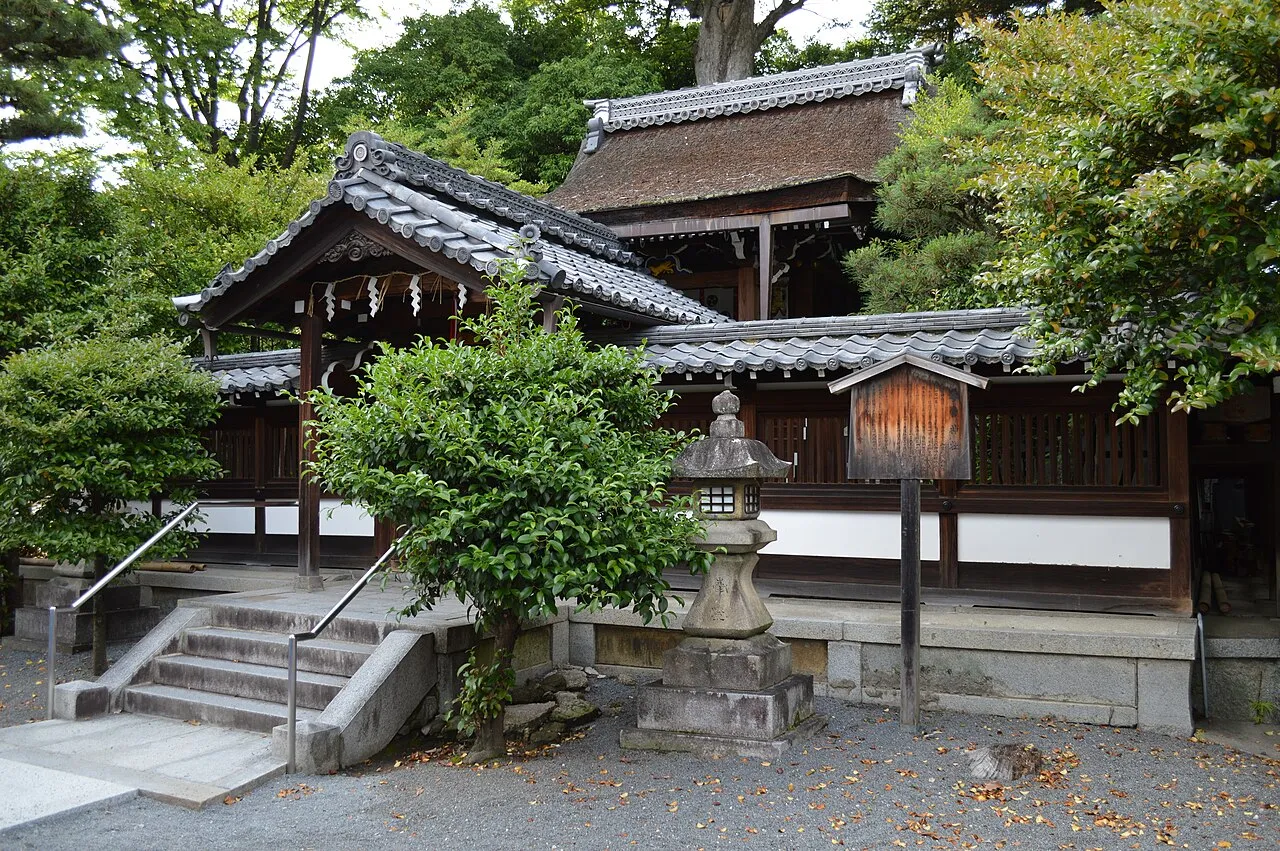
Enshrined deity: Okuninushi-no-Mikoto, Kotoshironushi-no-Mikoto, Kushinadahime-no-Mikoto
Connected to the origin of “tama-no-koshi” (marrying into wealth) through Keishoin, the mother of the fifth Tokugawa shogun. The aburi-mochi (grilled rice cake) shops flanking the gate have been serving visitors for over a thousand years.
- Goshuin highlights: Refined and elegant design. Special editions during the Yasurai Matsuri
- Fee: ¥500
- Access: Bus stop “Imamiya-Jinja-mae” / Bus ~10 min from Subway Kitaoji Station
- Don’t miss: Ahokashi-san stone (lift it for divination), aburi-mochi at “Ichiwa” and “Kazariya”
Goshuin Info
| Details | |
|---|---|
| Hours | 9:00–17:00 |
| Location | Shrine office |
| Handwritten/Pre-made | Handwritten |
| Limited editions | Yes (Yasurai Matsuri specials) |
17. Go-o Shrine (Kamigyo Ward)
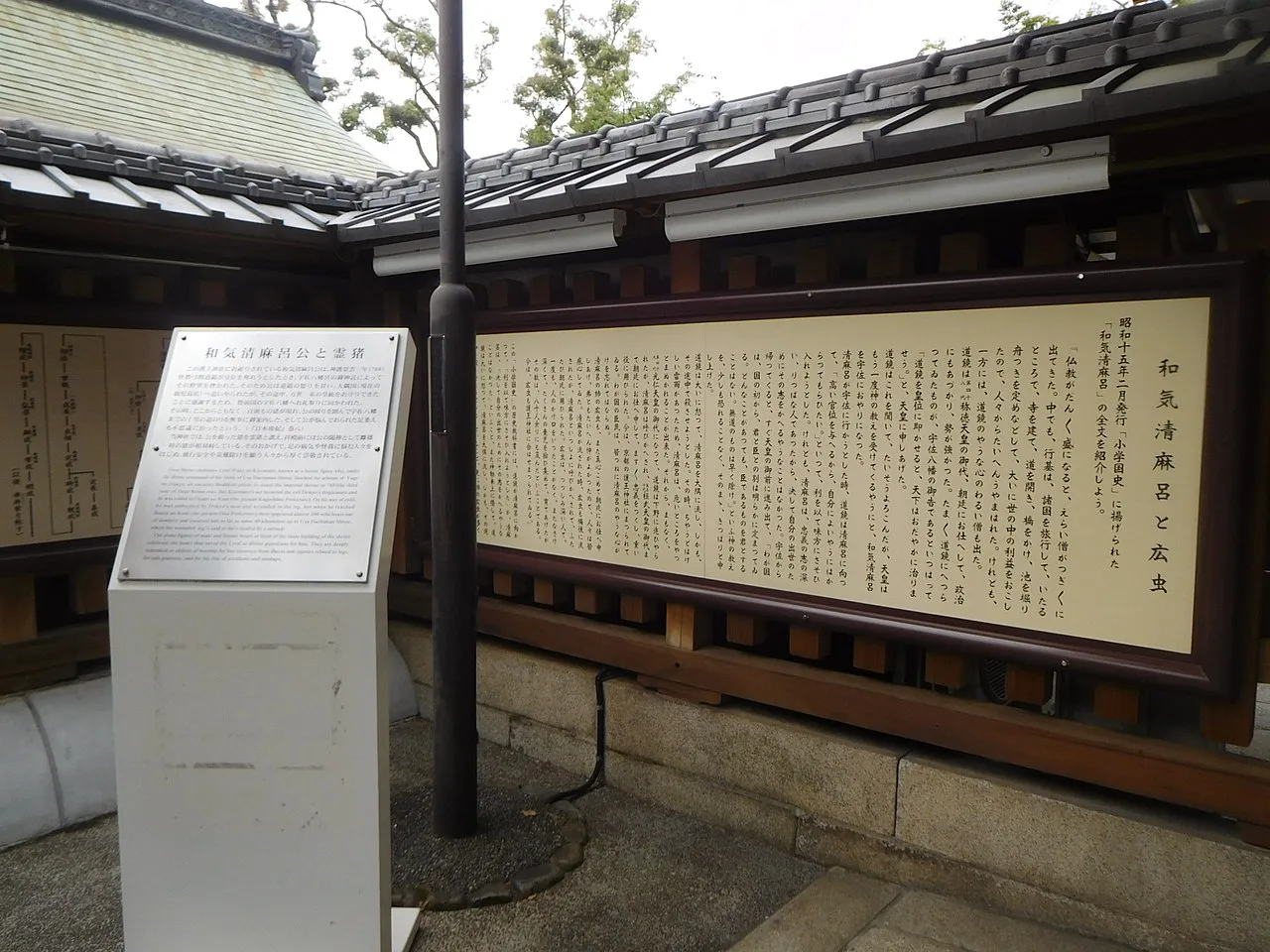
Enshrined deity: Wake no Kiyomaro, Wake no Hiromushime
Known as the “Boar Shrine,” this is Japan’s only shrine with wild boar guardian statues instead of the usual komainu dogs. The legend says 300 boars appeared to protect Wake no Kiyomaro during a crisis, making it a shrine for leg and foot health.
- Goshuin highlights: Features an adorable boar seal. Special designs in the Year of the Boar
- Fee: ¥500
- Access: 7-min walk from Subway Marutamachi Station / Bus stop “Karasuma-Shimochojamachi”
- Don’t miss: Boar guardian statues (Japan’s only pair), boar collection, leg recovery monument, boar-shaped water basin
Goshuin Info
| Details | |
|---|---|
| Hours | 9:00–17:00 |
| Location | Shrine office |
| Handwritten/Pre-made | Handwritten |
| Limited editions | Yes (Setsubun specials) |
18. Kurumazaki Shrine (Ukyo Ward)
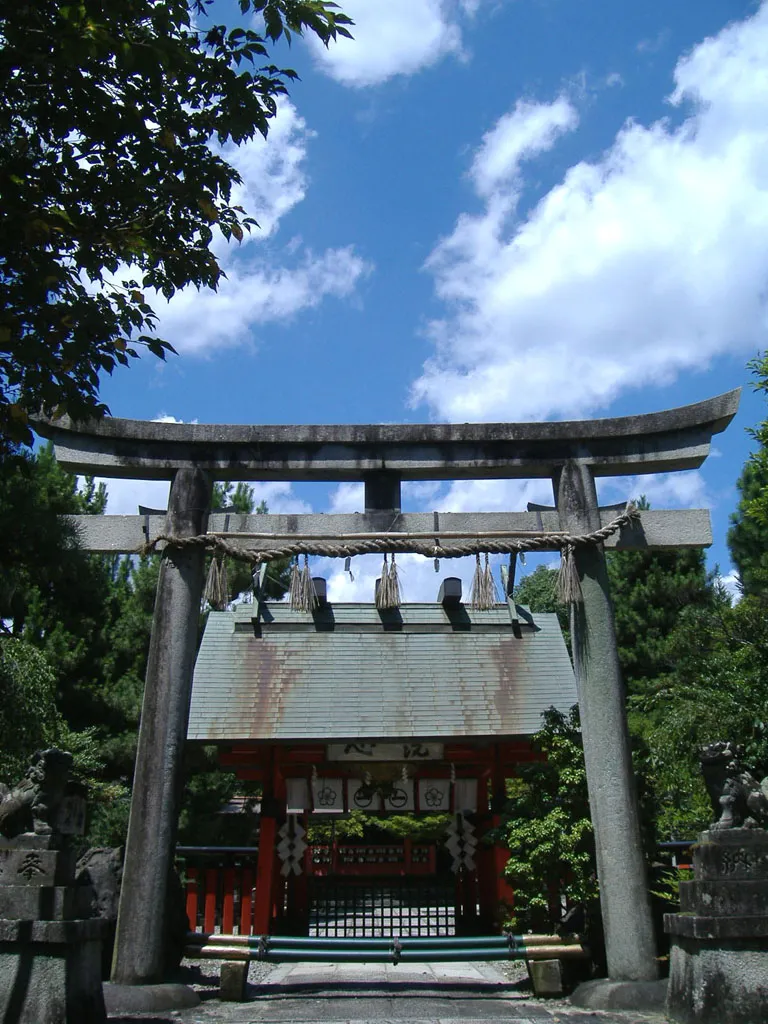
Enshrined deity: Kiyohara no Yorinari
Famous as the shrine of performing arts. The “Geino Shrine” within the grounds is surrounded by hundreds of vermillion tamagaki (votive fences) bearing the names of celebrities. Also revered as the “god of keeping promises.”
- Goshuin highlights: Both the main shrine and Geino Shrine stamps are available
- Fee: ¥300
- Access: Steps from Keifuku Kurumazaki-Jinja Station / 10-min walk from JR Saga-Arashiyama Station
- Don’t miss: Geino Shrine and celebrity tamagaki, Kiyome-no-Yashiro, cherry blossoms (15 varieties, ~40 trees)
Goshuin Info
| Details | |
|---|---|
| Hours | 9:00–17:00 |
| Location | Shrine office |
| Handwritten/Pre-made | Handwritten |
| Limited editions | Yes (cherry blossom season specials) |
19. Okazaki Shrine (Sakyo Ward)
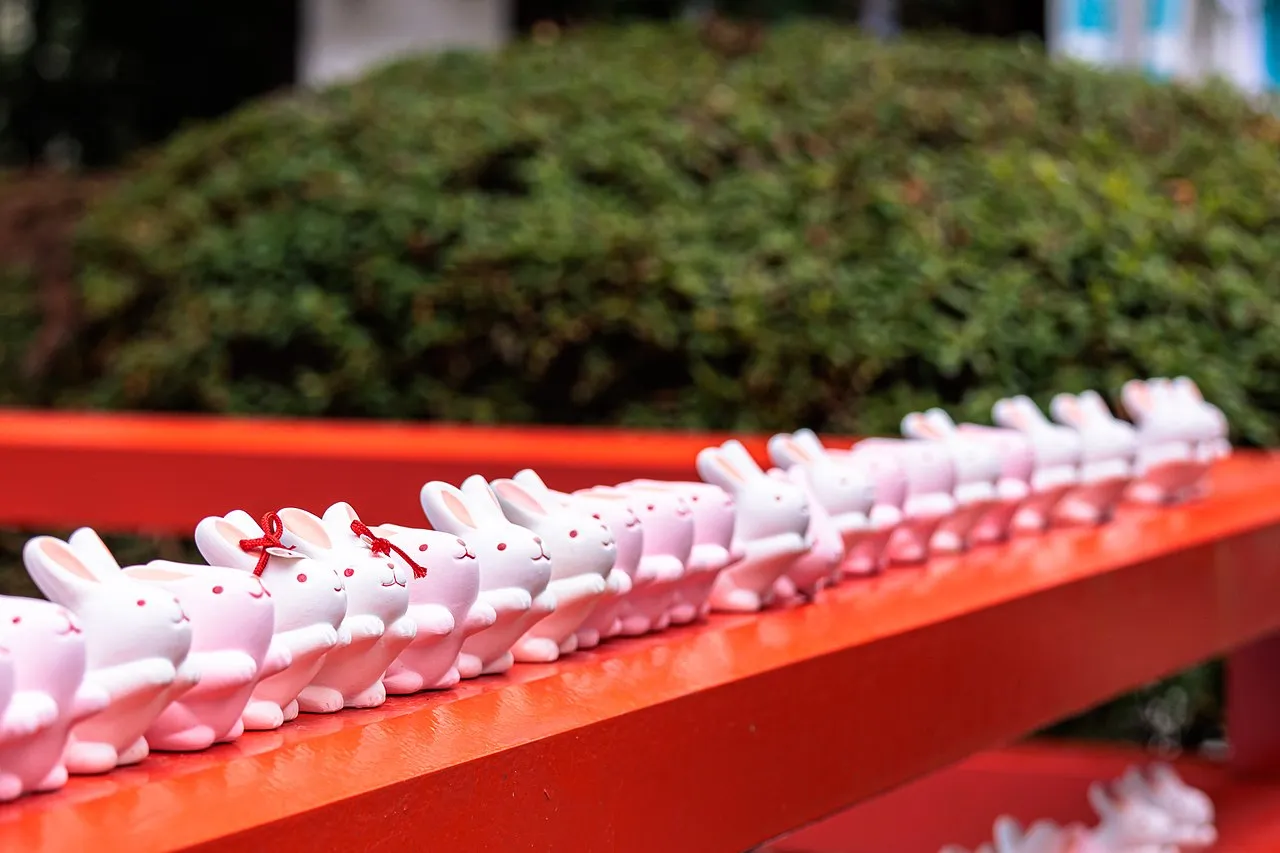
Enshrined deity: Hayasusanoo-no-Mikoto, Kushinadahime-no-Mikoto, and eight other deities
Known as the “Rabbit Shrine,” this is one of Kyoto’s most Instagram-friendly spots. Rabbit statues are everywhere — guardian rabbits instead of dogs, beckoning rabbits, and fortune-telling rabbit figurines. Popular for fertility and safe childbirth blessings.
- Goshuin highlights: Rabbit motif stamp — cute and collectible. Rabbit-themed charms are also abundant
- Fee: ¥500
- Access: Bus stop “Okazaki-Jinja-mae” / 15-min walk from Subway Keage Station
- Don’t miss: Komausagi (guardian rabbits), beckoning rabbit, rabbit omikuji, fertility rabbit statue
Goshuin Info
| Details | |
|---|---|
| Hours | 9:00–17:00 |
| Location | Shrine office |
| Handwritten/Pre-made | Handwritten |
| Limited editions | Yes (Year of the Rabbit, seasonal specials) |
20. Jonangu (Fushimi Ward)
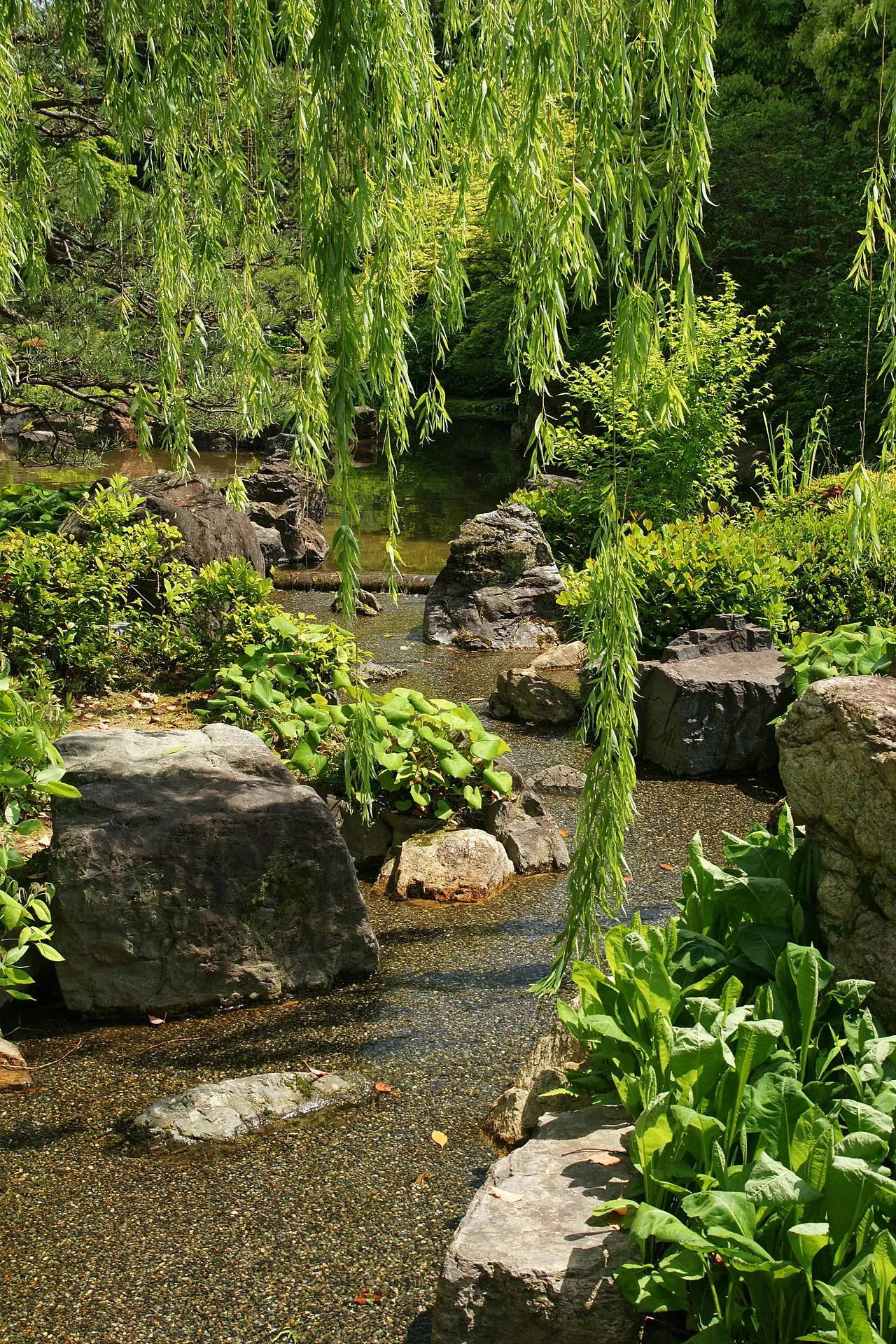
Enshrined deity: Kunitokotachi-no-Mikoto, Yachimatahiko-no-Kami, Okinagatarashihime-no-Mikoto
The great shrine of hoyoke (directional protection), popular for blessings related to moving, travel safety, and warding off bad luck. Its Rakusui-en garden recreates plants from “The Tale of Genji” across five themed gardens. The weeping plum blossoms in February–March are among Kyoto’s finest.
- Goshuin highlights: Classic, dignified calligraphy. Special stamps during the weeping plum season
- Fee: ¥500
- Access: 15-min walk from Subway/Kintetsu Takeda Station / Bus stop “Jonangu”
- Don’t miss: Rakusui-en garden, weeping plum and camellia (Feb–Mar), Kyokusui-no-En poetry event (April, November)
Goshuin Info
| Details | |
|---|---|
| Hours | 9:00–16:30 |
| Location | Shrine office |
| Handwritten/Pre-made | Handwritten |
| Limited editions | Yes (weeping plum, Kyokusui-no-En specials) |
Suggested Itineraries for Goshuin Collecting
Half-Day: Higashiyama Area
- Yasaka Shrine → 5-min walk → explore Gion → 15-min bus
- Heian Jingu → 15-min walk
- Okazaki Shrine
Duration: ~3–4 hours (including visits and travel)
Full Day: Kyoto Station Start
- Fushimi Inari Taisha (1 stop on JR Nara Line) → JR + bus ~40 min
- Kitano Tenmangu → bus ~20 min
- Seimei Shrine → bus ~15 min
- Shimogamo Shrine → bus ~10 min
- Yasaka Shrine (dinner in Gion)
Duration: ~7–8 hours (including visits, travel, and meals)
Arashiyama Course: Nature & History
- Kurumazaki Shrine (Keifuku Railway toward Arashiyama) → 10-min walk or 1 stop
- Nonomiya Shrine (stroll through bamboo grove) → bus ~20 min
- Matsunoo Taisha
Duration: ~4–5 hours
Tips for Collecting Goshuin in Kyoto
Beating the Crowds
- Fushimi Inari Taisha: Arrive by 7 AM to experience the torii gates in peaceful solitude
- Arashiyama area: Weekday mornings are best. November (autumn leaves) is especially packed
- Yasaka Shrine: Skip the Gion Matsuri period (July) for a calmer visit
Getting Around
- The Kyoto City Bus 1-Day Pass (¥700) covers most major shrines within the city
- For Higashiyama to Arashiyama, the Keifuku Railway (Randen) is convenient
- The Fushimi area is best reached via JR Nara Line or Keihan Main Line
About Goshuincho (Stamp Books)
- Many shrines sell original goshuincho with beautiful designs
- Popular options: Kitano Tenmangu (plum design), Shimogamo Shrine (hollyhock design), Yasaka Shrine (Gion Matsuri design)
- If you forget your goshuincho, most shrines offer pre-written stamps on loose paper
Wrapping Up
Kyoto offers an unparalleled goshuin experience, from World Heritage ancient shrines to charmingly quirky neighborhood gems. Whether you’re drawn to history, nature, or unique stamp designs, the ancient capital has something for every collector.
For planning your goshuin pilgrimage, try the Goshuin Meguri app — it helps you track your collection and discover nearby shrines with ease.
Information in this article is current as of February 2026. Hours and fees are subject to change — please check each shrine’s official website before visiting.