Saitama Prefecture was once the heart of Musashi Province, a region steeped in centuries of spiritual devotion. From the revered Chichibu Three Shrines to the head shrine of the Hikawa faith and the beloved shrines of “Little Edo” Kawagoe, goshuin enthusiasts will find no shortage of incredible destinations. With easy access from central Tokyo and plenty of options for a day trip, Saitama is a pilgrimage goldmine. This guide highlights 20 of the best shrines in the prefecture for collecting goshuin.
1. Musashi Ichinomiya Hikawa Shrine (Omiya, Saitama City)
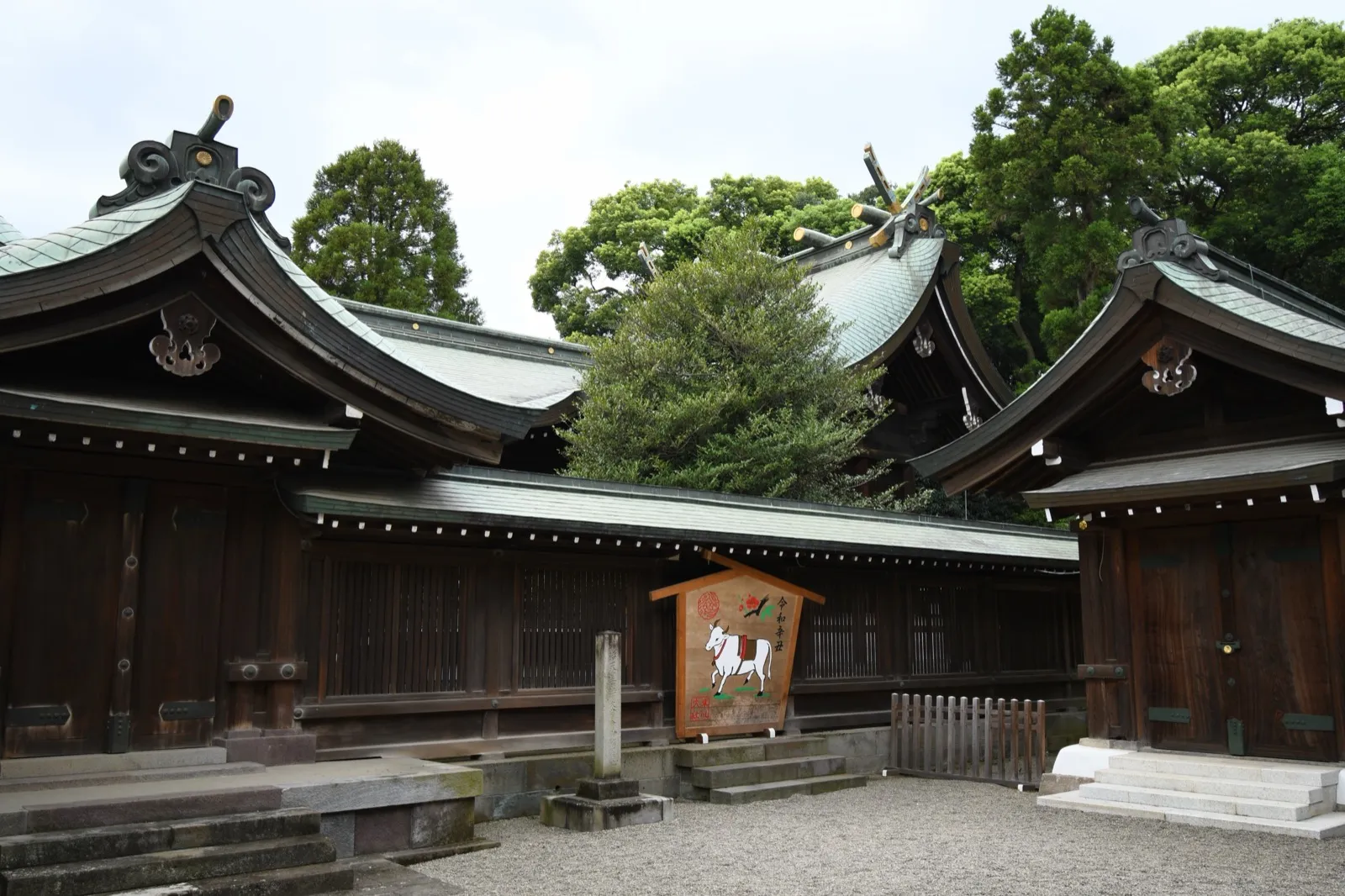
Enshrined deity: Susanoo-no-Mikoto, Inadahime-no-Mikoto, Okuninushi-no-Mikoto
With over 2,400 years of history, this is the ichinomiya (highest-ranked shrine) of Musashi Province and the head shrine of roughly 280 Hikawa shrines nationwide. The city name “Omiya” (great shrine) derives from this very shrine. The approximately 2 km zelkova-lined approach path is breathtaking.
- Goshuin highlights: A stately stamp bearing the characters “Musashi Ichinomiya” — a goshuin that radiates prestige
- Fee: ¥500
- Access: 15-min walk from JR Omiya Station (east exit) / 5-min walk from Tobu Noda Line Kita-Omiya Station
- Don’t miss: Tower gate (romon), sacred dance stage, sacred pond and bridge, Hikawa dango (rice dumplings)
Goshuin Info
| Details | |
|---|---|
| Hours | 8:30–16:30 |
| Location | Goshuin reception desk inside the tower gate |
| Handwritten/Pre-made | Handwritten |
| Limited editions | Yes (New Year, annual festival, and other event specials) |
2. Kawagoe Hikawa Shrine (Kawagoe City)
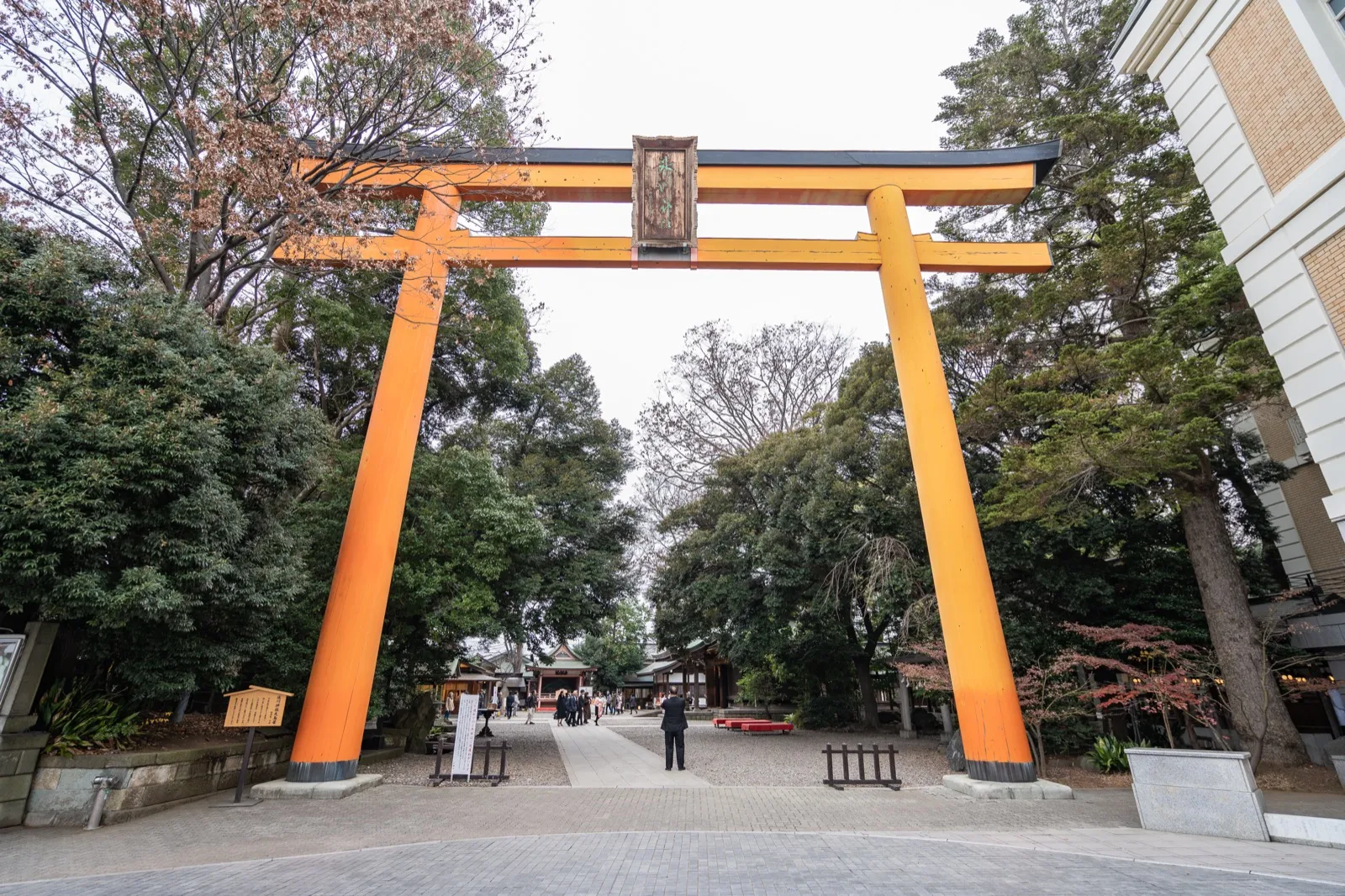
Enshrined deity: Susanoo-no-Mikoto, Kushiinadahime-no-Mikoto, and three other deities
Nationally famous as a shrine for matchmaking blessings. During summer, the “Enmusubi Furin” (matchmaking wind chime) event fills the grounds with roughly 2,000 Edo-style wind chimes, making it an iconic photo spot on social media. The “Enmusubi-dama” (matchmaking stones) distributed every morning at 8 AM are hugely popular.
- Goshuin highlights: A wide variety of seasonal and event-themed limited editions. The standard goshuin is simple and refined
- Fee: ¥500
- Access: 10-min bus ride from Seibu Shinjuku Line Hon-Kawagoe Station / 15-min bus ride from Tobu Tojo Line Kawagoe Station
- Don’t miss: 15 m-tall grand torii gate, ema (votive tablet) tunnel, matchmaking wind chimes (Jul–Sep), tai-mikuji (sea bream fortunes)
Goshuin Info
| Details | |
|---|---|
| Hours | 9:00–17:00 |
| Location | Shrine office |
| Handwritten/Pre-made | Handwritten (pre-made when crowded) |
| Limited editions | Yes (extensive seasonal and festival-themed editions) |
3. Mitsumine Shrine (Chichibu City)
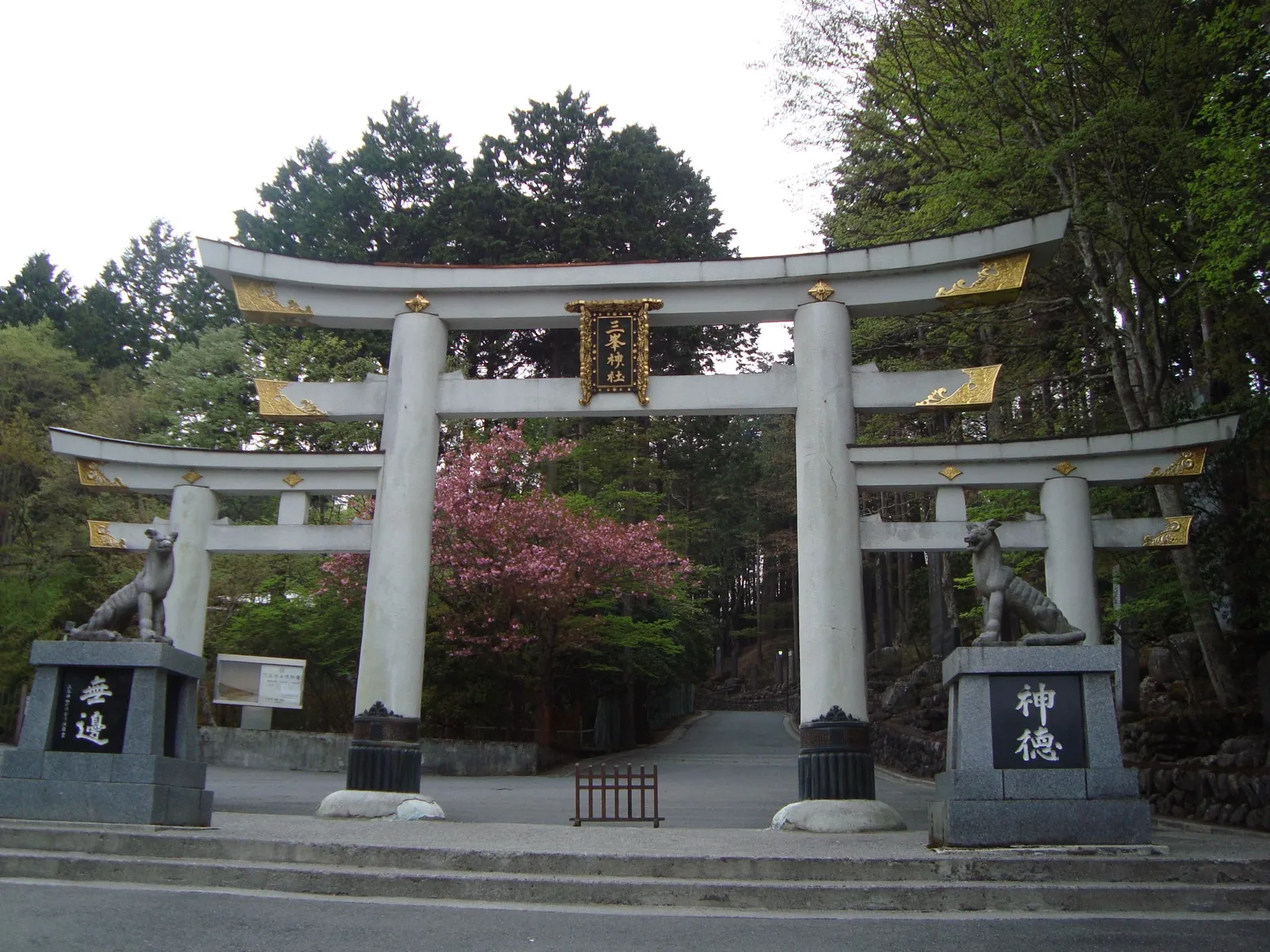
Enshrined deity: Izanagi-no-Mikoto, Izanami-no-Mikoto
Perched at roughly 1,100 m above sea level, this is one of the Kanto region’s premier power spots. Said to have been founded by the legendary Yamato Takeru, the shrine is guarded not by the usual lion-dog statues but by wolves (known as “Oinu-sama”). The sight of the shrine floating above a sea of clouds is truly mystical.
- Goshuin highlights: Powerful brushwork with the Mitsumine vermillion seal — a stamp imbued with the spiritual energy of the mountains
- Fee: ¥500
- Access: 75-min bus ride from Seibu Chichibu Station (express bus available)
- Don’t miss: Mitsu-torii (triple) gate, Zuishinmon gate, exquisite carvings on the worship hall, panoramic view from the Yohaiden, sacred tree
Goshuin Info
| Details | |
|---|---|
| Hours | 9:00–17:00 (may vary by season) |
| Location | Shrine office |
| Handwritten/Pre-made | Handwritten |
| Limited editions | Yes (seasonal) |
4. Chichibu Shrine (Chichibu City)
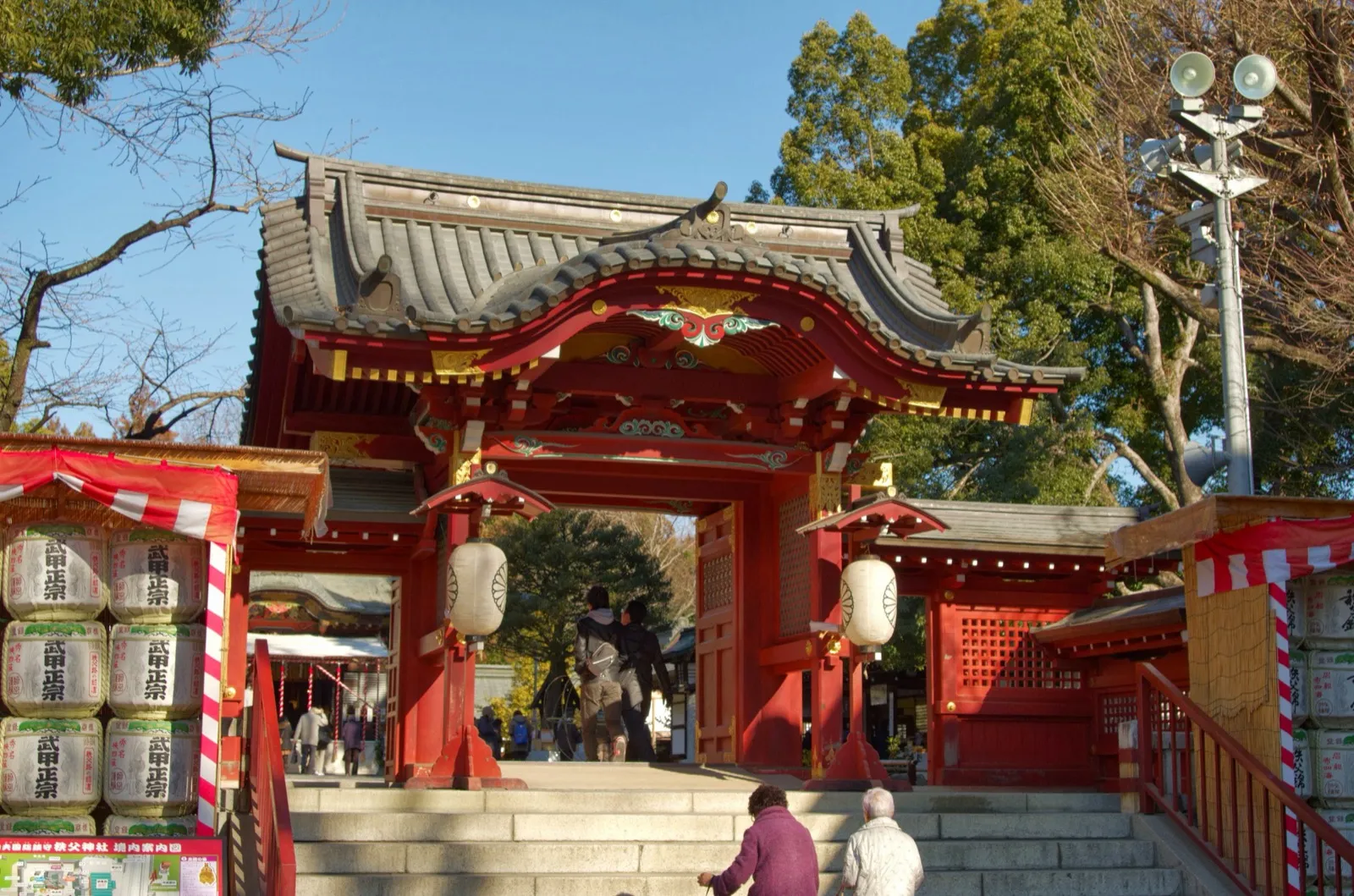
Enshrined deity: Yagokoro-Omoikane-no-Mikoto, Chichibu-hiko-no-Mikoto, Ame-no-Minakanushi-no-Kami, Prince Chichibu Yasuhito
The grand guardian shrine of the Chichibu region with roughly 2,100 years of history. The shrine hall features magnificent carvings, including “Tsunagi-no-Ryu” (the Chained Dragon) and the “Genki Three Monkeys,” both attributed to the legendary sculptor Hidari Jingoro. The Chichibu Night Festival in December is one of Japan’s three great float festivals.
- Goshuin highlights: Crisp “Chichibu Jinja” calligraphy. Special editions available during the Night Festival season
- Fee: ¥500
- Access: 3-min walk from Chichibu Railway Chichibu Station / 15-min walk from Seibu Chichibu Station
- Don’t miss: Chained Dragon carving, Genki Three Monkeys, North Star Owl, Tiger of Child-rearing
Goshuin Info
| Details | |
|---|---|
| Hours | 8:30–17:00 |
| Location | Shrine office |
| Handwritten/Pre-made | Handwritten |
| Limited editions | Yes (Chichibu Night Festival specials, seasonal) |
5. Hodosan Shrine (Nagatoro Town)
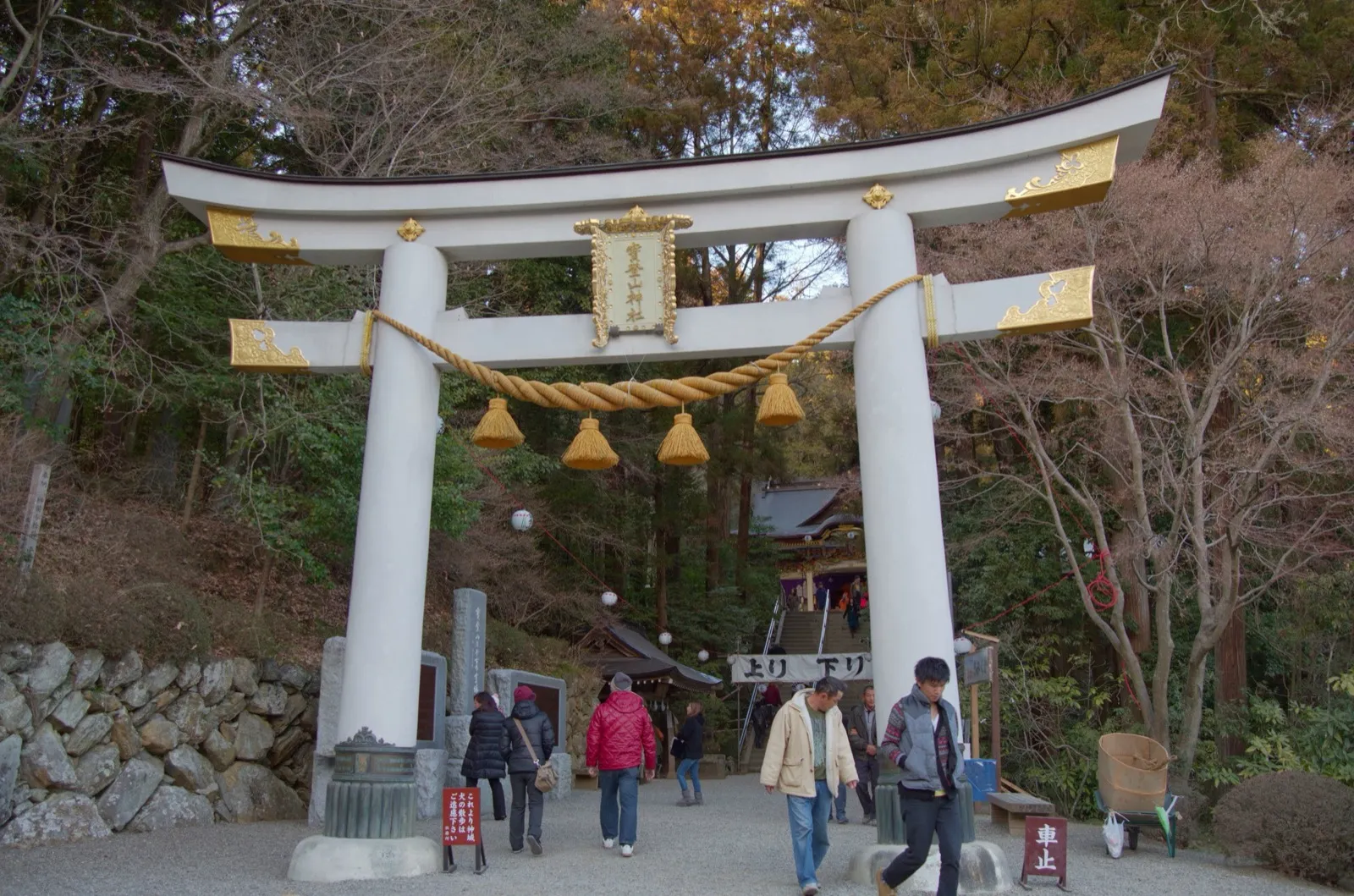
Enshrined deity: Kamu-Yamato-Iwarehiko-no-Mikoto (Emperor Jimmu), Oyamatsumi-no-Kami, Homusubi-no-Kami
One of the Chichibu Three Shrines. The auspicious name “Hodosan” (treasure-climbing mountain) has made it a popular destination for blessings of financial fortune and good luck. The shrine earned one star in the Michelin Green Guide Japan.
- Goshuin highlights: A beautiful stamp highlighted by the vivid “Hodosan Jinja” vermillion seal
- Fee: ¥500
- Access: 10-min walk from Chichibu Railway Nagatoro Station
- Don’t miss: Brilliantly colored carvings on the main hall, panoramic view of the Chichibu mountain range from the inner shrine, Hodosan Ropeway
Goshuin Info
| Details | |
|---|---|
| Hours | 9:00–16:30 |
| Location | Shrine office |
| Handwritten/Pre-made | Handwritten |
| Limited editions | Yes (seasonal) |
6. Tsuki Shrine (Urawa, Saitama City)
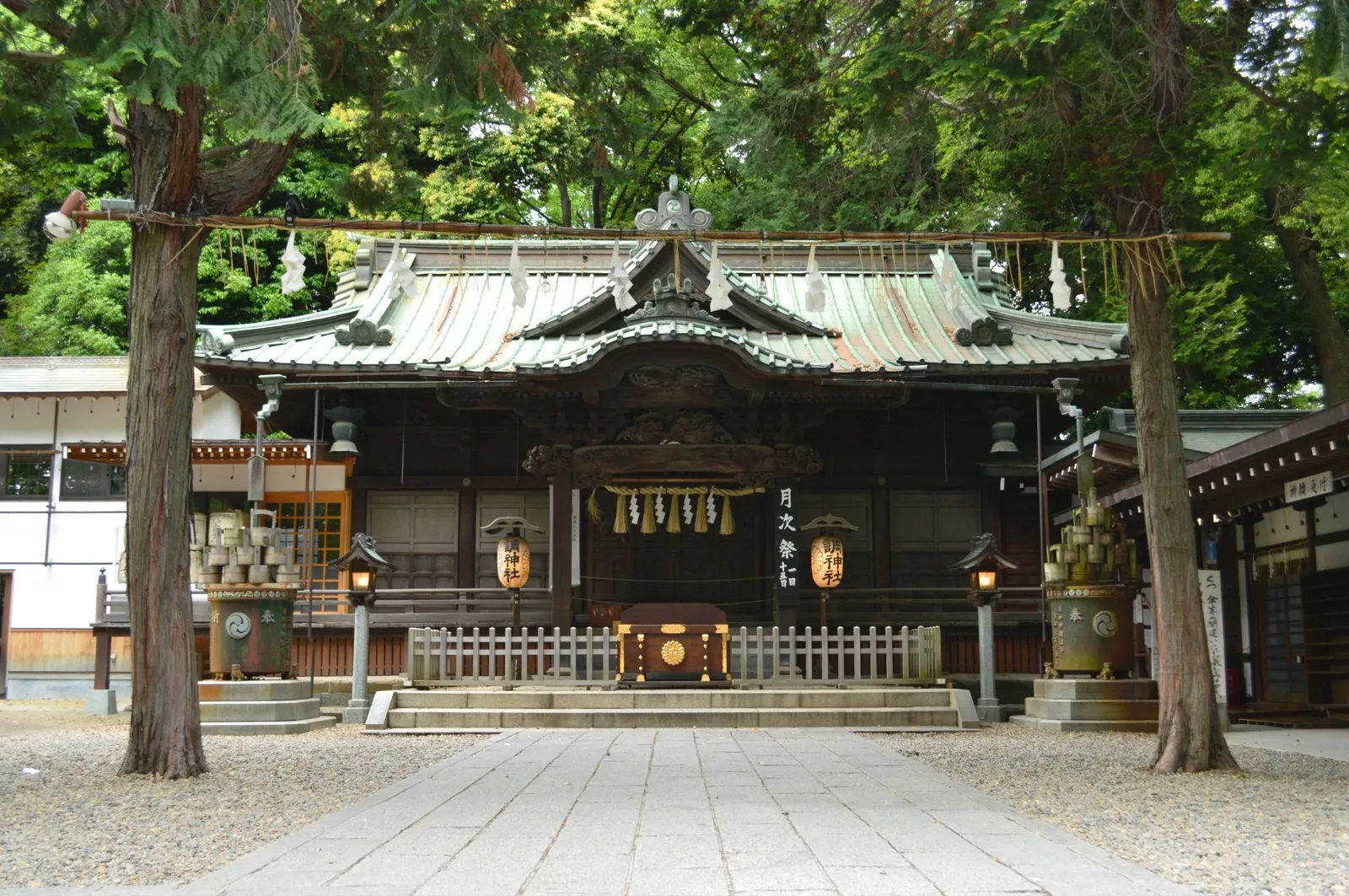
Enshrined deity: Amaterasu-Omikami, Toyoukehime-no-Mikoto, Susanoo-no-Mikoto
Known as “Tsuki-no-Miya,” this unusual shrine is notable for having no torii gate at its entrance. Rabbit statues are scattered throughout the grounds, and the shrine is beloved as a place that “brings tsuki (luck/moon).” It is also famous as the shrine where Urawa Reds pray for victory.
- Goshuin highlights: An adorable stamp featuring a rabbit seal
- Fee: ¥500
- Access: 10-min walk from JR Urawa Station (west exit)
- Don’t miss: Torii-less entrance, rabbit statue at the purification fountain, guardian rabbits (komainu-style), former main hall
Goshuin Info
| Details | |
|---|---|
| Hours | 9:00–16:30 |
| Location | Shrine office |
| Handwritten/Pre-made | Handwritten |
| Limited editions | None (same design year-round) |
7. Washinomiya Shrine (Kuki City)
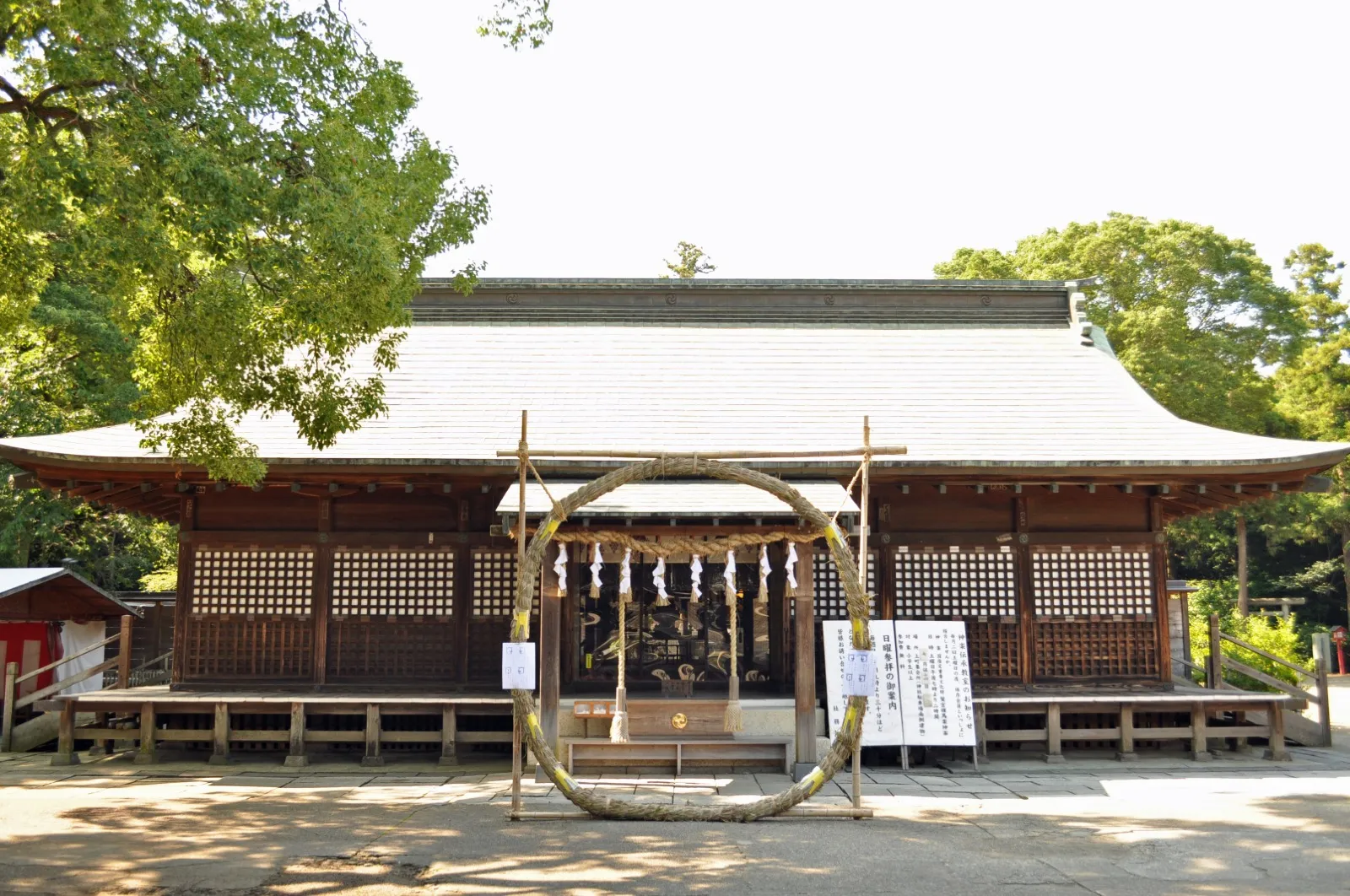
Enshrined deity: Ame-no-Hohi-no-Mikoto, Takehiratori-no-Mikoto, Okuninushi-no-Mikoto
Considered one of the oldest grand shrines in the Kanto region, Washinomiya is also known as the head shrine of the Otori faith. It became a pioneering “anime pilgrimage” destination after being featured in the anime Lucky Star, which dramatically boosted its New Year visitor numbers.
- Goshuin highlights: A simple yet historically resonant “Washinomiya Jinja” stamp
- Fee: ¥500
- Access: 8-min walk from Tobu Isesaki Line Washinomiya Station
- Don’t miss: Koten-no-Ike pond, kagura-den (largest kagura stage in the Kanto region), Hajisai Festival (Lucky Star mikoshi)
Goshuin Info
| Details | |
|---|---|
| Hours | 9:00–16:00 |
| Location | Shrine office |
| Handwritten/Pre-made | Handwritten |
| Limited editions | Yes (New Year specials, etc.) |
8. Kawagoe Kumano Shrine (Kawagoe City)
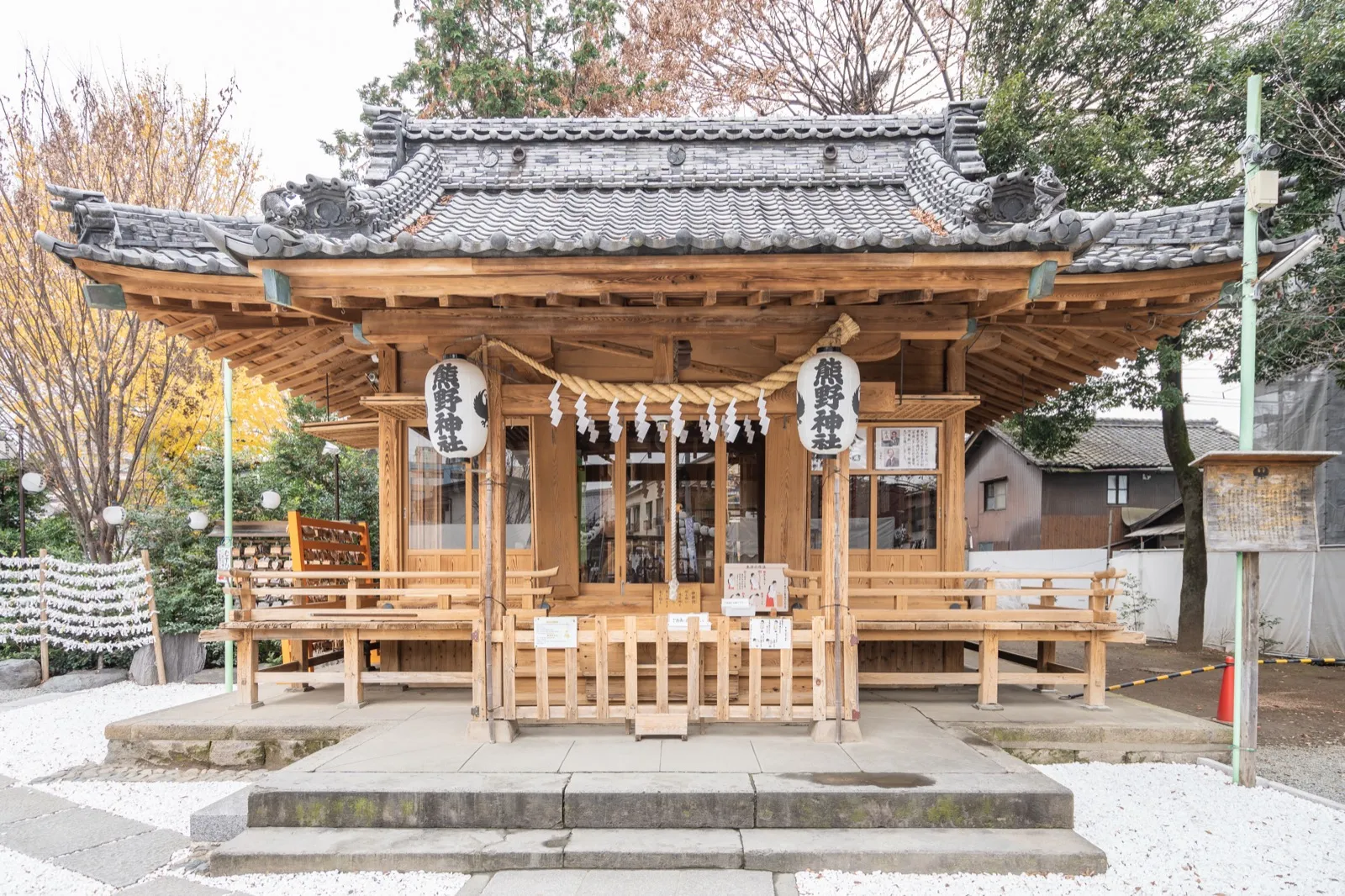
Enshrined deity: Izanagi-no-Mikoto, Izanami-no-Mikoto, Kotosakanoo-no-Mikoto
Located near the iconic kurazukuri (warehouse-style) streetscape of “Little Edo” Kawagoe, this shrine is known for blessings of good fortune and matchmaking. The interactive grounds feature a foot-pressure health path and fortune ring-toss, making every visit entertaining.
- Goshuin highlights: Colorful stamps featuring the yatagarasu (three-legged crow) design, changing with each season
- Fee: ¥500
- Access: 7-min walk from Seibu Shinjuku Line Hon-Kawagoe Station
- Don’t miss: Foot-pressure health path, fortune ring-toss, yatagarasu charms, coin-washing Benzaiten
Goshuin Info
| Details | |
|---|---|
| Hours | 9:30–17:00 (until 16:30 in winter) |
| Location | Shrine office |
| Handwritten/Pre-made | Pre-made (colorful designs) |
| Limited editions | Yes (monthly and seasonal editions in abundance) |
9. Kawagoe Hachimangu (Kawagoe City)
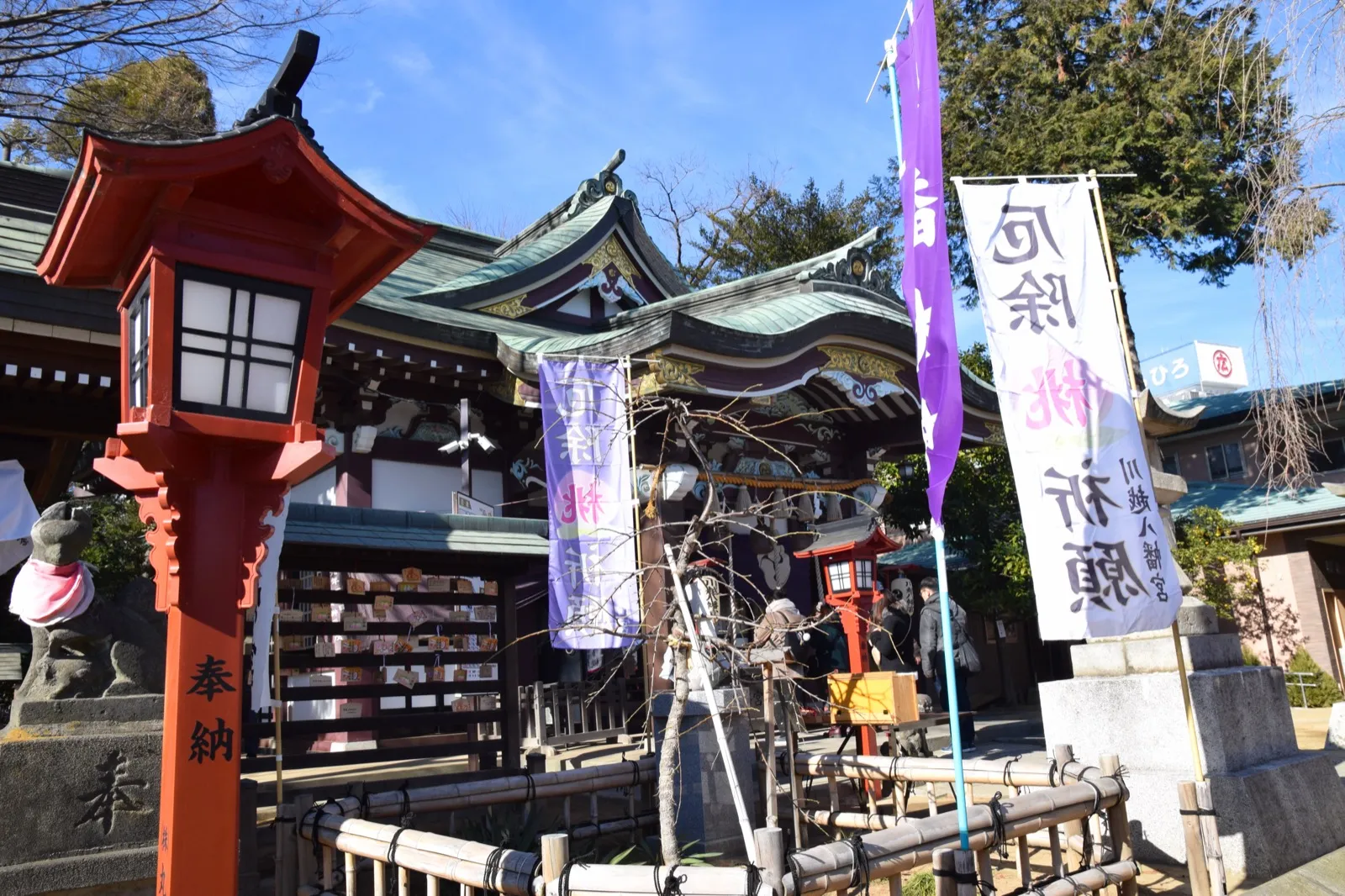
Enshrined deity: Homudawake-no-Mikoto (Emperor Ojin)
Founded in 1030 by Minamoto no Yorinobu. The “Enmusubi Icho” (matchmaking ginkgo tree) in the grounds — where two trees have grown together into one — is a popular power spot for romantic blessings.
- Goshuin highlights: A rich variety of limited designs tied to seasons and events
- Fee: ¥500
- Access: 6-min walk from JR / Tobu Tojo Line Kawagoe Station (east exit)
- Don’t miss: Matchmaking ginkgo tree, Minbu Inari (deity of eye health), Guchi-kiki-sama (the “complaint listener”)
Goshuin Info
| Details | |
|---|---|
| Hours | 9:00–17:00 |
| Location | Shrine office |
| Handwritten/Pre-made | Handwritten (limited editions are pre-made) |
| Limited editions | Yes (monthly and seasonal) |
10. Hisaizu Shrine (Koshigaya City)
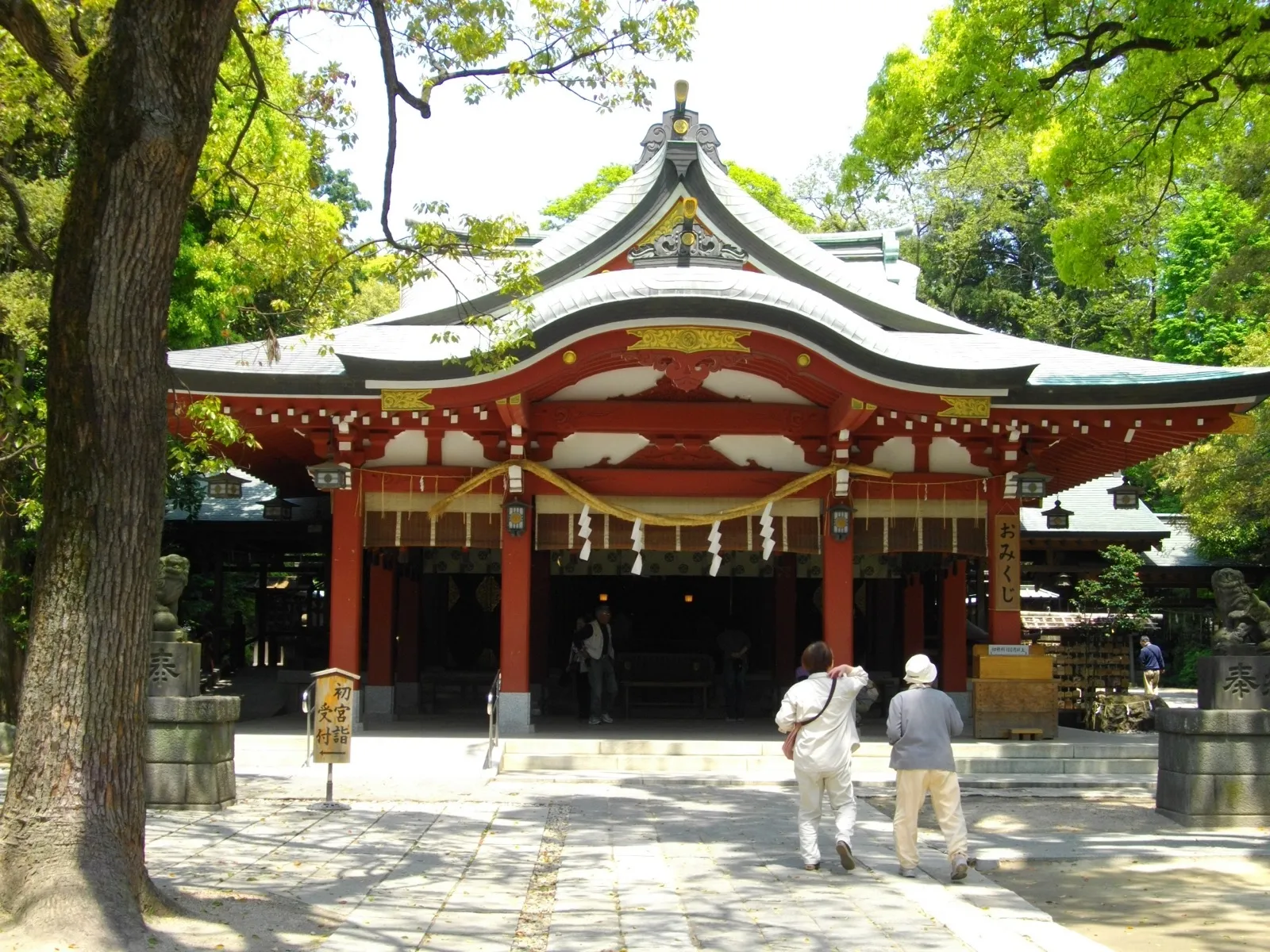
Enshrined deity: Okuninushi-no-Mikoto
The grand guardian shrine of Koshigaya. The name “Hisaizu” can be read as “quiz” in Japanese, which has led to TV quiz show contestants visiting for good-luck prayers — a charmingly unique tradition. The shrine is also renowned for its wisteria.
- Goshuin highlights: Composed, elegant “Hisaizu Jinja” calligraphy
- Fee: ¥500
- Access: 15-min walk from Tobu Skytree Line Kita-Koshigaya Station
- Don’t miss: Wisteria trellises (late Apr–May), peacocks on the grounds, seasonal flower-filled purification fountain (hanachozu)
Goshuin Info
| Details | |
|---|---|
| Hours | 9:00–16:30 |
| Location | Shrine office |
| Handwritten/Pre-made | Handwritten |
| Limited editions | Yes (seasonal, wisteria-season specials) |
11. Sakitama Shrine (Gyoda City)
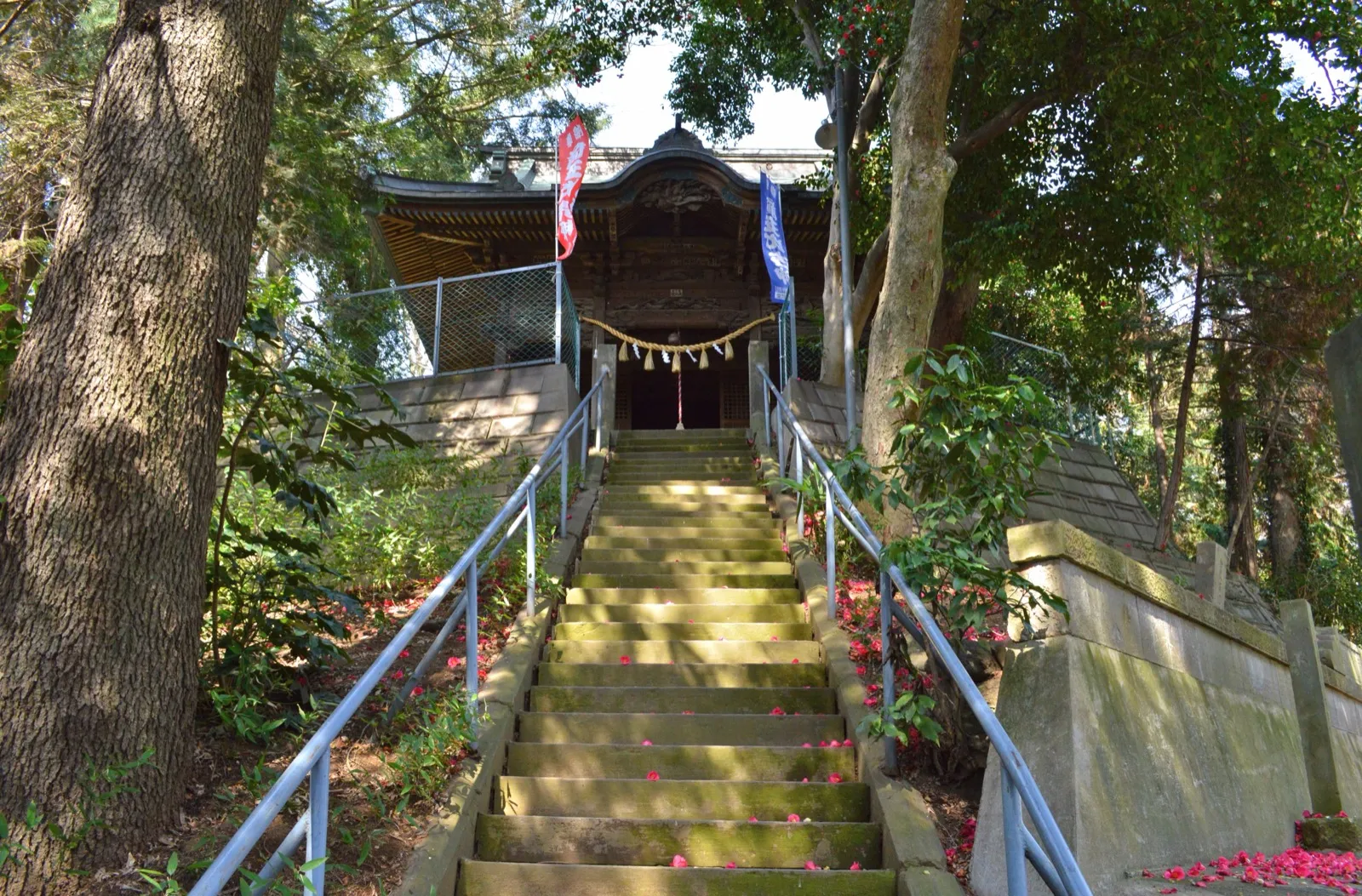
Enshrined deity: Sakitama-hiko-no-Mikoto, Sakitama-hime-no-Mikoto
This storied shrine is considered the origin of the name “Saitama.” It stands adjacent to the Sakitama Burial Mounds, with its shrine hall built atop an ancient burial mound. Famous for its many resident cats, the shrine is equally popular with feline fans.
- Goshuin highlights: An adorable cat-seal design that has taken social media by storm
- Fee: ¥500
- Access: 15-min bus ride from JR Fukiage Station / 30-min walk from Chichibu Railway Gyoda-shi Station
- Don’t miss: Shrine hall atop a burial mound, resident cats, combined visit with Sakitama Burial Mounds Park
Goshuin Info
| Details | |
|---|---|
| Hours | 9:00–16:30 |
| Location | Shrine office |
| Handwritten/Pre-made | Pre-made |
| Limited editions | Yes (cat designs, monthly editions) |
12. Hikawa Nyotai Shrine (Midori Ward, Saitama City)
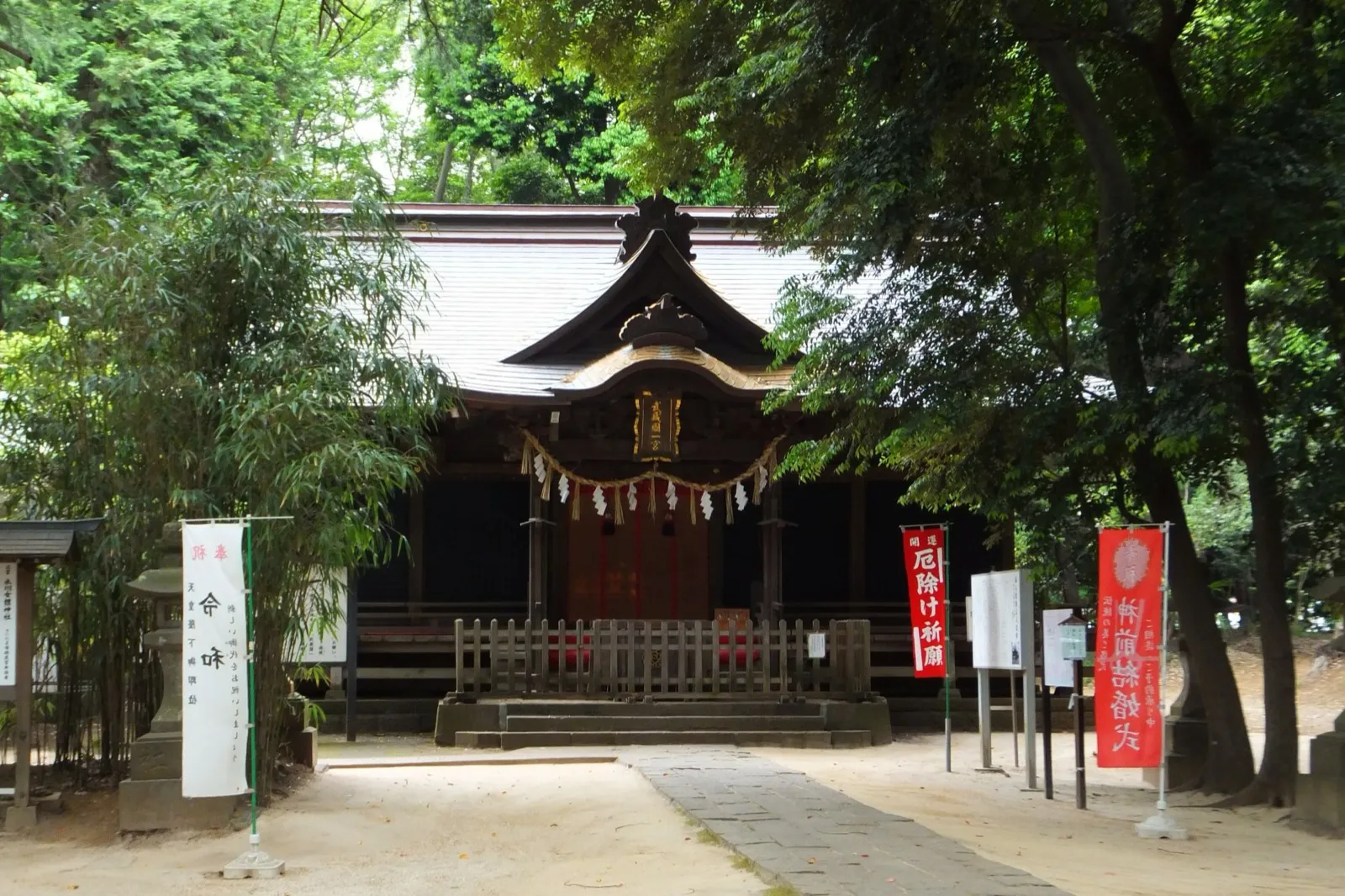
Enshrined deity: Kushiinadahime-no-Mikoto
The counterpart to Musashi Ichinomiya Hikawa Shrine, this shrine — as “Nyotai” (female body) implies — is dedicated to a goddess. The ancient “Iwafune Matsuri” tied to the dragon deity legend of Minuma has been held here since antiquity, attesting to its deep heritage.
- Goshuin highlights: A prestigious stamp bearing the characters “Musashi-no-Kuni Ichinomiya”
- Fee: ¥500
- Access: 15-min walk from JR Higashi-Urawa Station
- Don’t miss: Iwafune Matsuri site associated with the Minuma dragon deity legend, great zelkova sacred tree
Goshuin Info
| Details | |
|---|---|
| Hours | 9:00–16:00 |
| Location | Shrine office |
| Handwritten/Pre-made | Handwritten |
| Limited editions | None |
13. Koma Shrine (Hidaka City)
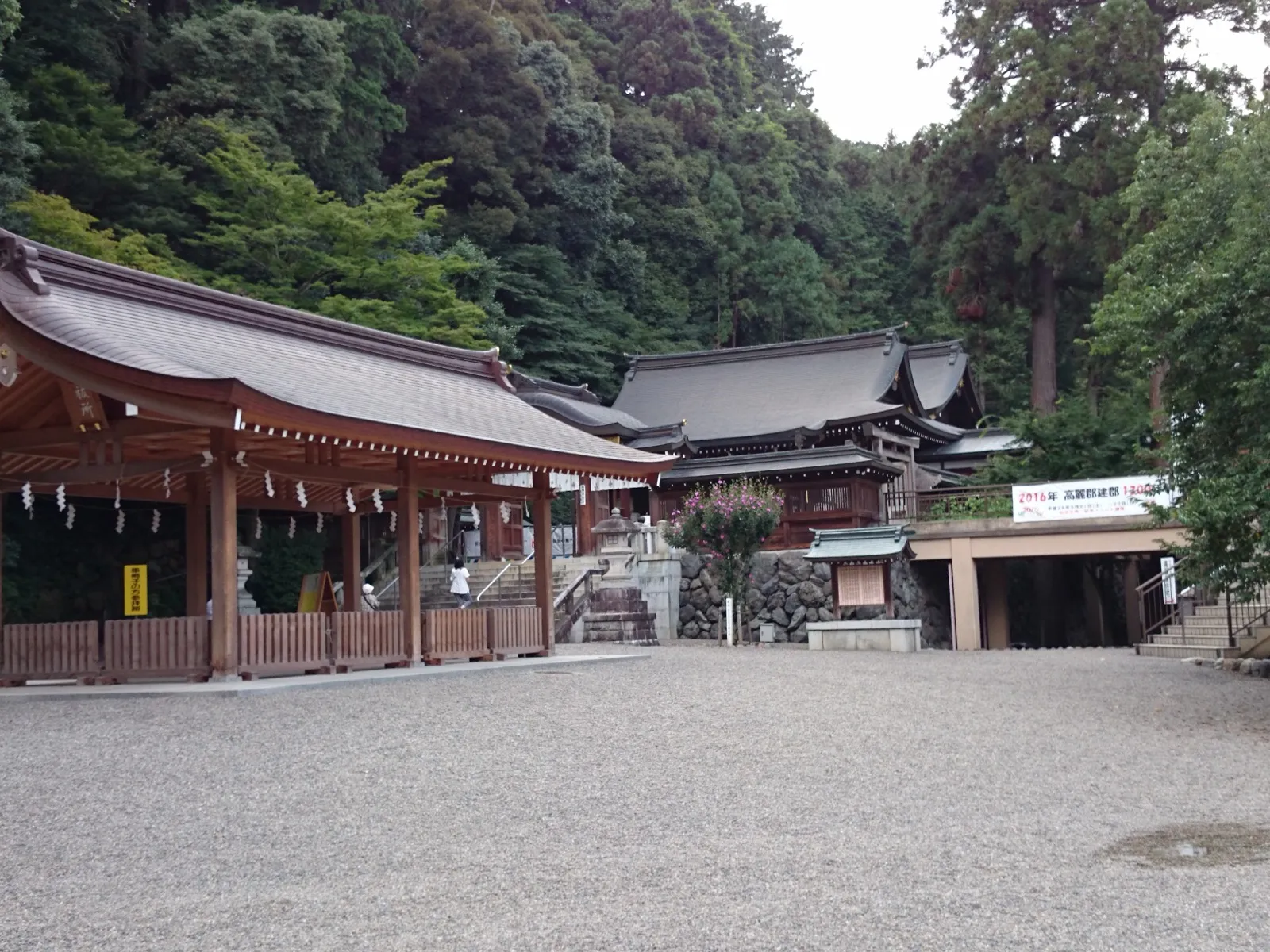
Enshrined deity: King Jakko of Goguryeo (Komaou Jakko)
A rare shrine enshrining a Korean immigrant leader who guided settlers from the fallen Goguryeo kingdom to Japan in 716 AD. Multiple politicians who visited went on to become prime ministers, earning it the nickname “Shusse Myojin” (Deity of Career Success).
- Goshuin highlights: Bold “Koma Jinja” calligraphy with vermillion seal
- Fee: ¥500
- Access: 15-min walk from JR Komagawa Station
- Don’t miss: Koma Residence (Important Cultural Property), Suiten-gu sub-shrine, Jangseung (Korean guardian poles)
Goshuin Info
| Details | |
|---|---|
| Hours | 8:30–17:00 |
| Location | Shrine office |
| Handwritten/Pre-made | Handwritten |
| Limited editions | Yes (festival specials) |
14. Tokorozawa Shinmeisha (Tokorozawa City)
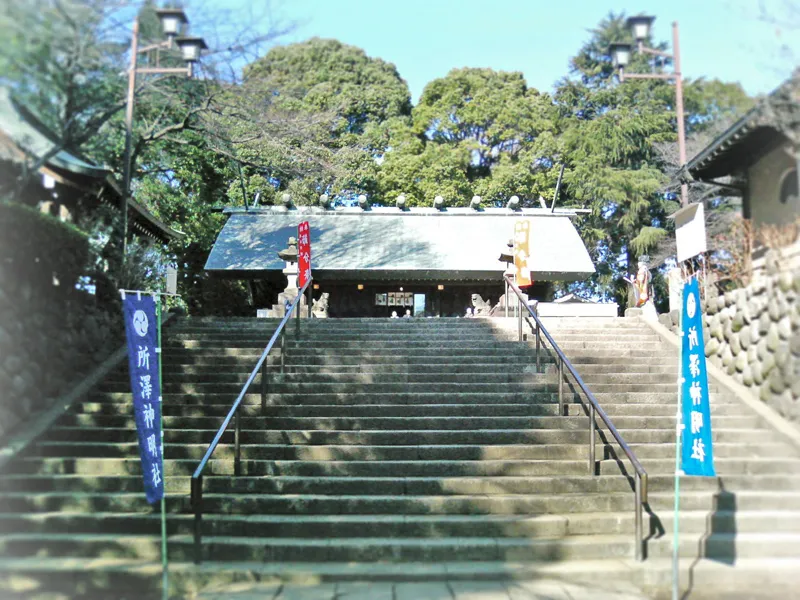
Enshrined deity: Amaterasu-Omikami, Ukano-mitama-no-Okami, Onamuchi-no-Okami
The grand guardian shrine of Tokorozawa. Located in the city known as the birthplace of Japanese aviation (home to the country’s first airfield), the shrine is also famous for its airplane-shaped ema (votive tablets). The lush, green grounds create a serene atmosphere.
- Goshuin highlights: Clean calligraphy for the standard goshuin, plus aviation-themed designs tied to the city’s heritage
- Fee: ¥500
- Access: 8-min walk from Seibu Shinjuku Line Koku-Koen Station
- Don’t miss: Ningyo-den (doll memorial hall), airplane ema, wooded forest walking path
Goshuin Info
| Details | |
|---|---|
| Hours | 9:00–16:30 |
| Location | Shrine office |
| Handwritten/Pre-made | Handwritten |
| Limited editions | Yes (Doll Memorial Festival and other event specials) |
15. Yakyu Inari Shrine (Higashimatsuyama City)
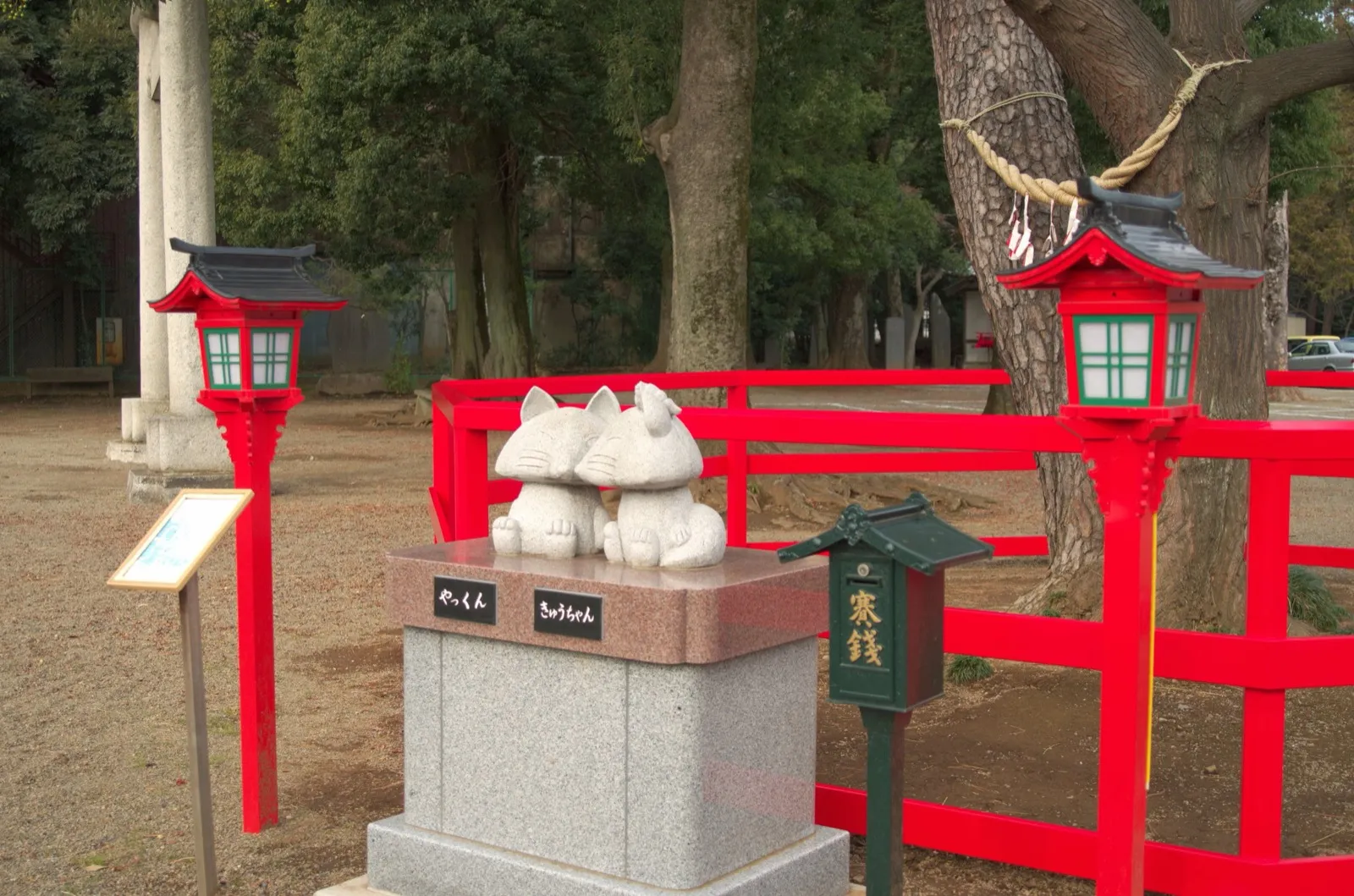
Enshrined deity: Ukemochi-no-Kami
Founded in 712, this ancient shrine’s name “Yakyu” sounds identical to the Japanese word for baseball, making it a perennial favorite among professional baseball players and sports enthusiasts. The peony garden on the grounds is also spectacular.
- Goshuin highlights: Standard “Yakyu Inari Jinja” goshuin plus baseball-themed limited editions
- Fee: ¥500
- Access: 3-min walk from Tobu Tojo Line Higashimatsuyama Station
- Don’t miss: Peony garden (Apr–May), baseball-themed ema, vermillion-lacquered shrine hall
Goshuin Info
| Details | |
|---|---|
| Hours | 9:00–16:30 |
| Location | Shrine office |
| Handwritten/Pre-made | Handwritten |
| Limited editions | Yes (Peony Festival specials, sports-themed) |
16. Kanasana Shrine (Kamikawa Town)
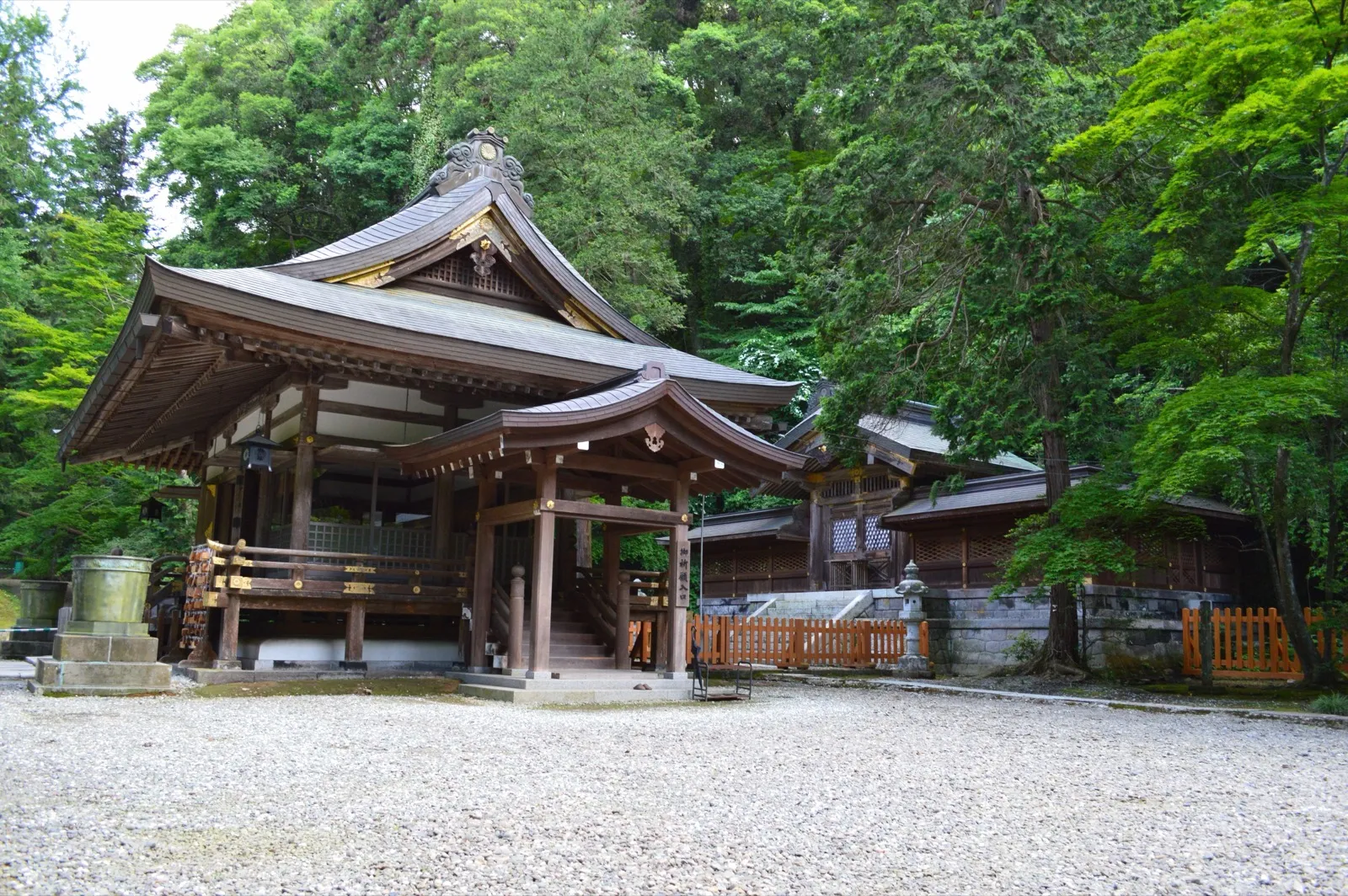
Enshrined deity: Amaterasu-Omikami, Susanoo-no-Mikoto
A rare shrine with no main hall — instead, the sacred mountain behind it (Mount Mitake / Omuro-yama) serves as the divine body of worship, preserving the ancient form of Shinto ritual. Ranked as the ninomiya (second-ranked shrine) of Musashi Province, its tahoto pagoda is a designated Important Cultural Property.
- Goshuin highlights: Weighty “Musashi Ninomiya Kanasana Jinja” calligraphy — a stamp steeped in history
- Fee: ¥500
- Access: 30-min bus ride from JR Honjo Station
- Don’t miss: Tahoto pagoda (Important Cultural Property), Kagami-iwa Mirror Rock (Special Natural Monument), Mount Mitake hiking
Goshuin Info
| Details | |
|---|---|
| Hours | 9:00–16:00 |
| Location | Shrine office |
| Handwritten/Pre-made | Handwritten |
| Limited editions | None |
17. Kou Shrine (Kounosu City)
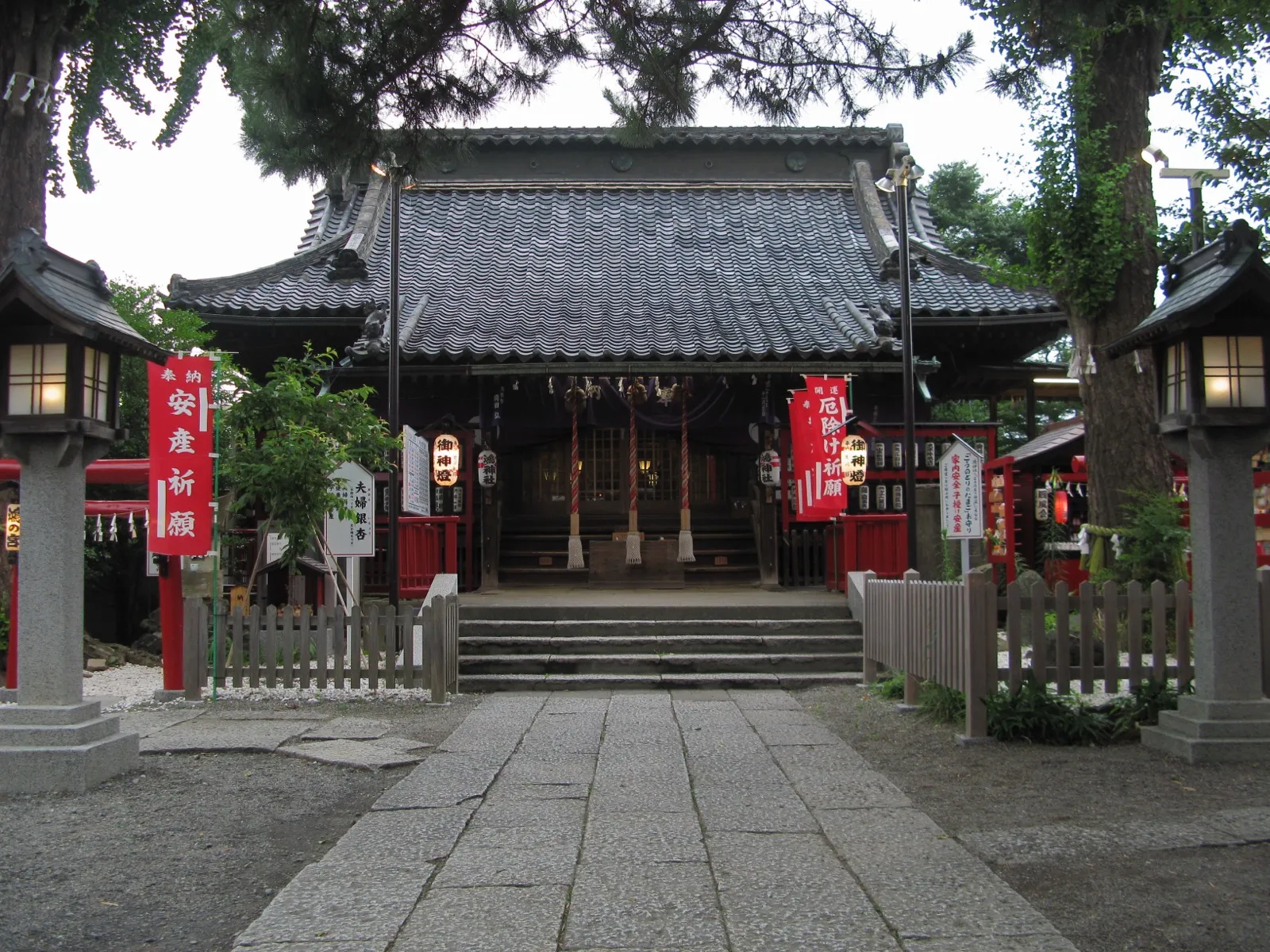
Enshrined deity: Susanoo-no-Mikoto, Okuninushi-no-Mikoto
This shrine is connected to the stork (kounotori) legend that gave the city of Kounosu its name. It is known for blessings of safe childbirth and conception. The “nanja monja” snowbell tree on the grounds is another noteworthy attraction.
- Goshuin highlights: A gentle design featuring a stork seal
- Fee: ¥500
- Access: 8-min walk from JR Takasaki Line Kounosu Station
- Don’t miss: Stork legend monument, nanja monja snowbell tree, married ginkgo trees
Goshuin Info
| Details | |
|---|---|
| Hours | 9:00–16:30 |
| Location | Shrine office |
| Handwritten/Pre-made | Handwritten |
| Limited editions | Yes (seasonal) |
18. Izumo Iwai Shrine (Moroyama Town)
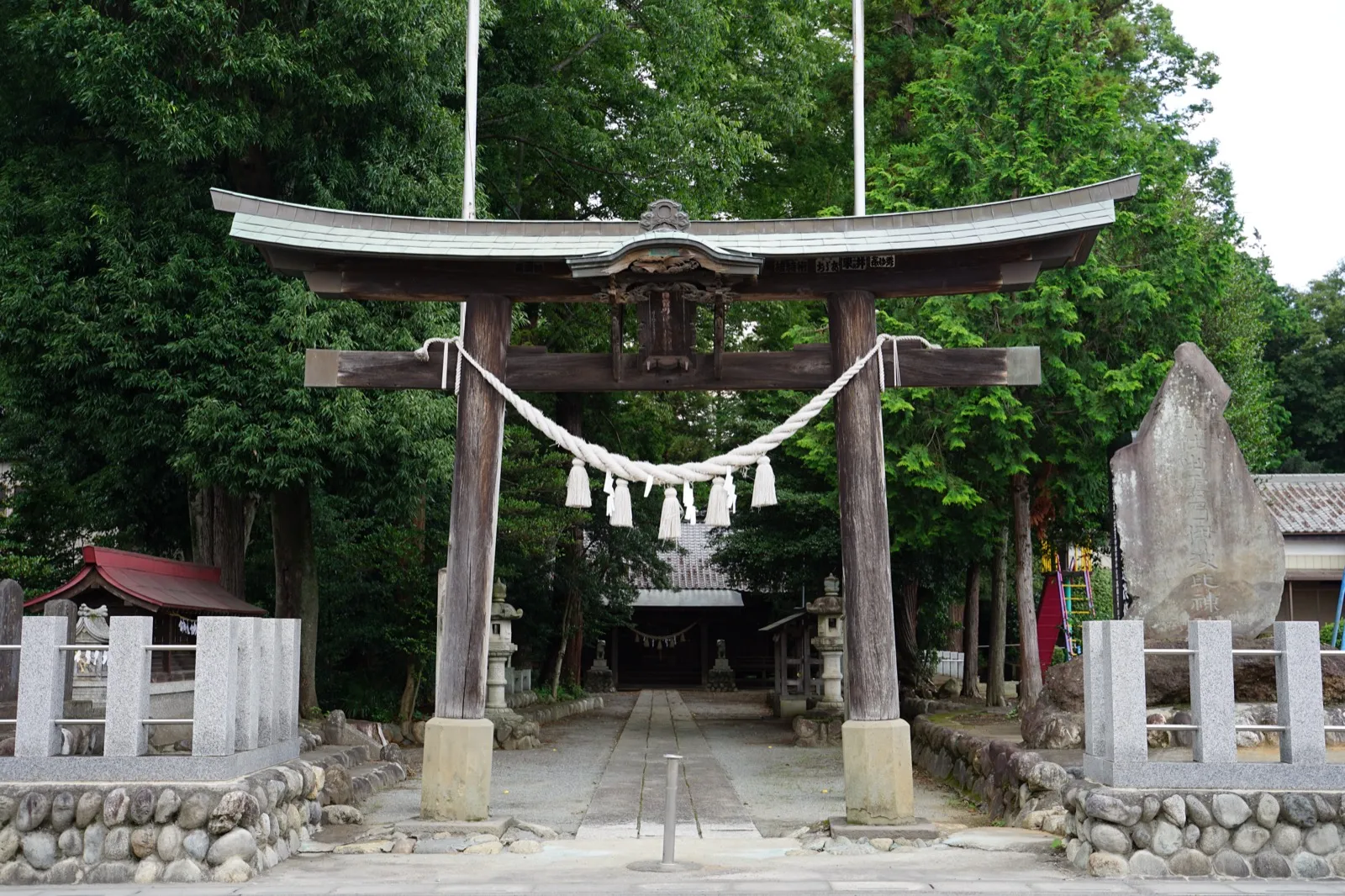
Enshrined deity: Okuninushi-no-Mikoto, Ame-no-Hohi-no-Mikoto
The guardian shrine of Moroyama, famous for its yabusame (horseback archery) tradition spanning over 900 years. The Yabusame Festival held every November 3rd is designated as an Intangible Folk Cultural Property of Saitama Prefecture.
- Goshuin highlights: May include a yabusame-themed seal
- Fee: ¥500
- Access: 10-min walk from JR Moro Station
- Don’t miss: Yabusame Festival (Nov 3), autumn foliage on the grounds, natural scenery of Mount Garyuzan
Goshuin Info
| Details | |
|---|---|
| Hours | 9:00–16:00 (staff may be absent) |
| Location | Shrine office |
| Handwritten/Pre-made | Pre-made may be available |
| Limited editions | Yes (Yabusame Festival specials) |
19. Koshigaya Katori Shrine (Koshigaya City)
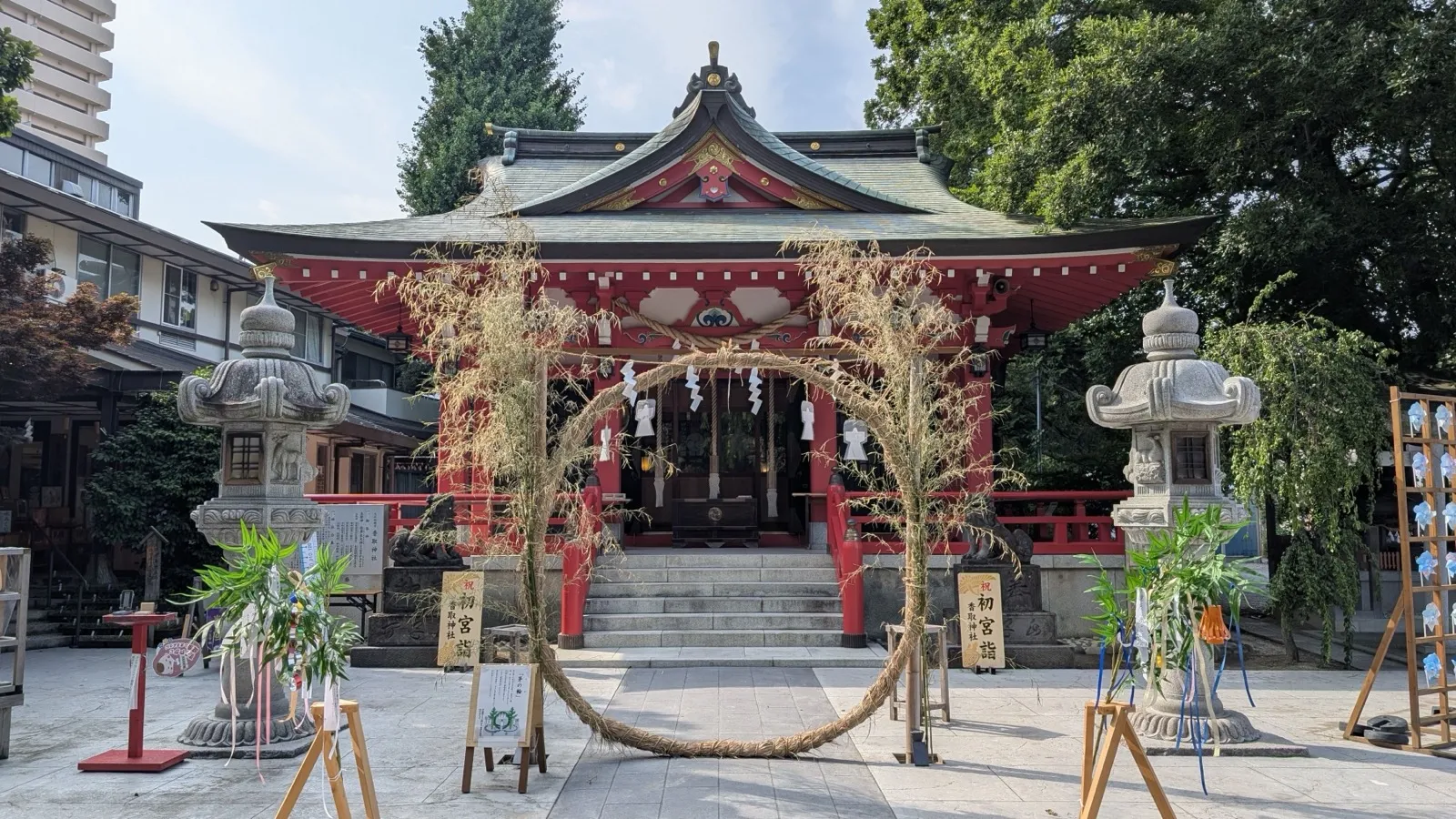
Enshrined deity: Futsunushi-no-Okami
A historic shrine in the heart of Koshigaya. In recent years, its colorful art goshuin have become a sensation, drawing a growing number of visitors specifically for the stamps. The shrine is also famous for having a cat “assistant priest.”
- Goshuin highlights: Enormously popular monthly-changing colorful art goshuin — vibrant and beautifully illustrated
- Fee: From ¥500
- Access: 10-min walk from Tobu Skytree Line Koshigaya Station
- Don’t miss: Seasonal flower-filled purification fountain (hanachozu), power stones, camphor sacred tree
Goshuin Info
| Details | |
|---|---|
| Hours | 9:00–16:30 |
| Location | Shrine office |
| Handwritten/Pre-made | Pre-made (art goshuin) |
| Limited editions | Yes (monthly and event-based editions in great abundance) |
20. Chichibu Imamiya Shrine (Chichibu City)
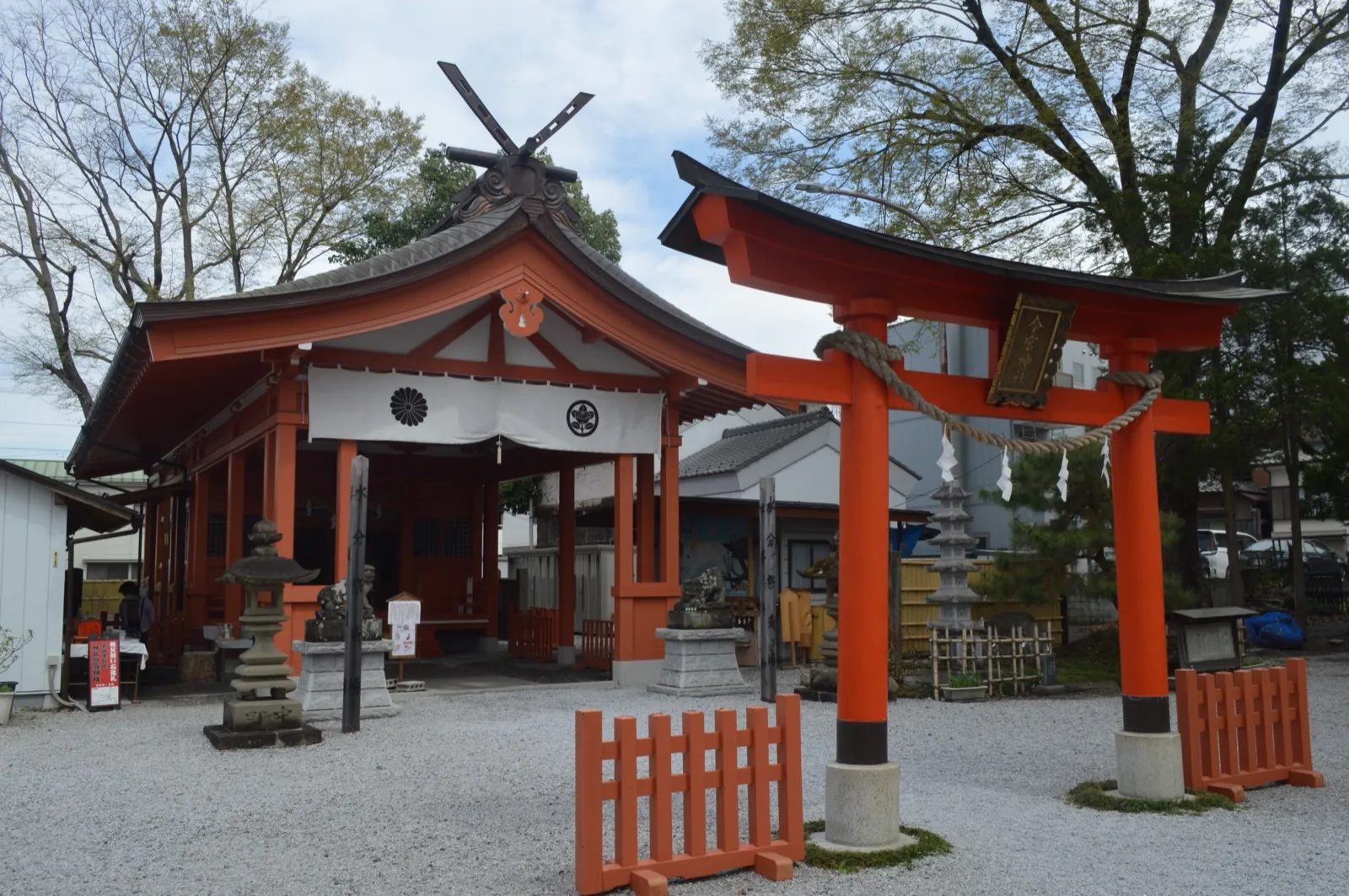
Enshrined deity: Izanagi-no-Okami, Izanami-no-Okami, and six other deities
An ancient shrine in central Chichibu, its grounds feature the “Ryujin-ike” (Dragon Deity Pond) fed by underground water from Mount Buko. Legend holds that a dragon deity emerges from the hollow of the roughly 1,000-year-old great zelkova tree (Komatsunagi-no-Keyaki). The shrine is a center of dragon deity worship.
- Goshuin highlights: Dragon-themed designs with distinctive, personalized calligraphy
- Fee: ¥500
- Access: 8-min walk from Seibu Chichibu Station / 5-min walk from Chichibu Railway Ohanabatake Station
- Don’t miss: Ryujin-ike pond, Komatsunagi-no-Keyaki (approx. 1,000-year-old zelkova), Ryujo Kannon statue
Goshuin Info
| Details | |
|---|---|
| Hours | 9:00–16:30 |
| Location | Shrine office |
| Handwritten/Pre-made | Handwritten |
| Limited editions | Yes (seasonal, dragon deity designs) |
Suggested Itineraries for Goshuin Collecting in Saitama
Chichibu Three Shrines Course (Full Day)
A classic route covering Chichibu’s three most revered shrines. Doable by train and bus.
- Chichibu Shrine (right at Chichibu Station) — easy to add Chichibu Imamiya Shrine on foot
- Hodosan Shrine (Chichibu Railway to Nagatoro Station)
- Mitsumine Shrine (bus from Seibu Chichibu Station)
Mitsumine Shrine sits high in the mountains, and buses are infrequent. Check the timetable in advance.
Little Edo Kawagoe Course (Half Day)
Combine your shrine visits with a stroll through Kawagoe’s charming old-town streets.
- Kawagoe Hachimangu (6-min walk from Kawagoe Station)
- Kawagoe Kumano Shrine (in the kurazukuri warehouse district)
- Kawagoe Hikawa Shrine (by bus or on foot)
Kawagoe is packed with street-food spots. Sweet potato treats and grilled eel are local specialties worth trying.
Omiya & Urawa Course (Half Day)
An easy route accessible from central Tokyo.
- Musashi Ichinomiya Hikawa Shrine (walk the approach path from Omiya Station)
- Tsuki Shrine (take the train to Urawa Station, then a 10-min walk)
Even just strolling the approximately 2 km approach path of Hikawa Shrine is a rewarding goshuin-trip experience.
Tips for Collecting Goshuin in Saitama
Getting to the Chichibu Area
Public transit to the Chichibu region runs less frequently, so check timetables in advance. The bus to Mitsumine Shrine in particular can get crowded; an early-morning departure is recommended. Driving is also convenient, though the Mitsumine Shrine parking lot can fill up on busy days.
Best Seasons to Visit
- Spring (Mar–May): Peony garden at Yakyu Inari Shrine, wisteria at Hisaizu Shrine
- Summer (Jul–Sep): Matchmaking wind chimes at Kawagoe Hikawa Shrine
- Autumn (Oct–Nov): Yabusame at Izumo Iwai Shrine, autumn foliage in the Chichibu area
- Winter (December): Chichibu Night Festival at Chichibu Shrine (Dec 2–3)
About Goshuincho (Stamp Books)
Many shrines sell original goshuincho with beautiful designs. The books from Kawagoe Hikawa Shrine and Mitsumine Shrine are especially popular for their striking artwork.
Track Your Goshuin Journey with the Goshuin Meguri App
As your collection grows, keeping track of every shrine visit can become a challenge. The Goshuin Meguri app lets you manage your goshuin photos and visit records in one place. Level up with each visit, unlock achievement badges (Omamori), and let the AI guide “Byakko” suggest shrine histories and pilgrimage routes for you.
Information in this article is current as of February 2026. Hours and fees are subject to change — please check each shrine’s official website before visiting.