Tokyo is home to a vast number of shrines, each offering goshuin with their own distinctive character. This guide highlights 30 of the best shrines in the city — all easy to reach and known for beautiful stamps. We’ve included practical details like hours, limited-edition availability, and fees to help you plan your visits. Whether you’re just starting your goshuin collection or looking for new weekend stops, these shrines have you covered.
1. Meiji Jingu (Shibuya Ward)
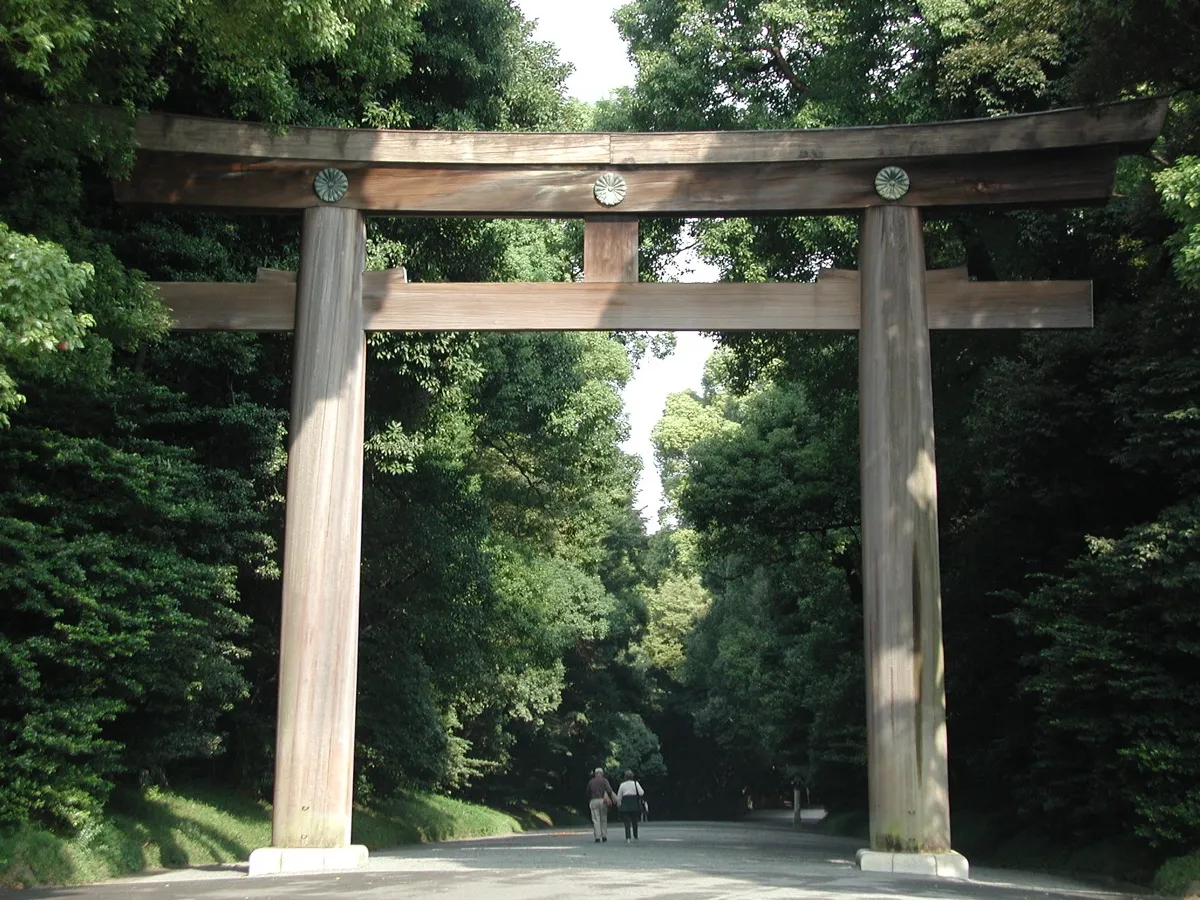
Enshrined deity: Emperor Meiji, Empress Shoken
Just steps from Harajuku Station, Meiji Jingu is surrounded by a vast forest that feels worlds away from the city. The solemn, hushed atmosphere within the grounds makes it hard to believe you’re in the center of Tokyo.
- Goshuin highlights: Powerful brushwork with the “Meiji Jingu” vermillion seal — simple yet dignified
- Fee: ¥500
- Access: 1-min walk from JR Harajuku Station (Omotesando exit)
- Don’t miss: Grand torii gate, Kiyomasa’s Well, iris garden in the inner garden
Goshuin Info
| Details | |
|---|---|
| Hours | Opening to closing (varies by season; roughly 8:00–16:30) |
| Location | Kaguraden (sacred dance hall) |
| Handwritten/Pre-made | Handwritten |
| Limited editions | None (same design year-round) |
2. Tokyo Daijingu (Chiyoda Ward)
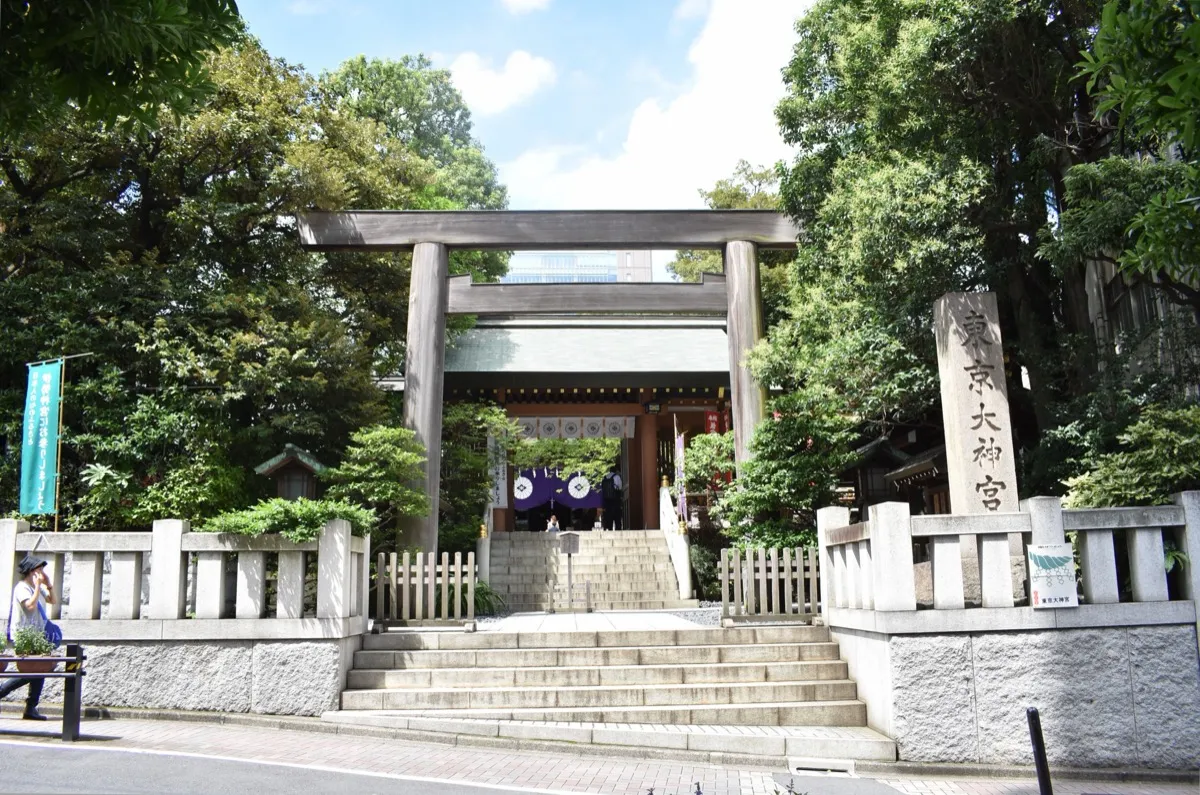
Enshrined deity: Amaterasu-Omikami, Toyouke-no-Okami
Known as “Tokyo’s Ise Shrine,” this is one of the city’s most famous shrines for matchmaking blessings. It is also credited as the first shrine in Japan to perform Shinto-style wedding ceremonies.
- Goshuin highlights: Seasonal limited editions are popular — cherry blossoms, autumn leaves, and other four-season designs
- Fee: ¥500
- Access: 5-min walk from JR Iidabashi Station (west exit)
- Don’t miss: Wide variety of charms, love fortune slips (koi-mikuji)
Goshuin Info
| Details | |
|---|---|
| Hours | 9:00–17:00 |
| Location | Shrine office |
| Handwritten/Pre-made | Handwritten |
| Limited editions | Yes (seasonal, floral designs) |
3. Kanda Myojin (Chiyoda Ward)
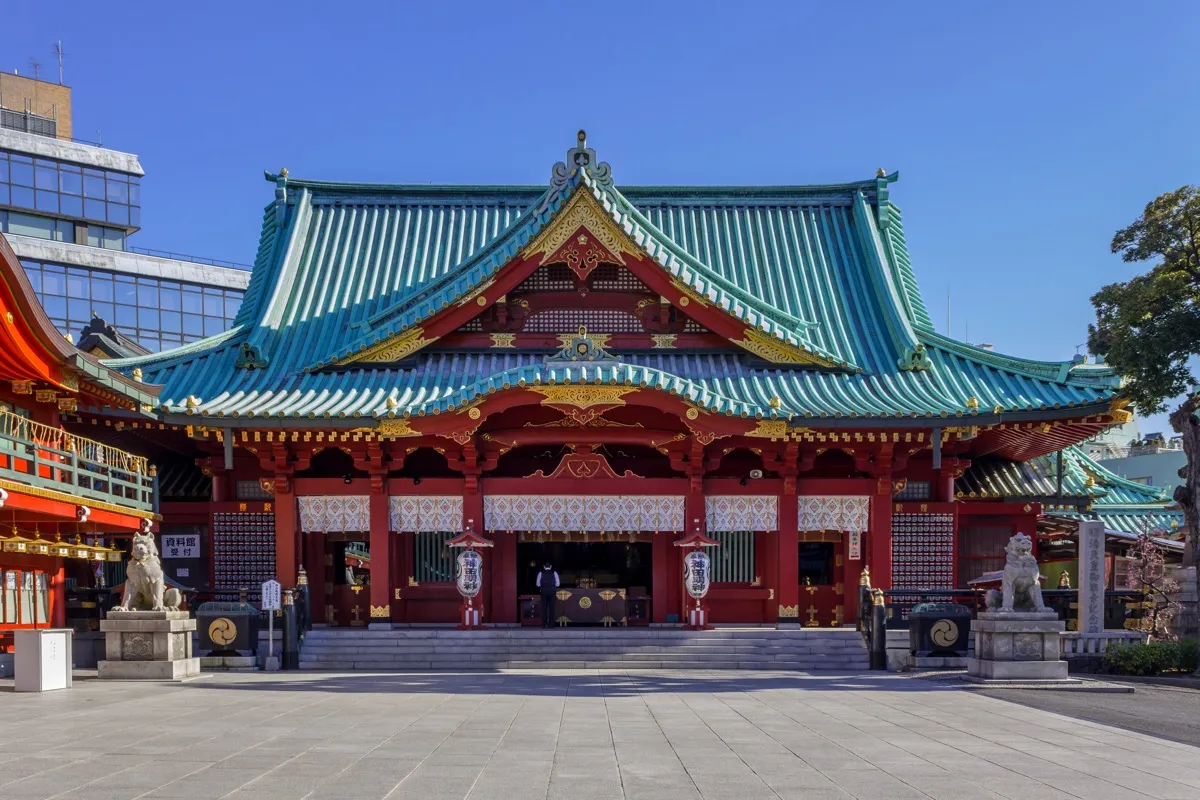
Enshrined deity: Okuninushi-no-Mikoto, Sukunahikona-no-Mikoto, Taira no Masakado
With roughly 1,300 years of history, Kanda Myojin is the grand guardian shrine of Edo (old Tokyo). It’s beloved for blessings of business prosperity, matchmaking, and warding off evil. It also makes headlines with anime and game collaborations.
- Goshuin highlights: Standard goshuin plus occasional limited collaboration editions
- Fee: ¥500
- Access: 5-min walk from JR Ochanomizu Station
- Don’t miss: Vermillion Zuishinmon gate, Daikoku statue, EDOCCO cultural exchange hall
Goshuin Info
| Details | |
|---|---|
| Hours | 9:00–16:00 |
| Location | Goshuin reception desk |
| Handwritten/Pre-made | Handwritten (pre-made when crowded) |
| Limited editions | Yes (collaboration editions, festival specials) |
4. Hie Shrine (Chiyoda Ward)
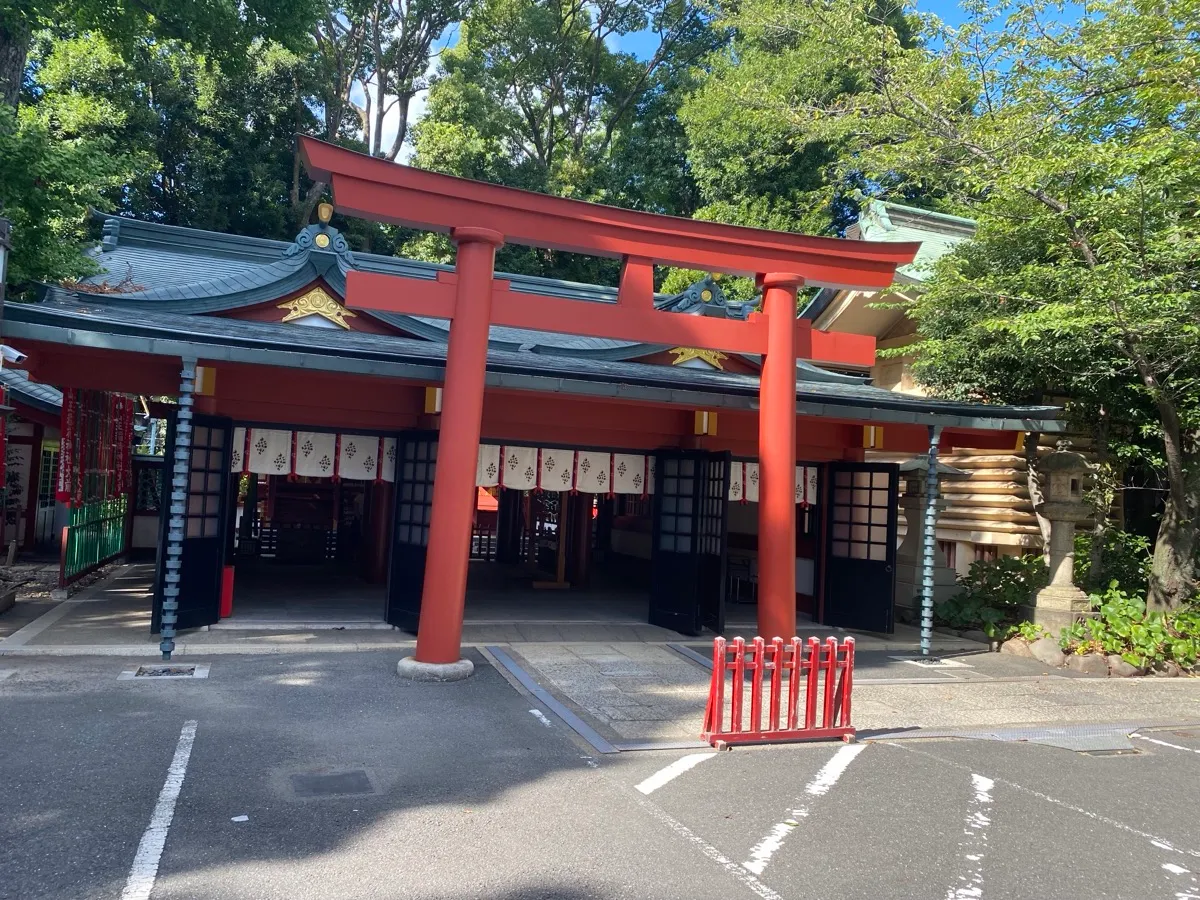
Enshrined deity: Oyamakui-no-Kami
Known as “Sanno-sama,” this prestigious shrine sits near the National Diet Building in Akasaka. It draws visitors from the political and business worlds. Its escalator-equipped approach path is a unique modern touch.
- Goshuin highlights: A refined stamp bearing the futaba-aoi (twin-leaf hollyhock) crest. Limited editions on monthly “Monkey Days”
- Fee: ¥500
- Access: 3-min walk from Tokyo Metro Tameike-Sanno Station
- Don’t miss: Stone steps of Sanno Otokozaka, sacred monkey (masaru) statues, senbon torii (mini torii tunnel)
Goshuin Info
| Details | |
|---|---|
| Hours | 6:00–17:00 (goshuin from 9:00) |
| Location | Shrine office |
| Handwritten/Pre-made | Handwritten |
| Limited editions | Yes (monthly Monkey Day specials) |
5. Nogi Shrine (Minato Ward)
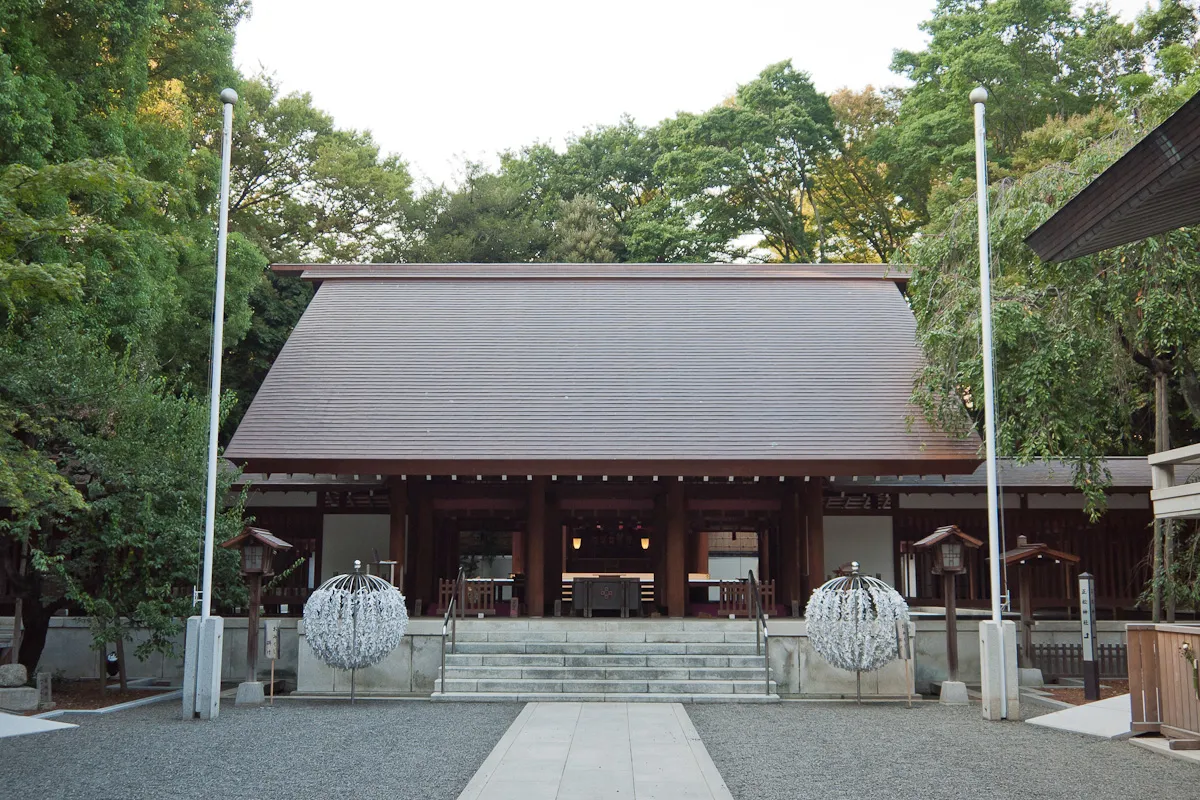
Enshrined deity: General Nogi Maresuke, Nogi Shizuko
Located in Nogizaka, this shrine honors the Meiji-era military leader Nogi Maresuke. It is associated with blessings for victory and excellence in both arts and athletics.
- Goshuin highlights: Crisp, dignified calligraphy. New Year limited editions feature the zodiac seal
- Fee: ¥500
- Access: Directly outside Tokyo Metro Nogizaka Station (Exit 1)
- Don’t miss: Nogi Residence (former home), Shomatsu Shrine
Goshuin Info
| Details | |
|---|---|
| Hours | 9:00–17:00 |
| Location | Goshuin counter |
| Handwritten/Pre-made | Handwritten |
| Limited editions | Yes (New Year, zodiac seal editions) |
6. Hanazono Shrine (Shinjuku Ward)
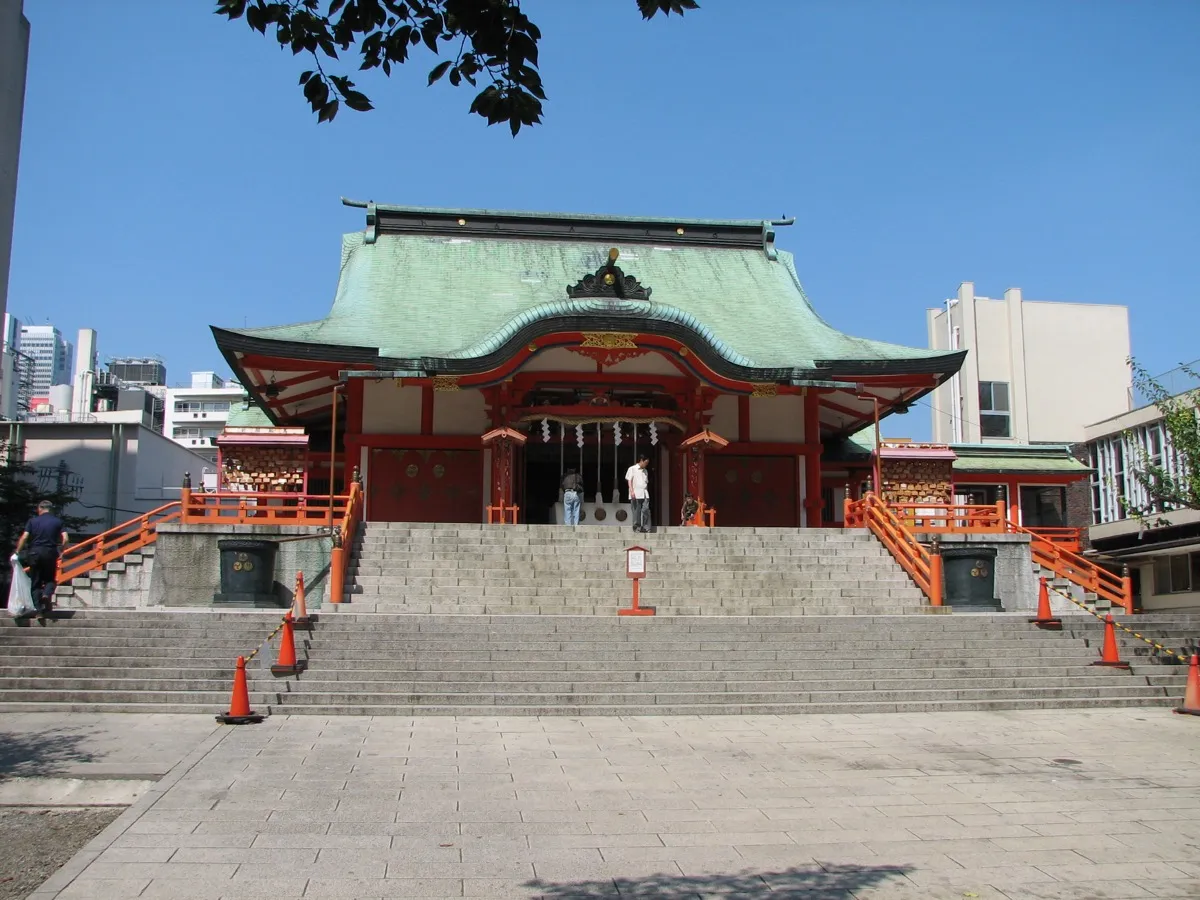
Enshrined deity: Ukanomitama-no-Mikoto, Yamato Takeru-no-Mikoto, Ukemochi-no-Kami
The guardian shrine of Shinjuku. Despite sitting right next to the bustling entertainment district, it has a history stretching back to the Edo period. The Tori-no-Ichi fair in November is a major highlight.
- Goshuin highlights: Bold, lively “Hanazono Jinja” calligraphy
- Fee: ¥500
- Access: Directly outside Tokyo Metro Shinjuku-Sanchome Station (Exit E2)
- Don’t miss: Tori-no-Ichi fair (November), Geino Sengen Shrine (performing arts)
Goshuin Info
| Details | |
|---|---|
| Hours | 8:00–20:00 |
| Location | Shrine office |
| Handwritten/Pre-made | Handwritten |
| Limited editions | Yes (Tori-no-Ichi period specials) |
7. Akagi Shrine (Shinjuku Ward)
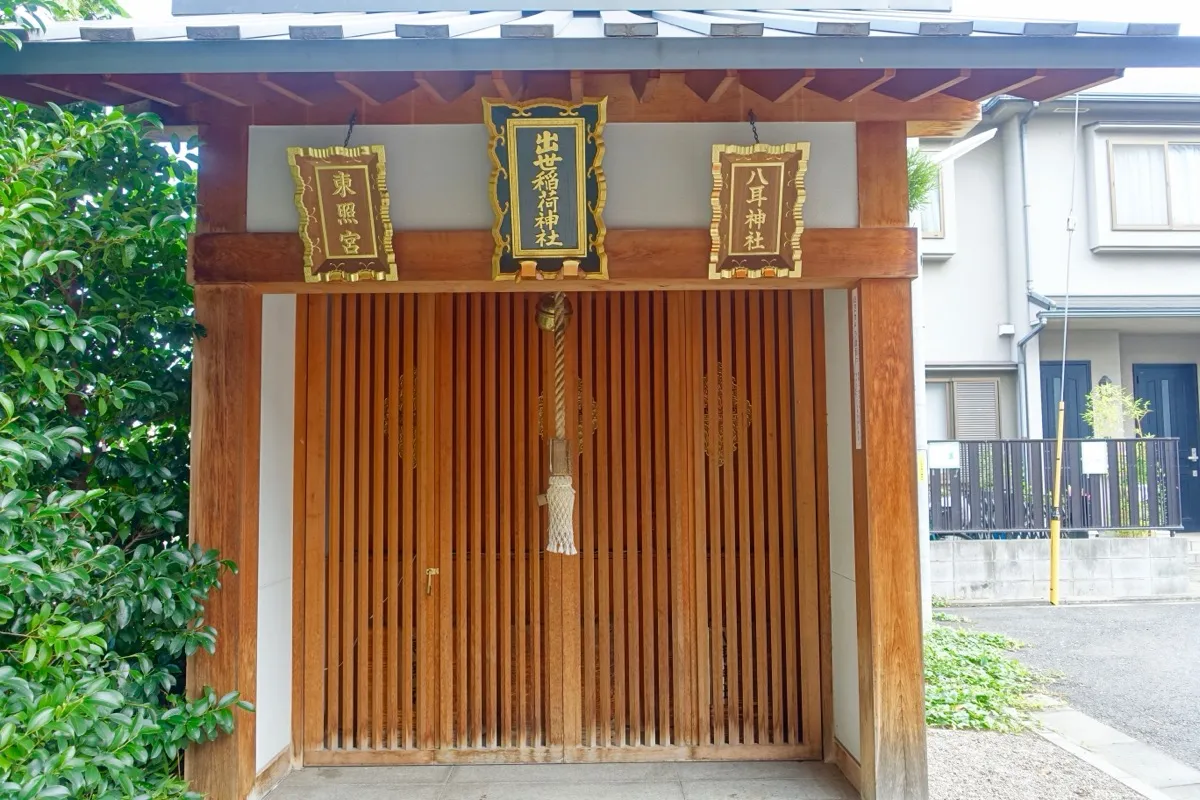
Enshrined deity: Iwatsutsu-no-o-no-Mikoto, Akagi-hime-no-Mikoto
A strikingly modern shrine in Kagurazaka, redesigned by renowned architect Kengo Kuma. It’s considered one of the most stylish shrines in the city.
- Goshuin highlights: Seasonal limited editions with colorful designs that collectors love
- Fee: ¥500
- Access: 1-min walk from Tokyo Metro Kagurazaka Station (Exit 1)
- Don’t miss: Kengo Kuma-designed main hall, on-site cafe, Keisetsu Tenjin sub-shrine
Goshuin Info
| Details | |
|---|---|
| Hours | 9:00–17:00 |
| Location | Shrine office |
| Handwritten/Pre-made | Handwritten |
| Limited editions | Yes (colorful seasonal designs) |
8. Kameido Tenjin Shrine (Koto Ward)
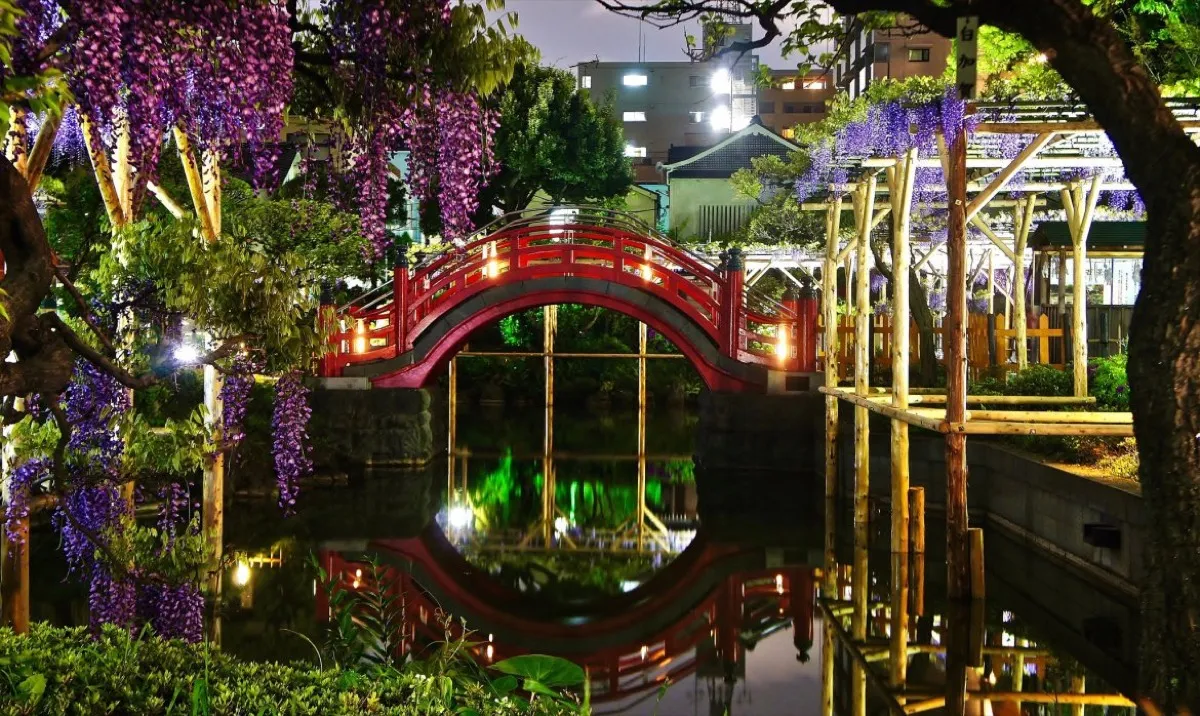
Enshrined deity: Sugawara no Michizane, Ame-no-Hohi-no-Mikoto
Known as “the Tenjin shrine of the East,” this shrine is dedicated to the god of learning. Its wisteria trellises are famous, and the Wisteria Festival from late April to early May is spectacular.
- Goshuin highlights: Seasonal limited editions during plum and wisteria season are beautifully designed
- Fee: ¥500
- Access: 15-min walk from JR Kameido Station / 5-min walk from Tobu Kameido Line Kameido-Suijin Station
- Don’t miss: Arched drum bridge, wisteria trellises (late Apr–May), plum festival (February)
Goshuin Info
| Details | |
|---|---|
| Hours | 8:30–17:00 |
| Location | Shrine office |
| Handwritten/Pre-made | Handwritten |
| Limited editions | Yes (Wisteria Festival, Plum Festival period specials) |
9. Okunitama Shrine (Fuchu City)
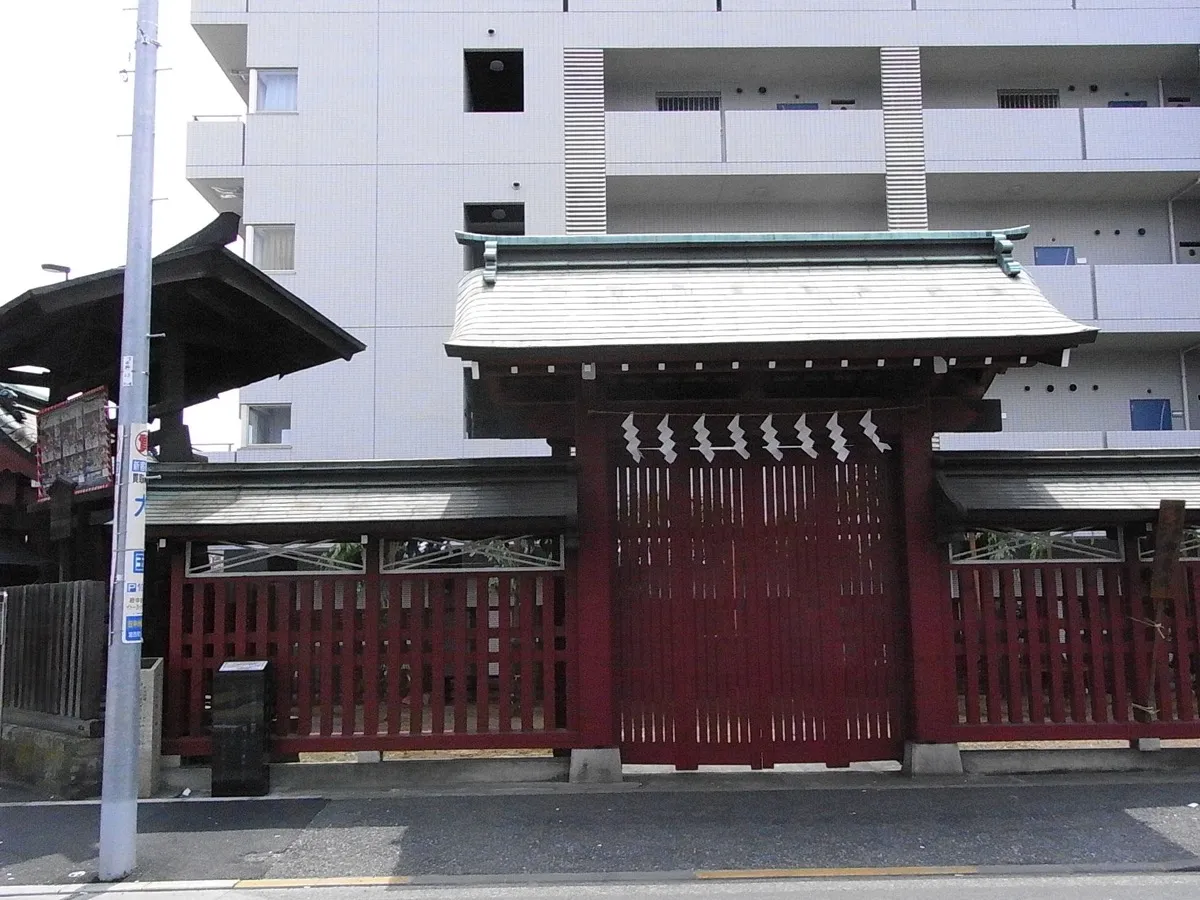
Enshrined deity: Okunitama-no-Okami
The soja (provincial head shrine) of Musashi Province with roughly 1,900 years of history. A bit outside central Tokyo, but the spacious grounds offer a relaxed, unhurried atmosphere for worship.
- Goshuin highlights: Weighty brushwork that conveys centuries of history. Limited editions during the Kurayami Festival
- Fee: ¥500
- Access: 5-min walk from Keio Line Fuchu Station
- Don’t miss: Zelkova-lined approach, treasure hall, Kurayami Matsuri (May)
Goshuin Info
| Details | |
|---|---|
| Hours | 9:00–17:00 |
| Location | Shrine office |
| Handwritten/Pre-made | Handwritten |
| Limited editions | Yes (Kurayami Festival, New Year specials) |
10. Musashi Mitake Shrine (Ome City)
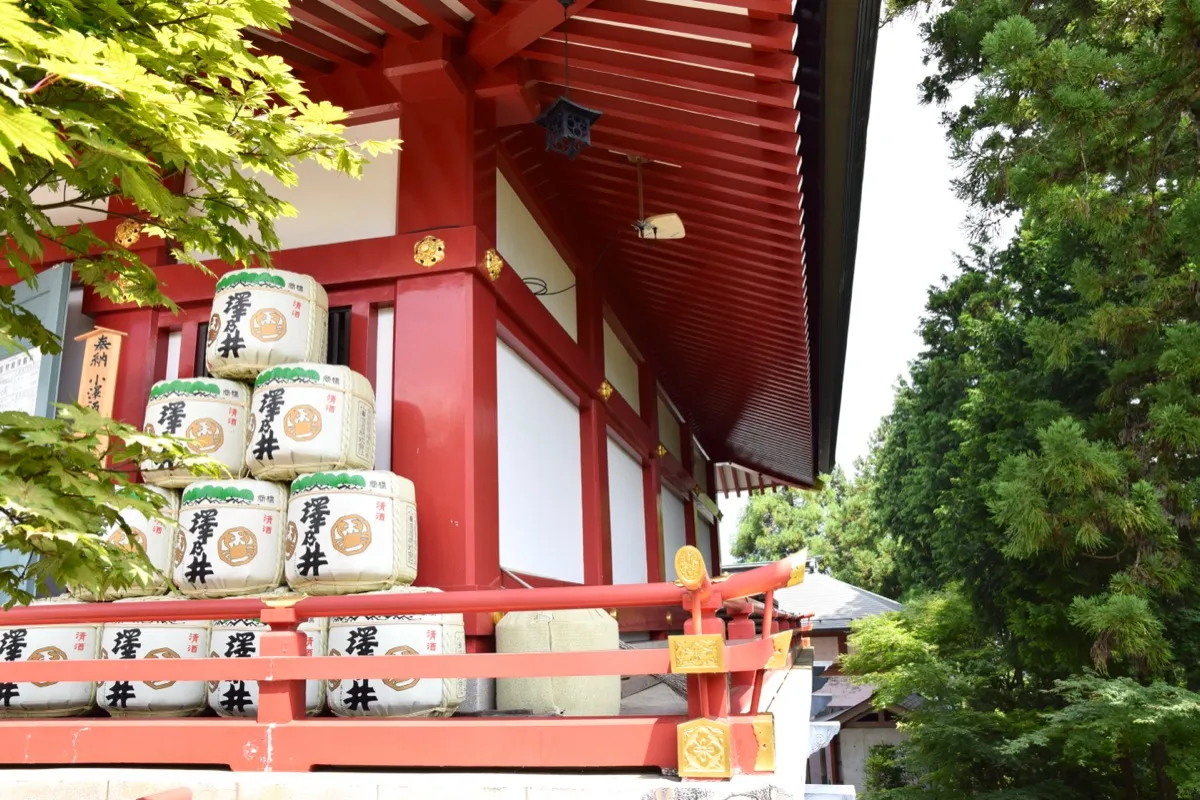
Enshrined deity: Kushimachi-no-Mikoto, Okuninushi-no-Mikoto, Sukunahikona-no-Mikoto
Perched at the summit of Mount Mitake (929 m), this shrine offers a mini-pilgrimage experience. Take a cable car up the mountain, then hike the remaining trail to the top.
- Goshuin highlights: A prized stamp with the added sense of achievement from reaching the mountaintop
- Fee: ¥500
- Access: Bus from JR Mitake Station → cable car → approx. 25-min walk
- Don’t miss: Cable car views, hilltop shrine hall, Rock Garden (valley hiking trail)
Goshuin Info
| Details | |
|---|---|
| Hours | 8:30–16:30 |
| Location | Shrine office |
| Handwritten/Pre-made | Handwritten |
| Limited editions | Yes (seasonal) |
11. Yasukuni Shrine (Chiyoda Ward)
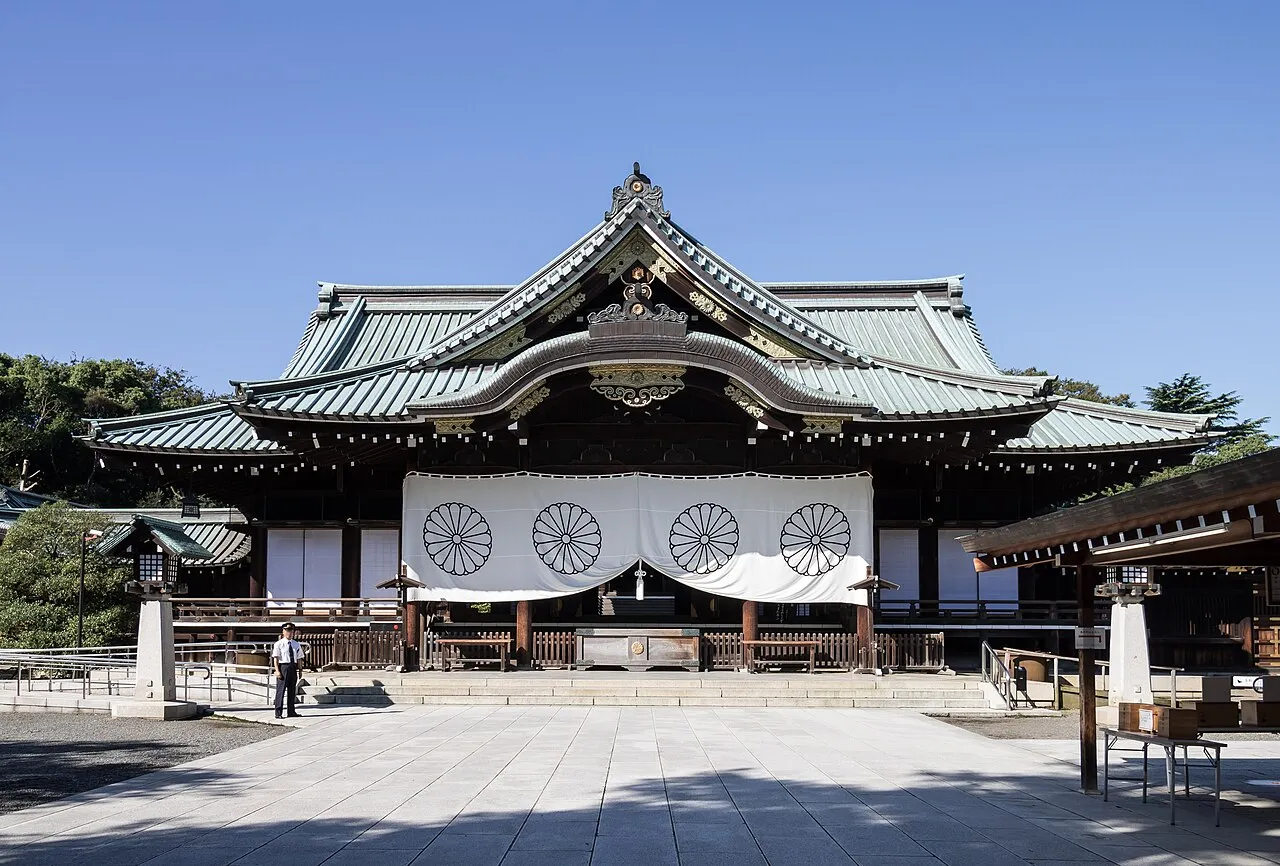
Enshrined deity: Spirits of those who died in service to Japan
This shrine commemorates those who gave their lives for the nation from the Bakumatsu period onward. It is also a famous cherry blossom spot — the Somei-Yoshino tree here serves as Tokyo’s official bloom indicator.
- Goshuin highlights: Commanding “Yasukuni Jinja” calligraphy with the chrysanthemum crest seal
- Fee: ¥500
- Access: 5-min walk from Tokyo Metro Kudanshita Station (Exit 1)
- Don’t miss: Grand torii gate, Yushukan museum, cherry tree-lined path (late Mar–Apr)
Goshuin Info
| Details | |
|---|---|
| Hours | 8:00–17:00 (varies by season) |
| Location | Sanshu-den hall |
| Handwritten/Pre-made | Handwritten |
| Limited editions | Yes (Mitama Matsuri period specials) |
12. Yushima Tenmangu (Bunkyo Ward)
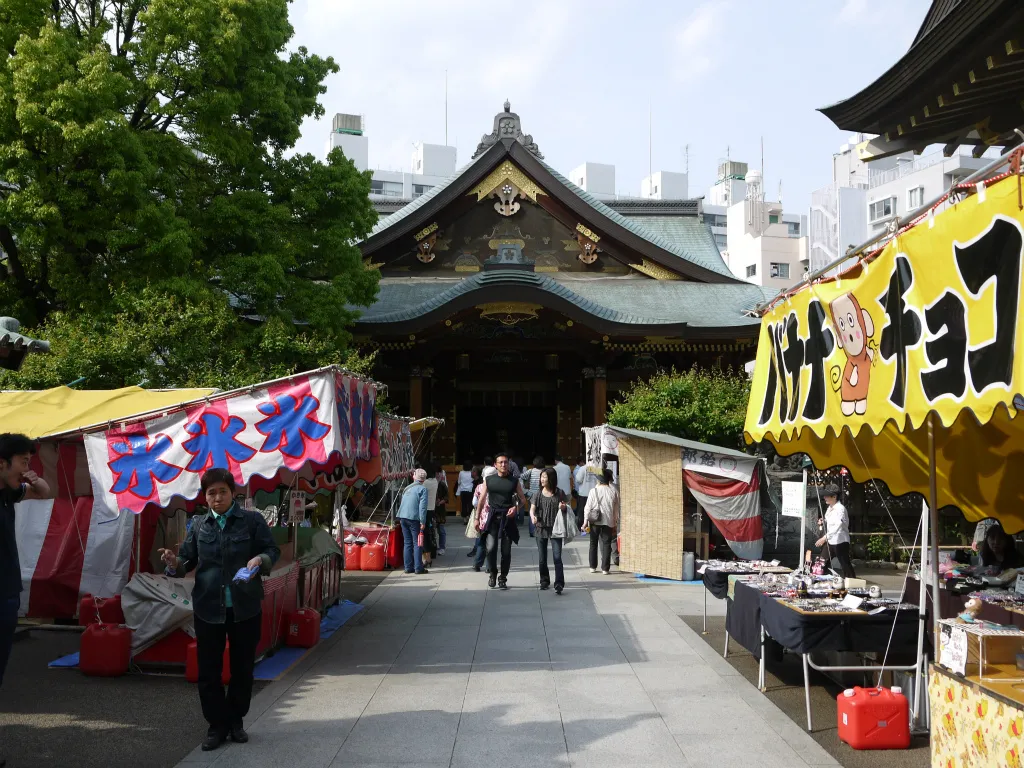
Enshrined deity: Ame-no-Tajikarao-no-Mikoto, Sugawara no Michizane
Affectionately called “Yushima Tenjin,” this is one of Tokyo’s premier shrines for the god of learning. It overflows with students praying for exam success during entrance exam season. The plum blossom festival in February is also a highlight.
- Goshuin highlights: Graceful calligraphy with a plum blossom seal — a stamp that embodies academic blessings
- Fee: ¥500
- Access: 2-min walk from Tokyo Metro Yushima Station (Exit 3)
- Don’t miss: Plum garden (February), bronze torii gate, nade-ushi (stroke-the-ox) statue
Goshuin Info
| Details | |
|---|---|
| Hours | 8:30–17:30 |
| Location | Shrine office |
| Handwritten/Pre-made | Handwritten |
| Limited editions | Yes (Plum Festival period specials) |
13. Nezu Shrine (Bunkyo Ward)
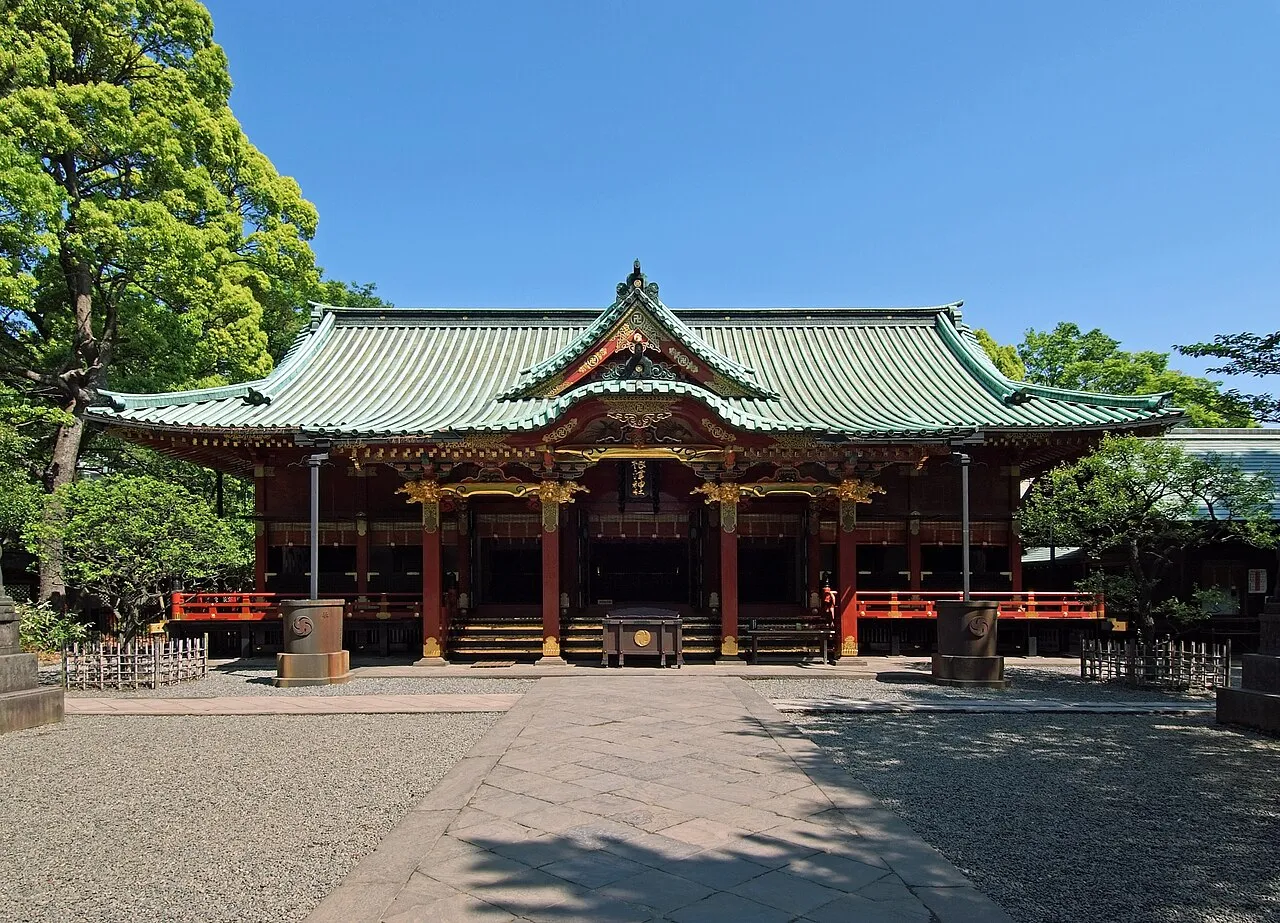
Enshrined deity: Susanoo-no-Mikoto, Oyamakui-no-Mikoto, Homudawake-no-Mikoto
Said to have been founded roughly 1,900 years ago, Nezu Shrine is renowned for its azalea gardens. During the Azalea Festival (mid-April to early May), some 3,000 bushes burst into bloom. The main hall complex is a designated Important Cultural Property.
- Goshuin highlights: Classic “Nezu Jinja” calligraphy. Limited editions during the Azalea Festival
- Fee: ¥500
- Access: 5-min walk from Tokyo Metro Nezu Station or Sendagi Station
- Don’t miss: Senbon torii (mini torii tunnel), azalea garden, Important Cultural Property shrine buildings
Goshuin Info
| Details | |
|---|---|
| Hours | 9:00–17:00 |
| Location | Goshuin counter |
| Handwritten/Pre-made | Handwritten |
| Limited editions | Yes (Azalea Festival period specials) |
14. Asakusa Shrine (Taito Ward)
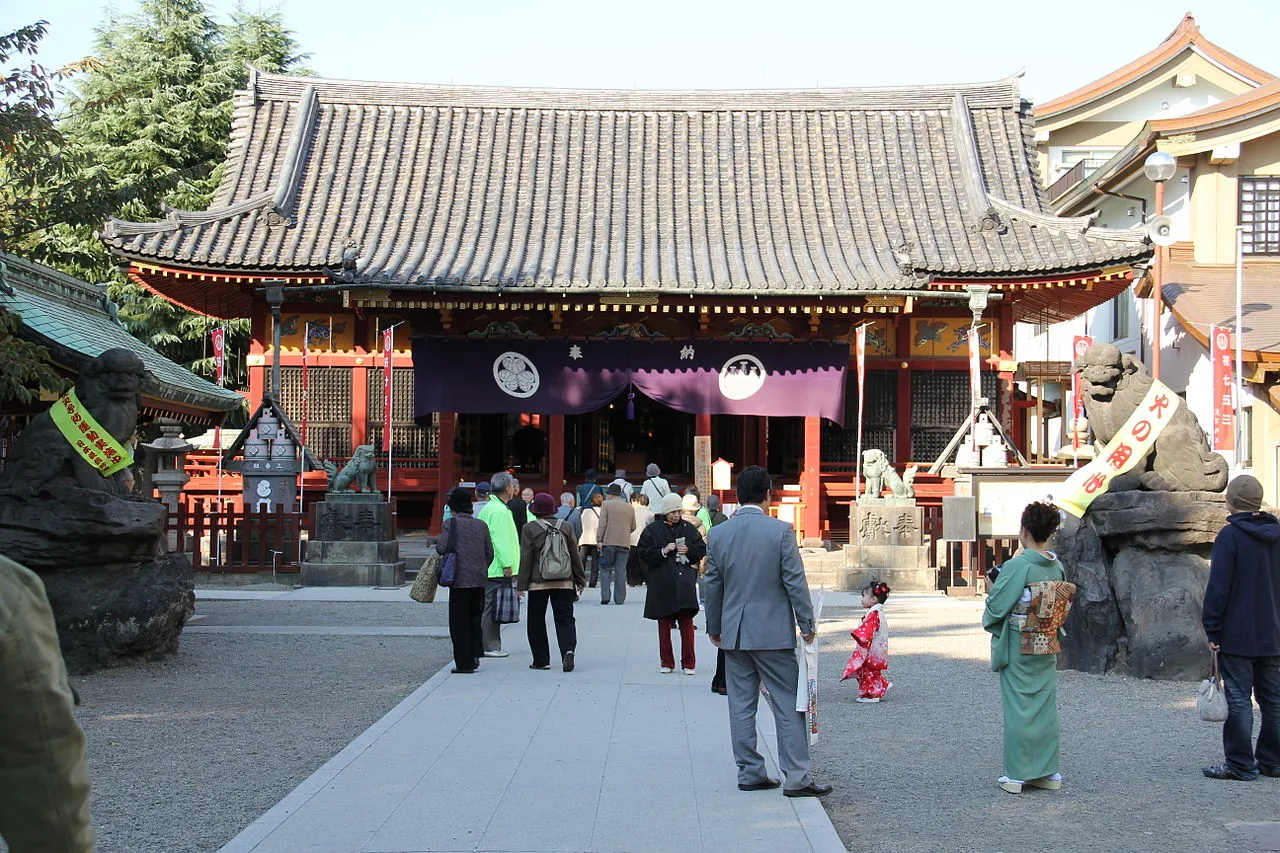
Enshrined deity: Hajinomatsuchinouchi-no-Mikoto, Hinokuma-no-Hamanari-no-Mikoto, Hinokuma-no-Takenari-no-Mikoto
Known as “Sanja-sama,” Asakusa Shrine sits right next to Senso-ji Temple. The Sanja Matsuri in May is one of Edo’s three great festivals, famous for its spectacular portable shrine processions.
- Goshuin highlights: Bold “Asakusa Jinja” calligraphy with the triple-net crest
- Fee: ¥500
- Access: 7-min walk from Tokyo Metro Asakusa Station
- Don’t miss: Sanja Matsuri (May), Ebisu statue, Hikan Inari sub-shrine
Goshuin Info
| Details | |
|---|---|
| Hours | 9:00–16:30 |
| Location | Shrine office |
| Handwritten/Pre-made | Handwritten |
| Limited editions | Yes (Sanja Matsuri, New Year, and many more) |
15. Imado Shrine (Taito Ward)
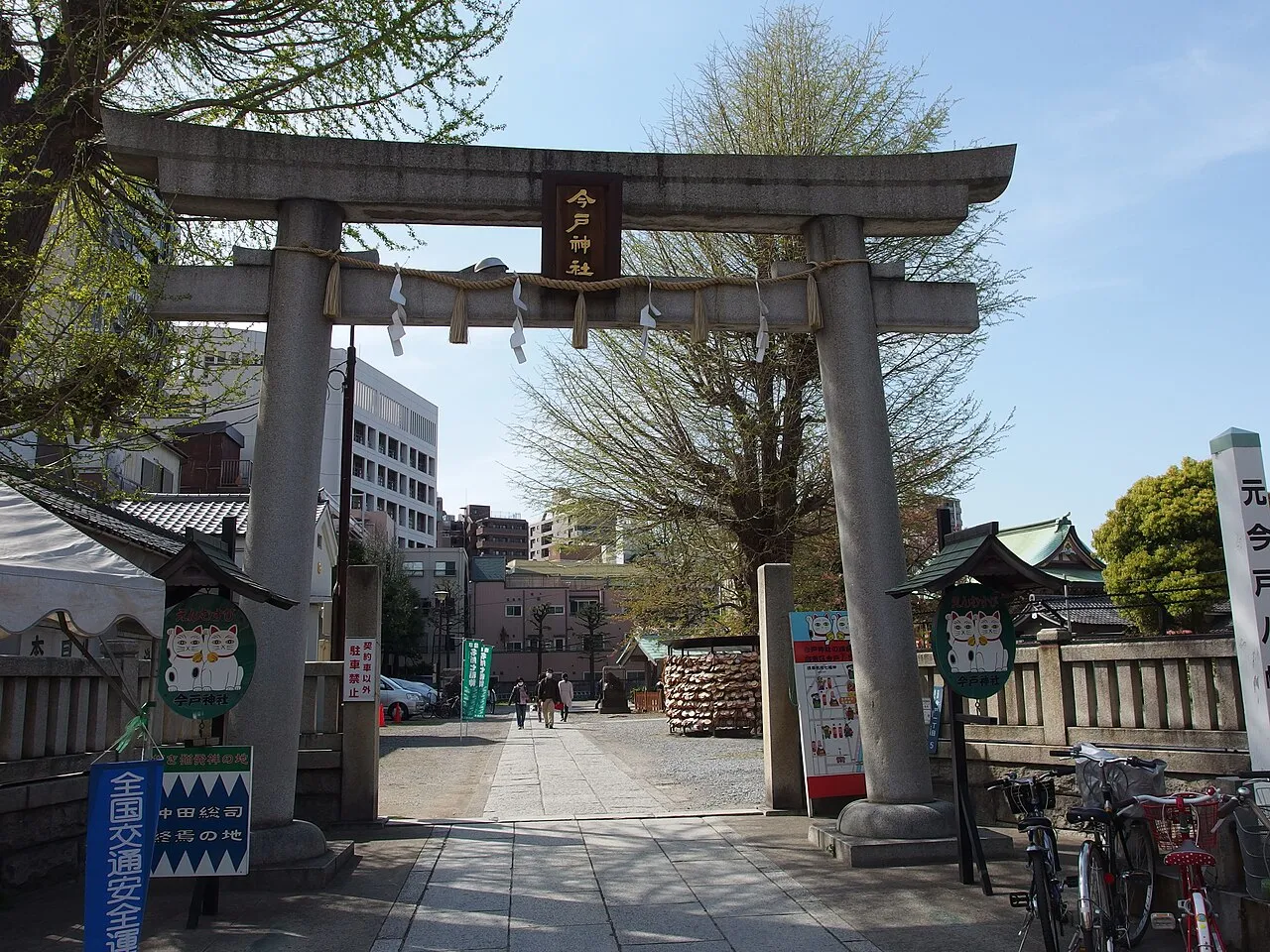
Enshrined deity: Emperor Ojin, Izanagi-no-Mikoto, Izanami-no-Mikoto, Fukurokuju
Said to be the birthplace of the maneki-neko (beckoning cat), Imado Shrine is wildly popular as a matchmaking power spot. Cat figures are displayed everywhere throughout the grounds.
- Goshuin highlights: An adorable stamp featuring the beckoning cat seal
- Fee: ¥500
- Access: 15-min walk from Tokyo Metro Asakusa Station
- Don’t miss: Paired beckoning cat stone statues, Imado-yaki pottery monument
Goshuin Info
| Details | |
|---|---|
| Hours | 9:00–17:00 |
| Location | Shrine office |
| Handwritten/Pre-made | Pre-made |
| Limited editions | Yes (seasonal, beckoning cat designs) |
16. Tomioka Hachimangu (Koto Ward)
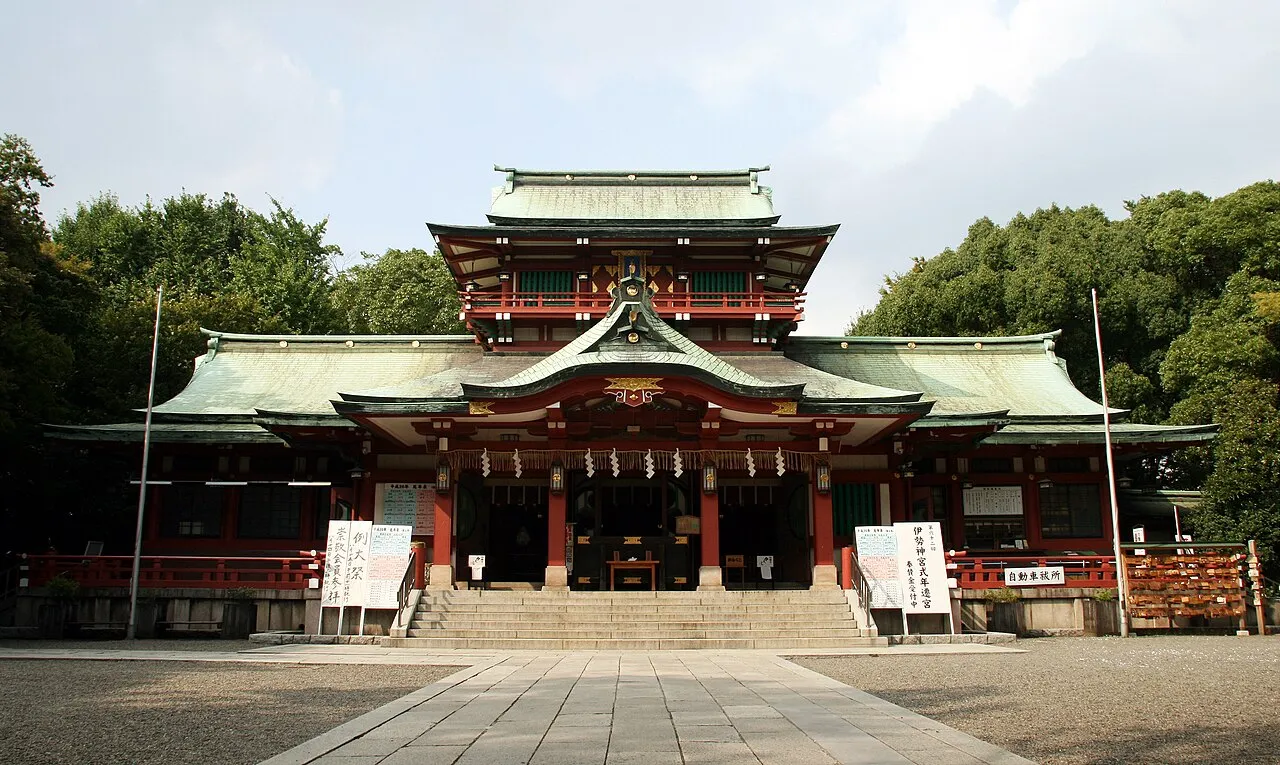
Enshrined deity: Emperor Ojin (Hachiman)
Known as “Fukagawa’s Hachiman,” this is the largest Hachiman shrine from the Edo period. The Fukagawa Hachiman Matsuri in August (the “water-splashing festival”) is one of Edo’s three great festivals. The grounds also feature a yokozuna (sumo champion) monument, reflecting its deep ties to sumo.
- Goshuin highlights: Commanding “Tomioka Hachimangu” calligraphy
- Fee: ¥500
- Access: 3-min walk from Tokyo Metro Monzen-Nakacho Station (Exit 1)
- Don’t miss: Yokozuna monument, Ino Tadataka statue, Fukagawa Hachiman Matsuri (August)
Goshuin Info
| Details | |
|---|---|
| Hours | 9:00–17:00 |
| Location | Shrine office |
| Handwritten/Pre-made | Handwritten |
| Limited editions | Yes (festival specials) |
17. Shiba Daijingu (Minato Ward)
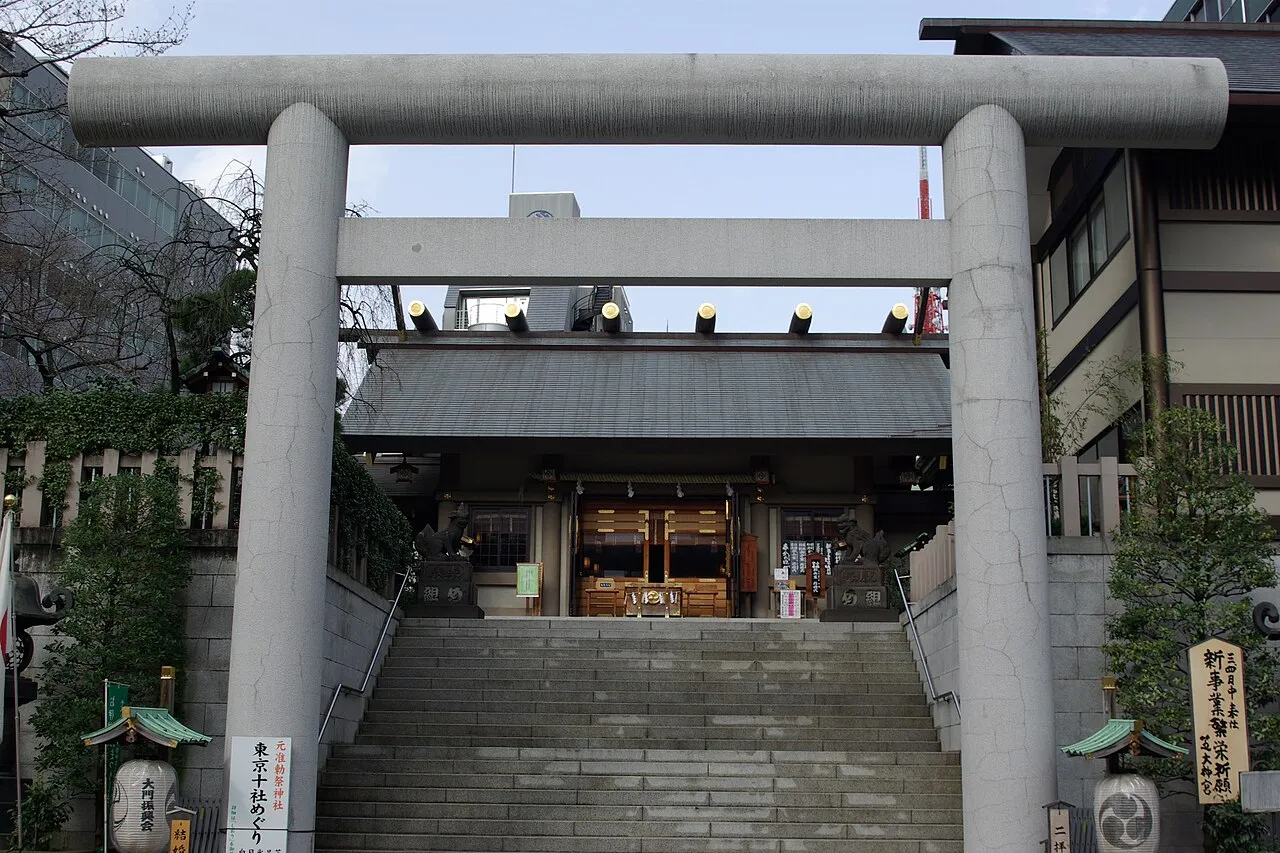
Enshrined deity: Amaterasu-Omikami, Toyouke-no-Okami
Known as “the Ise Shrine of Kanto,” Shiba Daijingu sits near Tokyo Tower and boasts over 1,000 years of history. Its “Daradara Matsuri” in September is a famously drawn-out festival lasting 11 days.
- Goshuin highlights: A polished, dignified stamp befitting its connection to the Grand Shrine of Ise
- Fee: ¥500
- Access: 5-min walk from JR Hamamatsucho Station / 2-min walk from Toei Daimon Station
- Don’t miss: Views alongside Tokyo Tower, Daradara Matsuri (September)
Goshuin Info
| Details | |
|---|---|
| Hours | 9:00–17:00 |
| Location | Shrine office |
| Handwritten/Pre-made | Handwritten |
| Limited editions | Yes (Daradara Matsuri period specials) |
18. Atago Shrine (Minato Ward)
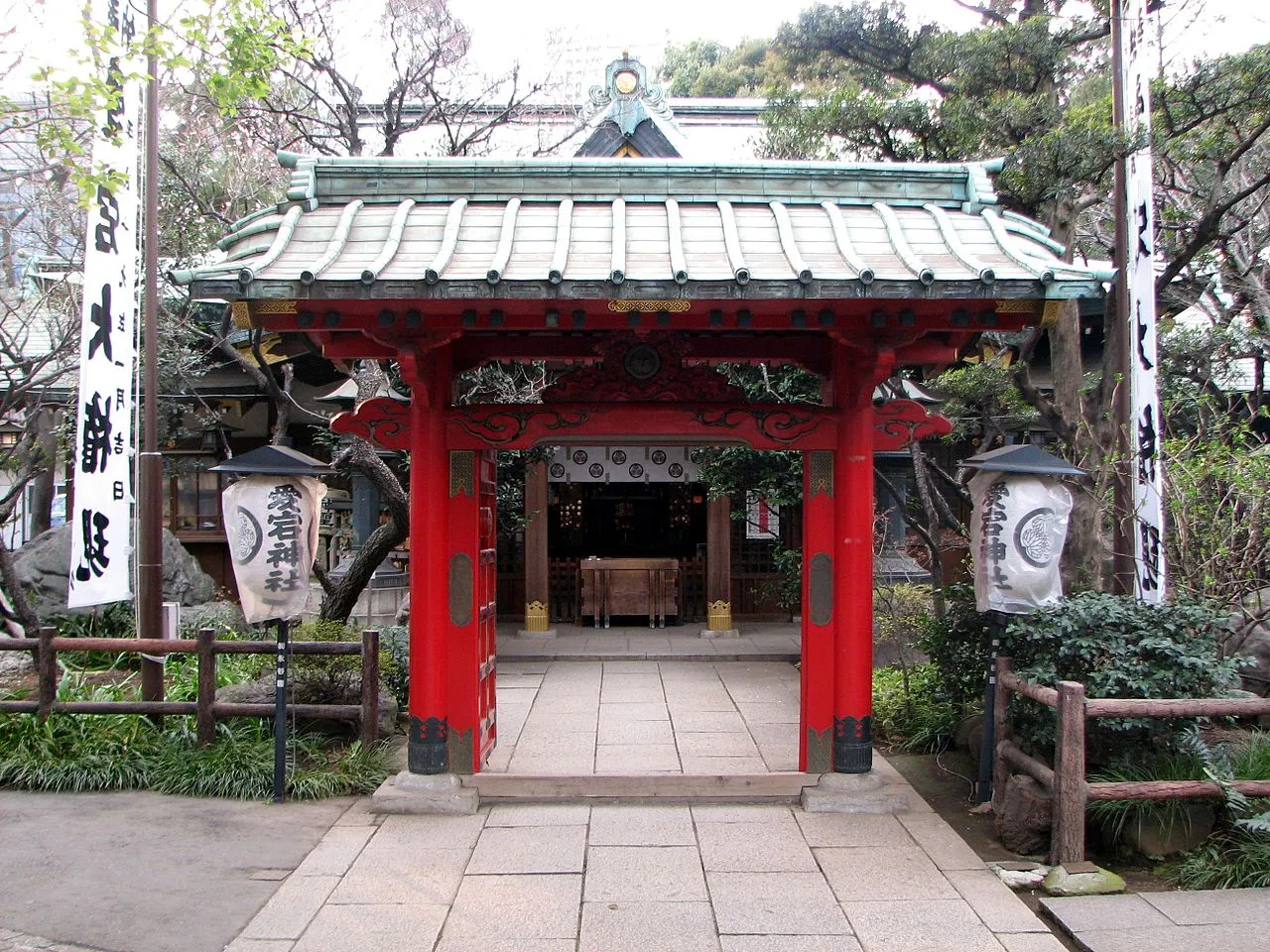
Enshrined deity: Homusubi-no-Mikoto (god of fire)
Sitting atop Mount Atago (approx. 26 m), this shrine is famous for its “Shusse no Ishidan” — the Career Success Stone Steps. Climbing these steep stairs is said to boost your career fortunes.
- Goshuin highlights: Clean, elegant “Atago Jinja” calligraphy
- Fee: ¥500
- Access: 5-min walk from Tokyo Metro Kamiyacho Station (Exit 3)
- Don’t miss: Career Success Stone Steps (86 steps on the men’s slope), Maneki-ishi stone, pond with koi
Goshuin Info
| Details | |
|---|---|
| Hours | 9:00–17:00 |
| Location | Shrine office |
| Handwritten/Pre-made | Handwritten |
| Limited editions | Yes (Hozuki Ennichi fair specials) |
19. Karasumori Shrine (Minato Ward)
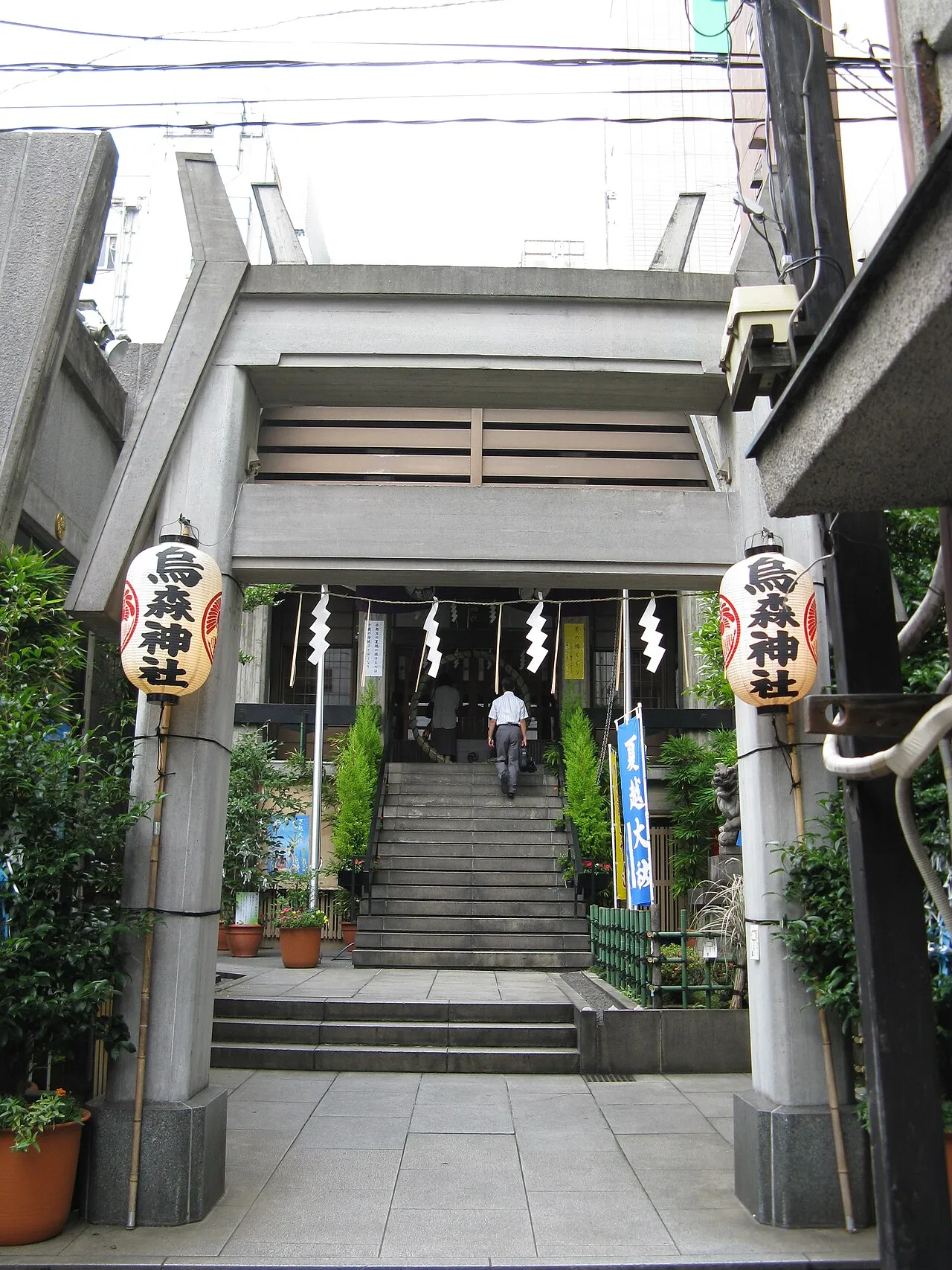
Enshrined deity: Ukanomitama-no-Mikoto, Ame-no-Uzume-no-Mikoto, Ninigi-no-Mikoto
A small urban shrine tucked among the office buildings near Shimbashi Station. It gained nationwide fame for its colorful goshuin and is often credited with helping spark the goshuin collecting boom.
- Goshuin highlights: Wildly popular four-color stamps in pink, yellow, blue, and green
- Fee: ¥500
- Access: 2-min walk from JR Shimbashi Station (Karasumori exit)
- Don’t miss: Colorful charms, Shingan Iro-Mikuji (wish-color fortune)
Goshuin Info
| Details | |
|---|---|
| Hours | 9:00–16:00 |
| Location | Shrine office window |
| Handwritten/Pre-made | Pre-made (color-printed) |
| Limited editions | Yes (Hinamatsuri, Tanabata, annual festival, and many more throughout the year) |
20. Akasaka Hikawa Shrine (Minato Ward)
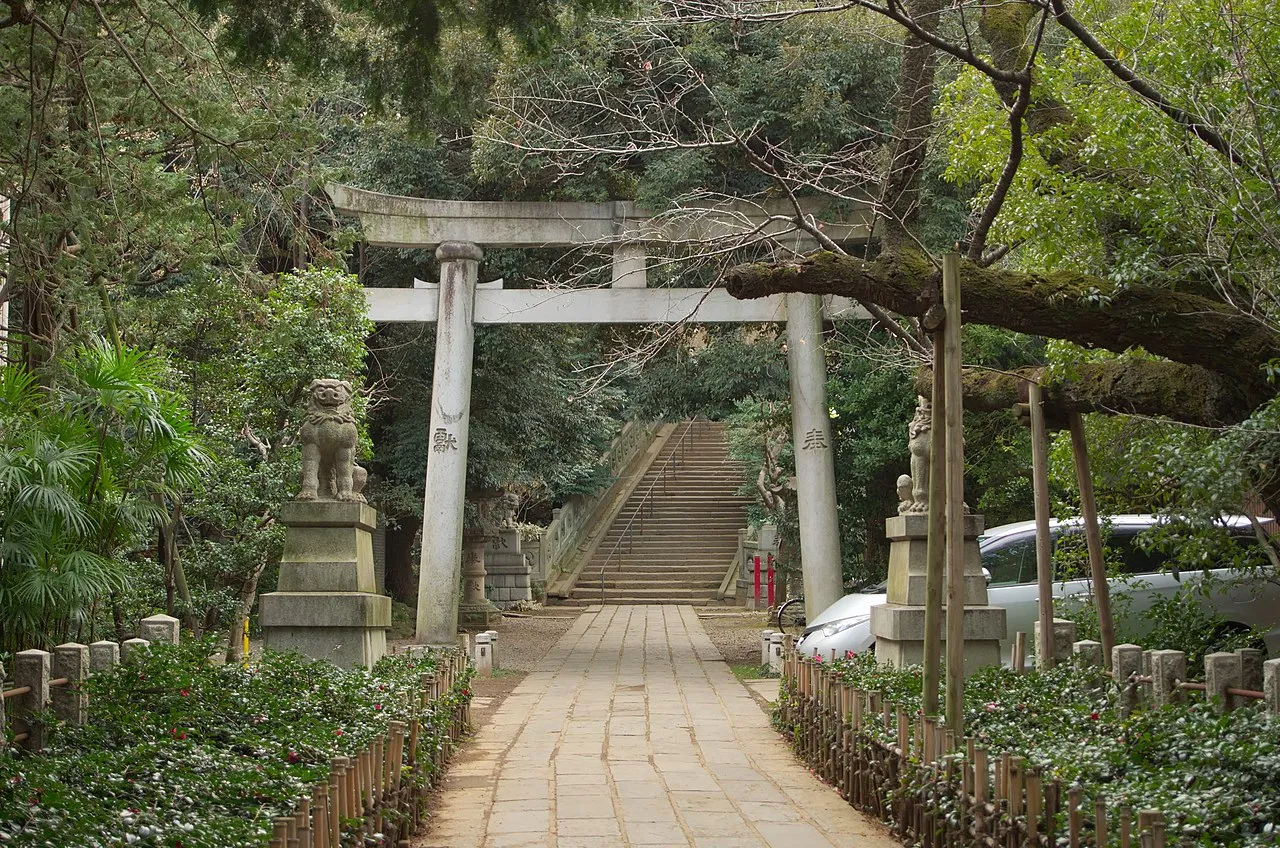
Enshrined deity: Susanoo-no-Mikoto, Kushiinada-hime-no-Mikoto, Okuninushi-no-Mikoto
A tranquil shrine on a hill in Akasaka. The main hall, built under the order of Shogun Tokugawa Yoshimune, is a designated Tokyo Metropolitan Important Cultural Property. Also known for matchmaking blessings.
- Goshuin highlights: Elegant calligraphy with the Hikawa Shrine vermillion seal
- Fee: ¥500
- Access: 8-min walk from Tokyo Metro Akasaka Station
- Don’t miss: Important Cultural Property main hall, great ginkgo tree, Shiai (Happiness) Inari sub-shrine
Goshuin Info
| Details | |
|---|---|
| Hours | 9:00–17:00 |
| Location | Shrine office |
| Handwritten/Pre-made | Handwritten |
| Limited editions | Yes (seasonal) |
21. Shinagawa Shrine (Shinagawa Ward)
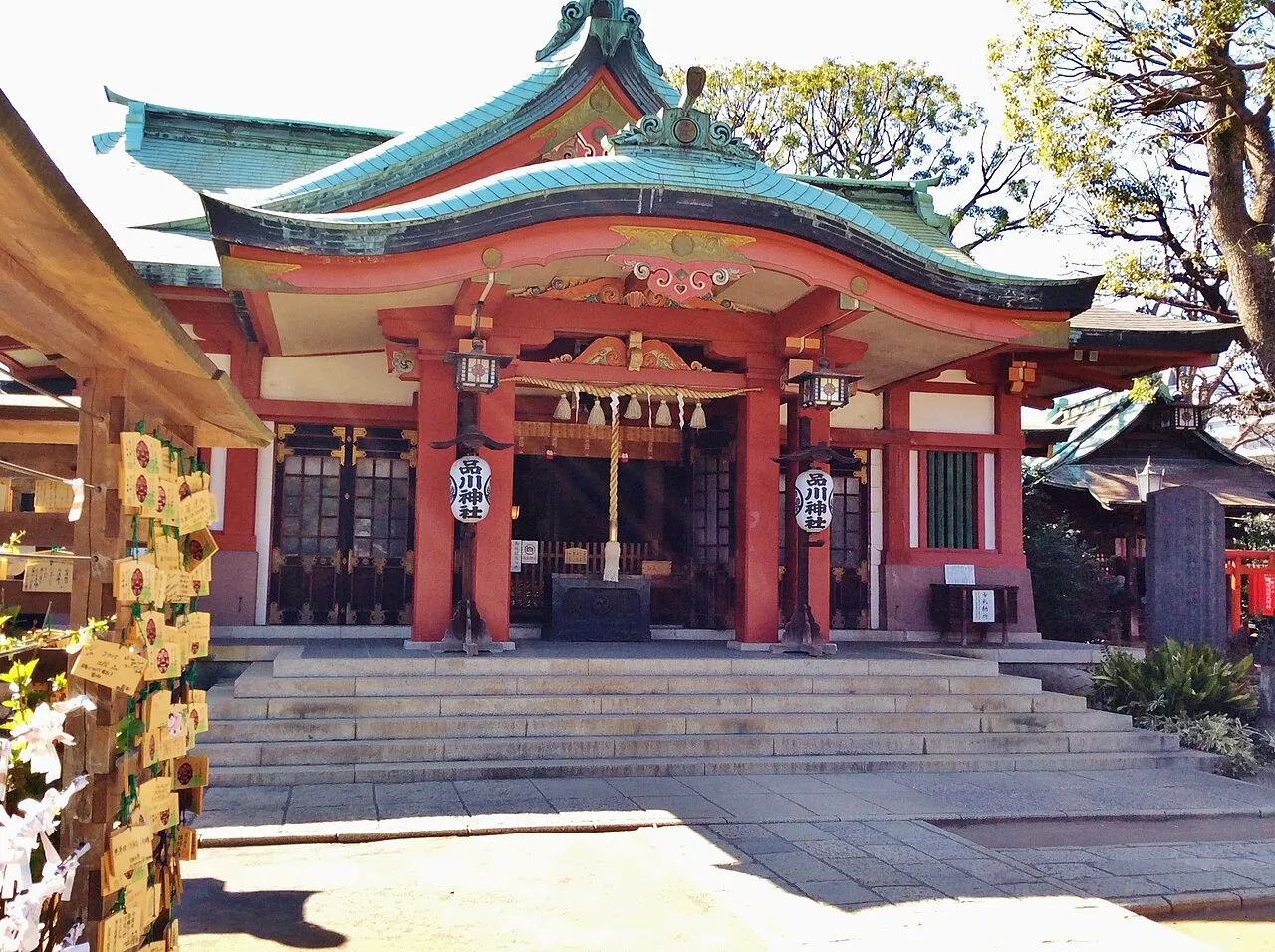
Enshrined deity: Ame-no-Hirume-no-Mikoto, Susanoo-no-Mikoto, Toshogu (Tokugawa Ieyasu)
One of the Tokyo Ten Shrines, founded by Minamoto no Yoritomo in the Kamakura period. The “Ichiryumanbai-no-Izumi” (one grain, ten-thousand-fold spring) is said to multiply your financial fortune when you wash coins in it.
- Goshuin highlights: A distinguished stamp befitting one of the Tokyo Ten Shrines
- Fee: ¥500
- Access: 1-min walk from Keikyu Shinbanba Station (north exit)
- Don’t miss: Soryu (double dragon) torii gate, Ichiryumanbai spring, Fuji-zuka (miniature Mt. Fuji)
Goshuin Info
| Details | |
|---|---|
| Hours | 9:00–17:00 |
| Location | Shrine office |
| Handwritten/Pre-made | Handwritten |
| Limited editions | Yes (annual festival specials) |
22. Yoyogi Hachimangu (Shibuya Ward)
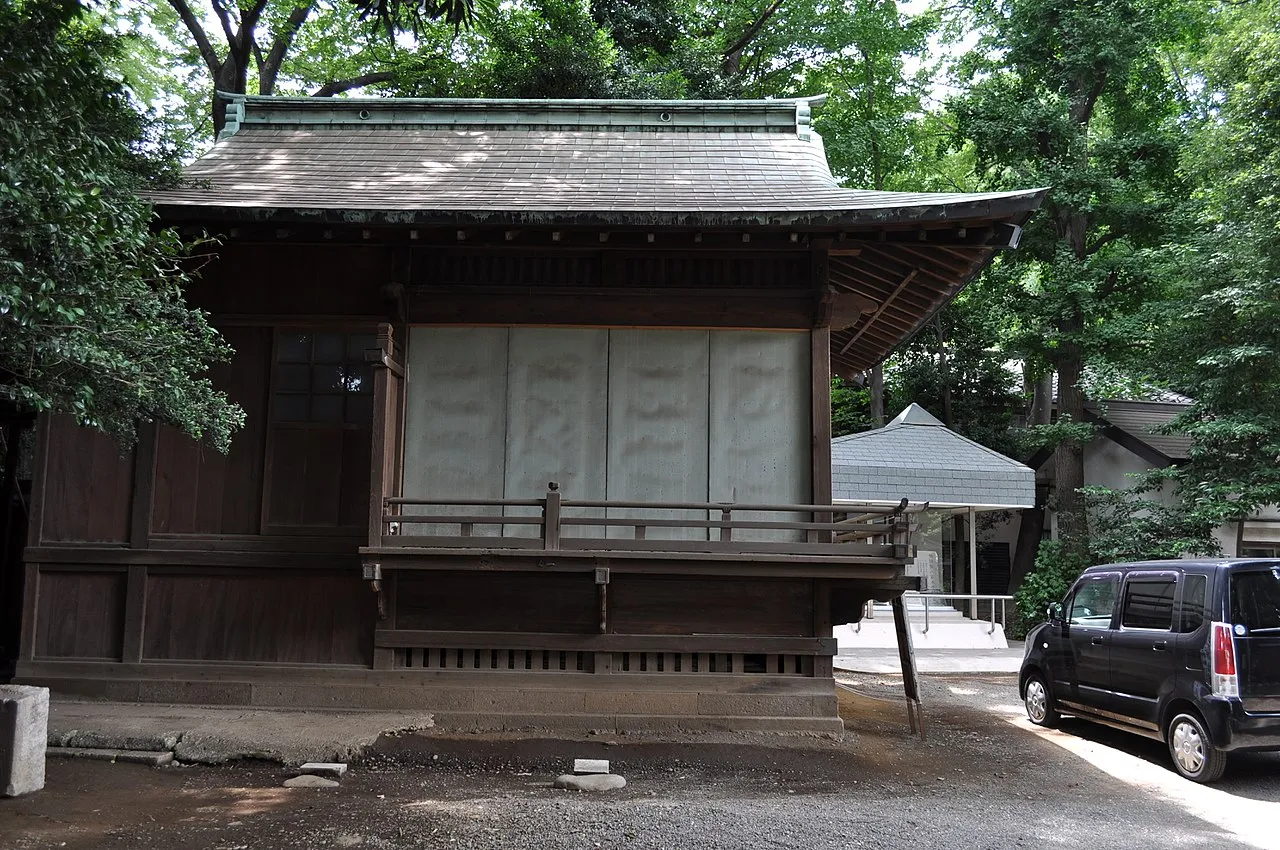
Enshrined deity: Emperor Ojin
A lush, green power spot in the Shibuya-Harajuku area. Popular with those in the entertainment industry, it is well known for blessings related to career advancement and success.
- Goshuin highlights: Simple yet powerful “Yoyogi Hachimangu” calligraphy
- Fee: ¥500
- Access: 5-min walk from Odakyu Line Yoyogi-Hachiman Station
- Don’t miss: Shusse Inari sub-shrine, Jomon-era pit dwelling ruins
Goshuin Info
| Details | |
|---|---|
| Hours | 9:00–17:00 |
| Location | Shrine office |
| Handwritten/Pre-made | Handwritten |
| Limited editions | None |
23. Ana Hachimangu (Shinjuku Ward)
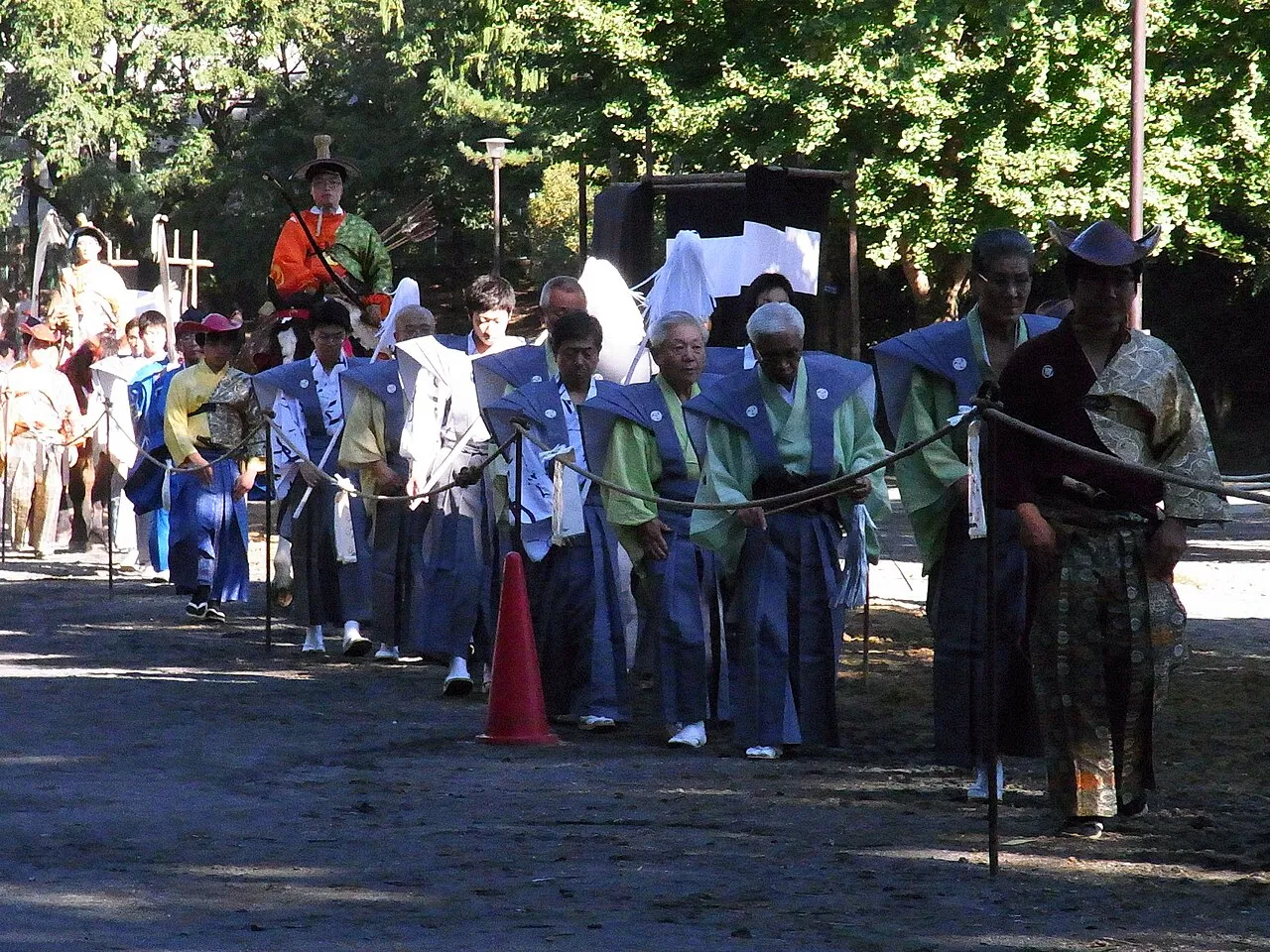
Enshrined deity: Emperor Ojin, Emperor Chuai, Empress Jingu
Located in Waseda, this Hachiman shrine is famous for its “Ichiyoraifuku” charm — only available from the winter solstice through Setsubun. It is said to bring blessings of financial prosperity.
- Goshuin highlights: Neat, refined “Ana Hachimangu” calligraphy
- Fee: ¥500
- Access: 3-min walk from Tokyo Metro Waseda Station
- Don’t miss: Zuishinmon gate, Ichiyoraifuku charm (winter solstice–Setsubun), yabusame horseback archery (October)
Goshuin Info
| Details | |
|---|---|
| Hours | 9:00–17:00 (extended during winter solstice–Setsubun) |
| Location | Shrine office |
| Handwritten/Pre-made | Handwritten |
| Limited editions | None |
24. Oji Shrine (Kita Ward)
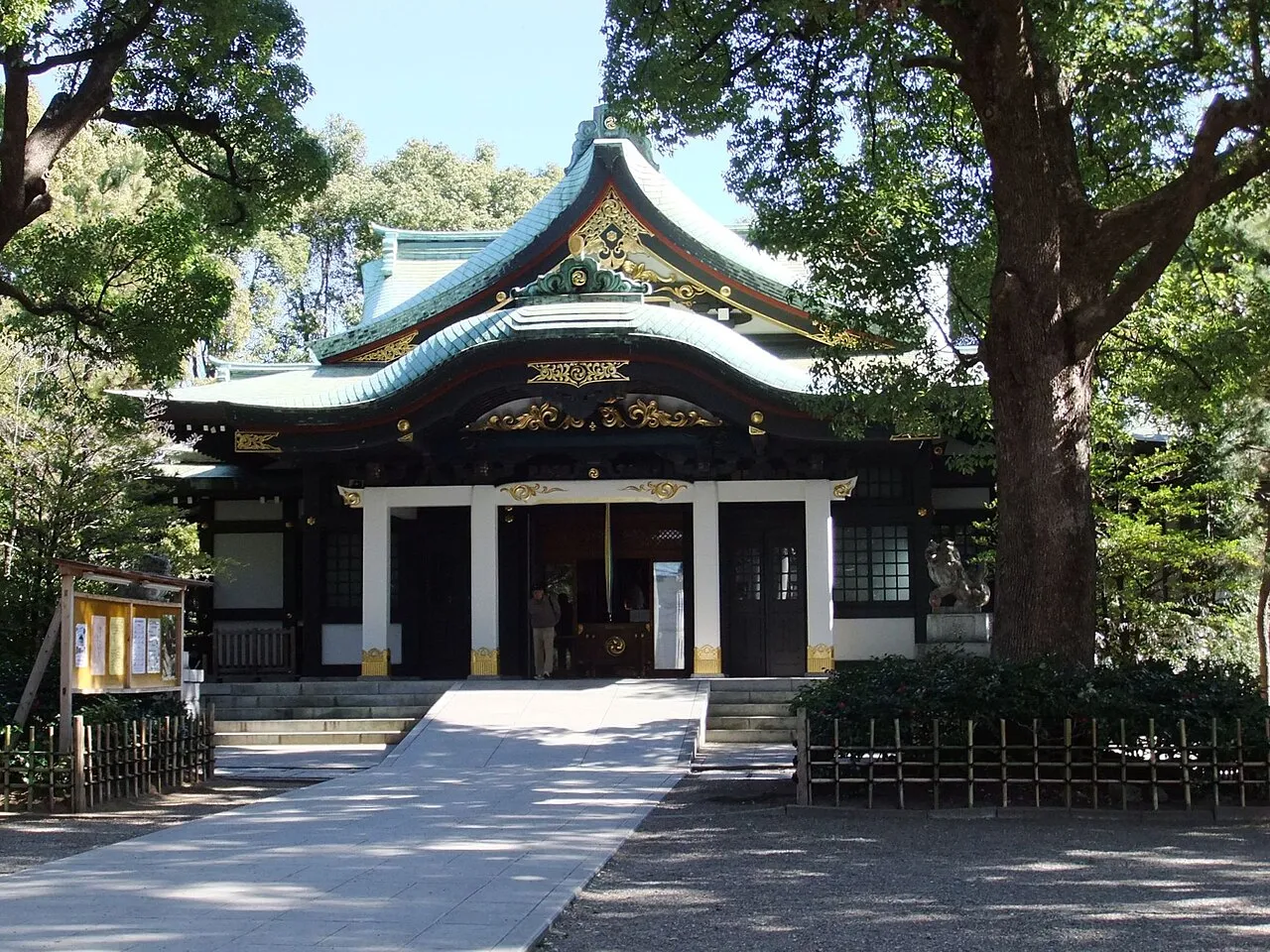
Enshrined deity: Izanagi-no-Mikoto, Izanami-no-Mikoto, Amaterasu-Omikami, Hayatama-no-o-no-Mikoto, Kotosaka-no-o-no-Mikoto
One of the Tokyo Ten Shrines. This historic shrine gave the neighborhood of Oji its name and was deeply revered by the Tokugawa shoguns.
- Goshuin highlights: A dignified stamp worthy of the Tokyo Ten Shrines
- Fee: ¥500
- Access: 3-min walk from JR Oji Station (north exit)
- Don’t miss: Great ginkgo tree (Tokyo designated natural monument), Seki Shrine (deity of hair and beauty)
Goshuin Info
| Details | |
|---|---|
| Hours | 9:00–17:00 |
| Location | Shrine office |
| Handwritten/Pre-made | Handwritten |
| Limited editions | Yes (annual festival specials) |
25. Onoteruzaki Shrine (Taito Ward)
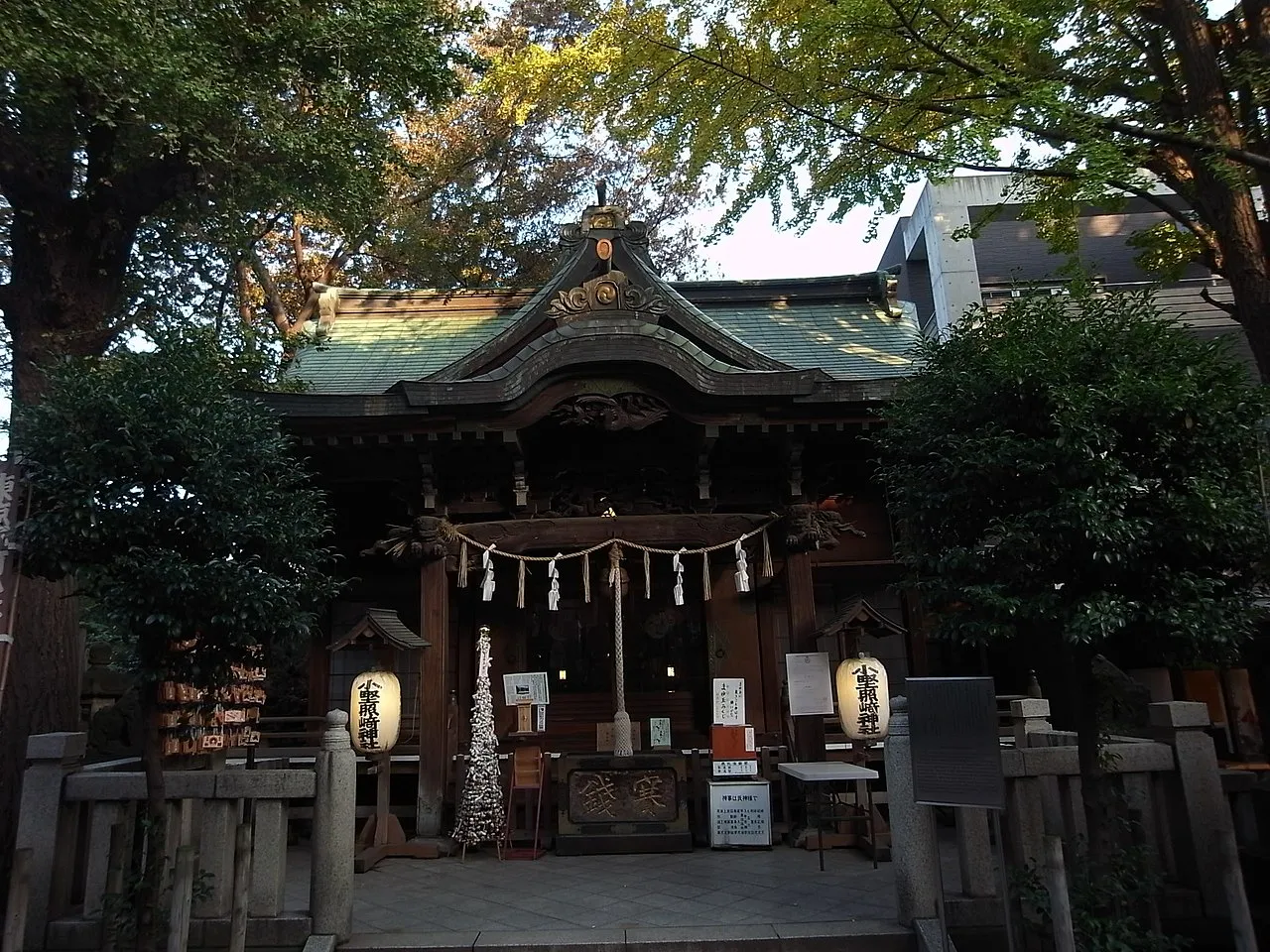
Enshrined deity: Ono no Takamura, Sugawara no Michizane
A charming downtown shrine dedicated to the gods of learning and performing arts. According to a famous anecdote, actor Atsumi Kiyoshi prayed here and soon landed the iconic role of Tora-san in “Otoko wa Tsurai yo.”
- Goshuin highlights: Beautiful monthly-changing goshuin featuring seasonal flowers and events
- Fee: ¥500
- Access: 3-min walk from Tokyo Metro Iriya Station (Exit 4)
- Don’t miss: Fuji-zuka (nationally designated Important Tangible Folk Cultural Property), monthly goshuin
Goshuin Info
| Details | |
|---|---|
| Hours | 9:00–16:00 |
| Location | Shrine office |
| Handwritten/Pre-made | Pre-made (monthly designs) / Handwritten (standard) |
| Limited editions | Yes (design changes every month) |
26. Suitengu (Chuo Ward)
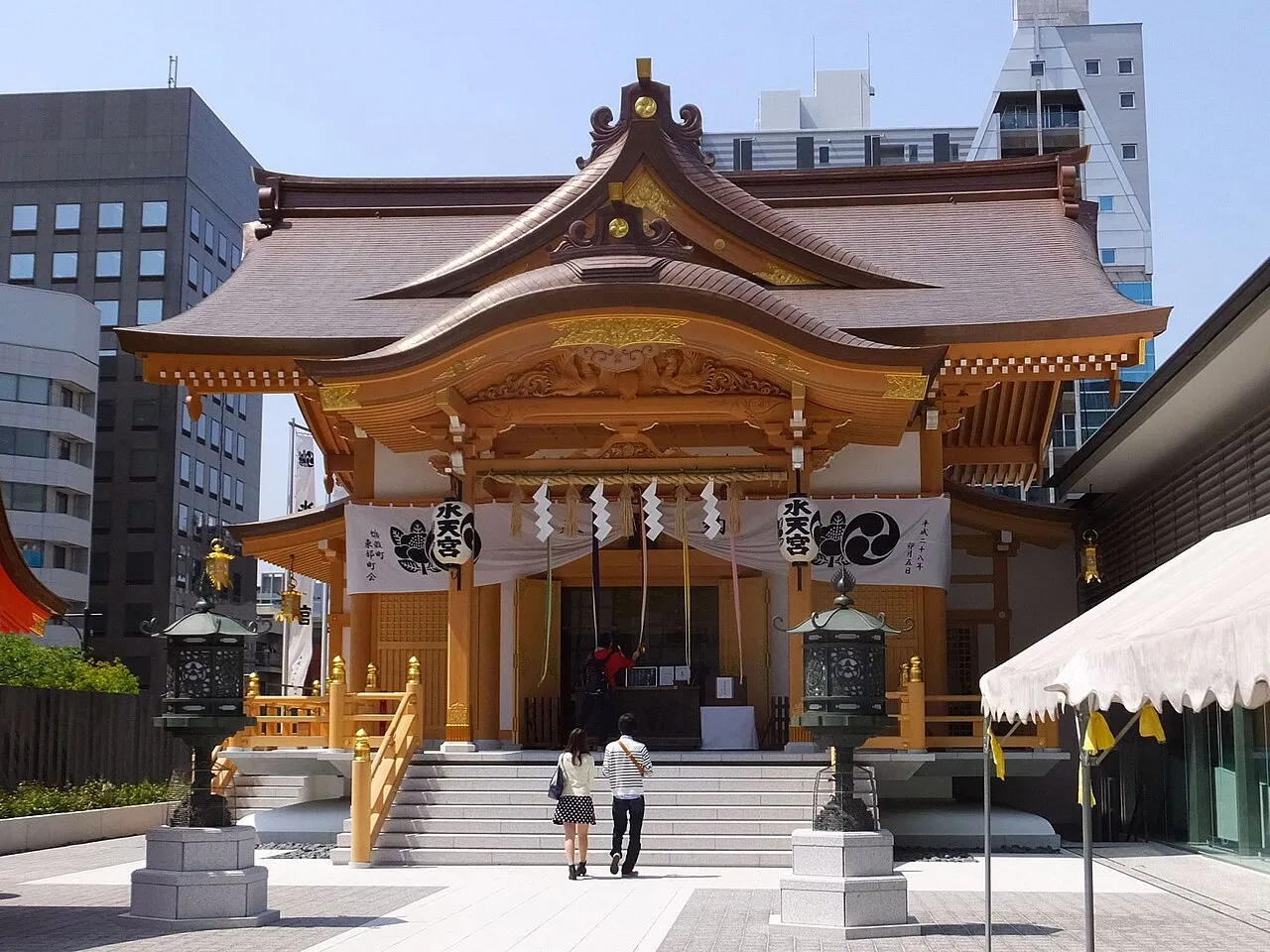
Enshrined deity: Ame-no-Minakanushi-no-Kami, Emperor Antoku, Taira-no-Tokuko, Nii-no-Ama
Widely worshipped as the deity of safe childbirth and conception. On “Dog Days” (inu-no-hi), the shrine bustles with expectant mothers. The hall was rebuilt in 2016.
- Goshuin highlights: Clean calligraphy with the Suitengu seal
- Fee: ¥500
- Access: Directly outside Tokyo Metro Suitengumae Station (Exit 5)
- Don’t miss: Kodakara-inu (lucky dog) statue, new main hall, ema (votive tablets) for safe delivery
Goshuin Info
| Details | |
|---|---|
| Hours | 8:00–15:00 (prayer reception) / goshuin from 9:00 |
| Location | Goshuin counter |
| Handwritten/Pre-made | Handwritten |
| Limited editions | None |
27. Shoin Shrine (Setagaya Ward)
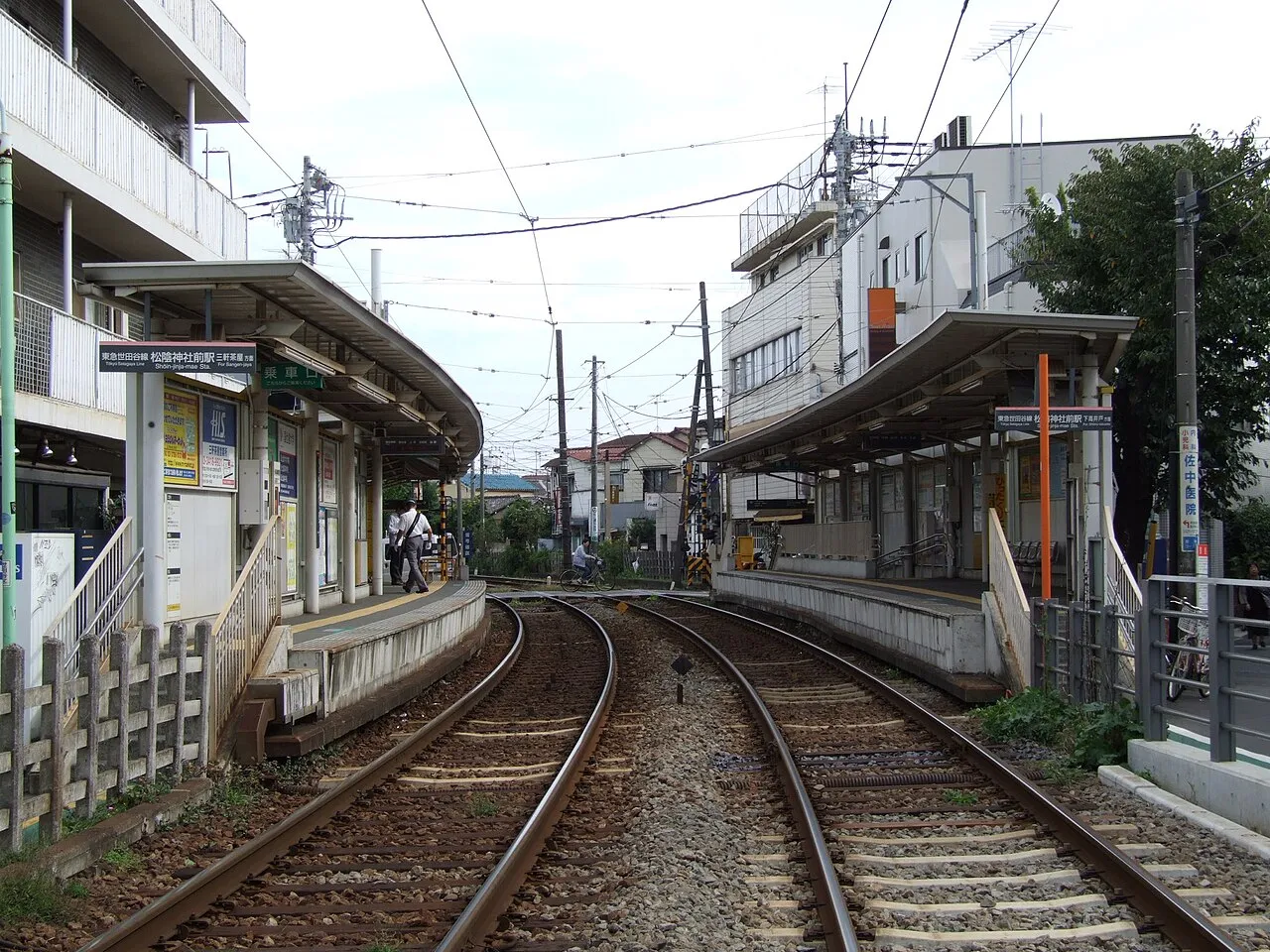
Enshrined deity: Yoshida Shoin
Dedicated to the revered Bakumatsu-era thinker Yoshida Shoin. Popular with students for blessings of learning and sincerity. A replica of the Shoka Sonjuku academy sits within the grounds, evoking the spirit of the era.
- Goshuin highlights: Poised “Shoin Jinja” calligraphy that reflects the spirit of sincerity
- Fee: ¥500
- Access: 3-min walk from Tokyu Setagaya Line Shoin-Jinja-Mae Station
- Don’t miss: Shoka Sonjuku replica, Yoshida Shoin’s grave, statue of Shoin
Goshuin Info
| Details | |
|---|---|
| Hours | 9:00–17:00 |
| Location | Shrine office |
| Handwritten/Pre-made | Handwritten |
| Limited editions | Yes (annual festival, Bakumatsu-Ishin Matsuri specials) |
28. Asagaya Shinmeigu (Suginami Ward)
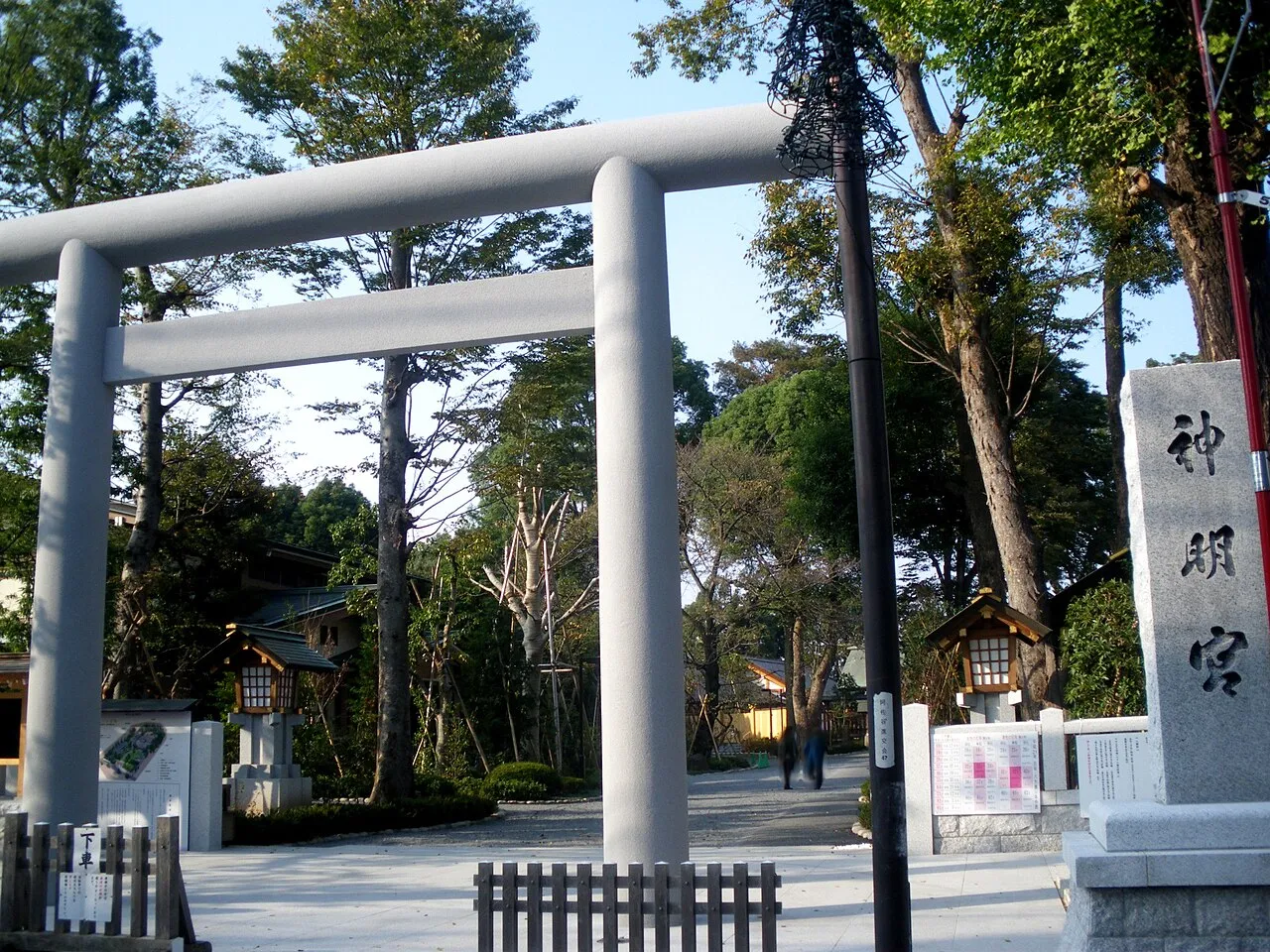
Enshrined deity: Amaterasu-Omikami, Tsukuyomi-no-Mikoto, Susanoo-no-Mikoto
Nationally famous as a pioneer of embroidered goshuin. The delicately stitched “Yamato-gasane” goshuin are works of art in their own right, drawing visitors from across Japan.
- Goshuin highlights: Exquisite embroidered goshuin (“Yamato-gasane”) — among the most beautiful in Japan
- Fee: ¥800–1,500 (embroidered goshuin)
- Access: 2-min walk from JR Asagaya Station (north exit)
- Don’t miss: Shinmei-zukuri main hall, Noh stage, Sarutahiko sub-shrine
Goshuin Info
| Details | |
|---|---|
| Hours | 9:00–17:00 |
| Location | Goshuin counter |
| Handwritten/Pre-made | Pre-made (embroidered goshuin) / Handwritten (standard) |
| Limited editions | Yes (numerous embroidered editions for seasons and events) |
29. Iruki Shrine (Shinagawa Ward)
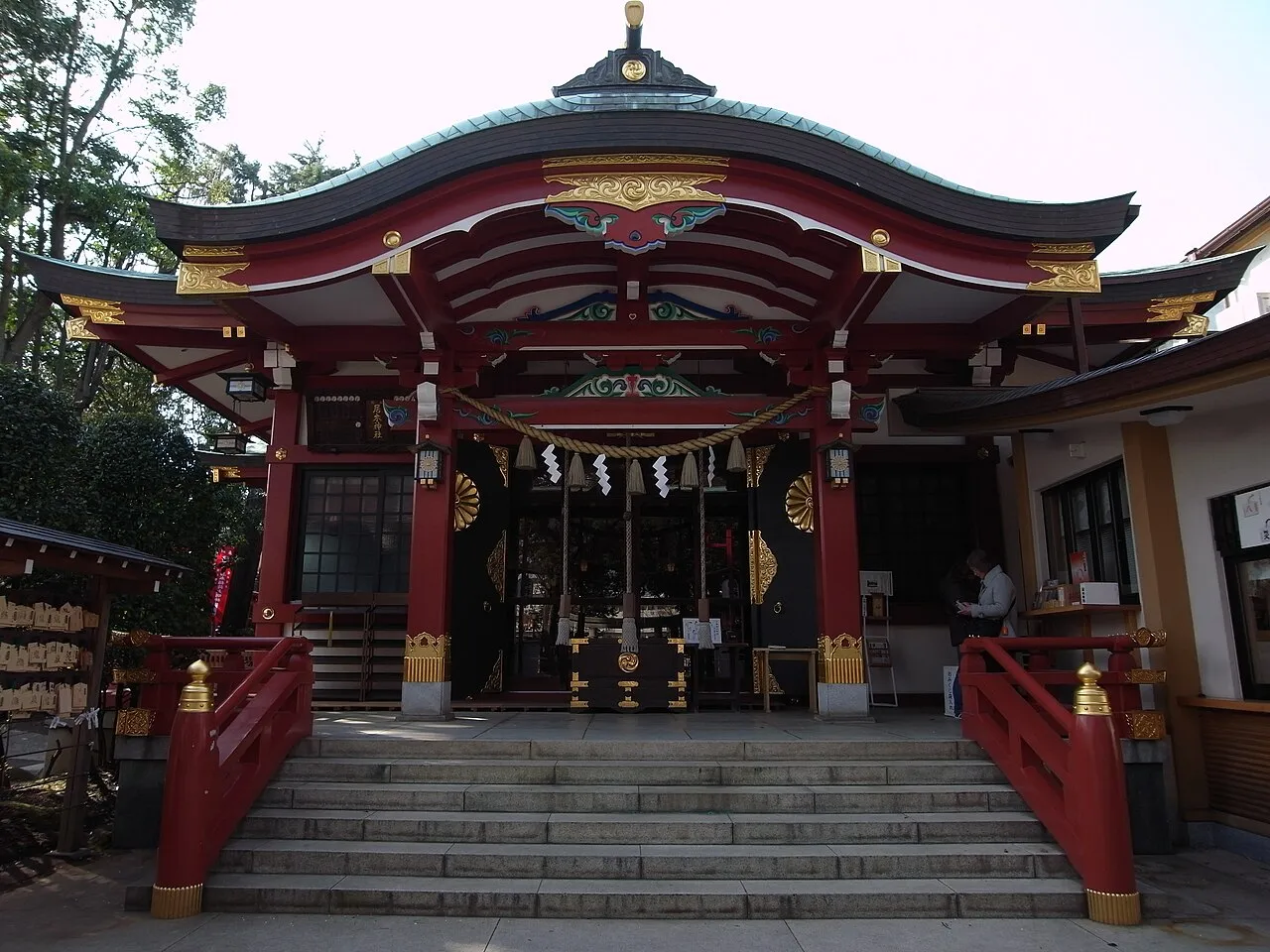
Enshrined deity: Yamato Takeru-no-Mikoto, Ame-no-Koyane-no-Mikoto, and others
Located within walking distance of Osaki Station, this shrine is a social media sensation for its monthly-changing limited goshuin designs. Many fans visit every month to collect the newest edition.
- Goshuin highlights: A new colorful design released on the 1st of every month, brimming with seasonal charm
- Fee: ¥500
- Access: 3-min walk from JR Osaki Station
- Don’t miss: Monthly goshuin, Itsukushima sub-shrine
Goshuin Info
| Details | |
|---|---|
| Hours | 9:00–17:00 |
| Location | Shrine office |
| Handwritten/Pre-made | Pre-made (limited editions) / Handwritten (standard) |
| Limited editions | Yes (design changes every month) |
30. Koenji Hikawa Shrine (Suginami Ward)
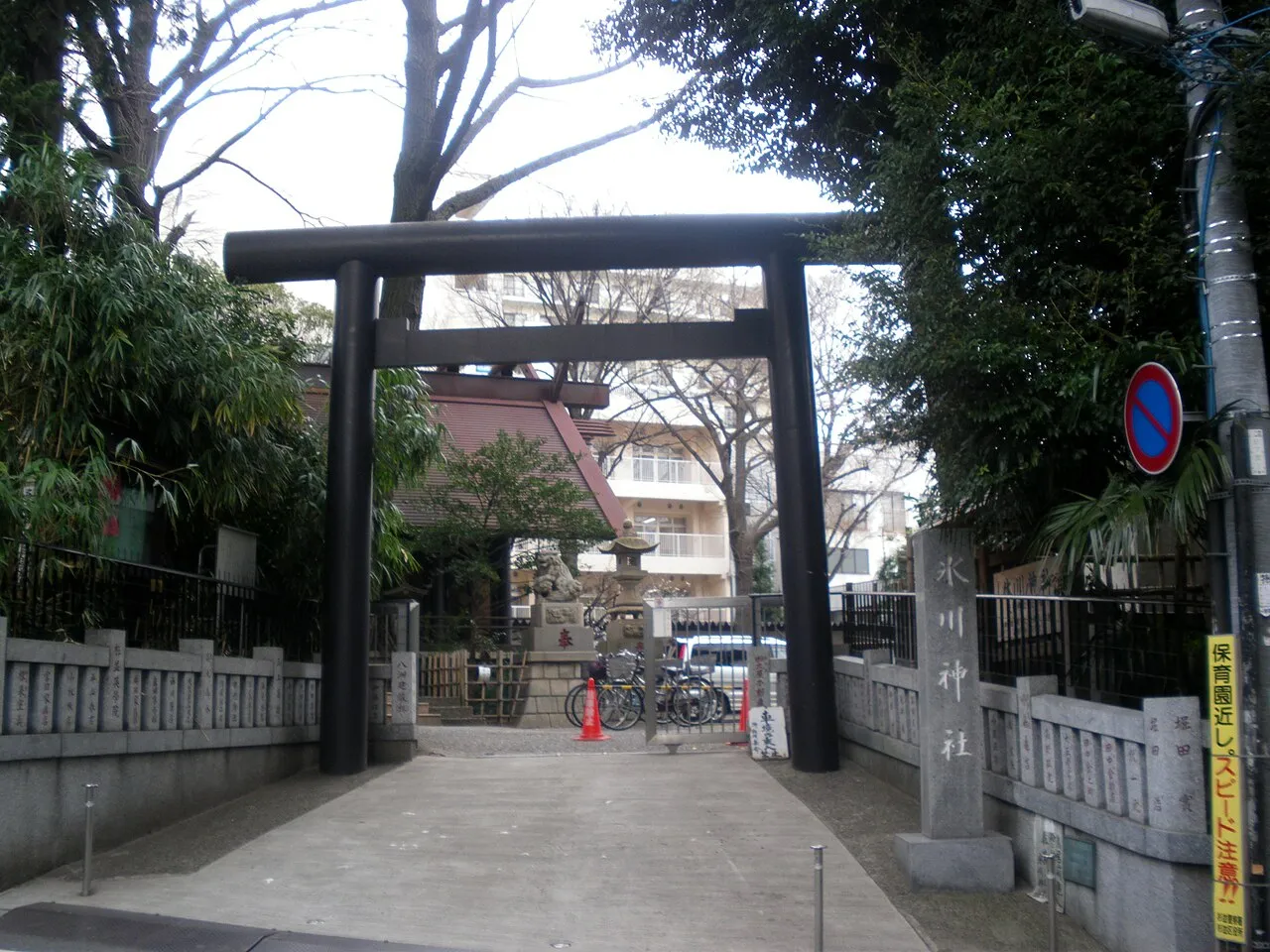
Enshrined deity: Susanoo-no-Mikoto
The local guardian shrine of Koenji. Within its grounds sits the “Kisho Shrine” — the only shrine in Japan dedicated to a weather deity. The geta-shaped (wooden clog) ema for fine-weather wishes and the teru-teru-bozu-themed goshuin are conversation starters.
- Goshuin highlights: The Kisho Shrine goshuin features sun and teru-teru-bozu motifs — charming and unique
- Fee: ¥500
- Access: 2-min walk from JR Koenji Station (south exit)
- Don’t miss: Kisho Shrine (weather deity), geta-shaped ema, Koenji Awa-Odori dance festival (August)
Goshuin Info
| Details | |
|---|---|
| Hours | 9:00–17:00 |
| Location | Shrine office |
| Handwritten/Pre-made | Pre-made |
| Limited editions | Yes (weather and seasonal limited designs) |
Suggested Itineraries for Goshuin Collecting in Tokyo
For first-timers, starting with centrally located shrines is the easiest approach.
Half-Day Course (3–4 shrines)
Meiji Jingu → Yoyogi Hachimangu → Tokyo Daijingu → Kanda Myojin
An easy route from Harajuku/Yoyogi to Iidabashi and Ochanomizu by train.
Full-Day Course (5–6 shrines)
Hie Shrine → Nogi Shrine → Akasaka Hikawa Shrine → Meiji Jingu → Hanazono Shrine → Akagi Shrine
From Akasaka/Nogizaka through Harajuku, Shinjuku, and on to Kagurazaka. Start in the morning for a comfortable pace.
Shitamachi (Downtown) Course (4 shrines)
Asakusa Shrine → Imado Shrine → Kameido Tenjin Shrine → Tomioka Hachimangu
A walking-friendly route through Tokyo’s historic downtown. Perfect for combining with local food stops like fukagawa-meshi and monjayaki.
Colorful Goshuin Course (3 shrines)
Karasumori Shrine → Onoteruzaki Shrine → Asagaya Shinmeigu
For collectors who love vibrant, eye-catching stamps. Every goshuin on this route is Instagram-worthy.
Track Your Goshuin Journey with the Goshuin Meguri App
As your collection grows, keeping track of every shrine visit can become a challenge. The Goshuin Meguri app lets you manage your goshuin photos and visit records in one place. Level up with each visit, unlock achievement badges (Omamori), and let the AI guide “Byakko” suggest shrine histories and pilgrimage routes for you.
Information in this article is current as of February 2026. Hours and fees are subject to change — please check each shrine’s official website before visiting.