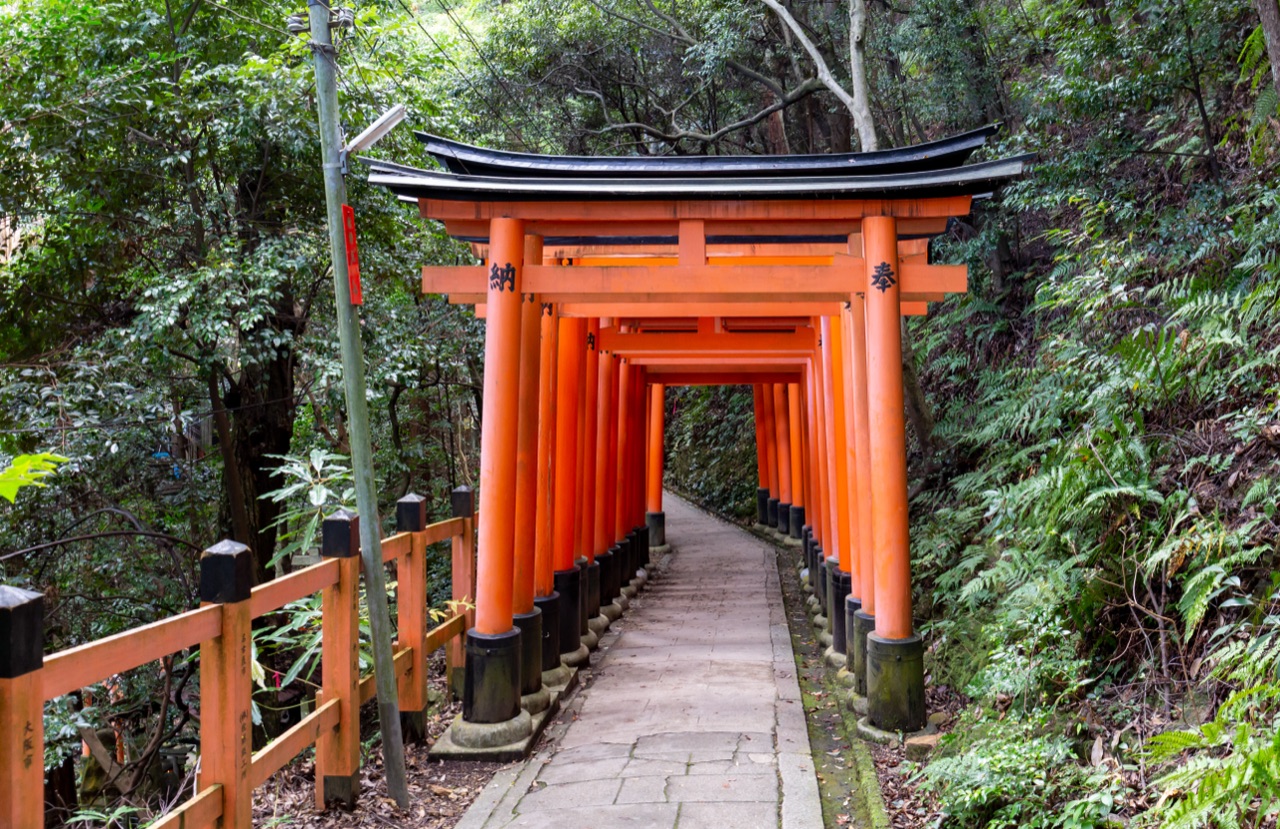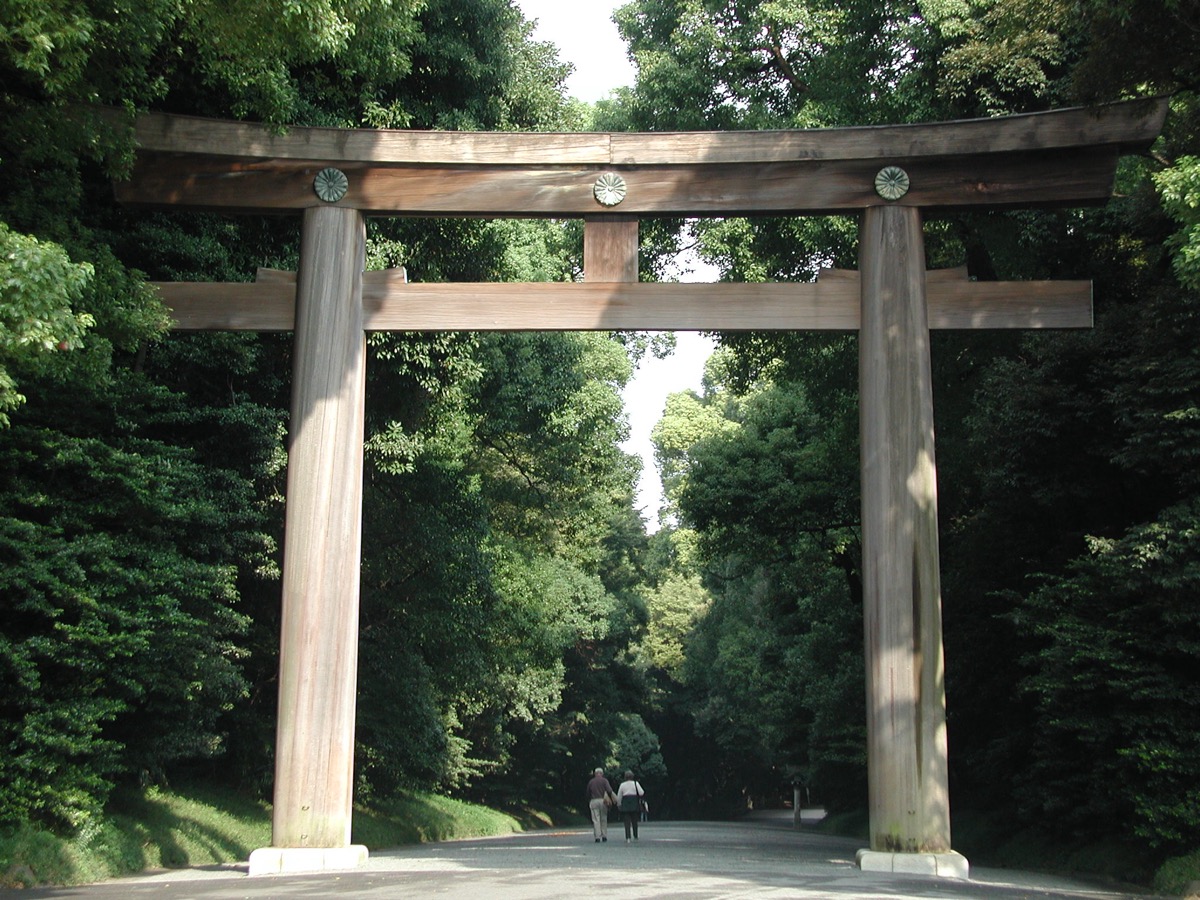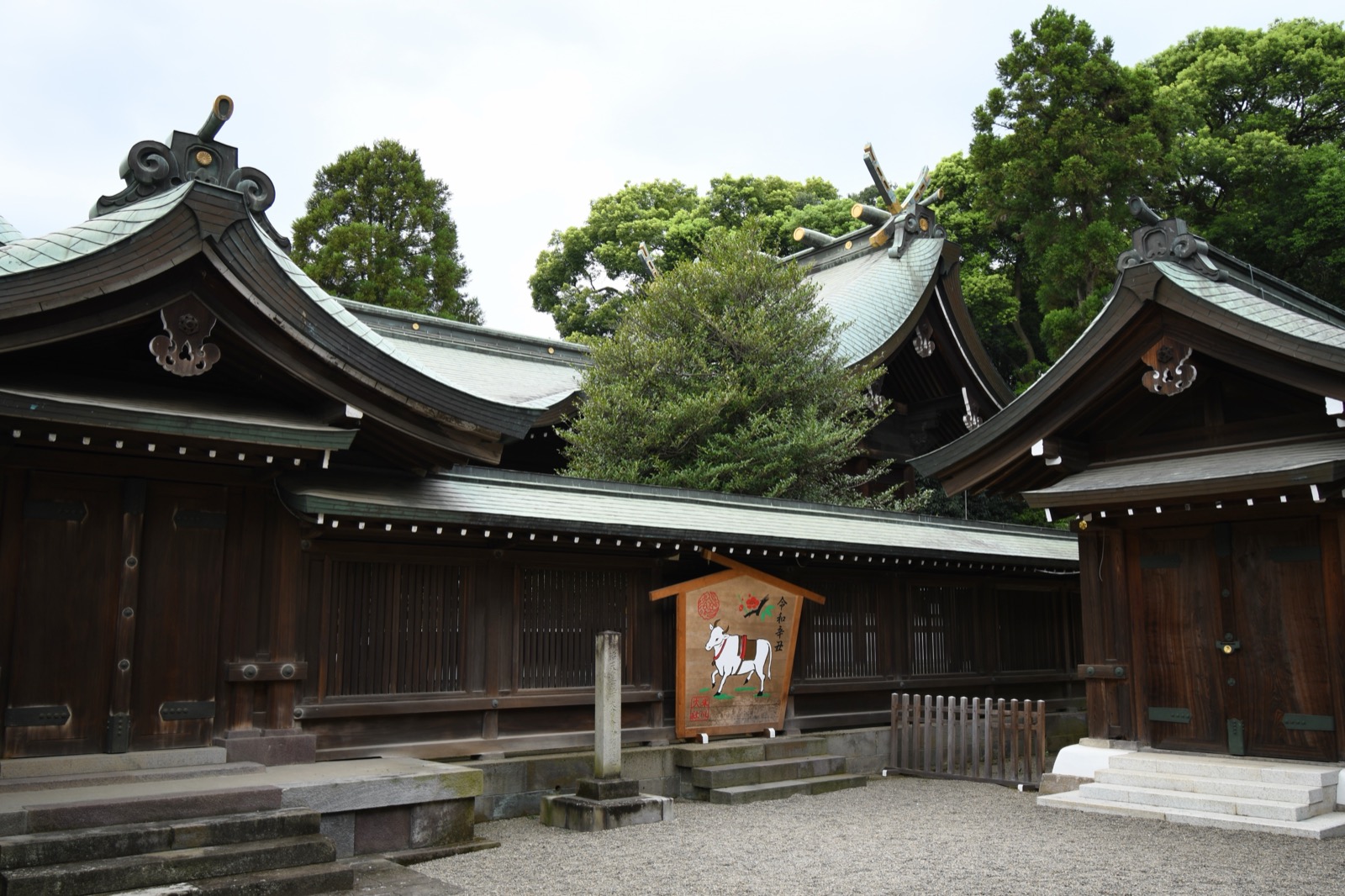
Known as “the kitchen of Japan,” Osaka has been a thriving merchant city for centuries — and its shrines reflect that spirit. From the majestic Sumiyoshi Taisha, one of Japan’s oldest and most important shrines, to the jaw-dropping lion head at Namba Yasaka Shrine, Osaka’s sacred sites are as bold and welcoming as the city itself. This guide covers 15 of the best shrines for collecting goshuin in the Osaka area.
Central Osaka
1. Sumiyoshi Taisha (Sumiyoshi Ward)
Enshrined deity: Sokotsutsu-no-o, Nakatsutsu-no-o, Uwatsutsu-no-o, Empress Jingu
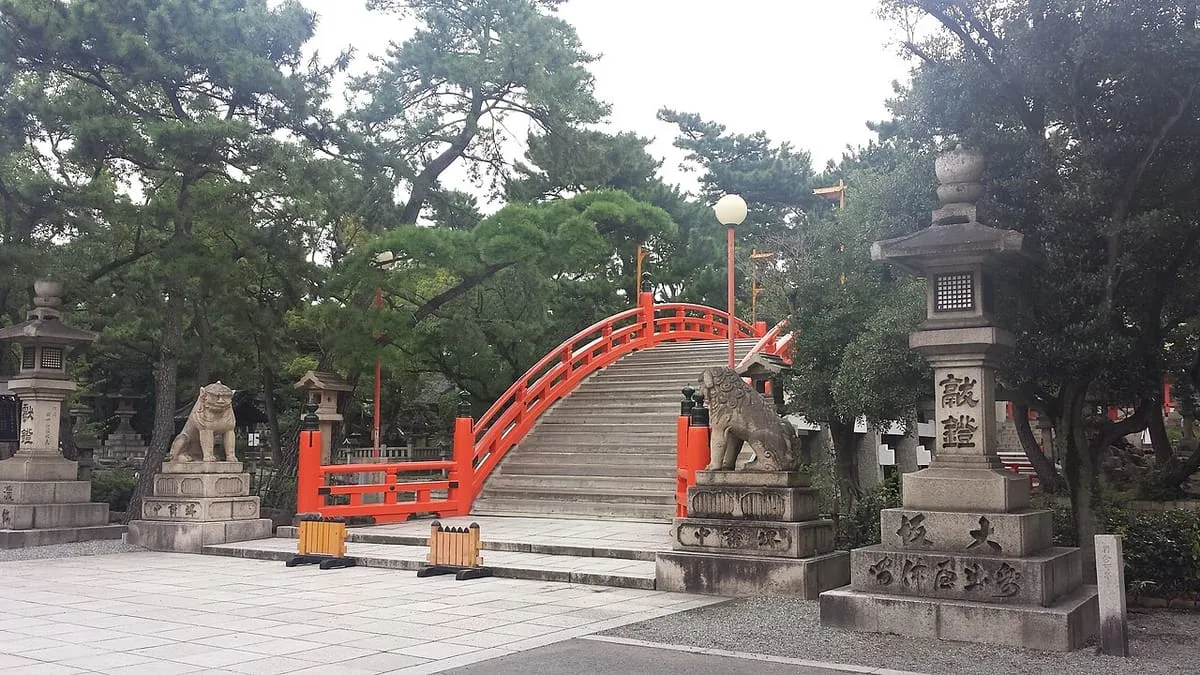
The head shrine of roughly 2,300 Sumiyoshi shrines across Japan, affectionately called “Sumiyossan” by locals. Its four main halls are designated National Treasures, built in the ancient Sumiyoshi-zukuri style — the oldest form of shrine architecture. The iconic arched Sorihashi Bridge is said to purify those who cross it.
- Goshuin highlights: Bold “Sumiyoshi Taisha” brushwork with vermillion seal; multiple stamps available from subsidiary shrines
- Fee: ¥500
- Access: 3-min walk from Nankai Main Line Sumiyoshi Taisha Station / Right at Hankai Tramway Sumiyoshi-Toriimae stop
- Don’t miss: Sorihashi Bridge, four National Treasure main halls, Gosho Gozen (collect “Go-Dai-Riki” stones), Hattatsu Mairi pilgrimage
Goshuin Info
| Details | |
|---|---|
| Hours | 9:00–17:00 |
| Location | Stamp office (inside the tower gate) |
| Handwritten/Pre-made | Handwritten |
| Limited editions | Yes (Hattatsu Mairi, New Year) |
2. Osaka Tenmangu (Kita Ward)
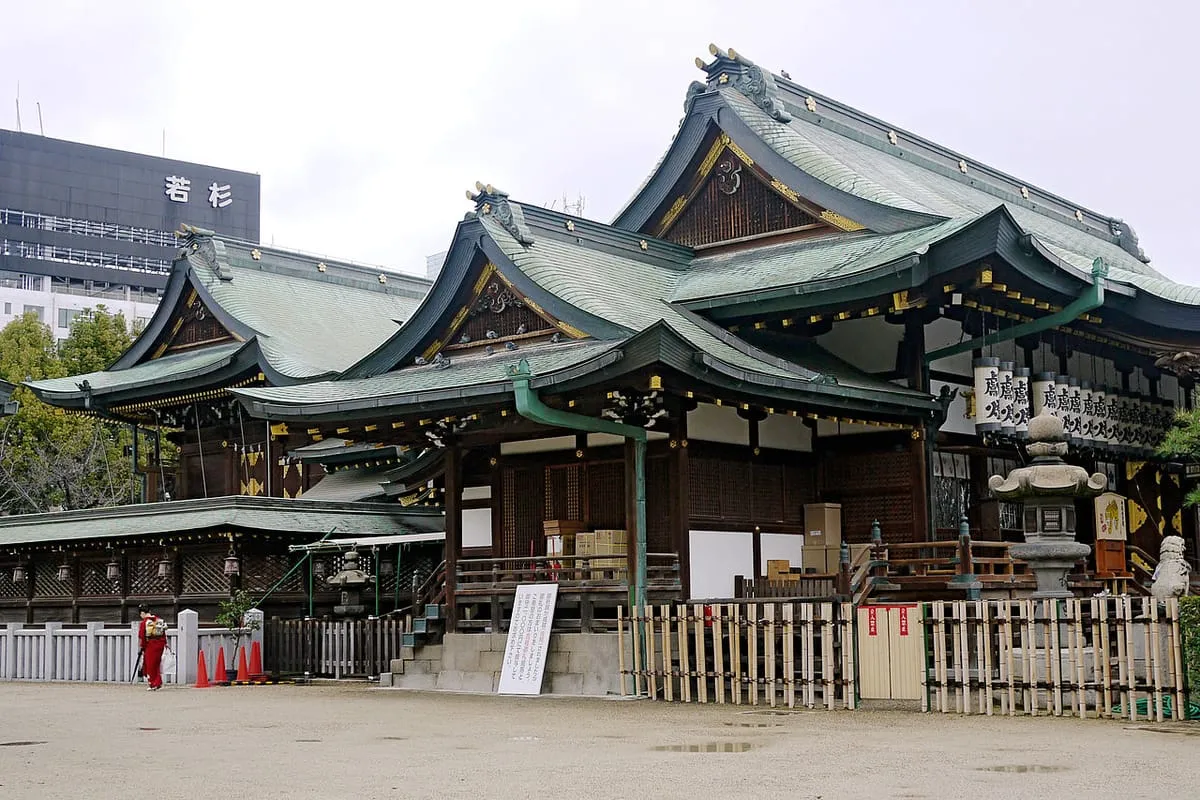
Enshrined deity: Sugawara no Michizane
Known as “Tenma no Tenjin-san,” this shrine dedicated to the god of learning was founded in 949. The highlight is the Tenjin Matsuri held every July — ranked among Japan’s three greatest festivals, featuring a spectacular boat procession and fireworks on the river.
- Goshuin highlights: Elegant stamp with the plum blossom crest; limited editions during Tenjin Matsuri
- Fee: ¥500
- Access: 5-min walk from Osaka Metro Minami-morimachi Station / 3-min walk from JR Osaka-Tenmangu Station
- Don’t miss: Plum blossom gate crest, Toryumon gate, plum blossoms (Feb–Mar), Tenjin Matsuri (July)
Goshuin Info
| Details | |
|---|---|
| Hours | 9:00–17:00 |
| Location | Stamp office (right of main hall) |
| Handwritten/Pre-made | Handwritten |
| Limited editions | Yes (Tenjin Matsuri, plum festival) |
3. Ikukunitama Shrine (Tennoji Ward)
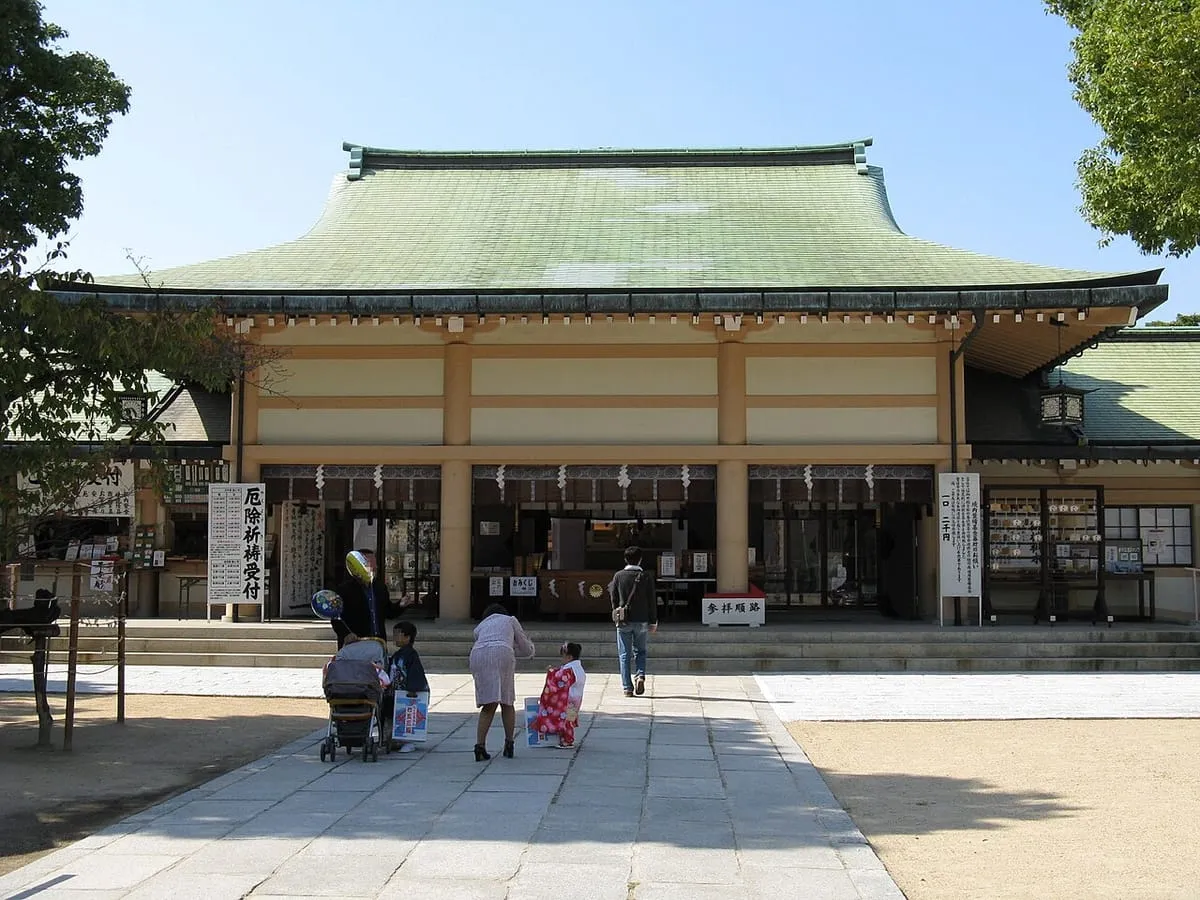
Enshrined deity: Ikushima-no-kami, Tarushima-no-kami
Considered the oldest shrine in Osaka, lovingly called “Ikutama-san.” Originally located where Osaka Castle now stands, it was relocated by Toyotomi Hideyoshi during the castle’s construction. The main hall features the unique Ikukunitama-zukuri architectural style, found nowhere else in Japan.
- Goshuin highlights: Dignified “Ikukunitama Jinja” brushwork; stamps from 11 subsidiary shrines are also popular
- Fee: ¥500
- Access: 5-min walk from Osaka Metro Tanimachi-kyuchome Station / 8-min walk from Kintetsu Osaka-Uehommachi Station
- Don’t miss: Unique architectural style, Shigino Shrine (for cutting bad ties and forging good ones), Ikutama Summer Festival (July)
Goshuin Info
| Details | |
|---|---|
| Hours | 9:00–17:00 |
| Location | Stamp office |
| Handwritten/Pre-made | Handwritten |
| Limited editions | Yes (summer festival) |
4. Imamiya Ebisu Shrine (Naniwa Ward)
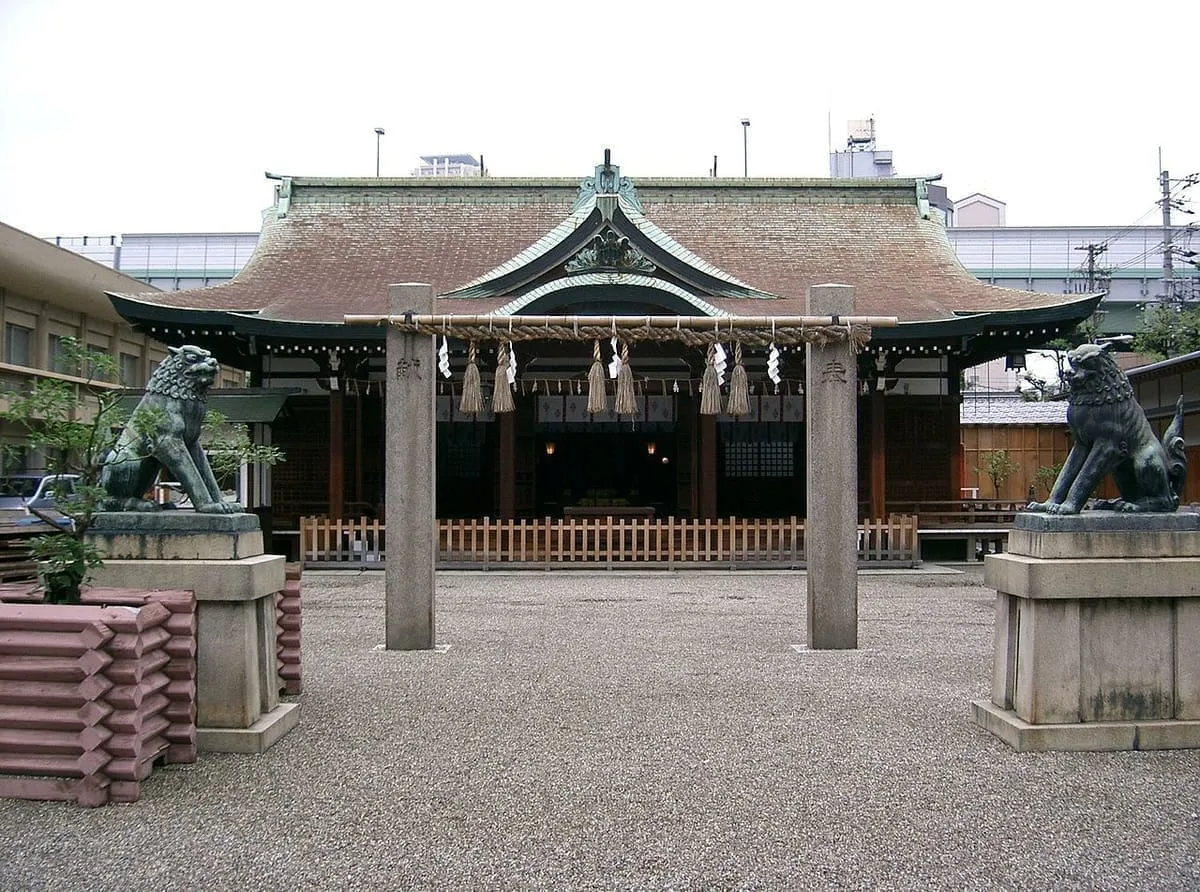
Enshrined deity: Amaterasu-Omikami, Kotoshironushi-no-Mikoto, and three others
The quintessential Osaka shrine for business prosperity. Every January, the Toka Ebisu festival draws over a million visitors chanting “Business prosper, come with bamboo!” (Shobai hanjo de sasa motte koi!). It’s a vibrant celebration of Osaka’s merchant heritage.
- Goshuin highlights: Simple, bold “Imamiya Ebisu Jinja” stamp; expect crowds during Toka Ebisu
- Fee: ¥300
- Access: Steps from Nankai Main Line Imamiya-Ebisu Station / 5-min walk from Osaka Metro Ebisucho Station
- Don’t miss: Toka Ebisu festival (Jan 9–11), Fuku-musume (lucky maidens), lucky bamboo branches
Goshuin Info
| Details | |
|---|---|
| Hours | 9:00–17:00 |
| Location | Shrine office |
| Handwritten/Pre-made | Handwritten |
| Limited editions | Yes (Toka Ebisu period) |
5. Namba Yasaka Shrine (Naniwa Ward)
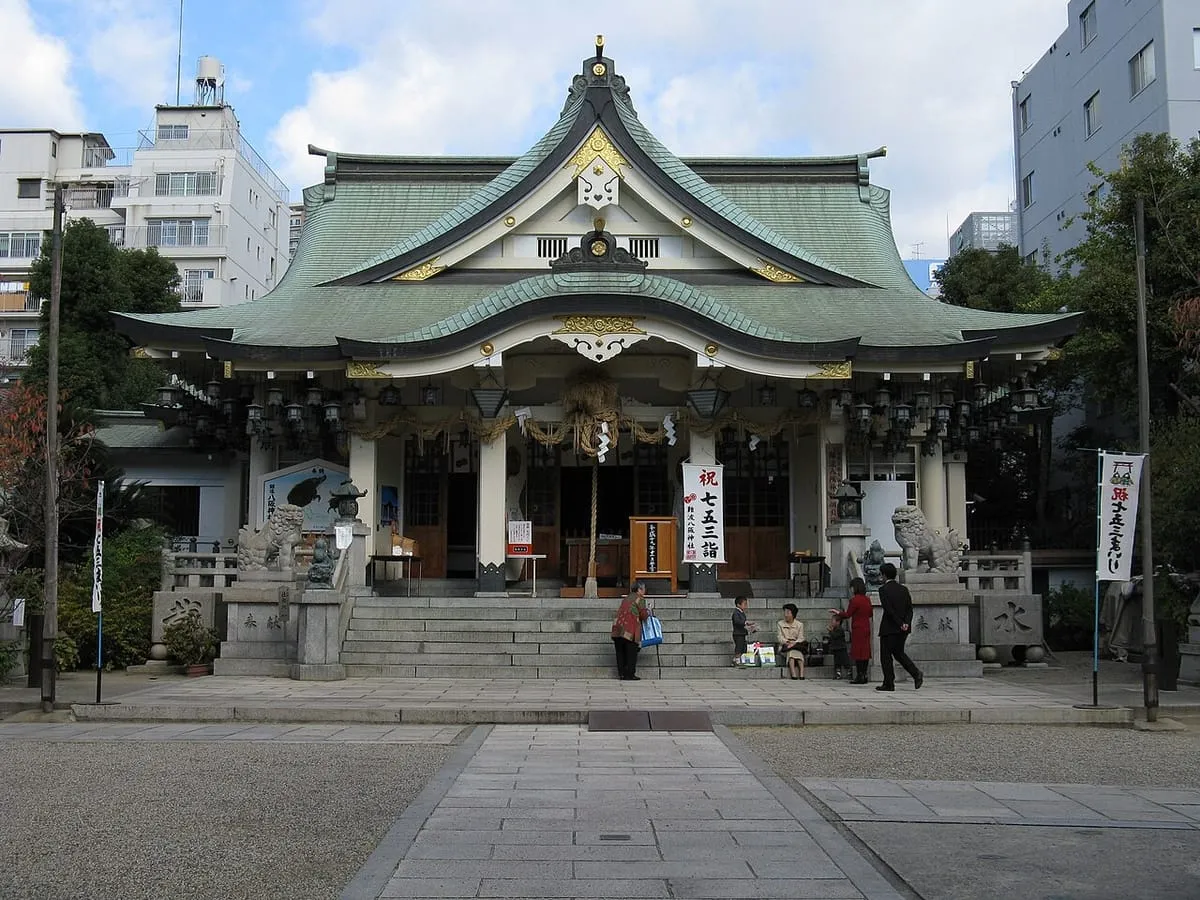
Enshrined deity: Susano-o-no-Mikoto, Kushinadahime-no-Mikoto, Yahashira-no-Miko
The star attraction here is impossible to miss: a 12-meter-tall lion head building called the Shishi-den. Its massive open mouth is said to swallow evil spirits and attract good fortune — making it wildly popular for blessings of victory and success. It’s also become one of Osaka’s most Instagrammed spots.
- Goshuin highlights: Powerful brushwork, sometimes featuring the lion head motif
- Fee: ¥500
- Access: 6-min walk from Osaka Metro Namba Station / 8-min walk from Nankai Namba Station
- Don’t miss: Shishi-den lion head (12m tall), tug-of-war ritual (January), summer festival (July)
Goshuin Info
| Details | |
|---|---|
| Hours | 9:00–16:50 |
| Location | Shrine office |
| Handwritten/Pre-made | Handwritten |
| Limited editions | Yes (festival specials) |
6. Tsuyunoten Shrine / Ohatsu Tenjin (Kita Ward)
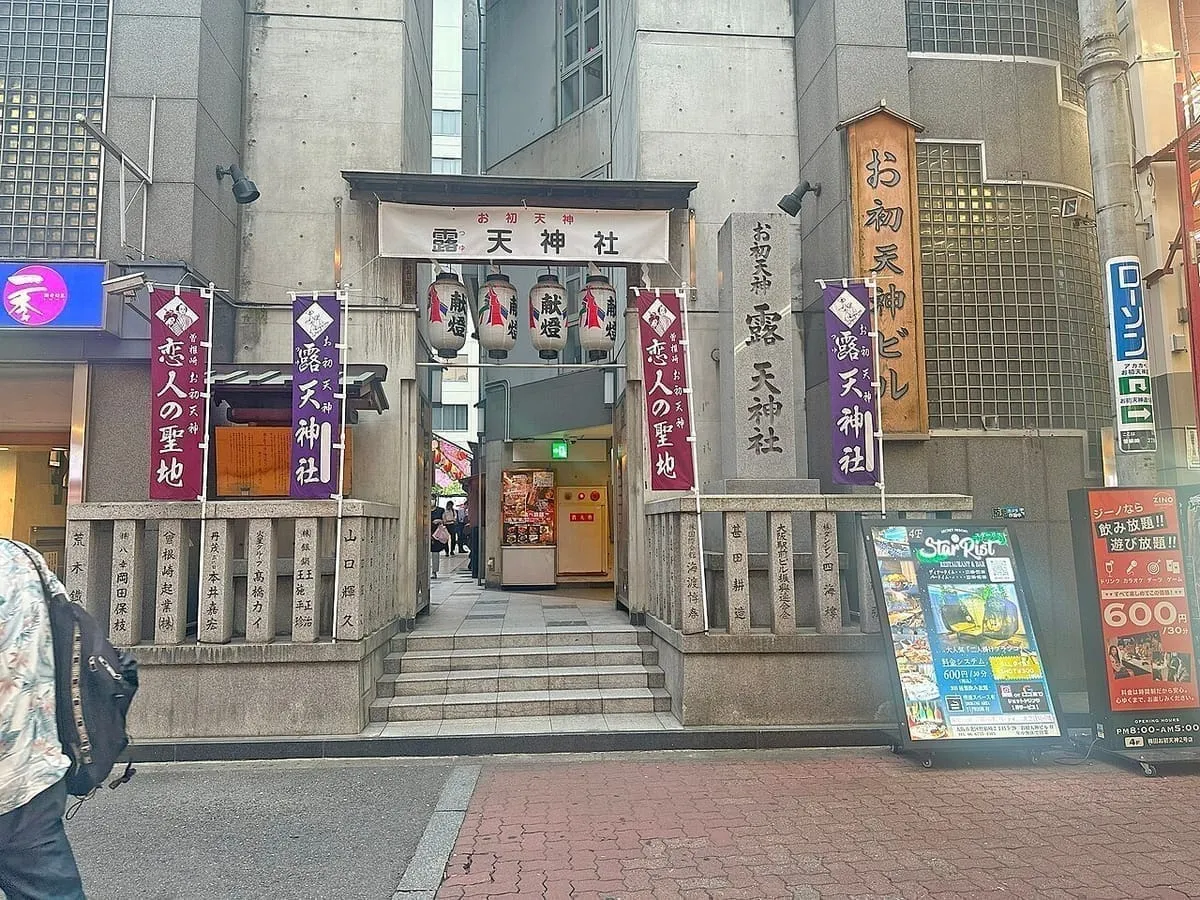
Enshrined deity: Sukunahikona-no-Okami, Okuninushi-no-Okami
Tucked in the heart of Umeda, this shrine is the setting of Chikamatsu Monzaemon’s famous bunraku play The Love Suicides at Sonezaki. Named “Ohatsu Tenjin” after the story’s heroine, it’s now beloved as a love and romance power spot. A bronze statue of Ohatsu and Tokubei stands in the grounds.
- Goshuin highlights: Colorful seasonal limited editions are hugely popular among collectors
- Fee: ¥500
- Access: 5-min walk from Osaka Metro Higashi-Umeda Station / 10-min walk from JR Osaka Station
- Don’t miss: Ohatsu & Tokubei statue, beauty prayer ema, peaceful oasis in bustling Umeda
Goshuin Info
| Details | |
|---|---|
| Hours | 10:00–17:00 |
| Location | Shrine office |
| Handwritten/Pre-made | Handwritten |
| Limited editions | Yes (seasonal, monthly rotating designs) |
7. Ikasuri Shrine (Chuo Ward)
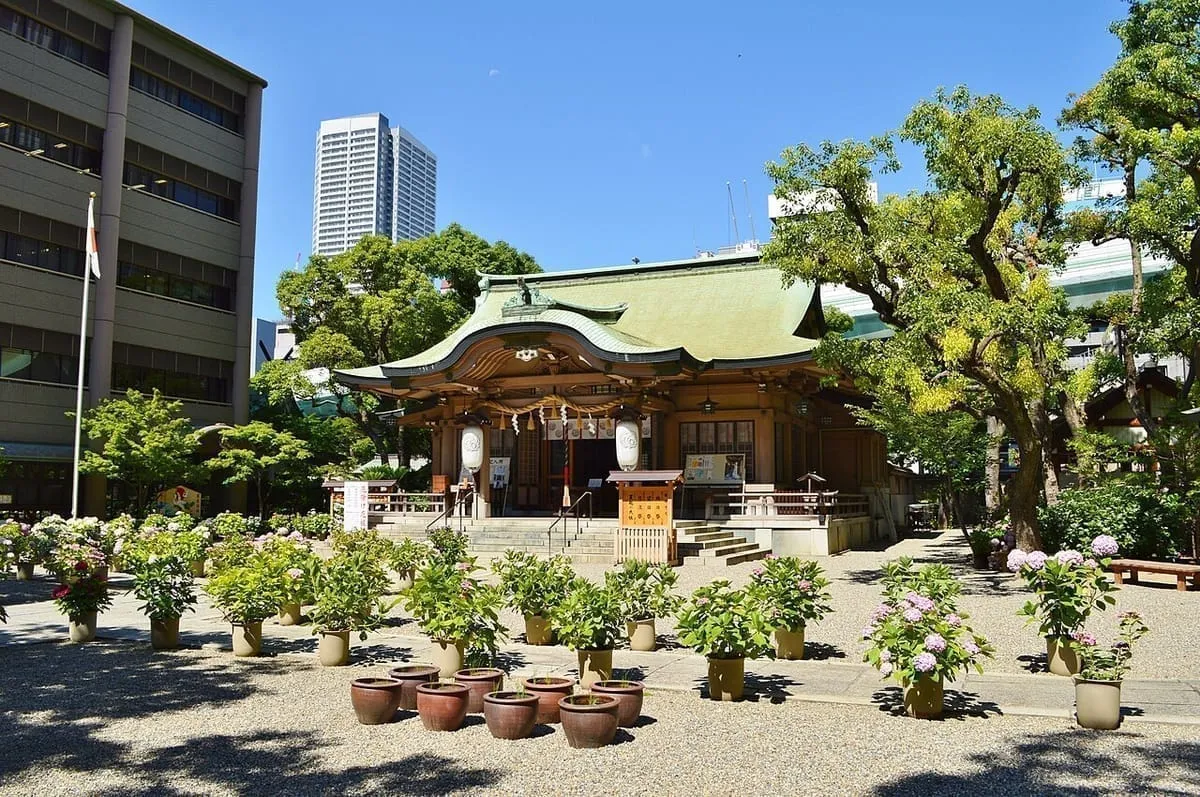
Enshrined deity: Ikasuri-no-Okami (five deities)
Known as “Zama-san,” this shrine holds the prestigious title of Ichinomiya (first shrine) of Settsu Province. Its unique triple torii gate (Mitsu-torii) is the only one of its kind in Japan. As the guardian of dwellings and safe travel, it’s a popular stop for office workers in the surrounding business district.
- Goshuin highlights: Distinguished stamp featuring “Settsu-no-kuni Ichinomiya”
- Fee: ¥500
- Access: 3-min walk from Osaka Metro Honmachi Station
- Don’t miss: Triple torii gate, Touki Shrine (ceramic deity), magnificent ginkgo tree
Goshuin Info
| Details | |
|---|---|
| Hours | 9:00–17:00 |
| Location | Shrine office |
| Handwritten/Pre-made | Handwritten |
| Limited editions | Yes (Setomono Festival) |
8. Sukunahikona Shrine (Chuo Ward)
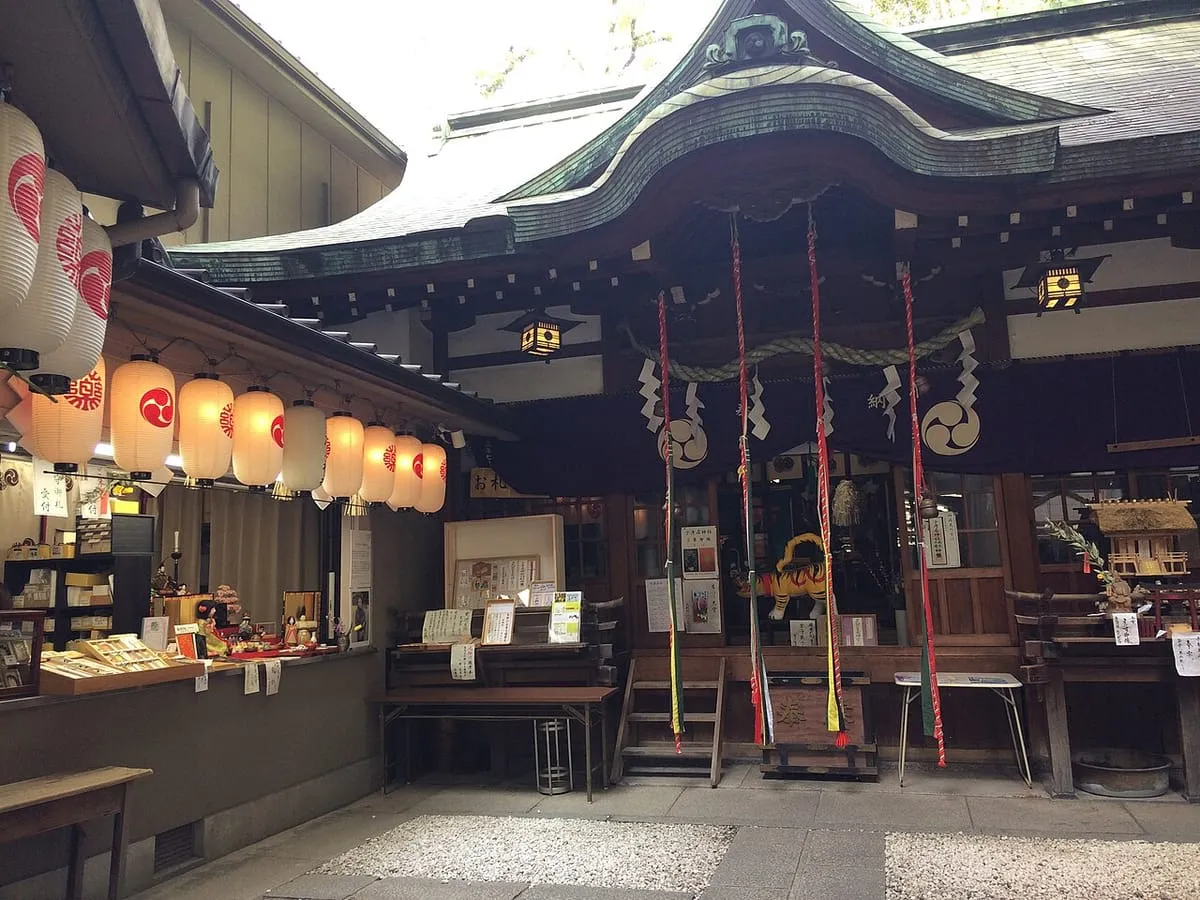
Enshrined deity: Sukunahikona-no-Mikoto, Shinno Entei
Located on Doshomachi — Osaka’s historic “medicine street” — this compact shrine is dedicated to the deity of medicine and healing. Surrounded by pharmaceutical company headquarters, it draws a steady stream of visitors praying for health and recovery. Also known as “Shinno-san.”
- Goshuin highlights: Distinctive stamp befitting the god of medicine; a meaningful health pilgrimage souvenir
- Fee: ¥500
- Access: 5-min walk from Osaka Metro Kitahama Station
- Don’t miss: Papier-mâché tiger charm, Doshomachi’s pharmaceutical heritage, Shinno Festival (Nov 22–23)
Goshuin Info
| Details | |
|---|---|
| Hours | 9:30–16:00 |
| Location | Shrine office |
| Handwritten/Pre-made | Handwritten |
| Limited editions | Yes (Shinno Festival) |
9. Hokoku Shrine (Chuo Ward)
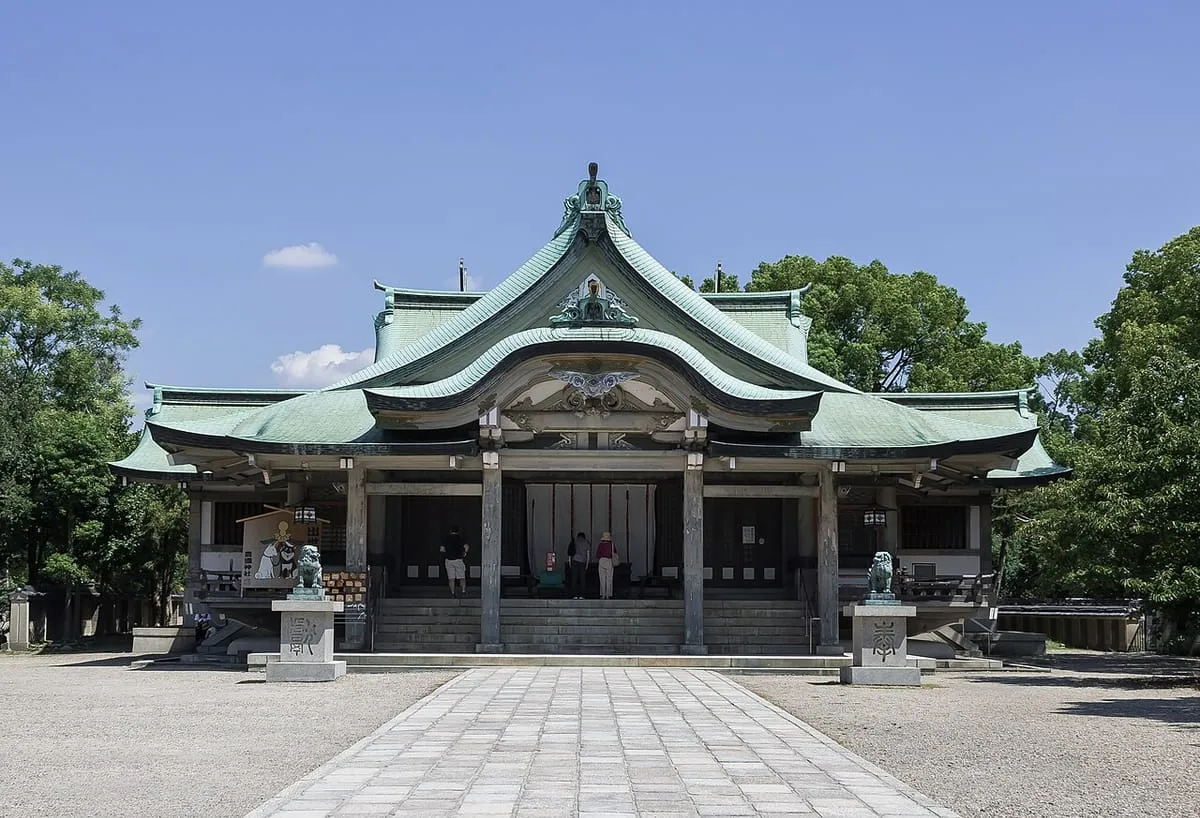
Enshrined deity: Toyotomi Hideyoshi, Toyotomi Hideyori, Toyotomi Hidenaga
Nestled within the grounds of Osaka Castle, this shrine honors Japan’s most famous rags-to-riches hero, Toyotomi Hideyoshi — the peasant who became ruler of all Japan. Naturally, it’s a top destination for career success and advancement blessings. The bronze statue of Hideyoshi with Osaka Castle in the background makes for a perfect photo.
- Goshuin highlights: Features the Toyotomi clan’s go-shichi-no-kiri (paulownia) crest
- Fee: ¥500
- Access: 15-min walk from Osaka Metro Tanimachi-yonchome Station / 15-min walk from JR Morinomiya Station
- Don’t miss: Hideyoshi bronze statue, Osaka Castle views, cherry blossoms in spring
Goshuin Info
| Details | |
|---|---|
| Hours | 9:00–16:50 |
| Location | Shrine office |
| Handwritten/Pre-made | Handwritten |
| Limited editions | Yes (festival specials) |
10. Tamatsukuri Inari Shrine (Chuo Ward)
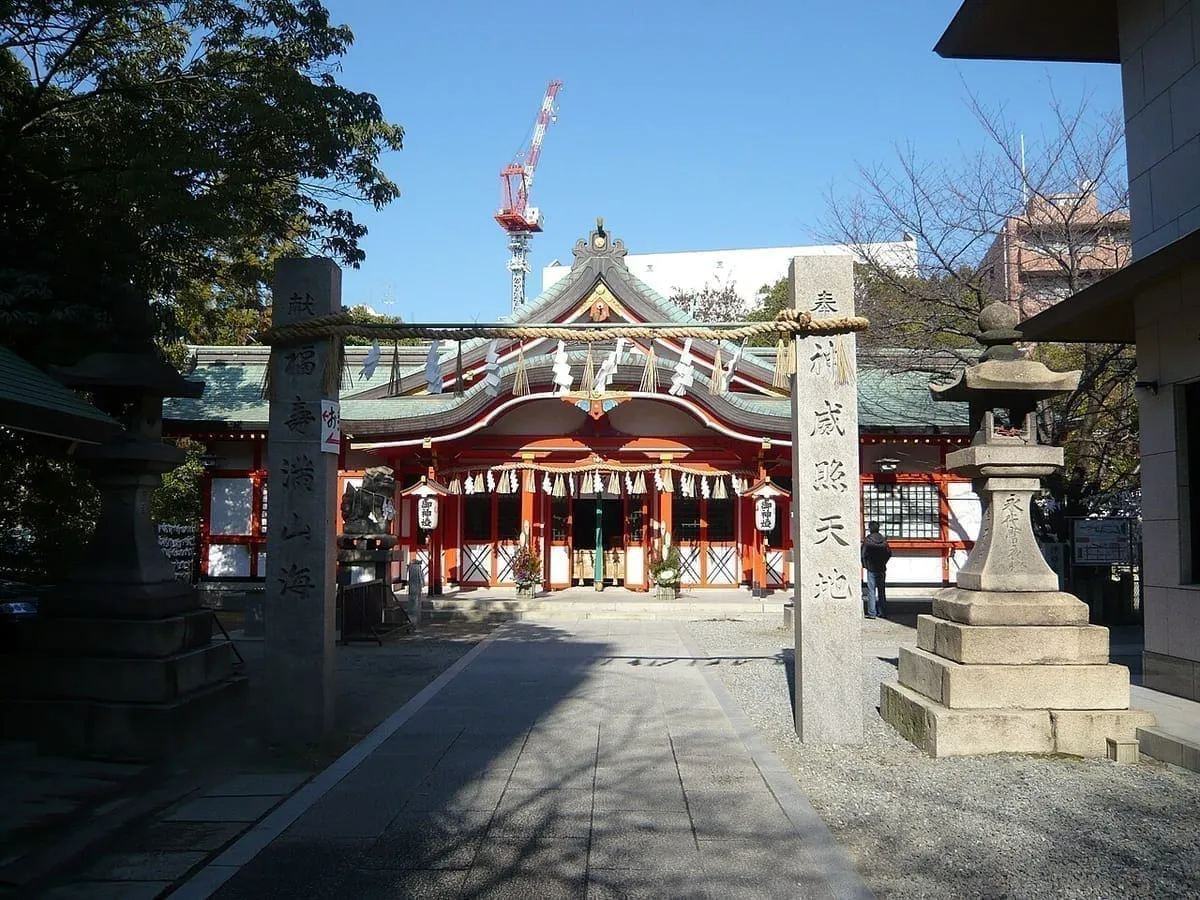
Enshrined deity: Uka-no-Mitama-no-Okami and four others
A shrine with roughly 2,000 years of history that once served as the guardian of Osaka Castle under Hideyoshi. Known for its “Love Fox” ema (prayer tablets) and connection to the legendary Sanada Yukimura — his fabled escape tunnel reportedly ran near here, making it a hit with history buffs.
- Goshuin highlights: Fox and rice motif vermillion seal with a Toyotomi-era atmosphere
- Fee: ¥300
- Access: 5-min walk from JR Tamatsukuri Station / 3-min walk from Osaka Metro Tamatsukuri Station
- Don’t miss: Toyotomi Hideyori statue, Sanada Yukimura’s tunnel legend, Love Fox ema
Goshuin Info
| Details | |
|---|---|
| Hours | 9:00–17:00 |
| Location | Shrine office |
| Handwritten/Pre-made | Handwritten |
| Limited editions | Yes (festival specials) |
11. Goryo Shrine (Chuo Ward)
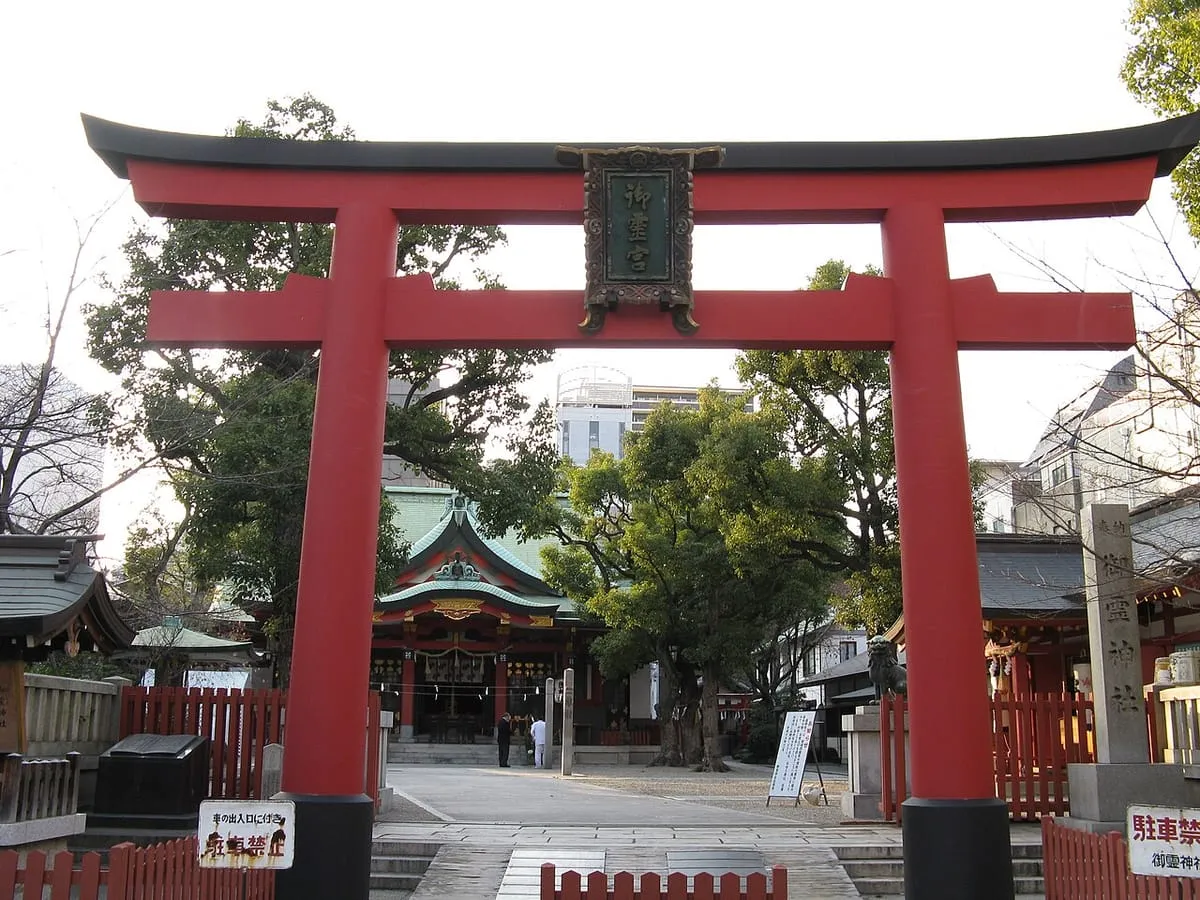
Enshrined deity: Amaterasu-Omikami Aramitama, Tsubura-hiko-no-kami, Tsubura-hime-no-kami, and others
Called “Goryo-san” by locals, this shrine has stood for over 1,000 years as the guardian deity of Semba, Osaka’s historic merchant quarter. Known for blessings of matchmaking, evil-warding, and artistic skill, its lush green grounds appear almost magically amid the surrounding office towers.
- Goshuin highlights: Refined “Goryo Jinja” brushwork — an elegant keepsake
- Fee: ¥500
- Access: 5-min walk from Osaka Metro Yodoyabashi Station / 7-min walk from Keihan Yodoyabashi Station
- Don’t miss: Serene grounds, skin-beauty charm, historic Semba atmosphere
Goshuin Info
| Details | |
|---|---|
| Hours | 9:00–17:00 |
| Location | Shrine office |
| Handwritten/Pre-made | Handwritten |
| Limited editions | Yes (festival specials) |
12. Abeoji Shrine (Abeno Ward)
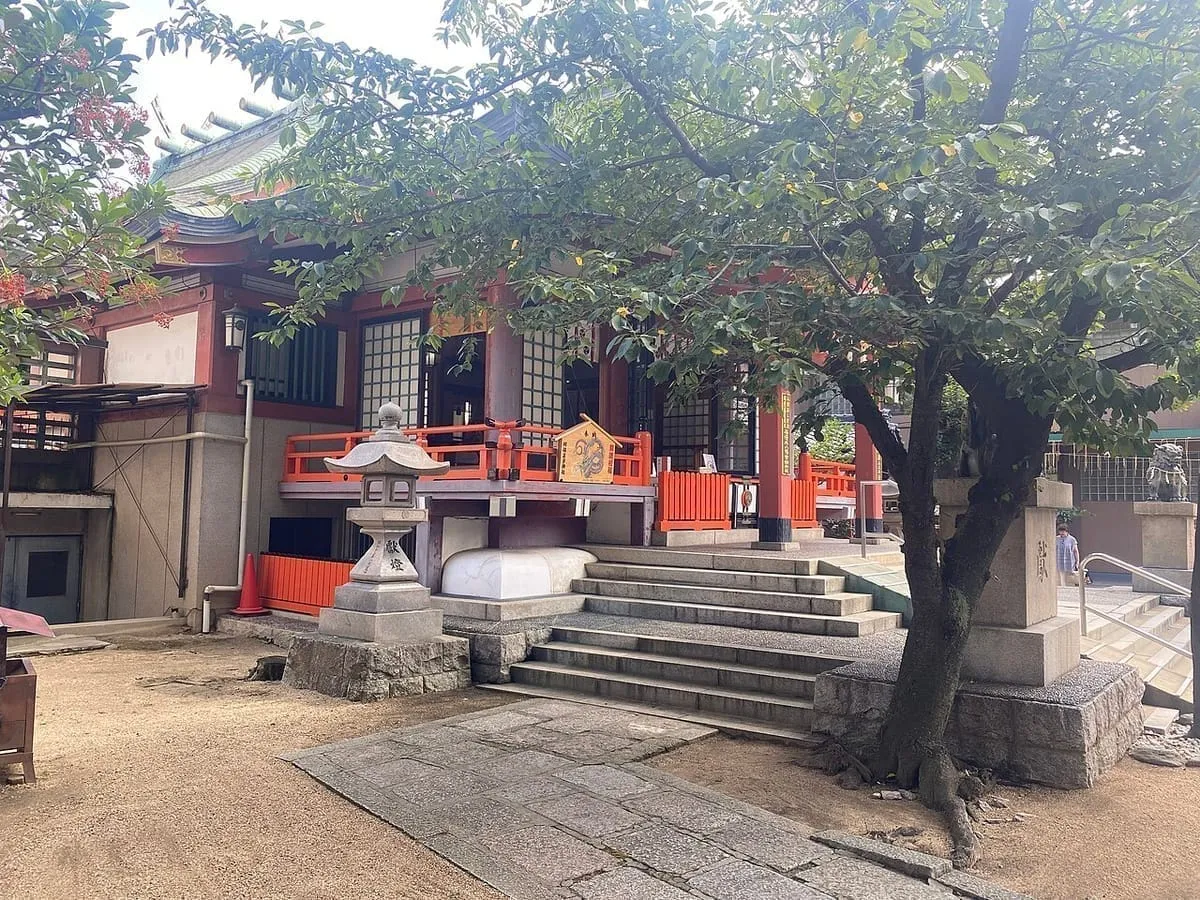
Enshrined deity: Izanagi-no-Mikoto, Izanami-no-Mikoto, Susano-o-no-Mikoto, Homuda-wake-no-Mikoto
Located along the ancient Kumano Kaido pilgrimage road, this is the only surviving Kumano Ninety-nine Oji shrine in Osaka — a rest-stop shrine used by pilgrims heading to Kumano. Founded in the era of Emperor Nintoku, it’s steeped in history. The adjacent Abe-no-Seimei Shrine is worth a combined visit.
- Goshuin highlights: Features the three-legged crow (Yatagarasu) vermillion seal
- Fee: ¥500
- Access: 2-min walk from Hankai Tramway Higashi-Tengachaya stop / 10-min walk from Osaka Metro Abeno Station
- Don’t miss: Kumano Kaido history, Yatagarasu charms, adjacent Abe-no-Seimei Shrine
Goshuin Info
| Details | |
|---|---|
| Hours | 9:00–17:00 |
| Location | Shrine office |
| Handwritten/Pre-made | Handwritten |
| Limited editions | None |
Higashi-Osaka Area
13. Ishikiri Tsurugiya Shrine (Higashi-Osaka)
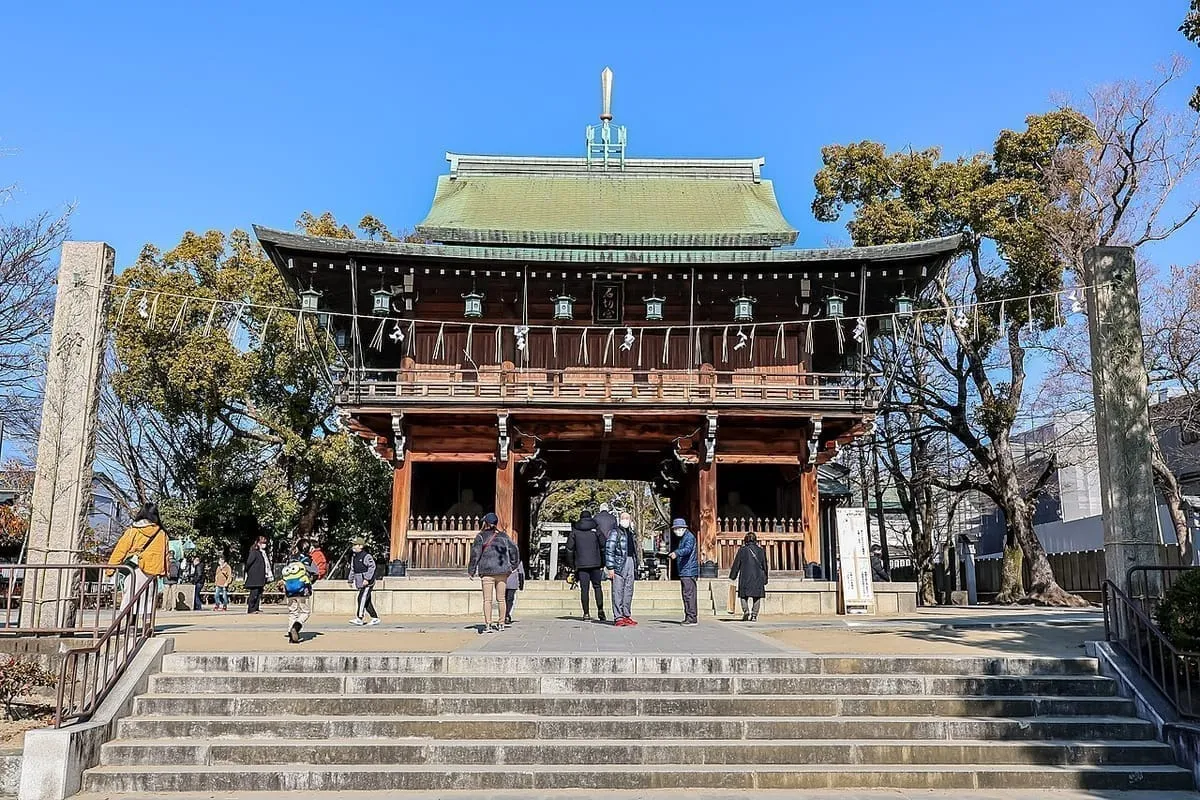
Enshrined deity: Nigihayahi-no-Mikoto, Umashimade-no-Mikoto
Universally known as “Ishikiri-san” and beloved as the deity for curing tumors and illness. The shrine is famous for ohyakudo-mairi — walking back and forth 100 times in prayer, a practice you can still see visitors performing today. The approach shopping street is a delightful throwback, lined with fortune-tellers and pickle shops.
- Goshuin highlights: Powerful “Ishikiri Tsurugiya Jinja” brushwork; a meaningful souvenir for health prayers
- Fee: ¥500
- Access: 15-min walk from Kintetsu Ishikiri Station (through the shopping street) / 7-min walk from Kintetsu Shin-Ishikiri Station
- Don’t miss: Ohyakudo-mairi prayers, approach shopping street, massive ema hall
Goshuin Info
| Details | |
|---|---|
| Hours | 8:00–16:30 |
| Location | Shrine office |
| Handwritten/Pre-made | Handwritten |
| Limited editions | None (same design year-round) |
14. Hiraoka Shrine (Higashi-Osaka)
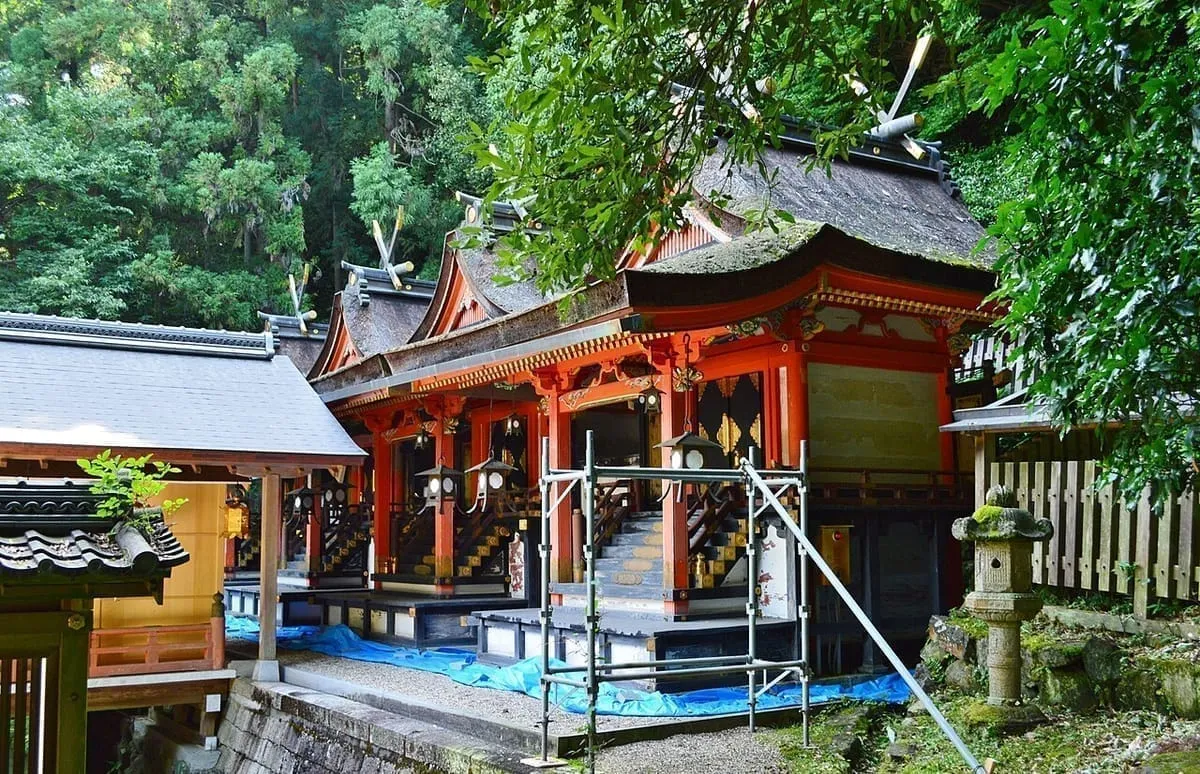
Enshrined deity: Ame-no-Koyane-no-Mikoto, Hime-no-Kami, Futsunushi-no-Mikoto, Takemikazuchi-no-Mikoto
The prestigious Ichinomiya (first shrine) of Kawachi Province. Because its deities were later enshrined at Nara’s Kasuga Taisha, Hiraoka is known as “Moto-Kasuga” — the origin of Kasuga. Set at the western foot of Mount Ikoma, it offers lovely views and a unique December event: the “Laughing Ritual” (Owarai Shinji), inspired by the myth of Amaterasu emerging from her cave.
- Goshuin highlights: Distinguished stamp featuring “Kawachi-no-kuni Ichinomiya”
- Fee: ¥500
- Access: Right outside Kintetsu Hiraoka Station
- Don’t miss: Kasuga-zukuri architecture, plum grove (Feb–Mar), Laughing Ritual (Dec 25), gateway to Mount Ikoma hiking
Goshuin Info
| Details | |
|---|---|
| Hours | 9:00–16:00 |
| Location | Shrine office |
| Handwritten/Pre-made | Handwritten |
| Limited editions | None |
Sakai Area
15. Otori Taisha (Sakai, Nishi Ward)
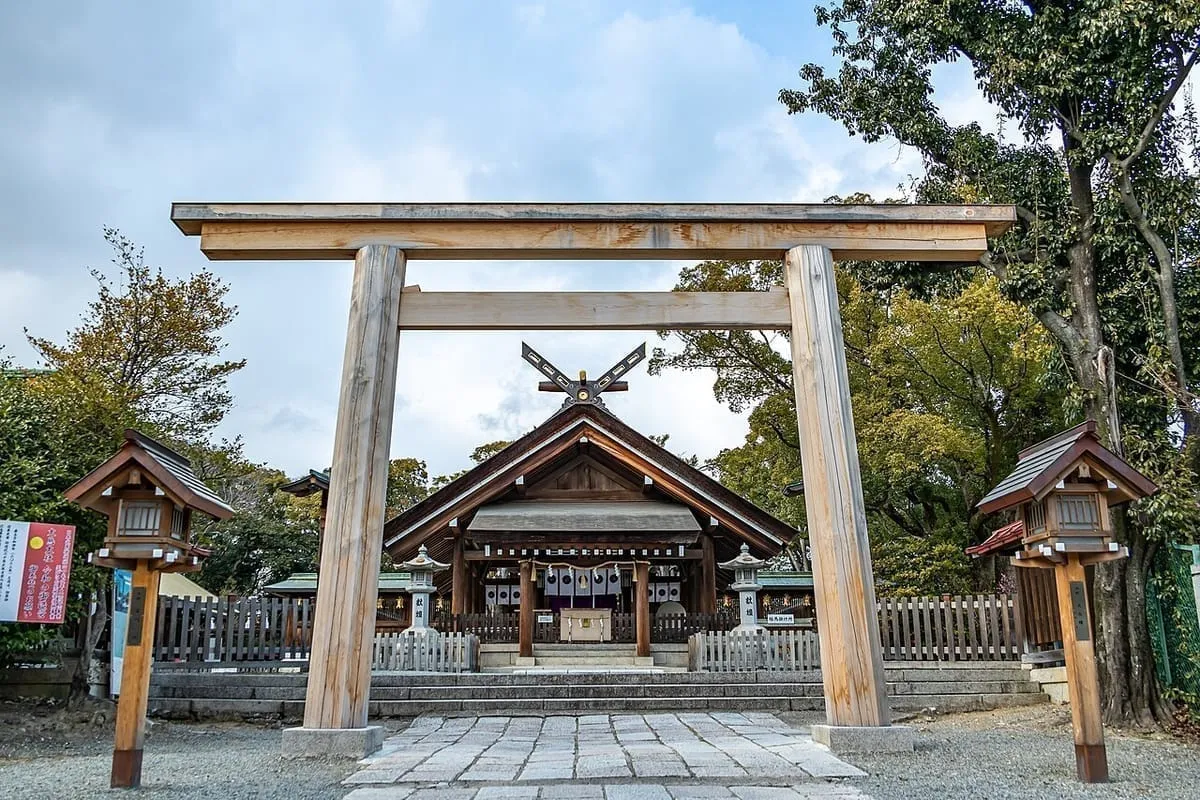
Enshrined deity: Yamato-Takeru-no-Mikoto, Otori-no-Muraji Sojin
The Ichinomiya (first shrine) of Izumi Province, revered since ancient times. According to legend, the spirit of the hero Yamato Takeru transformed into a white bird and descended here — giving the shrine its name and making it the head of all Otori shrines nationwide. Surrounded by the vast Chigusa Forest, the grounds have a deeply tranquil atmosphere. The main hall is built in the rare Otori-zukuri style, a cousin of Sumiyoshi-zukuri.
- Goshuin highlights: Stately stamp bearing “Izumi-no-kuni Ichinomiya”
- Fee: ¥500
- Access: 5-min walk from JR Hanwa Line Otori Station
- Don’t miss: Otori-zukuri main hall, Chigusa Forest, Danjiri festival (October)
Goshuin Info
| Details | |
|---|---|
| Hours | 9:00–17:00 |
| Location | Shrine office |
| Handwritten/Pre-made | Handwritten |
| Limited editions | Yes (festival specials) |
Suggested Routes
Route 1: Kita & Semba Course (Half Day)
- Tsuyunoten Shrine (start at Higashi-Umeda Station) → 15-min walk
- Osaka Tenmangu → Metro to Honmachi Station (~10 min)
- Ikasuri Shrine → 10-min walk
- Sukunahikona Shrine → 10-min walk
- Goryo Shrine
Duration: ~3–4 hours
Route 2: Minami & Tennoji Course (Half Day)
- Namba Yasaka Shrine (start at Namba Station) → 10-min walk
- Imamiya Ebisu Shrine → Metro to Tanimachi-kyuchome (~15 min)
- Ikukunitama Shrine → Hankai Tramway to Sumiyoshi Taisha (~20 min)
- Sumiyoshi Taisha
Duration: ~4–5 hours
Route 3: Higashi-Osaka Course (Half Day)
- Hiraoka Shrine (start at Kintetsu Hiraoka Station) → Kintetsu to Ishikiri Station (~5 min)
- Ishikiri Tsurugiya Shrine (lunch on the approach street) → Kintetsu to Tsuruhashi, then JR to Tamatsukuri
- Tamatsukuri Inari Shrine → JR to Morinomiya
- Hokoku Shrine (combine with Osaka Castle sightseeing)
Duration: ~5–6 hours
Tips for Collecting Goshuin in Osaka
What Makes Osaka Shrines Special
- Business prosperity shrines are an Osaka signature — reflecting the city’s merchant heritage
- Many shrines are affectionately called by nicknames ending in “-san” (e.g., Sumiyossan, Ikutama-san), showing how close locals feel to their shrines
- Festivals are a big deal: Tenjin Matsuri, Toka Ebisu, and Danjiri are major events, often with limited-edition goshuin
Getting Around
- The Osaka Metro 1-Day Pass (from ¥800) covers most major shrines in the city
- The Hankai Tramway (Osaka’s charming streetcar) is convenient for reaching Sumiyoshi Taisha and Abeoji Shrine — plus the retro ride is an experience in itself
- For Higashi-Osaka, the Kintetsu Railway is your best bet
About Goshuincho (Stamp Books)
- Sumiyoshi Taisha (Sorihashi Bridge design) and Osaka Tenmangu (plum blossom design) have especially popular original stamp books
- Bringing your own goshuincho is recommended, but most shrines also offer pre-written stamps
- Major festival periods (especially Toka Ebisu) can be very crowded — allow extra time
Wrapping Up
Osaka’s shrines are bursting with the city’s trademark energy, history, and warmth. From the ancient grandeur of Sumiyoshi Taisha to the larger-than-life lion at Namba Yasaka, and the nostalgic charm of Ishikiri-san’s approach — every shrine has its own story to tell. Collect goshuin along the way, and you’ll discover sides of Osaka most visitors never see.
For planning your goshuin pilgrimage, try the Goshuin Meguri app — it helps you track your collection and discover nearby shrines with ease.
Information in this article is current as of March 2026. Hours and fees are subject to change — please check each shrine’s official website before visiting.
Images sourced from Wikimedia Commons: Sumiyoshi Taisha © Rickard Törnblad (CC BY-SA 4.0) / Osaka Tenmangu © 663highland (CC BY 2.5) / Ikukunitama, Imamiya Ebisu, Namba Yasaka, Goryo Shrine © KENPEI (CC BY-SA 3.0) / Tsuyunoten Shrine © Tokumeigakarinoaoshima (CC0) / Ikasuri, Hiraoka Shrine © Saigen Jiro (CC0) / Sukunahikona Shrine © WolfgangMichel (CC0) / Hokoku Shrine © Kakidai (CC BY-SA 4.0) / Tamatsukuri Inari © Nnh (Public domain) / Abeoji Shrine © Immanuelle (CC BY 4.0) / Ishikiri Tsurugiya, Otori Taisha © Naokijp (CC BY-SA 4.0)