Latest goshuin information, limited editions, shrine events and more news updates.
Release
2.6.0
参拝すると強まり、誰も訪れないと灰に還る、社に宿る火。継ぎ手の鎖・守り火の棚・消えかけ通知まで、火のシステムの全体を紹介します。
2.5.6
導きの神鳥・八咫烏の声で、境内の見どころを一つずつ。明治神宮・出雲大社で歩けます。
2.5.0
テーマに沿って寺社をめぐる「巡礼」を追加しました。当日の道案内と寺社検索も大きく見直しています。
2.4.0
ホームに白狐の語りを置き、統計画面を巡礼の物語として再設計しました。御朱印を投稿すると、白狐がその社のことを一言返してくれます。
2.2.5
神社・寺院の基本情報の表示、御朱印カードの刷新、最近見た寺社の表示、参拝記録ボタンの追加など、日々の使い心地を整えるアップデートです。
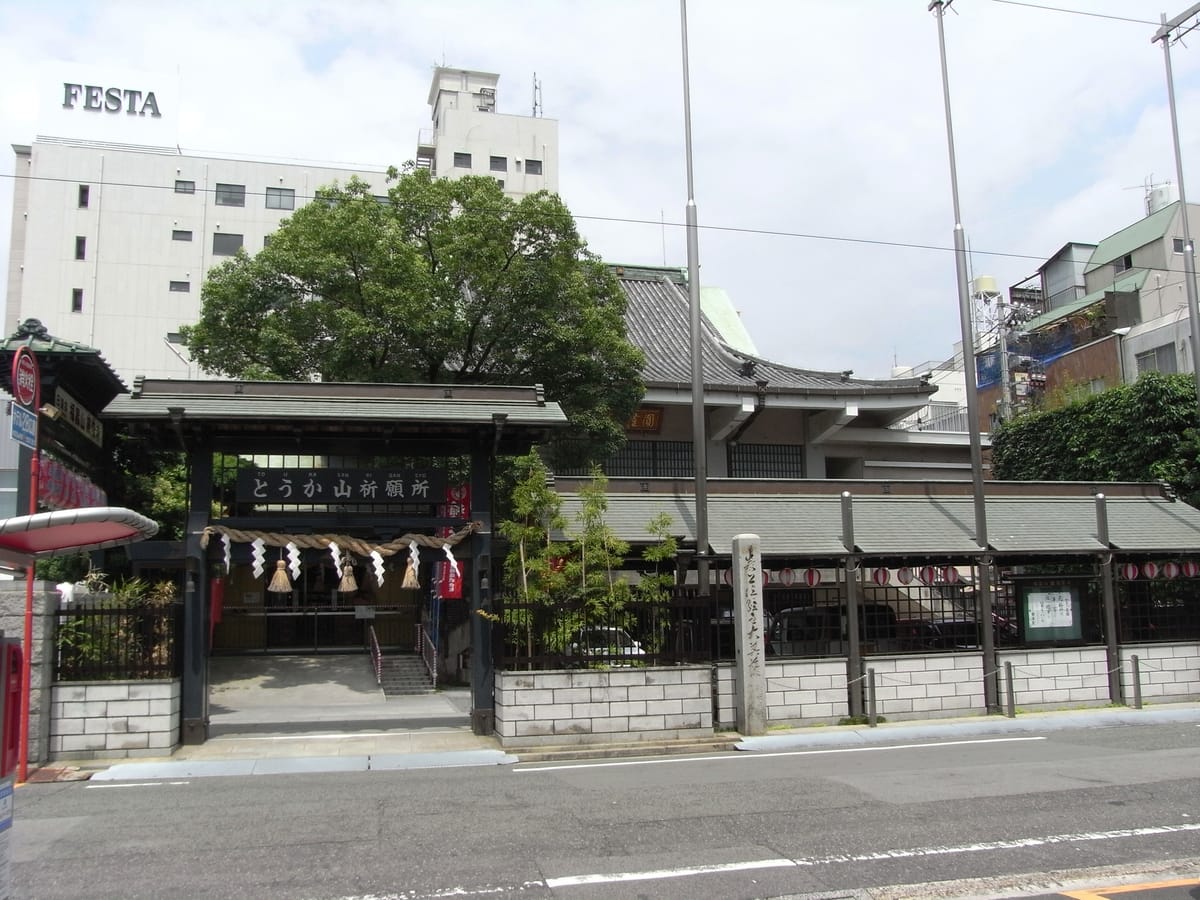
The Toukasan Grand Festival will be held at Enryuji Temple in Hiroshima from June 5–7, 2026. One of Hiroshima's three major festivals, drawing 450,000 visitors, and traditionally the day to wear yukata for the first time. This article explores why a Nichiren Buddhist temple enshrines Inari Daimyojin, read through the lens of shinbutsu-shugo (the fusion of Buddhism and Shinto).
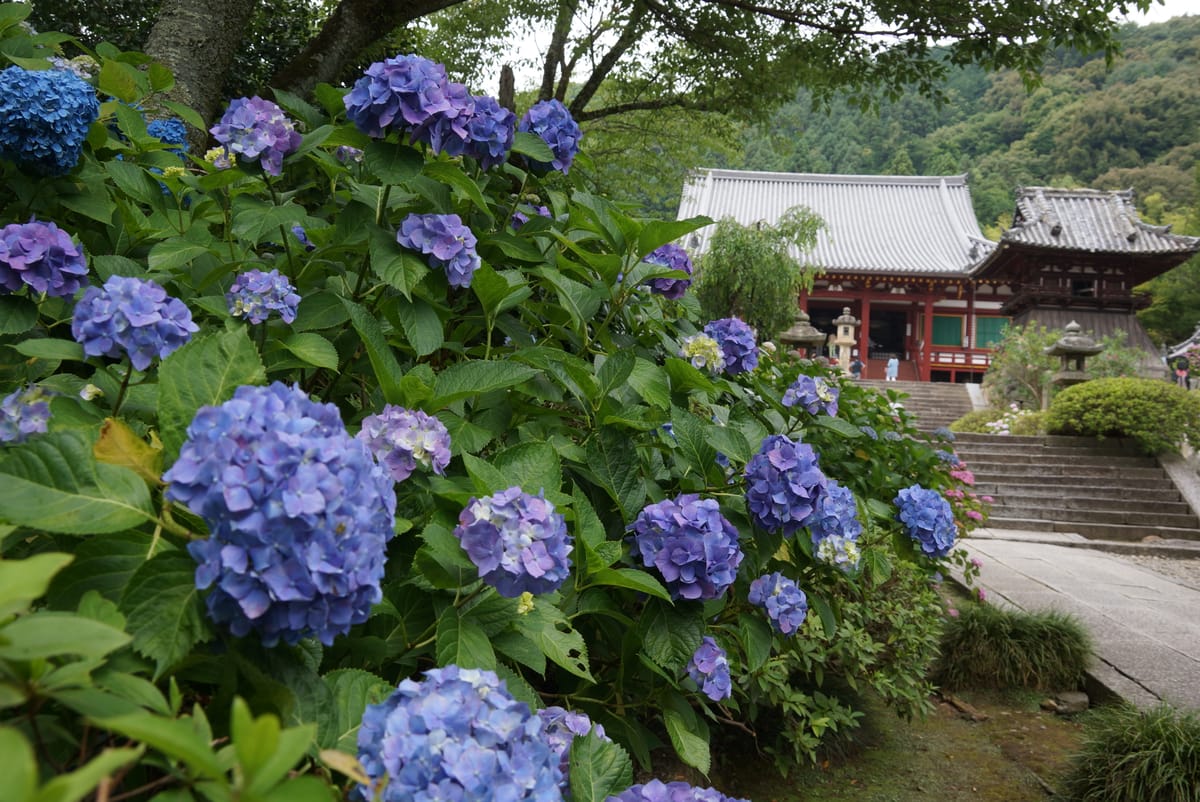
At Yatadera Temple in Yamato-Koriyama, Nara — known as the "hydrangea temple" — approximately 10,000 hydrangeas in 60 varieties fill the grounds during the Ajisai Mairi season from May 31 to June 30, 2026. A limited paper-cut goshuin is offered during this period. This article explores the ancient temple enshrining Japan's oldest Enmei Jizo Bosatsu and the historical connection between Jizo worship and hydrangeas.
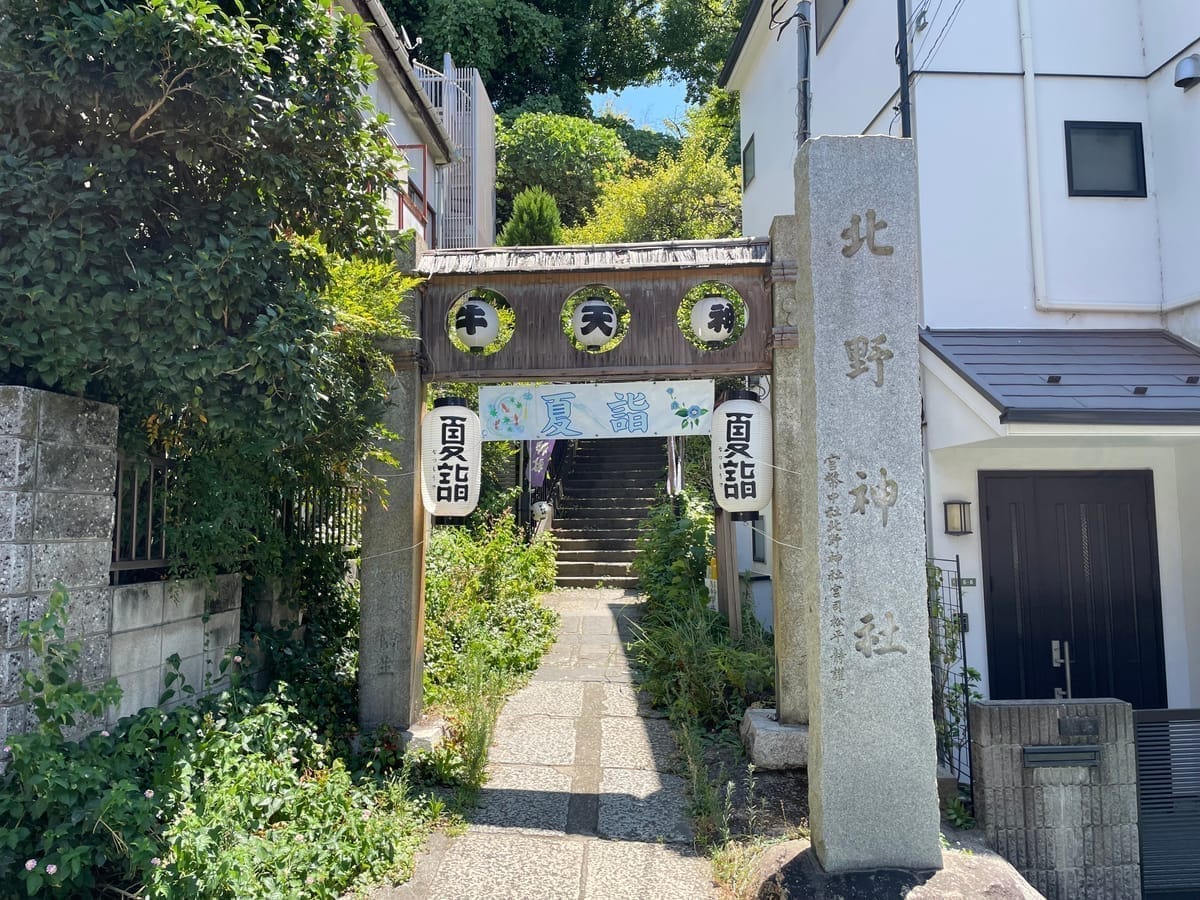
Ushitenjin Kitano Shrine in Bunkyo, Tokyo will offer 5 types of limited goshuin across the main shrine and its subordinate shrines during its annual festival on May 24–25. An introduction to the "Nade-ushi" legend tied to Sugawara no Michizane, and the lesser-known shrine culture of Bunkyo Ward.
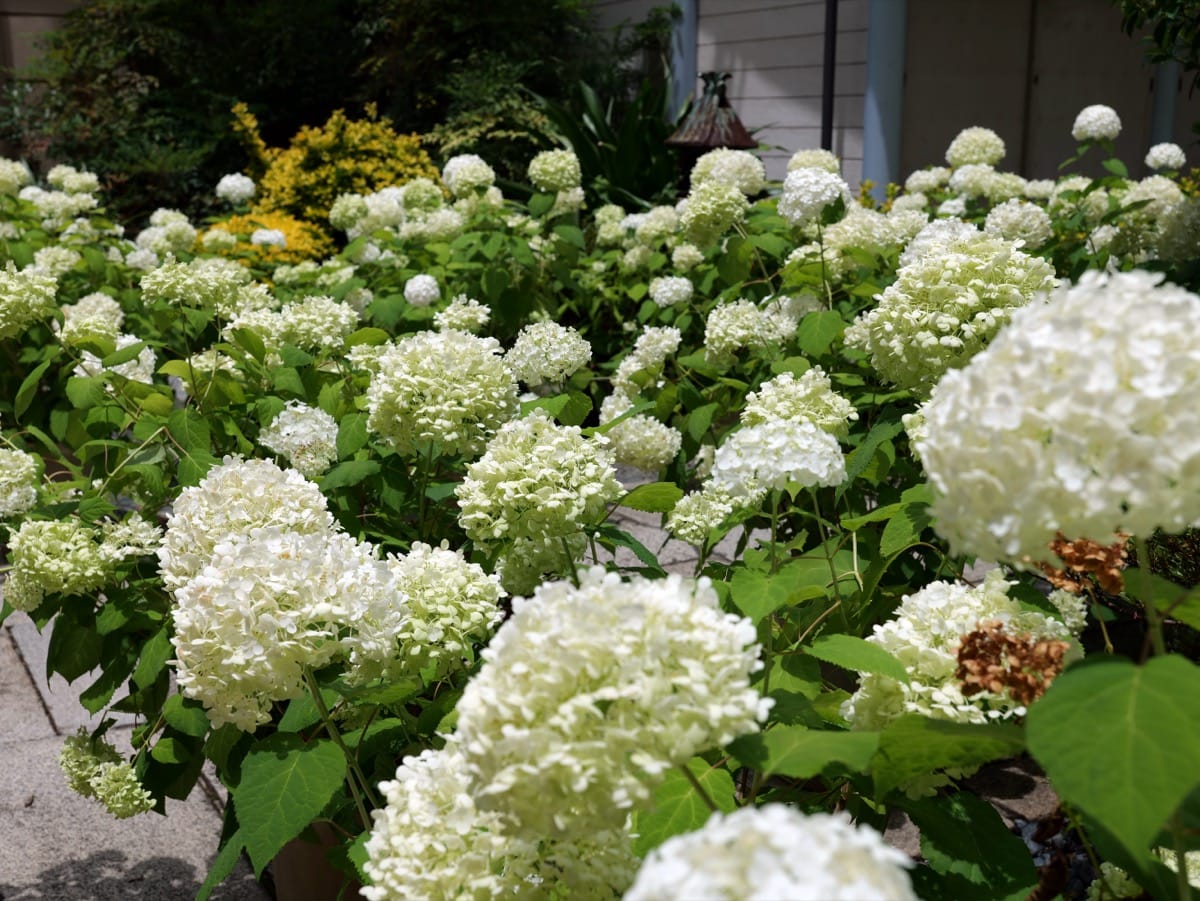
Limited-edition hydrangea (ajisai) goshuin begin appearing at shrines and temples across Japan as the rainy season arrives. A look at celebrated spots like Fujinomori Shrine and Ikasuri Shrine, along with the surprising history behind the connection between hydrangeas and sacred spaces.
The Otaue Shinji (sacred rice-planting ritual) at Sumiyoshi Taisha — head shrine of approximately 2,300 Sumiyoshi shrines across Japan — takes place on June 14. Designated an Important Intangible Folk Cultural Property, this ancient rice-planting ritual is offered alongside the Tamai dance, Sumiyoshi Odori, and warrior procession. A prime opportunity for goshuin pilgrimages.
2.2.0
自分の御朱印帳を一つのリンクで共有できる新機能が登場。参拝した神社・寺院の一覧を美しくまとめて、友人や家族に見せましょう。
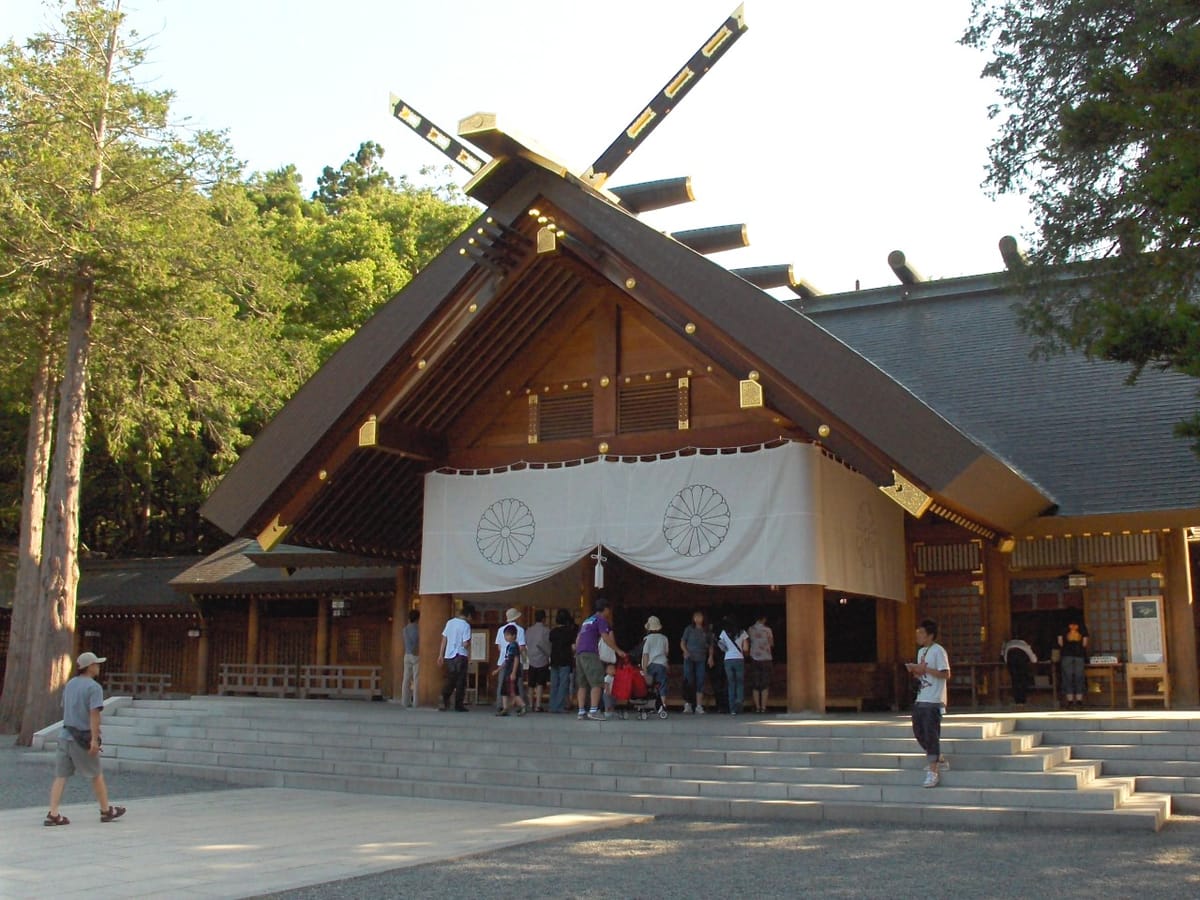
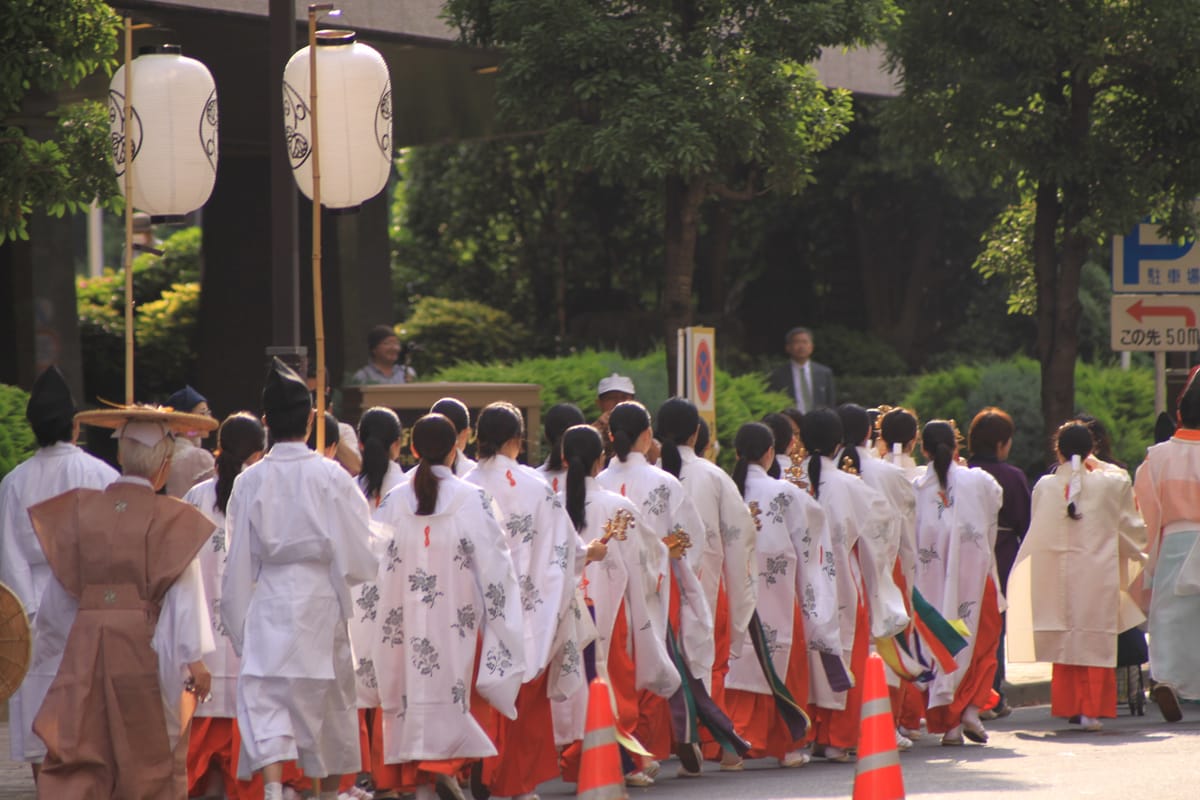
The grand festival of Hokkaido's largest shrine, Hokkaido Jingu — known locally as the Sapporo Matsuri — takes place June 14–16, 2026. At the climax, the Shinko-sai procession features approximately 1,000 participants in Heian-period dress, 4 mikoshi portable shrines, and 9 festival floats parading through the city. A rare and rewarding visit for goshuin collectors as well.
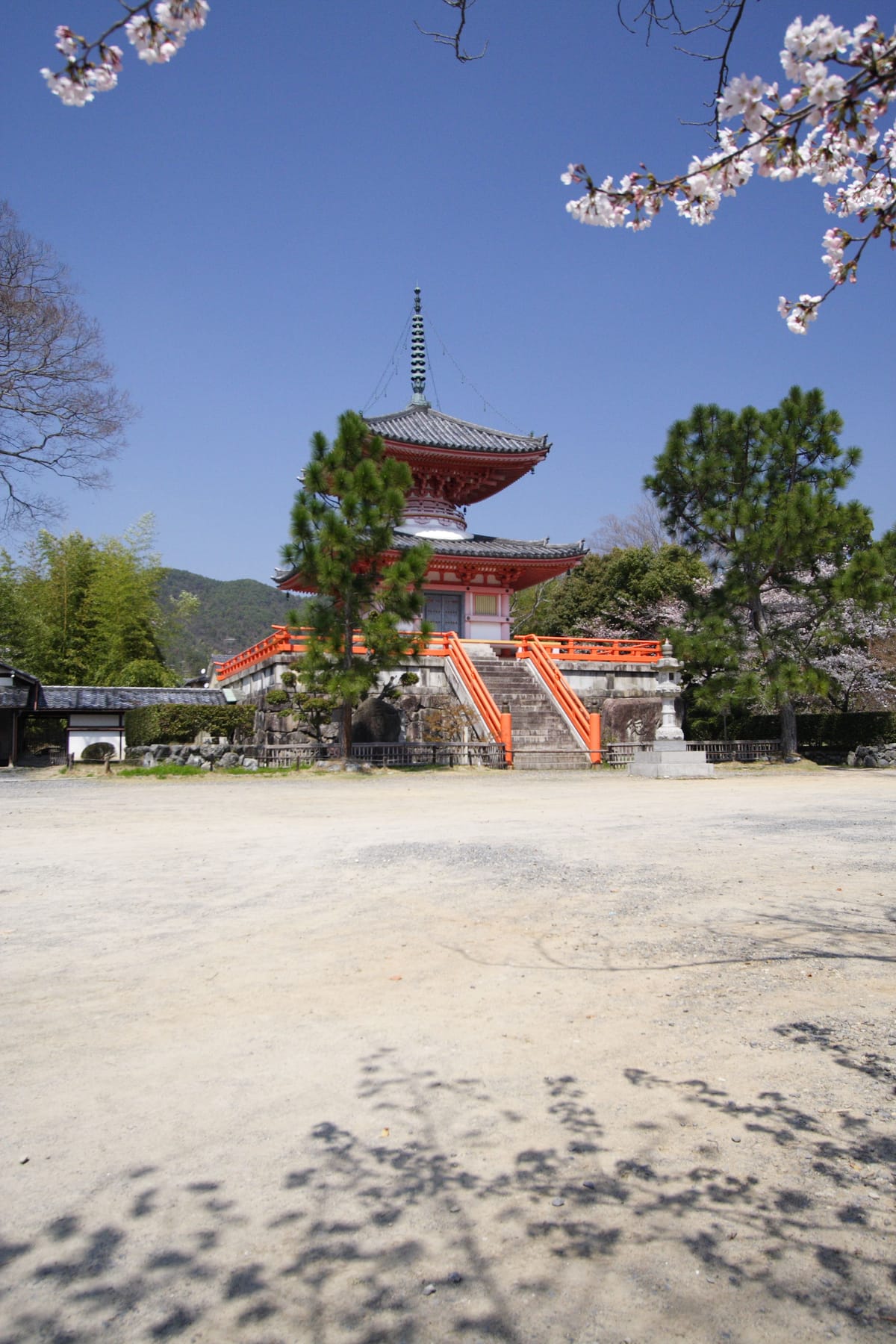
2026 marks 1,150 years since the former imperial villa became Daikakuji by imperial decree. At this former Saga Palace in Arashiyama, Kyoto, a special viewing of the Shoshinden — normally closed to the public — is underway, along with a commemorative limited goshuin featuring the paulownia-and-bamboo pattern. A reflection on the quiet conviction of a monzeki temple that chose to preserve rather than rebuild — in contrast to the Shikinen Sengu philosophy of renewal through destruction.
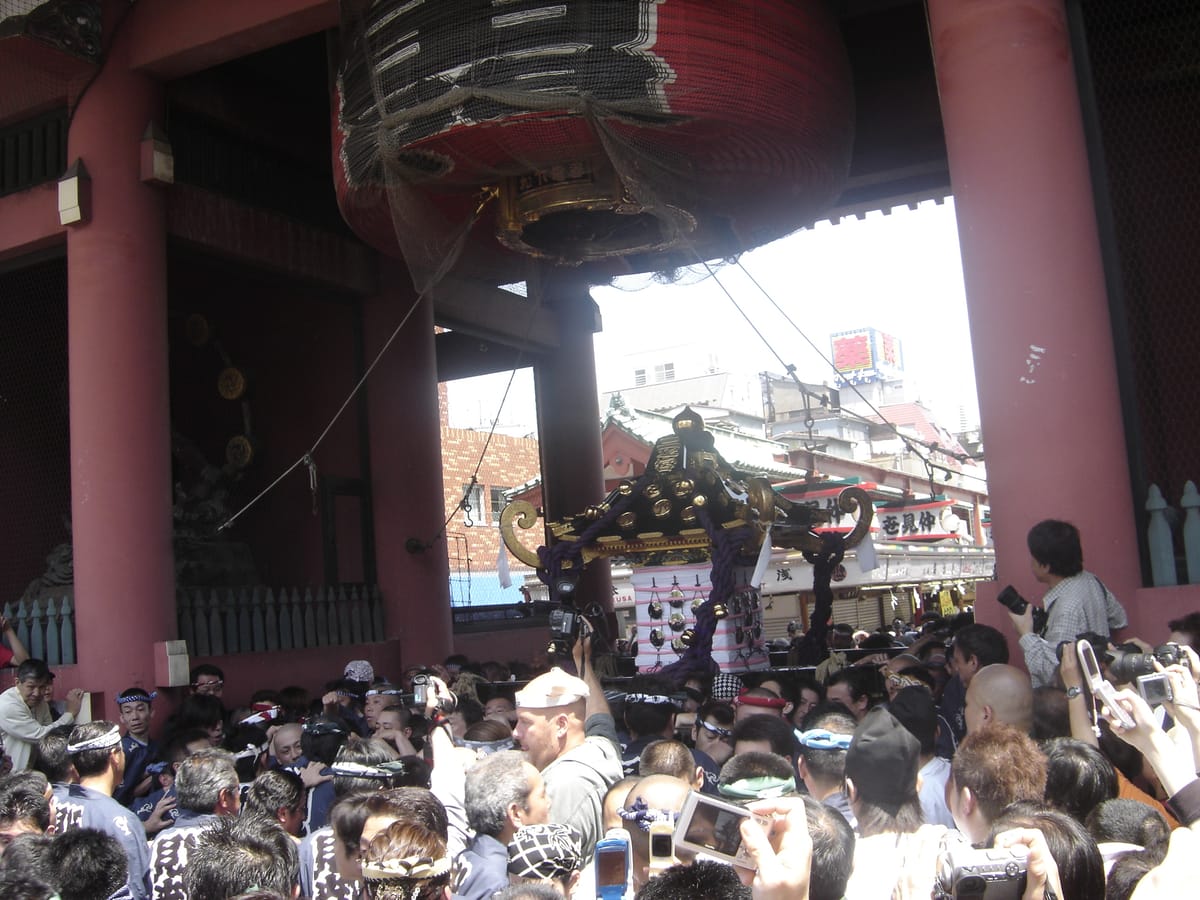
The Sanja Matsuri, one of the three great festivals of Tokyo, runs May 15–17. Learn about the special goshuin offered only during the festival period and the highlights of May 16th, when over 100 mikoshi parade through the streets. A weekend where goshuin collectors face a tough choice between Tokyo and Kyoto.
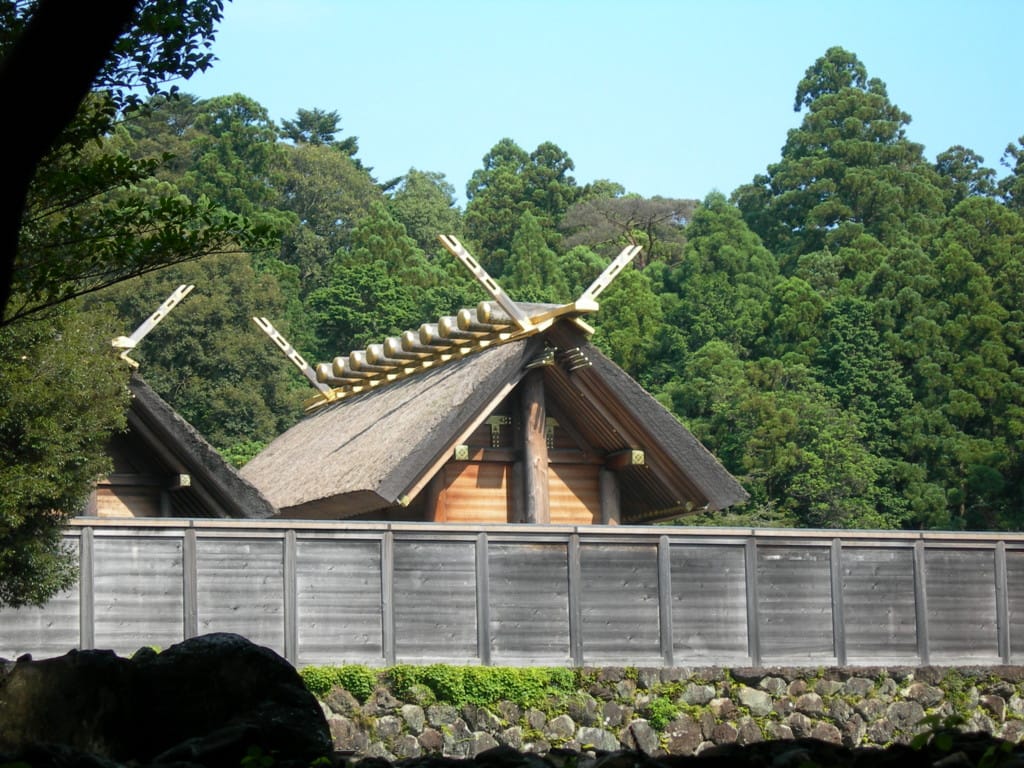
Every year on May 14 and October 14, the Kanmisosai is held at the Naiku (inner shrine) of Ise Jingu. Weavers from Matsusaka produce silk and hemp cloth using ancient techniques and offer them to Amaterasu Omikami. A prayer woven in cloth, continuing for 1,300 years — out of sight of any tourist.
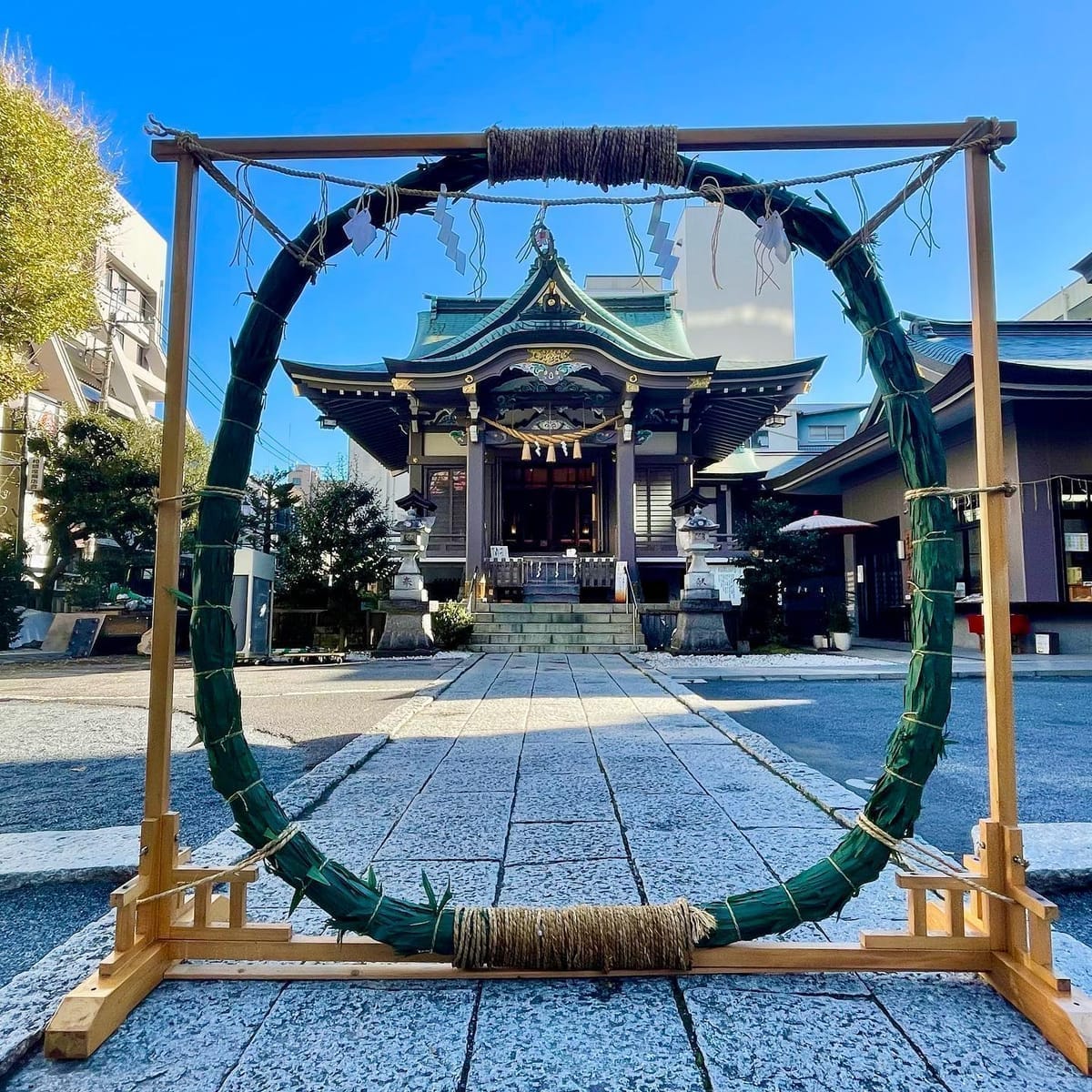
June 30 is Nagoshi no Oharae — the mid-year purification ceremony. This ritual, practiced for over 1,300 years, is held at shrines across Japan, where a large ring woven from miscanthus reeds (茅の輪, chinowa) is set up for visitors to pass through and purify the sins and impurities of the first half of the year. Many shrines offer special limited-edition goshuin for the occasion. Now is a good time to choose where to visit.
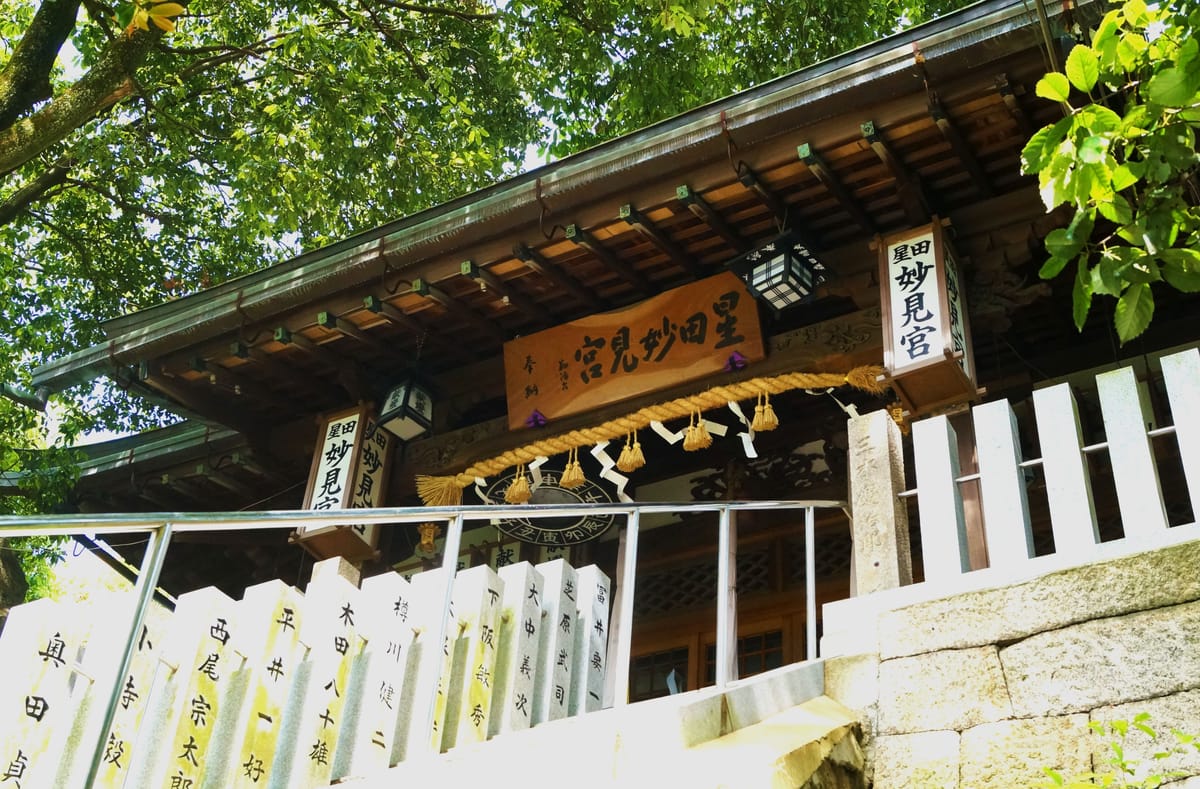
Hoshida Myokengu in Katano, Osaka marks its 1210th year of enshrinement in 2026. At this site tied to Kobo Daishi and the legend of the falling Big Dipper stars, a Tanabata limited goshuin (¥1,200) inspired by the Heian-era poem "Nisei" will be offered from May 1. A fresh green maple goshuin is also available through the end of May.
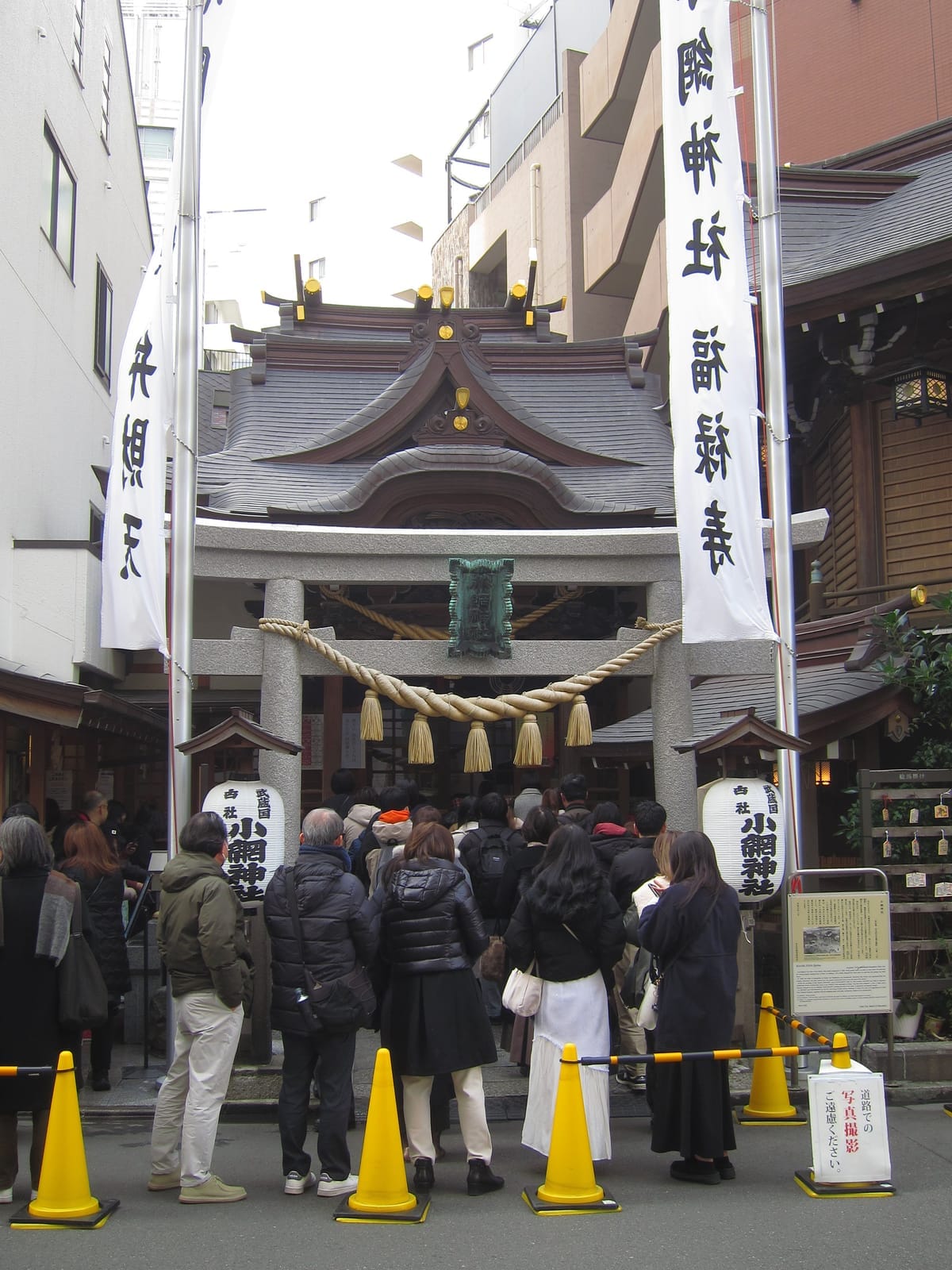
Koami Shrine in Nihonbashi, Tokyo marks its 560th year of enshrinement in 2026. During the three-day commemorative festival on May 28–30, the mikoshi procession returns — effectively for the first time in 10 years after the 2021 edition was cancelled due to COVID — alongside a limited cut-paper goshuin to mark the anniversary.
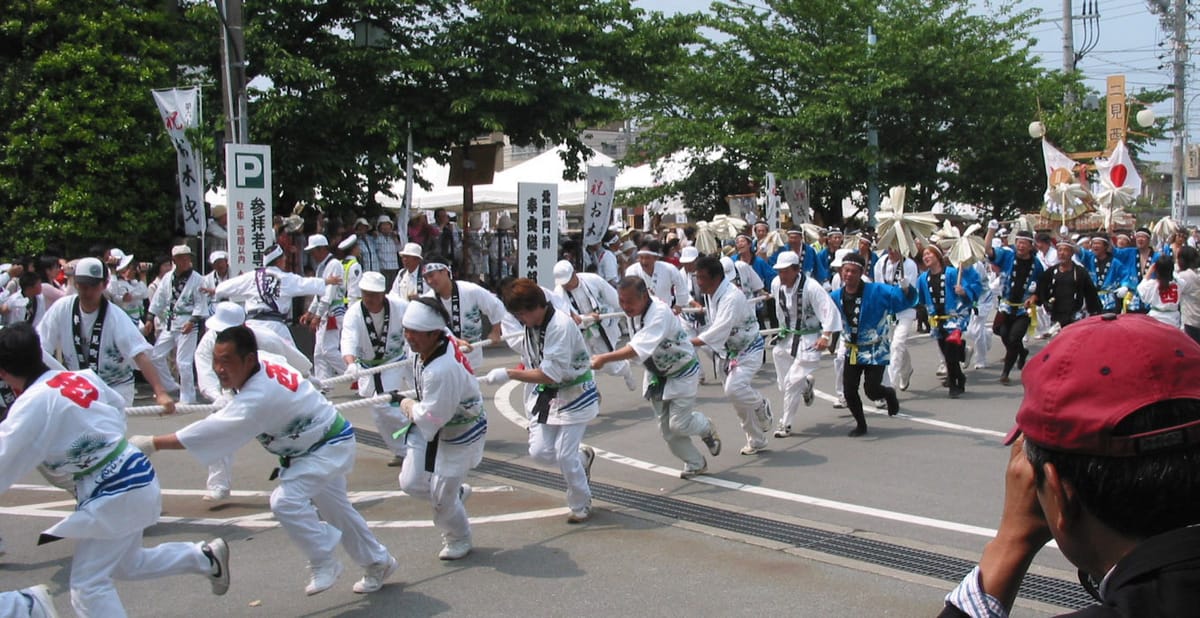
As preparation for the 63rd Shikinen Sengu in 2033, the Okihiki festival at Ise Jingu Geku (Outer Shrine) begins Saturday, May 9, 2026, running every Friday, Saturday, and Sunday through June 13. A folk ritual held only once every 20 years — most people witness it just two or three times in a lifetime. A nationally designated intangible folk cultural property with over 500 years of history.
Hayama Jinja in Kesennuma, Miyagi Prefecture has entered its 2026 "Uma-doshi Go-en-nen." During this once-in-12-years special year, the nademe-uma (sacred horse statue) that survived the tsunami of the Great East Japan Earthquake welcomes pilgrims. The uma-doshi go-en-nen limited goshuin (¥800) and paper-cut goshuin (¥1,200) are currently being offered.
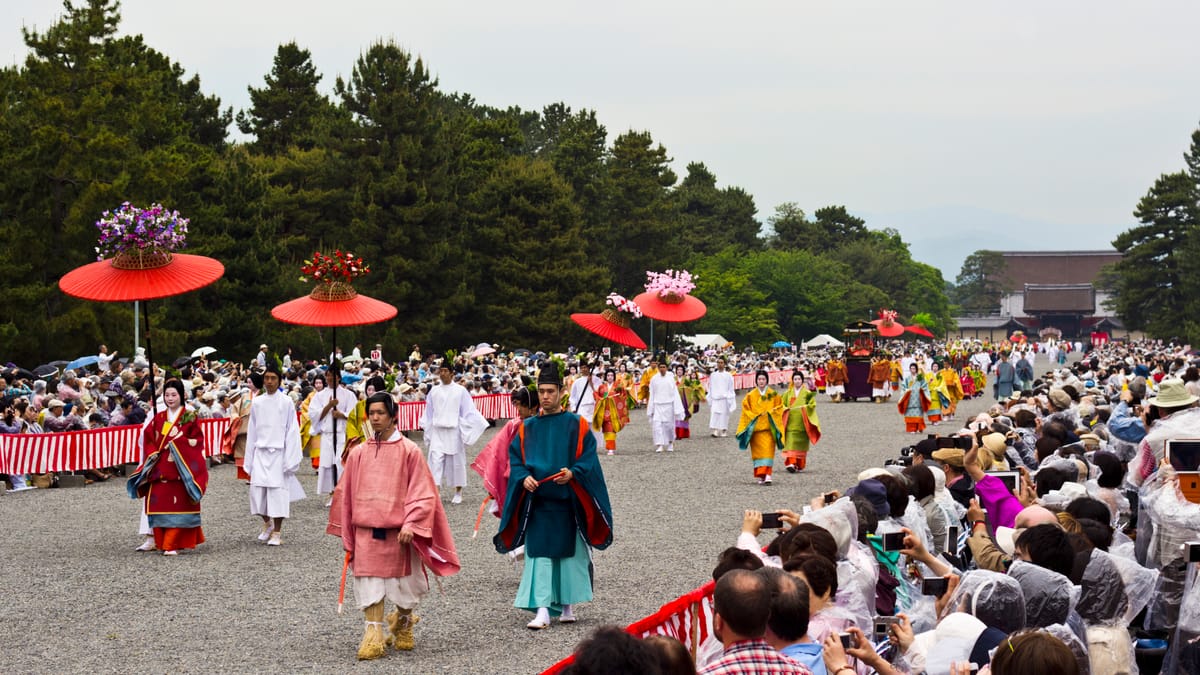
Hie Shrine in Chiyoda, Tokyo will hold the Sanno Festival in June 2026. This is a "hon-matsuri" year — the grand festival held every other year — featuring the Shinko-sai procession: two御鳳輦, a mikoshi, six floats, and approximately 500 participants in Heian court dress marching 23km through central Tokyo. One of the three great festivals of Edo.
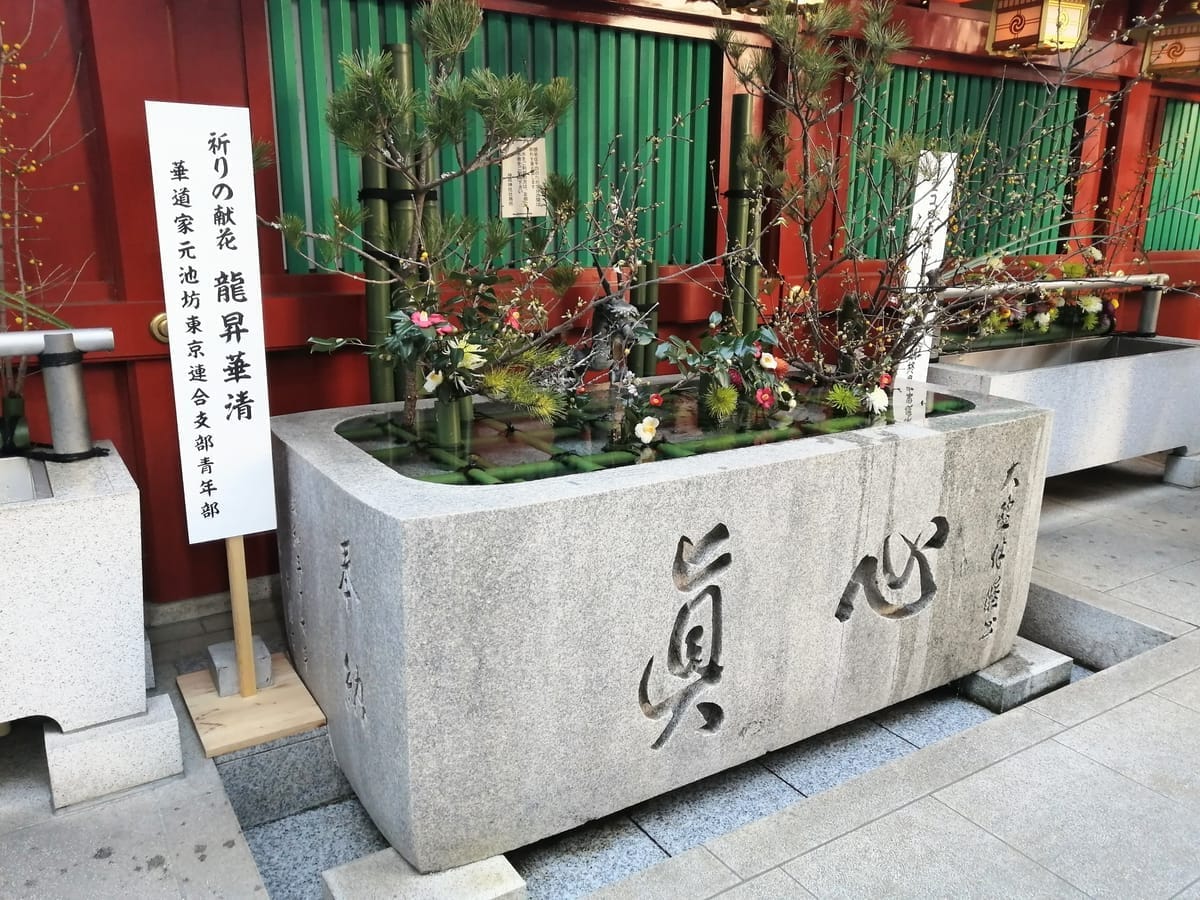
The third edition of the Tokyu Line Hana Goshuin Meguri launches April 25, offering flower-themed goshuin at 55 temples and shrines along the Tokyu Line and Tokyu Bus routes. Participation kit: ¥1,500. Flower chozuya displays at each site. Complete 28 to receive a pouch; complete all 55 for a tote bag.
The Aoi Matsuri, one of Kyoto's three great festivals, will be held on May 15, 2026. Kamigamo Shrine offers a special Kamo Festival goshuin on that day only, for ¥1,000. After 2:00 PM the stamp location moves to a temporary station on the shrine grounds.
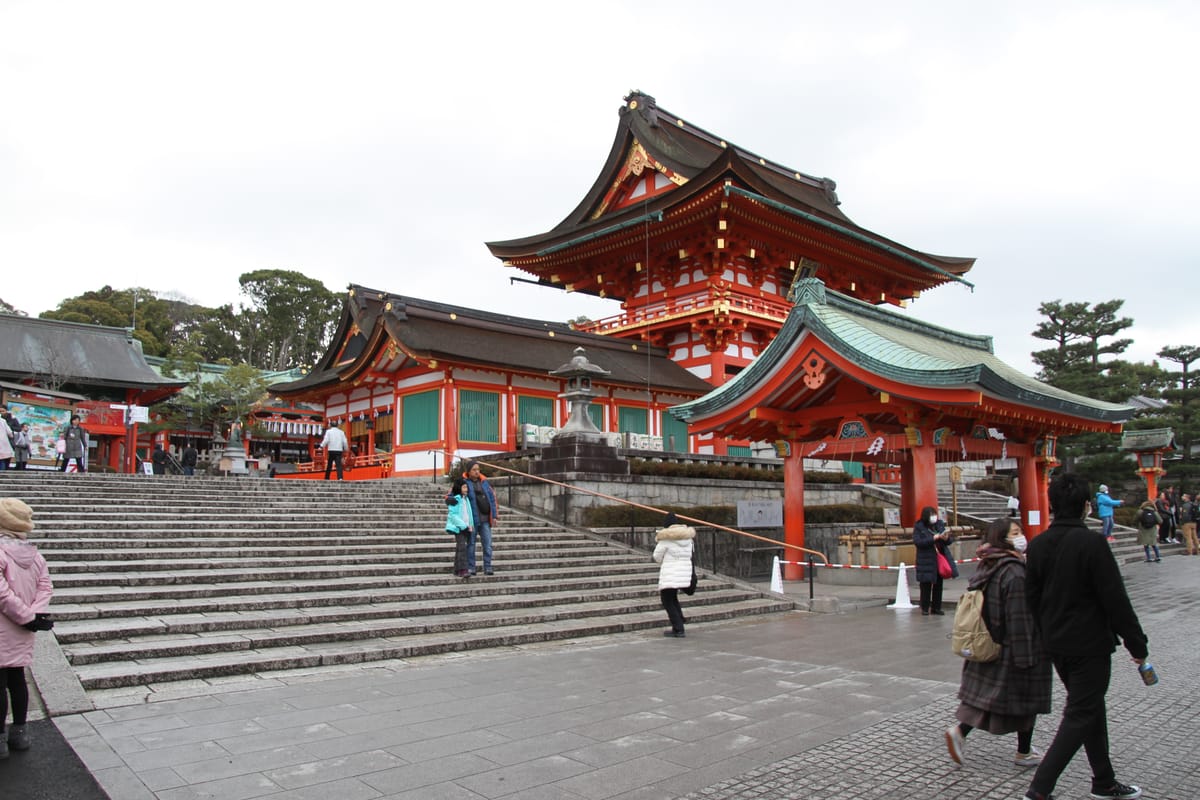
The Shinko-sai of the Inari Matsuri — the most important festival at Fushimi Inari Taisha — takes place on April 19. Five mikoshi carry the enshrined deities in a magnificent procession to the otabisho in Fukakusa. Details on the festival and the limited goshuin offered only during the matsuri period.
From March 18 to November 30, 2026, all 34 Chichibu Fudasho pilgrimage temples are holding their once-in-12-years Uma-doshi Soukaicho. Secret Buddhas are simultaneously unveiled, and THE ALFEE collaboration 'uta-shuin' (song goshuin) is on sale at all temples. A special year in an 800-year pilgrimage tradition.
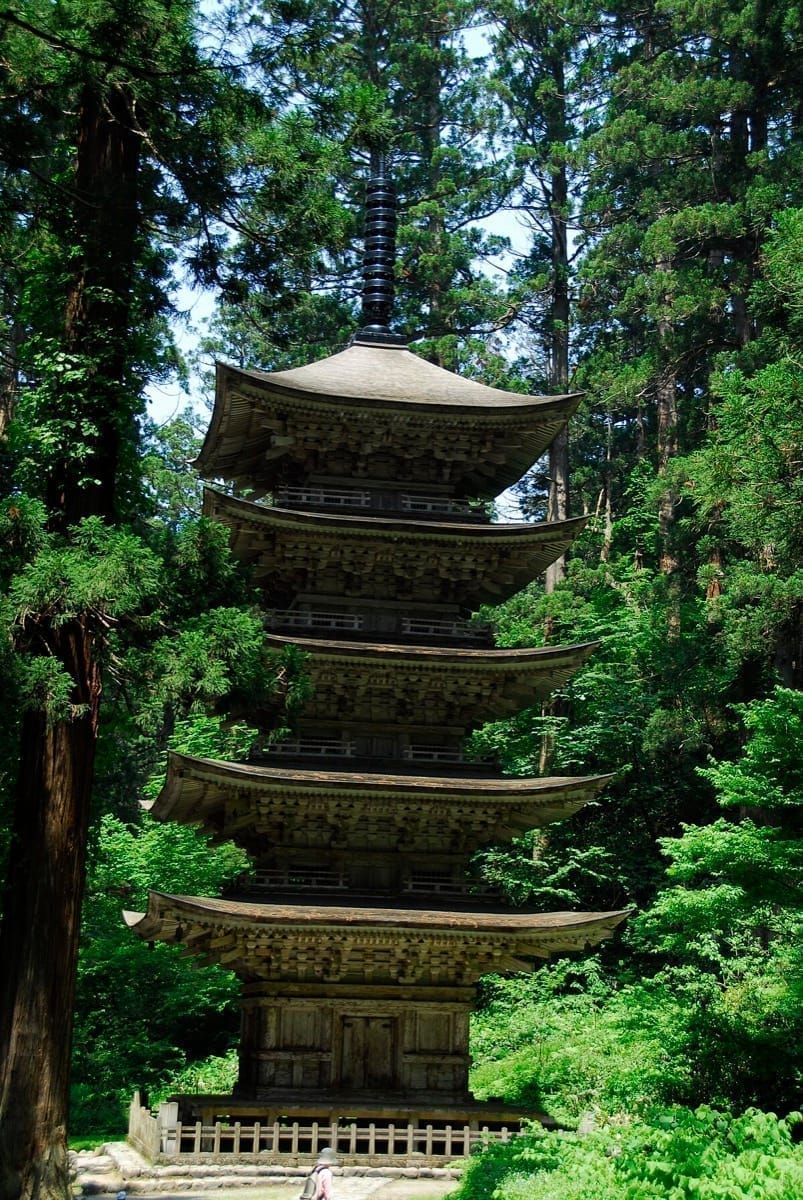
2026 is the special anniversary year (go-en-nen) for Hagurosan in the Dewa Sanzan. In this once-in-12-years occasion said to bestow blessings equivalent to 12 years of worship, limited goshuin, a sacred horse statue, and horse-day amulets make this a year not to miss.
The Kanda Matsuri (main festival) at Tokyos Kanda Shrine will be held on May 17-18, 2026, marking the first full celebration in 2 years. Details on mikoshi processions, float parades, and special goshuin information.
Goshuin Meguri
Record your pilgrimage