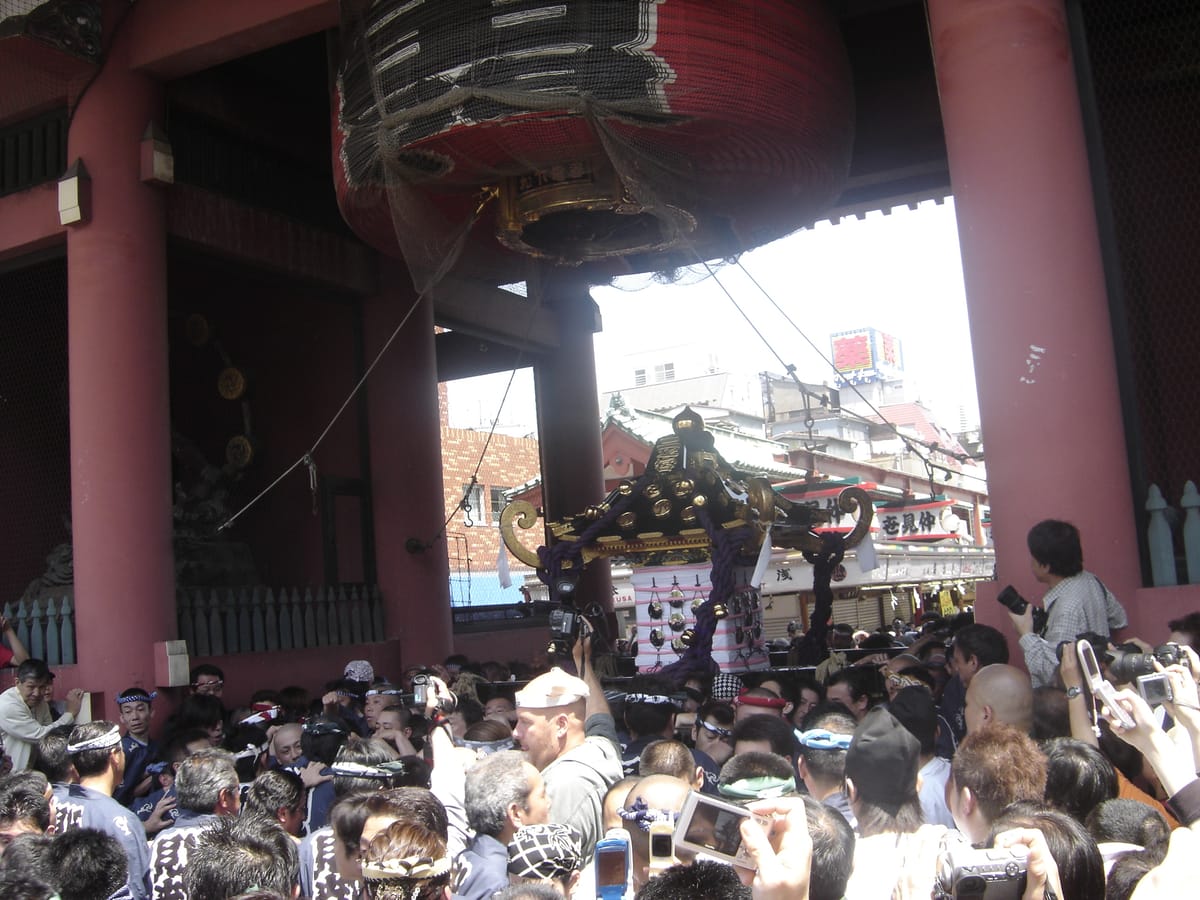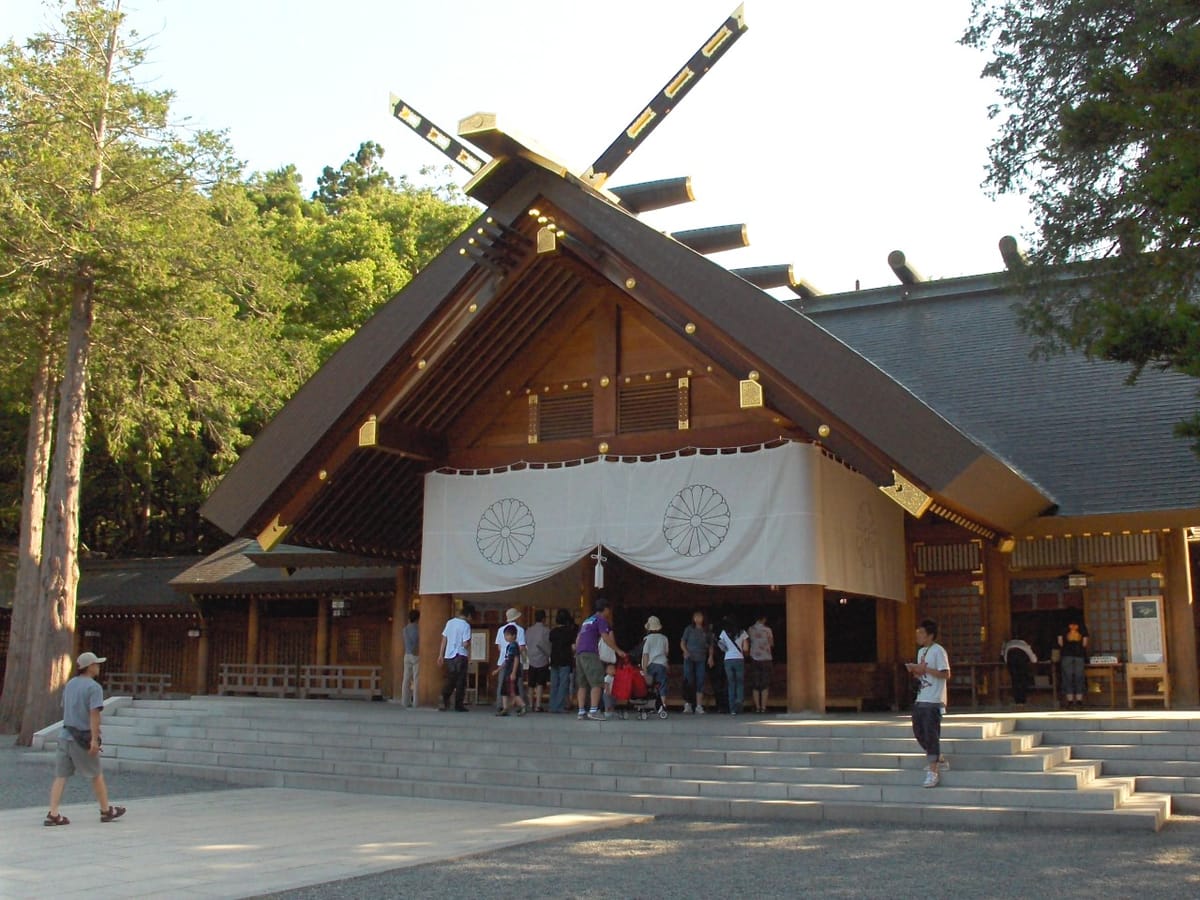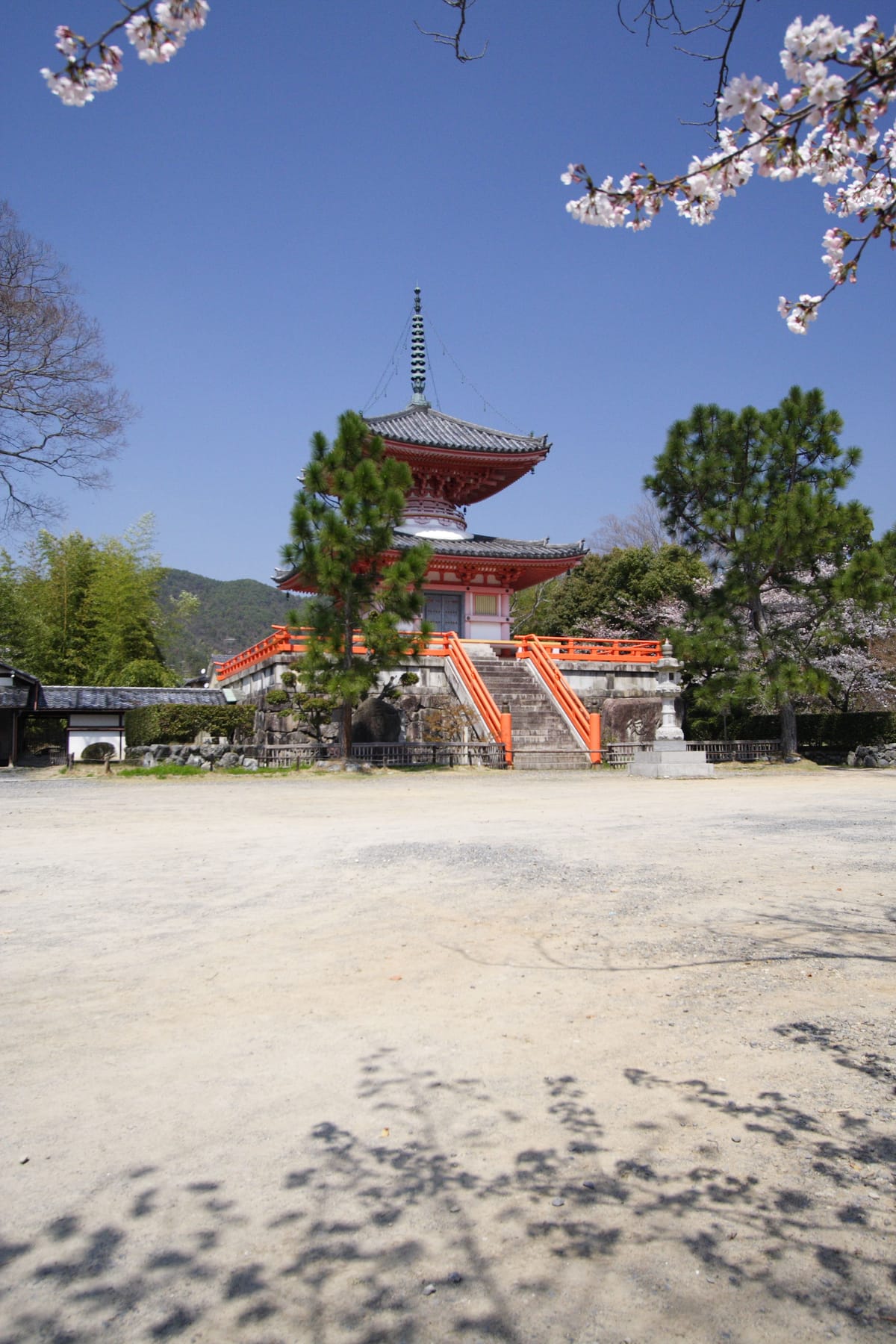
The Shinko-sai of the Inari Matsuri — the most important festival at Fushimi Inari Taisha, head shrine of approximately 30,000 Inari shrines across Japan — will be held on Sunday, April 19. Five mikoshi bearing the enshrined deities process to the otabisho (resting place for the deities) in Fukakusa, a spring tradition in Kyoto that has continued for over a thousand years.
What Is the Inari Matsuri?
The Inari Matsuri is the reitaisai (principal annual festival) of Fushimi Inari Taisha, held each spring. It is structured around two central events: the Shinko-sai and the Kanko-sai.
- Shinko-sai (April 19): Five mikoshi carrying the five enshrined deities process from the main shrine at the foot of Inari-yama to the otabisho in the Fukakusa district
- Kanko-sai (third Sunday in May): The mikoshi that have stayed at the otabisho return to the main shrine
During this period, the otabisho functions as a temporary “provisional shrine” to receive the mikoshi, and a shrine office is opened there as well.
Highlights of the Shinko-sai
The Procession of Five Mikoshi
The centerpiece of the Shinko-sai is the procession of five mikoshi, each corresponding to one of Inari Taisha’s five enshrined deities: Ukanomitama-no-Okami, Sadahiko-no-Okami, Omiyahime-no-Okami, Tanaka-no-Okami, and Shi-no-Okami.
The mikoshi depart the main shrine and process through the streets of the Fukakusa district over roughly 5 to 6 hours. Along the route, local parishioners come out to greet the procession, and rest stops with ritual observances are held at various points throughout Fushimi Ward. This reveals a side of the festival deeply rooted in the local community — quite different from the tourist-facing image of the Senbon Torii.
Votive Offerings at the Otabisho
The otabisho is located in Fukakusa, Fushimi Ward, and throughout the Inari Matsuri period it hosts continuous offerings centered on the mikoshi. The evening of the Shinko-sai is particularly lively, with kagura dances and votive performances offered by firelight.
Goshuin During the Inari Matsuri
In addition to the standard goshuin, Fushimi Inari Taisha offers a special seal stamp only during the Inari Matsuri period.
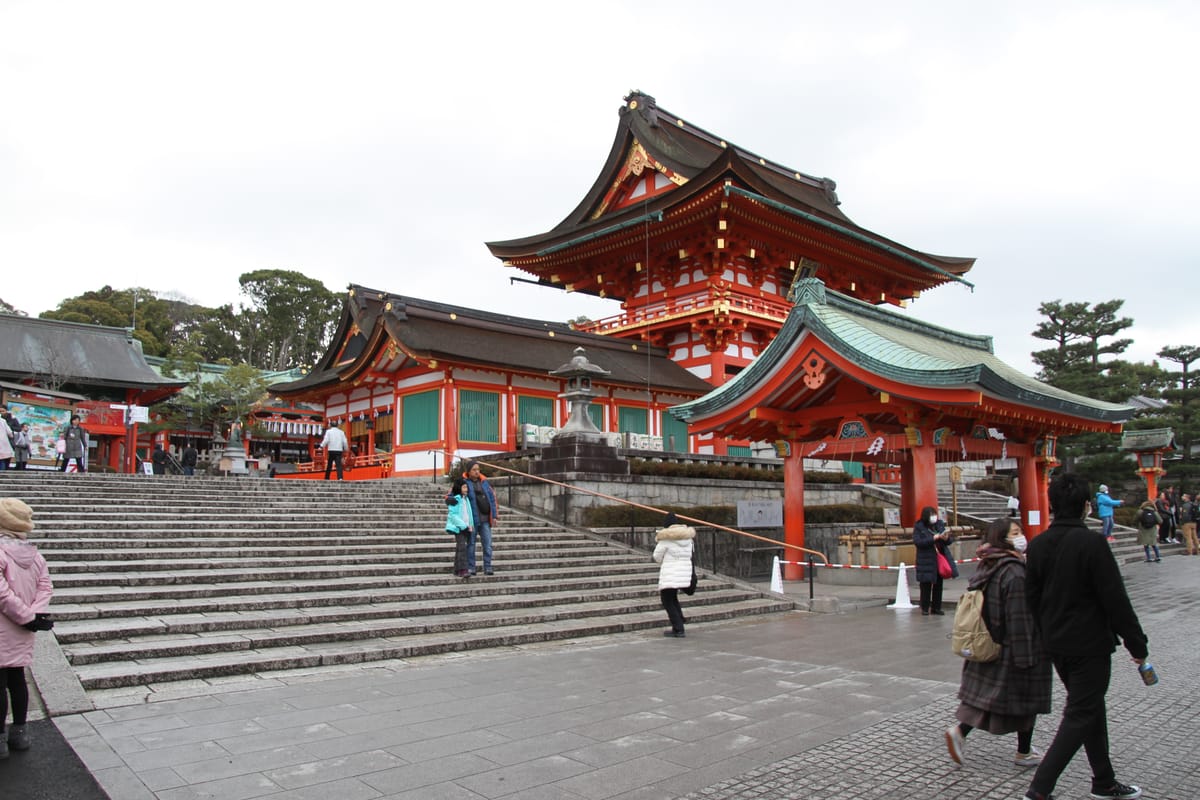
The standard goshuin is available at the stamp office inside the Romon gate of the main shrine, but on the day of the Shinko-sai and throughout the period while the mikoshi remain at the otabisho, goshuin can also be received at the otabisho shrine office. The opportunity to receive a goshuin at the otabisho — normally not open to the public — is limited to this Inari Matsuri period.
Details on the festival-limited seal (availability, format, and fee) may vary by year, so confirming on the day at the shrine office or via the official website is the safest approach.
| Type | Location | Notes |
|---|---|---|
| Standard goshuin | Main shrine stamp office (inside Romon gate) | Year-round; both pre-written slips and direct-write available |
| Otabisho goshuin | Otabisho shrine office | Inari Matsuri period only |
About Fushimi Inari Taisha
Fushimi Inari Taisha, the apex of all Inari shrines in Japan, was founded in 711 CE (the 4th year of Wado) and has continued since the Nara period. The entire Inari-yama mountain is considered the sacred body of the deity; including the subsidiary and branch shrines scattered across the mountain, the total precinct area reaches 876,000 square meters.
The Senbon Torii has become widely known among international visitors in recent years, but the spring Inari Matsuri retains the character of an authentic festival centered on its parishioner community — removed from visitor-facing tourism.
Goshuin are handled at the stamp office, which can be crowded during peak tourist seasons. On the day of the Inari Matsuri, the precinct draws heavy crowds, so early-morning visits are recommended.
Access and Visitor Information
| Item | Details |
|---|---|
| Shinko-sai | Sunday, April 19, 2026 |
| Main Shrine Stamp Office Hours | Approx. 9:00–16:00 (may vary on festival days) |
| Address | 68 Fukakusa Yabuno-uchi-cho, Fushimi Ward, Kyoto |
| Access | Immediately from “Inari” Station (JR Nara Line) / 5-min walk from “Fushimi Inari” Station (Keihan Line) |
| Parking | On-site parking available (expect congestion on festival days) |
Tips for Goshuin Collectors
The otabisho goshuin at the Inari Matsuri carries a rarity factor as “a seal received at a place not normally accessible to the public.” The otabisho is some distance from Inari Station, so confirm its location in advance. On the day of the Shinko-sai, following the route of the mikoshi procession and making your way to the otabisho along the way gives you a fuller picture of the whole festival.
The Kanko-sai is about a month after the Shinko-sai. If you can only attend one, the Shinko-sai is the more impressive — it’s where the procession begins, with all five mikoshi departing the main shrine.
Basic Information
| Item | Details |
|---|---|
| Official Name | Inari Matsuri Shinko-sai |
| Date | Sunday, April 19, 2026 |
| Organizer | Fushimi Inari Taisha |
| Official Website | https://inari.jp |
Image: Romon gate of Fushimi Inari Taisha, photo by Hyppolyte de Saint-Rambert, CC BY-SA 4.0, via Wikimedia Commons