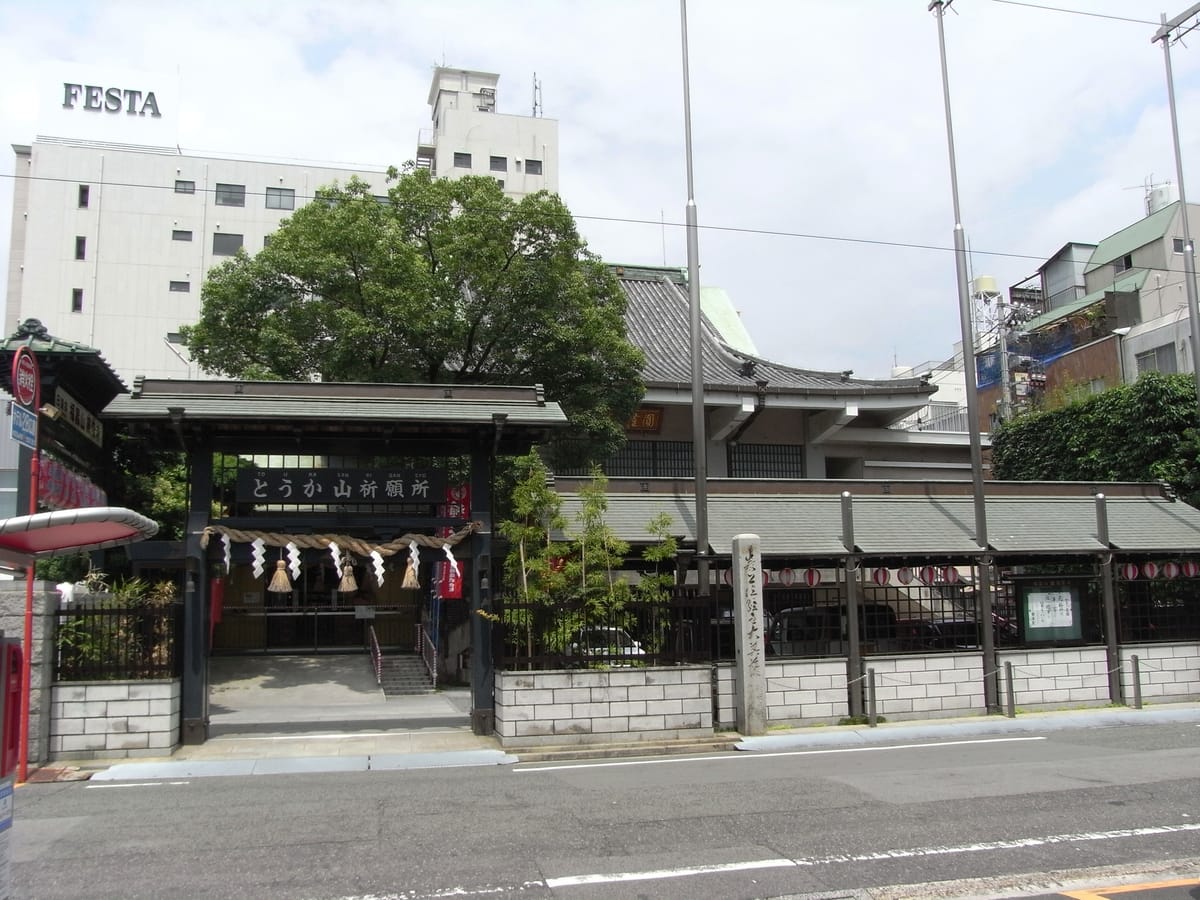
The Toukasan Grand Festival will be held at Enryuji Temple in Mikawa-cho, Naka Ward, Hiroshima, from Friday, June 5 through Sunday, June 7, 2026.
Known as one of Hiroshima’s three major festivals, it draws approximately 450,000 visitors over three days. Chuo-dori is closed to traffic and around 1,000 food stalls line the street. Many attendees wear yukata, and the custom of “the first yukata of the year belongs to Toukasan” is still alive in Hiroshima today.
What is “Toukasan”?
The name “Toukasan” derives from reading “Inari” (稲荷) — as in Inari Daimyojin — with its on-yomi (Sino-Japanese reading): “touka.”
Enryuji is a Nichiren Buddhist temple. Nichiren Buddhism, the school that chants “Namu Myoho Renge Kyo” and holds the Lotus Sutra as the supreme scripture, operates within a framework quite distinct from Shinto Inari worship. Yet the chief deity enshrined at this temple is “Touka Inari Daimyojin” — an Inari deity.
This is not a contradiction. It is a product of over a thousand years of fusion between Japanese Buddhism and Shinto, known as shinbutsu-shugo.
Nichiren Buddhism incorporates the concept of “shotenzenin” — protective deities drawn from across traditions. Because the Inari deity was widely revered as a god of grain and agriculture, it was absorbed as a protector of the Lotus Sutra. The structure is not “the Lotus Sutra protects Inari” but rather “Inari protects the Lotus Sutra.”
When Enryuji was founded in 1619 (Genna 5) under the patronage of Asano Nagaakira, the Inari Daimyojin was enshrined as its tutelary deity. For 406 years since, the Inari festival has continued every June as a Buddhist temple’s religious observance.
The Sacred Object Opened for Three Days Only
The greatest religious significance of the Toukasan Grand Festival is that the sacred object (go-shintai) is displayed publicly for only these three days each year.
The sacred object of the “Touka Inari Daimyojin” is ordinarily kept in the innermost part of the precinct, inaccessible to ordinary visitors. Only during the grand festival is it revealed. This is one reason 450,000 people visit over three days — it is a place where festival and worship happen simultaneously.
In shrine terms, it is comparable to a special unveiling on the scale of a shikinen-sengu. At Enryuji, however, it happens every year.
The Connection to Yukata Culture
In modern times, Toukasan is known as a festival to attend in yukata, but this connection has historical roots.
In the Edo period, the summer change of clothing (koromogae) took place on the first day of the sixth month of the lunar calendar. This was when thin hemp and cotton garments — the precursors of yukata — were first brought out, and the ritual change of clothes overlapped with seasonal festivals. Toukasan falls around the same time (early June), and the custom of wearing yukata for the first time at Toukasan is thought to have taken hold naturally.
From the 1970s and 80s onward, department stores and local shopping districts actively promoted this image through campaigns called “Yukata de Kin-sai” (Come in Yukata), cementing the perception that “Toukasan = Hiroshima’s yukata season opener.”
Today the entire length of Chuo-dori serves as the festival grounds, and the sight of yukata-clad participants filling the streets has become one of Hiroshima’s early summer traditions.
2026 Basic Information
| Item | Details |
|---|---|
| Dates | Friday, June 5 – Sunday, June 7, 2026 |
| Venue | Enryuji Temple (8-12 Mikawa-cho, Naka Ward, Hiroshima) and surroundings along Chuo-dori |
| Admission | Free |
| Sacred Object Display | During the 3-day festival only |
| Food Stalls | Approx. 1,000 stalls along Chuo-dori |
| Access | Approx. 5 min walk from Hiroshima Electric Railway “Hatchobori” station / Approx. 15 min walk from Hiroshima Bus Center |
Goshuin
At Enryuji, goshuin are ordinarily offered in the Nichiren Buddhist tradition: the Namu Myoho Renge Kyo (御首題) and the Myoho (妙法) goshuin.
In some years, limited goshuin are prepared during the grand festival period. Check the official website or contact the temple directly for details.
Note that because Enryuji is a Nichiren Buddhist temple, writing the Namu Myoho Renge Kyo inscription (go-shudai) in goshuin books from other Buddhist sects may be declined. It is recommended to bring a dedicated go-shudai book, or to receive a pre-written slip instead.
Shrines, Temples, and the Difference in Goshuin
In the case of temples like Toukasan that retain traces of shinbutsu-shugo, the style of goshuin also differs from ordinary shrines. The Difference Between Shrines and Temples — How to Tell Them Apart and Etiquette for Visiting covers the history and customs of worship, including goshuin.
For other Hiroshima shrines and temples, see 15 Shrines in Hiroshima Where You Can Receive Goshuin.
Sources:
- Toukasan Official Website
- About Enryuji Temple – Toukasan Official Website
- Toukasan Grand Festival 2026 Schedule and Events – Kisetsu Oyakudachi Johokyoku
- Toukasan Grand Festival 2026 | MatsuriMap
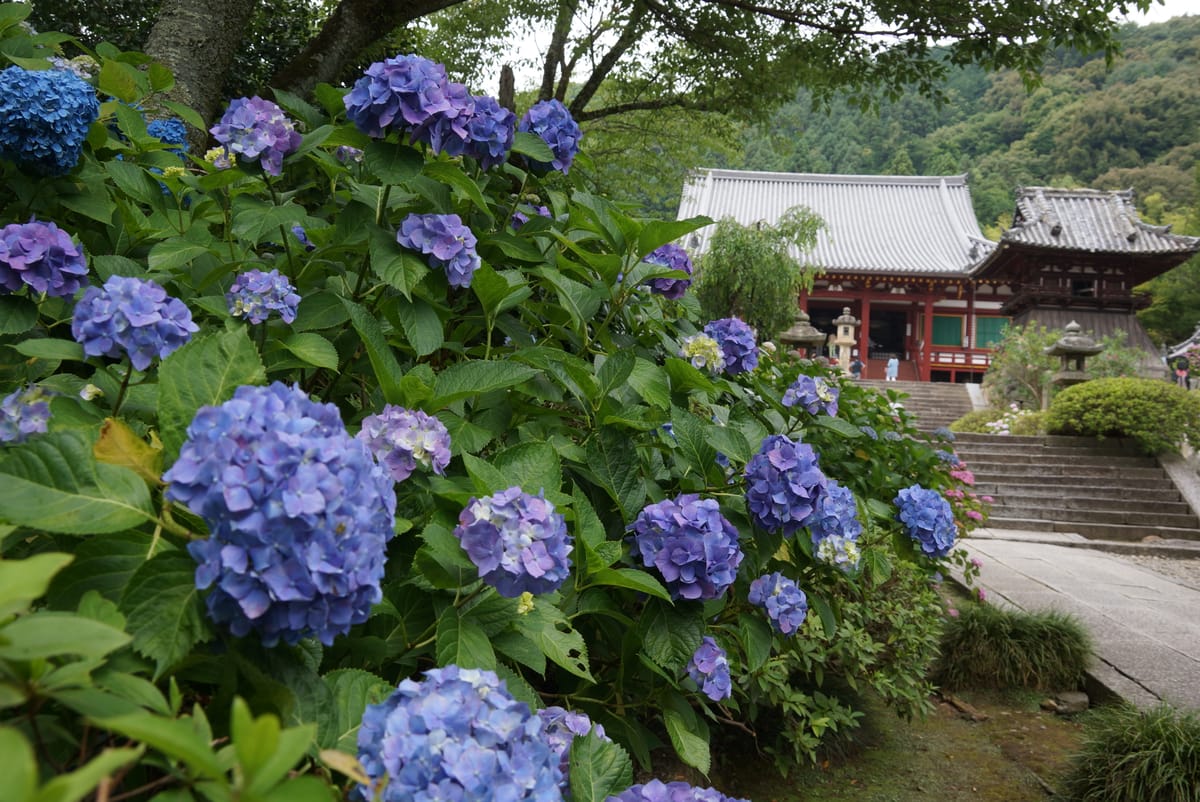
Image credit: Hiroshima Enryuji 01.jpg — Taisyo, CC BY 3.0, via Wikimedia Commons
Information in this article is current as of May 22, 2026. Festival details and goshuin availability are subject to change. Please check the Toukasan official website for the latest information.