You’re standing in front of a Japanese shrine. The incense is drifting, the gravel crunches underfoot, and a massive wooden hall rises before you. You’ve paid your respects, clapped twice, bowed — but there’s a question nagging at you:
Who exactly am I praying to?
Every shrine in Japan is dedicated to one or more kami — the gods, spirits, and deified figures of Shinto, Japan’s indigenous religion. There are said to be eight million of them (yaoyorozu no kami), but a handful appear again and again across the country. Knowing who they are transforms a shrine visit from a photo opportunity into something genuinely meaningful.
This guide introduces the six most important Shinto deities you’ll encounter — their myths, their blessings, and the famous shrines where they’re enshrined. If you’re collecting goshuin, this is essential reading.
Amaterasu (天照大御神) — The Sun Goddess
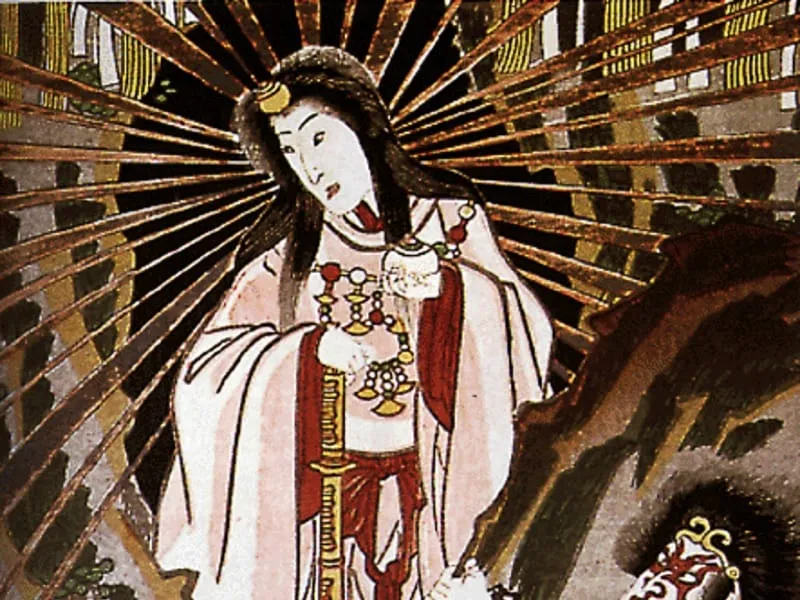
Amaterasu Omikami is the supreme deity of Shinto — the goddess of the sun and the mythological ancestor of Japan’s imperial family. In the hierarchy of kami, she stands at the very top.
The Myth
The most famous story about Amaterasu is the cave myth. After a violent quarrel with her brother Susanoo, a grief-stricken Amaterasu sealed herself inside a cave called Ama-no-Iwato, plunging the entire world into darkness. The other gods tried everything to lure her out. Finally, the goddess Ame-no-Uzume performed a wild, comedic dance that made all the assembled deities roar with laughter. Curious about the commotion, Amaterasu peeked out — and in that moment, the god of strength pulled her free. Sunlight flooded the world once more.
It’s a story about darkness and return, despair and joy. And it’s the origin story for kagura, the sacred dances still performed at shrines across Japan today.
Blessings
- National prosperity
- Good fortune
- Peace and harmony
Where to Visit
Ise Grand Shrine (Ise Jingu) in Mie Prefecture is the holiest shrine in all of Japan, dedicated to Amaterasu. The inner shrine, Naiku, is rebuilt every 20 years in a cycle of renewal that has continued for nearly 1,300 years. Every Japanese person is expected to make a pilgrimage to Ise at least once in their lifetime — and its goshuin is among the most prized in any collector’s book.
Susanoo (須佐之男命) — The Storm God
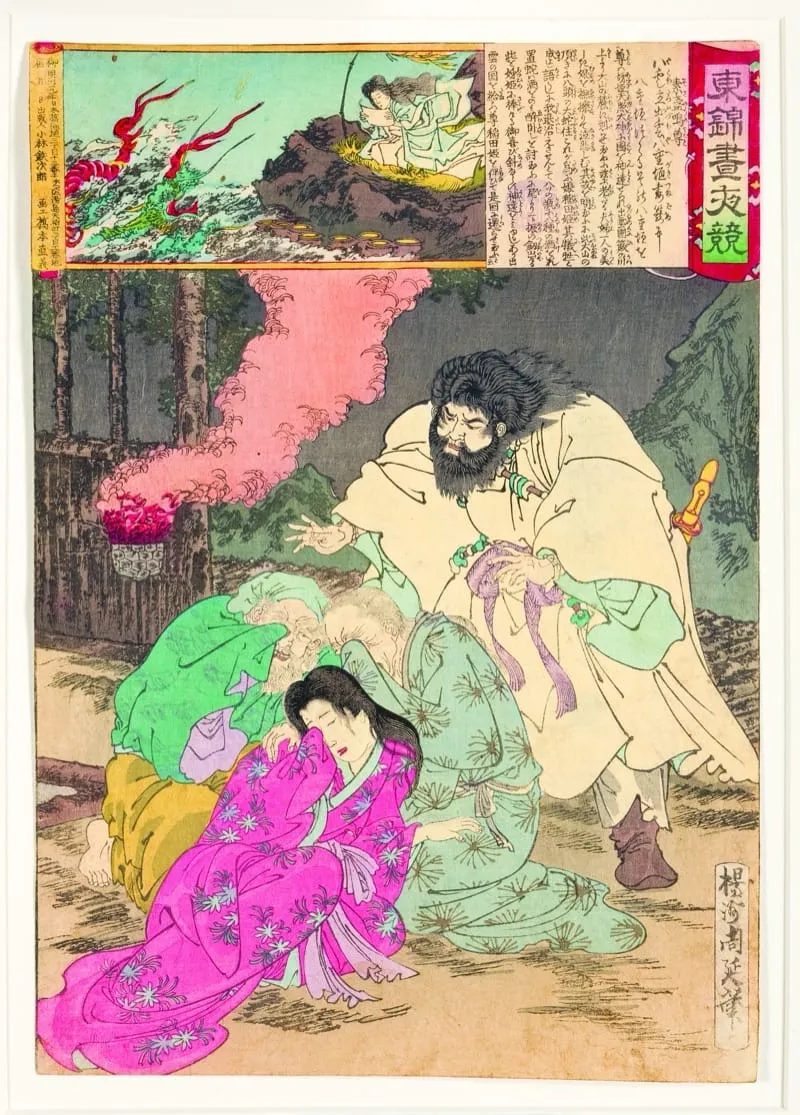
If Amaterasu is order and light, her younger brother Susanoo is chaos and storm. He’s brash, unpredictable, and destructive — but also capable of extraordinary heroism. Think of him as Shinto’s antihero.
The Myth
After being banished from heaven for tormenting his sister, Susanoo descended to the province of Izumo. There he found an elderly couple weeping — seven of their eight daughters had been devoured by Yamata no Orochi, a monstrous eight-headed serpent, and the eighth was next. Susanoo agreed to slay the beast in exchange for the last daughter’s hand in marriage.
His plan was clever rather than brute force. He had the couple brew eight vats of sake, one for each head. The serpent drank itself into a stupor, and Susanoo cut it apart. From the creature’s tail emerged the legendary sword Kusanagi no Tsurugi, one of the three Imperial Regalia of Japan.
Blessings
- Protection from evil
- Plague and epidemic prevention
- Martial strength
Where to Visit
Yasaka Shrine in Kyoto’s Gion district is the most famous Susanoo shrine and the origin of the Gion Matsuri, one of Japan’s greatest festivals — originally a ritual to ward off plague. Hikawa Shrine in Saitama is another major site, with over 280 branch shrines across the Kanto region.
Inari (稲荷大神) — The God of Rice and Commerce
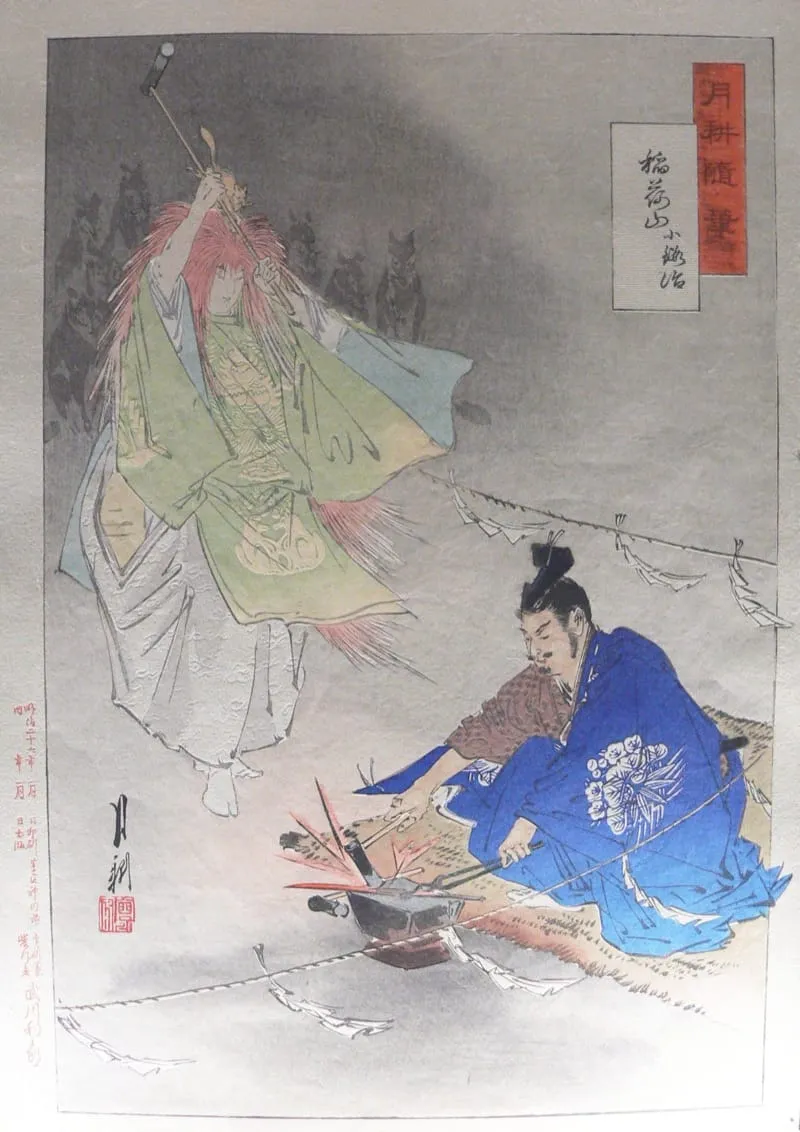
Walk through any Japanese city and you’ll spot them — small shrines with vermillion gates and stone foxes standing guard. These are Inari shrines, and with over 30,000 nationwide, they form the single largest network of shrines in Japan.
About Inari
Inari is the kami of rice, agriculture, fertility, and — by extension — commerce and worldly success. In an agrarian society, a good rice harvest meant prosperity, so Inari’s domain naturally expanded to cover business and industry. Today, company executives pray to Inari for booming sales just as farmers once prayed for abundant crops.
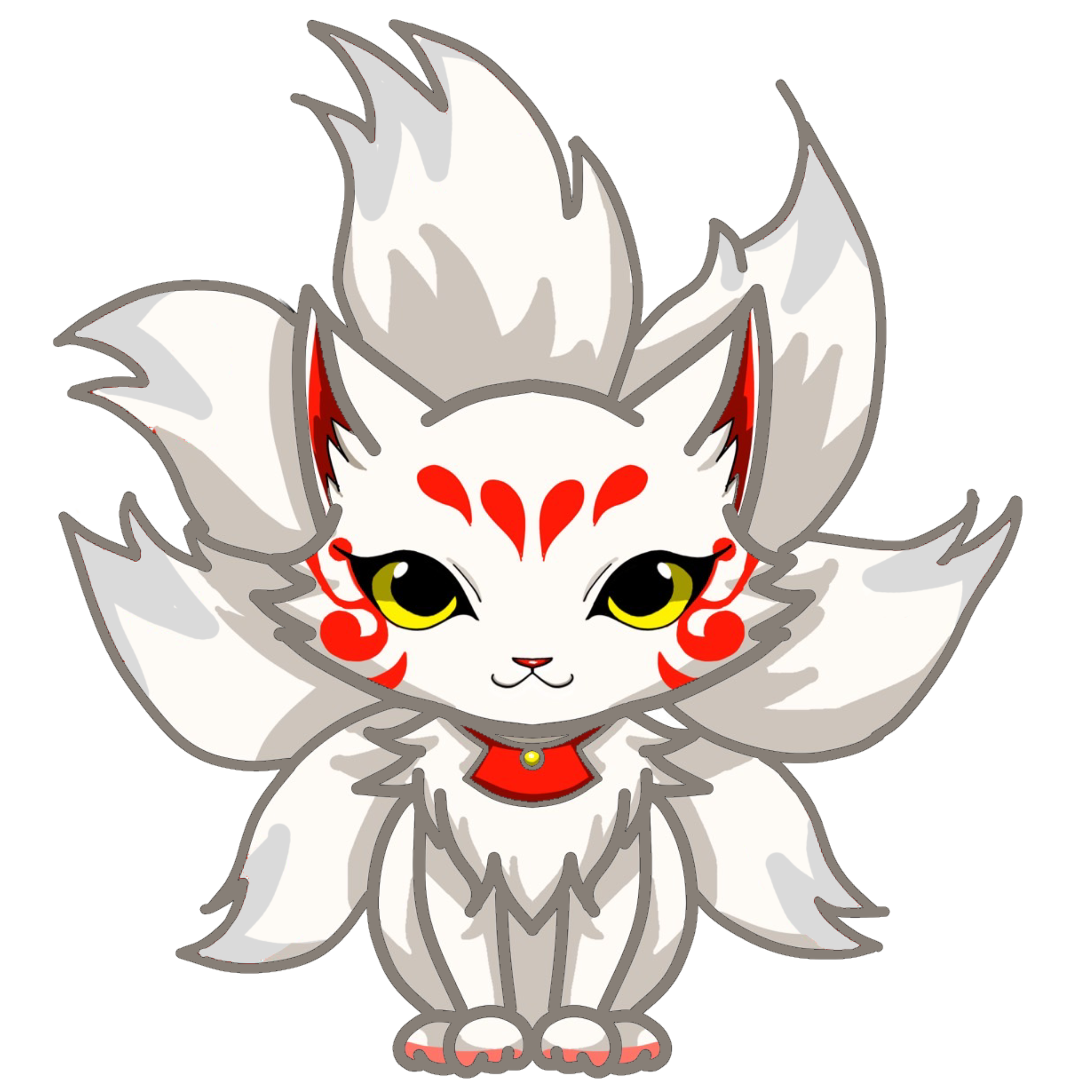
One crucial point that confuses many visitors: the foxes are not Inari. The white foxes (kitsune) are Inari’s messengers and servants, not the deity itself. You’ll see them everywhere — stone fox statues flanking the shrine entrance, often holding a key (to the rice granary), a jewel, or a scroll in their mouths.
Blessings
- Business success and prosperity
- Abundant harvest
- Safety in the household
- Fulfillment of wishes
Where to Visit
Fushimi Inari Taisha in southern Kyoto is the head shrine of all Inari shrines and one of the most visited places in Japan. Its tunnels of thousands of vermillion torii gates winding up Mount Inari are iconic. The full hike takes about two hours, and the goshuin you receive at the top feels truly earned.
Hachiman (八幡神) — The God of War
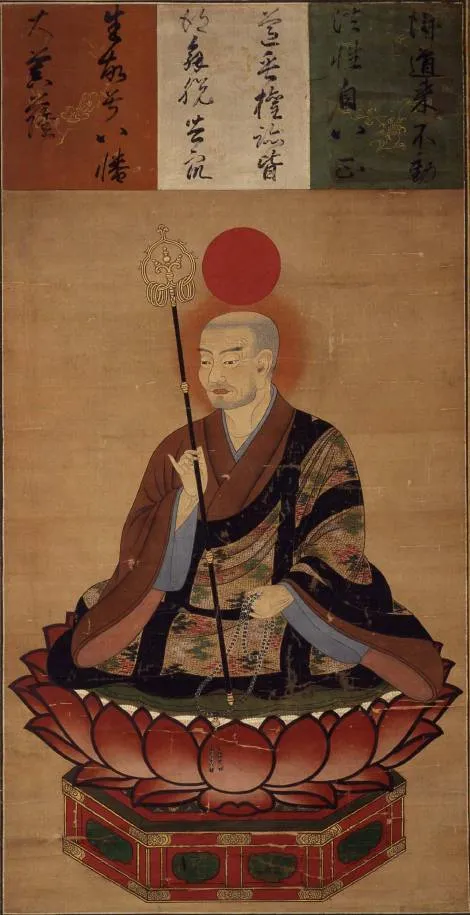
If Inari shrines are the most numerous network, Hachiman shrines hold the title of most numerous individual type — roughly 40,000 across Japan. Hachiman is the god of war, archery, and the protector of warriors. But his story is more complex than that label suggests.
About Hachiman
Hachiman is believed to be the deified spirit of Emperor Ojin, a semi-legendary 3rd-century emperor. Over centuries, he evolved from a local deity in Kyushu into the patron god of the samurai class. When Minamoto no Yoritomo established Japan’s first military government in Kamakura in 1185, he built a grand Hachiman shrine at its center — cementing the deity’s connection to martial power.
But Hachiman isn’t only about warfare. He’s also a protector of the nation and its people, a guardian of peace through strength. Many families pray to Hachiman for the resilience to face life’s battles, whether on the battlefield or in the office.
Blessings
- Victory and success
- Martial arts and athletic achievement
- Protection of the nation
- Safe childbirth (through his mother, Empress Jingu)
Where to Visit
Tsurugaoka Hachiman-gu in Kamakura is one of the most impressive shrine complexes in Japan. You climb a broad stone staircase to reach the main hall, with the entire city of Kamakura laid out behind you. Usa Shrine in Oita Prefecture is the original Hachiman shrine, dating back to the 8th century. Both offer goshuin with powerful calligraphy befitting a warrior deity.
Tenjin / Sugawara no Michizane (菅原道真) — The God of Learning
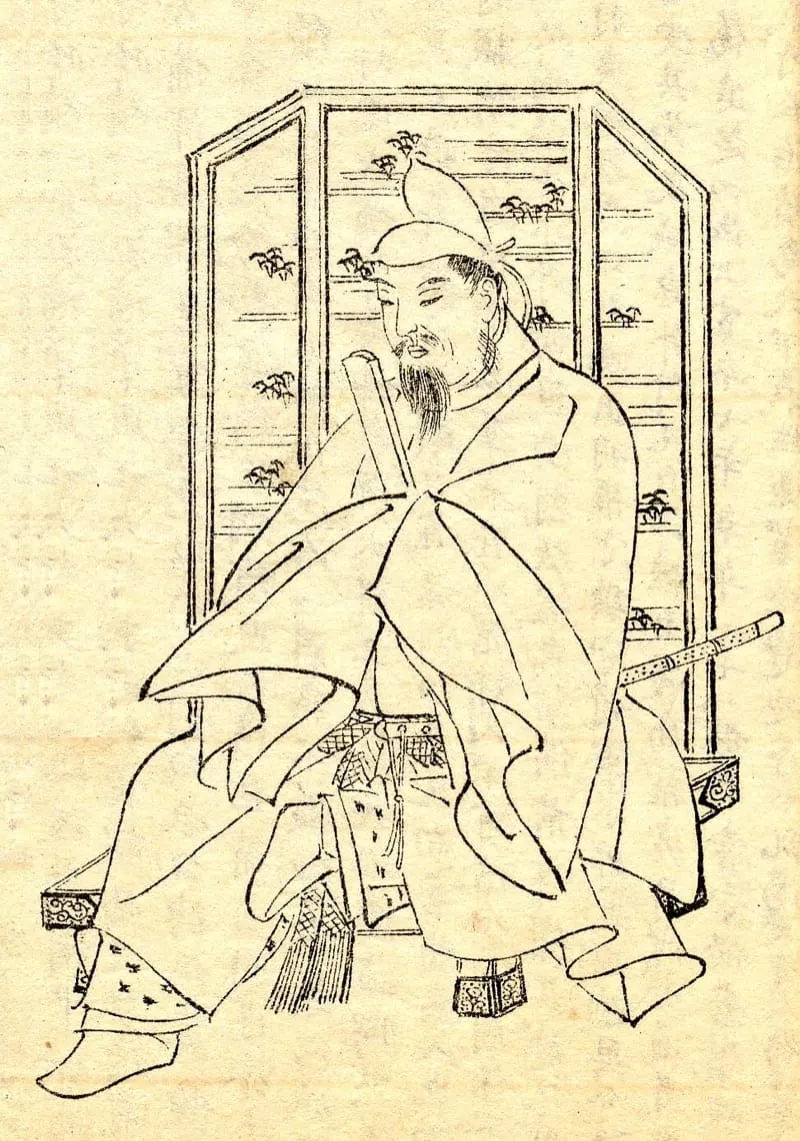
Tenjin is unique among major kami because he was a real person — a brilliant scholar and politician named Sugawara no Michizane who lived in the 9th century. His story is one of the most dramatic in Japanese history: a tale of genius, betrayal, exile, and posthumous vengeance.
The Story
Michizane was a gifted poet, calligrapher, and statesman who rose to one of the highest positions in the imperial court. But political rivals from the powerful Fujiwara clan conspired against him, and in 901 CE, he was falsely accused of treason and exiled to Dazaifu in distant Kyushu. He died in exile two years later, heartbroken and alone.
Then things got dramatic. Plagues, fires, lightning strikes, and the deaths of his enemies followed in quick succession. The terrified court concluded that Michizane’s vengeful spirit was responsible. To appease him, they posthumously restored his rank, pardoned him, and ultimately enshrined him as a god — Tenjin, the deity of learning and scholarship.
The legend of the flying plum tree adds a poetic touch: Michizane’s beloved plum tree in Kyoto was so devoted to its master that it uprooted itself and flew to Dazaifu to be near him. You’ll find plum trees (ume) at every Tenjin shrine.
Blessings
- Academic success and passing exams
- Scholarship and wisdom
- Calligraphy and poetry
Where to Visit
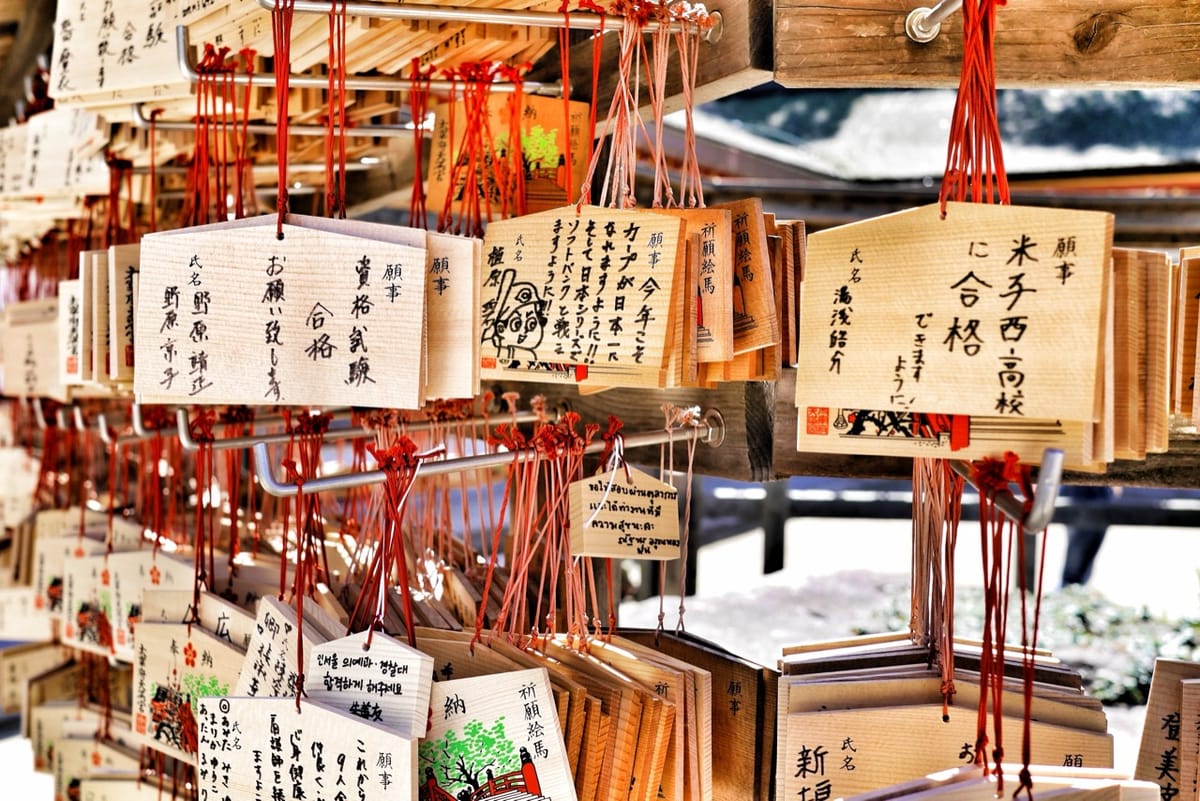
Dazaifu Tenman-gu in Fukuoka Prefecture is the holiest Tenjin shrine, built over Michizane’s grave. Kitano Tenman-gu in Kyoto was the first shrine established to pacify his spirit. Before exam season in Japan, both shrines overflow with students hanging prayer plaques — and their goshuin often feature the iconic plum blossom motif.
Okuninushi (大国主命) — The God of Relationships
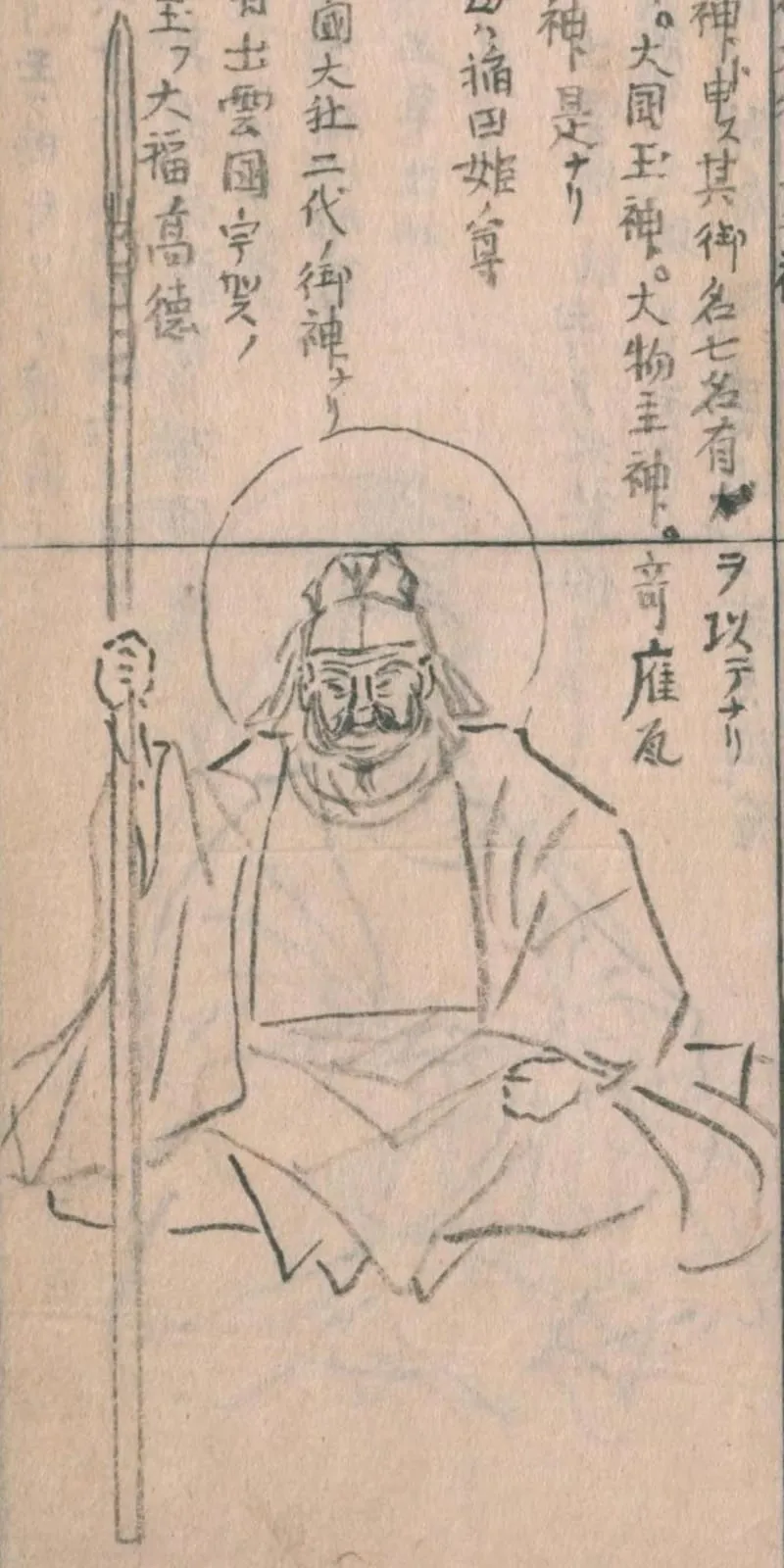
If you’re looking for love — or hoping to strengthen the bonds in your life — Okuninushi is the kami to know. He’s the god of en-musubi (tying bonds of fate), the divine matchmaker of Shinto.
The Myth
Okuninushi’s most beloved story is the White Rabbit of Inaba (Inaba no Shirousagi). A rabbit, trying to cross from an island to the mainland, tricked a group of sharks into forming a bridge by lining up across the water. When the sharks discovered the deception, they tore the rabbit’s fur off, leaving it in agony on the beach.
Okuninushi’s cruel elder brothers came upon the suffering rabbit first and told it to bathe in salt water — advice that only worsened its pain. When Okuninushi arrived last, he told the rabbit to wash in fresh water and roll in cattail pollen. The rabbit was healed and, in gratitude, prophesied that Okuninushi — not his brothers — would win the hand of the princess they were all seeking.
The tale establishes Okuninushi as a figure of compassion and kindness, qualities that define his role as the kami of human connections. According to myth, he built and ruled the land of Izumo before eventually ceding it to Amaterasu’s descendants, an event known as kuni-yuzuri (the transfer of the land).
Blessings
- Romantic relationships and matchmaking
- Good connections in all aspects of life
- Recovery from illness
- General good fortune
Where to Visit
Izumo Taisha (Izumo Grand Shrine) in Shimane Prefecture is one of the oldest and most sacred shrines in Japan. Its massive shimenawa (sacred straw rope) is among the most photographed shrine elements in the country. Notably, the prayer custom here differs from other shrines — instead of two claps, visitors clap four times. Every October (November by the old calendar), all of Japan’s gods are said to gather at Izumo for a divine meeting to decide the romantic fates of mortals. The goshuin here carries a weight and history that few can match.
Quick Reference: Major Shinto Deities
| Deity | Japanese | Blessings | Head Shrine | How to Spot |
|---|---|---|---|---|
| Amaterasu | 天照大御神 | National prosperity, good fortune | Ise Jingu (Mie) | Mirror motifs, supreme formality |
| Susanoo | 須佐之男命 | Evil protection, plague prevention | Yasaka Shrine (Kyoto) | Often near Gion areas, festival connections |
| Inari | 稲荷大神 | Business success, harvest | Fushimi Inari Taisha (Kyoto) | Fox statues, red torii tunnels |
| Hachiman | 八幡神 | Victory, martial success | Usa Shrine (Oita) | “八幡” in the name, dove motifs |
| Tenjin | 天満大自在天神 | Academic success | Dazaifu Tenman-gu (Fukuoka) | Plum trees, “天満宮” in the name, ox statues |
| Okuninushi | 大国主命 | Love, matchmaking, relationships | Izumo Taisha (Shimane) | Rabbit statues, 4-clap prayer |
Why This Matters for Goshuin Collectors
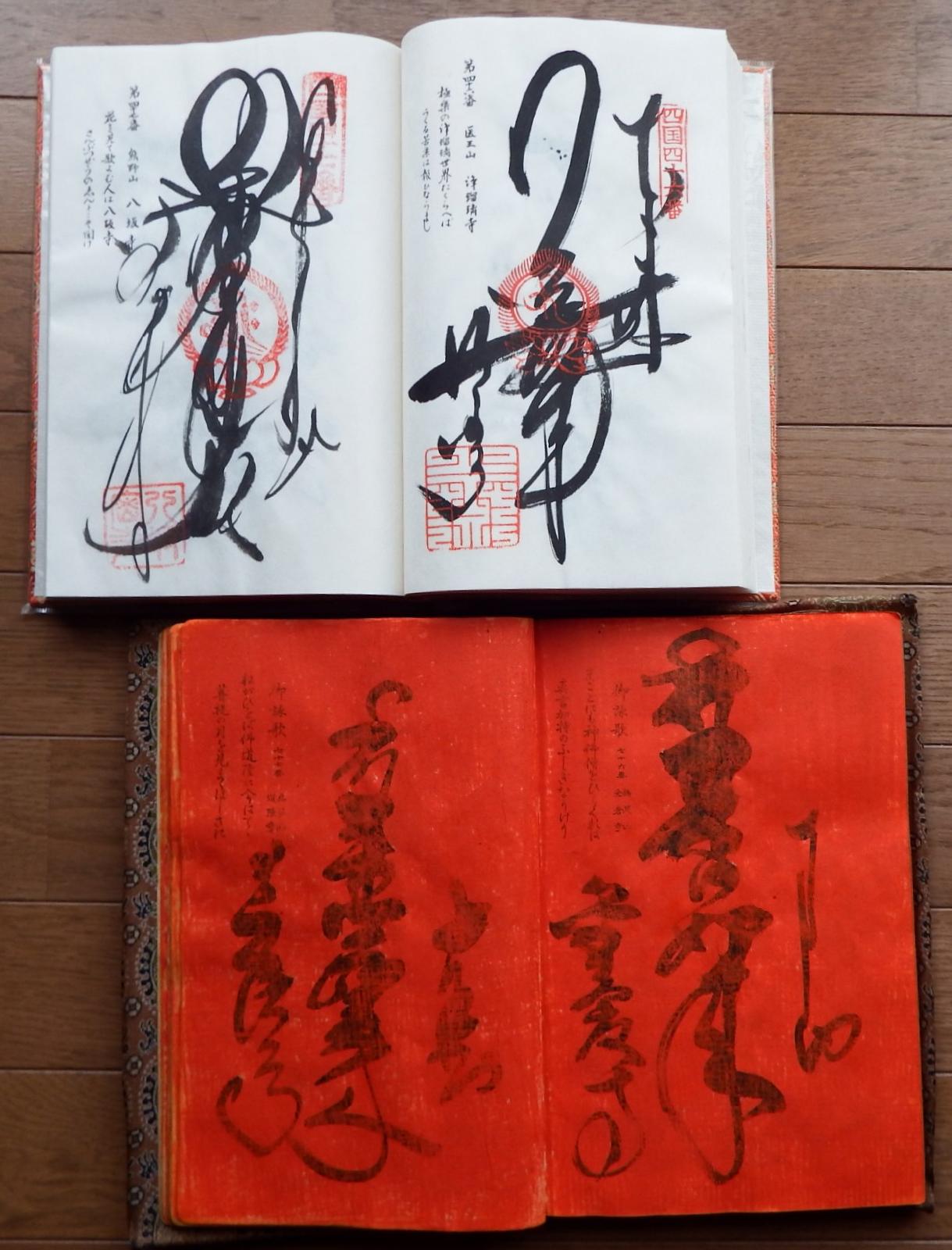
Every goshuin you collect is a record of a specific encounter — not just with a place, but with a deity. The calligraphy on each goshuin often includes the enshrined kami’s name, and the vermillion seals carry the shrine’s sacred identity.
When you know that the goshuin in your hand comes from a shrine dedicated to Susanoo, the storm god who slew an eight-headed serpent — or from the resting place of Michizane, the scholar-turned-thunder-deity — that page in your goshuincho becomes a chapter in a much larger story.
Knowledge adds depth. Every shrine visit becomes richer when you understand who awaits you beyond the torii gate.
Want to keep track of which deities you’ve visited? Goshuin Meguri lets you photograph, organize, and map every goshuin in your collection — building your own personal record of encounters with the gods of Japan.
Image credits: Amaterasu — by Utagawa Kunisada (public domain), via Wikimedia Commons. Susanoo — by Toyohara Chikanobu (public domain), via Wikimedia Commons. Inari — by Ogata Gekkō, 1887 (public domain), via Wikimedia Commons. Hachiman — Sōgyō Hachiman scroll (public domain), via Wikimedia Commons. Tenjin — by Kikuchi Yōsai, from Zenken Kojitsu (public domain), via Wikimedia Commons. Okuninushi — by Utagawa Sadahide, from Shinbutsu Zue (public domain), via Wikimedia Commons.