Nara Prefecture is home to some of Japan’s oldest and most sacred shrines, many dating back over 1,000 years. From the famous Kasuga Taisha (春日大社) and Omiwa Jinja (大神神社) to lesser-known hidden gems, these sacred sites offer unique opportunities to collect beautiful goshuin stamps while experiencing Japan’s ancient spiritual heritage. This comprehensive guide covers 15 must-visit shrines in Nara with practical information on visiting hours, access, and what makes each shrine special.
1. Kasuga Taisha (春日大社) - Nara City
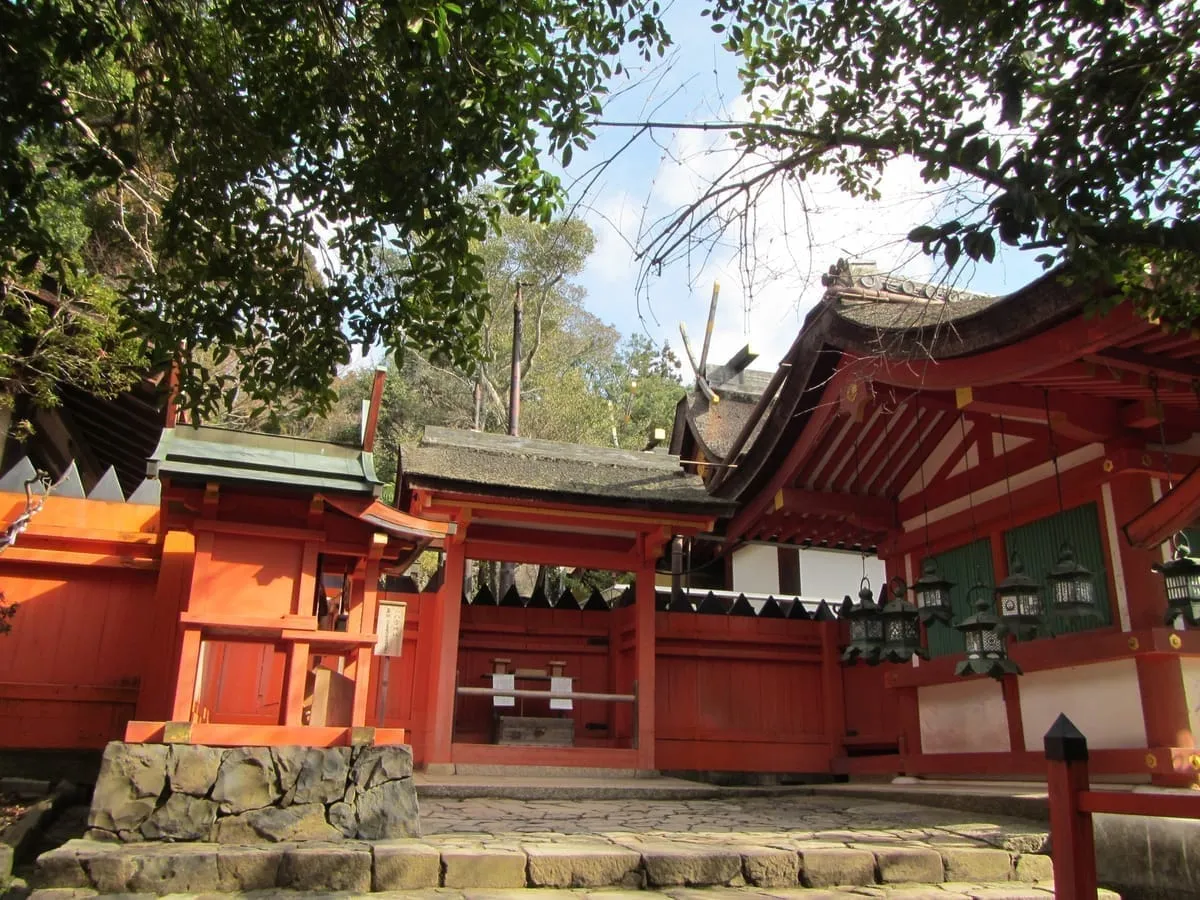
Enshrined Deities: Takemikazuchi-no-mikoto, Futsunushi-no-mikoto, Amenokoyane-no-mikoto, Himegami
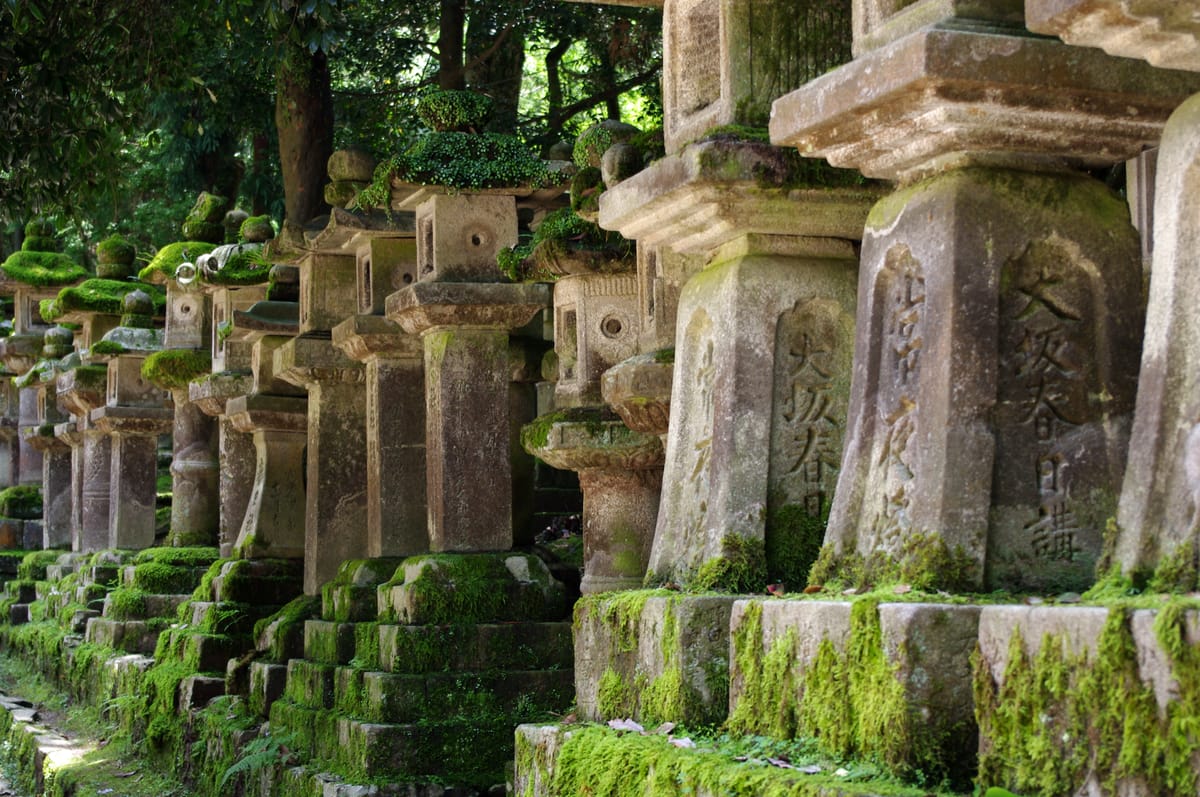
Founded in 768 CE as the guardian shrine of Heijo-kyo (ancient Nara), Kasuga Taisha is famous for its thousands of stone and hanging lanterns. The mystical Mantoro lantern festivals (held during Setsubun and mid-summer) illuminate the entire shrine grounds in a breathtaking display.
- Goshuin Features: Elegant calligraphy reading “Kasuga Taisha” with wisteria family crest. Special limited goshuin available during major festivals
- Fee: 500 yen
- Access: Bus from JR/Kintetsu Nara Station to “Kasuga Taisha Honden” stop
- Highlights: 3,000 stone lanterns, 1,000 hanging lanterns, wisteria blooms (late April-May), deer park, National Treasure Museum
Goshuin Information
| Item | Details |
|---|---|
| Available Hours | 6:00-18:00 (Oct-Mar: until 17:30) |
| Location | Naikai-den Hall |
| Handwritten/Pre-written | Handwritten |
| Limited Goshuin | Yes (Mantoro festivals, wisteria season, New Year) |
2. Omiwa Jinja (大神神社) - Sakurai City
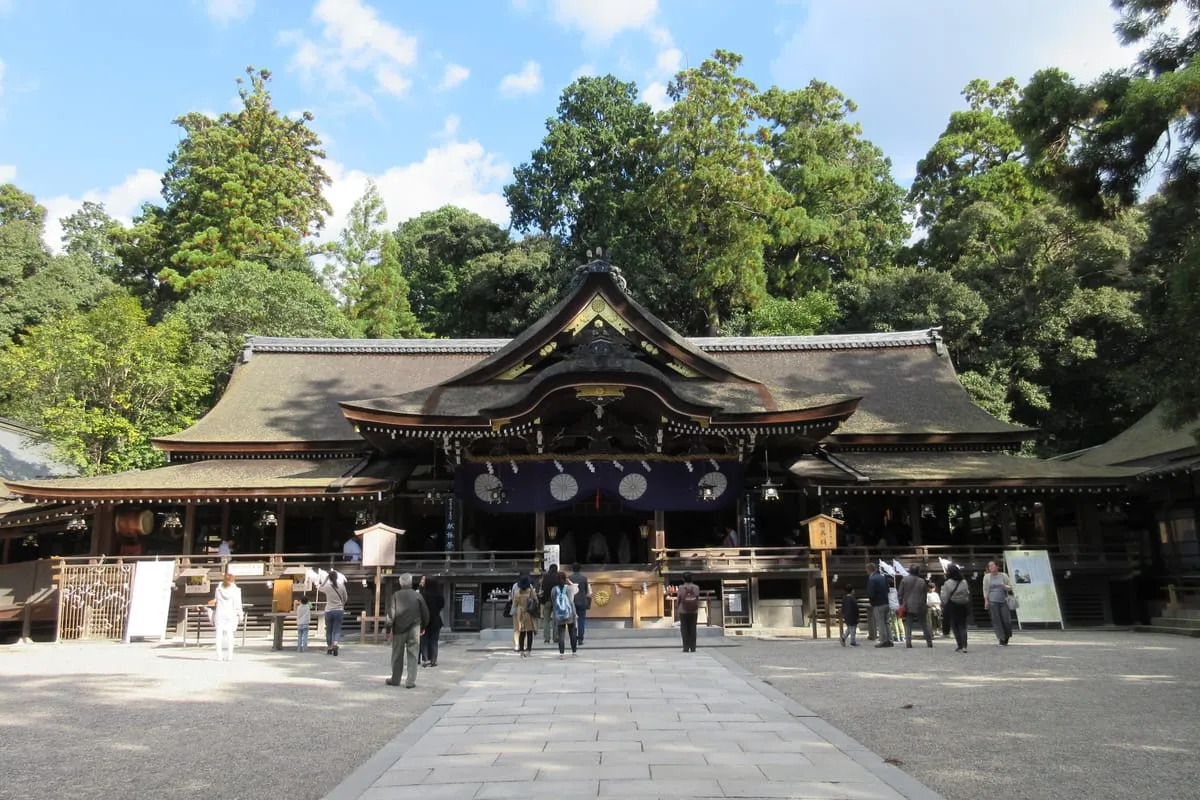
Enshrined Deity: Omononushi-no-okami
One of Japan’s oldest shrines, Omiwa Jinja represents the most ancient form of Shinto worship where the sacred Mount Miwa itself serves as the object of worship (shintai). The shrine has no main hall (honden), preserving the original style of nature worship.
- Goshuin Features: Powerful calligraphy reading “Omiwa Jinja” reflecting the gravity of Japan’s oldest shrine tradition
- Fee: 500 yen
- Access: 5-minute walk from JR Miwa Station
- Highlights: Sacred Mount Miwa, giant torii (32m high), Sai Shrine, Hibaraga Shrine
Goshuin Information
| Item | Details |
|---|---|
| Available Hours | 9:00-17:00 |
| Location | Goshuin office |
| Handwritten/Pre-written | Handwritten |
| Limited Goshuin | Yes (major festivals, New Year) |
3. Isonokami Jingu (石上神宮) - Tenri City
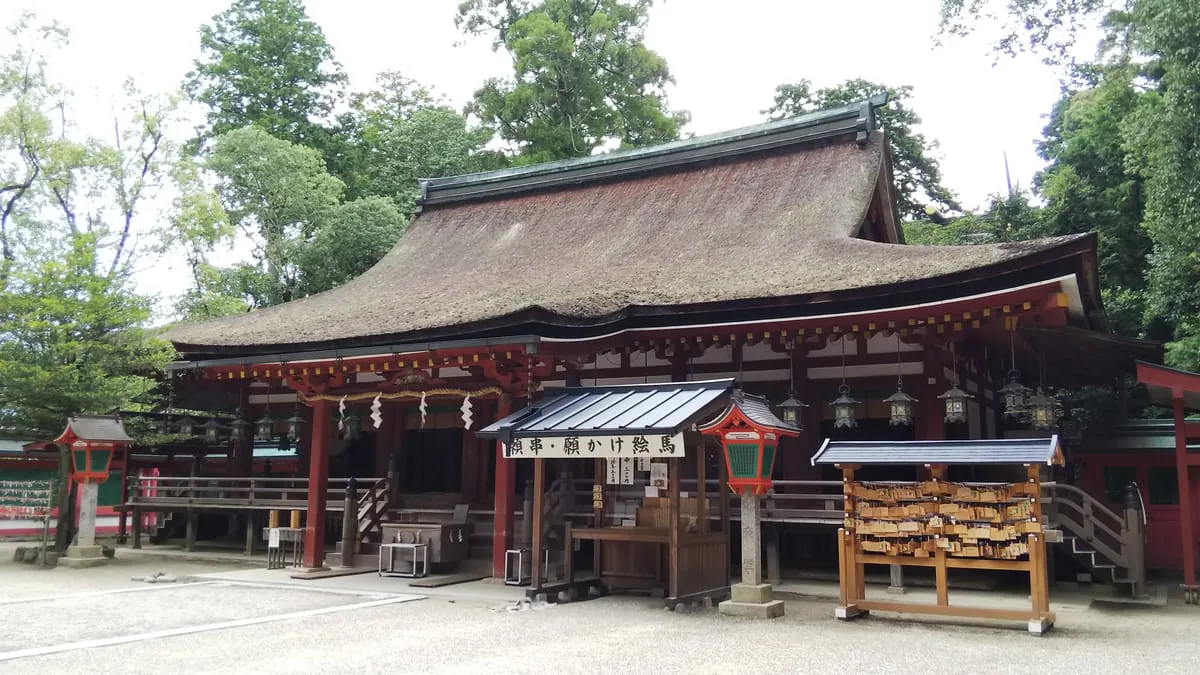
Enshrined Deities: Futsumitama-no-okami, Futama-no-mitama-no-okami, Futsushi-mitama-no-okami
An ancient shrine mentioned in the Nihon Shoki (Chronicles of Japan), Isonokami Jingu enshrines sacred swords and weapons as divine objects. Known as the “Shrine of Martial Power,” it’s famous for its free-roaming sacred roosters that have announced the time since ancient days.
- Goshuin Features: Bold calligraphy reading “Isonokami Jingu” with the power befitting a martial shrine
- Fee: 500 yen
- Access: 3-minute walk from “Isonokami Jingu-mae” bus stop (from JR Tenri Station)
- Highlights: National Treasure worship hall, sacred roosters, Izumo Takeo Shrine, subsidiary shrines
Goshuin Information
| Item | Details |
|---|---|
| Available Hours | 5:30-17:30 (winter: from 6:00) |
| Location | Goshuin office |
| Handwritten/Pre-written | Handwritten |
| Limited Goshuin | Yes (major festivals) |
4. Kashihara Jingu (橿原神宮) - Kashihara City
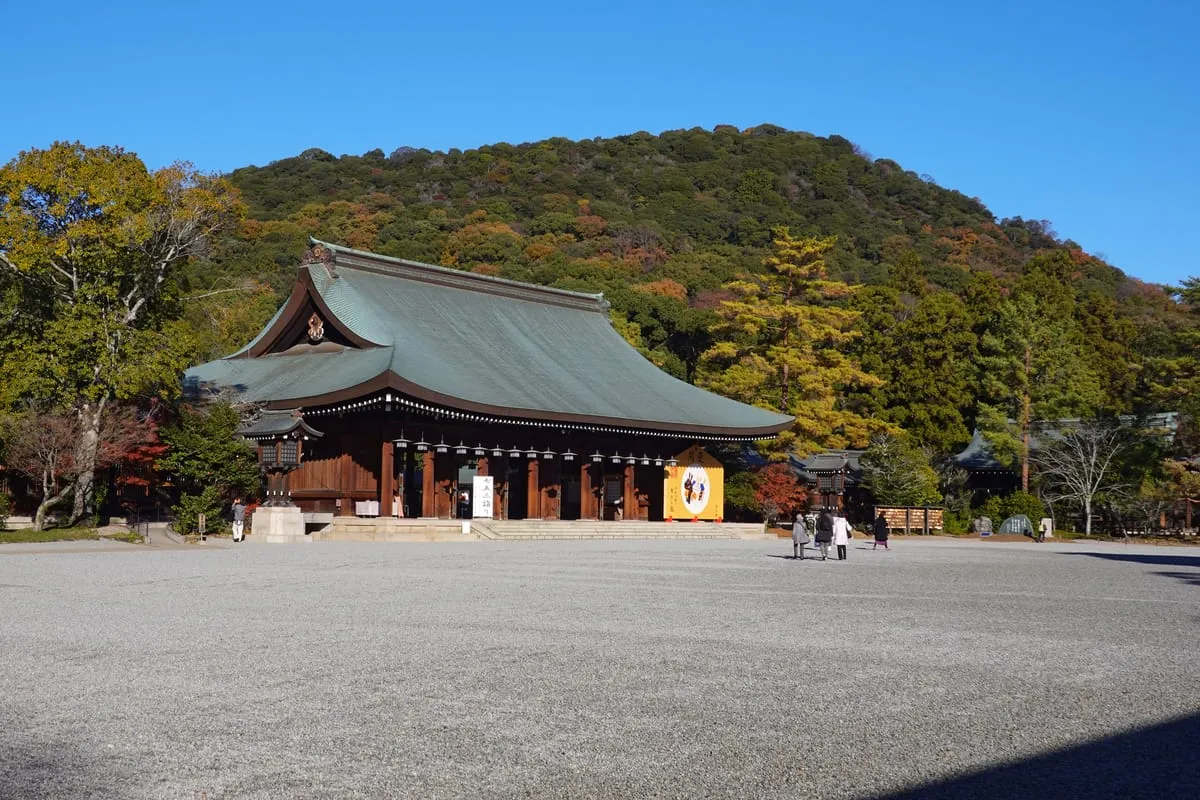
Enshrined Deities: Emperor Jimmu, Empress Himetataraisuzu-hime
Dedicated to Japan’s legendary first emperor, Emperor Jimmu, this shrine was established in 1890 on the site where the emperor is said to have ascended to the throne. It’s revered as the birthplace of the Japanese nation and attracts visitors seeking to connect with Japan’s founding mythology.
- Goshuin Features: Dignified calligraphy reading “Kashihara Jingu” with the three-legged crow (Yatagarasu) seal, embodying the sacred nature of Japan’s founding site
- Fee: 500 yen
- Access: 10-minute walk from Kintetsu Kashihara-jingu-mae Station
- Highlights: Expansive grounds, Fukada Pond, Emperor Jimmu’s mausoleum, Mount Unebi
Goshuin Information
| Item | Details |
|---|---|
| Available Hours | 6:30-17:00 |
| Location | Goshuin office |
| Handwritten/Pre-written | Handwritten |
| Limited Goshuin | Yes (Kigen Festival, Autumn Festival) |
5. Yoshino Mikumari Jinja (吉野水分神社) - Yoshino Town
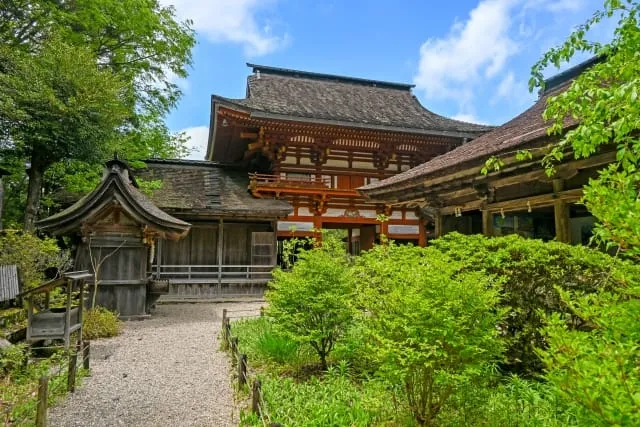
Enshrined Deity: Amenomikumari-no-okami
A UNESCO World Heritage site component of “Sacred Sites and Pilgrimage Routes in the Kii Mountain Range,” this ancient shrine dedicated to water deities also serves as a prayer site for child-bearing, earning it the nickname “Komori-san” (child guardian). Legend says that Toyotomi Hideyoshi prayed here for the birth of his son Hideyori.
- Goshuin Features: Graceful calligraphy reading “Yoshino Mikumari Jinja” with the special significance of a World Heritage shrine
- Fee: 500 yen
- Access: 25-minute walk from Yoshinoyama ropeway station
- Highlights: Cherry blossom viewing (April), Kinpusen-ji Temple, Shugendo pilgrimage site, World Heritage designation
Goshuin Information
| Item | Details |
|---|---|
| Available Hours | 8:00-17:00 |
| Location | Shrine office |
| Handwritten/Pre-written | Handwritten |
| Limited Goshuin | Yes (Cherry Festival, Autumn Festival) |
6. Tanzan Jinja (談山神社) - Sakurai City
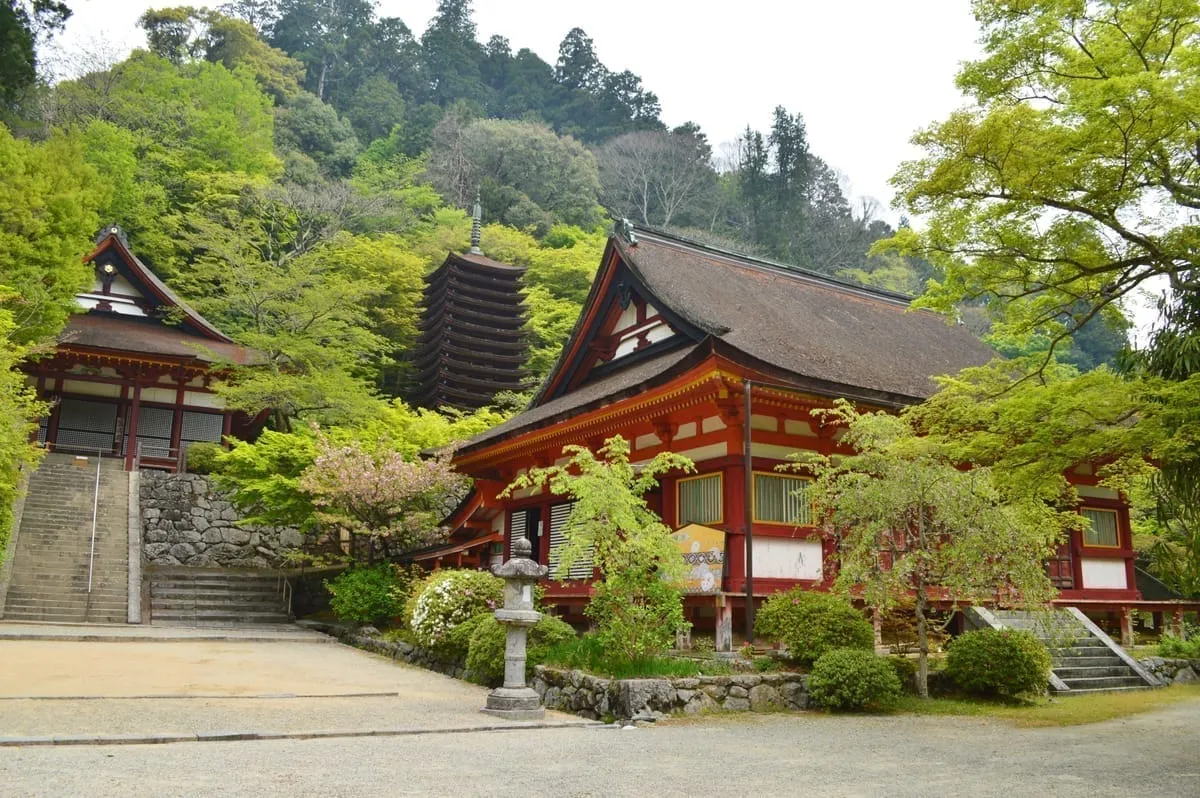
Enshrined Deity: Fujiwara no Kamatari
Dedicated to Fujiwara no Kamatari, the influential statesman who helped establish the Taika Reforms, this shrine is known as the “Nikko of Kansai” for its wooden thirteen-story pagoda (Important Cultural Property) and spectacular autumn foliage.
- Goshuin Features: Elegant calligraphy reading “Tanzan Jinja” reflecting the refined culture of the Fujiwara clan
- Fee: 500 yen
- Access: 3-minute walk from “Tanzan Jinja” bus stop (from JR/Kintetsu Sakurai Station)
- Highlights: Thirteen-story pagoda, autumn leaves (November), Gongen-den, Mani wheel pagoda
Goshuin Information
| Item | Details |
|---|---|
| Available Hours | 8:30-17:00 |
| Location | Goshuin office |
| Handwritten/Pre-written | Handwritten |
| Limited Goshuin | Yes (Kemari Festival, Autumn Leaf Festival) |
7. Himuro Jinja (氷室神社) - Nara City
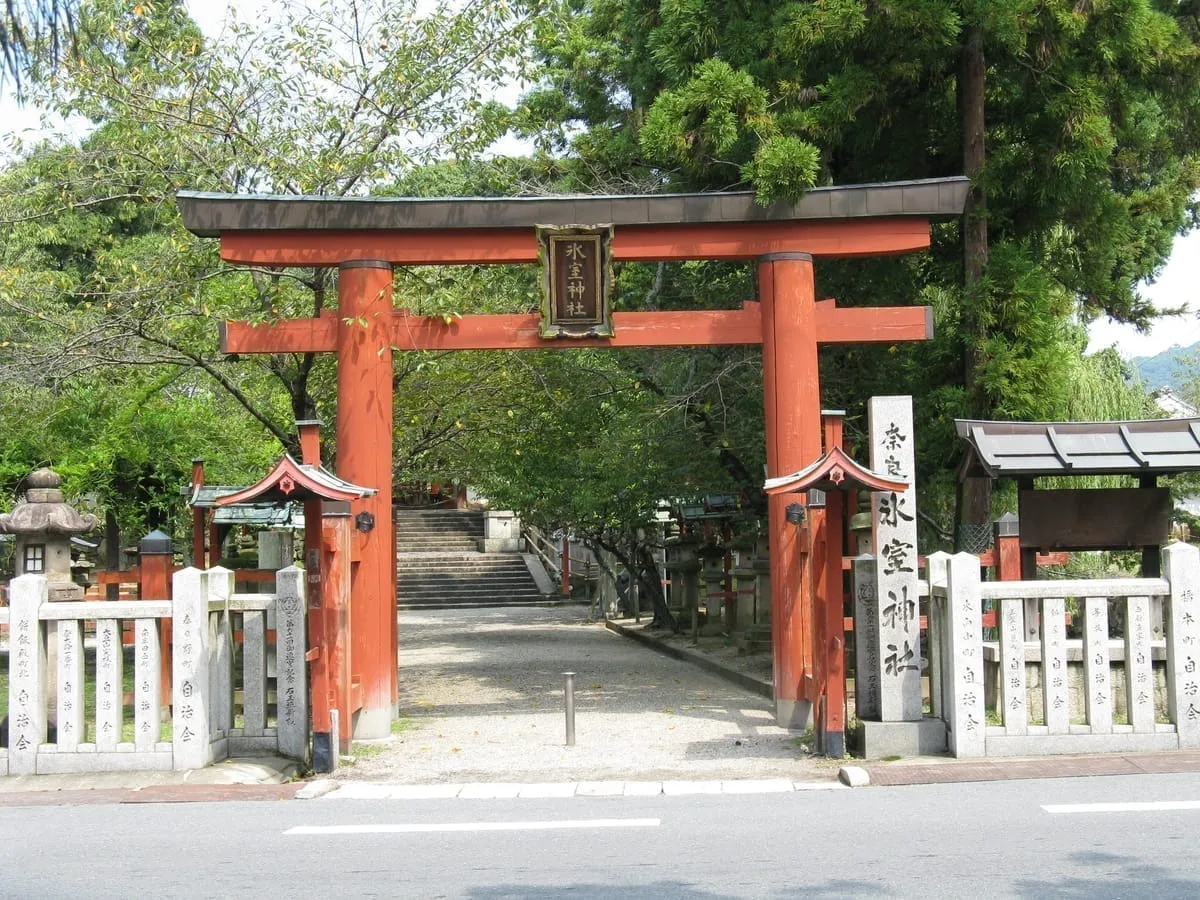
Enshrined Deities: Toki-inaki-oyama-nushi-no-mikoto, Oosagi-no-mikoto, Nukata-onakatsu-hiko-no-mikoto
Named after the ice storage houses (himuro) that existed here during the Nara period, this shrine is famous for its early-blooming weeping cherry blossoms that herald spring in Nara. Located on the approach to Kasuga Taisha, it’s a popular stop for visitors.
- Goshuin Features: Clean calligraphy reading “Himuro Jinja” with occasional cherry blossom seals
- Fee: 500 yen
- Access: 15-minute walk from Kintetsu Nara Station
- Highlights: Weeping cherry blossoms (late March), four-season cherry trees, Ice Lantern Festival (February)
Goshuin Information
| Item | Details |
|---|---|
| Available Hours | 9:00-17:00 |
| Location | Shrine office |
| Handwritten/Pre-written | Handwritten |
| Limited Goshuin | Yes (Cherry Festival, Ice Lantern Festival) |
8. Tamukeyama Hachimangu (手向山八幡宮) - Nara City
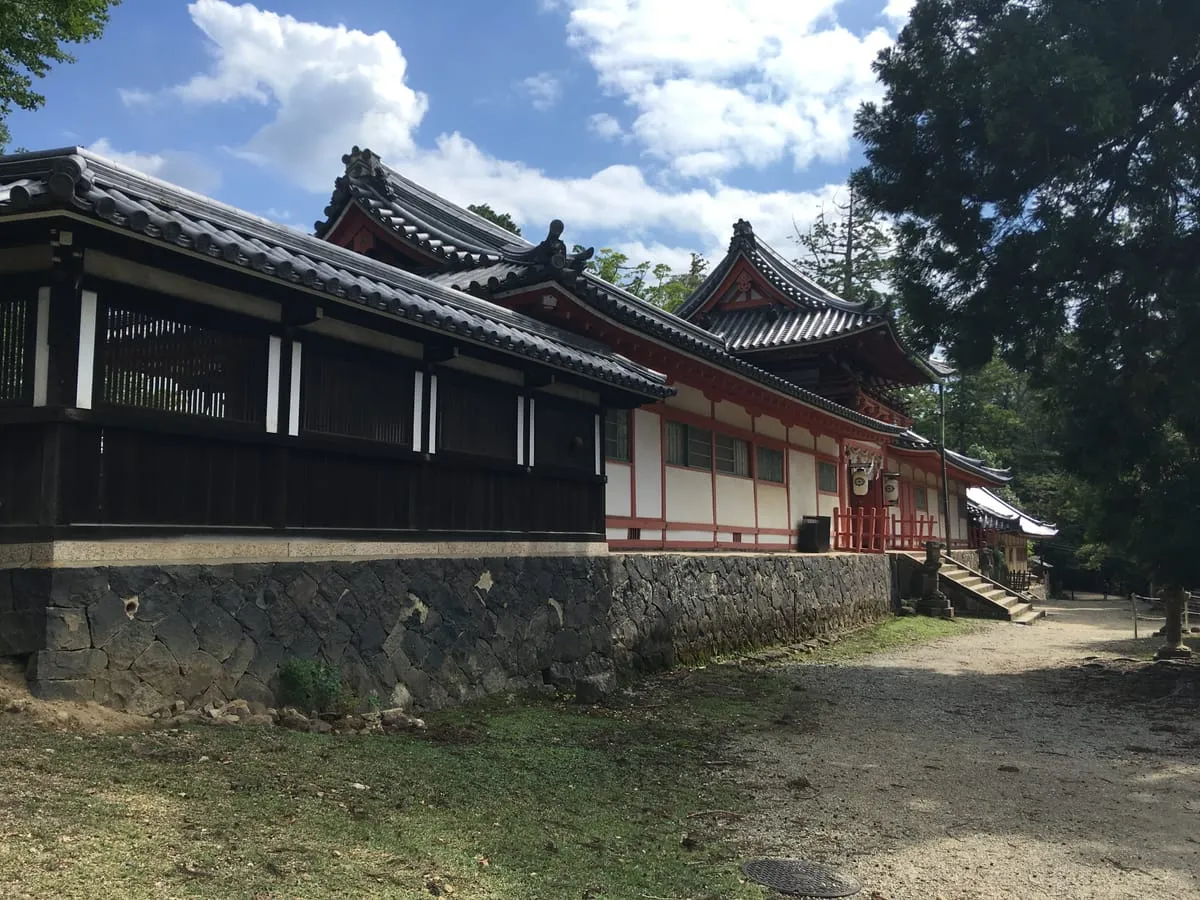
Enshrined Deities: Emperor Ojin, Himegami, Empress Jingu
Founded in 749 CE as the guardian shrine of Todai-ji Temple and its Great Buddha, this shrine is immortalized in classical poetry. The courtier-poet Sugawara no Michizane composed a famous waka poem here about the autumn maple leaves serving as offerings to the gods.
- Goshuin Features: Flowing calligraphy reading “Tamukeyama Hachimangu” with the dignity befitting Todai-ji’s guardian shrine
- Fee: 500 yen
- Access: 10-minute walk from “Todai-ji Daibutsuden/Kasuga Taisha-mae” bus stop
- Highlights: Todai-ji Great Buddha Hall, autumn foliage (November), treasure house, Mount Wakakusa
Goshuin Information
| Item | Details |
|---|---|
| Available Hours | 9:00-16:00 |
| Location | Shrine office |
| Handwritten/Pre-written | Handwritten |
| Limited Goshuin | Yes (autumn season) |
9. Niu Kawakami Jinja Kamisha (丹生川上神社上社) - Kawakami Village
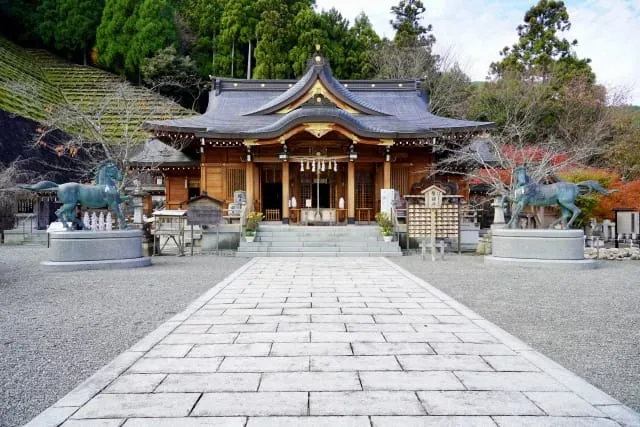
Enshrined Deity: Mizuhanome-no-kami
An ancient shrine dedicated to water deities, historically revered by the imperial court for rain prayers. Located deep in the mountains, this power spot is surrounded by pure water and pristine nature, offering visitors a profound spiritual experience.
- Goshuin Features: Pure calligraphy reading “Niu Kawakami Jinja Kamisha” reflecting the clarity of water deities
- Fee: 500 yen
- Access: About 30 minutes by car from “Kawakami Village Office” bus stop (from Kintetsu Yamato-Kamichi Station)
- Highlights: Clear mountain streams, Water Deity Festival, cherry tree-lined paths, Yoshino River headwaters
Goshuin Information
| Item | Details |
|---|---|
| Available Hours | 9:00-16:00 |
| Location | Shrine office |
| Handwritten/Pre-written | Handwritten |
| Limited Goshuin | Yes (Water Deity Festival) |
10. Hirose Taisha (廣瀬大社) - Kawai Town
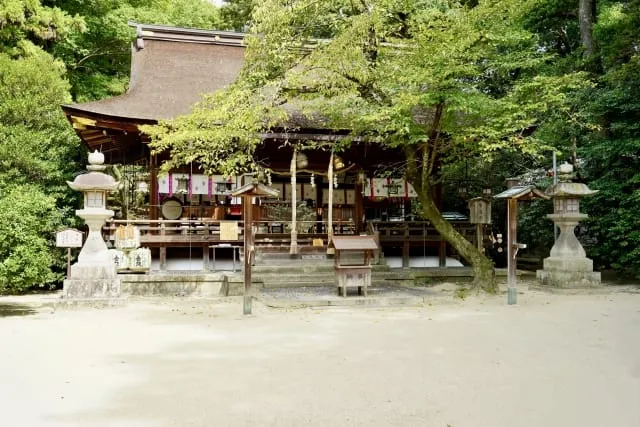
Enshrined Deity: Waka-uka-no-me-no-kami
A prestigious shrine listed in the Engishiki register dedicated to water and agriculture deities. This ancient shrine served as the site for imperial rain prayers and harvest festivals, maintaining strong devotion among agricultural communities to this day.
- Goshuin Features: Stately calligraphy reading “Hirose Taisha” conveying the dignity of an Engishiki-listed shrine
- Fee: 500 yen
- Access: 5-minute walk from “Hirose Jinja” bus stop (from JR Horyuji Station)
- Highlights: Traditional shrine architecture, Sunakake Festival (February 11), Yamato River
Goshuin Information
| Item | Details |
|---|---|
| Available Hours | 9:00-16:30 |
| Location | Shrine office |
| Handwritten/Pre-written | Handwritten |
| Limited Goshuin | Yes (Sunakake Festival) |
11. Tatsuta Taisha (龍田大社) - Sango Town
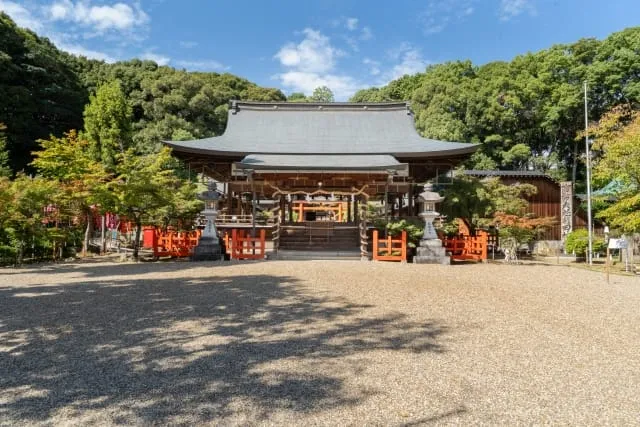
Enshrined Deities: Ame-no-mihashira-no-mikoto, Kuni-no-mihashira-no-mikoto
The head shrine of wind deities throughout Japan, Tatsuta Taisha has served as the site for imperial wind deity festivals since ancient times. Today, it attracts devotion from aviation industry professionals and those seeking protection from typhoons and storms.
- Goshuin Features: Powerful calligraphy reading “Tatsuta Taisha” with dynamic energy befitting wind deities
- Fee: 500 yen
- Access: Direct access from “Tatsuta Taisha-mae” bus stop (from JR/Kintetsu Oji Station)
- Highlights: Wind Pacification Festival (July), autumn foliage, votive tablets featuring airplane contrails
Goshuin Information
| Item | Details |
|---|---|
| Available Hours | 9:00-17:00 |
| Location | Shrine office |
| Handwritten/Pre-written | Handwritten |
| Limited Goshuin | Yes (Wind Festival, autumn season) |
12. Ikoma Taisha (往馬大社) - Ikoma City
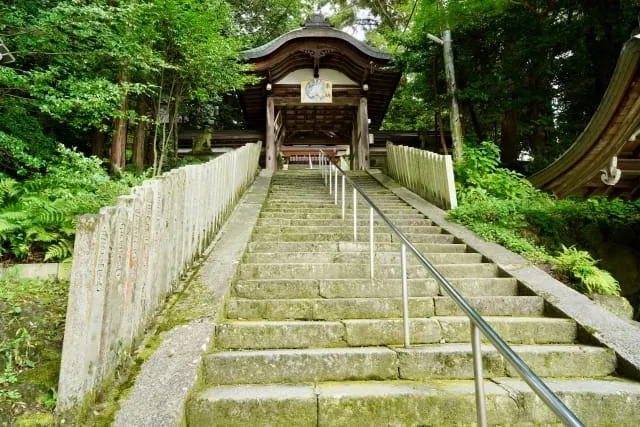
Enshrined Deity: Ikomatsuhiko-no-kami, Ikomatsuhime-no-kami
Located at the western foot of Mt. Ikoma, this ancient shrine is listed in the Engishiki (延喜式), Japan’s 10th-century administrative codex. As the guardian deity of the Ikoma region, it has been venerated since ancient times. The shrine’s annual Fire Festival (火祭り) in October is designated as an Intangible Folk Cultural Property of Nara Prefecture, featuring dramatic torch processions.
- Goshuin Style: Bold calligraphy reading “往馬大社” with a dignified, classical feel befitting an Engishiki shrine
- Fee: ¥500
- Access: 7-minute walk from Kintetsu Ichibu Station
- Highlights: Fire Festival (October), natural surroundings of Mt. Ikoma foothills, Engishiki heritage
Goshuin Information
| Detail | Info |
|---|---|
| Hours | 9:00–17:00 |
| Location | Shrine office (社務所) |
| Handwritten/Pre-written | Handwritten |
| Limited Edition | Yes (Fire Festival, seasonal) |
Recommended Goshuin Pilgrimage Routes in Nara
Nara City Course (Half Day)
Kasuga Taisha → Himuro Jinja → Tamukeyama Hachimangu
Walking distance within Nara Park area. Enjoy interacting with deer while visiting historic shrines.
Ancient Shrines Course (Full Day)
Omiwa Jinja → Isonokami Jingu → Kashihara Jingu
Efficiently visit Japan’s oldest-class shrines by train. Immerse yourself in the world of Japanese mythology.
Mountain Shrines Course (Full Day)
Yoshino Mikumari Jinja → Tanzan Jinja → Ikoma Taisha
Nature-filled course visiting mountain shrines. Especially recommended during autumn foliage season.
Engishiki Shrines Course (Two Days)
Hirose Taisha → Tatsuta Taisha → Niu Kawakami Jinja Kamisha
Tour prestigious shrines recognized since the Heian period. Experience history at a leisurely pace.
Enhancing Your Nara Goshuin Experience
Each shrine in ancient Nara represents over 1,000 years of sacred history. Before visiting, research each shrine’s founding story and enshrined deities to deepen your spiritual experience.
Many of Nara’s shrines are located in mountainous or nature-rich settings, allowing you to enjoy seasonal changes throughout your pilgrimage. Record the beauty of spring cherry blossoms, summer greenery, autumn foliage, and winter snow scenes alongside your goshuin collection.
The “Goshuin Meguri” app makes it easy to manage detailed shrine information, pilgrimage records, and photo collections. The AI guide “Hakuko” provides historical explanations for each shrine and suggests optimal pilgrimage routes.
Image Licenses
- Kasuga Taisha: Kakidai, CC BY-SA 4.0, via Wikimedia Commons
- Omiwa Jinja: Ōmiwa shrine by 663highland, CC BY-SA 3.0, via Wikimedia Commons
- Isonokami Jingu: Isonokami Shrine by 663highland, CC BY-SA 3.0, via Wikimedia Commons
- Kashihara Jingu: Kashihara Shrine by 663highland, CC BY-SA 3.0, via Wikimedia Commons
- Tanzan Jinja: Tanzan shrine by 663highland, CC BY-SA 3.0, via Wikimedia Commons
- Himuro Jinja: Himuro Shrine by Saigen Jiro, CC0, via Wikimedia Commons
- Tamukeyama Hachimangu: Tamukeyama-hachimangu by 663highland, CC BY-SA 3.0, via Wikimedia Commons