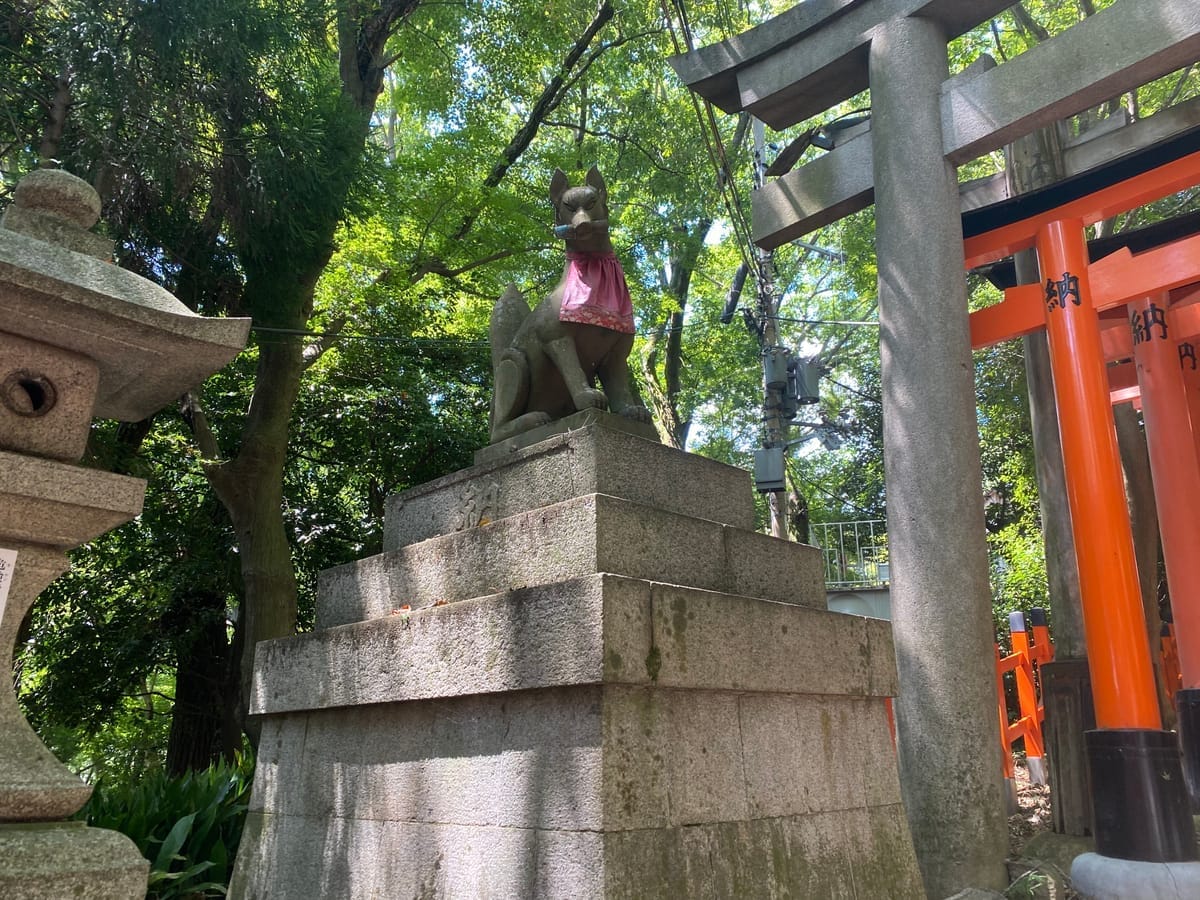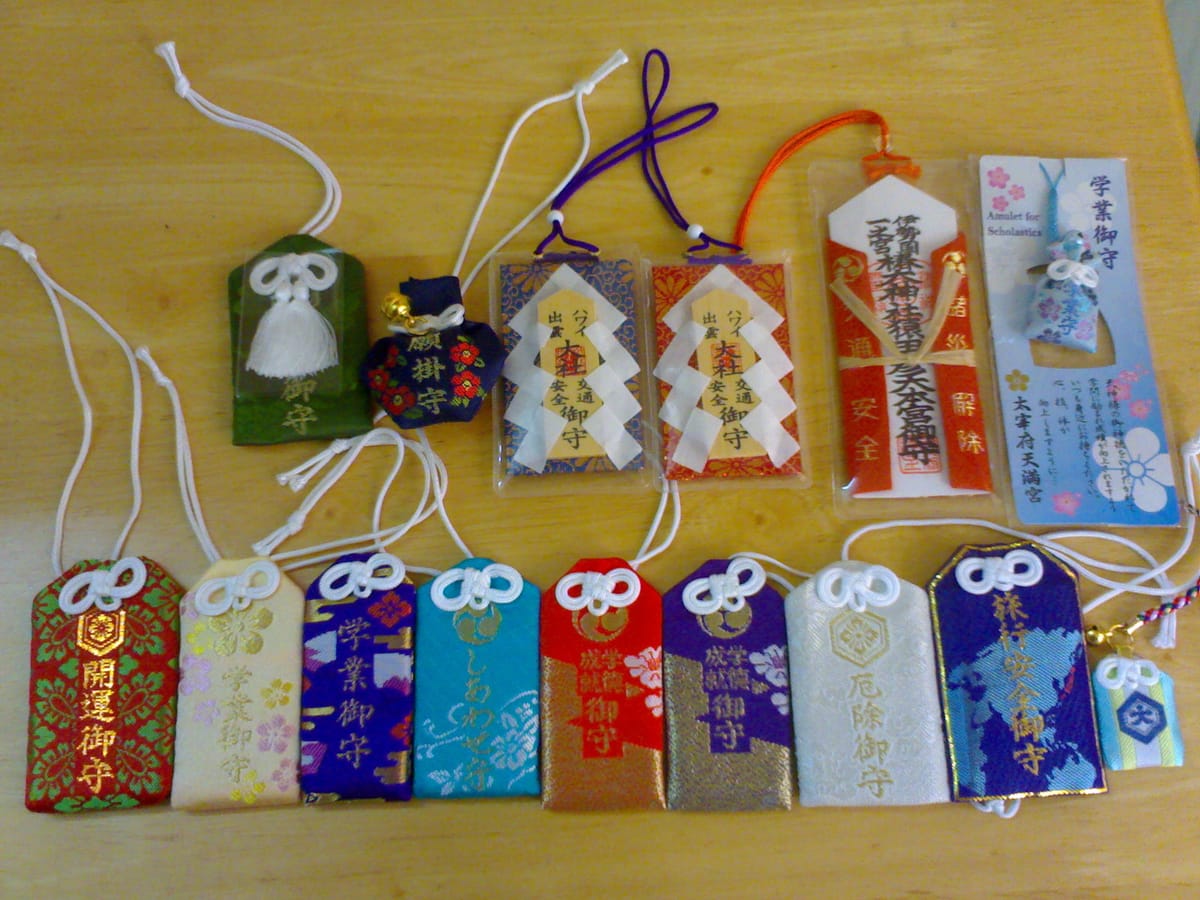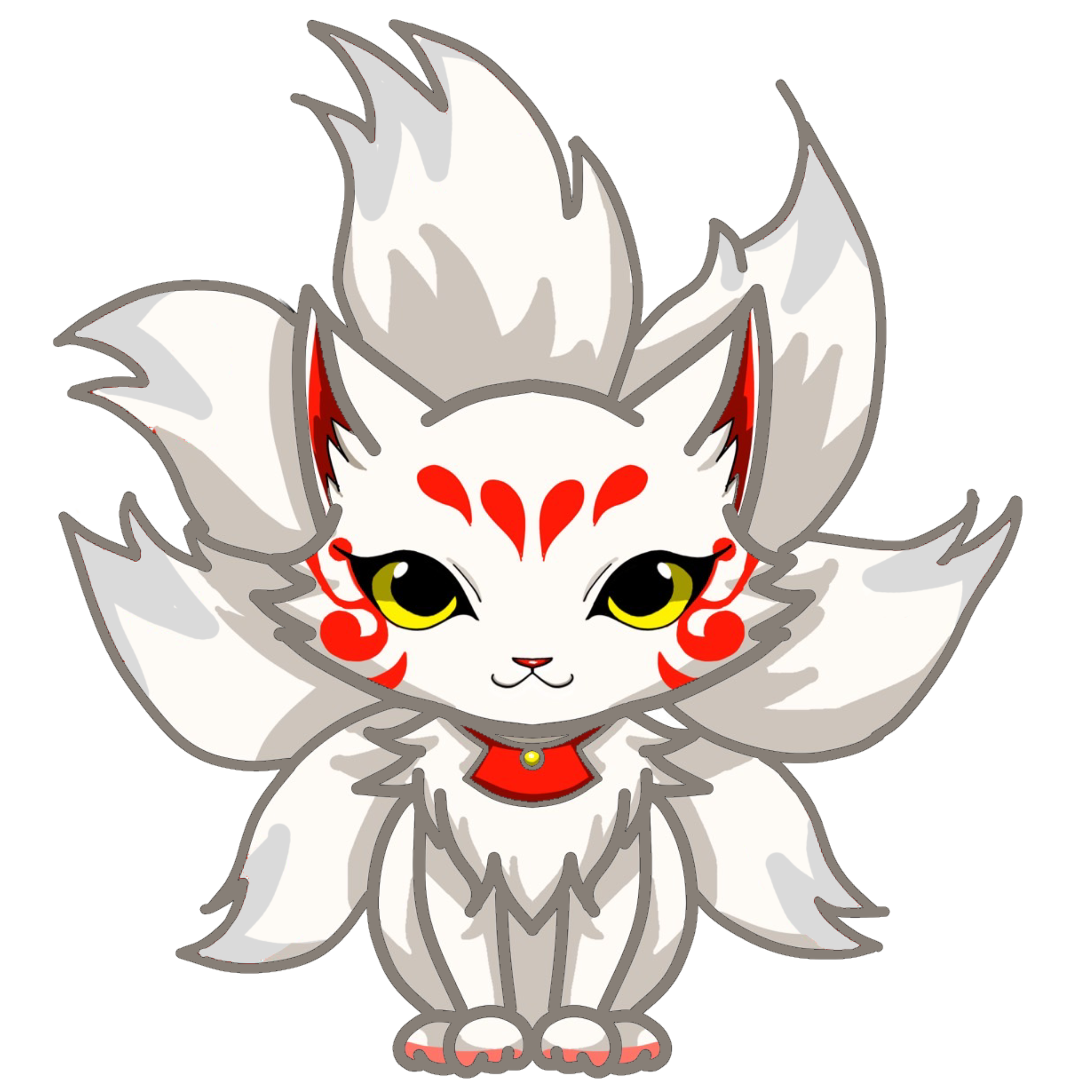
When visiting Japanese shrines, you may notice fox statues flanking stone lanterns, deer wandering freely through a sacred precinct, or a three-legged crow engraved on a shrine seal. These are not decorative choices — they are shinshi (神使), the sacred animal messengers of the gods.
Understanding shinshi transforms a shrine visit from sightseeing into a deeper encounter with Japan’s living mythology.
What Are Shinshi?
Shinshi (神使) — literally “divine messengers” — are animals believed in Shinto to serve as intermediaries between the gods (kami) and the human world. They carry the will of a particular deity, guard the shrine precinct, and signal the kami’s presence.
The concept appears in the Kojiki (712 CE) and Nihon Shoki (720 CE), Japan’s oldest chronicles. Each shrine’s shinshi is closely connected to the identity of its enshrined deity — knowing which animal to look for is the first step in reading a shrine’s deeper story.
Shinshi are also called kenzoku (眷属, “attendants”) or o-tsukai (お使い, “divine envoys”).
Major Shinshi and Their Shrines
Fox (Kitsune) | Inari Shrines
The fox is the shinshi of Japan’s approximately 30,000 Inari shrines, making it the most widely encountered sacred animal in the country. The principal deity at Inari shrines is Ukanomitama-no-kami, a god of agriculture and industry — not the fox itself. Rather, foxes serve as the deity’s messengers.
In ancient agricultural society, foxes were revered for driving away rodents that threatened grain stores, establishing their role as protectors of the harvest. Over time they became synonymous with the shrine’s divine presence.
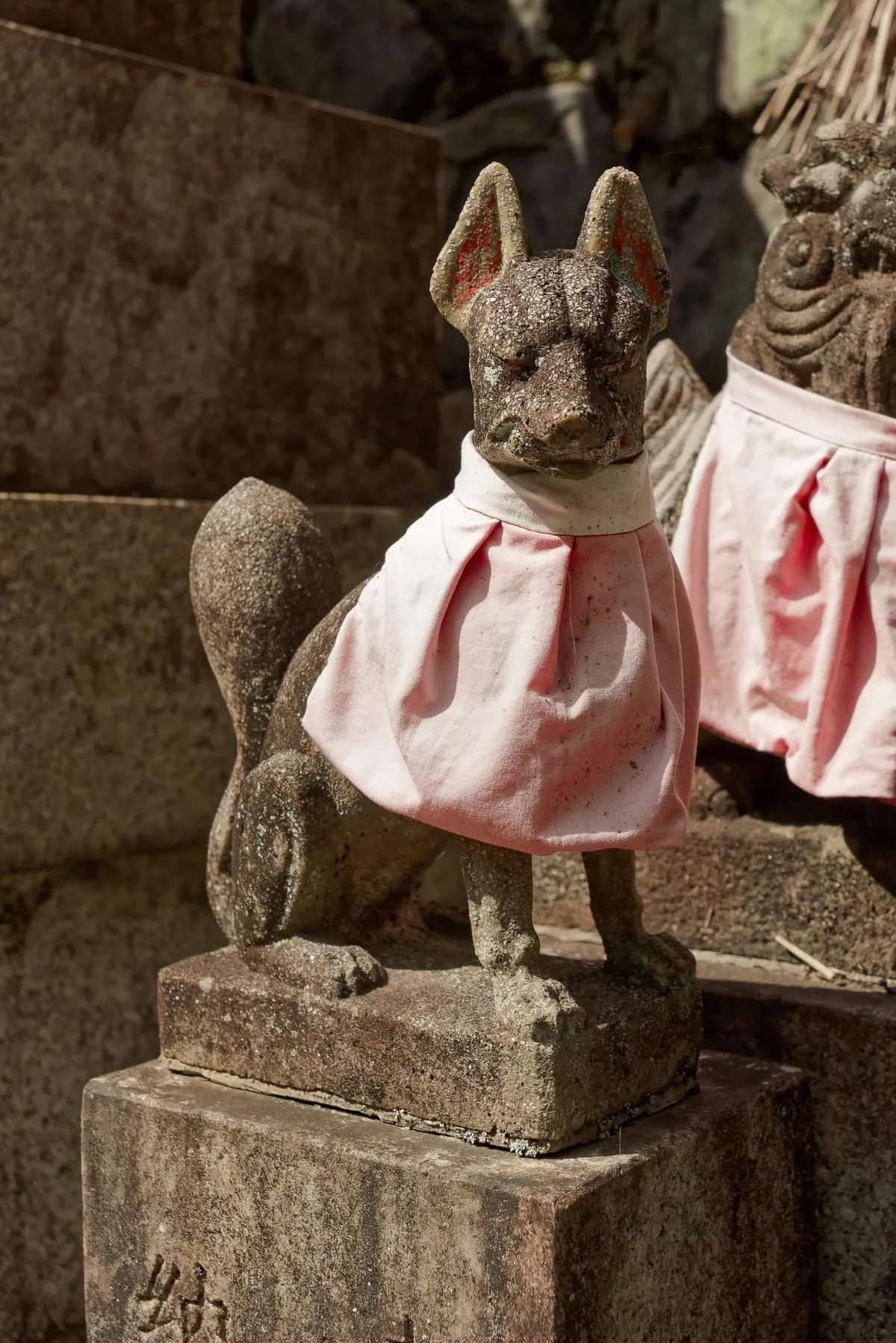
Shrine fox statues always appear in pairs, each holding a meaningful object:
- Key — the key to the kami’s sacred storehouse
- Scroll — divine wisdom and teachings
- Jewel (hōju) — the kami’s spiritual power
- Rice sheaf — abundance and harvest
Look closely at the fox pairs at Fushimi Inari Taisha — each statue has a subtly different expression and object, telling its own small story.
Deer (Shika) | Kasuga Taisha & Kashima Jingu
The deer roaming freely through Nara are not simply a tourist attraction — they are shinroku (神鹿), sacred deer of Kasuga Taisha. When Kasuga Taisha was founded in 768 CE, legend holds that the deity Takemikazuchi-no-kami arrived riding a white deer from Kashima Shrine in Ibaraki Prefecture. From that moment, the deer of Nara became divine.
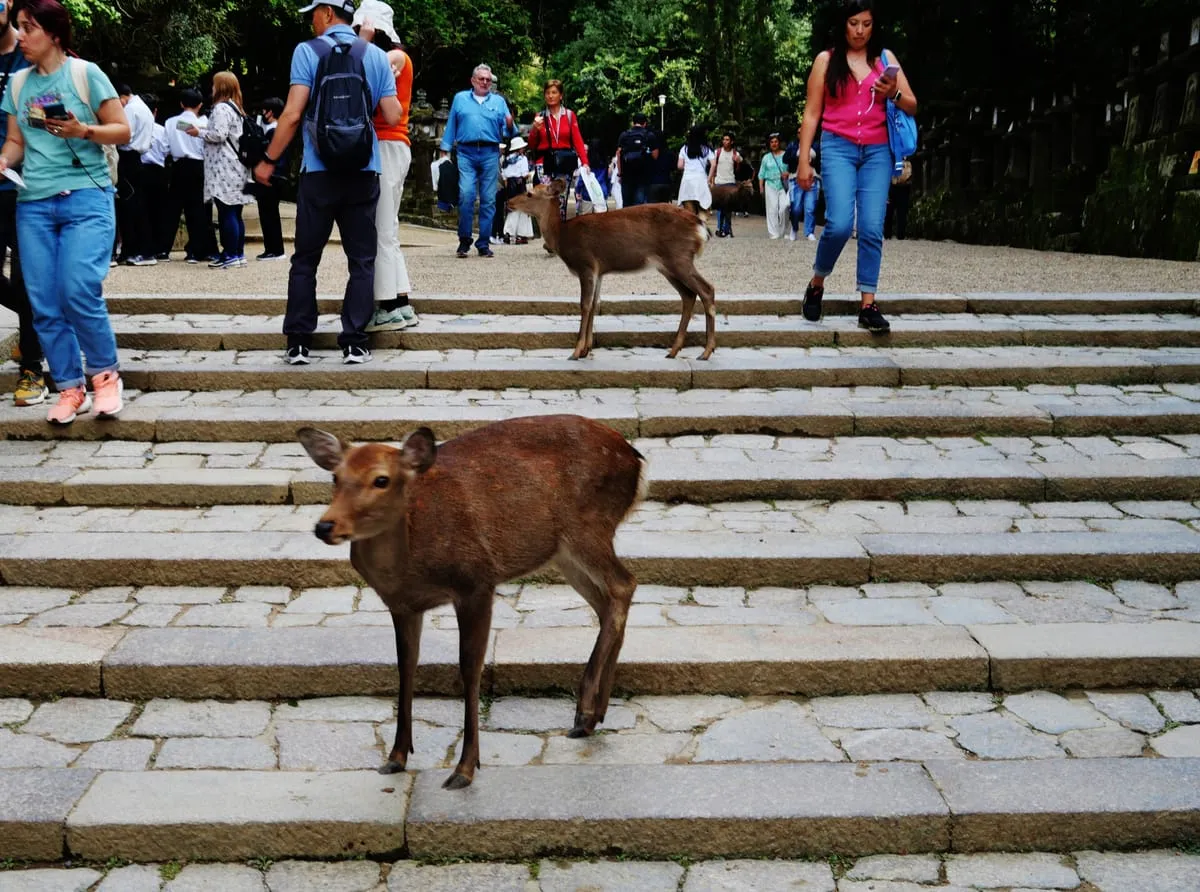
Approximately 1,200 deer still live freely in Nara today. This is no accident of nature — before the Meiji period, harming a sacred deer was a capital offense. The reverence lasted centuries and shaped the deer population we see today.
Kashima Jingu in Ibaraki also protects sacred deer, and Katori Jingu in Chiba shares a related deer tradition through its connection to the same group of deities.
Dove (Hato) | Hachiman Shrines
With over 44,000 shrines across Japan, Hachimangu shrines form one of the largest shrine networks in the country. Their shinshi is the dove (hato).
The connection between Emperor Ojin (enshrined as Hachiman deity) and doves dates to legends surrounding Empress Jingu’s campaigns. The dove’s association with peace and good omens made it a natural symbol for a deity worshipped by warriors and farmers alike.
At Usa Jingu (Oita Prefecture), the founding shrine of the Hachiman tradition, dove motifs appear throughout the architecture and ritual items. The popular “mukai-bato” (facing doves) design appears on shrine crests and goshuin (shrine stamps) at many Hachiman shrines including Iwashimizu Hachimangu in Kyoto.
Three-Legged Crow (Yatagarasu) | Kumano Shrines
The Yatagarasu (八咫烏) — a supernatural crow with three legs — is the shinshi of the Kumano Sanzan: Kumano Hongu Taisha, Kumano Hayatama Taisha, and Kumano Nachi Taisha in Wakayama Prefecture.
According to the Nihon Shoki, when Emperor Jimmu lost his way in the mountains of Kumano during his campaign to unify Japan, the sun goddess Amaterasu sent Yatagarasu to guide him to safety. The crow led the imperial army through the wilderness to victory.
Why three legs? Interpretations vary — some scholars see the three legs as representing heaven, earth, and humankind; others connect them to the sun (in Chinese mythology, a three-legged crow lives in the sun). Either way, the number three carries sacred significance in Shinto cosmology.
You may recognize Yatagarasu from another context: it is the emblem of the Japan Football Association (JFA), chosen for its symbolism as a divine guide to victory.
Ox (Ushi) | Tenmangu Shrines
The ox is the shinshi of Tenmangu and Tenjin shrines dedicated to Sugawara no Michizane (845–903 CE), the deified scholar and statesman. Michizane was born in the year of the ox, and legend says an ox carrying his coffin stopped and refused to move at the spot where he was to be buried — a site that became Dazaifu Tenmangu in Fukuoka.
Every Tenmangu shrine contains at least one nade-ushi (撫で牛) — a seated bronze ox statue worn smooth by centuries of visitors. The belief: rub the part of the ox’s body that corresponds to your own ailment, and it will heal. Rub the head, and wisdom follows. During exam season, the ox’s head receives an extraordinary amount of attention.
Monkey (Saru) | Hiyoshi Taisha & Sanno Faith
Hiyoshi Taisha at the foot of Mount Hiei in Shiga Prefecture venerates the monkey (saru) as its divine messenger. The wordplay is significant: ma-ga-sa-ru means “evil departs,” making the monkey a powerful talisman against misfortune.
Living sacred monkeys (masaru, 神猿) are kept within the shrine precinct — a rare surviving practice. Monkey amulets from Hiyoshi Taisha are among the most sought-after protective charms in the Kansai region.
The connection extends to Edo: when Tokugawa Ieyasu established the shogunate, Hie Jinja (Akasaka, Tokyo) was placed at the northeastern “demon gate” of Edo Castle, invoking the Sanno faith’s monkey deity as protection against evil entering the capital.
Shinshi and Goshuin | Collecting with New Eyes
Knowing shinshi changes how you read goshuin (shrine stamps). Once you recognize the divine animal associated with each shrine, the motifs in the seals and calligraphy carry new meaning.
Shrines with Notable Shinshi Goshuin
| Shrine | Shinshi | Goshuin Feature |
|---|---|---|
| Fushimi Inari Taisha | Fox | Fox and torii gate stamps |
| Kasuga Taisha | Deer | Seasonal deer silhouette goshuin |
| Iwashimizu Hachimangu | Dove | Facing doves (mukai-bato) crest |
| Kumano Hongu Taisha | Yatagarasu | Three-legged crow seal |
| Yushima Tenmangu | Ox | Plum blossom and ox design |
Seasonal and special limited goshuin often feature illustrated shinshi, particularly during festivals tied to the animal in question. Researching a shrine’s shinshi before visiting prepares you to appreciate — and recognize — what you receive.
Shinshi Watching: Tips for Your Visit
- Shinshi vs. Komainu — Stone guardian dogs (komainu) are general shrine guardians found at most shrines. Shinshi are specific to the deity of that particular shrine.
- Check the shrine crest — Doves, deer, foxes, and crows often appear in the sacred emblem (shinmon) stamped on goshuin and carved on lanterns.
- Read the enshrinement board — Information boards inside the precinct often explain the shinshi’s origin story, giving context you won’t find in guidebooks.
The next time you step through a torii gate, ask yourself: which animal belongs here, and why? The answer opens a window into a mythology thousands of years old.
Related Articles
- Inari Faith: Why Red Torii Gates and Foxes?
- Guide to Shinto Deities | Amaterasu, Susanoo, Inari and More