When you visit a neighborhood shrine in Japan, you might hear it called the ujigami-sama, the ubusuna-sama, or the chinju-sama. The terms are often used interchangeably — but they have different origins and, strictly speaking, different meanings.
Understanding the distinction doesn’t change how you bow or when you clap. But it does give you a clearer picture of how Shinto relates people to land — and why the small shrine at the end of your block matters in ways that Meiji Shrine or Fushimi Inari doesn’t.
The Three Concepts at a Glance
| Concept | Reading | Original meaning |
|---|---|---|
| 氏神 | Ujigami | The guardian deity of a clan or kinship group |
| 産土神 | Ubusunagami | The deity of the land where you were born |
| 鎮守神 | Chinjugami | The deity that guards a specific place or community |
The same local shrine might function as all three — but the concepts point in different directions:
- Ujigami is about lineage (whose descendants are you?)
- Ubusunagami is about birthplace (where were you born?)
- Chinjugami is about location (where do you live now?)
Ujigami: The Clan’s Guardian
The term ujigami (氏神) originally referred to the protective or ancestral deity of an uji — a clan organized around kinship.
Ancient Japanese society was structured around powerful clans: the Fujiwara, Minamoto, Taira, Tachibana, and others. Each clan had its own deity, and the clan’s male members were obligated to perform rituals in that deity’s honor. Kasuga Taisha for the Fujiwara, Isonokami Shrine for the Mononobe — these were ujigami shrines in the original sense.
Members of the clan were called ujiko (氏子), literally “children of the clan.” The shrine they supported was the ujisha (氏社).
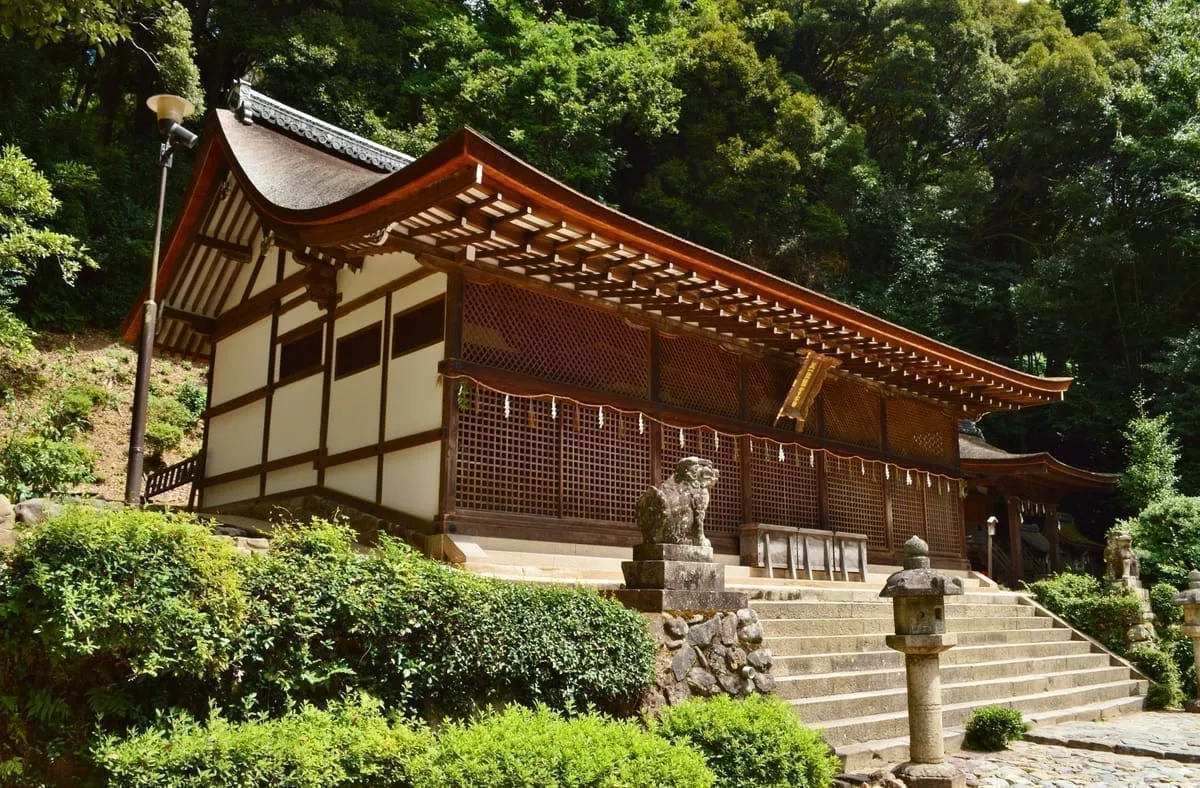
The most literal embodiment of this concept today is Ujigami Shrine (宇治上神社) in Uji, Kyoto — a UNESCO World Heritage site whose name translates directly as “Ujigami Shrine.” It enshrines the guardian deity of the ancient Uji clan, and its main hall (honden) is the oldest surviving shrine building in Japan, dating to the late Heian period.
Ubusunagami: The Deity of Your Birthplace
Ubusunagami (産土神) is the kami of the specific piece of earth where you were born.
The word breaks down as ubu (birth, the first time) + suna (sand, soil) — literally “the deity of the birth-soil.” In traditional belief, a person enters the protection of their ubusunagami at the moment of birth and remains under that deity’s care for life.
This is the kami you were assigned by geography, not by blood. Even if you leave your hometown at age two and never return, the belief holds that your ubusunagami continues to watch over you.
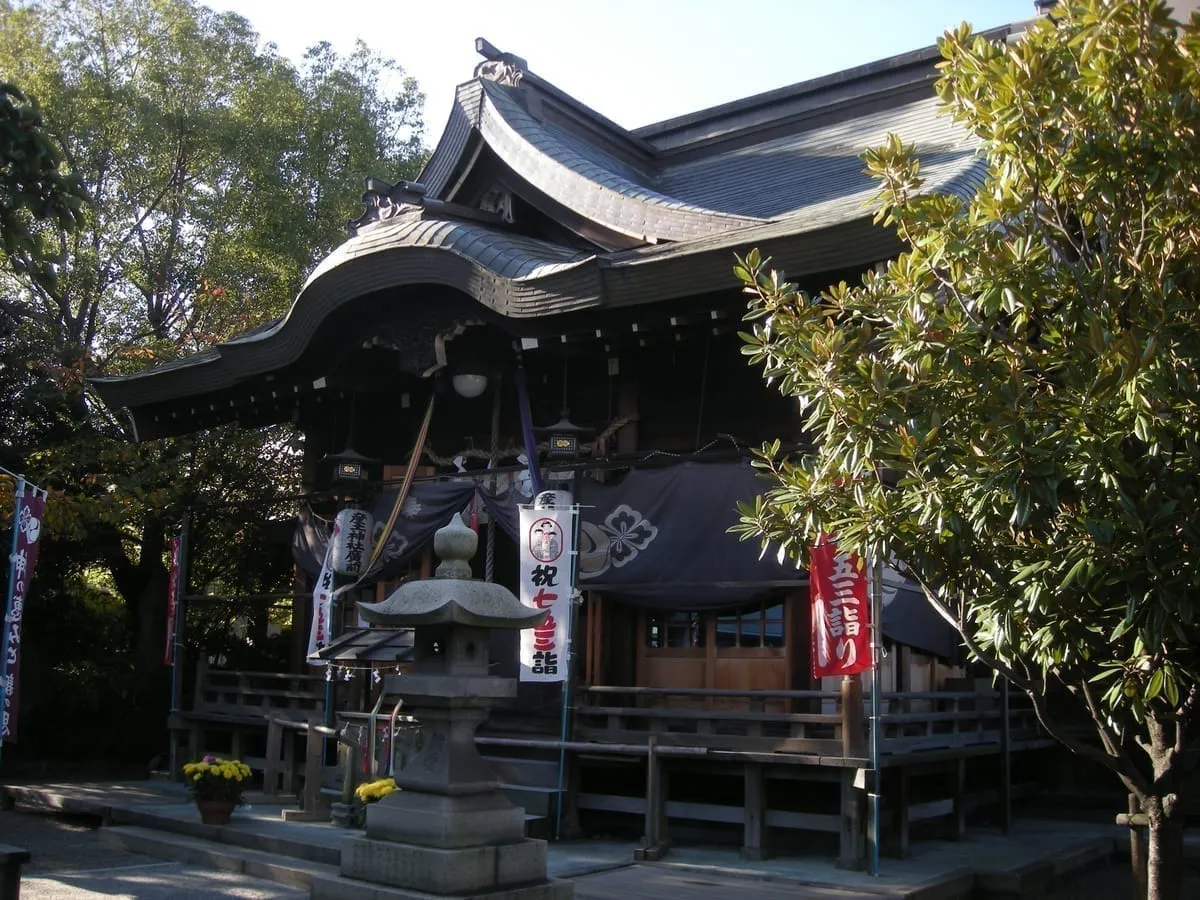
The first shrine visit after a child’s birth — called miyamairi (宮参り) — traces to this tradition. Parents bring the newborn to the local shrine to announce the birth to the ubusunagami and ask for the child’s protection.
Because the ubusunagami is tied to birthplace rather than residence, it doesn’t change when you move. Your hometown shrine retains its spiritual connection to you even after you’ve long since left.
Chinjugami: The Deity of a Place
Chinjugami (鎮守神) is a guardian kami tied to a specific location — a settlement, a building, a patch of land.
The word chinju (鎮守) means “to guard and pacify the land.” The concept appears in two distinct historical contexts:
1. State-level chinju: When the imperial state organized Buddhism across Japan, each major temple complex received a Shinto shrine (chinju-sha) to protect it. The nation itself had its guardians — shrines designated to protect the realm.
2. Community-level chinju: Every village, town, and settlement had its local guardian — the chinju-sama (鎮守様). This deity was the spiritual anchor of the community. Festivals were performed as offerings to this kami, and the shrine was the ceremonial center of village life.
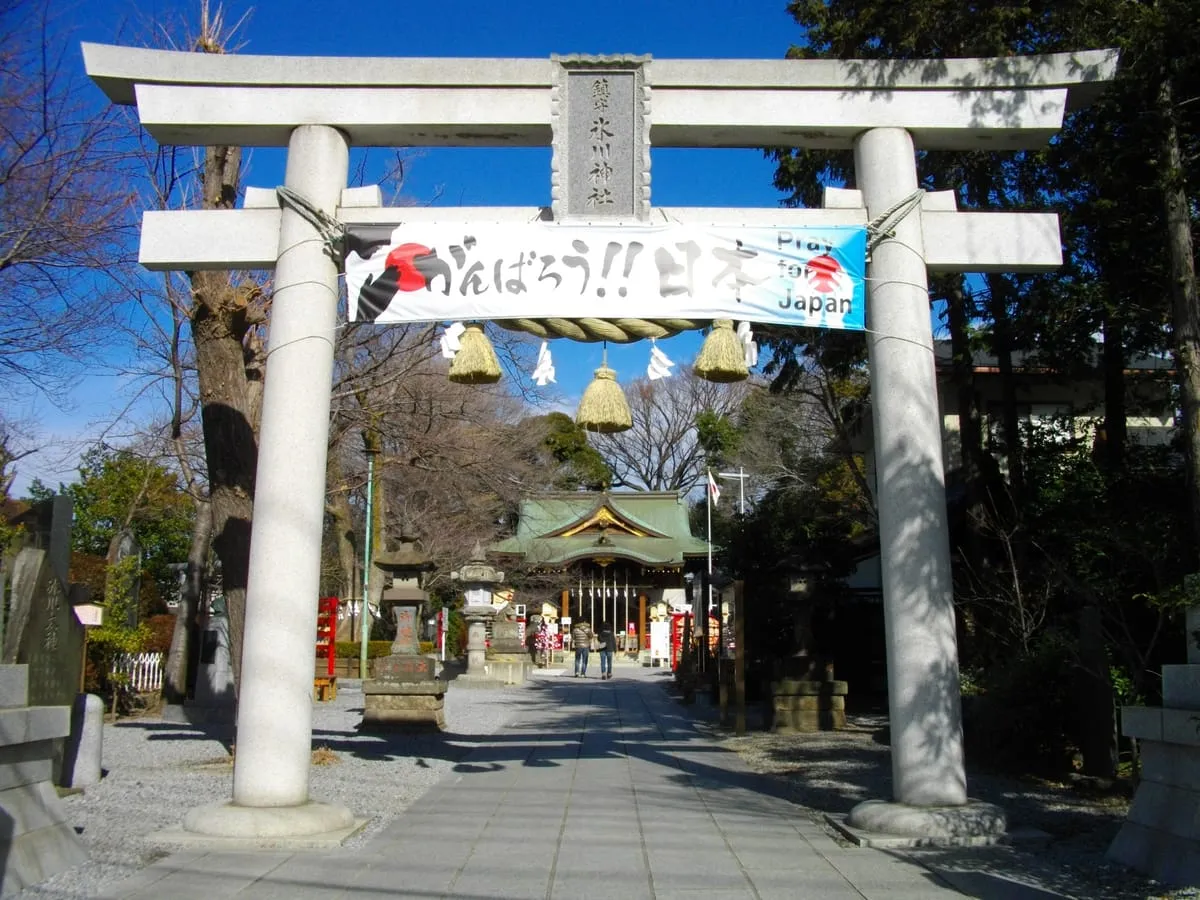
The informal term chinju-sama survives in everyday speech throughout Japan, especially in rural areas, as a warm, familiar way to refer to the neighborhood guardian shrine.
Why the Three Concepts Blur Together
These distinctions exist clearly in historical texts, but in daily practice, the terms have overlapped and merged for centuries.
The Breakdown of Clan Society
The original ujigami was a deity of kinship. As clan-based society gave way to territorial administration during the Heian and Kamakura periods, the ujigami concept gradually shifted: the deity of the bloodline became the deity of the neighborhood.
People living in the same area — regardless of ancestry — came to share a common ujigami. Blood became geography.
Buddhist Syncretism
During the centuries of shinbutsu-shūgō (神仏習合) — the fusion of Shinto and Buddhism — shrine deities were understood as Buddhist figures in another form, and vice versa. Chinju shrines were integrated into temple complexes, absorbing both Shinto and Buddhist protective functions.
The 1868 Shinbutsu Bunri (神仏分離) decree separated the two traditions, but by that point the concepts had been entangled for over a thousand years.
The Modern Ujiko District System
Contemporary Japanese Shinto uses the term ujiko-ku (氏子区域) — the “parish” of a shrine — to define which households belong to which shrine. This is based not on bloodline but on residence: your ujigami is determined by your current address, not your ancestors’ clan affiliations.
The result: the three terms — ujigami, ubusunagami, chinju-sama — have converged on a single practical meaning: the shrine of the neighborhood where you live.
How They Differ in Practice Today
| Term | Common usage today |
|---|---|
| 氏神様 | The shrine of your current residential district; the shrine you “belong to” |
| 産土様 | The shrine of your birthplace; the shrine you return to visit when you go home |
| 鎮守様 | The community guardian; often used affectionately for the local shrine |
“Going to pay respects to the ujigami-sama” typically means visiting the shrine that manages your current neighborhood.
“Going to the ubusuna-sama” carries a nuance of return — visiting the shrine of one’s hometown, often during homecoming travel.
Finding Your Ujigami Shrine
To identify which shrine manages your residential area:
- Ask a nearby shrine directly. Most shrine offices (shakumusho) maintain maps of their ujiko district boundaries.
- Contact your prefectural Jinja-chō (神社庁). Each prefecture’s Shrine Administration office tracks these districts. Most have inquiry forms online.
- Ask your neighborhood association (chōnaikai). The shrine whose annual festival the neighborhood association organizes is almost certainly its chinju or ujigami shrine.
The practical moments when this matters: moving to a new home (it’s traditional to visit the local ujigami to announce your arrival), major life events like marriage, pregnancy, or building a house, and New Year’s visits (hatsumode).
What This Means for Goshuin Collecting
Most ujigami, ubusuna, and chinju shrines are not tourist destinations. They don’t appear in travel guides. Their goshuin may be modest — a simple stamp, a clean ink impression, no elaborate artwork.
This is, for some collectors, the point.
Japan has approximately 80,000 shrines. The vast majority are exactly these kinds of local guardian shrines — serving a neighborhood, a village, a district. A goshuin from a small local shrine carries a different kind of meaning than one from Fushimi Inari or Atsuta Shrine: it is a mark of that specific piece of land, witnessed by relatively few visitors.
Some collectors organize their practice around a deliberate focus on local shrines: visiting their own ujigami in each city they travel to, collecting the ubusuna shrine of their birthplace, or simply choosing one neighborhood shrine per day instead of multiple famous sites.
Knowing the vocabulary — ujigami, ubusunagami, chinjugami — gives you a framework for thinking about what neighborhood shrines are, and why they exist in the form they do.
Related Articles
- Shrine Ranks: Ichinomiya, Sōsha, and the Old Prestige System
- Shinshi: The Sacred Animals of Japanese Shrines
- Sessha and Massha: The Small Shrines Within a Shrine
Image Credits
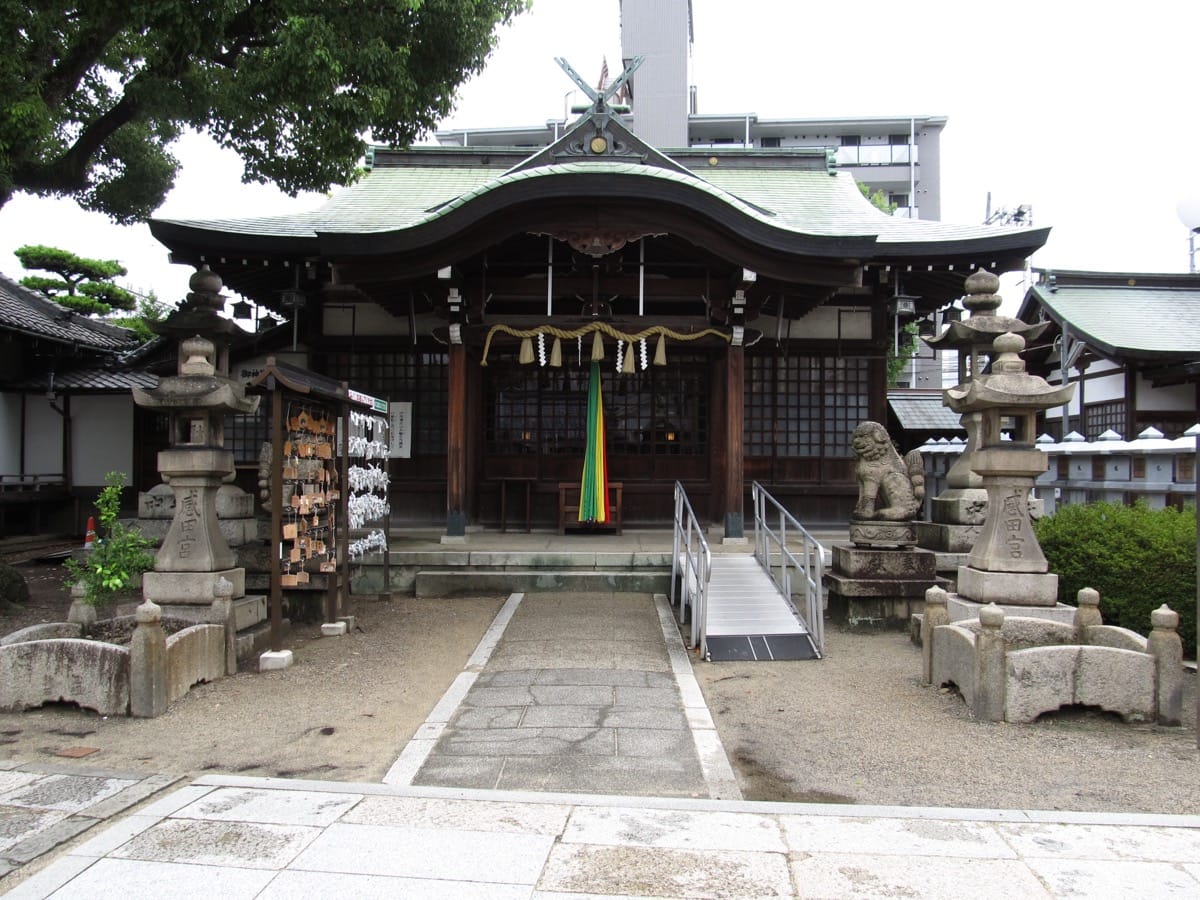
- Honden of Ujigami Shrine (Uji, Kyoto): Saigen Jiro, CC0 1.0 Public Domain, via Wikimedia Commons
- Haiden of Ubusuna Shrine (Konohana Ward, Osaka): Bittercup, CC BY-SA 3.0, via Wikimedia Commons
- Torii gate of Chinju Hikawa Shrine (Saitama): Abasaa, Public Domain, via Wikimedia Commons