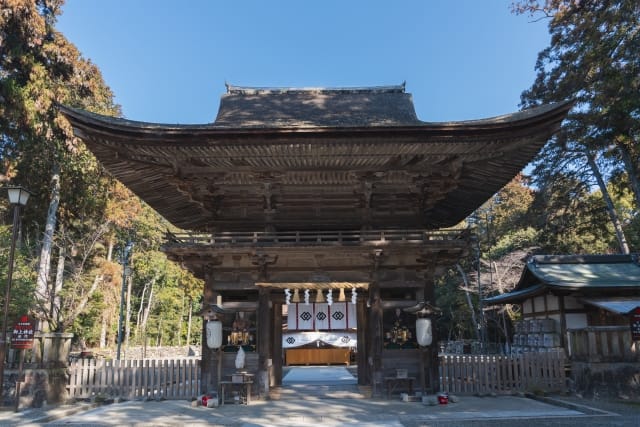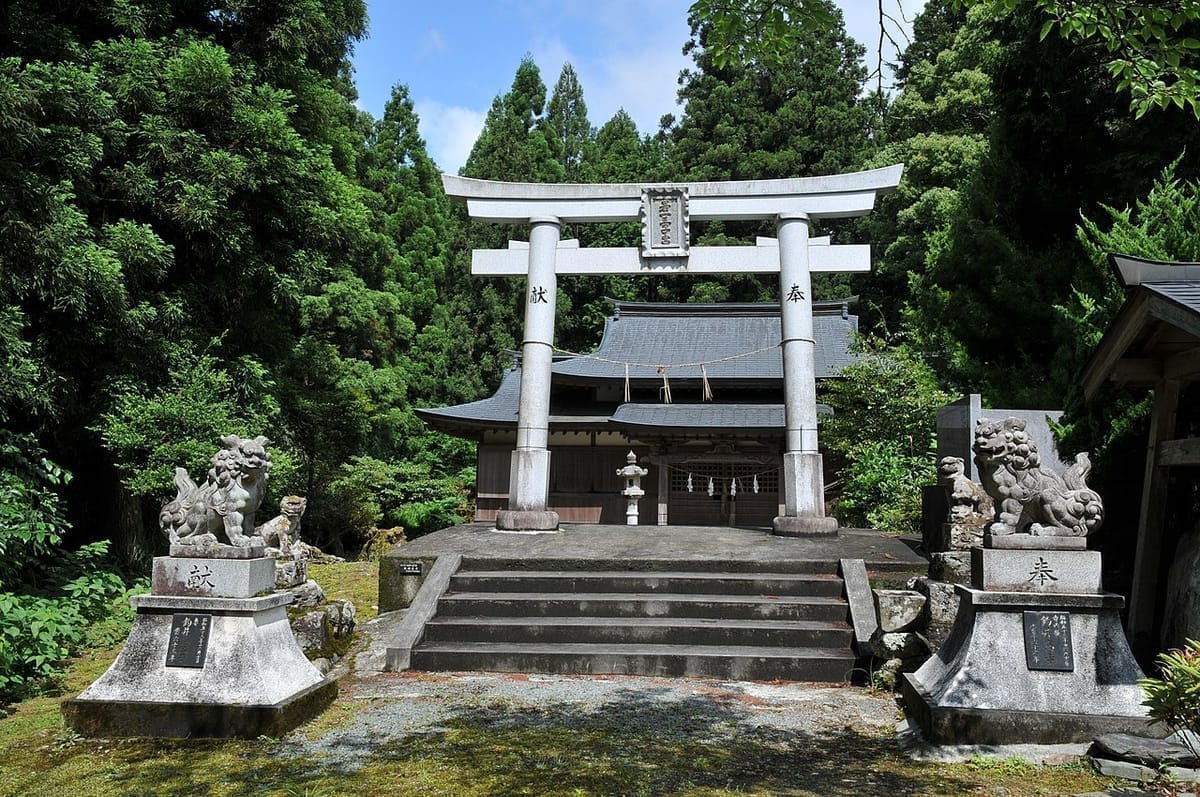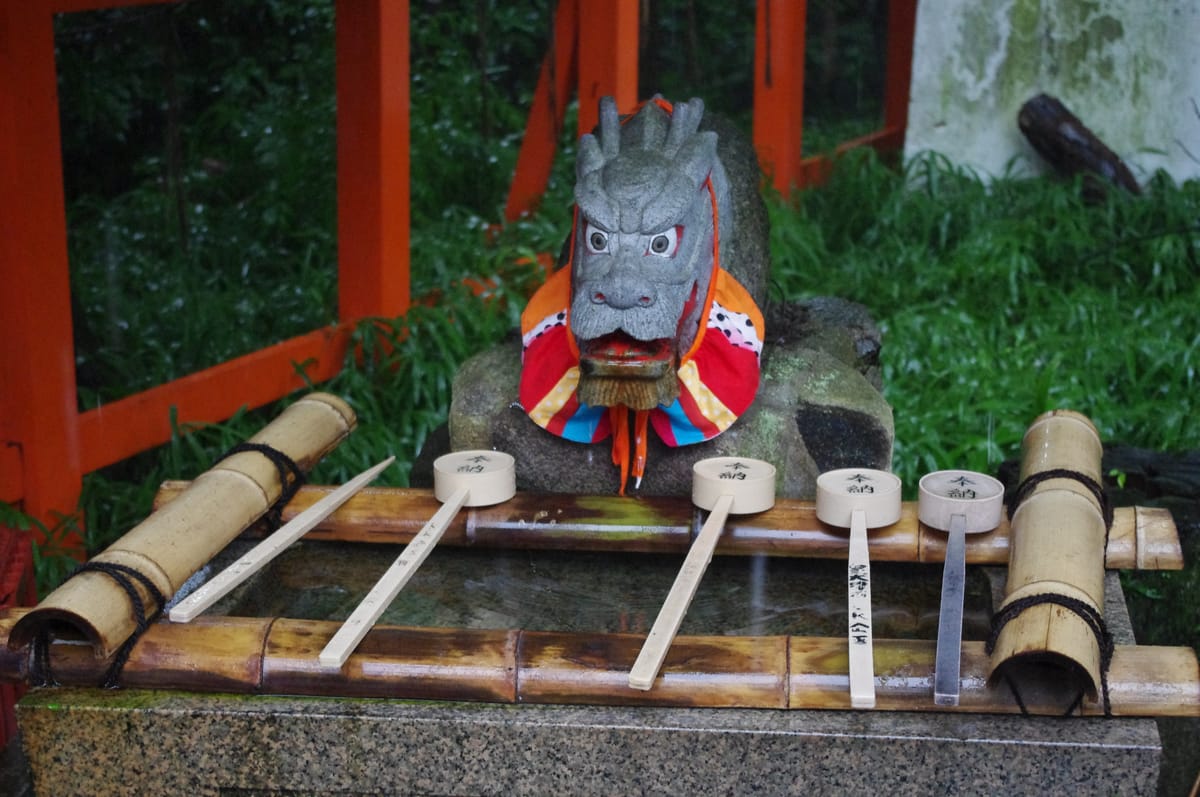
The honden (main hall) of a Japanese shrine is the most sacred building where the deity resides. Standing behind the worship hall where visitors pray, this structure embodies over a thousand years of architectural wisdom passed down through generations.
Shrine main halls feature four primary architectural styles: Shinmei, Taisha, Nagare, and Kasuga-zukuri. Each developed unique beauty suited to divine nature and Japan’s climate.
Understanding these architectural styles deepens your goshuin collection journey significantly. You’ll be able to read the history and prestige of shrines through their buildings.
Shinmei-zukuri | The Origin of Divine Architecture
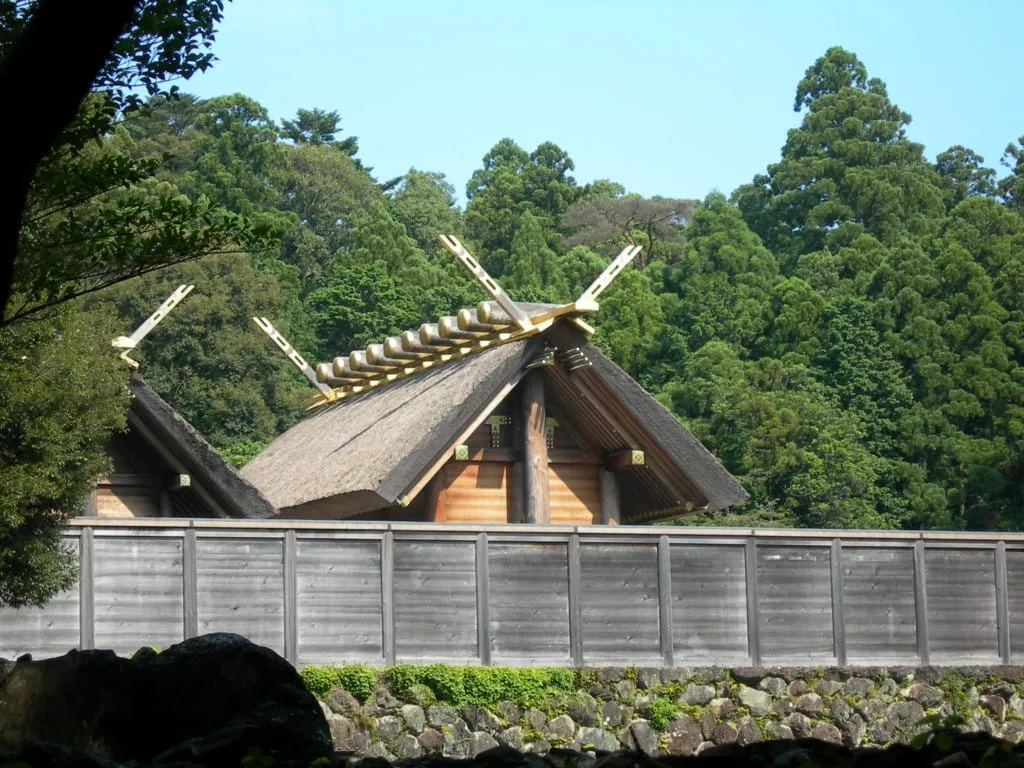
Shinmei-zukuri represents the origin of shrine architecture. Exemplified by Ise Grand Shrine, this style derives from ancient raised storehouses and emphasizes purity and cleanliness above all.
Characteristics of Shinmei-zukuri
- Gabled roof — Simple triangular roofline
- Hiraiiri (parallel entrance) — Entrance on the long side
- Chigi and katsuogi — Decorative roof elements
- Linear columns — Straight lines without decoration
The chigi (crossed roof finials) indicate the deity’s gender through their cut: vertical cuts for male deities, horizontal cuts for female deities.
Representative Shinmei-zukuri Shrines
- Ise Grand Shrine (Mie) — The supreme example of Shinmei-zukuri
- Omiwa Shrine (Nara) — Unique shrine without a main hall
- Atsuta Shrine (Aichi) — Houses one of the Three Sacred Treasures
Taisha-zukuri | Izumo’s Unique Architectural Legacy
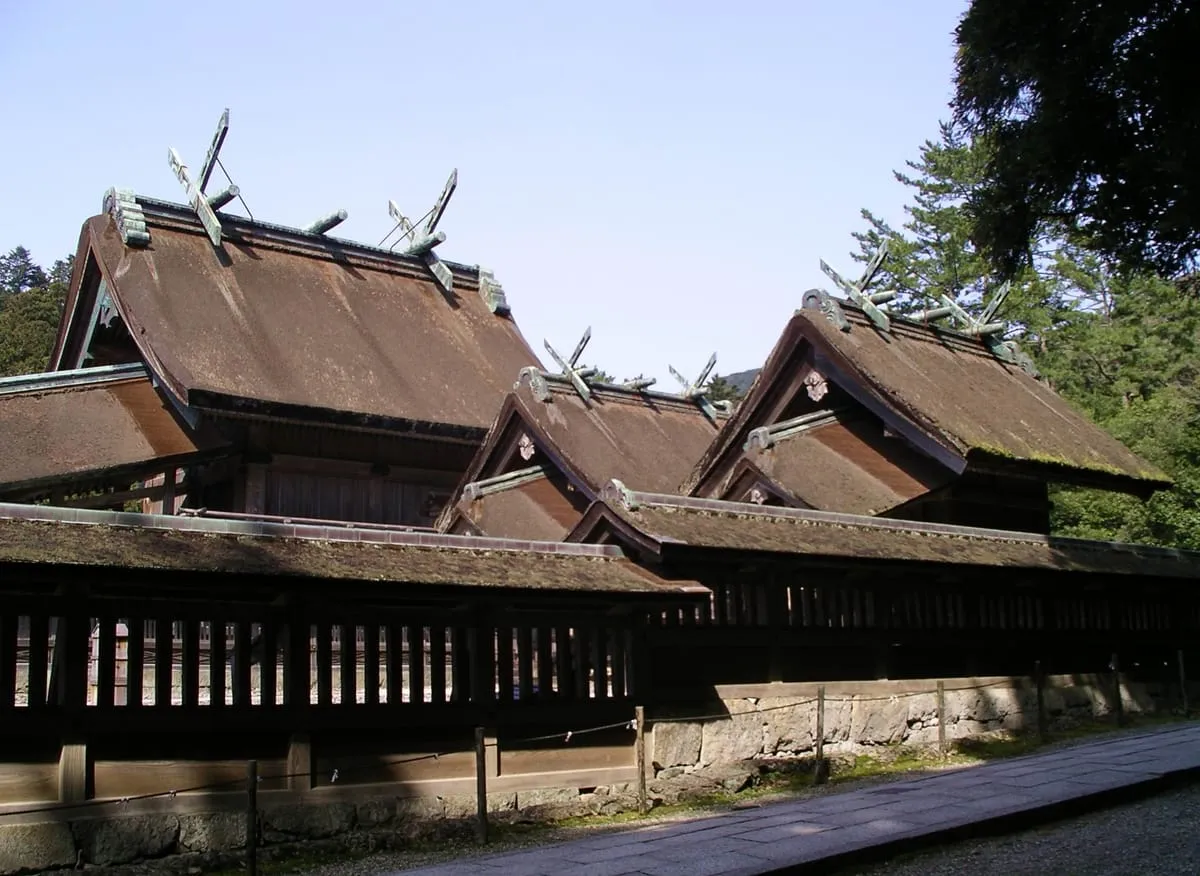
Taisha-zukuri is a special architectural style found only at Izumo Taisha. This unique structure reflects ancient Izumo’s cultural independence with an unparalleled design.
Characteristics of Taisha-zukuri
- Central front pillar — The distinctive shinno-mihashira (sacred central pillar)
- Tsumaiiri (gable entrance) — Entrance on the short side
- Massive roof — Commanding presence
- Unique floor plan — Nearly square layout
The most distinctive feature is the thick central pillar at the front. This shinno-mihashira serves both as a divine dwelling place and structural support for the entire building.
History of Taisha-zukuri
Historical records suggest the Taisha-zukuri main hall was once over twice its current height. Heian period documents describe a massive 48-meter-tall structure—taller than today’s Todaiji Great Buddha Hall.
Taisha-zukuri Shrines
- Izumo Taisha (Shimane) — The only existing example of Taisha-zukuri
- ※Strictly speaking, only Izumo Taisha features true Taisha-zukuri
Nagare-zukuri | The Most Popular Graceful Style
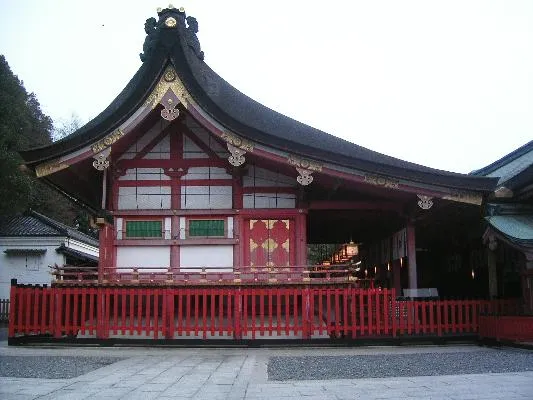
Nagare-zukuri is the most common main hall style throughout Japan. Developed from Shinmei-zukuri, it combines elegance with practicality.
Characteristics of Nagare-zukuri
- Kohai (worship porch) — Forward projection at the front
- Flowing roofline — Roof extends forward at the worship porch
- Tsumaiiri structure — Mostly gable entrance, some parallel entrance
- Gentle curves — More decorative than Shinmei-zukuri
The kohai (worship porch) projection is Nagare-zukuri’s defining feature. This creates the flowing roofline that gives the style its name (nagare means “flow”).
Development of Nagare-zukuri
Nagare-zukuri was perfected during the Heian period, masterfully harmonizing Shinmei-zukuri’s austerity with practical functionality. The worship porch makes visiting more comfortable even on rainy days.
Representative Nagare-zukuri Shrines
- Fushimi Inari Taisha (Kyoto) — Beautiful vermilion Nagare-zukuri main hall
- Tsurugaoka Hachimangu (Kanagawa) — Magnificent Nagare-zukuri architecture
- Keta Taisha (Ishikawa) — Important Cultural Property Nagare-zukuri main hall
Kasuga-zukuri | Nara’s Refined Elegance
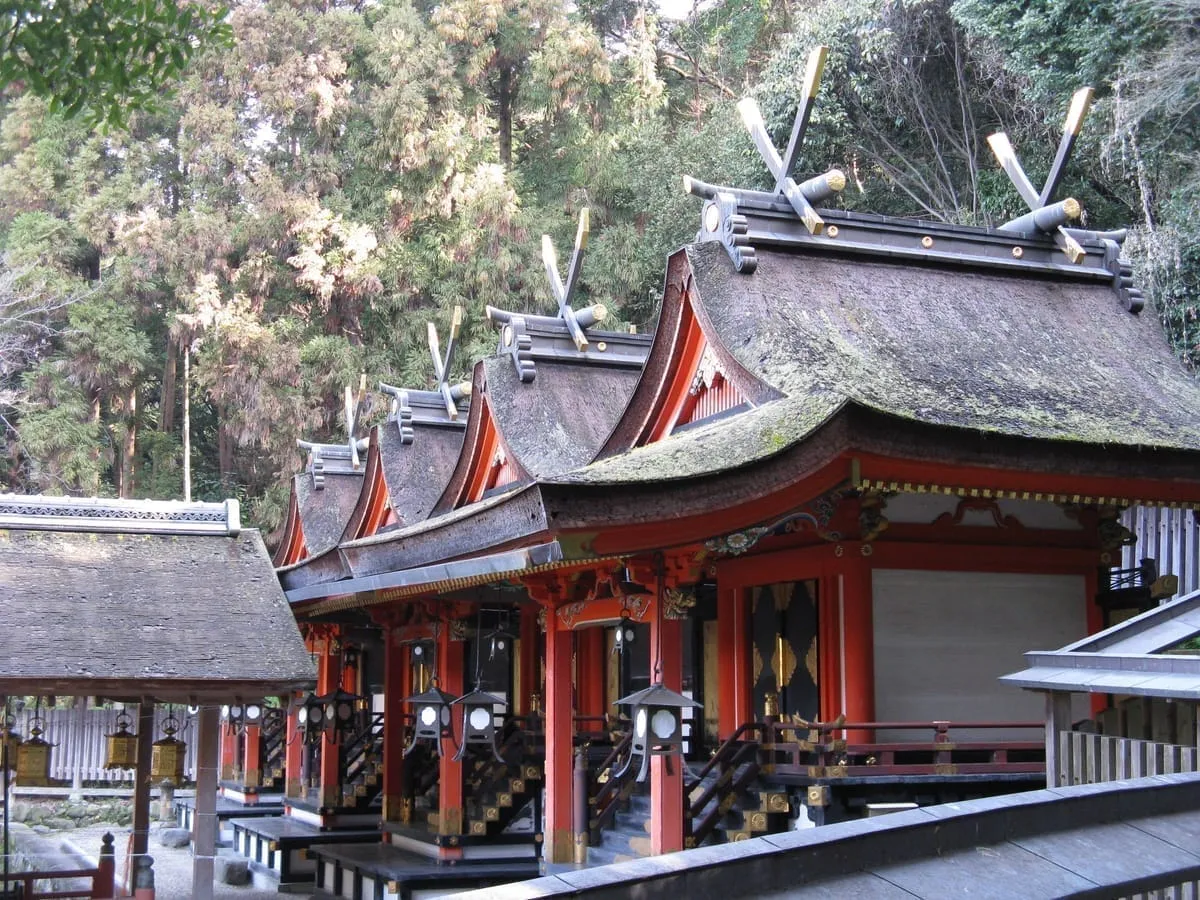
Kasuga-zukuri takes its name from Nara’s Kasuga Taisha and represents the most decorative architectural style. It further developed Nagare-zukuri to pursue splendor and prestige.
Characteristics of Kasuga-zukuri
- Single-bay worship porch — Smaller and more delicate than Nagare-zukuri
- Tsumaiiri structure — Entrance on the short side
- Decorative framework — Complex and beautiful woodwork
- Vermilion coloring — Many painted in vermilion
Kasuga-zukuri features a small, delicate worship porch. While Nagare-zukuri worship porches appear grand, Kasuga-zukuri creates a more refined and sophisticated impression.
Kasuga-zukuri Aesthetics
Reflecting Heian period aristocratic culture, Kasuga-zukuri emphasizes decoration and color beauty. Vermilion coloring particularly represents divine majesty.
Representative Kasuga-zukuri Shrines
- Kasuga Taisha (Nara) — Birthplace of Kasuga-zukuri
- Hiraoka Shrine (Osaka) — Original shrine of Kasuga Taisha
- Nikko Toshogu (Tochigi) — Evolved into Gongen-zukuri style
Reading Shrine Prestige Through Architecture
Shrine main hall architectural styles serve as important indicators of history and prestige.
Style Hierarchy
- Shinmei-zukuri — Shrines with deep imperial connections
- Taisha-zukuri — The special sacred site of Izumo
- Nagare-zukuri — Many influential shrines nationwide
- Kasuga-zukuri — Shrines connected to Heian aristocracy
Estimating Construction Periods
Architectural styles allow rough estimation of shrine construction or renovation periods:
- Shinmei-zukuri — Preserves ancient styles
- Taisha-zukuri — Continues ancient Izumo culture
- Nagare-zukuri — Developed from Heian period onward
- Kasuga-zukuri — Refined from mid-Heian period onward
Tips for Enjoying Architecture During Goshuin Collection
1. Locate the Main Hall
At most shrines, the main hall stands behind the worship hall. After praying, observe the main hall construction from the side.
2. Notice Roof Shapes
- Gabled → Possibly Shinmei-zukuri
- With worship porch → Possibly Nagare or Kasuga-zukuri
- Massive and unique → Taisha-zukuri (Izumo Taisha only)
3. Check Decoration Levels
- Natural wood → Shinmei-zukuri
- Vermilion coloring → Kasuga-zukuri
- Intermediate → Nagare-zukuri
4. Prestige Reflected in Goshuin
Shrines with prestigious architectural styles often feature correspondingly prestigious goshuin designs. Ise Grand Shrine’s simple yet dignified goshuin reflects Shinmei-zukuri aesthetics.
Summary | Understanding the Divine World Through Architecture
Shrine main hall architectural styles represent crystallized artworks of divine nature and Japanese aesthetics. Shinmei-zukuri’s purity, Taisha-zukuri’s uniqueness, Nagare-zukuri’s elegance, and Kasuga-zukuri’s splendor each express Japanese concepts of divinity and beauty.
Next time you visit a shrine, pay attention to the main hall construction. You’ll feel the devotion and reverence of craftsmen from a thousand years ago emanating from the building.
Knowing that each goshuin stamp is supported by such architectural beauty and history will deepen your goshuin collection experience immeasurably.
Image Licenses
- Ise Grand Shrine Inner Shrine main hall: N yotarou, CC BY-SA 3.0, Wikimedia Commons
- Izumo Taisha main hall: Blue Lotus, CC BY 2.0, Wikimedia Commons
- Fushimi Inari Taisha main hall: Stanislaus, Public Domain, Wikimedia Commons
- Hiraoka Shrine main hall: KENPEI, CC BY-SA 3.0, Wikimedia Commons