When visiting a Japanese shrine, you’ll notice various buildings and structures arranged in a specific pattern. Each element serves a purpose in creating a sacred space where humans can commune with the divine.
Understanding the basic layout of a shrine will enhance your visit and help you appreciate the thoughtful design behind these spiritual spaces. Whether you’re collecting goshuin or simply exploring Japanese culture, this guide will help you navigate shrine grounds with confidence.
Basic Shrine Structure
Japanese shrines typically follow this layout from entrance to sanctuary:
- Sandō (参道) - Approach path
- Torii (鳥居) - Gateway
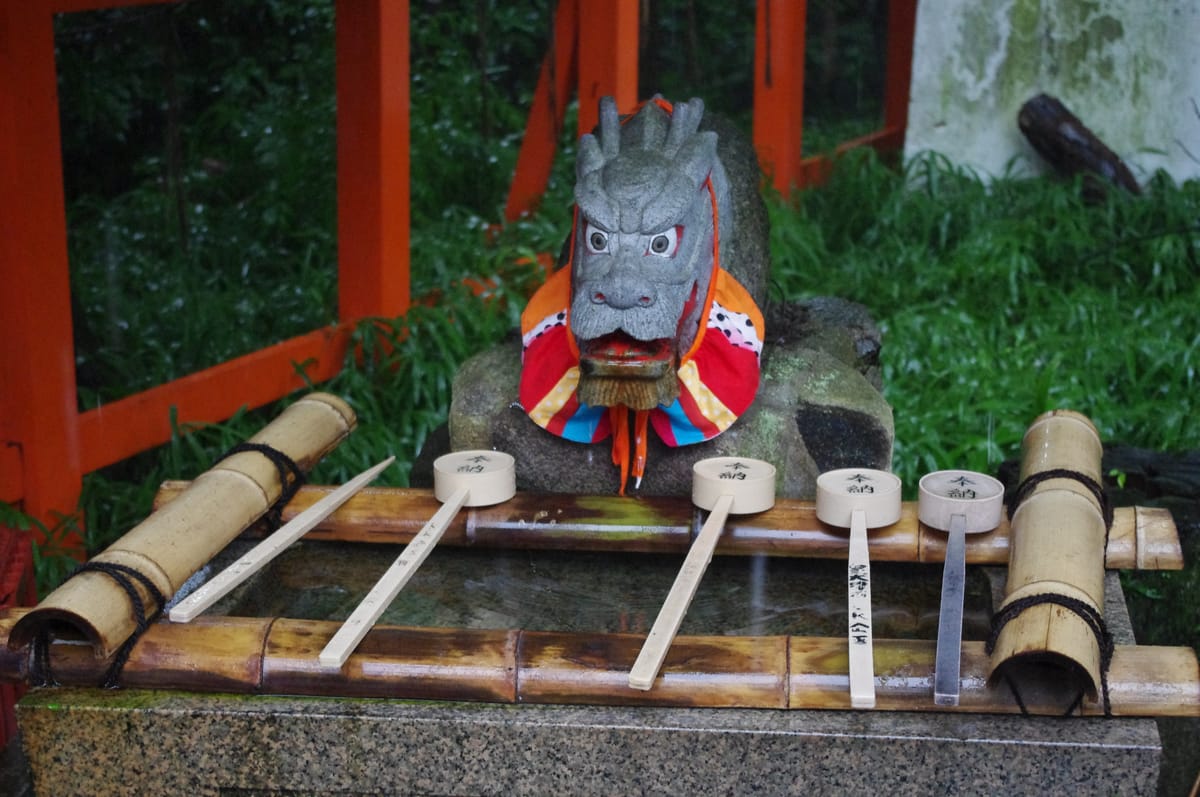
- Temizuya (手水舎) - Purification fountain
- Haiden (拝殿) - Worship hall
- Honden (本殿) - Main sanctuary
This arrangement creates a gradual progression from the secular world into increasingly sacred space.
Sandō - The Sacred Approach
The sandō is the pathway leading from the torii gate to the worship hall. This walkway serves as a transitional space between the everyday world and the realm of the divine.
- Center is for deities: The middle of the path, called “seichū,” is reserved for the kami (Shinto deities). Visitors should walk along the sides
- Gravel significance: The white gravel often covering the sandō is believed to purify negative energy and calm the mind
- Lantern guidance: Stone and bronze lanterns lining the path provide both practical illumination and spiritual guidance
Torii - Gateway Between Worlds
The torii gate marks the boundary between the sacred and secular realms.
- Multiple gates: Larger shrines may have several torii, with sanctity increasing as you approach the main buildings
- Proper etiquette: Bow lightly before passing through the torii as a sign of respect
- Architectural styles: Different types include Shinmei (Ise style), Myōjin (common style), and Ryōbu (Itsukushima style)
Temizuya - Ritual Purification
The temizuya is where visitors purify themselves before worship.
- Purification ritual: Use the ladle to cleanse your left hand, then right hand, rinse your mouth, and clean the ladle handle
- Architectural design: Usually a small roofed structure with a central water basin
- Water source: Modern shrines use running water, while traditional ones utilized springs or wells
Haiden - Place of Worship
The haiden is where visitors offer prayers and make offerings.
- Visitor interaction: Features the offering box (saisen-bako), bells, and often the place to obtain amulets and charms
- Open design: Built with an open front to facilitate worship and prayer
- Distinction from kagura-den: Some shrines have separate buildings for sacred dance performances
Honden - Divine Residence
The honden is the most sacred building where the kami resides.
- Restricted access: Only Shinto priests may enter; the general public cannot access this space
- Architectural styles: Built in traditional styles like Shinmei-zukuri, Taisha-zukuri, Nagare-zukuri, or Kasuga-zukuri
- Sacred objects: Houses the go-shintai (sacred object) that serves as the deity’s physical manifestation
Additional Important Facilities
Shamusho/Juyosho - Administrative Office
- Goshuin service: This is typically where you can receive goshuin (temple stamps)
- Amulets and charms: Various omamori and ofuda are distributed here
- Shrine operations: Serves as the administrative center for shrine activities
Sessha/Massha - Subsidiary Shrines
- Sessha: Smaller shrines dedicated to deities closely related to the main deity
- Massha: Shrines for other deities within the same complex
- Inari shrines: Many shrine complexes include small red shrines dedicated to Inari, the rice deity
Kagura-den/Mai-den - Performance Stage
- Sacred performances: Venue for kagura (sacred dance and music)
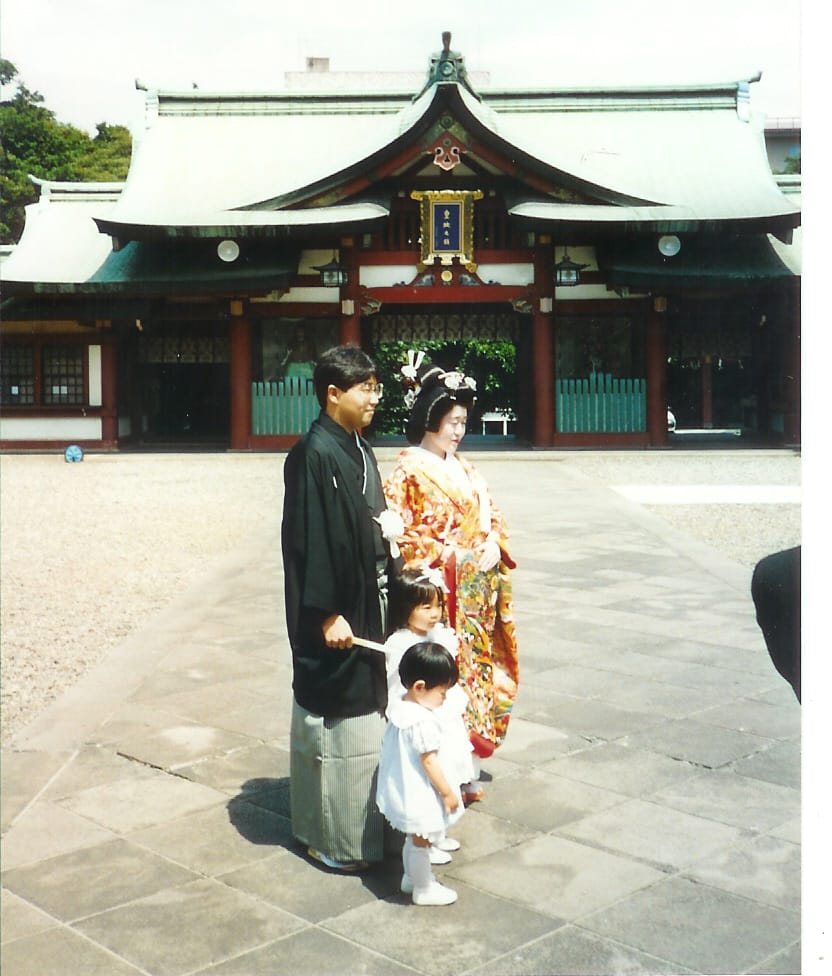
- Wedding ceremonies: Often used for traditional Shinto wedding ceremonies
Regional Variations
Shrine layouts adapt to local geography and history:
Mountain Shrines
- Stone steps: Long staircases leading to elevated sacred spaces
- Terraced levels: Multiple platforms built into mountainside terrain
Coastal Shrines
- Tidal influence: Some, like Itsukushima Shrine, have torii gates in the water
- Weather considerations: Built to withstand sea winds and salt air
Urban Shrines
- Compact design: Efficient use of limited city space while maintaining essential elements
- Modern adaptations: Some include elevators or ramps for accessibility
Navigating Shrines for Goshuin Collection
Understanding shrine layout helps optimize your goshuin collecting experience:
- Locate the office: The shamusho is usually near the main hall or at the entrance
- Photography spots: The haiden, honden, and distinctive torii make excellent photo subjects
- Worship flow: Following the proper sequence shows respect and enhances your spiritual experience
Cultural Significance
Each element of shrine design reflects core Shinto principles:
- Purity (kegare): The purification process removes spiritual impurities
- Respect (kei): Bowing and proper etiquette honor the divine presence
- Harmony (wa): The integration of buildings with natural settings
Conclusion
Japanese shrine complexes are carefully designed microcosms that facilitate the meeting between human and divine. Each building, pathway, and ritual object serves a purpose in this sacred architecture.
As you collect goshuin and explore these beautiful spaces, take time to appreciate not just the stamps you receive, but the profound cultural and spiritual heritage embodied in the very layout of the grounds.
Understanding these sacred spaces deepens the meaning of your goshuin collection, transforming it from mere tourism into genuine cultural appreciation.
Images used in this article are provided by Wikimedia Commons:
- Meiji Shrine torii and sandō: Kakidai, CC BY-SA 4.0, Wikimedia Commons