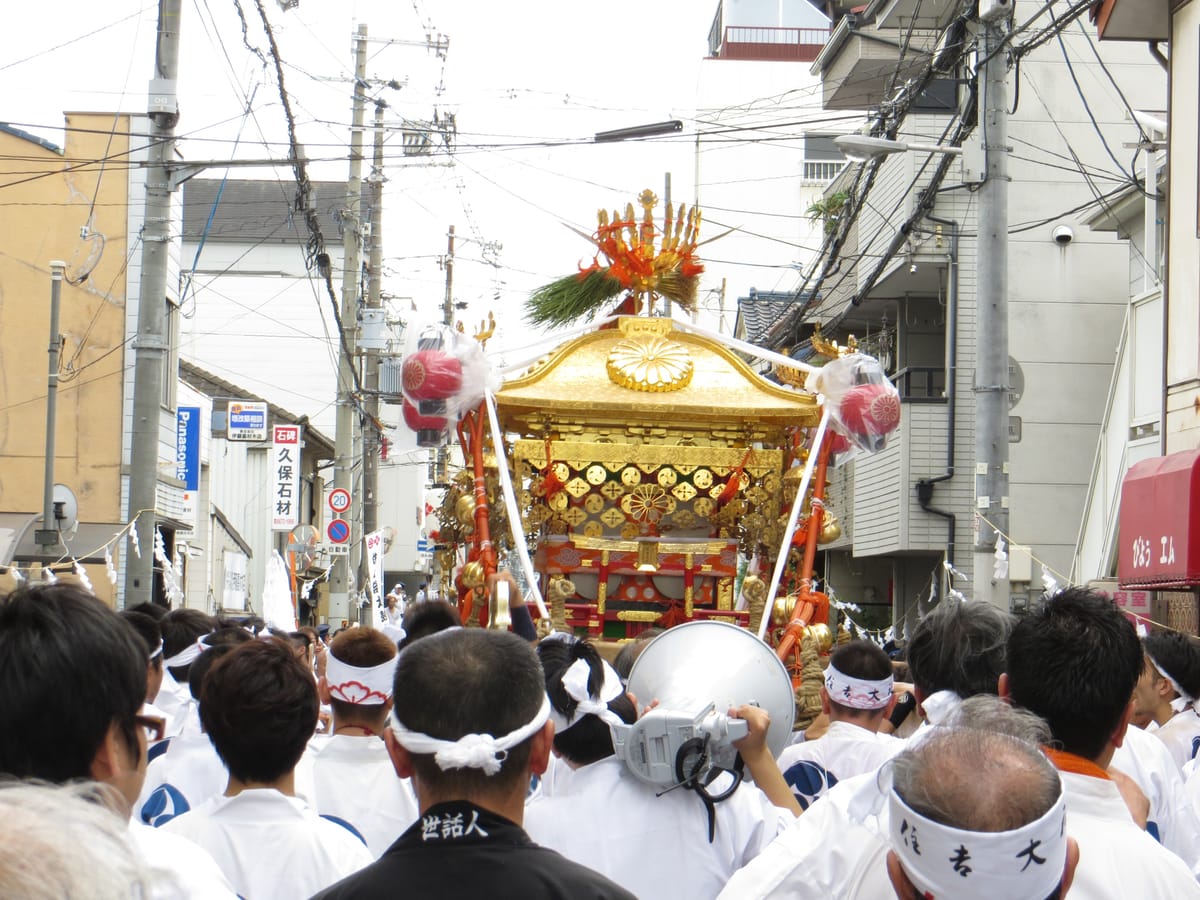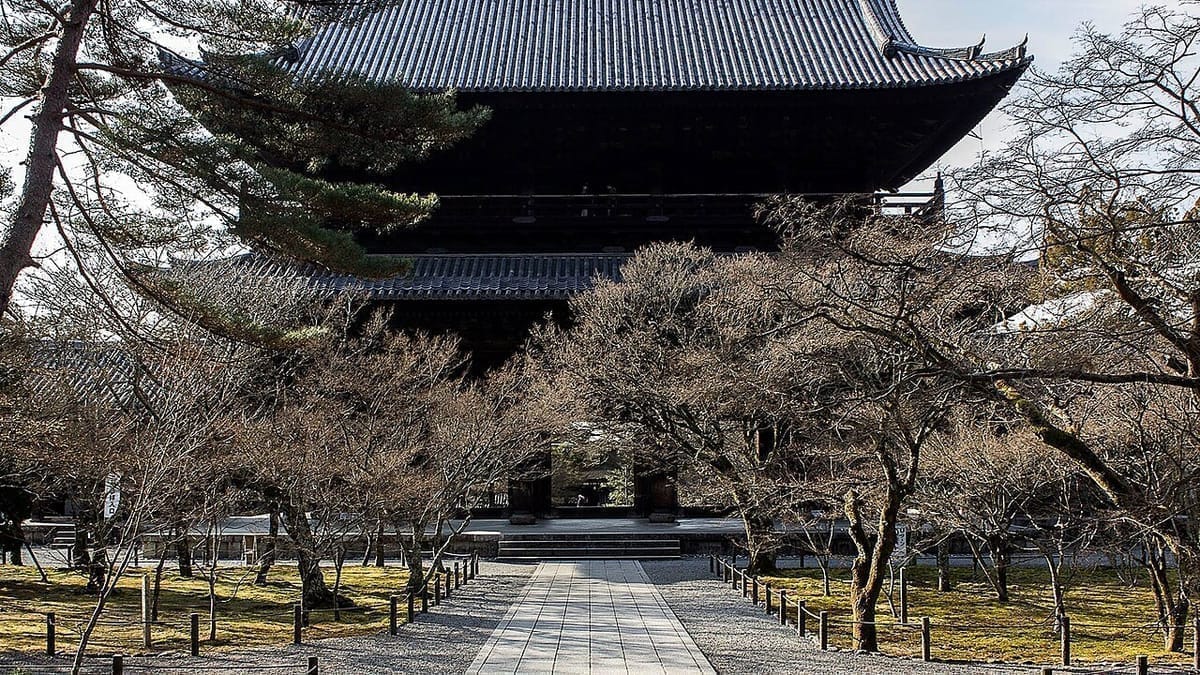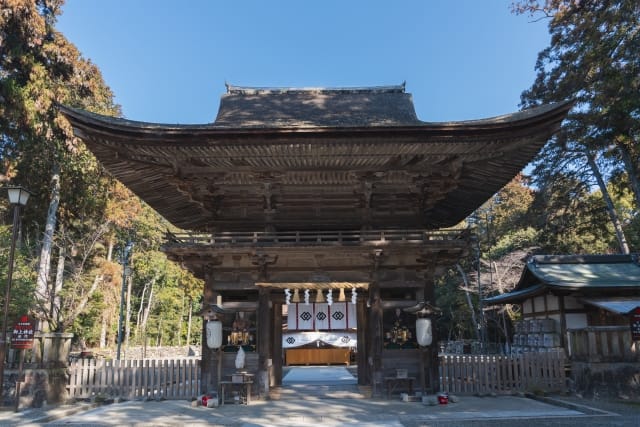
As you travel through Japan, you’ll inevitably encounter shrines adorned with vibrant red torii gates and white fox statues. These are Inari shrines (稲荷神社), and remarkably, there are approximately 30,000 of them across Japan — making Inari the most popular deity in the country.
In this comprehensive guide, we’ll explore everything from the basics of Inari faith to the unique characteristics of Inari goshuin (shrine stamps). Why foxes? Why red gates? Let’s uncover these fascinating mysteries together and deepen your appreciation for Japanese spiritual culture.
What is Inari Faith? Understanding Japan’s Most Popular Shrine Network
Inari faith (稲荷信仰, Inari Shinkō) originated from ancient Japanese beliefs centered around rice cultivation and grain deities. Today, these 30,000 shrines represent about one-third of all Shinto shrines in Japan — a truly staggering proportion.
Why Are There So Many Inari Shrines?
The proliferation of Inari shrines stems from the evolution of what the deity represents over centuries:
- Agricultural Origins: As Japan was primarily agricultural, farmers prayed to Inari for bountiful harvests
- Commercial Expansion: During the Edo period (1603-1868), merchants adopted Inari for business prosperity
- Household Protection: Ordinary citizens began worshipping Inari for family safety and daily concerns
- Corporate Guardianship: Modern businesses, including tech companies, often establish Inari shrines for protection
The explosive growth during the Edo period was particularly significant. As commerce flourished, wealthy merchants built Inari shrines to ensure business success, leading to the remarkable numbers we see today.
Cultural Significance
Inari shrines are deeply woven into Japanese community life:
- Local Identity: Many neighborhoods have their own Inari shrine serving as a community center
- Business Culture: Companies often consult Inari shrines for major business decisions
- Daily Worship: Unlike some deities worshipped only on special occasions, Inari is approached for everyday concerns
- Accessibility: The welcoming nature of Inari faith makes it approachable for people of all backgrounds
The Deity: Ukanomitama-no-Mikoto | From Grain God to Prosperity Deity
The principal deity of Inari shrines is Ukanomitama-no-Mikoto (宇迦之御魂神). The name breaks down as “Uka” (grain) and “Mitama” (divine spirit), literally meaning “the divine spirit of grain.”
Historical Evolution of Inari Worship
Ancient Period (Pre-Heian, before 794 CE)
- Pure agricultural deity focused on rice cultivation
- Prayers centered on seasonal farming cycles
- Closely tied to imperial rice ceremonies
Medieval Period (1185-1573)
- Gradual expansion into commercial protection
- Merchant class begins adopting Inari worship
- Development of fox messenger mythology
Edo Period (1603-1868)
- Explosive growth in urban areas
- Transformation into general prosperity deity
- Establishment of thousands of new shrines
Modern Era (1868-present)
- Corporate and business protection
- Technology companies establishing office shrines
- International recognition as cultural symbol
This evolution demonstrates Inari’s remarkable adaptability — a deity that has remained relevant through dramatic social changes by expanding its protective scope while maintaining core agricultural connections.
Why Foxes? Understanding Inari’s Divine Messengers
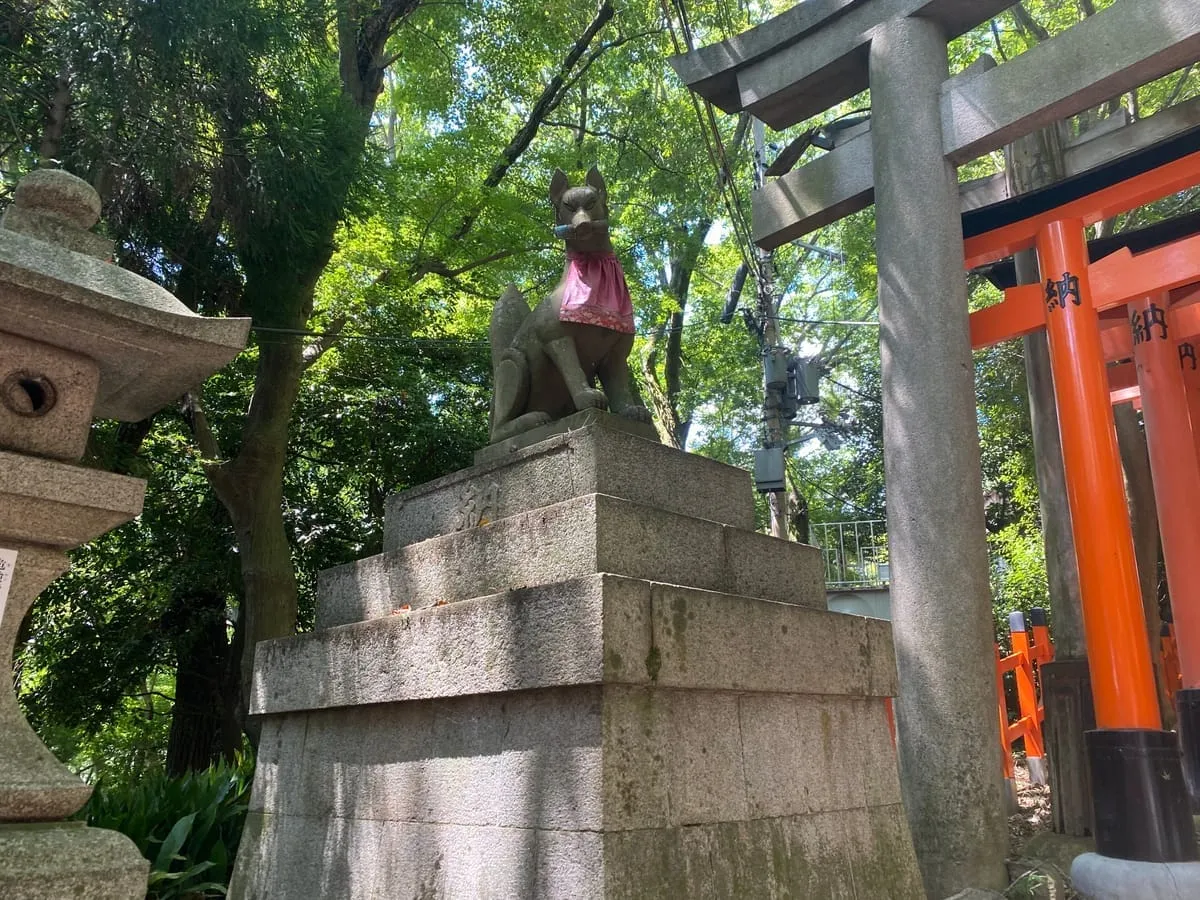
Perhaps no aspect of Inari shrines is more distinctive than the fox statues (狐, kitsune). However, it’s crucial to understand: foxes are not the deity itself but serve as divine messengers (眷属, kenzoku) to Inari.
The Fox-Inari Connection
The association between foxes and Inari developed for several practical and mystical reasons:
- Agricultural Benefit: Foxes controlled rodent populations that threatened rice crops, making them natural allies to farmers
- Mysterious Nature: Their nocturnal behavior and intelligence gave them an air of supernatural wisdom
- Color Symbolism: White foxes were considered especially sacred and pure
- Business Acumen: The clever nature of foxes became associated with commercial success and strategic thinking
Characteristics of Inari Foxes
Inari shrine foxes have distinct features that differentiate them from decorative fox art:
Physical Attributes:
- White color: Representing purity and divine connection
- Objects in mouth: Rice stalks, scrolls, jewels, or keys, each with specific meanings
- Benevolent expression: Gentle, wise faces rather than fierce or playful
- Paired positioning: Usually arranged in symmetrical pairs facing each other
Symbolic Objects:
- Rice stalks (稲穂): Connection to agriculture and prosperity
- Scrolls (巻物): Wisdom and divine messages
- Jewels (宝玉): Fulfillment of wishes and spiritual treasure
- Keys (鍵): Access to storehouse of blessings
Many visitors touch these fox statues while making wishes, believing the foxes will convey their prayers to Inari.
Why Red Torii? The Meaning Behind Vermillion Gates
The brilliant vermillion torii gates (朱色の鳥居) are perhaps the most photographed feature of Inari shrines. This distinctive color choice carries deep cultural and spiritual significance.
Symbolism of Vermillion (Shu-iro)
The vibrant red-orange color known as vermillion holds multiple meanings in Japanese culture:
- Spiritual Protection: Red has traditionally been believed to ward off evil spirits and negative energy
- Life Force: The color of blood and the sun, representing vitality and life energy
- Abundance: Echoing the golden color of ripe rice, symbolizing prosperity
- Sacred Boundary: Marking the transition from the mundane world to sacred space
The Thousand Torii Phenomenon
The famous Senbon Torii (千本鳥居) at Fushimi Inari Taisha exemplifies how individual devotion created collective wonder:
Historical Development:
- Edo Period Origins: Wealthy merchants began donating torii as offerings
- Gratitude Offerings: Many were donated in thanks for answered prayers
- Continued Tradition: The practice continues today with over 10,000 gates
Modern Significance:
- Pilgrimage Path: Walking through creates a meditative, transformative experience
- Community Investment: Each torii represents someone’s faith and investment
- Tourist Phenomenon: Now recognized globally as a iconic Japanese image
The tunnels of torii create a sense of traveling between worlds — a physical manifestation of the spiritual journey.
Fushimi Inari Taisha | The Head Shrine’s History and Highlights
Fushimi Inari Taisha (伏見稲荷大社) in Kyoto serves as the head shrine for all Inari shrines worldwide. With over 1,300 years of history, it represents the epicenter of Inari faith.
Historical Timeline
- 711 CE (Wadō 4): Founded by Irogi Hata no Kimi on Mount Inari
- 816 CE (Kōnin 7): Elevated to highest shrine rank by Emperor Saga
- Muromachi Period: Damaged during Ōnin War, rebuilt with merchant support
- Edo Period: Became center of popular Inari worship
- Modern Era: Welcomes approximately 2.7 million visitors for New Year’s
Must-See Features
Main Halls
- Honden (Main Shrine): Designated Important Cultural Property
- Haiden (Worship Hall): Classic example of Inari architectural style
- Traditional Craftsmanship: Intricate woodwork and vermillion lacquer
Senbon Torii (Thousand Gates)
- Path to Okumiya: Mystical tunnel leading to inner shrine
- Photography Spot: Internationally famous Instagram location
- Spiritual Journey: Represents passage through multiple prayer offerings
Mount Inari Trail
- Sacred Mountain: Entire mountain considered holy ground
- Hiking Opportunity: Various trails to summit shrines
- Subsidiary Shrines: Dozens of smaller shrines throughout the mountain
Traditional Amenities
- Tea Houses: Historic establishments serving Inari specialties
- Inari Sushi: The famous rice-stuffed tofu pouches originated here
- Kitsune Udon: Fox-themed noodle soup with aburaage (fried tofu)
Famous Inari Shrines Across Japan | With Goshuin Information
To truly appreciate Inari faith, consider visiting these renowned shrines, each offering unique goshuin (shrine stamps) that reflect local character and history.
1. Fushimi Inari Taisha (Kyoto)
Significance: Head shrine of all Inari shrines worldwide Goshuin Details:
- Fee: ¥500
- Hours: 8:30 AM - 4:30 PM
- Features: Bold calligraphy reading “Inari Ōkami” (稲荷大神) with powerful vermillion stamps
2. Toyokawa Inari (Aichi)
Significance: Technically a Zen Buddhist temple but famous for Inari worship Goshuin Details:
- Fee: ¥500
- Hours: 9:00 AM - 4:00 PM
- Features: “Toyokawa Inari” calligraphy with unique temple-shrine hybrid styling
3. Kasama Inari Jinja (Ibaraki)
Significance: One of the three great Inari shrines of Kantō region Goshuin Details:
- Fee: ¥500
- Hours: 9:00 AM - 5:00 PM
- Features: Seasonal limited editions, famous for autumn chrysanthemum designs
4. Yūtoku Inari Jinja (Saga)
Significance: Kyushu’s Inari headquarters with spectacular clifftop architecture Goshuin Details:
- Fee: ¥500
- Hours: 8:30 AM - 5:00 PM
- Features: “Yūtoku Inari Ōkami” with distinctive gold-accented stamps
5. Takekoma Jinja (Miyagi)
Significance: Tōhoku region’s premier Inari shrine Goshuin Details:
- Fee: ¥500
- Hours: 9:00 AM - 4:30 PM
- Features: Clean, elegant calligraphy representing northern aesthetic
Characteristics of Inari Shrine Goshuin | Fox and Vermillion Designs
Inari shrine goshuin possess distinctive features that set them apart from other shrine stamps, making them highly collectible among goshuin enthusiasts.
Unique Design Elements
1. Intense Vermillion Color
- Deeper, more vibrant red than typical shrine stamps
- Sometimes uses special cinnabar-based ink
- Reflects the iconic torii gate color
2. Fox Motifs
- Stylized fox silhouettes incorporated into stamp designs
- Special limited editions featuring cute fox illustrations
- Some stamps include fox paw prints as decorative elements
3. “Inari Ōkami” Calligraphy
- Most Inari shrines write ”○○ Inari Ōkami” (稲荷大神)
- Bold, confident brushstrokes reflecting divine power
- Variations reflect regional calligraphic traditions
4. Prosperity Symbols
- Rice stalk motifs representing abundance
- Key symbols for unlocking fortune
- Sacred jewel designs for wish fulfillment
Recommended Goshuin Books for Inari Shrine Collecting
For dedicated Inari shrine pilgrims, consider these goshuin book characteristics:
- Vermillion-Themed Books: Complement the red stamps beautifully
- Fox-Designed Books: Many Inari shrines sell special fox-motif goshuinchō
- Large Format: Better display for Inari shrines’ often elaborate designs
- Quality Paper: Handles the intense vermillion ink without bleeding
Proper Worship Etiquette at Inari Shrines | Special Customs and Offerings
While Inari shrines follow basic Shinto protocols, they have developed unique customs that reflect their special character and history.
Basic Worship Procedure
Inari shrines follow the standard ni-rei ni-hakushu ichi-rei (two bows, two claps, one bow), but with these special considerations:
- Fox Acknowledgment: Greet the guardian foxes before approaching the main shrine
- Respectful Approach: Commercial prosperity requests should be made with particular sincerity
- Gratitude Expression: Balance requests with appreciation for daily blessings
The Aburaage Tradition
The custom of offering aburaage (fried tofu) to Inari shrines has fascinating cultural roots:
Origins of the Tradition:
- Folk Belief: Misconception that foxes enjoyed aburaage (real foxes are carnivorous)
- Color Symbolism: Golden-brown color resembles ripe rice
- Accessibility: Affordable offering for common people
- Cultural Integration: Evolved into inari-zushi (sushi rice in fried tofu)
Proper Offering Protocol:
- Purchase Location: Often available at shops near major Inari shrines
- Offering Placement: Place at designated areas, never directly on altar
- Taking Home: Traditional to consume the offering after prayer as blessed food
Spiritual Mindset for Inari Worship
Balanced Approach:
- Modest Requests: Avoid excessive greed; ask for reasonable prosperity
- Regular Visits: Maintain ongoing relationship rather than one-time requests
- Gratitude Practice: Always return to give thanks when prayers are answered
Business Worship Customs:
- Company Delegations: Business leaders often visit as groups
- Annual Ceremonies: Many companies hold yearly Inari shrine ceremonies
- Success Sharing: Profitable businesses often make substantial shrine donations
Conclusion | Embracing Inari Faith Through Goshuin Collecting
Inari faith represents over 1,300 years of spiritual evolution, adapting from pure agricultural deity to a comprehensive source of protection for modern life’s challenges. From business prosperity to family safety, from traditional farming communities to cutting-edge technology companies, Inari’s influence permeates Japanese society.
The Enduring Appeal of Inari Shrines:
- Magnificent vermillion torii creating otherworldly atmospheres
- Charming fox guardians with expressive, benevolent faces
- Distinctive goshuin featuring unique artistic elements
- Rich diversity from grand head shrines to intimate neighborhood sanctuaries
Goshuin Collecting Focus:
- Appreciate the deeper vermillion tones unique to Inari shrines
- Collect fox-motif special editions and seasonal variations
- Explore regional differences in Inari worship expressions
- Document the stories behind each shrine’s establishment
Japan’s 30,000 Inari shrines each carry unique histories and regional characteristics. This guide provides your foundation for beginning an enriching journey through Inari faith.
Enhancing Your Inari Shrine Pilgrimage
Recording your Inari shrine visits through specialized apps can greatly enhance your experience. Digital tools help you track visited shrines, preserve goshuin photos, and plan future pilgrimages efficiently.
The mystical vermillion torii gates and gentle-eyed white foxes await to open doors to deeper understanding of this essential aspect of Japanese spiritual culture.
Related Articles
- Torii Gate Types and Meanings | Complete Guide from Shinmei to Senbon Torii
- Shrine Worship Etiquette | Essential Manners and Rules for Beginners
- Goshuin Book Selection Guide | Choosing the Perfect Size, Material, and Design
- History of Goshuin | 1000 Years of Evolution from Heian Period to Modern Times
Image Credits: Images used in this article are sourced from Wikimedia Commons under appropriate licensing and attribution requirements.
Image Licenses
- Fox statue: Fg2, CC BY-SA 3.0, via Wikimedia Commons
- Senbon Torii: Laitr Keiows, CC BY-SA 3.0, via Wikimedia Commons