Walk slowly through the grounds of a large Japanese shrine and you will notice them: small, quiet structures tucked between trees, lining stone paths, or standing beside ponds. No tour guide points to them. Most visitors walk past.
These are sessha (摂社) and massha (末社) — subsidiary shrines within a shrine. And they are worth stopping for.
What Are Sessha and Massha?
Both sessha and massha are subordinate shrines attached to a main shrine (honsha, 本社). They have their own small buildings, their own kami (gods), and their own ritual functions.
| Type | Reading | Meaning |
|---|---|---|
| Sessha | せっしゃ | Higher-ranked subsidiary shrine. Enshrines a kami closely related to the main deity — a consort, offspring, or mythologically connected god. |
| Massha | まっしゃ | Lower-ranked subsidiary shrine. A broader category: local gods, gods associated with specific blessings, or historically absorbed small shrines. |
In historical Japanese law (the shikinaisha system), sessha and massha had formal ranks distinct from the main shrine. Today that distinction has blurred, and the two terms are often used interchangeably — or simply lumped together as keidaisha (境内社), “shrines within the precinct.”
Why Do They Exist?
1. Enshrining the Divine Family
Shinto theology understands kami to have relationships — spouses, children, siblings, allies. A major shrine will often house the kami’s consort or descendants in subsidiary structures nearby, creating something like a divine household within a single precinct.
At Ise Grand Shrine, the Inner Shrine’s sessha enshrine kami directly related to Amaterasu Ōmikami. The logic: if the main god lives here, the related gods should be nearby too.
2. Absorbing Local Shrines
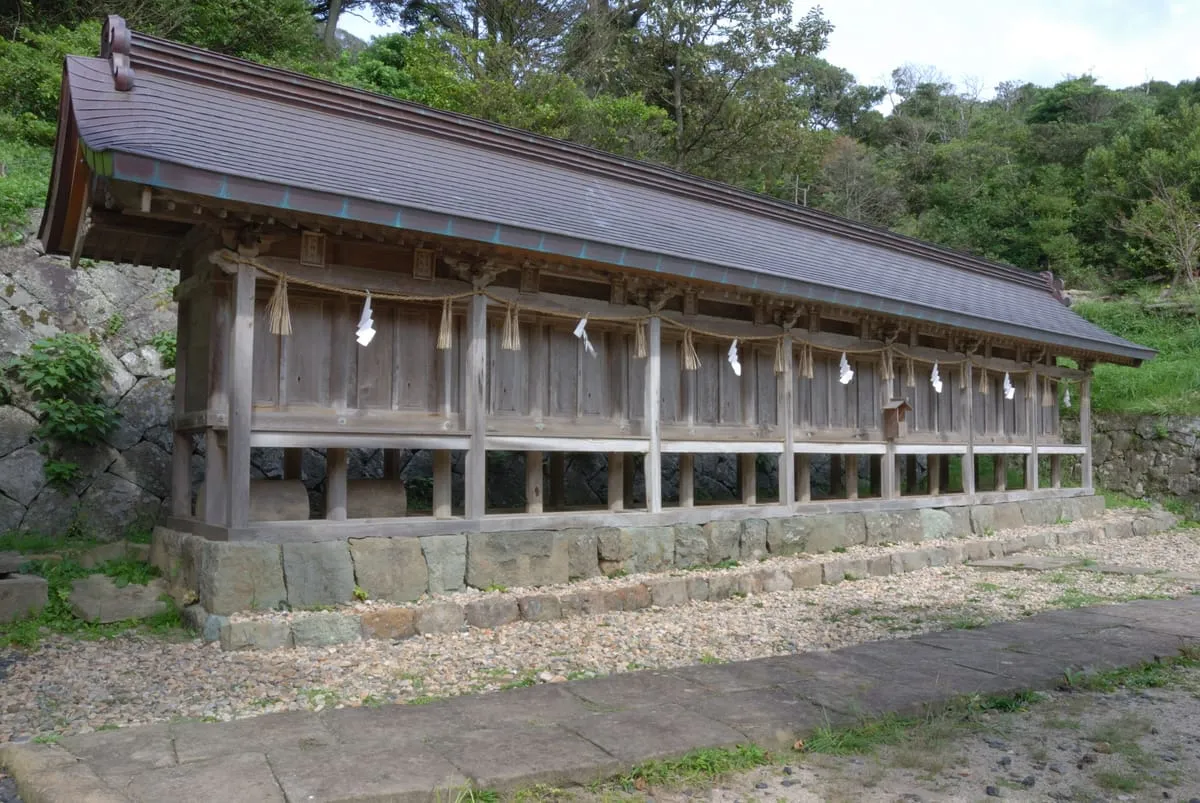
Between the medieval and early modern periods, powerful shrines frequently absorbed smaller local shrines from the surrounding area.
A village shrine falling into disrepair might be relocated into the precinct of a larger shrine and reclassified as a massha. The small god gained a caretaker; the large shrine extended its reach. The more sessha and massha a shrine has, the more it was historically a center of gravity for the surrounding region.
3. Serving Diverse Petitions
The main deity of a shrine may not specialize in every type of prayer. A visitor seeking help with scholarship, business, safe travel, or childbirth may be better served by a subsidiary shrine dedicated to a specialist kami. Massha often exist precisely to broaden the range of blessings a single precinct can offer.
Common Subsidiary Shrine Deities
Recognizing the kami enshrined in subsidiary shrines transforms a walk through a precinct into something readable.
| Shrine Name | Deity | Blessings |
|---|---|---|
| Inari-sha | Ukanomitama-no-kami | Harvest, business, industry |
| Tenjin-sha / Tenman-gū | Sugawara Michizane | Scholarship, exams, arts |
| Hachiman-sha | Emperor Ōjin | Military valor, victory, protection |
| Ichikishima-hime / Benzaiten | Ichikishimahime-no-mikoto | Water, arts, fortune |
| Kasuga-sha | The Four Kasuga Kami | Protection, good governance, matchmaking |
| Konpira-sha | Ōkuninushi-no-mikoto | Sea voyages, safe travel, marriage |
The Inari shrine (稲荷社) is by far the most common subsidiary shrine type across Japan. The majority of Japan’s estimated 30,000+ Inari shrines exist not as independent institutions but as sessha or massha within the precincts of other shrines.
Keidaisha and Keidaigaisha
Location further subdivides subsidiary shrines:
Keidaisha (境内社) — within the main shrine’s formal grounds. You encounter these simply by walking through the precinct.
Keidaigaisha (境外社) — outside the main precinct, sometimes at significant distance. These may be a short walk away or several kilometers into the mountains.
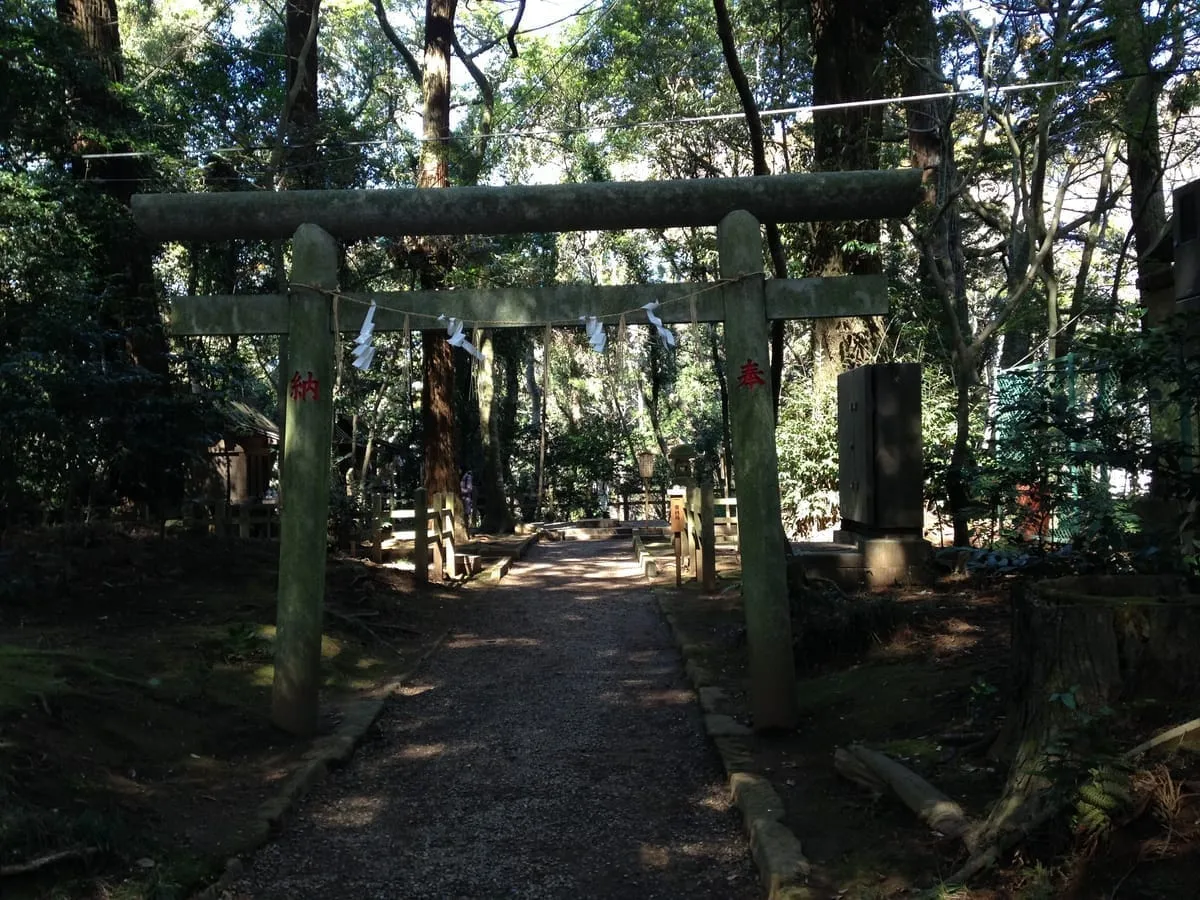
A well-known keidaigaisha: Hibara Shrine (檜原神社), a sessha of Ōmiwa Shrine (Nara), stands about 2km from the main shrine along the ancient Yamanobe-no-michi trail. Hibara is known as one of the “Proto-Ise” sites where Amaterasu was temporarily enshrined before being moved to Ise. It operates with its own buildings, its own approach, and its own goshuin.
How to Pay Respects
Sessha and massha are not lesser shrines to be skipped. Each enshrines a kami. Each deserves acknowledgment.
Order of Worship
- Begin with the main shrine — the honsha is the center of the visit
- Then visit sessha and massha as interest or time allows
- No requirement to visit all of them; prioritize those whose kami relate to your intentions
The Practice
The same basic etiquette applies as at the main shrine:
- Two bows, two claps, one bow (ni-rei ni-hakushu ichi-rei)
- A brief, sincere prayer is appropriate even for small subsidiary shrines
- If the shrine is a simple stone hokora with no formal approach, a single respectful bow suffices
A Note on “Passing By”
Casually walking past subsidiary shrines without acknowledgment (called nagara-mairi, ながら参り) is considered somewhat irreverent in traditional etiquette. Even a brief pause and bow as you pass is enough to show respect.
Notable Sessha and Massha
Wakamiya Shrine at Kasuga Taisha (Nara)
The highest-ranked sessha of Kasuga Taisha is Wakamiya Shrine (若宮神社), dedicated to Amenooshikumone-no-mikoto. Its annual festival — Kasuga Wakamiya On-Matsuri (December) — is one of Japan’s most important surviving traditional ceremonies and an Intangible Cultural Heritage. Wakamiya has its own full shrine complex and issues its own goshuin separately from Kasuga Taisha’s main goshuin.
Sai Shrine at Ōmiwa Shrine (Nara)
Sai Shrine (狭井神社), a sessha of Ōmiwa Shrine, is dedicated to healing and has become a pilgrimage destination in its own right. The spring water in its precinct (kusurimizu, 薬水) is believed to have curative properties, and the shrine maintains its own staff and issues its own goshuin.
Benzaiten Island at Meiji Shrine (Tokyo)
Within Meiji Shrine’s forested inner garden (Gyoen), a small island in the south pond holds a Benzaiten shrine. Normally not accessible to visitors, it can be seen from the garden path — an example of the contemplative quality that subsidiary shrines often bring to larger precincts.
Goshuin and Subsidiary Shrines
Standard goshuin from a shrine’s social hall (shamusho, 社務所) typically covers only the main shrine, not its sessha or massha.
Exceptions exist:
- Sessha with independent offices — Kasuga Wakamiya, Ōmiwa’s Sai Shrine, and others operate their own goshuin issuance
- Keidaigaisha functioning as independent shrines — if a sessha has its own staff and premises, it generally issues its own goshuin
- Special goshuin circuits — some shrine complexes offer a set of stamps covering the main shrine plus key sessha as a complete circuit
Verify before visiting. Not all subsidiary shrines have staff present, and goshuin issuance hours may differ from the main shrine’s.
What to Look For While Walking
Paying attention to sessha and massha turns a precinct into a layered read:
- Torii style — subsidiary shrines often have smaller or stylistically different torii from the main shrine; these variations sometimes signal different historical origins
- Building style — a massha in nagare-zukuri sitting within a kasuga-zukuri precinct tells you the two structures were built at different times, possibly from different traditions
- Komainu — the guardian dogs at subsidiary shrines are often more worn, more local in style, or more expressive than those at the main approach; their age can be read in the stone
- Shrine name signs — the deity’s name carved or painted above the entrance; cross-reference it against the main shrine’s mythology to understand the relationship
One precinct can hold several centuries of local religious history. The sessha and massha are where that history shows.
Related Articles
- A Complete Map of Shrine Grounds: Buildings, Names, and Functions
- Inari Faith: Why Red Gates and Foxes?
- Divine Animals of the Shrine: A Guide to Shinshi
Image Credits
- Sessha at Hinomisaki Shrine, Shimane: Monado, CC BY-SA 3.0, via Wikimedia Commons
- Torii of Massha Shrines at Kashima Shrine: Smallchief, CC BY-SA 3.0, via Wikimedia Commons