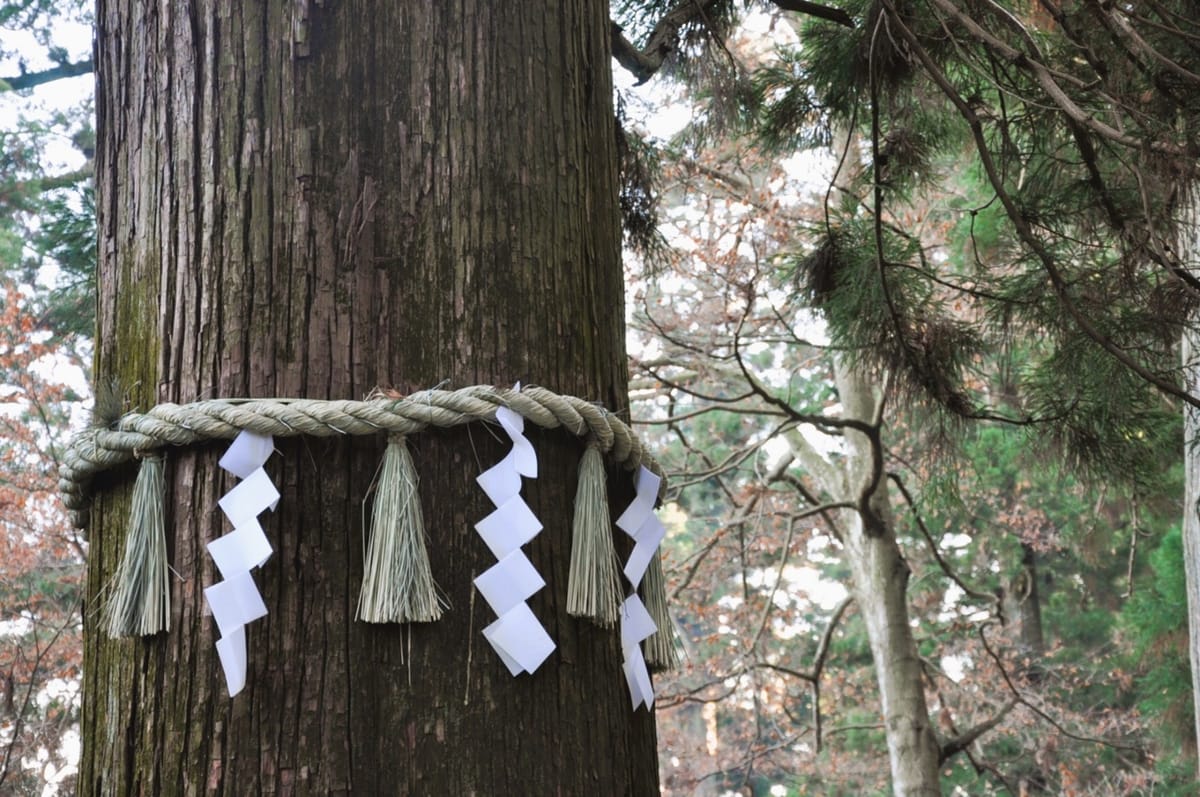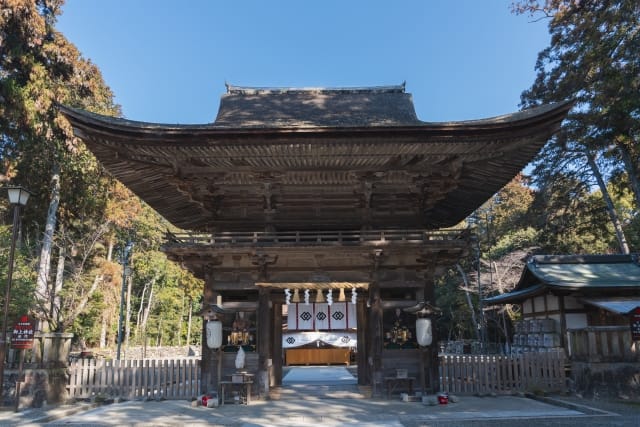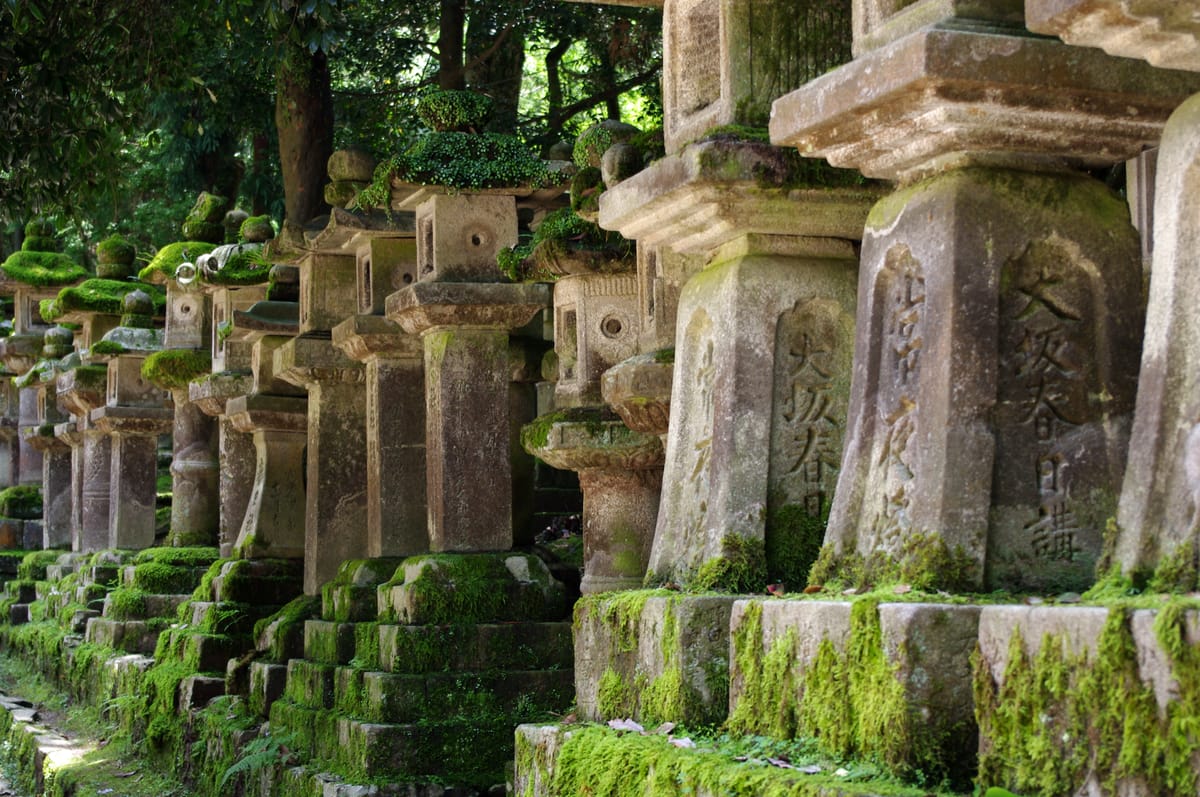
When visiting Japanese shrines, you’ll inevitably encounter shimenawa (注連縄) - sacred ropes that are far more than mere decoration. These sacred cords are deeply intertwined with Japanese architectural culture and serve as crucial elements in defining sacred spaces.
This guide explores the history and architectural significance of shimenawa, from their origins to the massive sacred rope at Izumo Taisha, examining how these ropes delineate sacred spaces in Japanese culture.
What is Shimenawa?
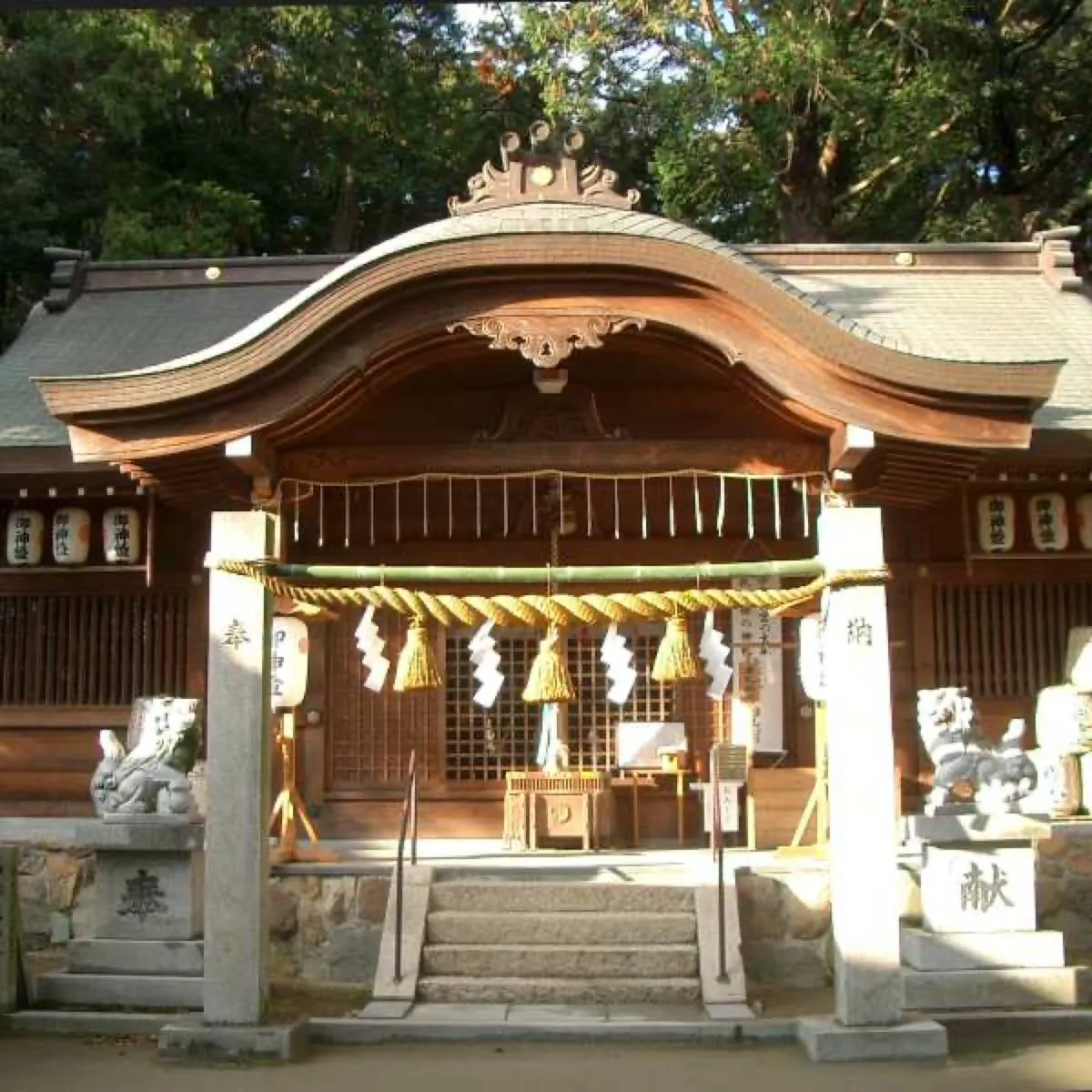
Basic Meaning and Function
Shimenawa are ropes stretched to distinguish sacred areas from the secular world. Their primary roles include:
- Creating barriers - Marking boundaries between sacred and profane spaces
- Purification - Preventing evil spirits from entering
- Indicating sanctity - Showing that a place is connected to the divine
- Seasonal renewal - Maintaining purity through regular replacement
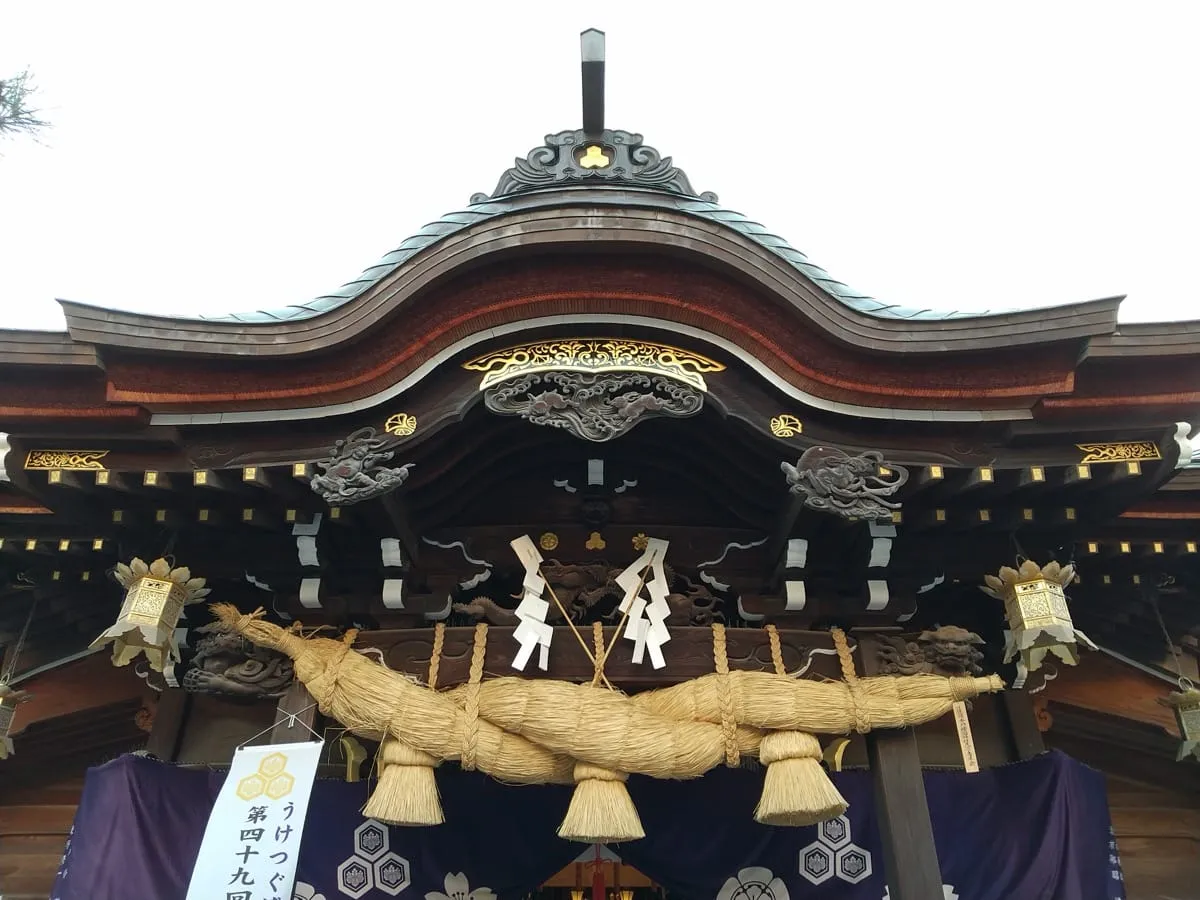
Structure of Shimenawa
Shimenawa typically consist of these elements:
- Main body - Rice straw braided in counter-clockwise direction (hidarinai)
- Shide (paper streamers) - White paper cut and hung as decorations
- Tassels - Bundles of rice straw attached to rope ends
- Citrus and fern - Additional decorations for New Year displays
History and Origins of Shimenawa
Ancient Beginnings
The origins of shimenawa trace back to ancient Japanese religious concepts. The Kojiki (Records of Ancient Matters) describes how, after Amaterasu emerged from the Heavenly Rock Cave, a “shirikume-nawa” rope was stretched to prevent her from hiding again. This is considered the prototype of modern shimenawa.
Integration with Buddhism
From the Nara period onwards, with Buddhism’s arrival, shimenawa concepts evolved. During the era of Shinto-Buddhist syncretism, sacred ropes began appearing in temples, developing more complex decorative elements.
Izumo Taisha’s Great Shimenawa
Japan’s Largest Sacred Rope
The massive shimenawa hanging in Izumo Taisha’s Kagura-den is renowned as Japan’s largest. Its impressive dimensions include:
- Length: Approximately 13 meters
- Weight: Approximately 5.2 tons
- Thickness: Maximum diameter of about 1.5 meters
- Straw used: Approximately 3.5 tons
Architectural Significance
This great shimenawa was created in 1981 when the Kagura-den was rebuilt as a massive 270-tatami hall. The rope’s enormous scale harmonizes with the building’s grandeur, expressing enhanced sanctity through the balance of architectural magnificence and rope proportions.
Unique Installation
Izumo Taisha’s shimenawa is hung in reverse orientation compared to other shrines:
- Typical shrines - Thick end (superior) on the right from the deity’s perspective, thin end (inferior) on the left
- Izumo Taisha - Thick end (superior) on the left from the deity’s perspective, thin end (inferior) on the right
This reflects Izumo Taisha’s ancient maintenance of a different Shinto system from other shrines.
Creation and Replacement
The great shimenawa is handcrafted by residents of Iinan Town, Shimane Prefecture, and replaced approximately every six years. The process involves:
- Material preparation - Beginning with cultivation of special rice
- Rope braiding - Hand-crafted using traditional techniques
- Transport and installation - Careful work using heavy machinery
- Dedication ceremony - Ritual replacement as a sacred rite
Role of Shimenawa in Shrine Architecture
Spatial Division
While not architectural elements themselves, shimenawa play crucial spatial roles in shrine architecture:
- Combination with torii - Reinforcing boundary significance
- Harmony with worship halls - Scale matching architectural dignity
- Guiding movement - Directing visitor flow through grounds
Variations by Architectural Style
Different shrine architectural styles employ varying shimenawa arrangements:
- Shinmei-zukuri - Simple, linear shimenawa
- Taisha-zukuri - Special forms like those at Izumo Taisha
- Hachiman-zukuri - Multiple ropes corresponding to complex architecture
- Kasuga-zukuri - Contrast between vermillion architecture and white ropes
Regional Shimenawa Characteristics
Kantō Region
Relatively simple forms showing influences from Edo period merchant culture.
Kansai Region
Featuring dignified ropes befitting the region’s many historical shrines.
Kyūshū Region
Unique braiding and decorative methods influenced by continental culture.
Okinawa Region
Called “shimei” locally, with distinctive forms dating from the Ryukyu Kingdom era.
Household Shimenawa Decorations
New Year Shimenawa
Shimenawa used in homes operate on the same principles as shrine versions:
- Entrance decorations - Making the entire home a purified space
- Household altar ropes - Delineating sacred space within homes
- Shimekazari - Preparing to welcome New Year deities
Regional Variations
Household shimenawa also show regional characteristics:
- Kantō style - Thick ropes with urajiro fern and citrus
- Kansai style - Elaborate decorations centered on rooted pine
- Kyūshū style - Circular forms based on ring decorations
Modern Shimenawa
Material Evolution
Beyond traditional rice straw:
- Synthetic fibers - For durability-focused applications
- Paper materials - Simplified mass-production versions
- Plastic - Long-term outdoor installation options
Harmony with New Architecture
Shimenawa remain important elements in contemporary shrine architecture:
- Concrete buildings - Contrasting material effects
- Glass architecture - Fusion of transparency and sanctity
- Steel frame buildings - Dialogue between industrial and natural materials
Shimenawa Craftsmanship
Traditional Techniques
Creating authentic shimenawa requires advanced skills:
- Counter-clockwise braiding - Reverse direction from normal rope
- Thickness adjustment - Appropriate sizing for locations
- Paper streamer cutting - Distinctive patterns by region and shrine
- Tassel creation - Beautiful hanging forms
Artisan Skills
Shimenawa craftspeople, called “nawashi,” possess techniques including:
- Straw selection - Identifying quality rice straw
- Braiding speed - Continuous work with consistent tension
- Decorative techniques - Beautiful finishing of streamers and tassels
- Installation skills - Safe and aesthetically pleasing mounting
Conclusion
Shimenawa are inseparable from Japanese shrine architecture. From the magnificent great shimenawa of Izumo Taisha to small household New Year decorations, their essence remains constant.
These sacred ropes that delineate sacred spaces, maintain purity, and renew with seasonal cycles represent a condensation of Japanese religious consciousness and aesthetic sensibility as cultural heritage.
On your next shrine visit, please pay attention to the shimenawa. There you’ll discover a profound world where architecture and nature, tradition and innovation interweave.
Image Credits
- Basic Shimenawa: Shrine shimenawa (Miya.m / CC BY-SA 3.0)
- Worship Hall Shimenawa: Kushida Shrine haiden (Hirho / CC BY-SA 4.0)
Information in this article is based on official Izumo Taisha sources and related materials.