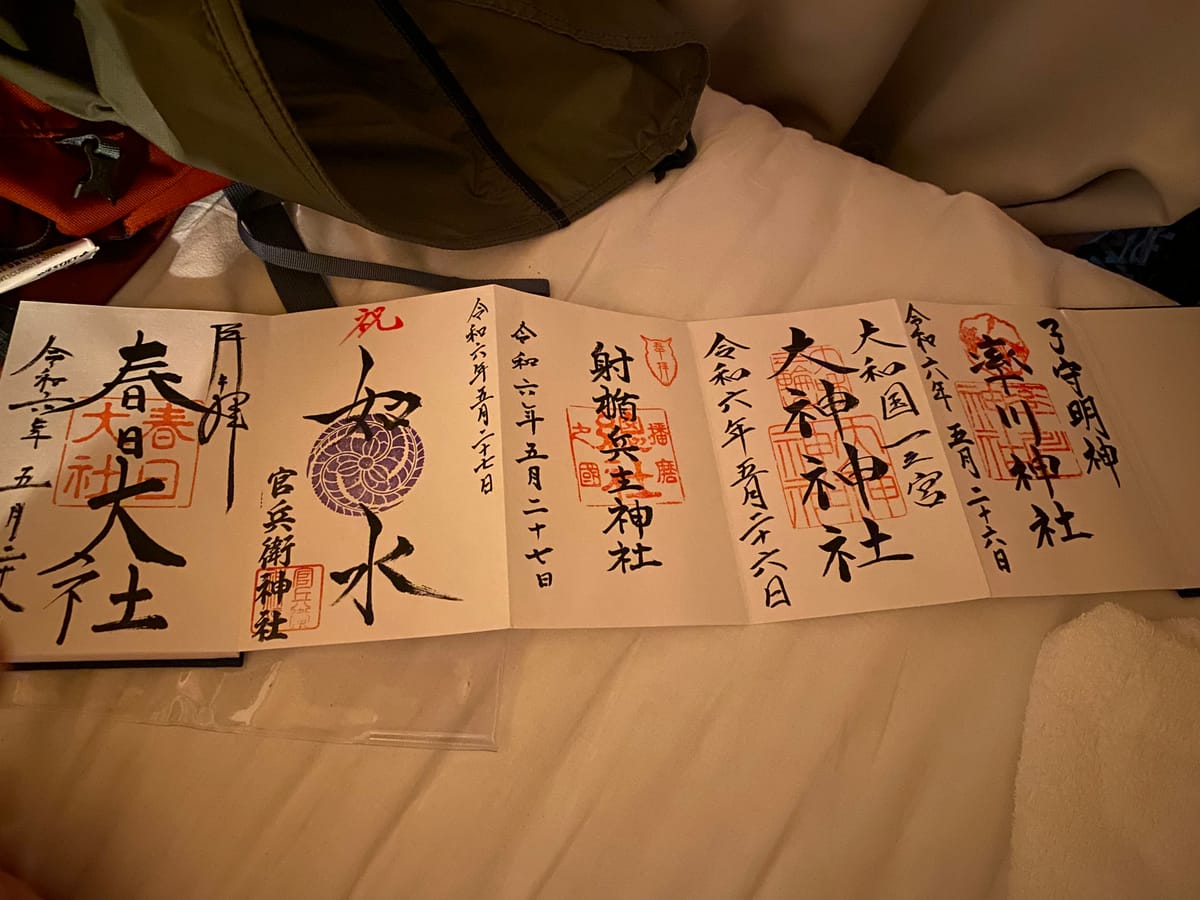
A goshuincho can disappear.
Fire, flooding, a move that went badly, ink fading over decades — this isn’t a scare tactic. Anyone who has collected goshuin for ten or more years already knows how fragile paper is.
Managing goshuin digitally isn’t about replacing the goshuincho. The physical stamp book keeps all of its value. Digital management fills in what paper can’t do. Here’s the practical case.
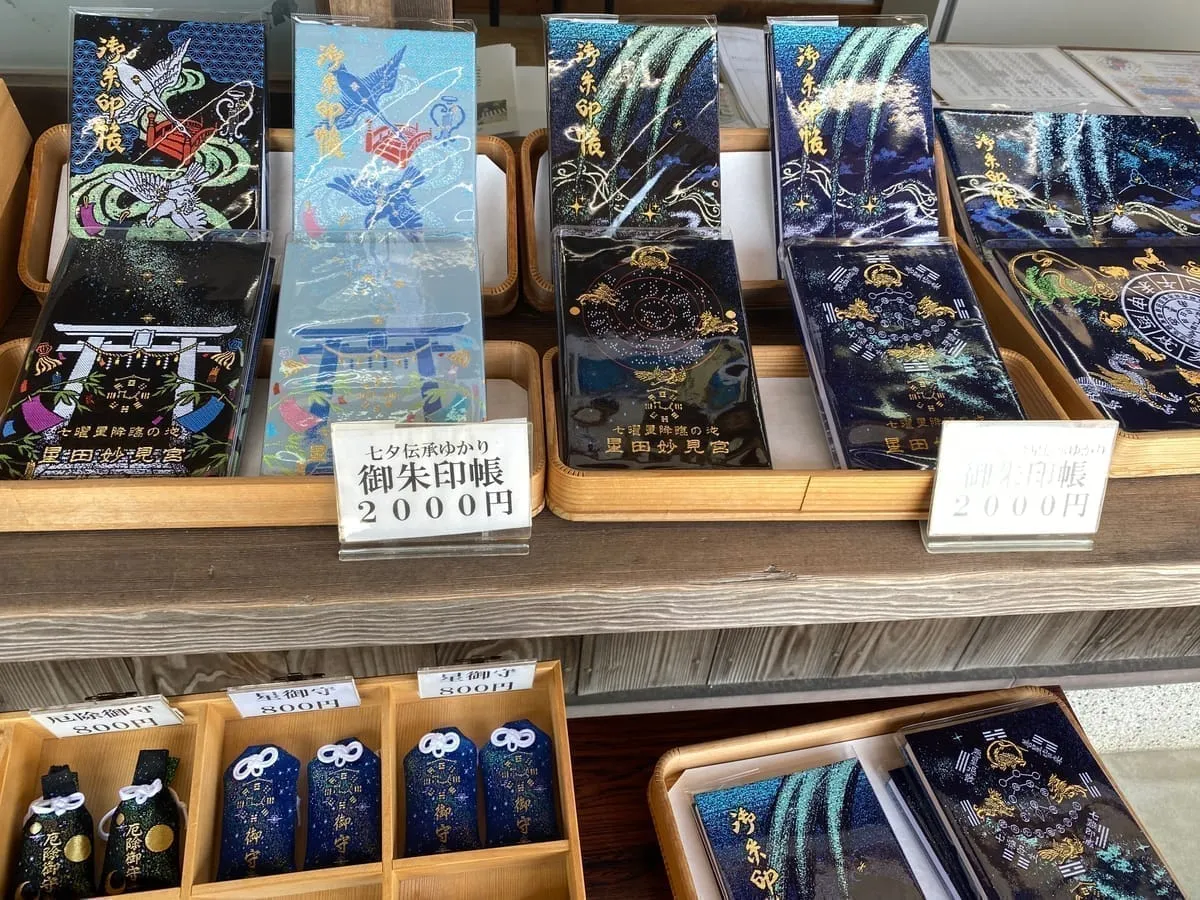
1. Your Goshuincho Has No Backup
If you carry a single goshuincho without any backup, that’s exactly what it is: no backup.
- Many goshuin can never be received again (calligraphers retire, shrines close)
- Goshuincho paper yellows, fades, and warps over time
- Loss and theft are real risks, especially while traveling
A digital record means the physical original can be destroyed without erasing what was collected. Even a simple photo is better than nothing — but an app that links the photo to a date, shrine name, and notes preserves far more.
2. Paper Records Can’t Be Searched
You might have ten goshuincho on a shelf. Try finding “that inari shrine from autumn two years ago” in one of them.
Digital management means:
- Search by shrine name in seconds
- Filter by visit date across all your records
- Browse by prefecture to see where you’ve been
A record is only as useful as it is accessible. A stack of beautiful goshuincho is a visual archive — but a poor retrieval system for the specific memory you’re looking for.
3. Multiple Goshuincho Become Hard to Track
The more goshuincho you accumulate, the harder it becomes to remember which shrine is in which book — and on which page.
Did I already visit this shrine?
Which book has the goshuin from that trip?
Logging shrines and goshuin in an app as you go means you can check before a visit rather than after. You may want to revisit a shrine intentionally — but accidentally revisiting when you meant to go somewhere new is a different matter.
4. Statistics Reveal Patterns You Never Noticed
Once enough records accumulate, numbers start telling a story.
- Which prefectures have you visited, and how many shrines in each?
- Which months do you visit most?
- What is your total visit and goshuin count over the years?
None of this is visible from flipping through a goshuincho. The data view reveals patterns — “I’ve barely left the Kanto region” or “I only visit shrines in autumn” — that naturally suggest where to go next.
5. Pre-Written Goshuin Are Easier to Manage Digitally
Kakioki (pre-written) goshuin present a practical challenge:
- Paper warps when you glue it into the goshuincho
- Loose sheets go missing before you have time to paste them
- Months later, you may not remember which shrine it came from
The solution is simple: photograph it immediately when received, log the shrine and date in the app, and paste it into the goshuincho at home later. This removes the two most common failure modes — lost sheets and forgotten origins.
6. Your Records Become Guideposts for Others
A personal visit note written for yourself can be genuinely useful to other pilgrims.
“Goshuin counter closes at 3 PM, not 4 PM as listed elsewhere."
"Office is in the building to the left of the main hall, not at the main counter."
"Free parking for ~20 cars if you turn right just before the torii.”
This kind of information rarely appears on a shrine’s official website. When shared through an app, it functions as a real-time guide for the next visitor. Recording for yourself becomes a form of giving back.
Digital and Paper Are Not Competing
Digital management is not a replacement for the goshuincho.
The feeling of ink and pigment pressing into paper, the weight of an old book in your hands, the accumulated smell of incense across decades of pages — none of that translates to a screen.
What digital does is handle what paper is genuinely bad at: search, backup, statistics, organization, and sharing.
Pilgrims who use both lose the least.
Image Credits
- “Hoshida Myokengu Goshuin-cho” by Immanuelle / Wikimedia Commons / CC BY 4.0
- “Byodoin calligrapher close” by Chris Gladis (MShades) / Wikimedia Commons / CC BY 2.0