Once you start collecting goshuin, questions quickly follow.
Where exactly do I ask? How much should I pay? What happens when a shrine is busy? And how can I make the most of every visit?
Seasoned collectors have built up a wealth of practical knowledge over years of shrine hopping. Here are the 10 tips that make the biggest difference — whether you’re just starting out or already filling your second goshuincho.
Tip 1: Always Pray First, Then Receive Your Goshuin
This is the single most important rule — and the one most often broken by newcomers.
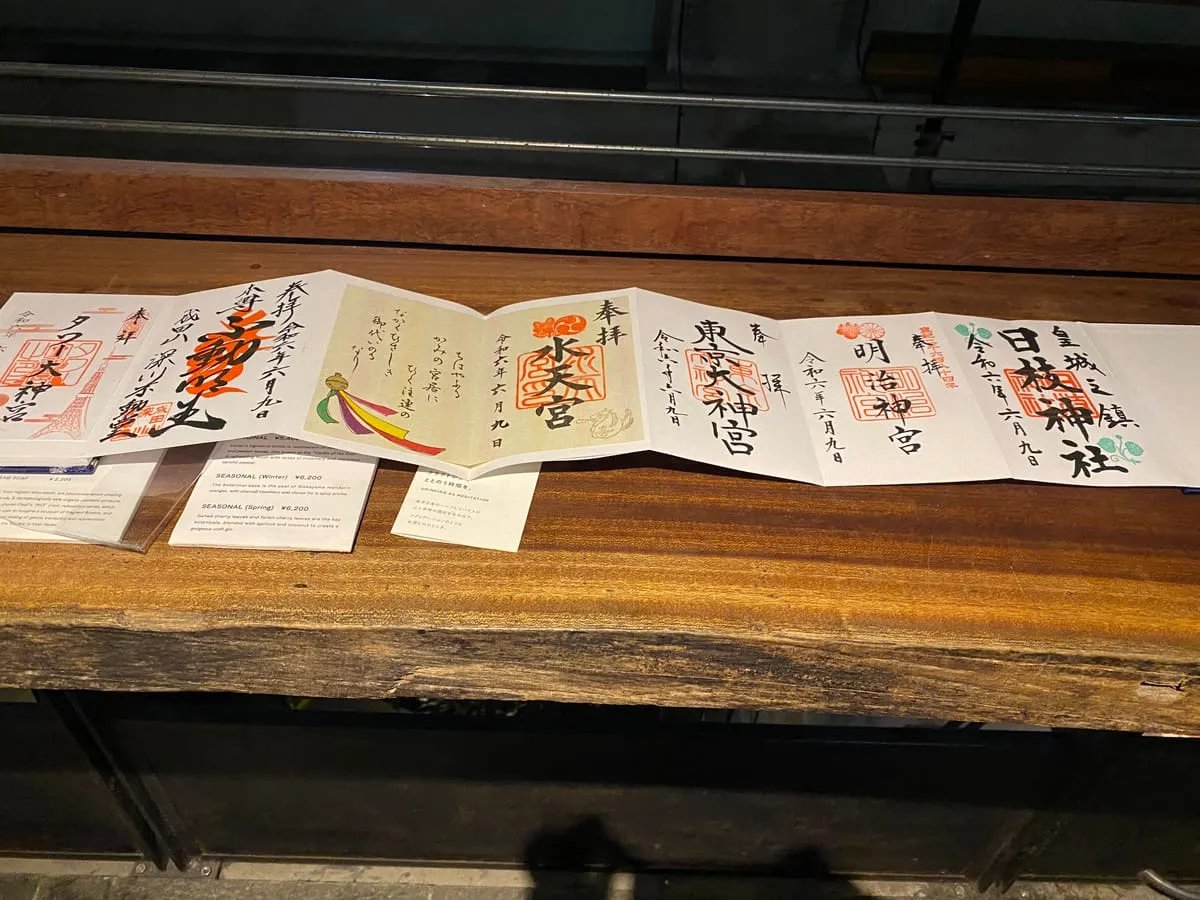
Goshuin is a record of worship, not a souvenir stamp. The proper order is to approach the main hall (honden or hondo), offer a prayer, and then head to the stamp office (shamusho) to receive your goshuin.
At busy shrines, you may be asked to leave your goshuincho at the counter before praying — this is fine, and actually efficient. But the prayer still comes first in spirit. The difference between treating goshuin as a spiritual keepsake versus a tourist trinket begins with this mindset.
Tip 2: Carry Small Change
The standard offering for goshuin (called hatsuho-ryo, or the votive fee) is 300–500 yen at most shrines and temples.
While no one will refuse a 1,000-yen note, handing over exact change is considered considerate — especially at busy shrines where staff are handling dozens of requests. Keep a supply of 100-yen coins in your wallet and you’ll breeze through every counter.
Some shrines set their fee as okimochi de (as you wish). In these cases, 300–500 yen is the accepted norm.
Tip 3: Check Reception Hours Before You Go
Shrine gates may stay open past sunset, but goshuin reception typically ends by 4:00–5:00 PM. These are two very different things.
Situations worth checking in advance:
- Weekly closures: Some shrines, particularly museum-style facilities, close on Mondays
- Ritual days: Major ceremonies can temporarily suspend goshuin services
- Holidays: New Year’s, Golden Week, and summer Obon may bring adjusted hours (sometimes extended, sometimes restricted)
Nothing dampens a long trip like arriving to find the reception closed. Check the shrine’s official website or social media account before visiting — most post their schedules.
Tip 4: Time Your Visit to Avoid the Rush
Popular shrines can see goshuin queues stretching 30 minutes or more during peak periods.
Peak times to be aware of:
- New Year’s holidays (Jan 1–3)
- Setsubun (early February)
- Hatsu-uma (first Horse day of February — busy at Inari shrines)
- Golden Week, Obon, and year-end holidays
- Festival and ceremony days
Better windows:
- Weekday mornings (right at opening through around 10:00 AM)
- Midday on weekdays (though note that staff sometimes take lunch breaks)
- Rainy days (attendance drops sharply — just protect your goshuincho)
If you can’t avoid a busy time, drop off your goshuincho at the counter and explore the shrine grounds while it’s being prepared. This is entirely accepted practice.
Tip 5: Embrace Pre-Written Goshuin (Kakioki)
Many shrines and temples now offer kakioki — goshuin written in advance on paper, ready to be handed to visitors.
Kakioki serves two purposes:
1. Crowd management. During busy festivals or New Year’s, writing each goshuin individually in real time is impossible. Pre-written sheets allow shrines to serve more visitors without sacrificing quality.
2. Unstaffed or part-time shrines. Many smaller shrines operate without a dedicated calligrapher on-site at all times. Kakioki allows them to offer goshuin continuously.
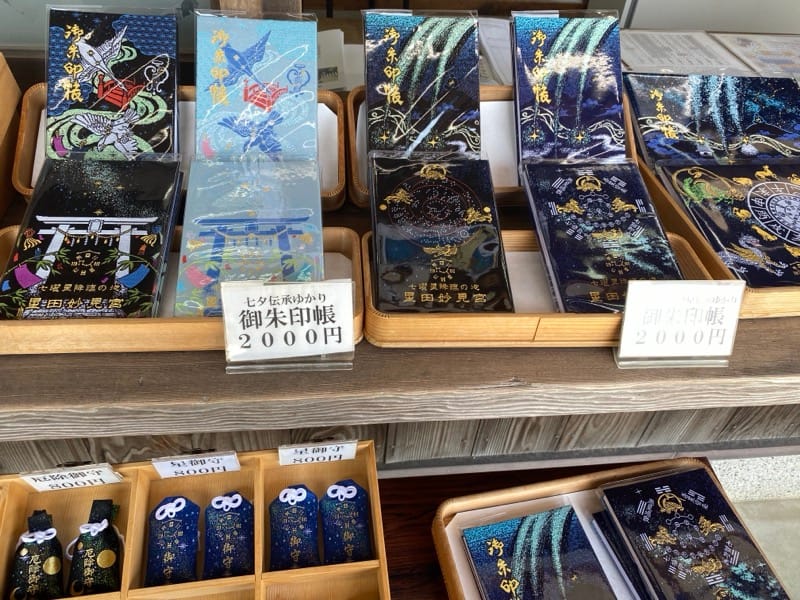
Don’t think of kakioki as second-rate. Some pre-written goshuin feature elaborate illustrations, metallic inks, and seasonal artwork that make them more visually striking than handwritten versions. Keep a kakioki sleeve or folder with your goshuincho to store loose sheets neatly.
Tip 6: Plan Around Seasonal and Limited-Edition Goshuin
The most exciting development in modern goshuin culture is the rise of limited-edition stamps.
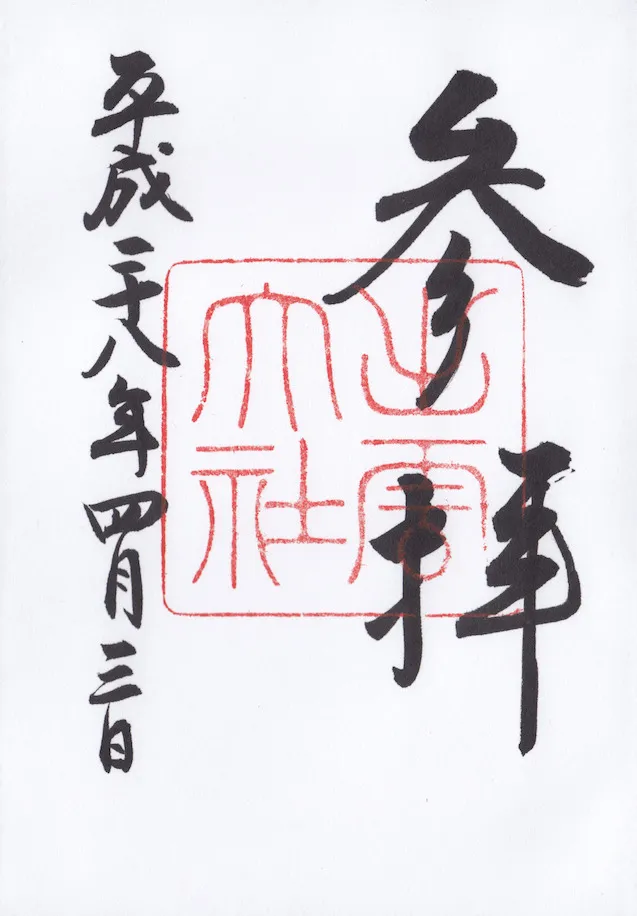
| Type | Example |
|---|---|
| Monthly rotation | Special design released only on the 1st of each month |
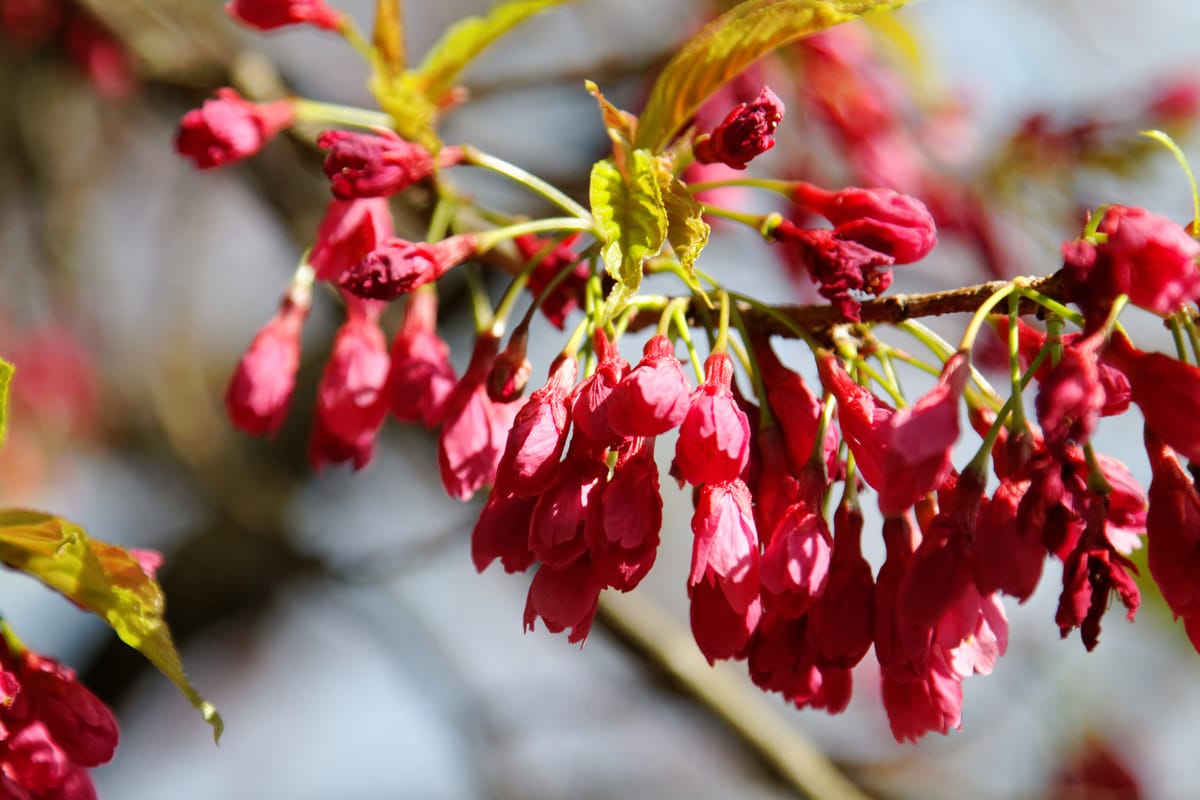
| Seasonal | Cherry blossom, autumn leaves, winter snow motifs |
| Festival-only | Available only during the shrine’s annual matsuri |
| Zodiac | New Year’s goshuin featuring the incoming year’s animal |
| Anniversary | Special designs for founding milestones |
Limited goshuin are stamps that exist only at a specific place, at a specific time. That’s what makes them irreplaceable.
How to stay informed: Follow shrines on X (formerly Twitter) and Instagram. Popular limited goshuin can sell out within hours of announcement. Social media is now the fastest way to track what’s available.
Tip 7: Use Multiple Goshuincho Intentionally
Once you’re past your first goshuincho, consider organizing your collection deliberately.
Common approaches:
- Shrine-only vs. temple-only: Some shrines specifically request that shrine-dedicated goshuincho not be used at Buddhist temples. Keeping them separate avoids awkward moments.
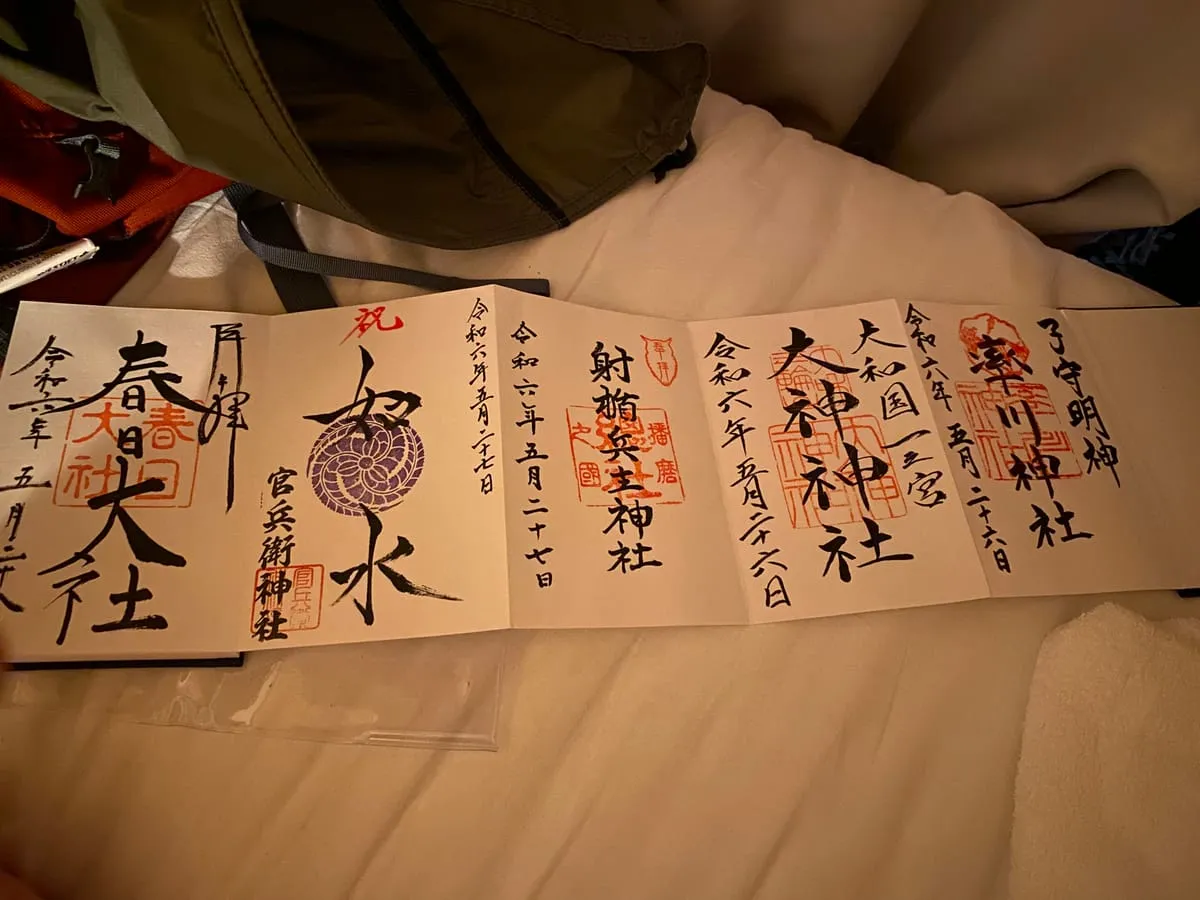
- Region-based: A goshuincho per prefecture or travel region makes for a beautiful travel memoir.
- Theme-based: Separate books for Seven Lucky Gods pilgrimages, Ichinomiya shrines, or specific religious traditions.
- Everyday vs. special: One book for routine visits, one reserved for major shrines and rare limited goshuin.
The key is having your own system. A goshuincho with a clear identity is more satisfying to flip through than a mixed collection.
Tip 8: Record More Than the Stamp
Goshuin typically include the date, the shrine name, and the deity’s name. But they can’t capture everything.
Details worth recording elsewhere:
- Why you visited (travel, prayer for a specific wish, etc.)
- Who came with you
- What the grounds looked like that day (special seasonal flowers, a festival in progress)
- The cost of the goshuin
A small notebook, a voice memo, or a dedicated app works fine. The most complete goshuin collections pair the physical stamp with the story behind it — and that context is entirely up to you to preserve.
Tip 9: Store Your Goshuincho Properly
Goshuin are made with ink and vermilion paste. Without basic care, they can fade or transfer.
Storage guidelines:
- Avoid humidity: Don’t store goshuincho in damp closets. A silica gel packet nearby helps.
- Avoid direct sunlight: UV exposure causes ink to fade over time.
- Use a cloth bag or paulownia box: Traditional wrapping protects both the cover and the pages.
- Store upright, not stacked: Stacking books face-to-face can cause vermilion to transfer. If stacking is unavoidable, place thin paper between pages.
And when a goshuincho is full? There’s no obligation to dispose of it. Many shrines and temples accept completed goshuincho for a respectful ritual return — a practice called goshuincho osamе. Or simply keep it. It’s a record of where you’ve been and what you’ve prayed for.
Tip 10: Use an App to Track Your Collection
This is the modern tip — and one that genuinely changes the collecting experience.
A goshuin management app lets you:
- Photograph and catalog each goshuin as you receive it
- See all visited shrines on a map
- Maintain a wish list of shrines to visit
- Access reception hours and limited stamp schedules
The goshuincho itself remains irreplaceable — nothing digital replicates the feel of ink on Japanese paper. But for organizing, tracking, and planning, digital tools are simply more efficient. Analog and digital work best together.
The One Rule That Covers Everything
Ten tips, but they all trace back to one idea:
Pray first. Receive goshuin after.
Get that right and everything else falls into place. The rest is just refinement — finding your pace, your style, your favorite shrines. That’s the long game of goshuin collecting, and there’s no rush.
Image Credits
- goshuincho-open.jpg: “Displayed Goshuinchō” by Immanuelle, CC BY 4.0, via Wikimedia Commons
- goshuin-collection.jpg: “Goshuincho with five shuin” by Immanuelle, CC BY 4.0, via Wikimedia Commons
- goshuin-izumo.jpg: “出云大社 御朱印” by Wildgun, CC BY-SA 4.0, via Wikimedia Commons