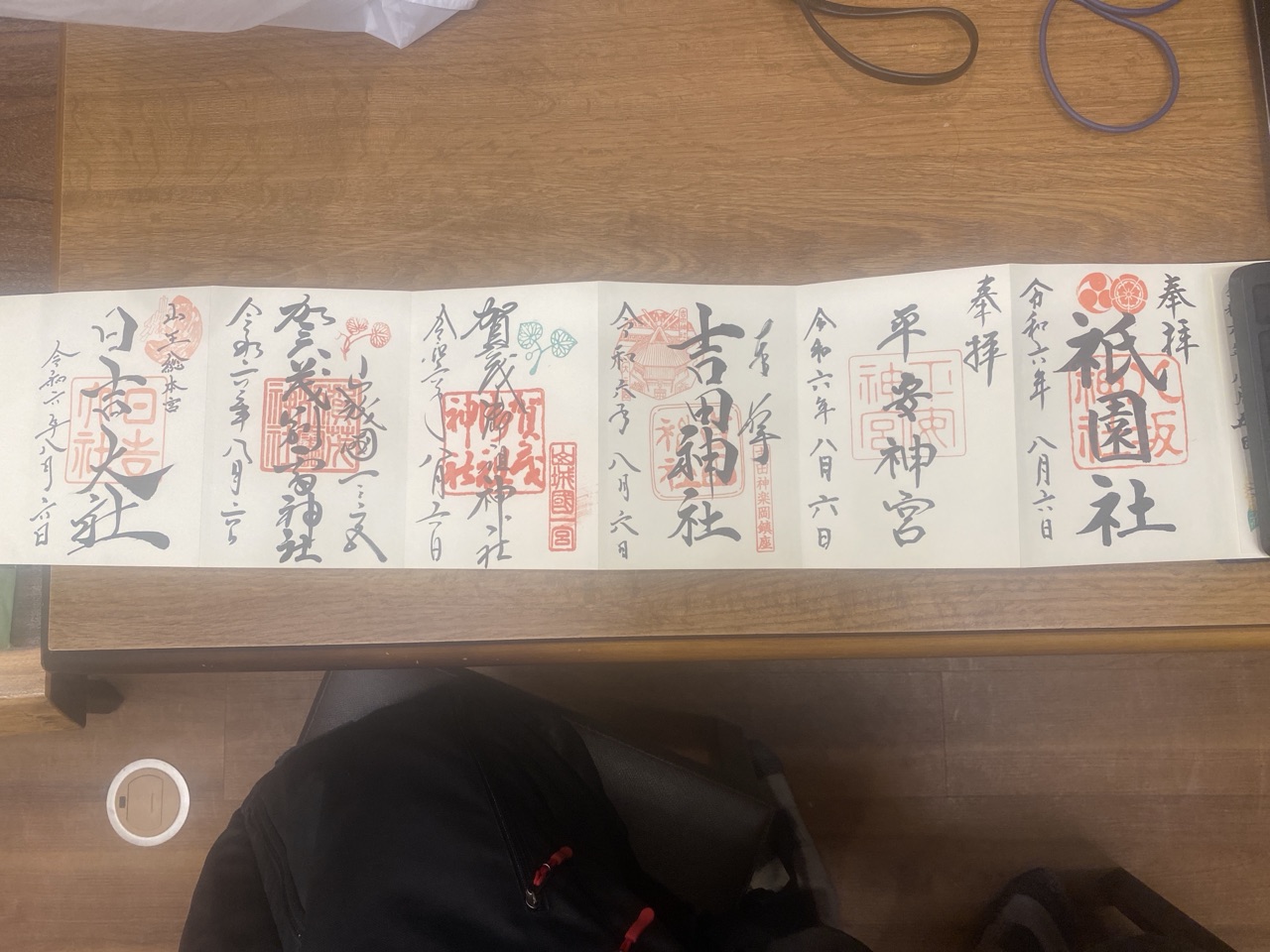
The world of limited-edition goshuin moves to the rhythm of Japan’s ritual calendar.
“When should I go?” is actually a simple question to answer. The best season depends entirely on what you’re after. Cherry blossom stamps appear in March and April. Tanabata designs show up in July. Autumn maple motifs are distributed around November. New Year’s special stamps last only a few days in early January.
This guide maps the seasonal goshuin landscape month by month — so you can plan your shrine visits around the stamps you want most.
What Are Seasonal Goshuin?
Seasonal goshuin (季節限定御朱印, kisetsu gentei goshuinin) are stamps distributed only during specific seasons, festivals, or calendar dates. They may supplement the shrine’s regular goshuin or temporarily replace it.
Two main formats exist:
Hand-written (直書き, jikagaki): A shrine priest writes your goshuin directly in your goshuincho on the spot. Irreplaceable and unique to the moment.
Pre-written slip (書き置き, kakioki): Stamps or calligraphy prepared in advance on washi paper, handed to you at the counter. Some shrines also offer these by mail. Pre-written format is more common for seasonal designs because it allows more elaborate artwork.
Seasonal goshuin typically cost ¥500–1,000 — somewhat higher than standard stamps (¥300–500). Some shrines leave the fee open as an offering.
Spring (March–May)
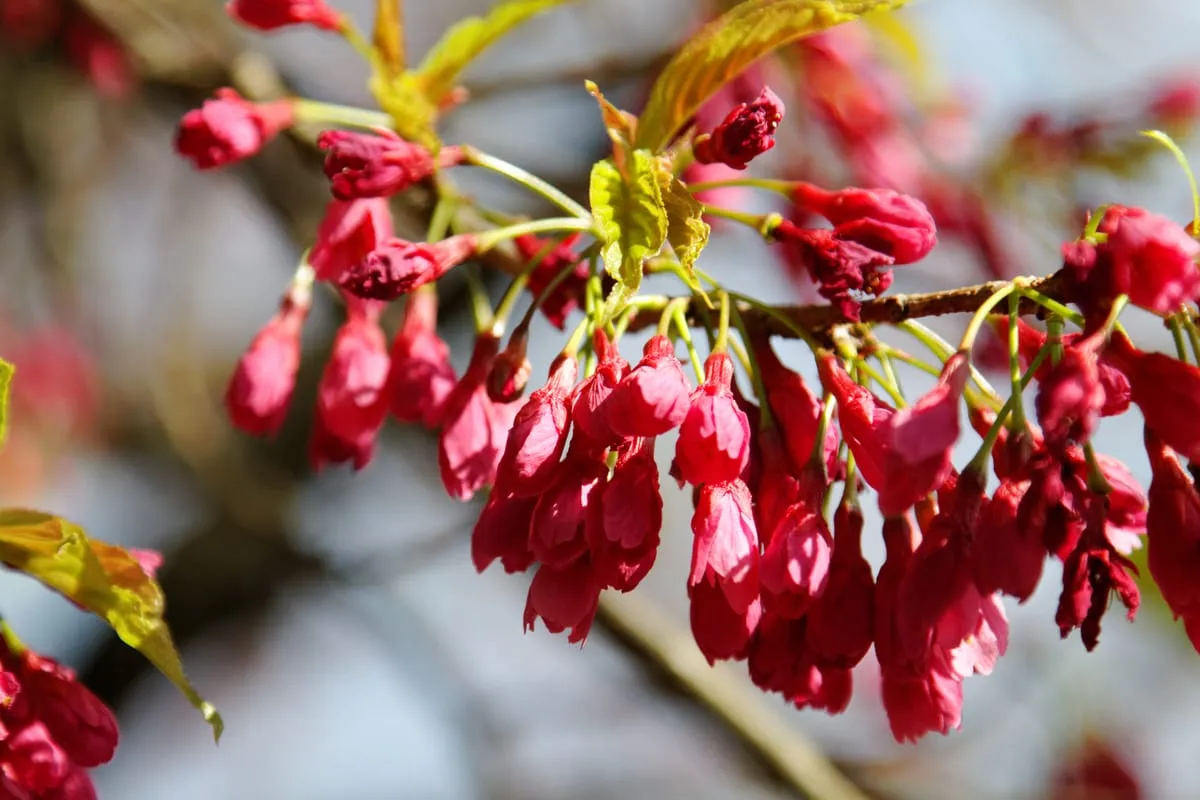
Spring brings the most diverse range of seasonal goshuin in the entire year.
March: Hinamatsuri & Plum Blossoms
Doll Festival (Hinamatsuri, March 3) inspires designs featuring hina dolls, peach blossoms, and pastel color palettes — usually distributed from late February through early March.
Shrines famous for plum trees (ume), like Dazaifu Tenmangu (Fukuoka) and Kitano Tenmangu (Kyoto), release plum-themed goshuin during peak blooming season in February and March.
Best options
- Dazaifu Tenmangu (Fukuoka): Plum goshuin around February, when the legendary Tobiume tree blooms
- Suiten-gu (Tokyo): Hinamatsuri special edition
April: Cherry Blossoms & Hana Matsuri
April is peak season for sakura-themed goshuin. Shrines like Heian Shrine (Kyoto), Yasukuni Shrine (Tokyo), and Himuro Shrine (Nara — one of the earliest-blooming sites in the city) all release cherry blossom stamps.
April 8 is Hana Matsuri (Flower Festival), commemorating the Buddha’s birthday. Some shrines with Buddhist heritage also mark this occasion with special designs.
Best options
- Heian Shrine (Kyoto): Stunning weeping cherry goshuin during peak bloom (typically mid-April)
- Himuro Shrine (Nara): Nara’s earliest cherry blossoms, usually opening in early April
- Yasukuni Shrine (Tokyo): Spring Grand Festival (April 21–23) may bring special seasonal stamps
May: Fresh Greenery & Children’s Day
May 5 (Children’s Day, Tango no Sekku) inspires carp streamer (koinobori) and iris (shobu) motifs. The fresh green of new leaves (wakaba) also makes frequent appearances in May designs.
Best options
- Sumiyoshi Taisha (Osaka): Special goshuin around the U-no-hana ritual for Children’s Day
- Nezu Shrine (Tokyo): Azalea Festival (mid-April to early May) limited stamps
Summer (June–August)
Summer is dense with ritual events — the rainy season purification, Tanabata, Obon. Each creates its own goshuin moment.
June: Nagoshi no Harae & Hydrangeas
June 30 marks Nagoshi no Harae (Summer Great Purification), one of Shinto’s two annual mass purification rites. Most shrines set up large chinowa (茅の輪, reed rings) for visitors to pass through, and release goshuin featuring this circular motif.
Shrines known for hydrangeas (ajisai), like Hakone Shrine (Kanagawa) and Oharano Shrine (Kyoto), also distribute hydrangea-themed stamps from June to July.
Best options
- Shrines nationwide: Chinowa-themed goshuin around June 30 to early July
- Oharano Shrine (Kyoto): Hydrangea specialty stamps in early summer
July: Tanabata
July 7 is Tanabata — the star festival when Vega and Altair are said to meet across the Milky Way. Stamp designs commonly feature bamboo, paper wish-strips (tanzaku), and starry skies.
Many shrines limit Tanabata goshuin to July 1–7 only. Plan ahead.
August: Summer Festivals & Obon
August’s major shrine festivals (reitaisai) frequently generate special commemorative goshuin. The period around Obon (August 13–16), when ancestors are said to return, sees some temples (and a few shrines) release memorial-themed designs.
Autumn (September–November)
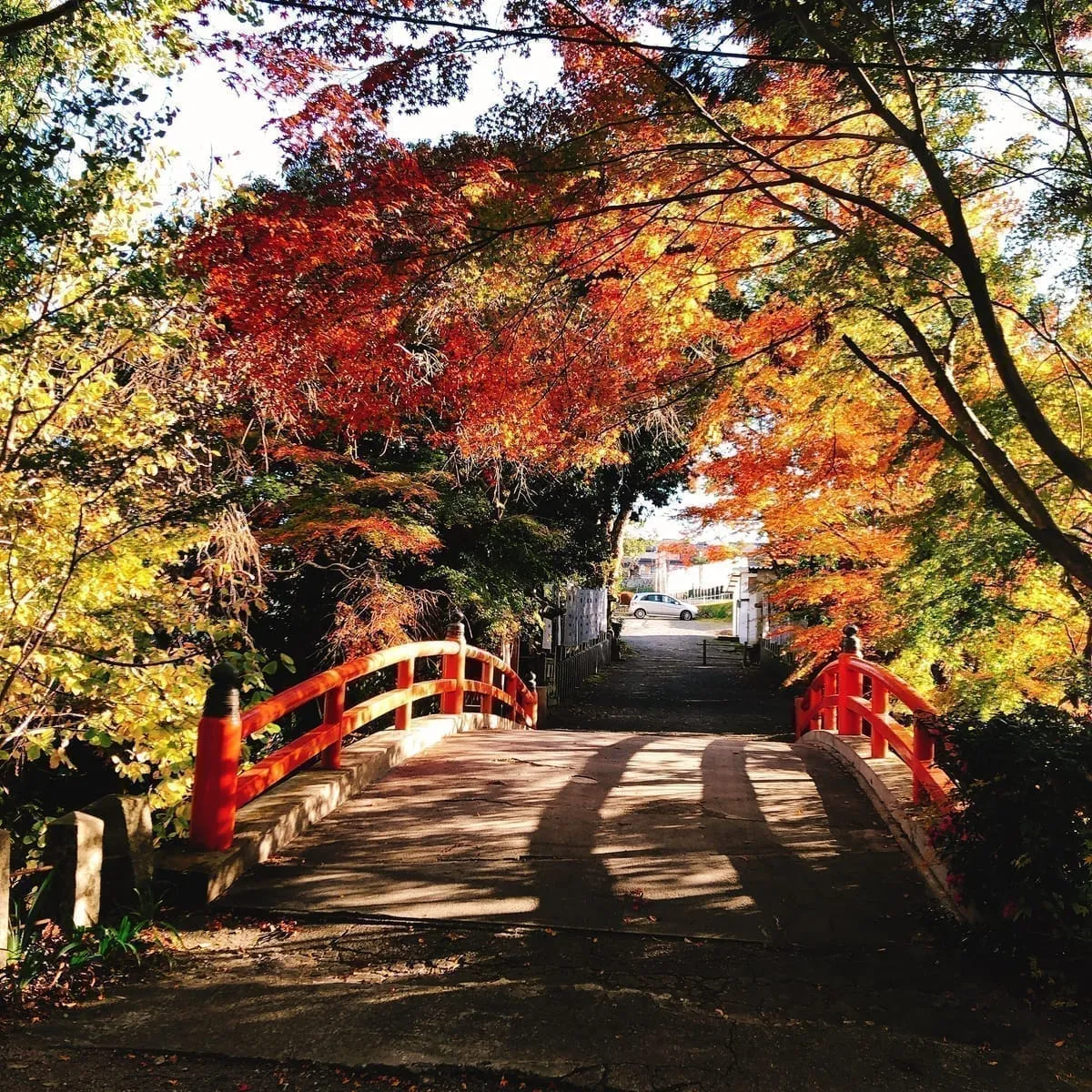
Autumn is among the peak seasons for goshuin collecting. Maple foliage and traditional shrine architecture are a natural combination — and shrine stamp designers know it.
September: Chrysanthemum Festival
September 9 is Choyo no Sekku (Chrysanthemum Festival), a traditional celebration of the flower long associated with longevity. Chrysanthemum-motif goshuin appear at shrines around this date.
The autumnal equinox (around September 22–23) brings its own round of seasonal stamps at some shrines.
October: Autumn Festivals & Kannazuki
October is festival month at shrines across Japan. It also carries the name Kannazuki (神無月, “month without gods”) — legend holds that all the deities travel to Izumo Grand Shrine for an annual council. Shrines at Izumo and associated inari networks often release special goshuin around this time.
Best options
- Izumo Taisha (Shimane): Kamiari-sai (神在祭, month of gods’ arrival) — limited goshuin around the lunar 10th month
- Fushimi Inari Taisha (Kyoto): Autumn Grand Festival (early November area) special stamps
November: Autumn Leaves & Shichi-Go-San
November brings peak foliage. Kitano Tenmangu’s Momiji-en (Kyoto), Tanzan Shrine (Nara), and Yahiko Shrine (Niigata) are among the shrines where autumn leaf goshuin designs are stunning.
November 15 is Shichi-Go-San — the children’s coming-of-age rite for ages 3, 5, and 7. Special goshuin marking this celebration appear at family-oriented shrines.
Best options
- Kitano Tenmangu (Kyoto): Momiji-en open season (late October to early December) limited stamps
- Tanzan Shrine (Nara): Peak foliage in November, special autumn goshuin
Winter (December–February)
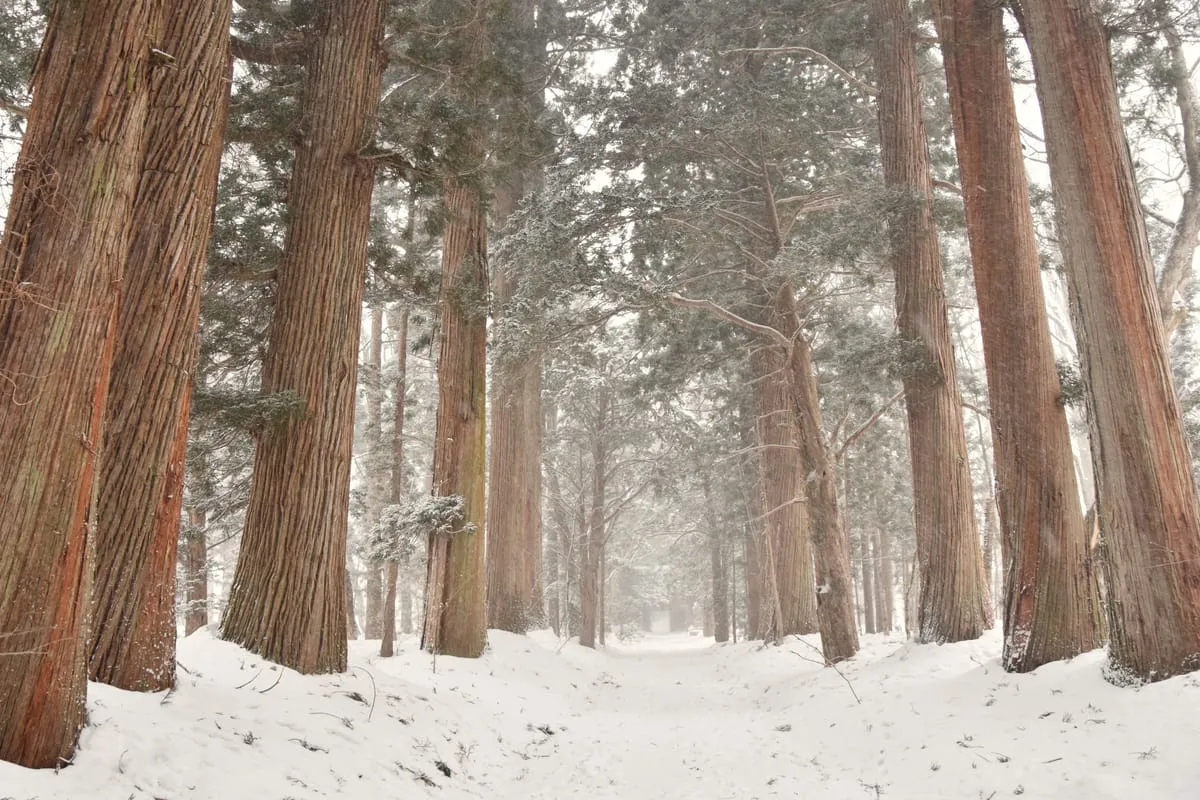
December: Toshi-no-Harae & Winter Solstice
December 31 brings Toshi-no-Harae (Year-End Great Purification) — the counterpart to June’s Nagoshi no Harae. Many shrines mark this final rite of the year with special goshuin available only on New Year’s Eve.
The winter solstice (around December 22) inspires yuzu, persimmon, and snow motifs at some shrines.
January: Hatsumode & New Year
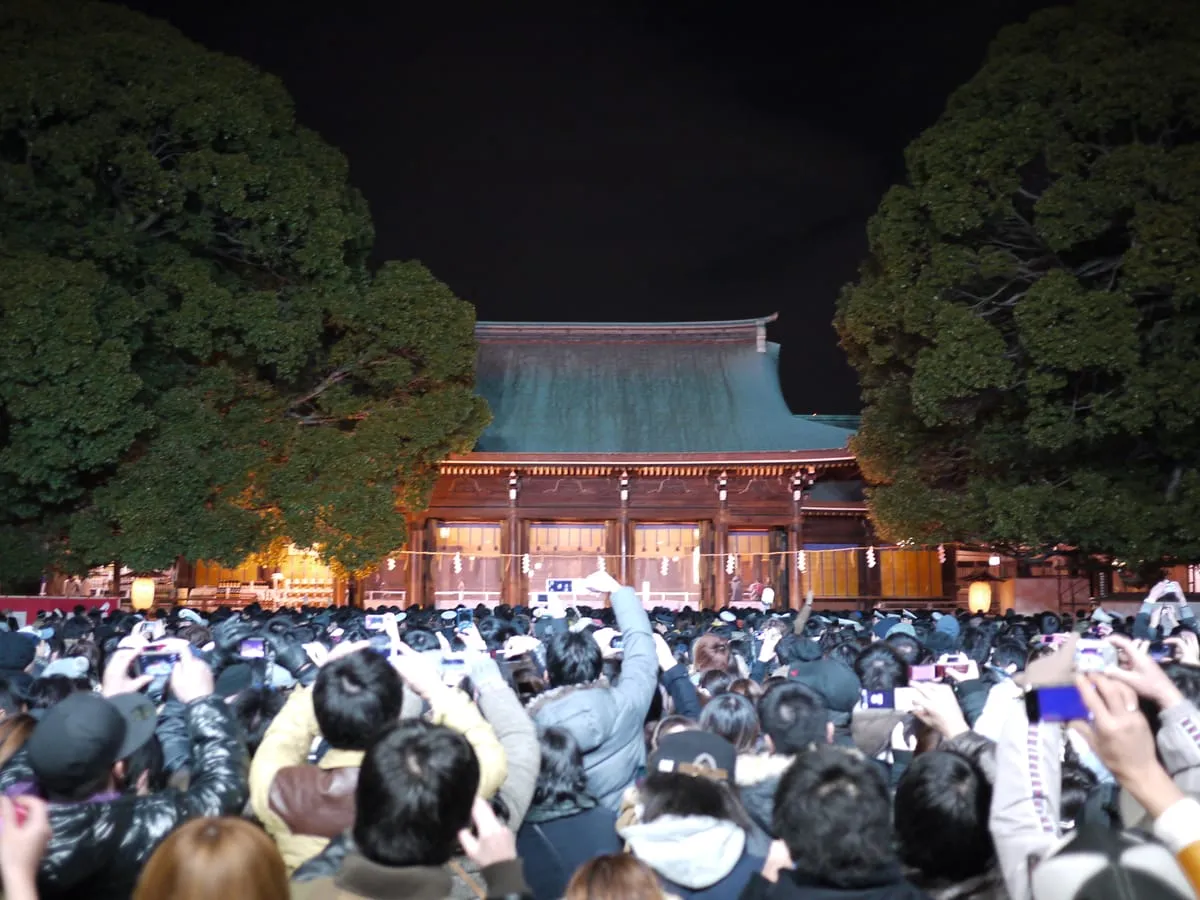
New Year’s goshuin are among the most sought-after limited editions of the year.
The “sanganichi” period (January 1–3, the first three days of the New Year) sees shrines distribute special stamps featuring the zodiac animal (eto) of the current year, pine decorations, and sunrise motifs. Designs change every year, making them natural collector’s items.
A handful of shrines offer stamps available only on January 1st — rare enough to inspire queues starting before midnight.
Best options
- Meiji Jingu (Tokyo): New Year special goshuin. Up to 3 million visitors over three days — go early
- Sumiyoshi Taisha (Osaka): New Year’s Day limited edition
- Ise Jingu (Mie): Inner and Outer Shrine New Year stamps, for the most spiritually significant opening of the year
February: Setsubun & National Foundation Day
February 3 is Setsubun — the boundary between winter and spring. Goshuin featuring oni (demons), soybeans, and ehomaki (lucky direction sushi rolls) are distributed at shrines that hold setsubun rituals. Availability is typically limited to February 2–4.
February 11, National Foundation Day (Kenkoku Kinenbi), is marked at shrines like Kashihara Jingu (Nara) — dedicated to Emperor Jimmu, Japan’s legendary first emperor — with special patriotic-themed stamps.
3 Ways to Never Miss a Seasonal Goshuin
1. Follow Shrine Official Accounts on Social Media
Most shrines with active seasonal goshuin programs announce them on Twitter/X, Instagram, or their official websites. Pre-written slips are almost always announced in advance; hand-written editions are often confirmed only by showing up.
2. Check the Shrine’s Annual Festival Calendar
Special goshuin almost always align with a shrine’s reitaisai (annual grand festival). Most shrines publish their event calendars. Knowing the big festival dates in advance gives you a year’s worth of targeting opportunities.
3. Aim for Weekdays, Not Weekends
Once seasonal goshuin information spreads online, weekend lines at popular shrines can stretch for hours. If you have flexibility, weekday mornings are significantly calmer — especially outside of peak hatsumode and sakura seasons.
Full Seasonal Reference
| Month | Key Events | Common Goshuin Motifs |
|---|---|---|
| January | Hatsumode, New Year | Zodiac animal, pine, sunrise |
| February | Setsubun, plum blossoms | Oni, soybeans, plum flowers |
| March | Hinamatsuri, plum/early cherry | Hina dolls, peach blossoms |
| April | Cherry blossoms, Hana Matsuri | Sakura, weeping cherry |
| May | Children’s Day, fresh green | Carp streamers, irises |
| June | Nagoshi no Harae, hydrangeas | Reed ring (chinowa), ajisai |
| July | Tanabata | Bamboo, Milky Way, tanzaku |
| August | Summer festivals, Obon | Fireworks, mikoshi, ancestors |
| September | Chrysanthemum Festival | Chrysanthemum, bush clover |
| October | Autumn festivals, Kannazuki | Rice ears, sacred dance |
| November | Autumn foliage, Shichi-Go-San | Momiji, red maples |
| December | Year-End Purification, solstice | Snow, yuzu, shimenawa |
Seasonal goshuin give you a reason to return to the same shrine year after year — and find something different every time. That rhythm, aligned with Japan’s ritual calendar, is one of the quieter joys of goshuin collecting.
Image Credits
- Header & Spring: “Heian Shrine” by Kimon Berlin, CC BY-SA 2.0, via Wikimedia Commons
- Autumn Leaves: “Autumn leaves in shrine” by 大久保藍, CC BY-SA 4.0, via Wikimedia Commons
- Winter Snow: “Togakushi Shrine in winter” by Raita Futo, CC BY 2.0, via Wikimedia Commons
- Hatsumode: “Hatsumoude, New Year’s visits to a shrine” by Yoshikazu Takada, CC BY 2.0, via Wikimedia Commons