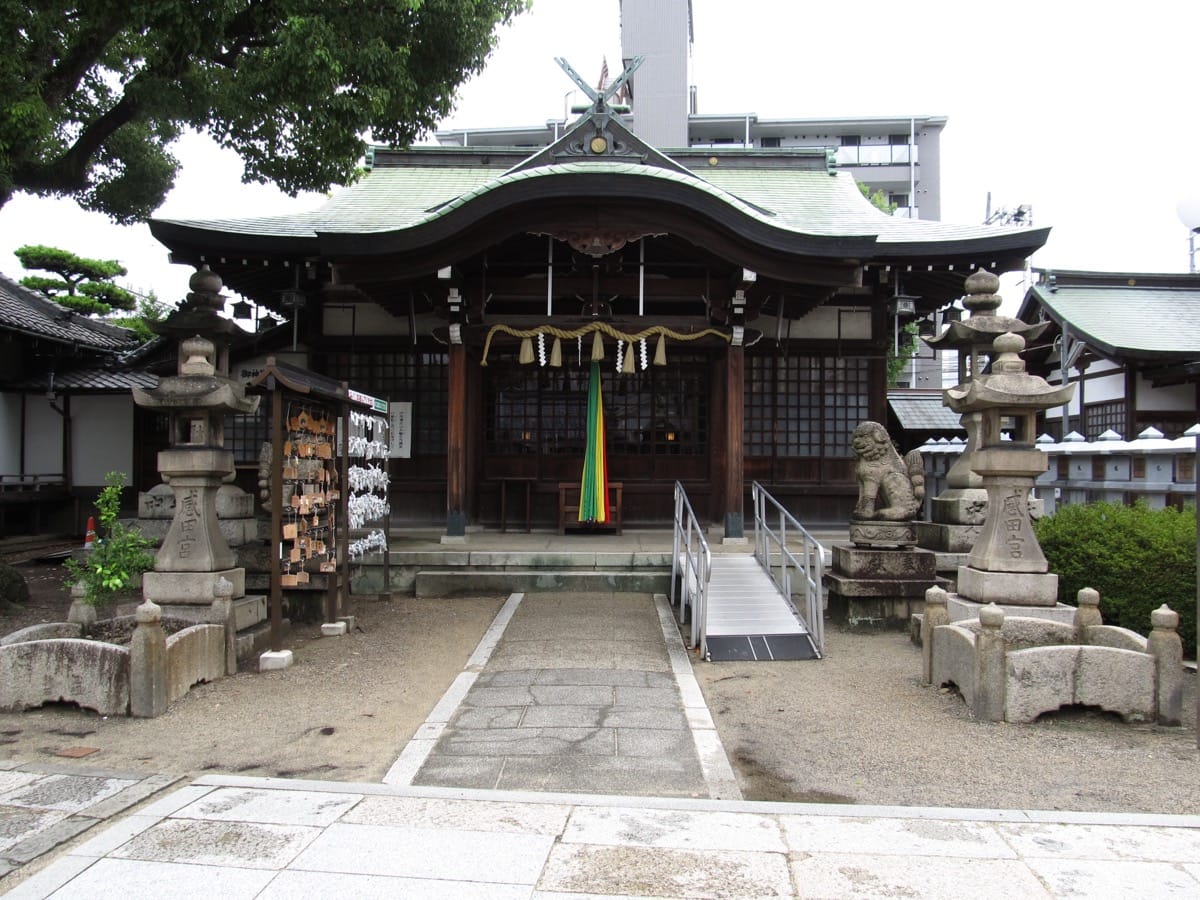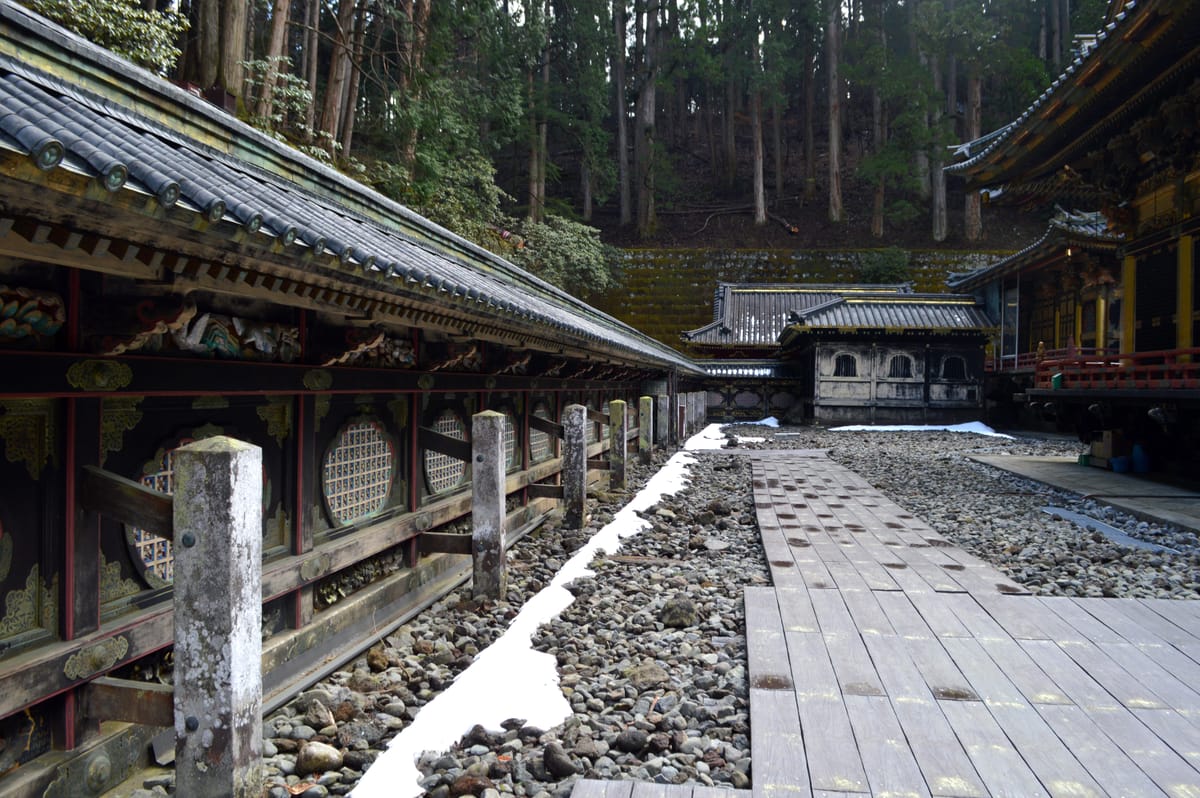
When visiting Japanese shrines, have you ever paid attention to the architecture of the main hall (honden)? The main hall’s architectural style is not just aesthetically significant—it carries deep historical meaning and represents centuries of traditional building techniques.
Today, we’ll explore the four major architectural styles of shrine main halls: Shinmei-zukuri, Taisha-zukuri, Nagare-zukuri, and Kasuga-zukuri, learning their distinctive features and how to identify them.
Shinmei-zukuri: The Ancient Elevated Style
Key Features
- Origins in elevated granaries, representing Japan’s oldest shrine architecture
- Thatched roofing (now often replaced with copper plates)
- Chigi (crossed roof finials) and katsuogi (horizontal logs) crown the roof
- Unpainted wood construction emphasizing natural beauty
- Steep gabled roof with simple, unadorned elegance
Representative Example
Ise Jingu (both Inner and Outer Shrines) exemplifies this style perfectly. Through the 20-year shikinen sengu (shrine renewal ceremony), ancient building techniques have been preserved for over 1,300 years.
Identification Points
- Crossed chigi on the rooftop
- Simple gabled roof (not hip-and-gable style)
- Minimal ornamentation showcasing natural wood grain
Taisha-zukuri: Izumo’s Unique Architecture
Key Features
- Unique to Izumo region, represented by Izumo Taisha
- Off-center entrance positioned to the right rather than center
- Cypress bark roofing (hinoki-gawa-buki)
- Massive shimenawa (sacred rope) prominently displayed
- Thick pillars creating a robust, imposing structure
Representative Example
Izumo Taisha stands as the sole major example of this style. Historical records suggest the ancient structure was twice the current height, making it a truly massive edifice.
Identification Points
- Entrance not in the center (unlike other styles)
- Vertical chigi standing upright
- Wide, imposing horizontal profile
Nagare-zukuri: The Most Widespread Style
Key Features
- Extended front roofline flowing gracefully forward
- Distinctive kohai (worship hall extension) creating a covered approach
- Cypress bark or copper plate roofing
- Most common style found throughout Japan
- Elegant, flowing roofline creating visual movement
Representative Examples
- Shimogamo and Kamigamo Shrines (Kyoto)
- Usa Jingu (Oita Prefecture)
- Iwashimizu Hachimangu (Kyoto)
Identification Points
- Roof flowing forward in a graceful curve
- Separate pillars for the kohai and main structure
- Fluid, elegant overall silhouette
Kasuga-zukuri: Nara’s Vermillion Beauty
Key Features
- Vermillion pillars contrasting with white walls
- Cypress bark roofing
- Front staircase with railings (koran)
- Gabled roof with gentler slope than Shinmei style
- Independent kohai structure clearly separated from main hall
Representative Example
Kasuga Taisha (Nara) showcases this style beautifully, where vermillion pillars, white walls, and surrounding greenery create a harmonious landscape that has inspired artists for centuries.
Identification Points
- Vermillion-painted pillars (most others use natural wood)
- Front-facing staircase
- Clearly separated worship hall extension
Three Key Points for Style Recognition
1. Roof Shape
- Long, flowing roofline → Nagare-zukuri
- Steep gabled roof → Shinmei-zukuri
- Wide, horizontal roof → Taisha-zukuri
- Gentle gabled slope → Kasuga-zukuri
2. Entrance Position
- Center placement → Shinmei, Nagare, Kasuga styles
- Off-center (right side) → Taisha-zukuri
3. Color Scheme
- Natural wood finish → Shinmei, Taisha, Nagare styles
- Vermillion paint → Kasuga-zukuri
The Cultural Significance
Each architectural style reflects the regional culture and historical development of its area. Shinmei-zukuri represents Japan’s agricultural origins, Taisha-zukuri embodies Izumo’s unique spiritual traditions, Nagare-zukuri shows the refinement of Heian court culture, and Kasuga-zukuri reflects the interaction between Shinto and Buddhist architectural influences.
Conclusion
Understanding these architectural styles adds depth to your shrine visits and goshuin collecting experience. Each style tells a story of Japan’s cultural evolution, regional differences, and the continuous transmission of traditional building knowledge.
Next time you visit a shrine, take a moment to observe the main hall’s architecture. Can you identify which of these four styles it represents? This knowledge will enhance your appreciation of Japan’s rich architectural heritage and spiritual traditions.
References & Image Credits
- Agency for Cultural Affairs, “Complete Catalog of National Treasure and Important Cultural Property Buildings”
- Architectural Institute of Japan, “Illustrated History of Japanese Architecture”
- Kanda Myojin photo: Fg2, Public Domain, via Wikimedia Commons
Shrine architecture images used with permission from respective shrines and rights holders