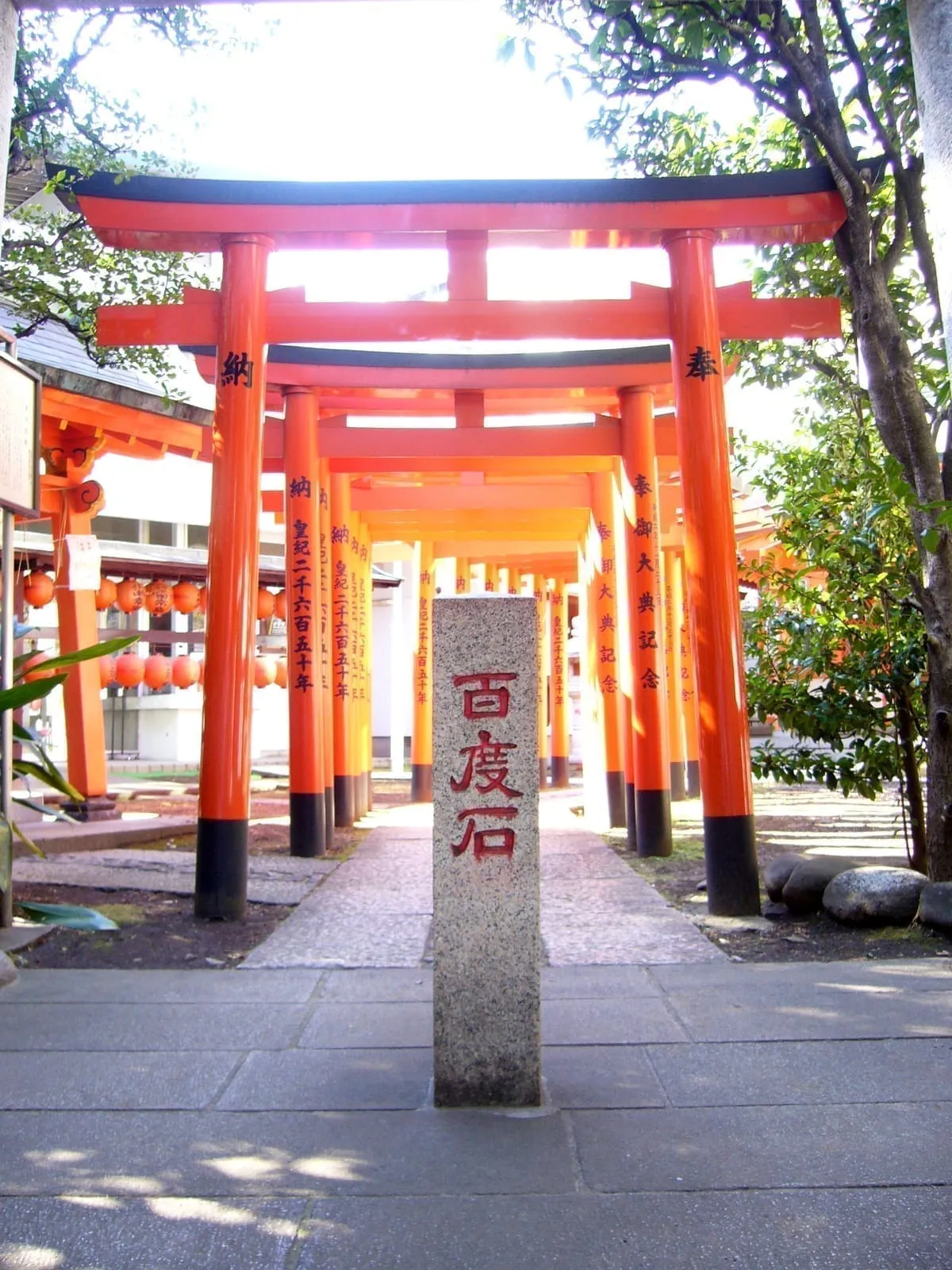
If you have spent time in Japanese shrines, you may have noticed a stone pillar engraved with the characters 百度石 (hyakudo-ishi) standing near the approach or in front of the main hall.
And perhaps you have seen someone quietly walking the same stretch of path again and again — to the hall, bow, back to the stone, again, again, again. That is ohyakudo mairi (お百度参り): the practice of visiting a shrine or temple 100 times in a single session as an act of intensified prayer.
What Ohyakudo Mairi Is
Ohyakudo mairi literally means “the hundred-times visit.” The practitioner makes 100 full round trips — from a designated starting point (usually the hyakudo-ishi stone) to the front of the main hall, bowing and praying at the hall each time, then returning to the stone to begin again.
Unlike a standard visit to a shrine, which involves a single approach and bow, ohyakudo mairi is an act of sustained physical and spiritual effort. The repetition itself is the message: I want this enough to keep coming back.
The Hyakudo-Ishi: Marker and Counter
The hyakudo-ishi (百度石, “hundred-times stone”) is the physical anchor of the practice. It marks the starting and turning point for each of the 100 rounds.
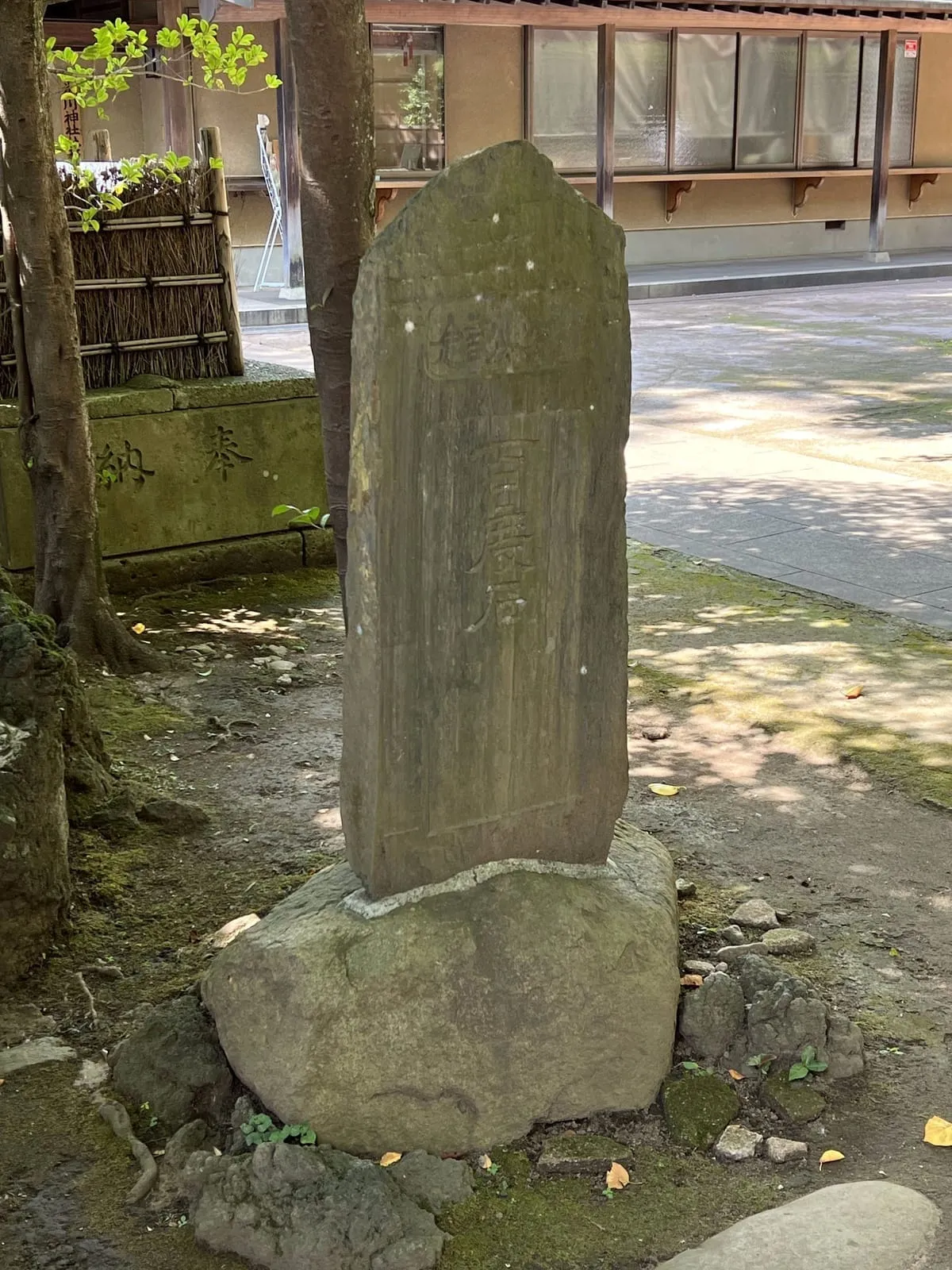
These stone pillars are typically engraved with characters reading 百度石 or 御百度 (ohyakudo) and are placed near the shrine gate, along the approach path, or in front of the haiden (worship hall). Their positioning varies by shrine, but the function is consistent: it is the point you return to after each prayer at the main hall.
At shrines without a dedicated stone, practitioners often use the torii gate or the chōzuya (water purification basin) as their turning point.
How to Perform Ohyakudo Mairi
There is no single standardized method, and customs differ between shrines. The general procedure is as follows:
- Purify at the water basin (chōzuya) before the first round. Most practitioners skip this step for rounds 2 through 100.
- Start at the hyakudo-ishi. Offer a light bow before leaving the stone.
- Walk to the main hall. Perform a full bow (ippai), then the standard two bows, two claps, and one bow (nihai nihakushu ichihai) — or whatever the shrine’s convention is.
- Return to the hyakudo-ishi. This completes one round.
- Repeat 100 times. After the 100th round, offer a final formal prayer at the hall.
To keep count, practitioners traditionally carry small pebbles, twigs, or bits of straw — placing or moving one per completed round. Some use a folded slip of paper. Others simply count in their heads.
Night Visits and Barefoot Walking
Historically, ohyakudo mairi was associated with two additional customs that have largely faded today.
Night visits: Performing the rounds after dark was considered especially sincere — a prayer offered in solitude, away from witnesses. The quiet of the night was thought to allow more direct communication with the kami.
Barefoot walking: Walking barefoot across the stone or gravel of the shrine precinct served as a mild ascetic act, demonstrating seriousness of intent through physical discomfort. Contemporary practitioners rarely go barefoot, but the cultural logic behind it — suffering as proof of sincerity — remained part of the practice for centuries.
Historical Roots
The practice dates to at least the Heian period (794–1185). One of the earliest textual references appears in the Konjaku Monogatarishū (今昔物語集), a late Heian anthology of tales, which includes stories of people performing hundredfold shrine visits to pray for recovery from illness or resolution of personal crises.
By the Edo period (1603–1868), ohyakudo mairi had spread through all levels of society. Accounts from the period describe merchants, farmers, and city-dwellers regularly practicing it at local shrines — not just famous pilgrimage destinations. The practice became embedded in everyday folk religion.
Variations with even higher counts exist: sentō mairi (千度参り, one-thousand visits) and mando mairi (万度参り, ten-thousand visits). Because completing these individually would take days, it became customary for groups of people to alternate, collectively fulfilling the required count.
What Wishes It Is Used For
Ohyakudo mairi is associated with urgent, heartfelt prayers — the kind that feel too important for a single visit.
Traditional purposes include:
- Recovery from serious illness (especially for a family member)
- Success in examinations or competitions
- Praying for marriage prospects
- Safe childbirth and fertility
- Business success and financial recovery
The unifying factor is intensity of need. Ohyakudo mairi is not a casual act — it is selected precisely because ordinary prayer feels insufficient.
Ohyakudo Mairi Today
The practice remains alive, if quieter than in its Edo-period peak.
At larger shrines — Sumiyoshi Taisha in Osaka, Atsuta Jingu in Nagoya, Kawasaki Daishi — the hyakudo-ishi stones are still maintained and still used. Visitors performing the rounds are most often seen in early morning hours or in the evening, moving through the precinct in a focused, steady rhythm that is unmistakably different from ordinary sightseeing.
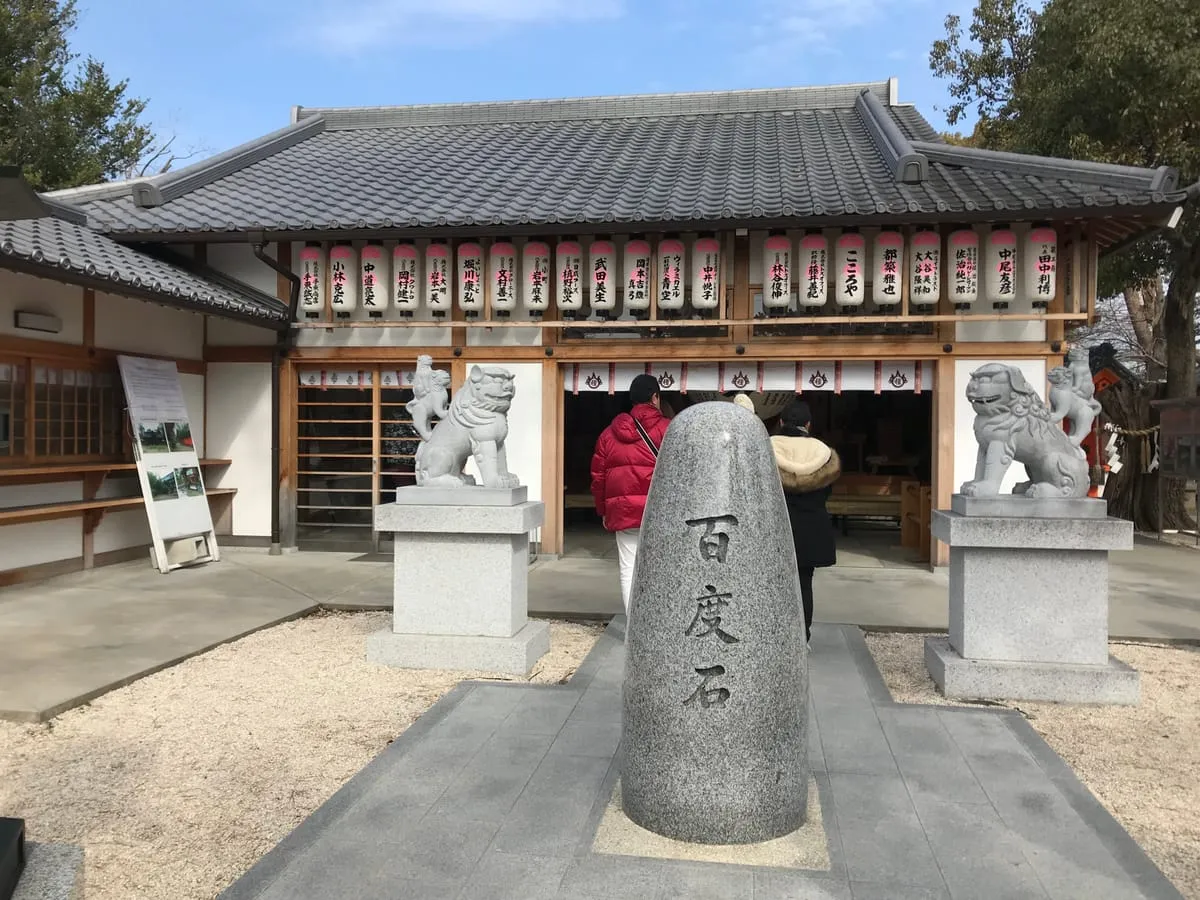
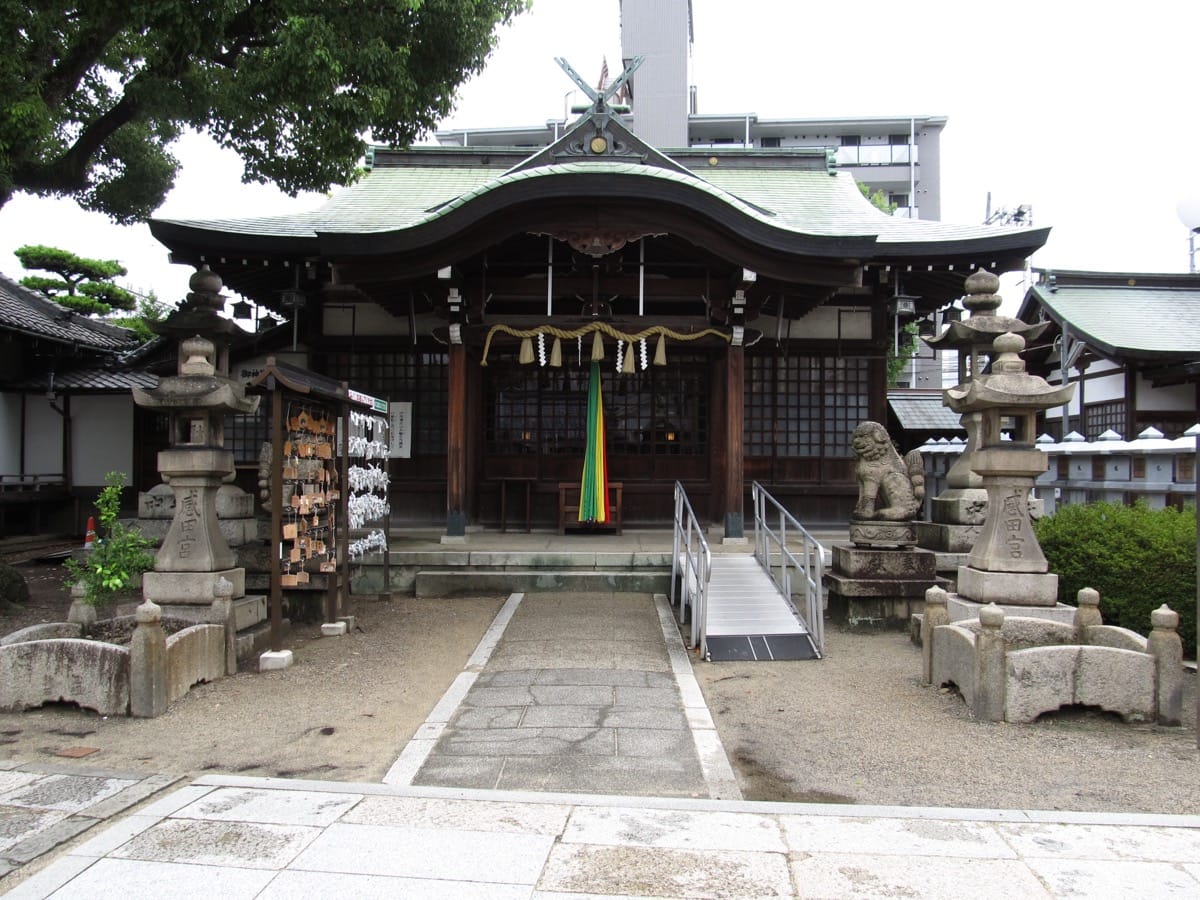
Tanekashi Shrine (種貸社) within Sumiyoshi Grand Shrine is particularly known for prayers related to children and marriage — wishes that draw ohyakudo mairi practitioners.
Most people performing it today do not talk about it publicly. It is a private act, conducted without ceremony, and the steady walking of the rounds is its own form of expression.
Connection to Goshuin Collecting
For goshuin collectors, a shrine where you have performed ohyakudo mairi holds a different kind of weight.
The goshuin from that shrine is not simply a record of a visit — it is a mark of something more sustained. Whether you were praying for a sick parent, preparing for a critical exam, or working through a decision, the page in your goshuin-cho becomes a document of that moment in a way that cannot be replicated by a single-visit stamp.
Some collectors make a practice of choosing one shrine per year — or one per important occasion — for ohyakudo mairi, treating the goshuin afterward as a concluding mark on the experience.
The practice is a reminder that shrine visiting exists on a spectrum: from a tourist stop to a walk you repeat a hundred times in silence, asking for something you need very much.
Related Articles
- Hatsumode: New Year’s Shrine Visits Explained
- How to Receive a Goshuin
- Chōzuya: The Purification Basin at Japanese Shrines
Image Credits
- Hyakudo-ishi at Hikawa-jinja (Nerima, Tokyo): Asanagi, CC0 1.0 Public Domain, via Wikimedia Commons
- Hyakudo-ishi at Toyosakainari Jinja (Shibuya, Tokyo): Asanagi, CC0 1.0 Public Domain, via Wikimedia Commons
- Haiden of Tanekashi Shrine, Sumiyoshi Grand Shrine (Osaka): そらみみ (Soramimi), CC BY-SA 4.0, via Wikimedia Commons