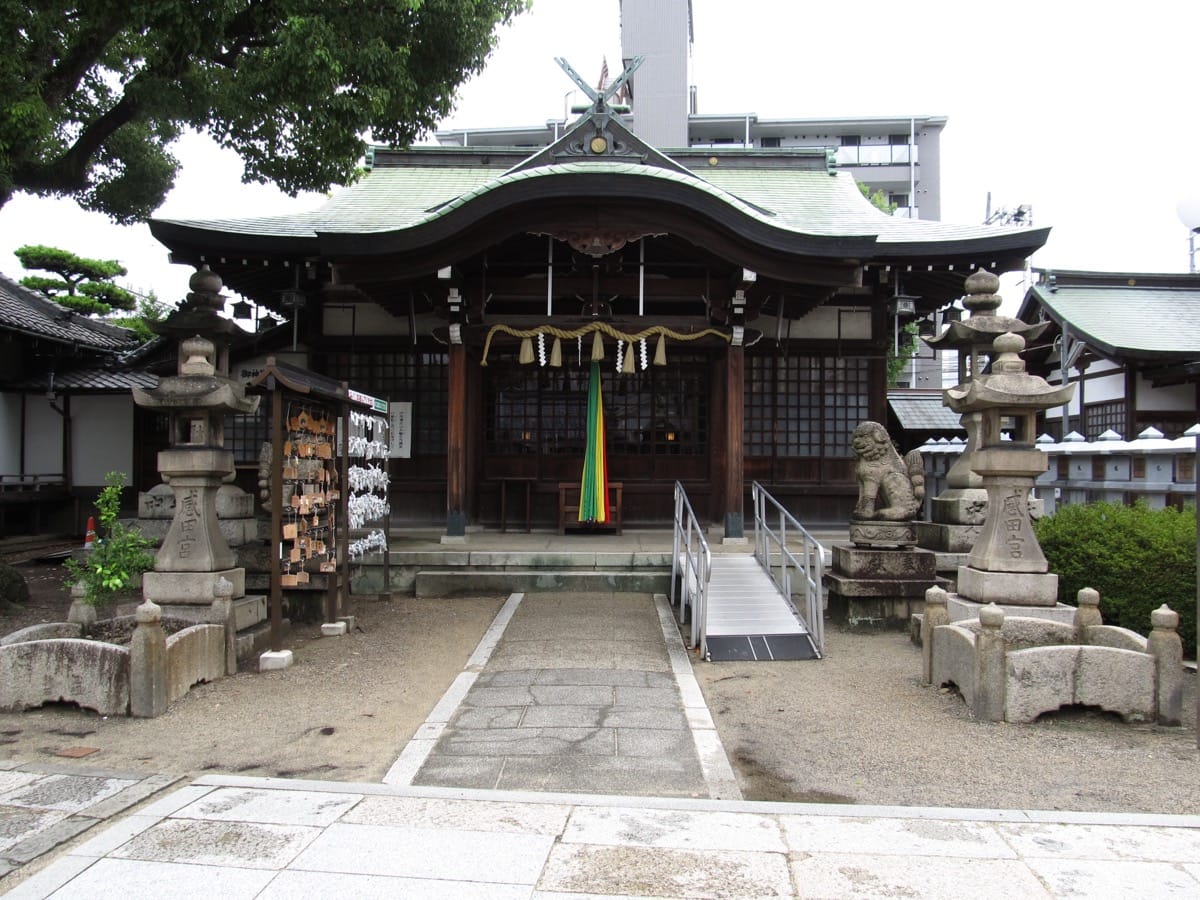
Every Japanese shrine is enclosed by a fence. Walk through the torii, follow the approach, and eventually you’ll find a wall, a railing, or a carefully constructed barrier separating the inner compound from the space you’re allowed to occupy.
That fence is called tamagaki (玉垣). And if the shrine has multiple concentric barriers — as the most sacred ones do — the innermost fence has its own name: mizugaki (瑞垣).
These aren’t just property boundaries. They are architectural statements about where the divine begins.
What “Tama” Means
The first character in tamagaki — 玉 (tama) — means “jewel” or “precious object.” In Japanese, it functions as an honorific prefix for things associated with divinity or exceptional value: tama-gushi (a sacred branch of sakaki offered at the altar), tama-jari (the white gravel spread across shrine precincts). The word doesn’t point to a gemstone. It signals a category: things worthy of the sacred space.
Mizu in mizugaki carries a similar register — it means “auspicious” or “fresh,” an honorific applied to the innermost, most protected enclosure.
The fence isn’t just a fence. The name says so.
Origins: The Living Hedge
The oldest tamagaki wasn’t stone or timber. It was a living plant.
Ancient shrine enclosures were formed by hedges of sakaki (Cleyera japonica), an evergreen native to Japan. The choice was deliberate: sakaki holds its leaves through winter, an unbroken continuity that Shinto associated with divine vitality. The kanji for sakaki (榊) combines the characters for “tree” (木) and “divine” (神), a combination that expresses the tree’s sacred status directly.
As construction methods developed, the living hedge gave way to wooden post-and-rail fences. Stone followed in the medieval period, and by the Edo era the varieties of tamagaki had multiplied into the range we see today.
But the memory of the living hedge persists. At many shrines, the spaces between tamagaki posts are still marked with sakaki sprigs hung with white paper streamers (shide). These decorative elements are the living hedge’s descendants — a symbolic remnant embedded in the architecture.
Types of Tamagaki
Shrines across Japan use tamagaki in many forms. The main categories:
Board Fence (Itagaki)
The simplest type — rough wooden planks set in a row. At Ise Grand Shrine, the outermost barrier is called itagaki, built from unfinished hinoki cypress in keeping with the shrine’s ancient shinmei-zukuri architectural style. The unfinished wood is not a sign of incompleteness; it’s a deliberate aesthetic tied to purity.
Timber-Frame Fence
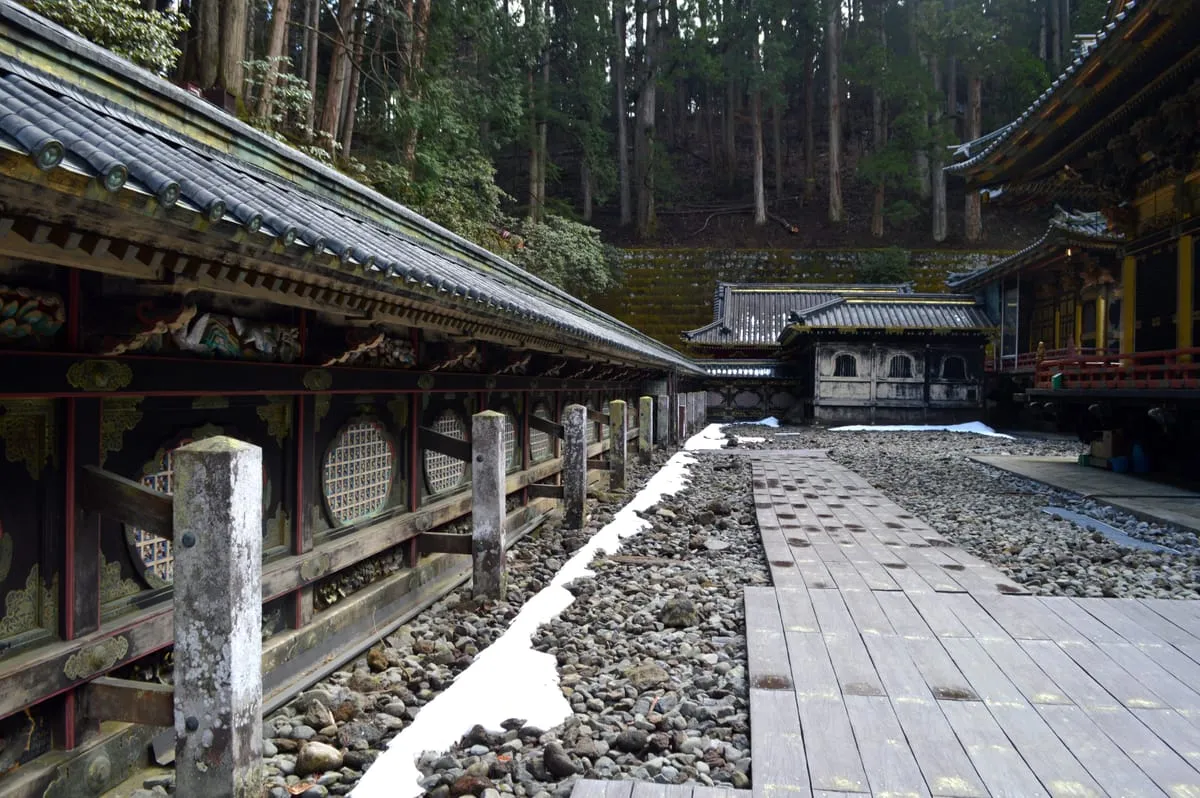
Squared or round timber posts connected by horizontal rails, often with lattice infill. Roofed variants — known as sukibei (透塀, “see-through wall”) — protect the woodwork from rain while maintaining visual connection. The Nikko Toshogu shrine is famous for its elaborately carved sukibei, designated a National Treasure.
Vermilion Fence (Shutamagaki)
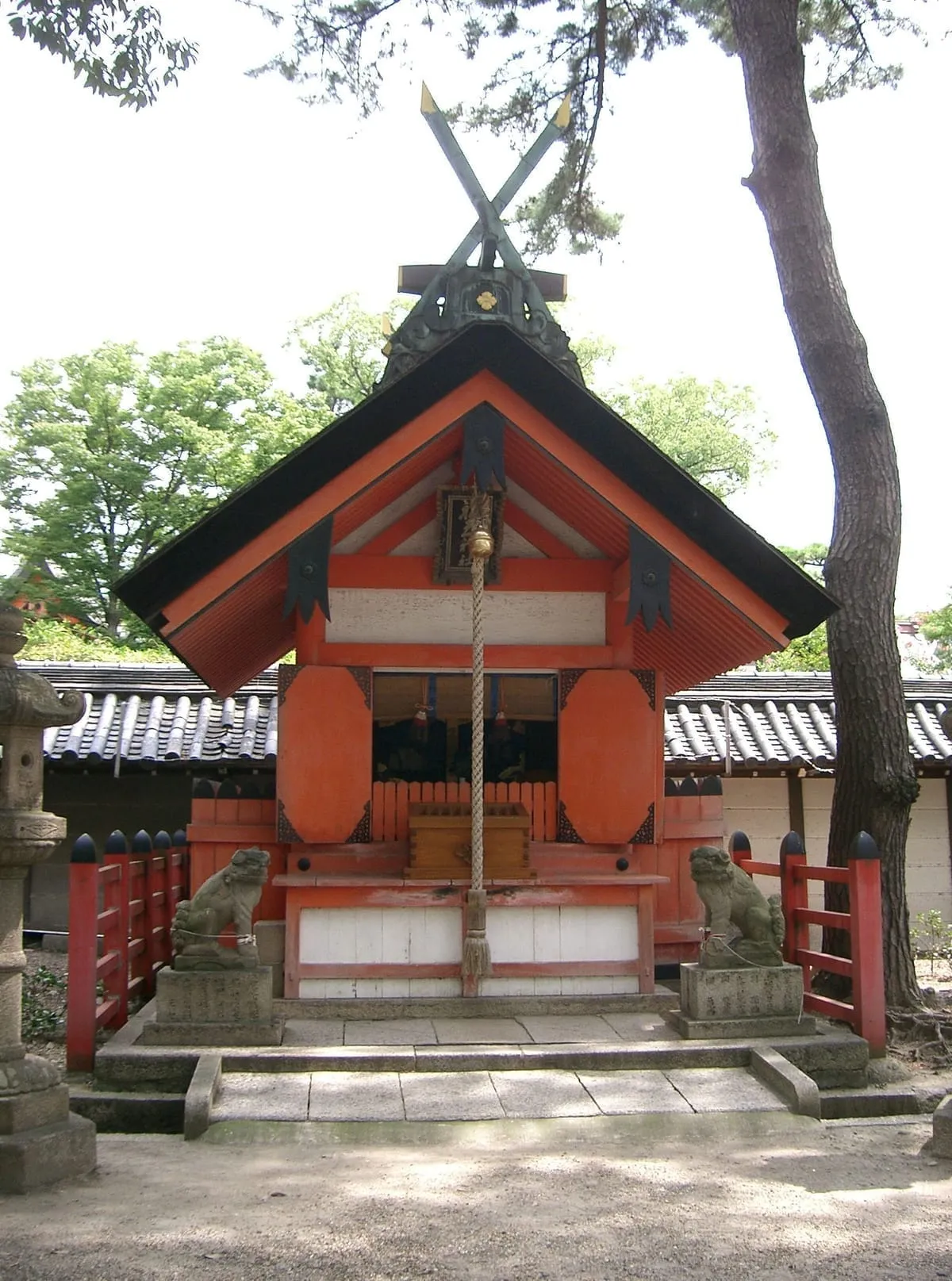
Painted in the distinctive red associated with Inari and Hachiman shrines, these fences announce their sacred character boldly. Sumiyoshi Taisha in Osaka and Heian Jingu in Kyoto use vermilion fencing as a dominant element of the visual landscape.
Stone Fence
Granite or andesite blocks became widespread from the Edo period onward. Stone is durable, requires little maintenance, and — crucially — takes an inscription. The spread of stone tamagaki coincided with the growth of a distinctive donation culture (described below).
Living Hedge and Bamboo Fence
A small number of shrines maintain living hedges or bamboo fences, preserving the oldest form. These are rare but not extinct.
Ise’s Four Layers
The logic of the tamagaki reaches its most refined expression at Ise Grand Shrine (内宮, Naiku).
The inner shrine’s main hall is enclosed by four concentric barriers. Moving from outside inward:
- Itagaki — the outermost board fence
- Sototamagaki (外玉垣) — the second fence
- Uchitamagaki (内玉垣) — the third fence
- Mizugaki (瑞垣) — the innermost fence, directly surrounding the hall where Amaterasu’s sacred mirror is enshrined
Ordinary visitors may proceed only as far as the area before the outer hall (haiden). The mizugaki’s interior is accessible only to priests — and even then, only at specific ritual moments.
This architecture of progressive restriction is not bureaucratic. It encodes a theological position: holiness intensifies as you move inward, and its full concentration is properly invisible to ordinary eyes. What you cannot access, you cannot diminish.
Stone Tamagaki and the Donation Tradition
Look closely at the stone fences at any large shrine and you’ll find names carved into them.
“Donated by Tanaka ___.” “Erected by ___ Company.” “In gratitude, Year of Showa ___.”
This practice — tamagaki hōnō (玉垣奉納), donating a section of the shrine’s stone fence — became widespread during the Edo period. A donor pays for the construction of one or more stone pillars; in return, their name is carved into the stone and remains in the shrine compound for generations.
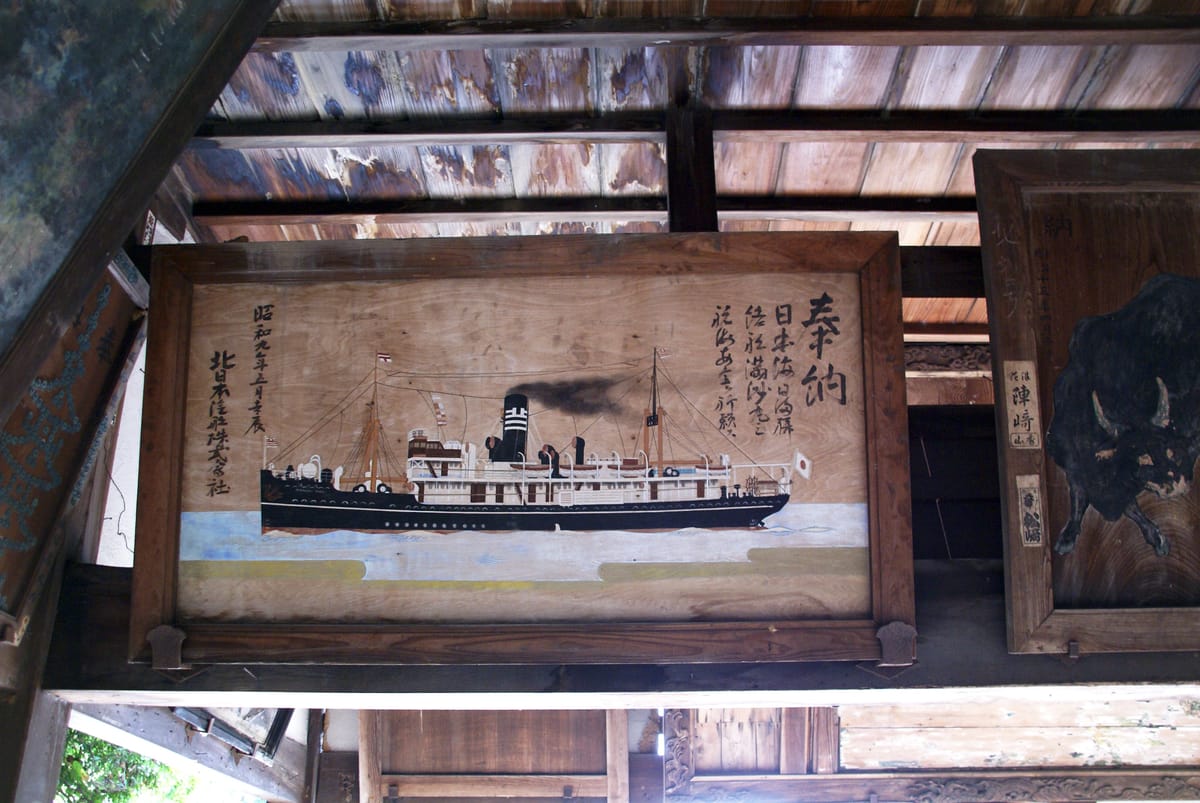
The logic resembles the donated stone lanterns and large votive paintings found at the same shrines. But the tamagaki occupies a unique position: the donor’s name becomes part of the structure that defines the sacred boundary. The donor’s identity is permanently embedded in the line between sacred and profane space.
Costs vary by shrine and pillar size, but significant tamagaki donations at major shrines can run into hundreds of thousands of yen. The waiting lists at popular shrines are sometimes years long.
Notable Examples
Ise Grand Shrine, Mie — The four-layer structure is the canonical example of hierarchical sacred enclosure. The white hinoki cypress, replaced every twenty years in the shikinen-sengū cycle, keeps the barriers perpetually new.
Izumo Taisha, Shimane — The taisha-zukuri architectural style of this ancient shrine is complemented by wooden tamagaki surrounding the main halls. The effect is massive and grounded — less refined than Ise, more primordial.
Sumiyoshi Taisha, Osaka — The sprawling precinct with its distinctive sumiyoshi-zukuri halls uses tamagaki extensively around subsidiary shrines. Vermilion and natural wood coexist across the compound.
Nikko Toshogu, Tochigi — The carved sukibei enclosing the mausoleum of Tokugawa Ieyasu is among the most ornate examples of tamagaki in Japan. Reliefs of birds, fish, and flowers cover every surface. The barrier as artwork.
Atsuta Jingu, Aichi — Multiple tamagaki enclose the inner precincts that house the Kusanagi sword, one of Japan’s three imperial regalia. The layering echoes Ise’s logic of protective depth.
Tamagaki and Goshuin
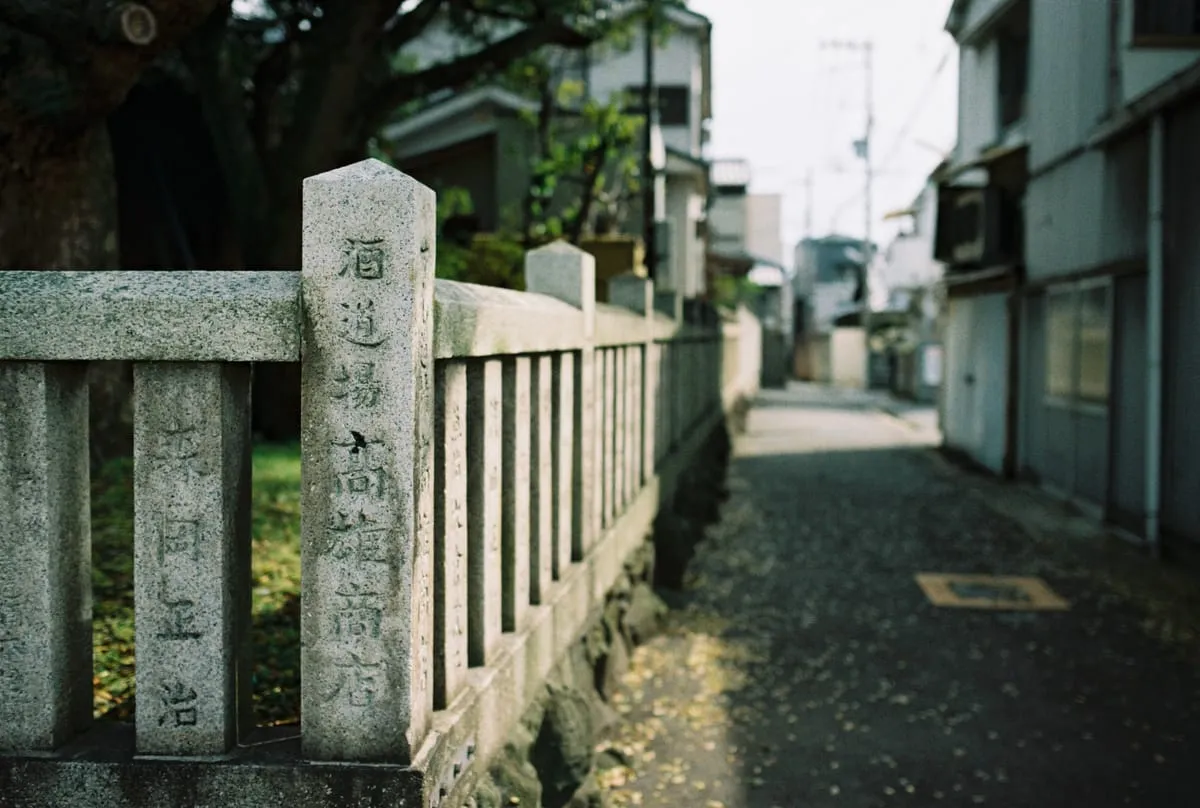
After receiving your goshuin at the shrine office, you walk back through the compound toward the exit. The same fence that was behind you on the way in is now ahead of you on the way out.
Most visitors walk past tamagaki dozens of times without registering them as architectural objects. But they are worth attention. What material is the fence — stone, wood, painted? How many layers are there? Are names inscribed on the stone? Is there a roof? What pattern fills the lattice?
Each of these details carries information: about the shrine’s history, the community that supported it, and the degree of sanctity that the builders understood the innermost space to contain.
The goshuin marks your visit as a moment. The tamagaki marks the boundary you crossed to be there. Together, they trace a complete act of pilgrimage — approach, entry, encounter, departure.
Related Articles
- Shrine Layout: A Map of the Sacred Precinct
- Sessha and Massha: The Small Shrines Within the Shrine
- Reading a Shrine’s Roof: What Chigi and Katsuogi Tell You
Image Credits
- Tamagaki enclosing Funa-jinja at Sumiyoshi Taisha, Osaka: KENPEI, CC BY-SA 3.0, via Wikimedia Commons
- Roofed tamagaki (sukibei) at Taiyū-in mausoleum, Nikko: DimiTalen, CC0 1.0, via Wikimedia Commons
- Typical tamagaki at a Japanese shrine: halfrain, CC BY-SA 2.0, via Wikimedia Commons