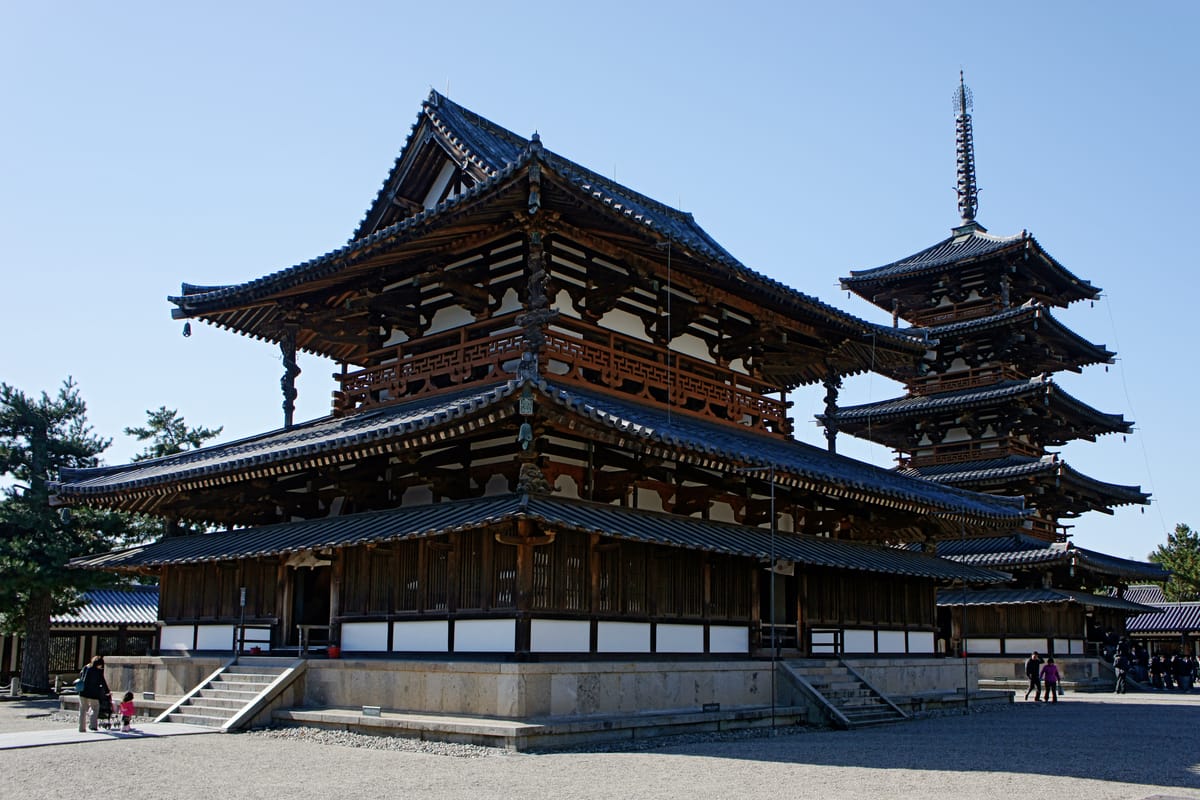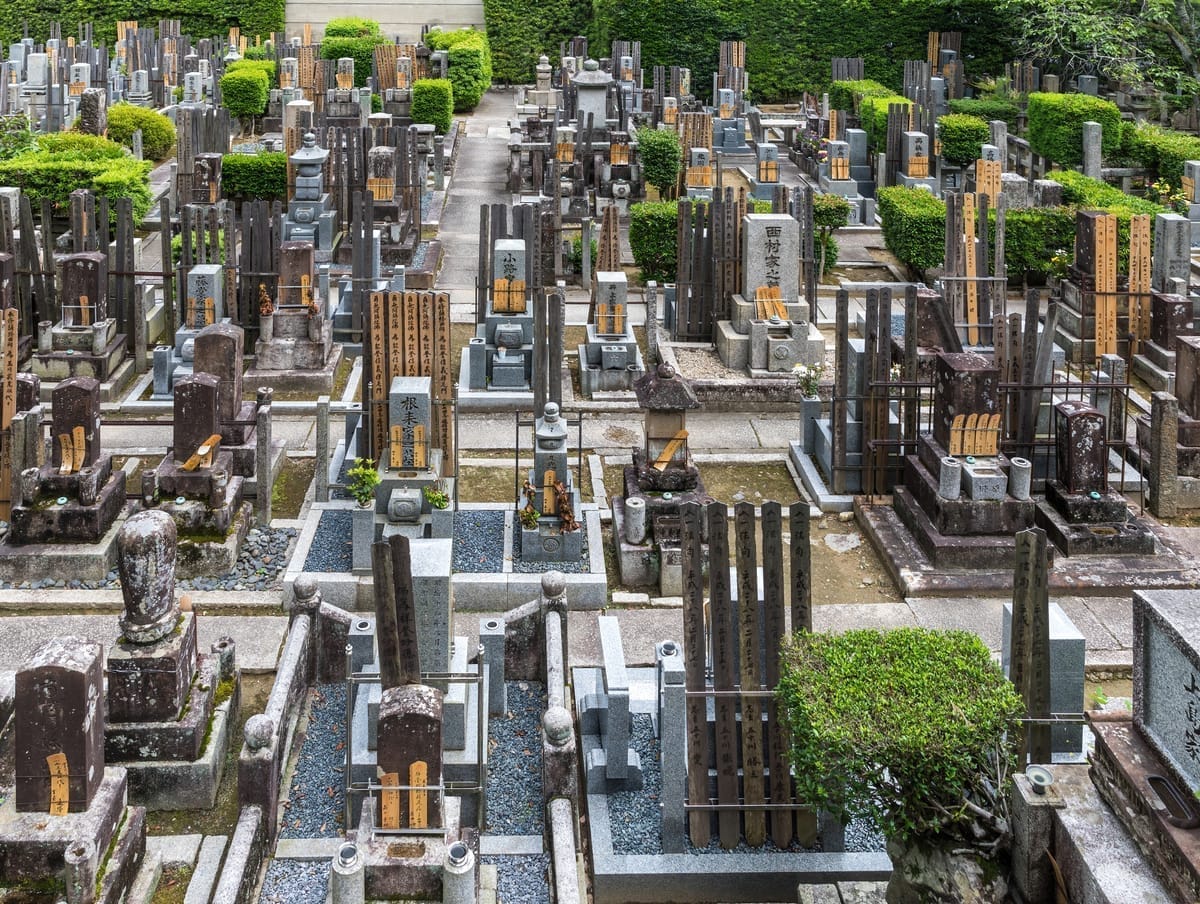
Most shrine visit failures come from the same source: not checking before you go.
The goshuin reception was already closed. You missed the limited-edition stamp by two weeks. The shrine you walked forty minutes to only has pre-written slips, not direct calligraphy. And somewhere nearby, there was a spectacular shrine you didn’t know existed until you were already on the train home.
All of these are fixable with five minutes of preparation.
Why Research Matters Before You Go
Looking up shrines on the spot — standing at a train station, wondering what’s nearby — is fine for casual exploration. But it misses things that only advance research catches.
Limited-edition goshuin drop quietly. Monthly and seasonal special designs are often announced one to two weeks before they’re available. If you’re planning a trip to Kyoto, it’s worth checking whether any shrines in your itinerary will have special stamps during your dates.
Goshuin reception has real closing times. Many shrines stop accepting visitors for goshuin at 4 or 5 PM, sometimes earlier at smaller shrines. Arriving at 4:30 and finding the office closed is a specific kind of disappointment.
Route order matters more than you’d think. Shrines that look close together on a map sometimes require significant detours when you account for actual roads, train lines, and walking paths. Pre-planning saves both time and the low-grade frustration of inefficient movement.
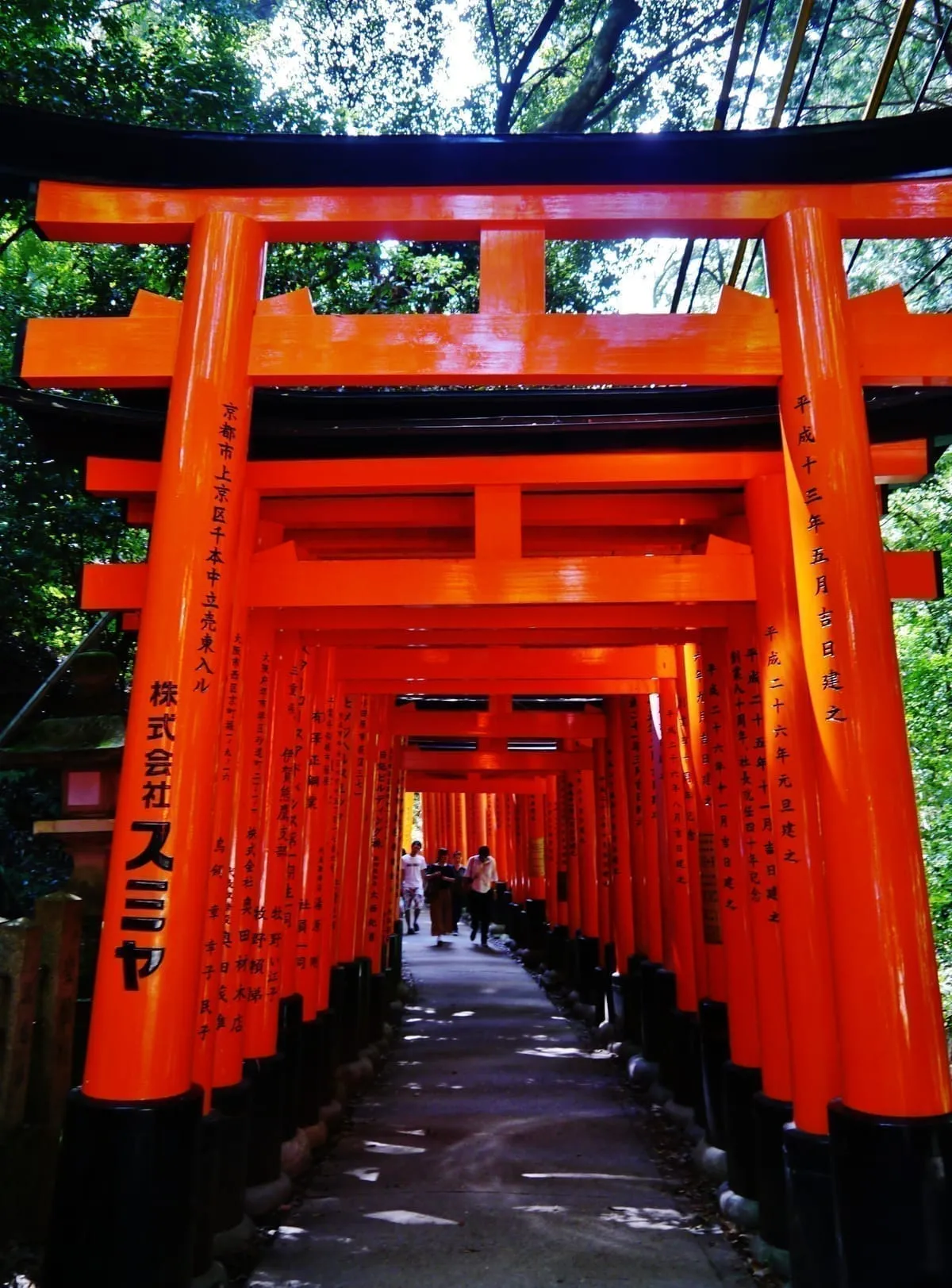
Three days to the night before departure is the best window: recent enough that current information is accurate, but far enough in advance to adjust plans if you discover something good.
Finding Shrines in a Target Area
In the Goshuin Meguri app, the map tab shows shrines across Japan as pins. The pre-trip workflow is simple:
- Open the map tab — shrine pins appear across the country
- Navigate to your destination — type a city or district in the search bar, or scroll the map directly to your target area
- Read the density — where pins cluster, you can walk between multiple shrines; a single pin in an otherwise empty area might not justify a detour
- Tap through the candidates — check which deity is enshrined, what goshuin are available, access from the nearest station
As you find shrines you want to visit, add them to your want-to-visit list before moving on. Those marked shrines will be highlighted on the map, making route planning much easier.
Building a Want-to-Visit List
The point of a pre-trip list isn’t to commit to a rigid schedule. It’s to build a pool of candidates large enough that you can make good decisions on the day.
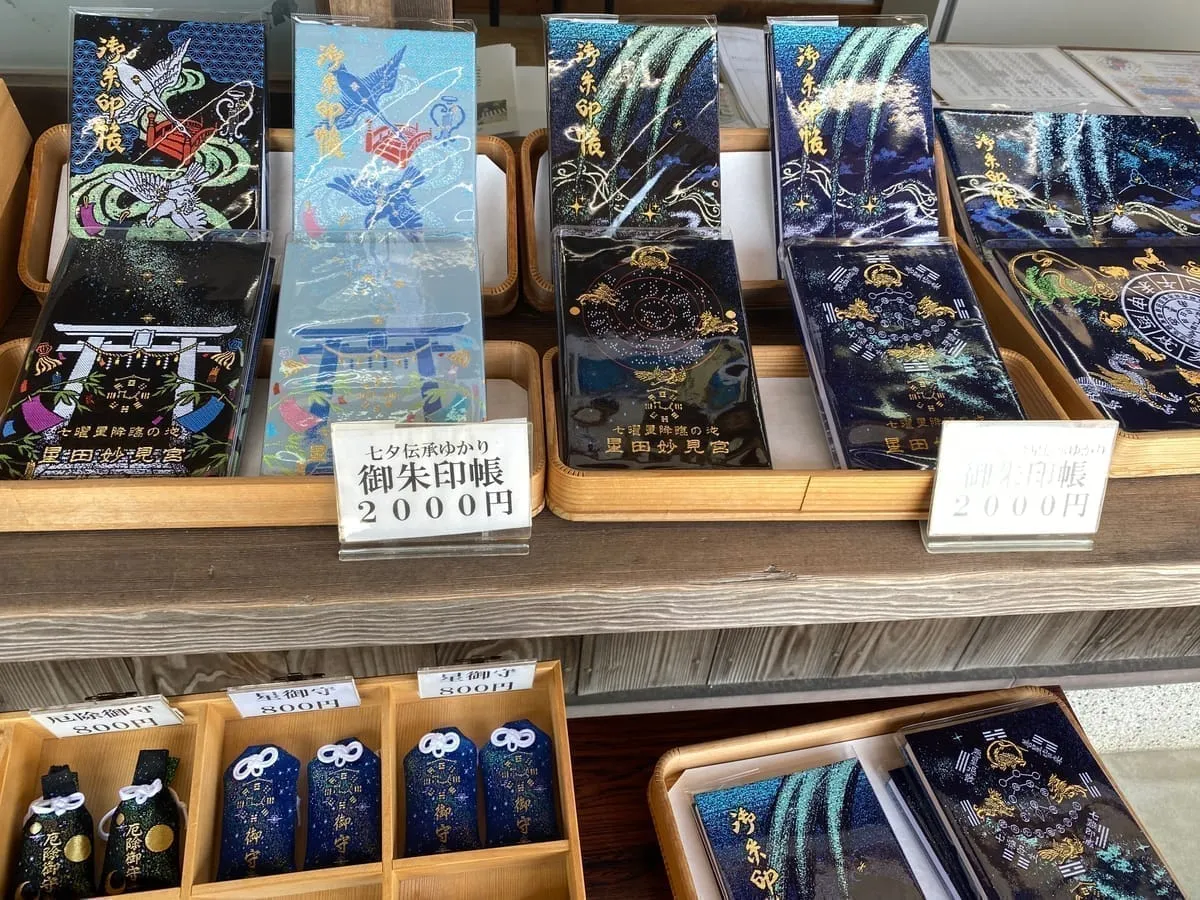
When adding a shrine to your list, make a habit of checking:
- Goshuin reception hours — especially the closing time. If the shrine closes at 4 PM and you’re arriving in the afternoon, it’s worth noting
- Direct calligraphy or pre-written slips — some shrines only offer kakioki (書置き, pre-written goshuin on paper). This is fine, but worth knowing in advance if you have a preference
- Limited-edition stamps — seasonal, monthly, or special-event goshuin are often the reason a particular shrine is worth visiting at a particular time
- Unmanned shrines — small, rural shrines sometimes have no staff at all. Beautiful, but no goshuin
Checking Limited-Edition Goshuin Timing
The most common regret in goshuin collecting: “That shrine had a special stamp for cherry blossom season, and I was there in June.”
In the app, goshuin information for each shrine is contributed and updated by users — including notes on seasonal and limited-edition designs. If recent visitors have documented a special stamp, it will appear in the shrine’s goshuin section.
Check both the registered goshuin records and recent visitor logs. Someone who visited two weeks ago may have noted that a special stamp was available, or that the reception office was temporarily closed.
Pre-trip research checklist:
- Does the shrine have recent visitor activity in the app?
- Are any seasonal or special goshuin documented?
- What’s the approximate hatsuhoryou (初穂料, the offering fee)?
- Is direct calligraphy available, or only pre-written slips?
Understanding the Shrine Layout in Advance
For large shrine complexes, knowing the layout before you arrive makes a real difference.
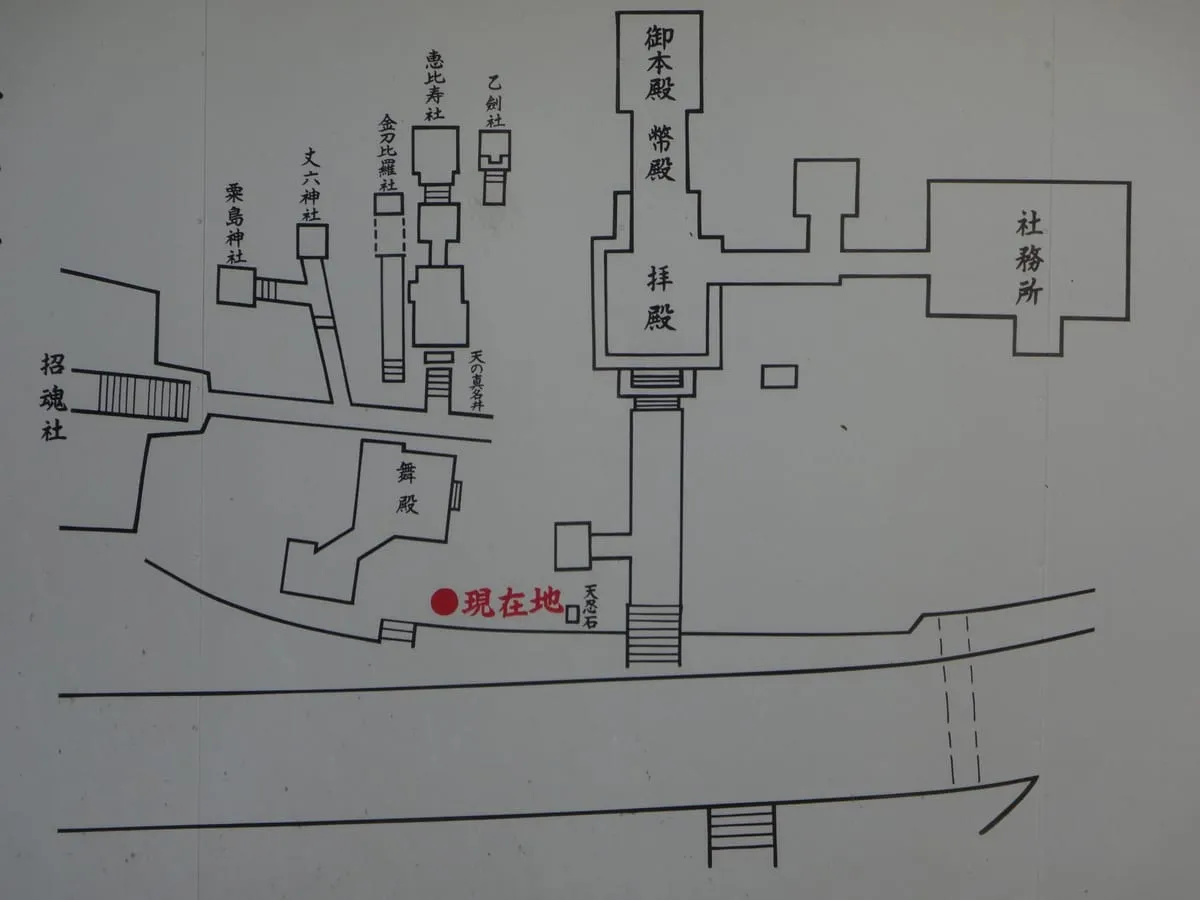
Major shrines like Atsuta Jingu, Tsurugaoka Hachimangu, or Meiji Jingu contain multiple sub-shrines (sessha and massha) within the grounds, each with their own goshuin. Arriving without a sense of the layout means either wandering until you stumble across them, or missing some entirely.
Shrine detail pages in the app often include information about affiliated sub-shrines and notable spots within the grounds. Spending two minutes on this before your visit saves the feeling of realizing, as you exit through the torii, that you missed something.
Planning Multi-Shrine Routes
When visiting several shrines in one day, sequence matters.
Prioritize the time-constrained ones first. If one shrine’s goshuin reception ends at 4 PM and another is open until 5, visit the earlier one first — even if it means a less efficient geographic loop.
Account for actual transit. A cluster of shrines that looks walkable on a map might require trains and bus connections that add forty minutes per leg. The app’s map view shows realistic positions; the routing calculation is something to do in Google Maps or a local transit app once you’ve identified the candidates.
Don’t fill every hour. Four to five shrines is a full day’s itinerary for most people, and that’s if you’re moving efficiently. A shrine visit that’s worth having involves time to sit, to notice the building, to watch the light. Budget for that.
A reasonable structure for a shrine-focused day:
- 2–3 shrines in the morning, before lunch
- 1–2 shrines in the afternoon, finishing by 4 PM
- One optional shrine if energy and timing allow
After the Trip: Recording While Memory Is Fresh
Return home and log your visits before the details blur.
Which goshuin is in which book, on which page. The name of the priest who wrote it. The weather that day. The small sessha at the back of the grounds that no one else seemed to visit.
These details fade quickly, especially after a trip where you’ve visited half a dozen shrines across multiple days. The app’s log entries have no required format — a single-line note is fine. The goal is a record you can return to when planning the next trip and thinking: I got to Kamakura on that visit, but didn’t make it to the side shrines. Next time.
Records become most useful when they accumulate over years. The app turns that accumulation into something visible — a map of where you’ve been, a sense of how much is still ahead.
Related Articles
Image Credits
- Senbon Torii at Fushimi Inari-taisha, Kyoto: Zairon, CC BY-SA 4.0, via Wikimedia Commons
- Goshuincho at Hoshida Myokengu (Katano, Osaka): Immanuelle, CC BY 4.0, via Wikimedia Commons
- Shrine grounds map at Kinken-Gu: Shun Zero, CC BY-SA 4.0, via Wikimedia Commons