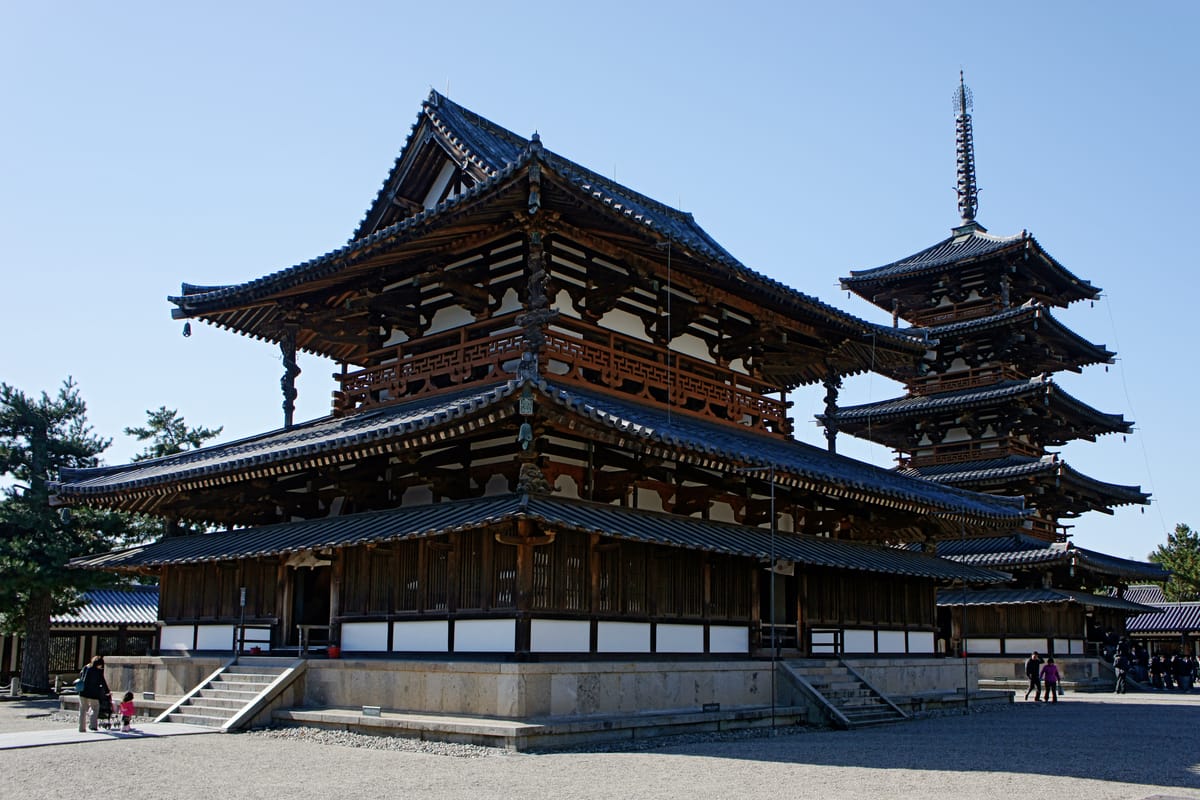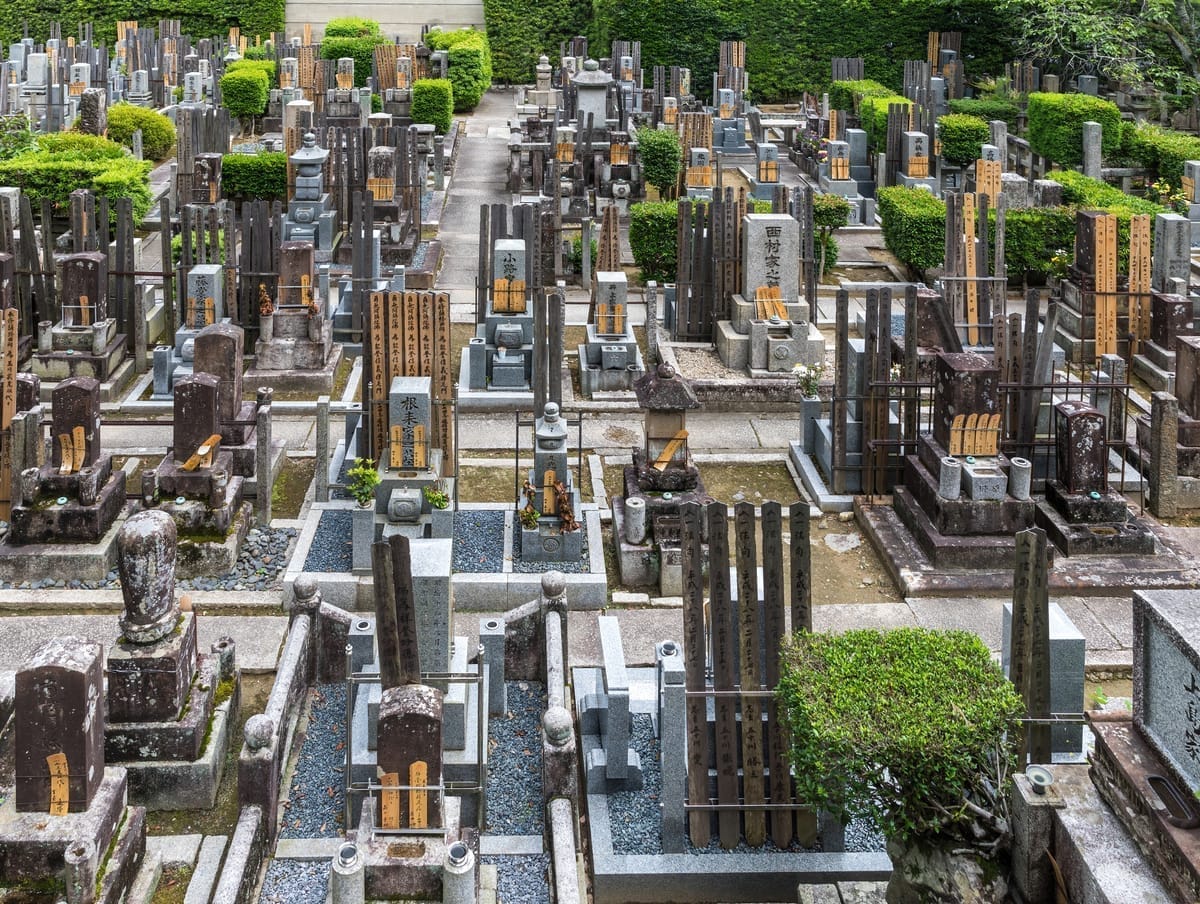
Hokkaido’s shrines carry a different kind of history than those in the ancient capitals of Kyoto and Nara. Most were founded during the Meiji-era colonization of Japan’s northernmost island, built by settlers from the mainland (naichi) who brought their patron deities north with them into the wilderness. The exceptions are in the far south — around Matsumae and Esashi — where the coexistence of Ainu people and Japanese traders during the Edo period created shrines with genuine pre-Meiji roots. For goshuin collectors, Hokkaido offers something distinct: the formal grandeur of Hokkaido Jingu, the pioneer spirit captured in the Kaitaku Shrine’s seals, the dramatic remoteness of shrines at the edge of Japan near Wakkanai, and the rare chance to receive goshuin at places where almost no tourists venture. This guide covers 15 shrines where you can collect goshuin across Hokkaido, organized by region with access details and suggested routes.
Sapporo Area
1. Hokkaido Jingu (北海道神宮) — Miyagaoka, Chuo-ku, Sapporo
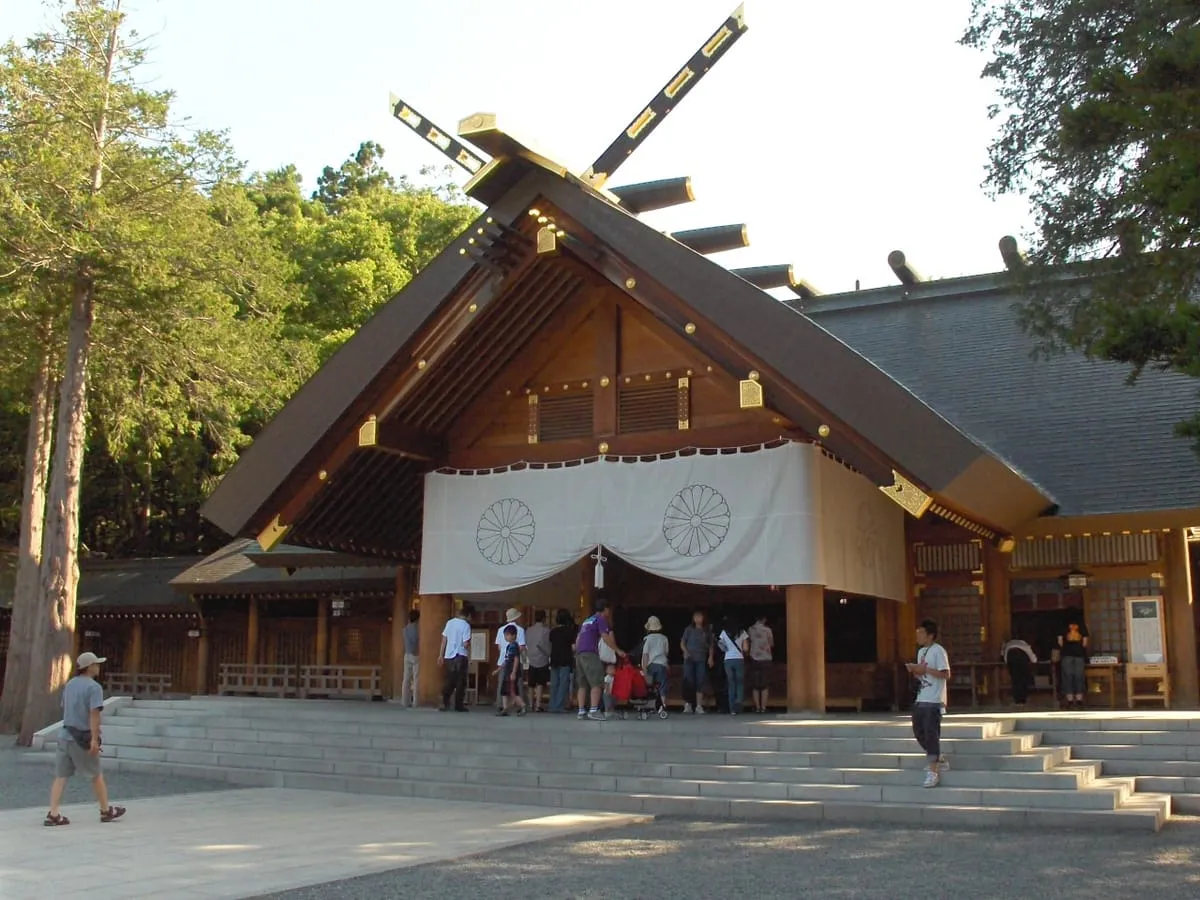
Enshrined deities: Okuninushi no Mikoto · Oonamuji no Mikoto · Sukunabikona no Mikoto · Emperor Meiji
Hokkaido Jingu is the grandest and most important shrine in Hokkaido — its full title, jingu, places it among the highest tier of Shinto shrines in Japan. It was founded in 1869 when the new Meiji government, freshly embarking on the systematic development of Hokkaido, enshrined three deities associated with land-making and medicine to serve as spiritual guardians of the northern frontier. After Emperor Meiji’s death in 1912, his spirit was added to the ensemble, elevating the shrine to its current name. The compound occupies a vast forested area within Maruyama Park — about 180,000 square meters — and is famous throughout Hokkaido for its approximately 1,500 Ezo-yamazakura cherry trees that bloom in late April and early May. In winter, the snow-covered approach to the main hall creates one of the most atmospheric shrine scenes in northern Japan. The shrine’s annual grand festival, the Sapporo Matsuri (held in mid-June), is the largest religious festival in Hokkaido, with mikoshi processions extending into Odori Park.
- Goshuin style: Elegant, precise calligraphy reading “Hokkaido Jingu” with the pioneering seal of Hokkaido. Seasonal limited editions (cherry blossom, summer festival, winter, etc.) are extremely popular and sell out quickly during busy seasons
- Fee: ¥500 and up
- Access: Subway Tozai Line “Maruyama Koen Station” Exit 2, 15 min walk; or about 5 min by taxi
Goshuin Info
| Item | Details |
|---|---|
| Hours | 9:00–17:00 (seasonal variations) |
| Location | Juyusho (in front of the main hall) |
| Direct writing / pre-written | Both available |
| Limited editions | Yes (cherry blossoms, Sapporo Matsuri, winter, etc.) |
2. Kaitaku Shrine (開拓神社) — Miyagaoka, Chuo-ku, Sapporo
Enshrined deities: Shima Yoshitake · Iwamura Michitoshi · 35 other pioneer spirits (37 total)
Kaitaku Shrine sits within Hokkaido Jingu’s grounds and deserves its own entry for goshuin collectors. Established in 1938, it enshrines the spirits of 37 individuals who gave their lives to the development of Hokkaido — men and women of the Meiji era who cleared forests, built roads, drained wetlands, and established communities on what was, to the Japanese government, essentially unknown territory. The principal deity is Shima Yoshitake, the first Hokkaido Development Judge, alongside Matsuura Takeshiro (the man who gave Hokkaido its name), Kuroda Kiyotaka, and others. It is a smaller, quieter shrine than the main Hokkaido Jingu complex, but carries a distinctive weight: this is where the human cost of Hokkaido’s modernization is acknowledged and honored. After completing worship at Hokkaido Jingu, walking the few hundred meters to Kaitaku Shrine adds a dimension of historical reflection that many visitors find unexpectedly moving.
- Goshuin style: “Kaitaku Shrine” in solid calligraphy with a pioneer-era seal. Collected at the same juyusho as Hokkaido Jingu — hand over your goshuincho and both shrines can be written in one visit
- Fee: ¥500
- Access: Within Hokkaido Jingu’s grounds, about 3 min walk from the main hall
Goshuin Info
| Item | Details |
|---|---|
| Hours | Same as Hokkaido Jingu juyusho |
| Location | Hokkaido Jingu juyusho |
| Direct writing / pre-written | Mostly pre-written |
| Limited editions | Yes (in some festival periods) |
3. Sankichi Jinja (三吉神社) — Odori West, Chuo-ku, Sapporo
Enshrined deities: Miyoshi Okami · Kotohira Okami
About 3 kilometers southeast of Hokkaido Jingu, in the commercial heart of downtown Sapporo near Odori Park, this shrine draws a devoted local following under its affectionate nickname “Miyoshi-san.” It is a branch of Taiheizan Miyoshi Shrine in Akita Prefecture. The primary deity is the Miyoshi Okami, associated with athletic victory, competitive achievement, and the mastery of skills — making this shrine well known among professional wrestlers, martial artists, and competitive athletes. The grounds are compact for a city shrine, but the atmosphere is genuinely devotional; office workers stop in on their lunch breaks, athletes make personal visits before major competitions, and the steady stream of ordinary regulars gives the place an energy distinct from the tourist-oriented Hokkaido Jingu. For visitors planning a Sapporo shrine circuit, this is the natural third stop after Hokkaido Jingu and Kaitaku Shrine.
- Goshuin style: Sharp, precise calligraphy with a seal befitting an urban shrine dedicated to achievement. Well-regarded among goshuin collectors for its clean design
- Fee: ¥500
- Access: About 7 min walk from Odori subway station; about 15 min walk from JR Sapporo Station
Goshuin Info
| Item | Details |
|---|---|
| Hours | 9:00–17:00 |
| Location | Shamusho |
| Direct writing / pre-written | Direct writing |
| Limited editions | Yes (festival periods) |
Otaru and Yoichi Area
4. Sumiyoshi Shrine (住吉神社) — Sumino-e, Otaru
Enshrined deities: Sokotsutsu-no-o no Mikoto · Nakatsutsu-no-o no Mikoto · Uwatsutsu-no-o no Mikoto · Okinagatarashi-hime no Mikoto
Otaru’s guardian shrine sits on a hill overlooking the port, founded in 1879. The Sumiyoshi deities are classically associated with safe navigation and seafaring — a natural fit for a port city that grew prosperous through herring fishing and the Kitamaebune trade routes that connected Hokkaido to the markets of Osaka. The approach climbs stone steps, and at the top the view of Otaru Harbor and the Sea of Japan opens suddenly — one of the better views from any shrine in Hokkaido. Otaru’s famous canal district and Sakaimachi shopping street are within easy walking distance, making this a natural anchor for a half-day Otaru itinerary. The shrine’s atmosphere is more local than touristic, which is part of its appeal.
- Goshuin style: Bold calligraphy reading “Sumiyoshi Shrine” with maritime and port-themed seals. A satisfying goshuin that captures the harbor city character of Otaru
- Fee: ¥500
- Access: About 15 min walk from JR Otaru Station; about 10 min walk from the canal
Goshuin Info
| Item | Details |
|---|---|
| Hours | 9:00–16:00 |
| Location | Shamusho |
| Direct writing / pre-written | Direct writing (when priest is present); pre-written otherwise |
| Limited editions | Yes (grand festival) |
5. Yoichi Shrine (余市神社) — Tomizawacho, Yoichi
Enshrined deities: Oonamuchino Mikoto · Sukunabikona no Mikoto · Amaterasu Omikami
The town of Yoichi, about 40 minutes west of Otaru by train, is internationally known as home to the Nikka Whisky Yoichi Distillery — the place where Masataka Taketsuru established his dream of making Scottish-style whisky in Hokkaido’s cold climate. Yoichi Shrine, founded in 1892, is the guardian shrine of this historic town and sits in a setting of quiet forested calm along the Yoichi River. The goshuin here are distinctive for their personal quality — the calligraphy varies with the priest on duty, and collectors prize the individual character of the brushwork. Visiting Yoichi Shrine and then touring the Nikka Distillery makes for one of Hokkaido’s more memorable afternoons. The train from Otaru takes about 30 minutes, making a combined Otaru-Yoichi day itinerary natural.
- Goshuin style: Warm, personal calligraphy with a seal that sometimes incorporates Yoichi’s natural motifs (apples, grapes). The handwritten variation is part of the appeal for collectors
- Fee: ¥500
- Access: About 10 min walk from JR Yoichi Station
Goshuin Info
| Item | Details |
|---|---|
| Hours | 9:00–16:00 (may vary) |
| Location | Shamusho |
| Direct writing / pre-written | Direct writing when priest is present |
| Limited editions | Yes (festival periods) |
Hakodate and Southern Hokkaido
6. Hakodate Hachimangu (函館八幡宮) — Yachigashira, Hakodate
Enshrined deities: Homuda Wake no Mikoto (Hachiman) · Amaterasu Omikami · Empress Jingu
The principal Hachiman shrine of southern Hokkaido, founded in 1445 according to shrine records — one of Hokkaido’s older foundations. Hakodate Hachimangu sits on a hillside above the Yachigashira neighborhood, looking out over Hakodate Bay. The current buildings date from the Meiji period after the original shrine was destroyed in the fire of 1869 during the Battle of Hakodate (the last stand of the Tokugawa loyalists against the new Meiji government — Hakodate’s dramatic 19th-century history plays out in the street plan, architecture, and shrines of the city). After visiting the shrine, the nearby Yachigashira hot spring bath and the Hakodate Ropeway up the mountain are natural companions. The shrine is Hakodate’s most important for formal religious purposes, and its goshuin is the essential Hakodate shrine collection piece.
- Goshuin style: Classic calligraphy with Hakodate-associated seals. The anchor piece of any Hakodate shrine goshuin collection
- Fee: ¥500
- Access: Tram to “Yachigashira” stop, about 10 min walk; or taxi from Hakodate Station (about 10 min)
Goshuin Info
| Item | Details |
|---|---|
| Hours | 9:00–17:00 |
| Location | Shamusho |
| Direct writing / pre-written | Both available |
| Limited editions | Yes (grand festival) |
7. Kameda Hachimangu (亀田八幡宮) — Hachimancho, Hakodate
Enshrined deities: Homuda Wake no Mikoto · Amaterasu Omikami · Sumiyoshi Okami
The second of Hakodate’s major Hachiman shrines, Kameda Hachimangu occupies the eastern part of the city and serves the Kameda district with a grassroots local faithfulness that distinguishes it from the more prominent Hakodate Hachimangu. Founded in the mid-Edo period, it is one of the older shrines in the Hakodate area. Fewer tourists make it here, which gives the atmosphere a calm, unperformed quality that some collectors strongly prefer. Located near Goryokaku Fort — the star-shaped Meiji-era fortress that is one of Hakodate’s principal attractions — it can be incorporated into a Goryokaku half-day. Pairing the goshuin from both Hakodate shrines has become a small tradition among dedicated collectors visiting the city.
- Goshuin style: Clean calligraphy reading “Kameda Hachimangu.” The contrast with Hakodate Hachimangu’s goshuin, when placed side by side, makes a quietly satisfying pair
- Fee: ¥500
- Access: About 10 min walk from JR Goryokaku Station
Goshuin Info
| Item | Details |
|---|---|
| Hours | 9:00–16:00 |
| Location | Shamusho |
| Direct writing / pre-written | Mostly pre-written |
| Limited editions | Yes (grand festival) |
8. Matsumae Shrine (松前神社) — Matsumae, Matsumae-gun
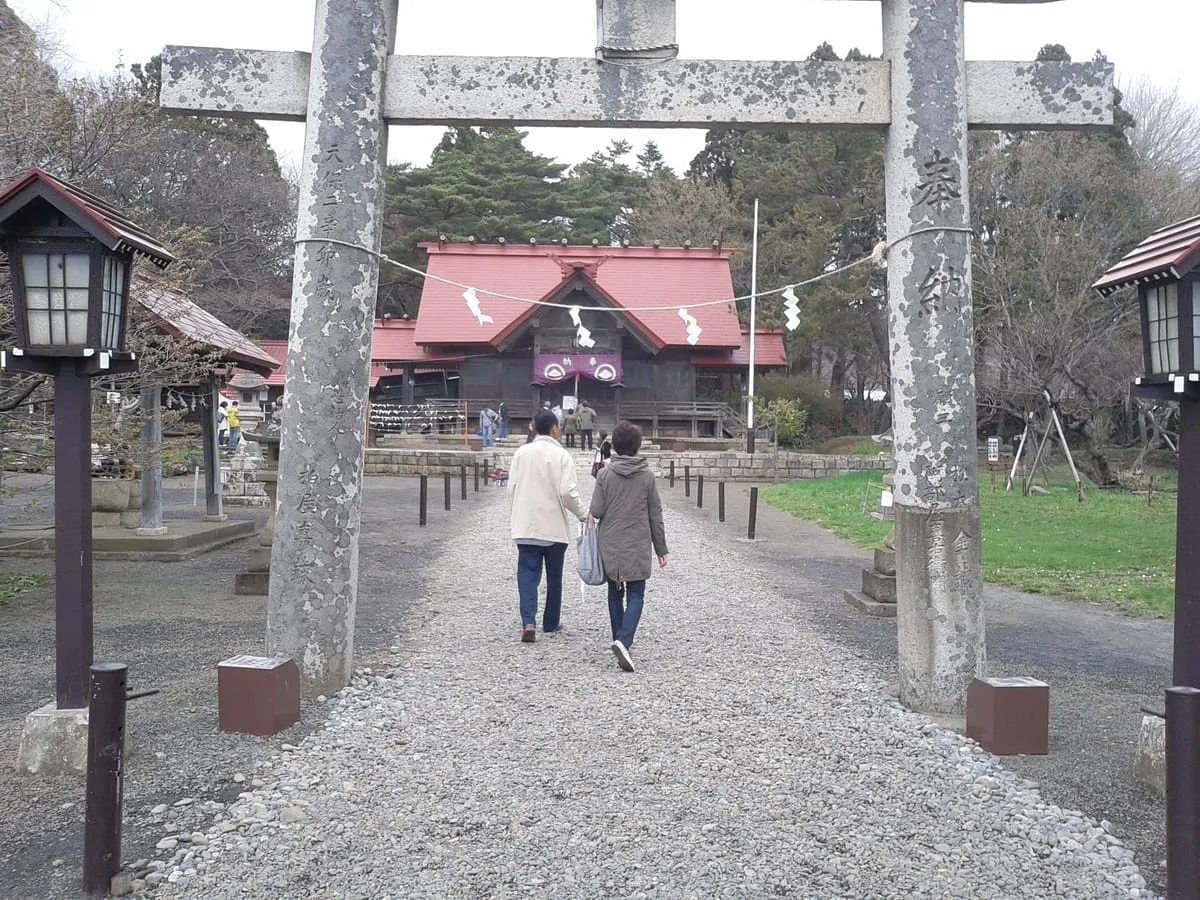
Enshrined deity: Kakizaki Suehiro no Mikoto (4th lord of the Matsumae clan), and subsequent Matsumae domain lords
Matsumae is the only town in Hokkaido that developed as a proper castle town (jokamachi) during the Edo period — the seat of the Matsumae clan, the lords who controlled southern Hokkaido’s trade with the Ainu for two centuries before the Meiji government took direct control. Matsumae Shrine, dedicated to the clan’s founding and subsequent lords, possesses something no other Hokkaido shrine can claim: Edo-period shrine buildings. The honden, haiden, and chumon (main hall, worship hall, and middle gate) are designated Important Cultural Properties of Japan — the only pre-Meiji shrine architecture in Hokkaido still standing. They stand adjacent to Matsumae Castle, and together with the approximately 10,000 cherry trees of over 250 varieties that bloom around the castle grounds in late April and May, the scene is genuinely exceptional. A cherry blossom visit here is among the more unusual Japan experiences — a Hokkaido castle, Edo architecture, and thousands of late-blooming sakura.
- Goshuin style: Distinguished calligraphy with seals that convey the weight of the Important Cultural Property designation. Limited editions during cherry blossom season sometimes incorporate pressed flowers
- Fee: ¥500
- Access: Hakodate Bus to “Matsumae-jo-dori” stop (about 2.5 hours from Hakodate Station); or car about 1.5 hours from Hakodate IC
Goshuin Info
| Item | Details |
|---|---|
| Hours | 9:00–17:00 |
| Location | Shamusho |
| Direct writing / pre-written | Both available |
| Limited editions | Yes (cherry blossom season, grand festival) |
9. Ubagami Daijingu (姥神大神宮) — Ubagamimachi, Esashi
Enshrined deity: Ichikishimahime no Mikoto (Benzaiten)
Esashi, a small fishing town on the Japan Sea coast about 1.5 hours north of Hakodate, was once one of the wealthiest towns in Hokkaido — a saying ran: “Esashi in May surpasses even Edo.” The source of that wealth was herring: during the Edo period, Esashi was a major processing hub for the massive herring catches of the Sea of Japan, and the Kitamaebune trading ships brought its salted herring and herring fertilizer to the markets of the Kansai region. Ubagami Daijingu, traditionally dated to 1465, is one of the oldest foundations in Hokkaido. It enshrines Ichikishimahime, the goddess associated with the sea and with musical arts. The shrine’s great festival, the Ubagami Daijingu Togyosai (held each August), is one of Hokkaido’s three greatest festivals: 13 elaborately decorated floats (yama) are paraded through the old streets of Esashi in a tradition designated an Important Intangible Folk Cultural Property. For the goshuin pilgrim, combining Matsumae Shrine and Ubagami Daijingu in a single “ancient shrines of southern Hokkaido” day is the definitive route.
- Goshuin style: Calligraphy with Benzaiten and Kitamaebune-era maritime seals. Festival-period limited editions featuring the elaborate floats are distributed in August
- Fee: ¥500
- Access: Hakodate Bus to “Esashi” terminal (about 2.5 hours), then 10 min walk; or car about 1.5 hours from Hakodate
Goshuin Info
| Item | Details |
|---|---|
| Hours | 9:00–16:00 |
| Location | Shamusho |
| Direct writing / pre-written | Mostly pre-written (direct when priest available) |
| Limited editions | Yes (Togyosai festival, August) |
Asahikawa and Central Hokkaido
10. Kamikawa Shrine (上川神社) — Kaguraoka-higashi, Asahikawa
Enshrined deities: Amaterasu Omikami · Okuninushi no Mikoto · Sukunabikona no Mikoto
Asahikawa — the second-largest city in Hokkaido, located in the center of the island — has its guardian shrine in Kaguraoka Park, a forested setting near the Ishikari River. Kamikawa Shrine was founded in 1893 during the wave of Meiji-era development that turned Asahikawa into a major military and administrative center for central Hokkaido. The shrine is classified as a beppyo jinja (shrine on the Jinja Honcho’s special list), and its grounds are large enough to offer distinct seasonal atmospheres: cherry blossoms in late spring, deep summer green, autumn maples, and snow-heavy winter silence. Asahikawa is the gateway to Daisetsuzan National Park and the staging point for winter visitors headed to Furano’s ski resorts, making this shrine accessible on most Hokkaido interior itineraries. The seasonal limited goshuin here — sometimes featuring the region’s wildlife — are among the more creative in Hokkaido.
- Goshuin style: Precise calligraphy with seals that change seasonally, sometimes incorporating wildlife motifs (Ezo squirrel, Ezo red fox, etc.). One of the most collected goshuin series in central Hokkaido
- Fee: ¥500
- Access: About 10 min by car or taxi from JR Asahikawa Station; bus to “Kaguraoka Park”
Goshuin Info
| Item | Details |
|---|---|
| Hours | 9:00–17:00 |
| Location | Juyusho |
| Direct writing / pre-written | Both available |
| Limited editions | Yes (seasonal series, grand festival) |
11. Furano Shrine (富良野神社) — Furano
Enshrined deities: Okuninushi no Mikoto · Amaterasu Omikami · Amenominakanushi no Kami
Furano is internationally associated with lavender — the purple-blanketed fields of Farm Tomita have appeared in travel imagery of Japan for decades. The town’s guardian shrine, founded in 1898, sits quietly in the city center while the lavender crowds fill the surrounding countryside in July and August. The shrine serves Furano’s local community year-round, but during lavender season it attracts a growing number of goshuin-conscious visitors who combine farm visits with shrine worship. The goshuin design sometimes incorporates lavender motifs during the peak season, making a Furano shrine goshuin a distinctive keepsake of a summer Hokkaido journey.
- Goshuin style: Calligraphy with a lavender-infused design during peak season (July–August). A pleasantly distinctive goshuin that captures the Furano landscape
- Fee: ¥500
- Access: About 15 min walk from JR Furano Station
Goshuin Info
| Item | Details |
|---|---|
| Hours | 9:00–16:00 |
| Location | Shamusho |
| Direct writing / pre-written | Mostly pre-written |
| Limited editions | Yes (lavender season, grand festival) |
Obihiro and Tokachi
12. Obihiro Shrine (帯広神社) — Higashi Sanjo Minami, Obihiro
Enshrined deities: Oonamuji no Kami · Sukunabikona no Kami · Amaterasu Omikami
The vast Tokachi Plain, one of Japan’s great agricultural zones, has its spiritual center at Obihiro Shrine — founded in 1883 when the Bandosha settler group led by Yoda Benzaburo made the first systematic settlement of the Tokachi region. The shrine was established simultaneously with the town itself, making it one of Hokkaido’s earliest pioneer shrines. Oonamuji and Sukunabikona, the deities of land cultivation and medicine, are appropriate gods for a region whose identity is rooted in the transformation of marshy wilderness into productive farmland. Obihiro is known for its annual Tokachi Oaks Race (the famous Ban’ei horse racing using draft horses) and for dairy products and sweets (Rokkatei, Cranberry); the shrine fits naturally into a half-day Obihiro exploration.
- Goshuin style: Calligraphy with Tokachi-themed seals evoking the agricultural character of the plain. Clean and unhurried, reflective of the Tokachi landscape
- Fee: ¥500
- Access: About 10 min walk from JR Obihiro Station
Goshuin Info
| Item | Details |
|---|---|
| Hours | 9:00–17:00 |
| Location | Juyusho |
| Direct writing / pre-written | Direct writing |
| Limited editions | Yes (grand festival) |
Eastern Hokkaido
13. Itsukushima-jinja (厳島神社) — Sumiyoshi, Kushiro
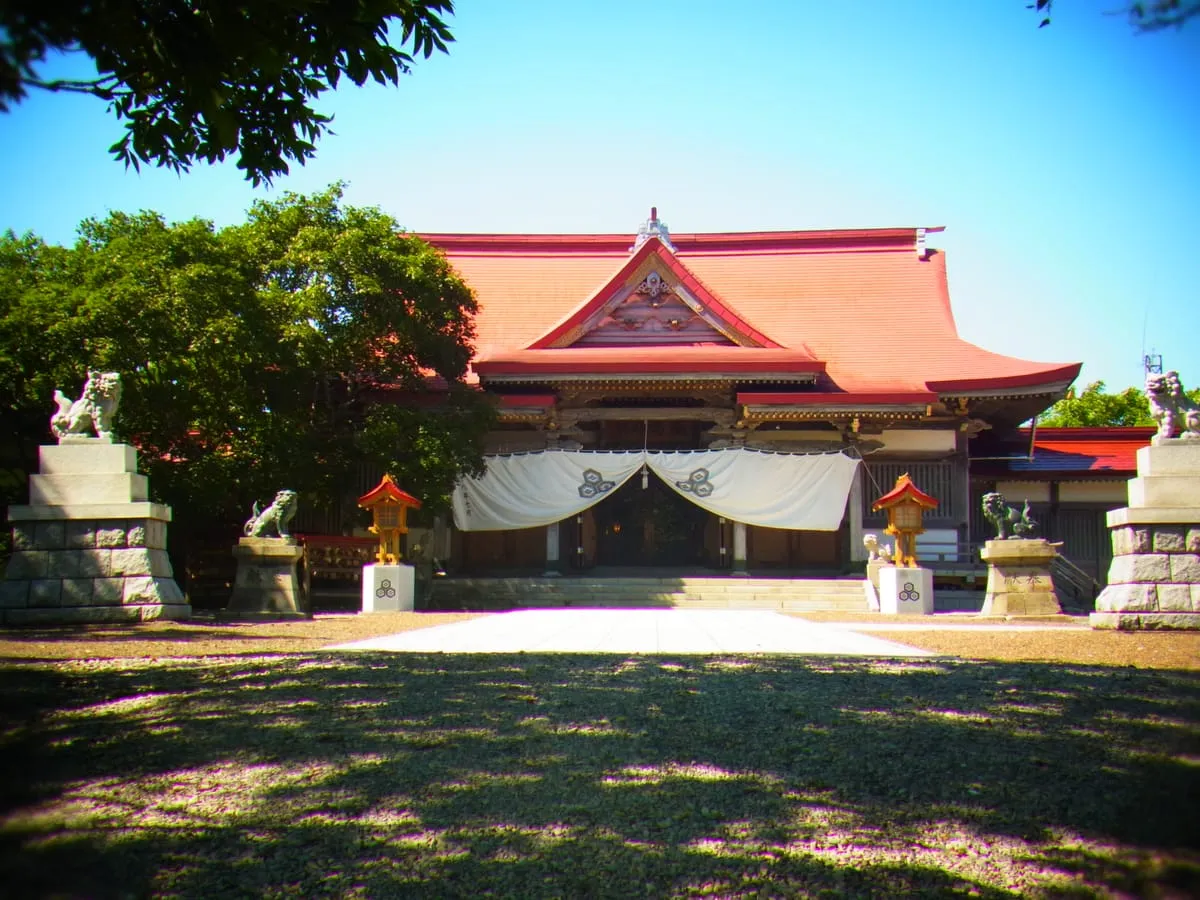
Enshrined deities: Ichikishimahime no Mikoto · Inadahime no Mikoto · Oyamazumi no Mikoto
Founded in 1805 — making it one of the earlier foundations in Hokkaido proper — Itsukushima-jinja in Kushiro holds the rank of ichinomiya (principal shrine) of the former Kushiro Province. Like its famous counterpart on Miyajima Island in Hiroshima, it enshrines Ichikishimahime, the sea goddess. The fishing heritage of Kushiro — Japan’s largest Pacific-side fishing port — resonates with the deity’s domain over water and seafaring. Kushiro is famously atmospheric: the city is nicknamed “the city of fog” and “the city of sunsets,” and the view from Nusamai Bridge at dusk (listed among Japan’s three great sunsets) is dramatic. Kushiro Wetland, a Ramsar-designated wetland and Japan’s largest marsh, lies just outside the city. Combining shrine worship here with a red-crowned crane observation at the wetland creates a distinctively Hokkaido experience.
- Goshuin style: Precise, dignified calligraphy with the seal of Kushiro Province’s ichinomiya. One of the most satisfying goshuin in eastern Hokkaido for the serious collector
- Fee: ¥500
- Access: About 20 min walk from JR Kushiro Station; or bus to “Sumiyoshi”
Goshuin Info
| Item | Details |
|---|---|
| Hours | 9:00–17:00 |
| Location | Shamusho |
| Direct writing / pre-written | Direct writing |
| Limited editions | Yes (grand festival) |
14. Mashu Shrine (摩周神社) — Teshikaga-cho, Kawakami-gun
Enshrined deities: Omononushi no Kami · Okuninushi no Kami
Lake Mashu — the “Lake of the Gods” — is one of Japan’s most pristine caldera lakes, known for its extraordinary blue clarity and the frequency with which it disappears into dense fog. The town of Teshikaga (formerly called Mashu) at the lake’s foot is a crossroads for visitors to the eastern Hokkaido volcanic region: Lake Mashu, Lake Kussharo, and the hot spring town of Kawayu are all within a 30-minute drive. Mashu Shrine, founded in 1894, serves this remote community and is one of the more unusual shrine experiences in Hokkaido simply by virtue of its setting. The surrounding landscape of volcanic lakes, thermal springs, and dense primeval forest creates a context for Shinto worship that feels less mediated by modern Japan than almost anywhere else in the country. Confirm staffing before visiting — the priest is not always on-site for direct writing.
- Goshuin style: Calligraphy with seal motifs drawn from the lake, fog, and volcanic landscape. Increasingly sought after by collectors interested in the remote and unusual
- Fee: ¥500
- Access: About 5 min walk from JR Mashu Station (Senmō Line)
Goshuin Info
| Item | Details |
|---|---|
| Hours | 9:00–16:00 (variable — confirm ahead) |
| Location | Shamusho |
| Direct writing / pre-written | Mostly pre-written |
| Limited editions | Yes |
15. Wakkanai Shrine (稚内神社) — Chuo, Wakkanai
Enshrined deities: Amaterasu Omikami · Susanoo no Mikoto · Amenominakanushi no Kami
Wakkanai is the northernmost city in Japan — closer to the southern tip of Sakhalin (Russia) than to Sapporo. Wakkanai Shrine, founded in 1898, serves this frontier city and holds a position without parallel in Japanese shrine geography: it is the northernmost shrine where you can receive goshuin on the Japanese mainland. The city’s history is inseparable from its proximity to Sakhalin — during the Meiji and early Showa periods, Karafuto (the Japanese southern half of Sakhalin) was Japanese territory, and Wakkanai functioned as the gateway between the two lands. The landscape is stark and oceanic: Cape Soya (the literal northernmost tip of Japan), Rishiri Island (a nearly perfect conical volcano rising from the sea), and the Sarobetsu Wetlands are all within reach. Receiving a goshuin here is, for many collectors, a completion — a northern terminus for a Japanese pilgrimage that might have begun at the southernmost tips of Okinawa or Kyushu.
- Goshuin style: Calligraphy with seals that sometimes incorporate the North Star, sea ice (ryuhyo), and Rishiri-Fuji — imagery unique to Japan’s northernmost frontier
- Fee: ¥500
- Access: About 10 min walk from JR Wakkanai Station
Goshuin Info
| Item | Details |
|---|---|
| Hours | 9:00–16:00 (variable) |
| Location | Shamusho |
| Direct writing / pre-written | Mostly pre-written (direct writing when priest available) |
| Limited editions | Yes (festival periods) |
Suggested Routes
2 Nights / 3 Days (Central Hokkaido)
Day 1: Hokkaido Jingu → Kaitaku Shrine → Sankichi Jinja (Sapporo overnight)
Day 2: Yoichi Shrine → Sumiyoshi Shrine Otaru (Otaru overnight)
Day 3: Kamikawa Shrine Asahikawa → Furano Shrine
Southern Hokkaido (2 Days)
Day 1: Hakodate Hachimangu → Kameda Hachimangu (Hakodate overnight)
Day 2: Matsumae Shrine → Ubagami Daijingu Esashi → return Hakodate
Eastern Hokkaido (2 Days, car required)
Day 1: Obihiro Shrine → Obihiro overnight
Day 2: Itsukushima-jinja Kushiro → Mashu Shrine → Kushiro overnight
Practical Notes
Distances are real: Hokkaido is enormous. Sapporo to Kushiro is about 3.5 hours by car; Sapporo to Wakkanai is about 5 hours. Plan by region, not by list — trying to “do” the whole guide in one trip requires 7–10 days minimum and a rental car.
Winter travel: From December through March, snowfall and road icing are serious concerns for rural routes. Bus services reduce, and some shrine offices shorten hours. Call ahead for staffing confirmation, especially for smaller shrines.
Unattended shrines: At remote shrines (Mashu, Wakkanai, Esashi), the priest may not be on-site during regular hours. Many offer pre-written goshuin in a box — acceptable under normal goshuin customs — but if direct writing matters to you, contact the shrine before traveling.
Southern Hokkaido ancient shrines circuit: Matsumae Shrine and Ubagami Daijingu are 30 minutes apart by car and represent the deepest historical layer of Hokkaido shrine culture — both pre-Meiji foundations from Japan’s feudal era. This is the one circuit in Hokkaido that genuinely parallels the ancient shrine experience of mainland Japan.
Image Credits
- Hokkaido Jingu haiden: Daigaku2051, CC BY-SA 3.0, via Wikimedia Commons
- Matsumae Shrine torii gate: Prosperosity, CC BY-SA 3.0, via Wikimedia Commons
- Itsukushima-jinja Kushiro: Omiya benten, CC BY-SA 3.0, via Wikimedia Commons