Fukuoka Prefecture is a paradise for goshuin collectors, home to the beloved Dazaifu Tenmangu, the UNESCO World Heritage Site Munakata Taisha, one of Japan’s three great Hachimangu shrines at Hakozaki, and many more sacred sites with rich history and unique character. This guide introduces 15 carefully selected shrines in Fukuoka where you can receive goshuin, complete with history, spiritual benefits, goshuin features, and practical visiting information.
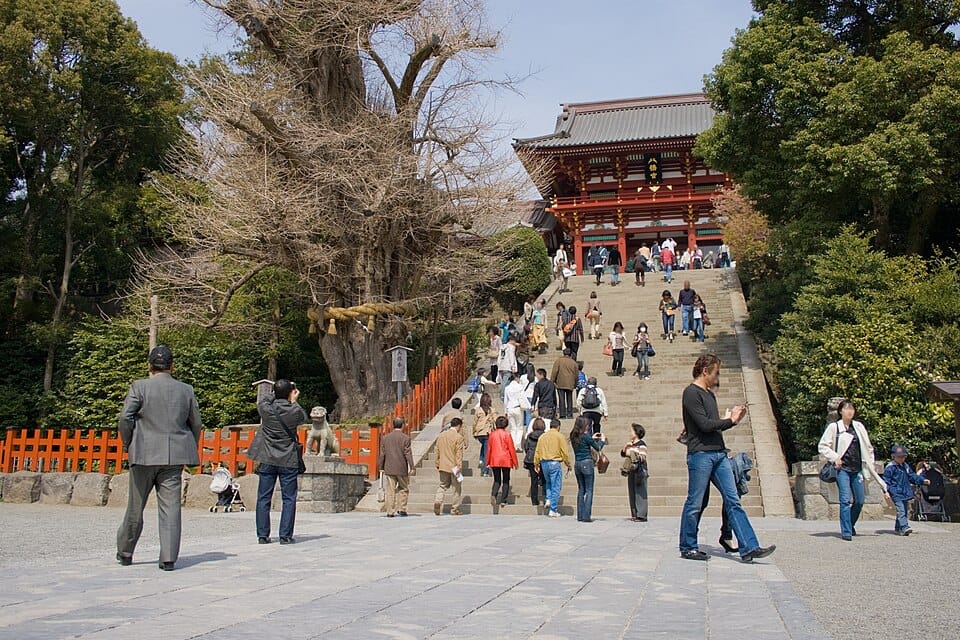
1. Dazaifu Tenmangu (Dazaifu City)
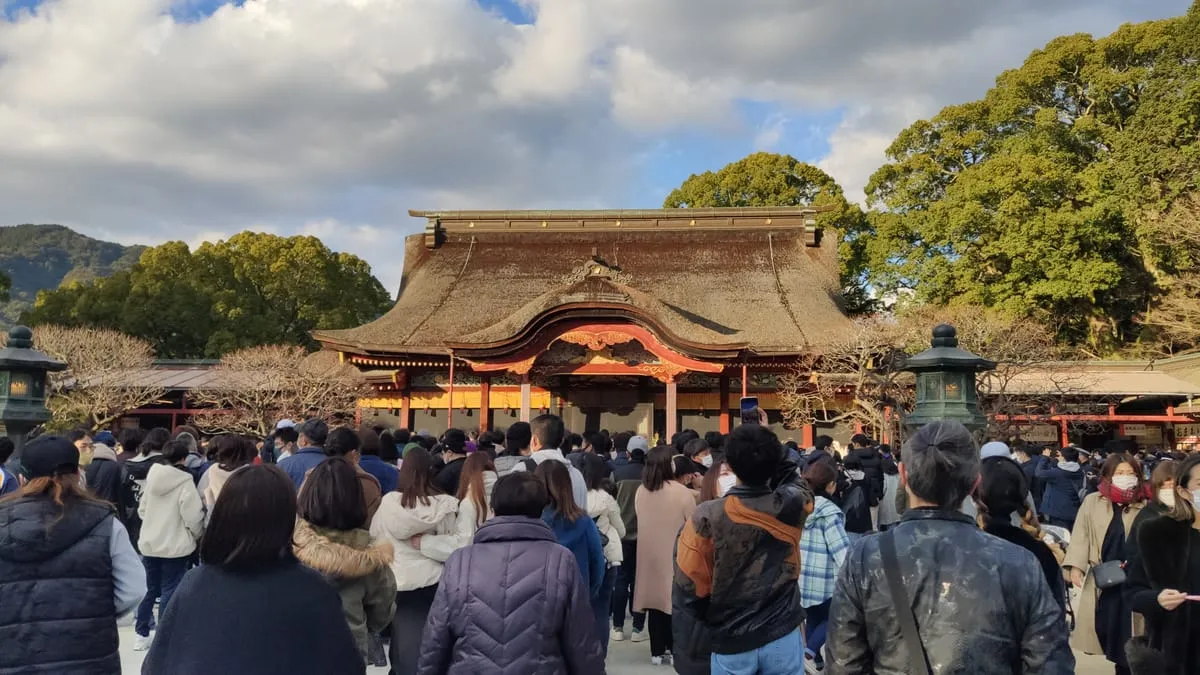
Enshrined Deity: Sugawara no Michizane
The head shrine of approximately 12,000 Tenmangu shrines across Japan and Fukuoka’s most iconic sacred site. Sugawara no Michizane, a brilliant scholar and court official, was exiled to Dazaifu in 901 and passed away here the following year. The shrine was established in 919 to enshrine his spirit, and today attracts around 10 million visitors annually as the god of learning, culture, and the arts. In 2023, an innovative temporary sanctuary designed by architect Kengo Kuma drew international attention.
- Goshuin Features: Bold calligraphy reading “Dazaifu Tenmangu” with the plum blossom crest and Tenjin seal, embodying the prestige of Japan’s head Tenmangu shrine
- Fee: 500 yen
- Access: 5-minute walk from Nishitetsu Dazaifu Station
- Highlights: Main hall (Important Cultural Property), Tobai plum tree (February), three bridges over the heart-shaped pond, treasure house
Goshuin Information
| Item | Details |
|---|---|
| Hours | 9:00–17:00 (open year-round) |
| Location | Goshuin office to the right of the main hall |
| Handwritten/Pre-written | Handwritten (pre-written during busy periods) |
| Limited Editions | Available (plum festival, summer purification, first Tenjin of the year) |
2. Munakata Taisha (Munakata City)
Enshrined Deities: Tagorihime-no-mikoto, Ichikishimahime-no-mikoto, Tagitsuhime-no-mikoto (the three Munakata goddesses)
One of Japan’s oldest shrines, inscribed as a UNESCO World Heritage Site in 2017 as part of “Sacred Island of Okinoshima and Associated Sites of the Munakata Region.” Okinoshima, a small island floating 60 km offshore in the Genkai Sea, is the physical body of the deity itself — access is strictly limited to shrine priests. The three-shrine complex consists of Hetsu-miya, Nakatsu-miya, and Okitsu-miya.
- Goshuin Features: Dignified calligraphy reading “Munakata Taisha” with the three goddesses’ crest, befitting the gravity of a UNESCO World Heritage shrine
- Fee: 500 yen
- Access: Bus from JR Togo Station to “Munakata Taisha-mae” bus stop (Hetsu-miya)
- Highlights: Second and third shrines, Takamiya sacred hill (sacred forest), Shinpokan Museum (80,000 national treasures)
Goshuin Information
| Item | Details |
|---|---|
| Hours | 9:00–17:00 |
| Location | Shrine office |
| Handwritten/Pre-written | Handwritten |
| Limited Editions | Available (annual grand festival, New Year, autumn festival) |
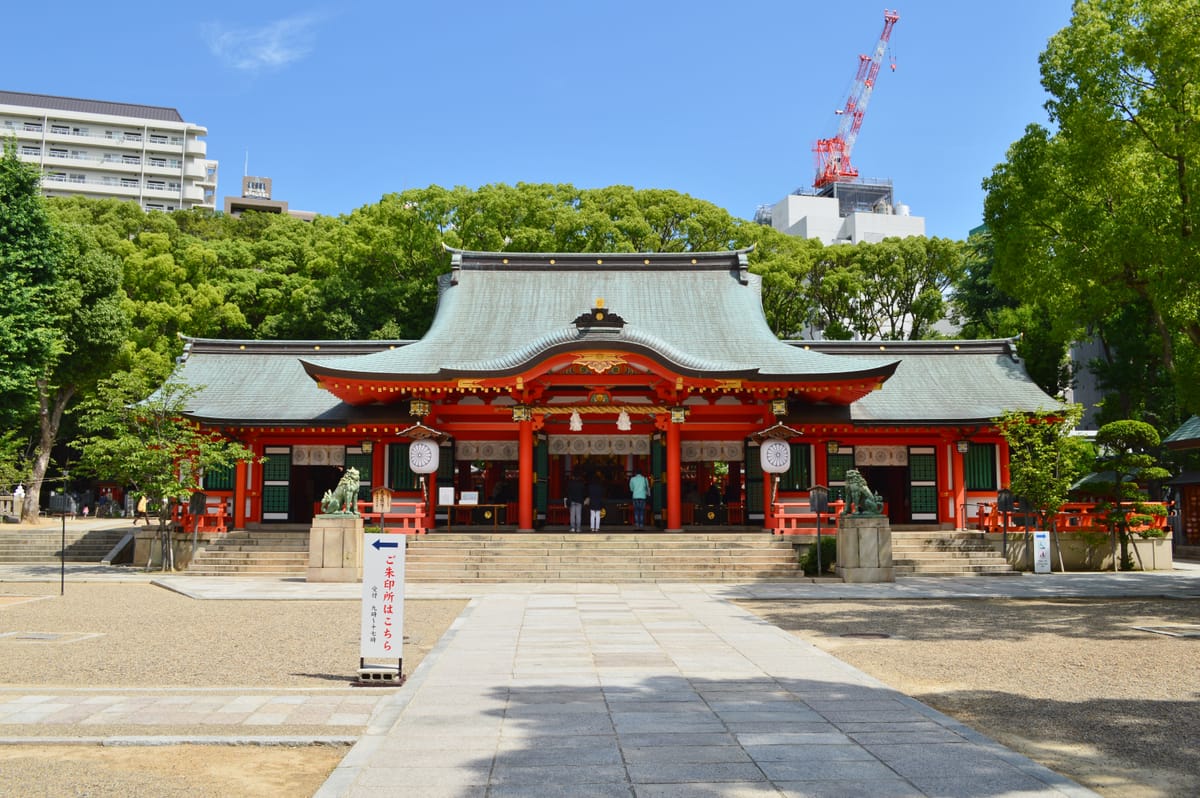
3. Hakozaki Shrine (Fukuoka City, Higashi Ward)
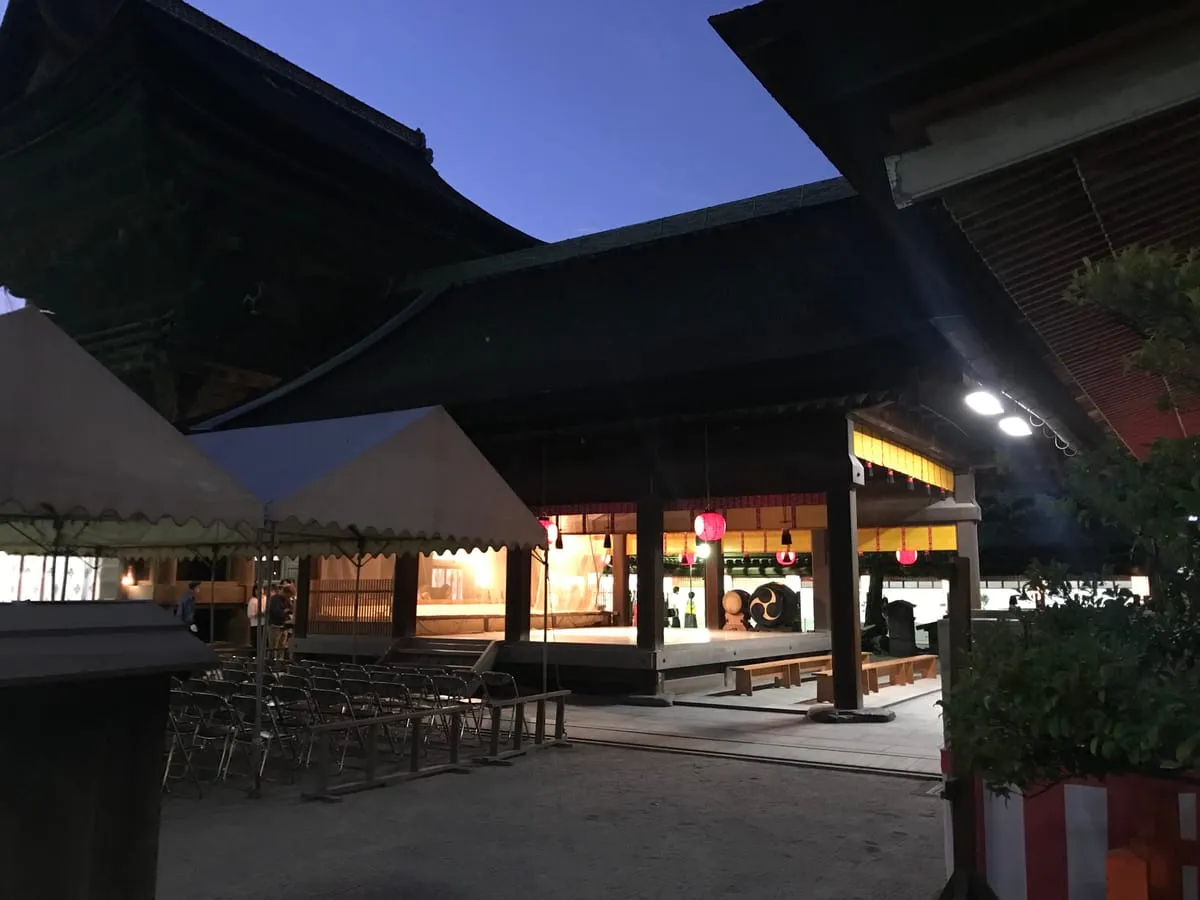
Enshrined Deities: Emperor Ojin, Empress Jingu, Tamayori-hime-no-mikoto
Relocated to its current site by imperial decree of Emperor Daigo in 921, Hakozaki is counted among the three great Hachimangu shrines alongside Usa Shrine and Iwashimizu Hachimangu. The famous banner “Tekikoku Kofuku” (Subjugate Foreign Enemies), donated by Emperor Kameyama during the Mongol invasions, draws an endless stream of visitors seeking victory and strength.
- Goshuin Features: Powerful calligraphy reading “Hakozaki-gu” with the Hachiman deity crest, embodying the warrior spirit of one of Japan’s three great Hachimangu
- Fee: 500 yen
- Access: 3-minute walk from Subway Hakozaki-miya-mae Station
- Highlights: Two-story gate (Important Cultural Property), “Tekikoku Kofuku” banner, Hojoe Festival (September), chrysanthemum garden (October)
Goshuin Information
| Item | Details |
|---|---|
| Hours | 9:00–17:00 |
| Location | Shrine office |
| Handwritten/Pre-written | Handwritten |
| Limited Editions | Available (Hojoe Festival, New Year, chrysanthemum garden period) |
4. Sumiyoshi Shrine (Fukuoka City, Hakata Ward)
Enshrined Deities: Sokotsutsuo-no-mikoto, Nakatsutsuo-no-mikoto, Uwatsutsuo-no-mikoto
One of the three oldest Sumiyoshi shrines in Japan, with origins traditionally attributed to Empress Jingu’s era. Revered as the guardian shrine of Hakata, it is celebrated for blessings of maritime safety and safe travel. The stone torii gate and arched bridge lend a timeless atmosphere to the grounds.
- Goshuin Features: Refined calligraphy reading “Sumiyoshi Shrine,” reflecting the dignity of Japan’s oldest Sumiyoshi shrine
- Fee: 500 yen
- Access: 10-minute walk from Subway Gion Station
- Highlights: Stone torii gate (Important Cultural Property), arched bridge, Shimenokake Inari Shrine
Goshuin Information
| Item | Details |
|---|---|
| Hours | 9:00–17:00 |
| Location | Shrine office |
| Handwritten/Pre-written | Handwritten |
| Limited Editions | Available (annual festival, Shichi-Go-San) |
5. Miyajidake Shrine (Fukutsu City)
Enshrined Deities: Empress Jingu, Katsumura Okami, Katsuyori Okami
This shrine gained worldwide fame for its “Road of Light” phenomenon — twice a year in February and October, the setting sun aligns perfectly with the stone-paved approach and illuminates a straight path of light all the way to the sea. It also boasts Japan’s largest sacred rope (shimenawa, weighing 3 tonnes) and largest bell (450 kg), and is worshipped as a shrine “where all wishes are granted.”
- Goshuin Features: Dynamic calligraphy reading “Miyajidake Shrine,” conveying the energy of Japan’s greatest rope and the power of wish-granting
- Fee: 500 yen
- Access: About 10 minutes by bus or taxi from JR Fukuma Station
- Highlights: Japan’s largest shimenawa, bell, and drum; Road of Light (February and October); eight inner sanctuaries
Goshuin Information
| Item | Details |
|---|---|
| Hours | 9:00–17:30 |
| Location | Shrine office |
| Handwritten/Pre-written | Handwritten |
| Limited Editions | Available (Road of Light periods, seasonal) |
6. Kamado Shrine (Dazaifu City)
Enshrined Deity: Tamayori-hime-no-mikoto
Nestled at the foot of Mount Homan, Kamado Shrine is dedicated to the goddess of matchmaking, childrearing, and guidance. In recent years it gained additional fame as a “sacred site” for fans of the manga Demon Slayer: Kimetsu no Yaiba, whose protagonist shares the same family name “Kamado.” The shrine also serves as the starting point for hiking up Mount Homan.
- Goshuin Features: Graceful calligraphy reading “Kamado Shrine” with a matchmaking seal, warm and beautiful like the shrine’s romantic reputation
- Fee: 500 yen
- Access: Bus from Nishitetsu Dazaifu Station to “Uchiyama” stop, then a 5-minute walk
- Highlights: Love-themed ema votive tablets, Mount Homan trailhead, cherry blossoms (spring) and autumn leaves
Goshuin Information
| Item | Details |
|---|---|
| Hours | 9:00–17:00 |
| Location | Shrine office |
| Handwritten/Pre-written | Handwritten |
| Limited Editions | Available (seasonal, matchmaking festival) |
7. Keigo Shrine (Fukuoka City, Chuo Ward)
Enshrined Deities: Kaminaobinokami, Oonaobi-no-kami, Yasomagatsuhi-no-kami
Located right beside the Tenjin underground shopping street in Fukuoka’s bustling city center, Keigo Shrine is said to have performed miracles during the Mongol invasions. It is revered for protection from evil and warding off misfortune. Despite the urban surroundings, it maintains a steady stream of worshippers throughout the day.
- Goshuin Features: Crisp calligraphy reading “Keigo Shrine,” reflecting its role as a steadfast guardian of the Tenjin area
- Fee: 500 yen
- Access: 3-minute walk from Subway Tenjin Station
- Highlights: Large camphor tree, guardian deity of Tenjin, annual grand festival (May)
Goshuin Information
| Item | Details |
|---|---|
| Hours | 9:00–17:00 |
| Location | Shrine office |
| Handwritten/Pre-written | Handwritten |
| Limited Editions | Available (annual festival, New Year) |
8. Kashii-gu Shrine (Fukuoka City, Higashi Ward)
Enshrined Deities: Emperor Chuai, Empress Jingu
This ancient shrine was established by Empress Jingu to enshrine the spirit of Emperor Chuai following the Korean campaign. Its main hall features the unique “Kashii-zukuri” architectural style found nowhere else, and as an imperially-designated shrine (chokusaisha), it maintains deep connections to the Imperial Household.
- Goshuin Features: Stately calligraphy reading “Kashii-gu,” conveying the long history and dignity of this imperially-designated ancient shrine
- Fee: 500 yen
- Access: 10-minute walk from JR Kashii Station or Nishitetsu Kashii Station
- Highlights: Main hall in Kashii-zukuri style (Important Cultural Property), ancient Korean-style burial mound, the “immortality spring”
Goshuin Information
| Item | Details |
|---|---|
| Hours | 9:00–17:00 |
| Location | Shrine office |
| Handwritten/Pre-written | Handwritten |
| Limited Editions | Available (imperial festival, New Year) |
9. Atago Shrine (Fukuoka City, Nishi Ward)
Enshrined Deities: Izanami-no-mikoto, Amaterasu Omikami, Hinokagutsuchi-no-mikoto, Haniyamahime-no-mikoto
Perched on the summit of 68-meter Mount Atago, this shrine offers a sweeping panoramic view of Hakata Bay and the Fukuoka cityscape. Since ancient times, sailors and merchants have revered it for maritime safety and fire prevention. The shrine draws large New Year’s Day crowds eager to witness the first sunrise of the year.
- Goshuin Features: Clear and uplifting calligraphy reading “Atago Shrine,” capturing the fresh air of this hilltop sanctuary
- Fee: 500 yen
- Access: Bus from JR/Subway Meinohama Station to “Atago Jinja-mae” stop
- Highlights: Panoramic view of Hakata Bay, first sunrise of the year, fire prevention prayers
Goshuin Information
| Item | Details |
|---|---|
| Hours | 9:00–16:30 |
| Location | Shrine office |
| Handwritten/Pre-written | Handwritten |
| Limited Editions | Available (New Year, summer purification) |
10. Shikanoumi Shrine (Fukuoka City, Higashi Ward)
Enshrined Deities: The three sea deities Watatsumi (Sokotsu-Watatsumi-no-kami, Nakatsuwatatsumi-no-kami, Uwatsuwatatsumi-no-kami)
Located on Shikanoshima Island in Hakata Bay, this is the “head shrine of all sea deities in Japan.” The ancient Azumi seafaring people have worshipped here for millennia, and the shrine is also known as the “Dragon Palace.” Shikanoshima is famous as the place where the gold seal (national treasure) was discovered, adding a layer of historical romance to any visit.
- Goshuin Features: Mystical calligraphy reading “Shikanoumi Shrine” with sea deity seals, conveying the solemn authority of Japan’s supreme sea shrine
- Fee: 500 yen
- Access: Bus from JR Chikuzen-Umi-no-Nakamichi Station to “Shikanoshima” stop, then a 10-minute walk
- Highlights: Hei-furi Ceremony (April and November), scenic island landscape, Gold Seal Park
Goshuin Information
| Item | Details |
|---|---|
| Hours | 9:00–17:00 |
| Location | Shrine office |
| Handwritten/Pre-written | Handwritten |
| Limited Editions | Available (Hei-furi Ceremony, New Year) |
11. Suitengu Shrine (Kurume City)
Enshrined Deities: Amenominakanushi-no-kami, Emperor Antoku, Kenreimonin, Lady Nii
The head shrine of more than 700 Suitengu shrines throughout Japan. After the Battle of Dan-no-ura (1185), a lady-in-waiting of Kenreimonin (Emperor Antoku’s mother) escaped to this area and enshrined the spirit of the child emperor here. Famous for blessings of safe childbirth, child-granting, and protection from water-related accidents.
- Goshuin Features: Compassionate calligraphy reading “Suitengu,” radiating the gentle blessings of the head shrine that protects mothers and children nationwide
- Fee: 500 yen
- Access: Approximately 10 minutes by bus or taxi from Nishitetsu Kurume Station
- Highlights: Main hall (Important Cultural Property), deity statues, Dog Day (inunohi) ceremonies every month
Goshuin Information
| Item | Details |
|---|---|
| Hours | 9:00–17:00 |
| Location | Shrine office |
| Handwritten/Pre-written | Handwritten |
| Limited Editions | Available (Dog Day special, childbirth festival) |
12. Toka Ebisu Shrine (Fukuoka City, Hakata Ward)
Enshrined Deities: Kotoshironushi-no-kami, Okuninushi-no-kami
Famous for its ten-day New Year festival (January 8–11), which attracts approximately one million visitors. The rows of lucky bamboo branches (fukuzasa) and good-luck charms lining the approach are iconic, and the shrine has been a center of faith for Hakata’s merchants for centuries.
- Goshuin Features: Auspicious calligraphy reading “Toka Ebisu Shrine,” full of the bustling, festive energy of a beloved merchant deity shrine
- Fee: 500 yen
- Access: 15-minute walk from JR Hakata Station; 10-minute walk from Subway Nakasukawabata Station
- Highlights: January Toka Ebisu Festival (1 million visitors), lucky bamboo branches and good-luck charms, Ebisu statues on the grounds
Goshuin Information
| Item | Details |
|---|---|
| Hours | 9:00–17:00 |
| Location | Shrine office |
| Handwritten/Pre-written | Handwritten |
| Limited Editions | Available (Toka Ebisu Festival period) |
13. Hikosan Shrine (Soeda Town)
Enshrined Deity: Amenooshihomimi-no-mikoto
Spread from the summit of Mount Hiko (1,199 m) down to its foothills, this was once called the “Koyasan of western Japan.” A sacred site of Shugendo (mountain asceticism), it is said that at its peak, as many as 3,000 mountain ascetics lived on the mountain. The Heiden (offering hall, Important Cultural Property) and the great copper torii are awe-inspiring.
- Goshuin Features: Grand calligraphy reading “Hikosan Shrine,” evoking the formidable spiritual power of this mountain asceticism site
- Fee: 500 yen
- Access: Bus from JR Soeda Station to “Hikosan” stop, or use the slope car
- Highlights: Heiden (Important Cultural Property), great copper torii, four-season mountain scenery
Goshuin Information
| Item | Details |
|---|---|
| Hours | 9:00–16:30 |
| Location | Shrine office inside Heiden |
| Handwritten/Pre-written | Handwritten |
| Limited Editions | Available (annual festival, Shugendo ceremony) |
14. Sakamoto Hachimangu (Dazaifu City)
Enshrined Deity: Emperor Ojin
This small shrine shot to national fame when the new imperial era name “Reiwa,” unveiled in 2019, was found to be sourced from the Manyoshu (Collection of Ten Thousand Leaves) poem sequence known as “Baika no En” (the Plum Blossom Banquet), said to have been composed near this very site — at the residence of poet Otomo no Tabito. Pilgrims now flock here as the “birthplace of Reiwa.”
- Goshuin Features: Elegant calligraphy reading “Sakamoto Hachimangu” with a plum blossom seal evoking the Reiwa source poem, a joyful and auspicious stamp
- Fee: 500 yen
- Access: 15-minute walk from Nishitetsu Tofurō-mae Station
- Highlights: Monument to the Manyoshu “Baika no En” poem, Dazaifu Government Ruins nearby
Goshuin Information
| Item | Details |
|---|---|
| Hours | 10:00–16:00 (weekends and holidays only; check for office attendance) |
| Location | Shrine office (pre-written only on weekdays) |
| Handwritten/Pre-written | Handwritten on weekends/holidays; pre-written on weekdays |
| Limited Editions | Available (Reiwa commemorative, plum festival) |
15. Takasu Shrine (Itoshima City)
Enshrined Deities: Hikohohodemi-no-mikoto, Toyotamahime-no-mikoto, Tamayorihime-no-mikoto
Nestled at the foot of Mount Takasu on the Itoshima Peninsula, this ancient shrine is rooted in the land of the ancient “Ito kingdom.” Revered for matchmaking and maritime safety, the tranquil grounds surrounded by Itoshima’s natural scenery offer a peaceful respite. An ideal addition to an Itoshima sightseeing itinerary.
- Goshuin Features: Pure and serene calligraphy reading “Takasu Shrine,” capturing the quiet dignity of this ancient shrine deep in the Ito countryside
- Fee: 500 yen
- Access: Approximately 20 minutes by bus or taxi from JR Chikuzen-Maebaru Station
- Highlights: Ancient trees in the shrine grounds, Itoshima’s natural scenery, Itoshima City Museum of History and Folklore (nearby)
Goshuin Information
| Item | Details |
|---|---|
| Hours | 9:00–17:00 (please confirm in advance) |
| Location | Shrine office |
| Handwritten/Pre-written | Handwritten |
| Limited Editions | Available (annual festival, seasonal) |
Efficient Goshuin Pilgrimage Routes
Dazaifu Focus Course (1 Day)
Dazaifu Tenmangu → Kamado Shrine → Sakamoto Hachimangu
Fukuoka City Course (1 Day)
Sumiyoshi Shrine → Keigo Shrine → Hakozaki Shrine → Kashii-gu → Toka Ebisu Shrine
Scenic Day Trip Course (1 Day)
Miyajidake Shrine → Munakata Taisha → Shikanoumi Shrine
Tips for Goshuin Collecting in Fukuoka
Basic Etiquette
- Prayer before goshuin — Goshuin is a record of your worship. Always pray first
- Bring cash — Prepare 500-yen coins
- Bring your goshuin-cho — Original goshuin books are available at Dazaifu Tenmangu and other major shrines
- Allow time — Dazaifu Tenmangu in particular can have long queues on weekends and holidays
Best Seasons
- Spring (Feb–Apr): Plum blossoms at Dazaifu, cherry blossoms, spring festivals
- Summer (Jul–Aug): Hakata Gion Yamakasa Festival, summer purification ceremonies
- Autumn (Sep–Nov): Hojoe Festival at Hakozaki, autumn foliage
- Winter (Jan–Feb): New Year visits, Toka Ebisu Festival
Fukuoka’s shrines span an extraordinary range — from a UNESCO World Heritage site and ancient sea deities to a shrine that gave birth to Japan’s current era name. Pack your goshuin-cho and enjoy a journey through the deep history and spiritual richness of Kyushu’s gateway city.
Photo credits: All images are from Wikimedia Commons under Creative Commons licenses. Dazaifu Tenmangu by Drivephotographer, CC0 1.0 Public Domain, Wikimedia Commons Haiden of Hakozaki Shrine by そらみみ (Soramimi), CC BY-SA 4.0, Wikimedia Commons