Nara Prefecture is home to some of Japan’s oldest and most sacred shrines, many dating back over 1,000 years. From the famous Kasuga Taisha (春日大社) and Omiwa Jinja (大神神社) to lesser-known hidden gems deep in the Kii mountains, these sacred sites offer unique opportunities to collect beautiful goshuin stamps while experiencing Japan’s ancient spiritual heritage. This comprehensive guide covers 20 must-visit shrines in Nara with practical information on visiting hours, access, and what makes each shrine special.
1. Kasuga Taisha (春日大社) - Nara City
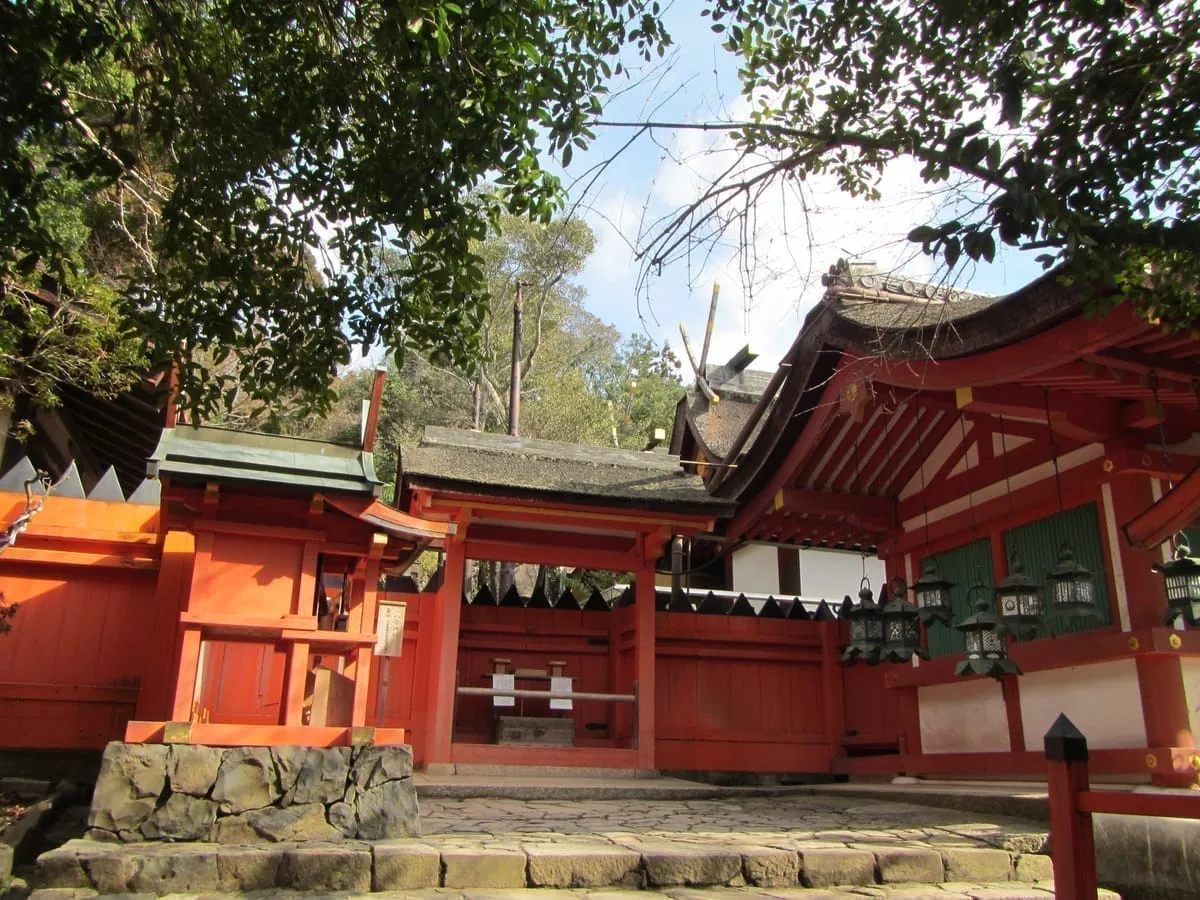
Enshrined Deities: Takemikazuchi-no-mikoto, Futsunushi-no-mikoto, Amenokoyane-no-mikoto, Himegami
Founded in 768 CE as the guardian shrine of Heijo-kyo (ancient Nara), Kasuga Taisha is famous for its thousands of stone and hanging lanterns. The mystical Mantoro lantern festivals (held during Setsubun and mid-summer) illuminate the entire shrine grounds in a breathtaking display.
- Goshuin Features: Elegant calligraphy reading “Kasuga Taisha” with wisteria family crest. Special limited goshuin available during major festivals
- Fee: 500 yen
- Access: Bus from JR/Kintetsu Nara Station to “Kasuga Taisha Honden” stop
- Highlights: 3,000 stone lanterns, 1,000 hanging lanterns, wisteria blooms (late April-May), deer park, National Treasure Museum
Goshuin Information
| Item | Details |
|---|---|
| Available Hours | 6:00-18:00 (Oct-Mar: until 17:30) |
| Location | Naikai-den Hall |
| Handwritten/Pre-written | Handwritten |
| Limited Goshuin | Yes (Mantoro festivals, wisteria season, New Year) |
2. Omiwa Jinja (大神神社) - Sakurai City
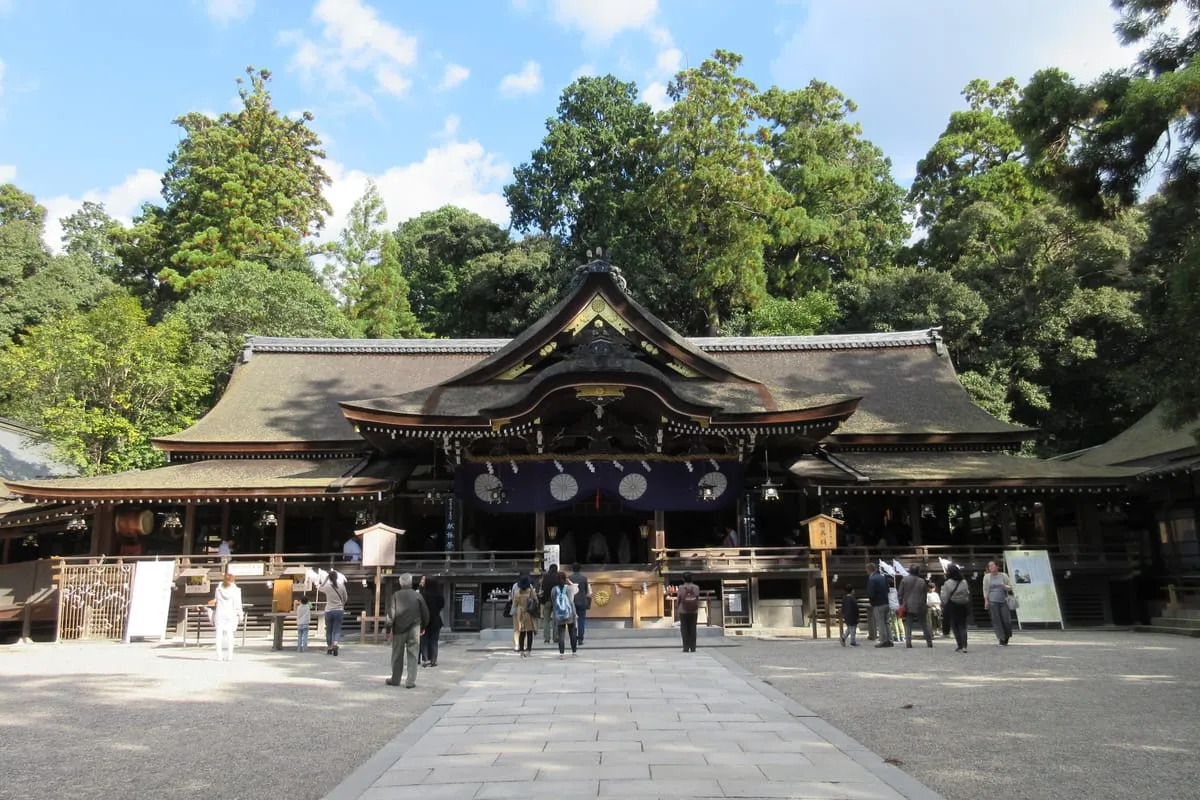
Enshrined Deity: Omononushi-no-okami
One of Japan’s oldest shrines, Omiwa Jinja represents the most ancient form of Shinto worship where the sacred Mount Miwa itself serves as the object of worship (shintai). The shrine has no main hall (honden), preserving the original style of nature worship.
- Goshuin Features: Powerful calligraphy reading “Omiwa Jinja” reflecting the gravity of Japan’s oldest shrine tradition
- Fee: 500 yen
- Access: 5-minute walk from JR Miwa Station
- Highlights: Sacred Mount Miwa, giant torii (32m high), Sai Shrine, Hibaraga Shrine
Goshuin Information
| Item | Details |
|---|---|
| Available Hours | 9:00-17:00 |
| Location | Goshuin office |
| Handwritten/Pre-written | Handwritten |
| Limited Goshuin | Yes (major festivals, New Year) |
3. Isonokami Jingu (石上神宮) - Tenri City
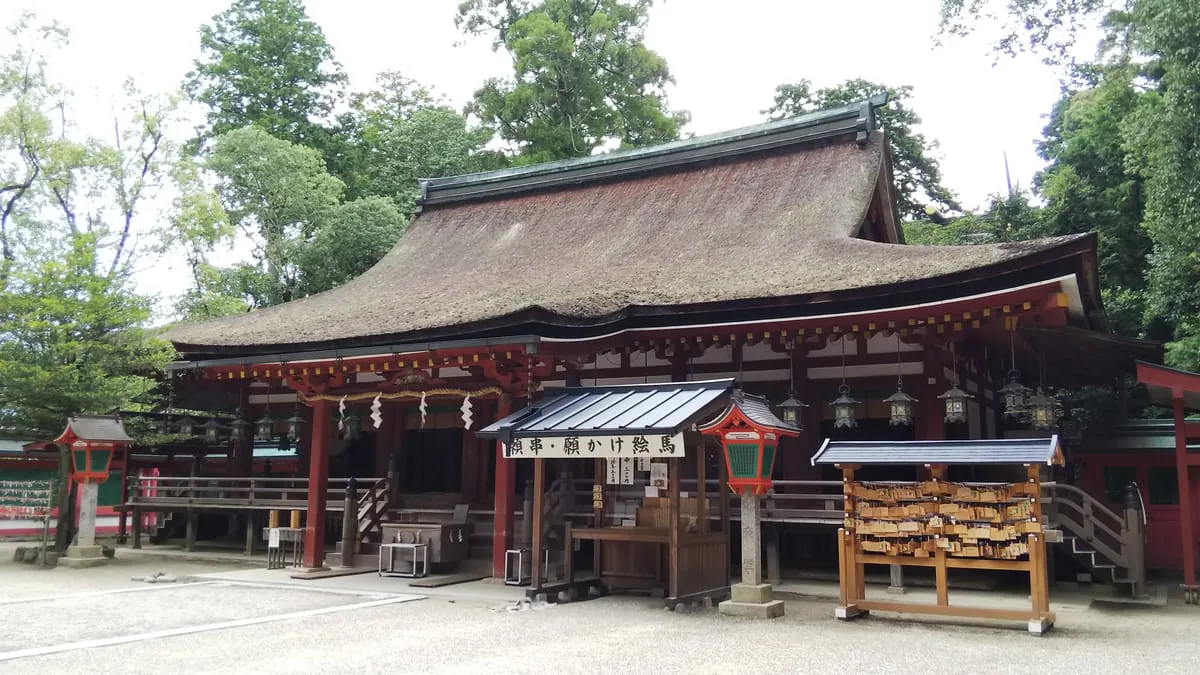
Enshrined Deities: Futsumitama-no-okami, Futama-no-mitama-no-okami, Futsushi-mitama-no-okami
An ancient shrine mentioned in the Nihon Shoki (Chronicles of Japan), Isonokami Jingu enshrines sacred swords and weapons as divine objects. Known as the “Shrine of Martial Power,” it’s famous for its free-roaming sacred roosters that have announced the time since ancient days.
- Goshuin Features: Bold calligraphy reading “Isonokami Jingu” with the power befitting a martial shrine
- Fee: 500 yen
- Access: 3-minute walk from “Isonokami Jingu-mae” bus stop (from JR Tenri Station)
- Highlights: National Treasure worship hall, sacred roosters, Izumo Takeo Shrine, subsidiary shrines
Goshuin Information
| Item | Details |
|---|---|
| Available Hours | 5:30-17:30 (winter: from 6:00) |
| Location | Goshuin office |
| Handwritten/Pre-written | Handwritten |
| Limited Goshuin | Yes (major festivals) |
4. Kashihara Jingu (橿原神宮) - Kashihara City
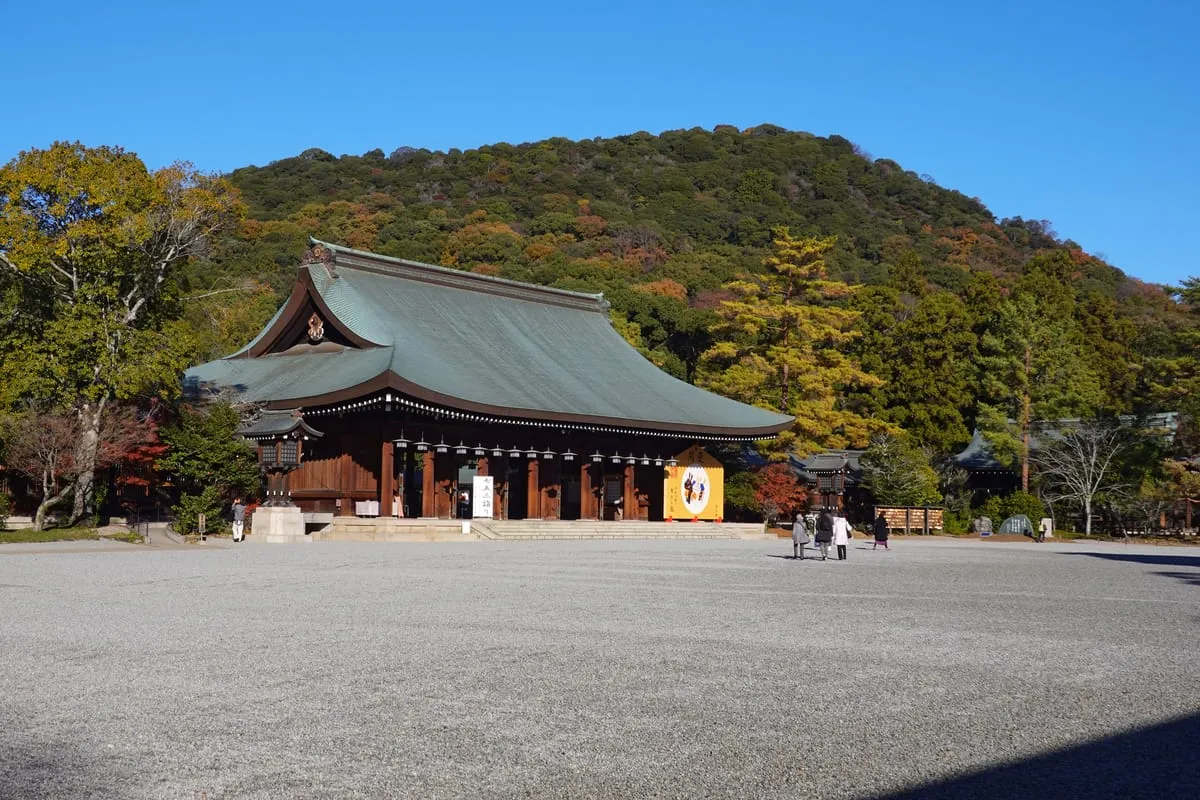
Enshrined Deities: Emperor Jimmu, Empress Himetataraisuzu-hime
Dedicated to Japan’s legendary first emperor, Emperor Jimmu, this shrine was established in 1890 on the site where the emperor is said to have ascended to the throne. It’s revered as the birthplace of the Japanese nation and attracts visitors seeking to connect with Japan’s founding mythology.
- Goshuin Features: Dignified calligraphy reading “Kashihara Jingu” with the three-legged crow (Yatagarasu) seal, embodying the sacred nature of Japan’s founding site
- Fee: 500 yen
- Access: 10-minute walk from Kintetsu Kashihara-jingu-mae Station
- Highlights: Expansive grounds, Fukada Pond, Emperor Jimmu’s mausoleum, Mount Unebi
Goshuin Information
| Item | Details |
|---|---|
| Available Hours | 6:30-17:00 |
| Location | Goshuin office |
| Handwritten/Pre-written | Handwritten |
| Limited Goshuin | Yes (Kigen Festival, Autumn Festival) |
5. Yoshino Mikumari Jinja (吉野水分神社) - Yoshino Town
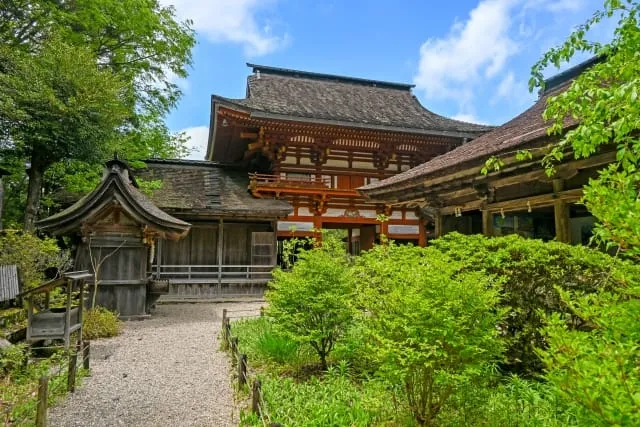
Enshrined Deity: Amenomikumari-no-okami
A UNESCO World Heritage site component of “Sacred Sites and Pilgrimage Routes in the Kii Mountain Range,” this ancient shrine dedicated to water deities also serves as a prayer site for child-bearing, earning it the nickname “Komori-san” (child guardian). Legend says that Toyotomi Hideyoshi prayed here for the birth of his son Hideyori.
- Goshuin Features: Graceful calligraphy reading “Yoshino Mikumari Jinja” with the special significance of a World Heritage shrine
- Fee: 500 yen
- Access: 25-minute walk from Yoshinoyama ropeway station
- Highlights: Cherry blossom viewing (April), Kinpusen-ji Temple, Shugendo pilgrimage site, World Heritage designation
Goshuin Information
| Item | Details |
|---|---|
| Available Hours | 8:00-17:00 |
| Location | Shrine office |
| Handwritten/Pre-written | Handwritten |
| Limited Goshuin | Yes (Cherry Festival, Autumn Festival) |
6. Tanzan Jinja (談山神社) - Sakurai City
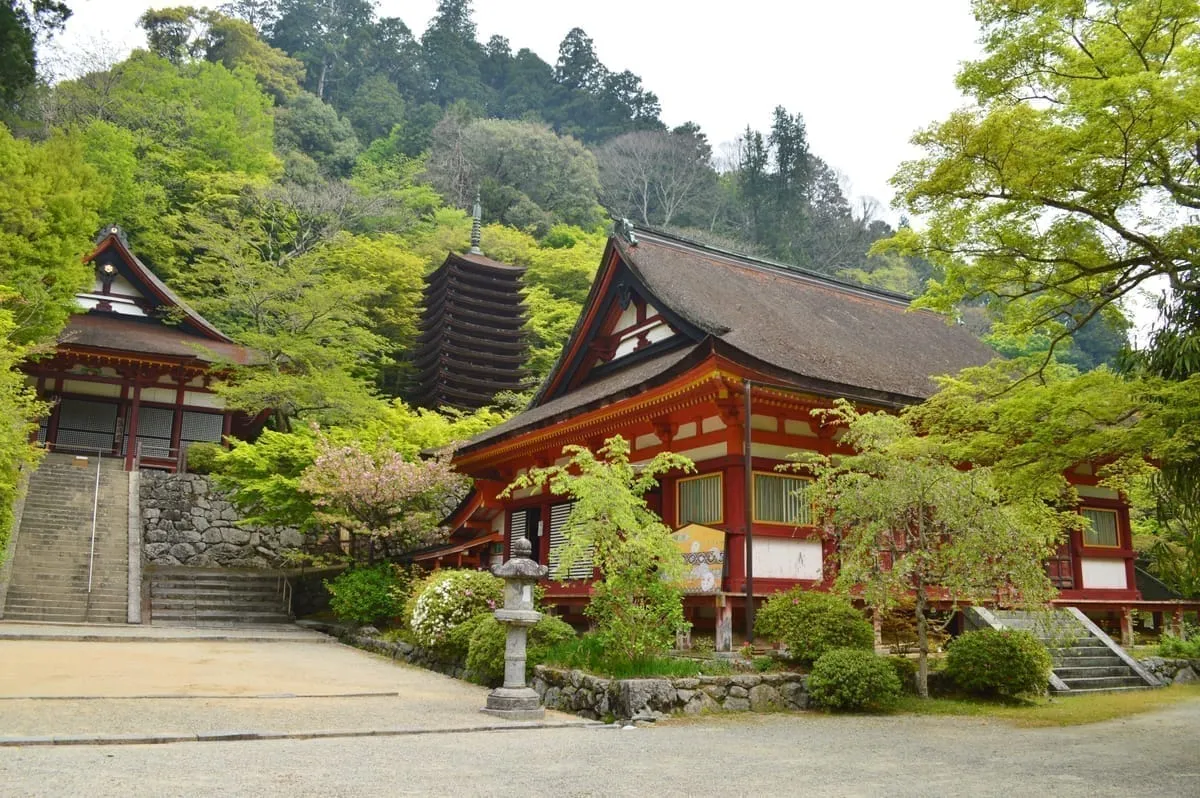
Enshrined Deity: Fujiwara no Kamatari
Dedicated to Fujiwara no Kamatari, the influential statesman who helped establish the Taika Reforms, this shrine is known as the “Nikko of Kansai” for its wooden thirteen-story pagoda (Important Cultural Property) and spectacular autumn foliage.
- Goshuin Features: Elegant calligraphy reading “Tanzan Jinja” reflecting the refined culture of the Fujiwara clan
- Fee: 500 yen
- Access: 3-minute walk from “Tanzan Jinja” bus stop (from JR/Kintetsu Sakurai Station)
- Highlights: Thirteen-story pagoda, autumn leaves (November), Gongen-den, Mani wheel pagoda
Goshuin Information
| Item | Details |
|---|---|
| Available Hours | 8:30-17:00 |
| Location | Goshuin office |
| Handwritten/Pre-written | Handwritten |
| Limited Goshuin | Yes (Kemari Festival, Autumn Leaf Festival) |
7. Himuro Jinja (氷室神社) - Nara City
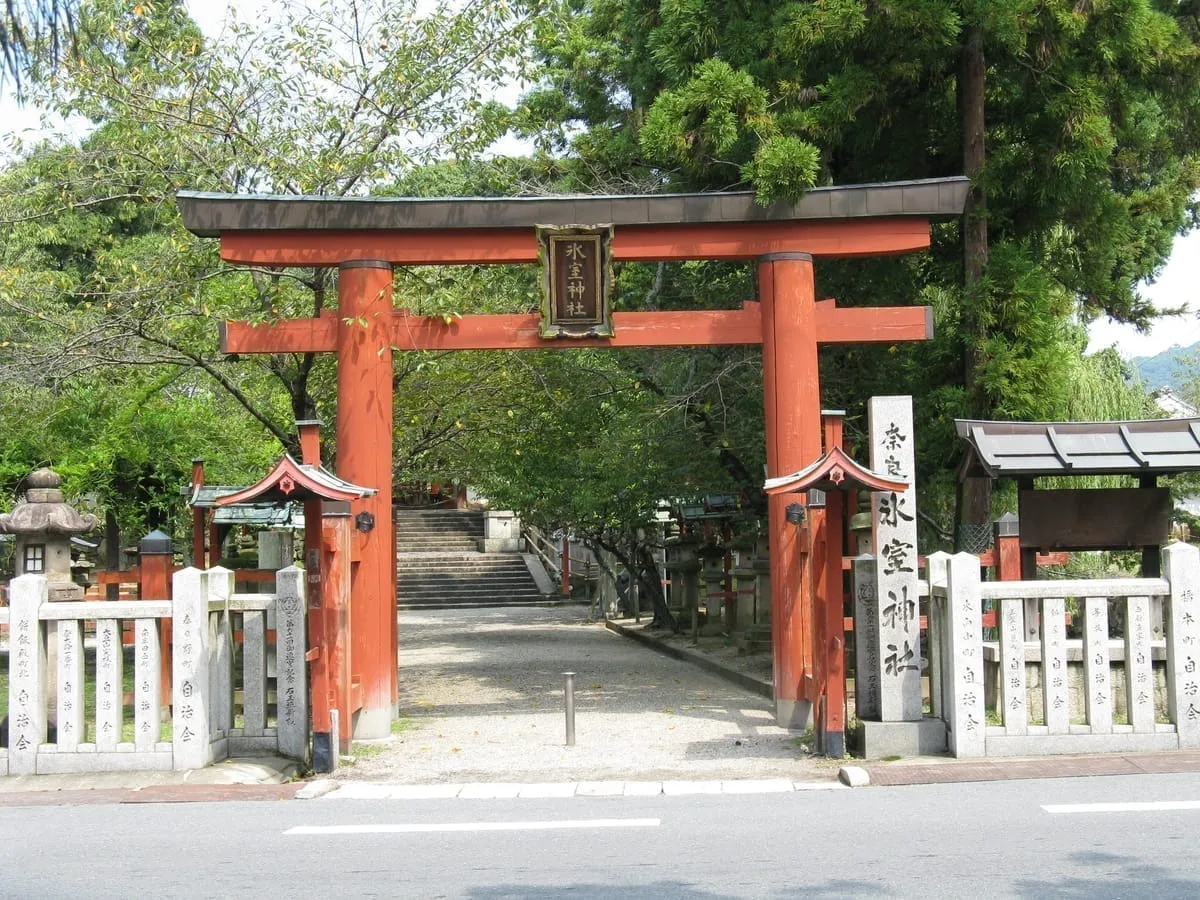
Enshrined Deities: Toki-inaki-oyama-nushi-no-mikoto, Oosagi-no-mikoto, Nukata-onakatsu-hiko-no-mikoto
Named after the ice storage houses (himuro) that existed here during the Nara period, this shrine is famous for its early-blooming weeping cherry blossoms that herald spring in Nara. Located on the approach to Kasuga Taisha, it’s a popular stop for visitors.
- Goshuin Features: Clean calligraphy reading “Himuro Jinja” with occasional cherry blossom seals
- Fee: 500 yen
- Access: 15-minute walk from Kintetsu Nara Station
- Highlights: Weeping cherry blossoms (late March), four-season cherry trees, Ice Lantern Festival (February)
Goshuin Information
| Item | Details |
|---|---|
| Available Hours | 9:00-17:00 |
| Location | Shrine office |
| Handwritten/Pre-written | Handwritten |
| Limited Goshuin | Yes (Cherry Festival, Ice Lantern Festival) |
8. Tamukeyama Hachimangu (手向山八幡宮) - Nara City
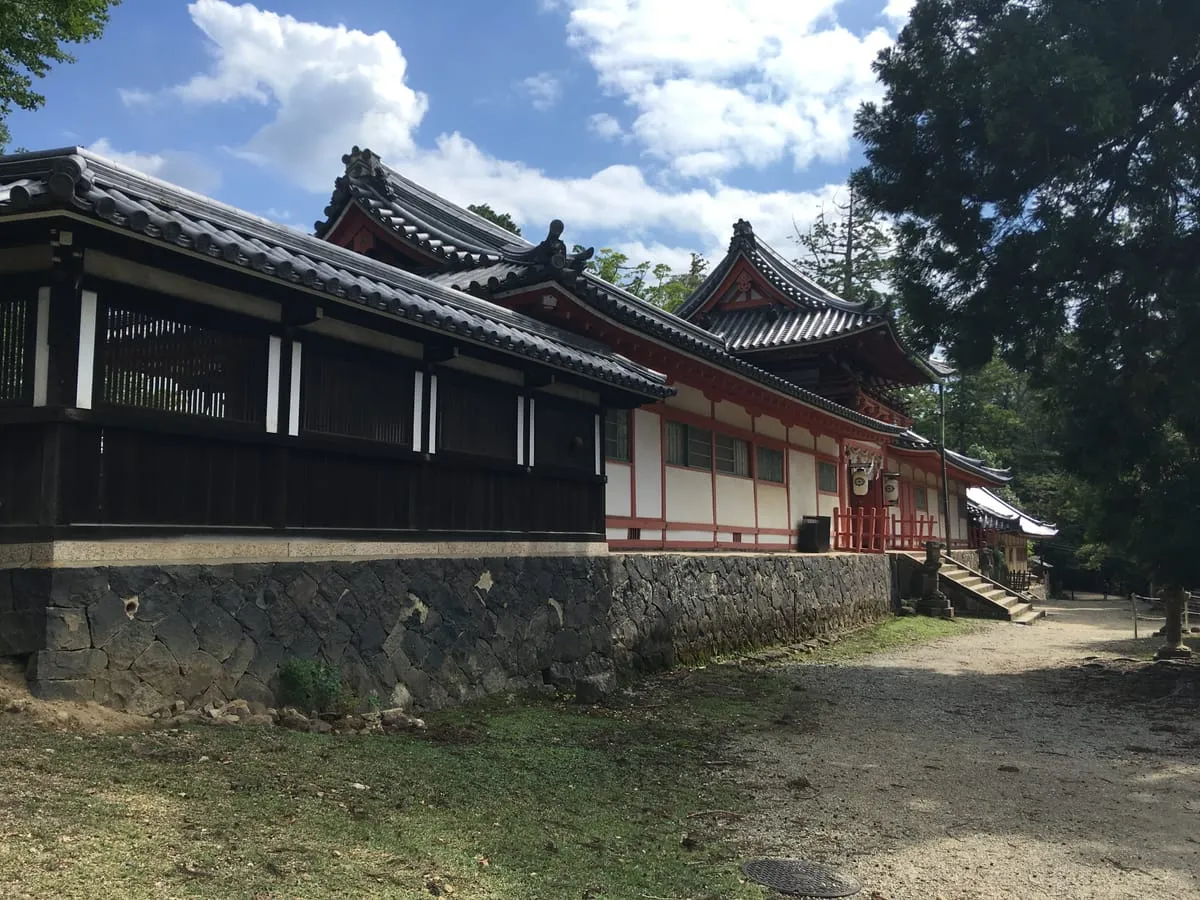
Enshrined Deities: Emperor Ojin, Himegami, Empress Jingu
Founded in 749 CE as the guardian shrine of Todai-ji Temple and its Great Buddha, this shrine is immortalized in classical poetry. The courtier-poet Sugawara no Michizane composed a famous waka poem here about the autumn maple leaves serving as offerings to the gods.
- Goshuin Features: Flowing calligraphy reading “Tamukeyama Hachimangu” with the dignity befitting Todai-ji’s guardian shrine
- Fee: 500 yen
- Access: 10-minute walk from “Todai-ji Daibutsuden/Kasuga Taisha-mae” bus stop
- Highlights: Todai-ji Great Buddha Hall, autumn foliage (November), treasure house, Mount Wakakusa
Goshuin Information
| Item | Details |
|---|---|
| Available Hours | 9:00-16:00 |
| Location | Shrine office |
| Handwritten/Pre-written | Handwritten |
| Limited Goshuin | Yes (autumn season) |
9. Niu Kawakami Jinja Kamisha (丹生川上神社上社) - Kawakami Village
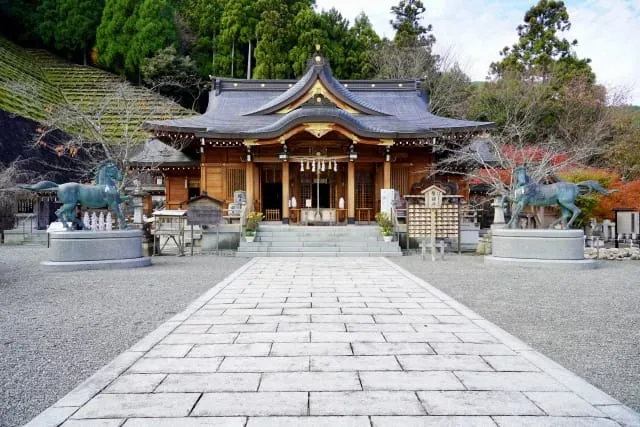
Enshrined Deity: Mizuhanome-no-kami
An ancient shrine dedicated to water deities, historically revered by the imperial court for rain prayers. Located deep in the mountains, this power spot is surrounded by pure water and pristine nature, offering visitors a profound spiritual experience.
- Goshuin Features: Pure calligraphy reading “Niu Kawakami Jinja Kamisha” reflecting the clarity of water deities
- Fee: 500 yen
- Access: About 30 minutes by car from “Kawakami Village Office” bus stop (from Kintetsu Yamato-Kamichi Station)
- Highlights: Clear mountain streams, Water Deity Festival, cherry tree-lined paths, Yoshino River headwaters
Goshuin Information
| Item | Details |
|---|---|
| Available Hours | 9:00-16:00 |
| Location | Shrine office |
| Handwritten/Pre-written | Handwritten |
| Limited Goshuin | Yes (Water Deity Festival) |
10. Hirose Taisha (廣瀬大社) - Kawai Town
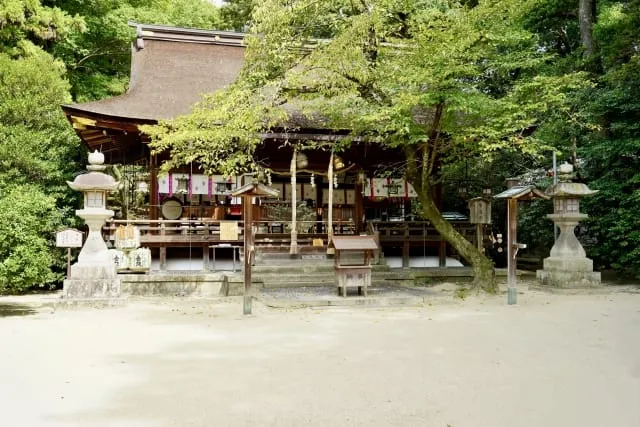
Enshrined Deity: Waka-uka-no-me-no-kami
A prestigious shrine listed in the Engishiki register dedicated to water and agriculture deities. This ancient shrine served as the site for imperial rain prayers and harvest festivals, maintaining strong devotion among agricultural communities to this day.
- Goshuin Features: Stately calligraphy reading “Hirose Taisha” conveying the dignity of an Engishiki-listed shrine
- Fee: 500 yen
- Access: 5-minute walk from “Hirose Jinja” bus stop (from JR Horyuji Station)
- Highlights: Traditional shrine architecture, Sunakake Festival (February 11), Yamato River
Goshuin Information
| Item | Details |
|---|---|
| Available Hours | 9:00-16:30 |
| Location | Shrine office |
| Handwritten/Pre-written | Handwritten |
| Limited Goshuin | Yes (Sunakake Festival) |
11. Tatsuta Taisha (龍田大社) - Sango Town
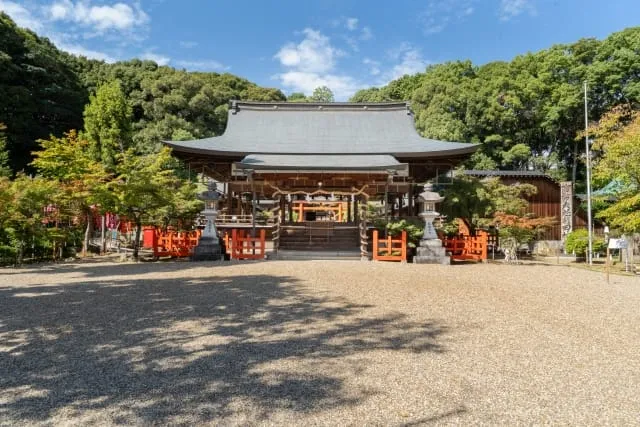
Enshrined Deities: Ame-no-mihashira-no-mikoto, Kuni-no-mihashira-no-mikoto
The head shrine of wind deities throughout Japan, Tatsuta Taisha has served as the site for imperial wind deity festivals since ancient times. Today, it attracts devotion from aviation industry professionals and those seeking protection from typhoons and storms.
- Goshuin Features: Powerful calligraphy reading “Tatsuta Taisha” with dynamic energy befitting wind deities
- Fee: 500 yen
- Access: Direct access from “Tatsuta Taisha-mae” bus stop (from JR/Kintetsu Oji Station)
- Highlights: Wind Pacification Festival (July), autumn foliage, votive tablets featuring airplane contrails
Goshuin Information
| Item | Details |
|---|---|
| Available Hours | 9:00-17:00 |
| Location | Shrine office |
| Handwritten/Pre-written | Handwritten |
| Limited Goshuin | Yes (Wind Festival, autumn season) |
12. Ikoma Taisha (往馬大社) - Ikoma City
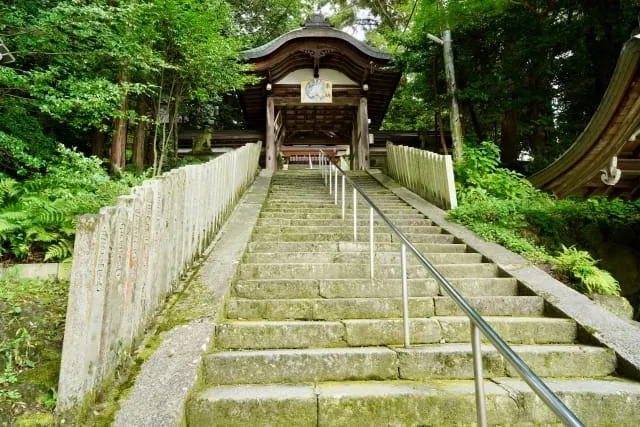
Enshrined Deity: Ikomatsuhiko-no-kami, Ikomatsuhime-no-kami
Located at the western foot of Mt. Ikoma, this ancient shrine is listed in the Engishiki (延喜式), Japan’s 10th-century administrative codex. As the guardian deity of the Ikoma region, it has been venerated since ancient times. The shrine’s annual Fire Festival (火祭り) in October is designated as an Intangible Folk Cultural Property of Nara Prefecture, featuring dramatic torch processions.
- Goshuin Style: Bold calligraphy reading “往馬大社” with a dignified, classical feel befitting an Engishiki shrine
- Fee: ¥500
- Access: 7-minute walk from Kintetsu Ichibu Station
- Highlights: Fire Festival (October), natural surroundings of Mt. Ikoma foothills, Engishiki heritage
Goshuin Information
| Detail | Info |
|---|---|
| Hours | 9:00–17:00 |
| Location | Shrine office (社務所) |
| Handwritten/Pre-written | Handwritten |
| Limited Edition | Yes (Fire Festival, seasonal) |
13. Isagawa Jinja (率川神社) - Nara City
Enshrined Deities: Himetataraisuzu-hime-no-mikoto, Susanoo-no-mikoto, Tamakushi-hime-no-mikoto
The oldest shrine within Nara City proper, founded in 593 CE and now a subsidiary of Omiwa Jinja. Isagawa is best known for the Saigusa Festival (Yuri Matsuri) on June 17, when shrine maidens offer sacred lilies in a ritual continuously performed since the Nara period. The festival is registered as an Important Intangible Folk Cultural Property.
- Goshuin Features: Refined calligraphy reading “Isagawa Jinja” with a lily seal during early summer
- Fee: ¥500
- Access: 7-minute walk from JR Nara Station / 5-minute walk from Kintetsu Nara Station
- Highlights: Saigusa (Yuri) Festival in June, oldest shrine in Nara City, sacred lily garden
Goshuin Information
| Item | Details |
|---|---|
| Available Hours | 9:00-16:00 |
| Location | Shrine office |
| Handwritten/Pre-written | Handwritten (pre-written slip when no priest is on duty) |
| Limited Goshuin | Yes (Saigusa Festival, New Year) |
14. Oyamato Jinja (大和神社) - Tenri City
Enshrined Deities: Yamato-okunitama-no-okami, Yachihoko-no-okami, Mihotsu-hime-no-mikoto
One of the oldest shrines in Japan, mentioned in the Kojiki and Nihon Shoki. Oyamato enshrines the spirit of the Yamato land itself. During World War II, the battleship Yamato carried an enshrined branch deity from here, and the shrine still holds memorial rites for the crew. Its quiet, expansive grounds along the Yamanobe-no-michi trail give little hint of the shrine’s mythological weight.
- Goshuin Features: Solemn calligraphy reading “Oyamato Jinja” with the shrine’s ancient seal
- Fee: ¥500
- Access: 8-minute walk from JR Nagara Station
- Highlights: Chanchan Festival (April 1, designated Important Intangible Folk Cultural Property), Yamato battleship memorial, Yamanobe-no-michi pilgrimage trail
Goshuin Information
| Item | Details |
|---|---|
| Available Hours | 9:00-16:30 |
| Location | Shrine office |
| Handwritten/Pre-written | Handwritten |
| Limited Goshuin | Yes (Chanchan Festival, August memorial) |
15. Asuka-niimasu Jinja (飛鳥坐神社) - Asuka Village
Enshrined Deities: Kotoshironushi-no-mikoto, Takamimusubi-no-mikoto, Kayanarumi-no-mikoto, Omononushi-no-mikoto
A deeply atmospheric shrine in the heart of Asuka, the cradle of the ancient Japanese state. Asuka-niimasu is famous (and a little infamous) for its Onda Festival on the first Sunday of February — a ribald fertility rite in which a couple in mask perform a symbolic “tane-maki” (seed-sowing) drama. Scattered throughout the mossy grounds are dozens of phallic stones (musubi-no-kami), worshipped as deities of marriage and childbirth.
- Goshuin Features: Bold calligraphy reading “Asuka-niimasu Jinja” — designs sometimes change with the seasons
- Fee: ¥500
- Access: 25-minute walk from Kintetsu Asuka Station, or short ride on the Asuka Village community bus
- Highlights: Onda Festival (February), fertility stones, Asuka archaeological sites nearby, Mount Amakashi views
Goshuin Information
| Item | Details |
|---|---|
| Available Hours | 9:00-17:00 (closed irregularly) |
| Location | Shrine office |
| Handwritten/Pre-written | Handwritten |
| Limited Goshuin | Yes (Onda Festival, seasonal designs) |
16. Kango Jinja (漢國神社) - Nara City
Enshrined Deities: Onamuchi-no-mikoto, Onamochi-no-mikoto, Ouchitatsuminushi-no-okami
Founded in 593 CE, Kango Jinja sits quietly in a side street between JR Nara Station and the shopping arcades. Within the grounds is the unique Rinjin Jinja, the only shrine in Japan dedicated to the deity of confectionery — a popular pilgrimage site for pastry chefs and confectioners. The annual Sweets Festival (Kashi Matsuri) on April 19 attracts wagashi makers from across Japan, who offer their creations to the deity.
- Goshuin Features: Two distinct goshuin available — one for the main shrine and one for Rinjin Jinja, often featuring a wagashi-themed motif
- Fee: ¥500 each
- Access: 5-minute walk from Kintetsu Nara Station
- Highlights: Rinjin Jinja (confectionery deity), Sweets Festival (April 19), accessible city-center location
Goshuin Information
| Item | Details |
|---|---|
| Available Hours | 9:00-17:00 |
| Location | Shrine office |
| Handwritten/Pre-written | Handwritten |
| Limited Goshuin | Yes (Sweets Festival, seasonal) |
17. Mehita Jinja (賣太神社) - Yamatokoriyama City
Enshrined Deities: Hieda-no-Are, Sarutahiko-no-okami, Ame-no-uzume-no-mikoto
A small but historically significant shrine dedicated to Hieda-no-Are, the legendary memorizer who recited the oral traditions that became the Kojiki, Japan’s oldest surviving chronicle. Revered as the ancestor of storytellers, narrators, and performers, the shrine attracts visitors from publishing, broadcasting, and the literary world. The annual Aretai Festival on August 16 is a memorial rite for the art of storytelling itself.
- Goshuin Features: Graceful calligraphy reading “Mehita Jinja” — fittingly literary in tone
- Fee: ¥500
- Access: 10-minute walk from Kintetsu Koriyama Station
- Highlights: Hieda-no-Are memorial, Aretai Festival (August 16), pilgrimage site for writers and broadcasters
Goshuin Information
| Item | Details |
|---|---|
| Available Hours | 9:00-16:00 (priest not always on site — call ahead recommended) |
| Location | Shrine office |
| Handwritten/Pre-written | Handwritten (pre-written slip when unattended) |
| Limited Goshuin | Yes (Aretai Festival) |
18. Takakamo Jinja (高鴨神社) - Gose City
Enshrined Deities: Aji-shiki-takahikone-no-mikoto, Shitateruhime-no-mikoto, Amenowakahiko-no-mikoto
The head shrine of all Kamo shrines throughout Japan — including the more famous Kamigamo and Shimogamo in Kyoto — Takakamo Jinja is the ancestral seat of the Kamo clan. Tucked into the foot of Mount Kongo in southern Nara, it is one of the most ancient lineages in Japanese Shinto. The shrine grounds are also celebrated for hosting over 500 cultivars of Japanese primrose (Nihon Sakurasou) that bloom from mid-April to early May.
- Goshuin Features: Dignified calligraphy reading “Takakamo Jinja” reflecting its role as head shrine of the Kamo lineage
- Fee: ¥500
- Access: 20-minute taxi ride from Kintetsu Gose Station
- Highlights: Important Cultural Property main hall, Japanese primrose collection (April-May), Mount Kongo foothills, head shrine of Kamo network
Goshuin Information
| Item | Details |
|---|---|
| Available Hours | 9:00-16:00 |
| Location | Shrine office |
| Handwritten/Pre-written | Handwritten |
| Limited Goshuin | Yes (Primrose Festival, annual festival) |
19. Tamaki Jinja (玉置神社) - Totsukawa Village
Enshrined Deities: Kuni-tokotachi-no-mikoto, Izanagi-no-mikoto, Izanami-no-mikoto, Amaterasu-omikami, Kamu-yamato-iware-hiko-no-mikoto
Perched near the summit of Mount Tamaki at over 1,000 meters, this remote shrine is the okumiya (inner sanctuary) of the Kumano Sanzan and a key node on the Kumano Kodo pilgrimage. Founded by legend in the era of Emperor Sujin, Tamaki Jinja is famous as a shrine that “only those called by the gods can reach” — a phrase tied to the difficulty of access and the awe of its ancient cedar grove. Some of the cedars exceed 3,000 years in age.
- Goshuin Features: Mystic calligraphy reading “Tamaki Jinja” — visitors often note the brushwork carries an unusual stillness
- Fee: ¥500
- Access: 1.5-hour drive from Gojo City; remote mountain road. No direct public transport. A rental car or chartered taxi is required
- Highlights: Sacred cedar grove (some trees over 3,000 years old), Kumano Kodo pilgrimage, sweeping mountain views, World Heritage zone
Goshuin Information
| Item | Details |
|---|---|
| Available Hours | 8:00-17:00 (closed in heavy snow; check before visiting in winter) |
| Location | Shrine office |
| Handwritten/Pre-written | Handwritten |
| Limited Goshuin | Yes (annual festival, seasonal) |
20. Uda Mikumari Jinja (宇太水分神社) - Uda City
Enshrined Deities: Ame-no-mikumari-no-okami, Hayaakitsuhime-no-mikoto, Kuni-no-mikumari-no-okami
One of three Mikumari shrines in Nara dedicated to water-dividing deities (the others being Yoshino and Katsuragi Mikumari). The main hall, built in 1320, is a National Treasure and one of the finest surviving examples of Kasuga-zukuri architecture — three identical small shrines aligned side by side under a single roof line. The autumn festival on October 21 features a portable mikoshi procession descending from Soni Plateau.
- Goshuin Features: Restrained, elegant calligraphy reading “Uda Mikumari Jinja” befitting the shrine’s National Treasure status
- Fee: ¥500
- Access: 15-minute taxi ride from Kintetsu Muroguchi-Ono Station
- Highlights: National Treasure main hall (1320), Kasuga-zukuri architecture, autumn festival, proximity to Soni Plateau pampas grass fields
Goshuin Information
| Item | Details |
|---|---|
| Available Hours | 9:00-16:00 (priest not always on site — call ahead recommended) |
| Location | Shrine office |
| Handwritten/Pre-written | Handwritten (pre-written slip when unattended) |
| Limited Goshuin | Yes (autumn festival, New Year) |
Recommended Nara Shrine Pilgrimage Routes
Nara’s shrines are spread across a wide area — from the city’s lantern-lit avenues to mountain villages along the Kumano Kodo. The routes below balance travel time with depth of experience.
One-Day Routes
Nara City Course (Half Day)
Kasuga Taisha → Himuro Jinja → Tamukeyama Hachimangu → Isagawa Jinja → Kango Jinja
All walkable within Nara Park and central Nara. Pair the shrine visits with Todai-ji’s Great Buddha, deer feeding in Nara Park, and a stop in the Naramachi merchant district. Start at Kintetsu Nara Station around 9:00 and finish before the 16:00 goshuin cutoff at most shrines.
Ancient Shrines Course (Full Day)
Omiwa Jinja → Isonokami Jingu → Oyamato Jinja → Kashihara Jingu
Visit Japan’s oldest-class shrines along the Yamanobe-no-michi trail and onto the Kashihara plain. Use the JR Sakurai Line between Miwa, Nagara, and Tenri stations. Add a walk on Yamanobe-no-michi between Omiwa and Isonokami (about 2 hours) if your schedule allows — this is one of the oldest recorded roads in Japan.
Mountain and Water Shrines Course (Full Day)
Yoshino Mikumari Jinja → Tanzan Jinja → Uda Mikumari Jinja
A nature-immersive course best done by rental car. Cherry blossom season (April) and autumn foliage (mid-November) are ideal. Yoshino’s cherry trees alone justify the trip.
Two-Day Itinerary
Day 1 (Nara City Region): Kasuga Taisha → Himuro Jinja → Tamukeyama Hachimangu → Isagawa Jinja. Overnight in Nara City.
Day 2 (Yamato Plain): Omiwa Jinja → Isonokami Jingu → Tanzan Jinja → Kashihara Jingu. Return from Kashihara-jingu-mae Station.
This itinerary covers the most significant shrines in the prefecture without rushing. Both days are doable with the Kintetsu Rail Pass.
Three-Day Deep Pilgrimage
Day 1 (Nara City): Kasuga Taisha → Himuro Jinja → Tamukeyama Hachimangu → Kango Jinja → Isagawa Jinja.
Day 2 (Yamato Plain): Omiwa Jinja → Oyamato Jinja → Isonokami Jingu → Mehita Jinja → Kashihara Jingu → Asuka-niimasu Jinja. Overnight in Asuka or Kashihara.
Day 3 (Mountains): Yoshino Mikumari Jinja → Tanzan Jinja → Takakamo Jinja, or alternatively a long day-trip to Tamaki Jinja via the Kumano Kodo.
For visitors with a strong interest in Japanese mythology, the Yamato Plain day (Day 2) is the highlight: nearly every shrine on the route appears in the Kojiki or Nihon Shoki.
Engishiki Shrines Course (Two Days)
Day 1: Hirose Taisha → Tatsuta Taisha → Ikoma Taisha.
Day 2: Niu Kawakami Jinja Kamisha → Takakamo Jinja.
A tour of prestigious shrines recognized in the 10th-century Engishiki register. Best for travelers already familiar with the major sites who want to go deeper.
Limited Goshuin Calendar
Nara’s shrines change their limited goshuin with the seasons and the festival calendar. The schedule below is a rough month-by-month guide. Confirm dates with each shrine before visiting — small shrines sometimes adjust their festival days to the nearest weekend.
| Month | Limited Goshuin Highlights |
|---|---|
| January | New Year goshuin at nearly every shrine (typically January 1–7, sometimes through mid-month). Kasuga Taisha, Omiwa Jinja, and Kashihara Jingu all distribute special New Year designs. |
| February | Setsubun Mantoro at Kasuga Taisha (early February). Sunakake Festival at Hirose Taisha (Feb 11). Ice Lantern Festival at Himuro Jinja. Onda Festival at Asuka-niimasu Jinja (1st Sunday). |
| March | Early plum and cherry-themed goshuin. Omizutori-related designs at Tamukeyama Hachimangu (tied to Todai-ji’s water-drawing rite). Weeping cherry goshuin at Himuro Jinja from late March. |
| April | Cherry blossom designs at Yoshino Mikumari Jinja and Kashihara Jingu. Chanchan Festival at Oyamato Jinja (April 1). Sweets Festival at Kango Jinja (April 19). Kemari Festival at Tanzan Jinja (April 29). |
| May | Wisteria-themed goshuin at Kasuga Taisha. Primrose Festival at Takakamo Jinja (late April–early May). |
| June | Saigusa (Yuri) Festival at Isagawa Jinja (June 17), with lily-motif limited goshuin. Iris designs at various shrines. |
| July | Wind Pacification Festival at Tatsuta Taisha. Mid-summer Mantoro at Kasuga Taisha (August 14–15 — straddles July/August). |
| August | Mantoro at Kasuga Taisha (Aug 14–15). Aretai Festival at Mehita Jinja (Aug 16). Yamato battleship memorial at Oyamato Jinja. |
| September | Early autumn designs begin. Chrysanthemum motifs at Kashihara Jingu. |
| October | Fire Festival at Ikoma Taisha. Autumn festival at Uda Mikumari Jinja (Oct 21). Maple-themed goshuin begin appearing across Nara Park shrines. |
| November | Peak autumn foliage goshuin at Tanzan Jinja, Tamukeyama Hachimangu, and Tatsuta Taisha — these are some of the most sought-after limited designs of the year. |
| December | Year-end and harvest motifs. Limited New Year preview goshuin distributed at some shrines in late December. |
Etiquette at Nara Shrines
Nara’s shrines tend to be older, quieter, and more deeply embedded in mountain and forest landscapes than their Tokyo counterparts. A few points are worth observing carefully.
Interacting with the Deer
The deer (shika) that roam Nara Park, around Kasuga Taisha, and along the approach to Tamukeyama Hachimangu are protected as National Natural Monuments and are considered messengers of the Kasuga deity. They are wild animals — not pets.
- Feed only the official deer crackers (shika-senbei) sold by licensed vendors. Bread, snacks, or human food can harm them.
- Bow to a deer that bows to you, then offer the cracker. They have learned this exchange from generations of visitors.
- Do not tease or pull crackers away. Deer can headbutt or nip if frustrated, and male deer in autumn rutting season (September–November) can be aggressive.
- Watch your bags. Deer will pull papers, maps, and goshuincho out of open bags. Close your zippers.
- Keep food sealed. Plastic and paper wrappers are especially dangerous if ingested.
World Heritage Rules
Kasuga Taisha and Yoshino Mikumari Jinja are inscribed UNESCO World Heritage sites. Tamaki Jinja sits within the Kumano World Heritage zone.
- Stay on marked paths. Off-trail walking can damage protected forest and shrine grounds.
- Do not touch lanterns, structures, or sacred ropes (shimenawa).
- Smoking is prohibited within shrine precincts.
- Drone photography is prohibited at all World Heritage sites without prior written permission.
Photography
- Photography of the main hall exterior is generally permitted. Interior photography is usually prohibited — look for signs reading 撮影禁止.
- During formal rituals (matsuri) and goshuin reception, avoid photographing the priests or the calligraphy in progress without asking.
- Tripods and selfie sticks are often restricted in crowded periods. At Kasuga Taisha during Mantoro, both are prohibited.
Sanpai (Worship) Basics
- At the temizuya (purification fountain), rinse your left hand, then right, then ladle a little water into your left palm to rinse your mouth, then tip the ladle upright to let remaining water cleanse the handle.
- At the offering hall: bow twice, clap twice, pray silently, bow once more. Toss a coin (5 yen is traditional) into the offering box before bowing.
- Request goshuin after you have completed your worship — not before.
FAQ for International Visitors
Can I visit Nara’s main shrines on foot?
Yes — most of the major Nara City shrines (Kasuga Taisha, Himuro Jinja, Tamukeyama Hachimangu, Isagawa Jinja, Kango Jinja) are within walking distance of each other or of Kintetsu Nara Station. Plan for around 4–6 km of walking through Nara Park to cover them all. Outside the city — Omiwa, Isonokami, Kashihara, Yoshino — you will need trains. Mountain shrines like Tamaki and Takakamo require a car or chartered taxi.
When can I see the Mantoro lantern festival at Kasuga Taisha?
Kasuga Taisha’s Mantoro festivals — when all 3,000 stone and 1,000 hanging lanterns are lit — are held twice a year:
- Setsubun Mantoro: February 2 or 3 (Setsubun day)
- Chugen Mantoro: August 14–15
Lighting begins around 18:00 and the shrine remains illuminated until roughly 20:30. The grounds become extremely crowded; arrive at least an hour before lighting if you want a clear view of the inner corridor. Special limited goshuin are distributed on both nights.
What’s the best time to visit Omiwa Shrine?
Early morning (8:30–10:00) is ideal. Omiwa is one of Japan’s most visited ancient shrines, and the parking and approach area can be congested by mid-morning on weekends. For those who want to climb sacred Mount Miwa (a worship act, not a hike — sandals, photography, and food are prohibited on the mountain), registration must be completed at Sai Shrine by 14:00, and the climb takes 2–3 hours round trip. Bring water but no other consumables. Note that Mount Miwa climbing is occasionally suspended due to weather or shrine ritual.
How should I behave around the deer at the shrines?
Treat the deer as wildlife, not as petting-zoo animals. Buy only the official shika-senbei sold near Kasuga Taisha and at park stalls — they cost around ¥200 a bundle, and the proceeds support deer welfare. Feed one cracker at a time, keep your other food sealed inside your bag, and do not chase or grab the deer for photos. Children should be supervised closely. If a deer becomes pushy, simply show your empty hands palms-out and walk away calmly.
How many days do I need for Nara shrine pilgrimage?
- 1 day: Nara City shrines only (5–6 shrines around Nara Park).
- 2 days: Add the Yamato plain (Omiwa, Isonokami, Kashihara, Tanzan).
- 3 days: Add Yoshino, Asuka, and one Engishiki shrine cluster.
- 4–5 days: Include Tamaki Jinja in the deep south and the full Kumano Kodo connection.
For first-time visitors, two days is the comfortable minimum to combine Nara Park with at least one trip out to Omiwa or Kashihara. Day-tripping from Kyoto or Osaka is feasible but limits you to Nara City only.
Can I get around using public transport only?
Mostly yes. Nara City shrines, Omiwa, Isonokami, Kashihara, Yoshino Mikumari (via the Yoshinoyama ropeway), Tatsuta, Hirose, Ikoma, Isagawa, Kango, Mehita, Oyamato, and Tanzan are all reachable by JR, Kintetsu, or local buses. The Kintetsu Rail Pass (2-day or 5-day versions) is excellent value for shrine pilgrims.
However, the following shrines effectively require a rental car or chartered taxi:
- Tamaki Jinja — remote mountain road; no direct bus
- Niu Kawakami Jinja Kamisha — limited rural bus service
- Takakamo Jinja — sparse bus connections from Gose
- Uda Mikumari Jinja — long taxi from the nearest station
- Asuka-niimasu Jinja — possible by community bus but timing is restrictive
If you intend to visit any of the above, plan to rent a car for that specific day. The Asuka, Yoshino, and Totsukawa regions are particularly rewarding to explore by car.
Enhancing Your Nara Goshuin Experience
Each shrine in ancient Nara represents over 1,000 years of sacred history. Before visiting, research each shrine’s founding story and enshrined deities to deepen your spiritual experience.
Many of Nara’s shrines are located in mountainous or nature-rich settings, allowing you to enjoy seasonal changes throughout your pilgrimage. Record the beauty of spring cherry blossoms, summer greenery, autumn foliage, and winter snow scenes alongside your goshuin collection.
The Goshuin Meguri app makes it easy to manage detailed shrine information, visit records, and photo collections. Byakko narrates each shrine’s history and lore in its own voice.
Information in this article is current as of May 2026. Hours, fees, and festival dates are subject to change — please check each shrine’s official website before visiting.
Image Licenses
- Kasuga Taisha: Kakidai, CC BY-SA 4.0, via Wikimedia Commons
- Omiwa Jinja: Ōmiwa shrine by 663highland, CC BY-SA 3.0, via Wikimedia Commons
- Isonokami Jingu: Isonokami Shrine by 663highland, CC BY-SA 3.0, via Wikimedia Commons
- Kashihara Jingu: Kashihara Shrine by 663highland, CC BY-SA 3.0, via Wikimedia Commons
- Tanzan Jinja: Tanzan shrine by 663highland, CC BY-SA 3.0, via Wikimedia Commons
- Himuro Jinja: Himuro Shrine by Saigen Jiro, CC0, via Wikimedia Commons
- Tamukeyama Hachimangu: Tamukeyama-hachimangu by 663highland, CC BY-SA 3.0, via Wikimedia Commons