Sendai is the largest city in the Tohoku region and one of Japan’s richest destinations for goshuin collectors. The city was built by the warlord Date Masamune, and his influence permeates its shrine culture in a way unlike any other Japanese city. Osaki Hachimangu — the shrine he commissioned in 1607 — remains the only National Treasure building in Tohoku, its black lacquer and gold ornament unchanged after four centuries. A short distance away, Sendai Toshogu stands in a quiet forest, its elaborate gate and main hall classified as Important Cultural Properties and rivaling the famous Nikko Toshogu in decorative ambition. Then there is Aoba Jinja, which does not enshrine a deity at all but Masamune himself, a rare honor reflecting the scale of his legacy. And for those willing to take a 30-minute train from the city, the ancient provincial shrine of Shiogama sits above the bay with a history that predates the Date clan by a thousand years. This guide covers 10 shrines where you can receive goshuin in and around Sendai, with practical access details and suggested routes.
1. Osaki Hachimangu (大崎八幡宮) — Yawata, Aoba Ward, Sendai
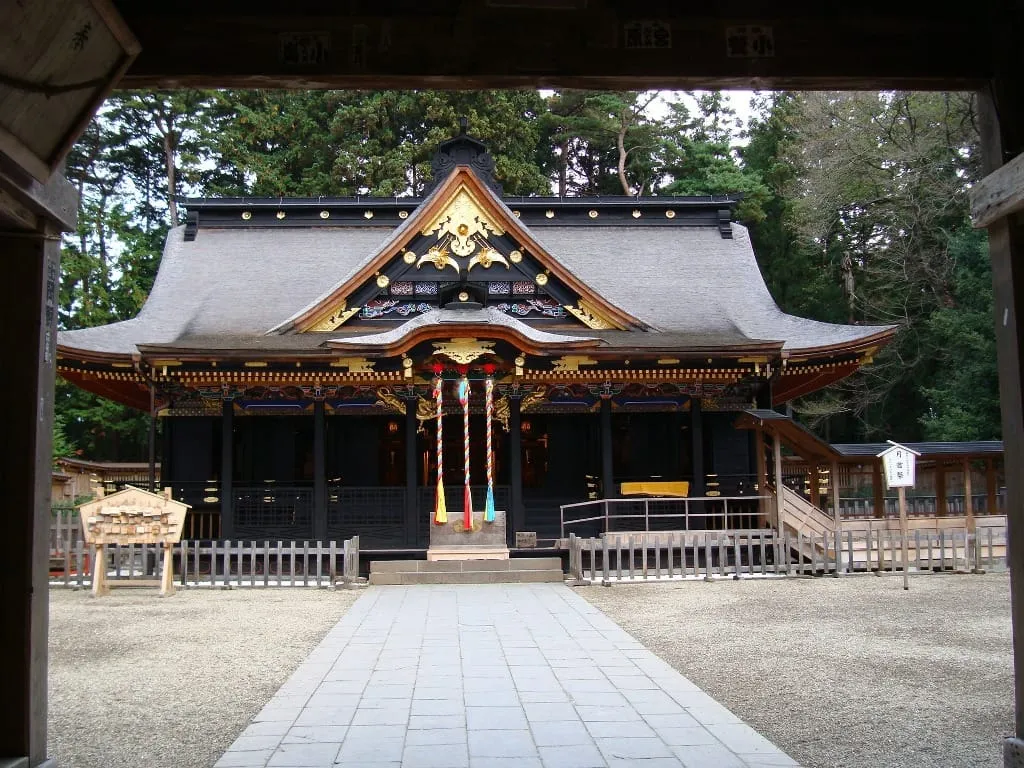
Enshrined deities: Emperor Ojin (Hachiman), Emperor Chuai, Empress Jingu
Commissioned in 1607 by Date Masamune, the founding lord of the Sendai Domain, Osaki Hachimangu is the single most important shrine in Sendai — and one of the most architecturally significant in all of Japan. The main hall complex is built in the gongen-zukuri style, connecting a worship hall, stone corridor, and inner sanctuary, all coated in black lacquer with elaborate polychrome carvings and gold leaf decoration. The entire complex is designated a National Treasure, making it the only National Treasure building in the entire Tohoku region. Masamune positioned this shrine as the guardian of Sendai Castle and the spiritual anchor of his domain, and the care he took in its construction reflects his ambitions for Sendai as a cultural capital. Today the shrine is also famous for the Dontosai Festival held every January 14th, when tens of thousands of worshippers in white loincloths carry their New Year’s decorations through the streets in a torch-lit procession to burn them at the shrine — one of the most dramatic fire rituals in Japan.
- Goshuin style: Bold calligraphy reading “Osaki Hachimangu” with the Hachiman deity seal and the shrine’s own crest. Dignified and powerful — fitting for a National Treasure shrine
- Fee: ¥500
- Access: “Ruurupuru” sightseeing bus to “Osaki Hachimangu-mae,” or 15-min city bus from Sendai Station
Goshuin Info
| Item | Details |
|---|---|
| Hours | 9:00–17:00 |
| Location | Shamusho (shrine office) |
| Direct writing / pre-written | Direct writing (pre-written during busy periods) |
| Limited editions | Yes (Dontosai Festival, annual festivals) |
2. Sendai Toshogu (仙台東照宮) — Toshogu, Aoba Ward, Sendai
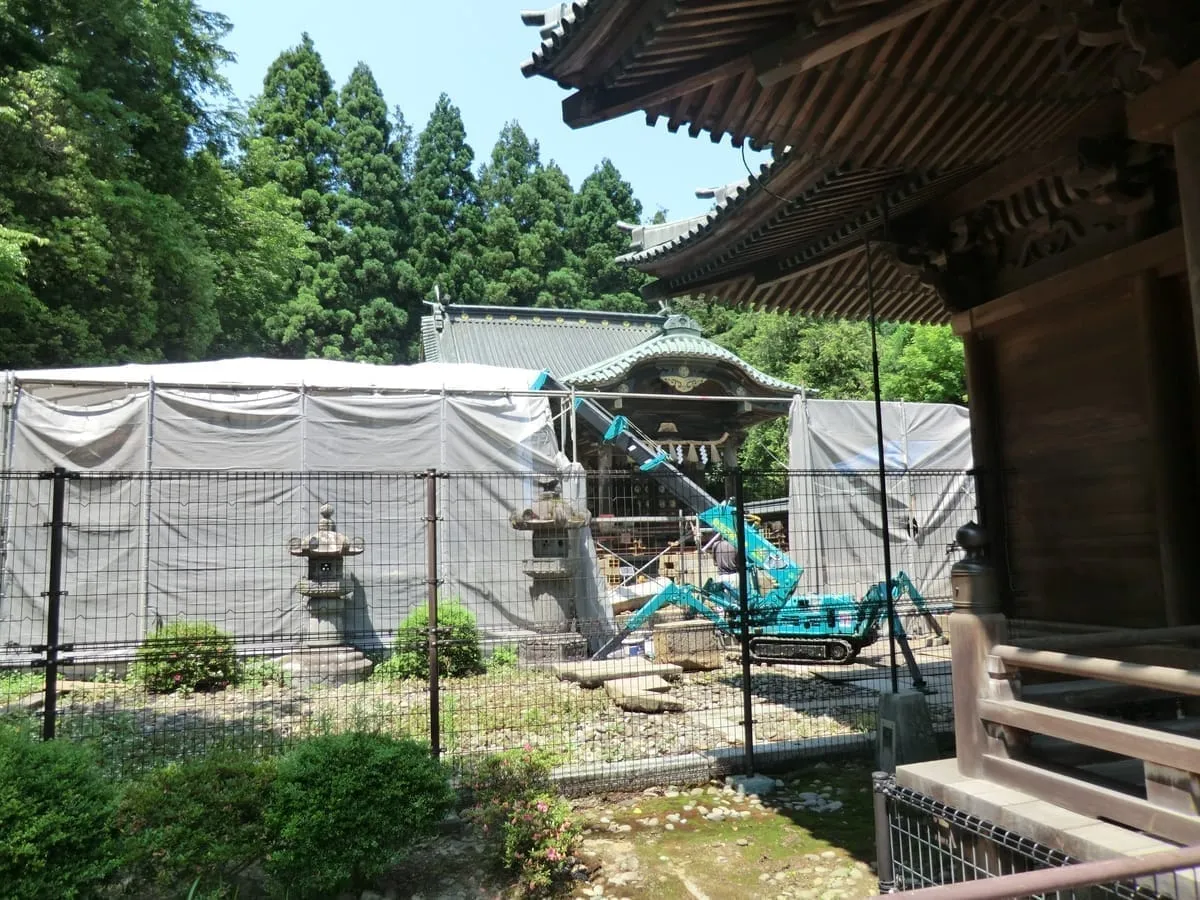
Enshrined deity: Tokugawa Ieyasu
Built in 1661 by Date Tsunamune, the third lord of the Sendai Domain, Sendai Toshogu was constructed as a statement of loyalty to the Tokugawa shogunate and as a rival in ambition — if not in scale — to the famous Nikko Toshogu. The gate, main hall, zuijinmon flanking gate, stone torii, and stone lanterns are all designated Important Cultural Properties. The karamon (Chinese-style gate) is particularly striking: white and gold, with delicate open-fretwork carvings of phoenixes, clouds, and peonies that seem too fragile for a building that has stood for over 350 years. The main hall behind it continues the same aesthetic, with dense polychrome carvings covering every surface in the gongen-zukuri style. The shrine sits in a forested area and feels serene even on busy days — a quiet pocket of Edo-period splendor inside a modern Japanese city.
- Goshuin style: Bold calligraphy reading “Sendai Toshogu” with the Tokugawa hollyhock (aoi) family crest seal. A sophisticated goshuin reflecting the domain’s relationship with the shogunate
- Fee: ¥500
- Access: 5-min walk from JR Senzan Line “Toshogu Station”
Goshuin Info
| Item | Details |
|---|---|
| Hours | 9:00–16:30 |
| Location | Shamusho (shrine office) |
| Direct writing / pre-written | Direct writing |
| Limited editions | Yes (Aoi Festival, monthly observances) |
3. Aoba Jinja (青葉神社) — Aoba-machi, Aoba Ward, Sendai
Enshrined deity: Date Masamune
Founded in 1874 (Meiji 7), Aoba Jinja is dedicated not to a traditional Shinto deity but to Date Masamune himself, the “One-Eyed Dragon” who transformed Sendai from a small settlement into one of Edo Japan’s largest castle towns. The practice of enshrining a historical figure as a kami is not unusual — Tokugawa Ieyasu is enshrined at all Toshogu shrines — but the intimacy between Aoba Jinja and the city of Sendai is unusual: Masamune’s anniversary (May 24) is marked by one of the city’s three great festivals, the Aoba Matsuri, during which an elaborate procession of floats and a horseback warrior dressed as Masamune circles through the city center. The shrine sits on a forested hillside near Sendai Castle, with views over the city. The goshuin featuring Masamune-related imagery is among the most sought-after in Tohoku.
- Goshuin style: “Aoba Jinja” calligraphy with the Date family crest (three horizontal lines) and an “Ise” seal. Popular limited editions during the Aoba Matsuri festival feature additional Masamune imagery
- Fee: ¥500
- Access: “Ruurupuru” bus to “Hakubutsukan / Kokusai Center-mae,” 15-min walk; or Tozai Subway Line “Kokusai Center Station,” 20-min walk
Goshuin Info
| Item | Details |
|---|---|
| Hours | 9:00–17:00 |
| Location | Shamusho (shrine office) |
| Direct writing / pre-written | Both available |
| Limited editions | Yes (Aoba Matsuri, annual festival) |
4. Shiogama Jinja / Shiwahiko Jinja (鹽竈神社・志波彦神社) — Shiogama City
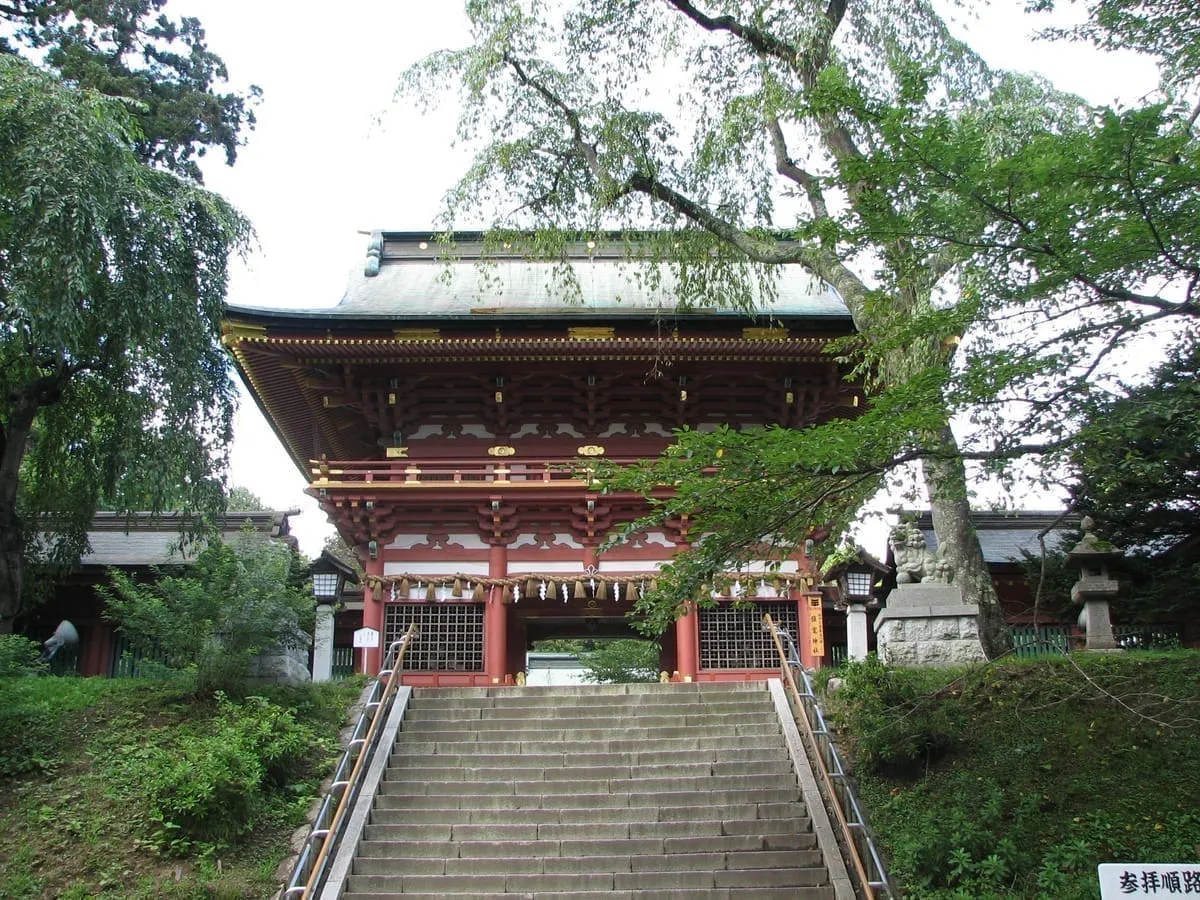
Enshrined deities: Shiotsuchioji no Kami (Shiwahiko Shrine) · Takemikazuchi no Kami & Futsunushi no Kami (Shiogama Shrine)
About 25 minutes from Sendai by train, Shiogama Jinja is the provincial shrine (ichinomiya) of ancient Mutsu Province, and one of the oldest and most venerated shrines in the entire Tohoku region. It is recorded in the 927 CE Engishiki as a prestigious meijin taisha (major deity shrine), centuries before the Date clan arrived. Two separate shrines — Shiwahiko Jinja and Shiogama Jinja — sit within the same precinct, a rare arrangement that reflects the complex layering of deities enshrined here over the millennia: the deity of salt-making and fishing, and the two war deities who are enshrined at Kashima Jingu in Ibaraki. The shrine sits at the top of 202 stone steps with views over Matsushima Bay, and its cherry blossoms are among the most famous in Miyagi. The Date lords were devoted patrons who funded major reconstruction projects, and the current shrine buildings largely reflect their patronage.
- Goshuin style: Two separate goshuin available — one for Shiogama Jinja and one for Shiwahiko Jinja — each with its own distinctive seal. Many visitors collect both. The Shiogama goshuin is especially bold and formal
- Fee: ¥500 each
- Access: 10-min walk from JR Senseki Line “Hon-Shiogama Station” (climb the 202-step main approach, or use the gentler east approach)
Goshuin Info
| Item | Details |
|---|---|
| Hours | 9:00–17:00 |
| Location | Juyo-sho (goshuin counter) |
| Direct writing / pre-written | Direct writing |
| Limited editions | Yes (Shiogama Festival, monthly) |
5. Tsutsujigaoka Tenmangu (榴岡天満宮) — Tsutsujigaoka, Miyagino Ward, Sendai
Enshrined deity: Sugawara no Michizane
Founded in 712 CE (Wado 5), this is the oldest Tenmangu shrine in Sendai and one of the oldest in Tohoku. The current site was established during the Keicho era (1596–1615) by Date Masamune, who relocated the shrine to its present location in the city’s Miyagino district. The name “Tsutsujigaoka” means “azalea hill,” reflecting the shrine’s famous azalea garden — though it is equally well known for its plum blossoms in early spring, which draw worshippers seeking academic success under the patronage of Michizane, the god of learning. The shrine is within walking distance of Sendai Station, making it one of the most accessible shrines for visitors. In recent years the shrine has expanded its goshuin offerings significantly, with seasonal designs featuring plum blossoms, azaleas, and autumn leaves that have attracted a national following among goshuin collectors.
- Goshuin style: Careful calligraphy reading “Tsutsujigaoka Tenmangu” with plum blossom seals and the Tenmangu crest. Seasonal limited editions in vivid colors are a highlight
- Fee: ¥500
- Access: 12-min walk from JR Sendai Station; or Tozai Subway Line “Miyagino-dori Station,” 5-min walk
Goshuin Info
| Item | Details |
|---|---|
| Hours | 9:00–17:00 |
| Location | Shamusho (shrine office) |
| Direct writing / pre-written | Both available |
| Limited editions | Yes (plum festival, Tenjin Festival, seasonal) |
6. Miyagi Gokoku Jinja (宮城縣護國神社) — Kawauchi, Aoba Ward, Sendai
Enshrined deities: Approximately 52,600 war dead from Miyagi Prefecture since the Meiji Restoration
Located within the grounds of Sendai Castle (Aoba Castle), Miyagi Gokoku Jinja is the prefectural shrine dedicated to the war dead of Miyagi. It is the largest gokoku shrine in the Tohoku region, and from its hilltop position within the castle ruins you can survey the entire Sendai plain — a view that gives the shrine a particular gravity. Since the 2011 Great East Japan Earthquake, the shrine has also held memorial services for those lost in the disaster from across Miyagi, adding another dimension to its role as a place of consolation. The site is also one of Sendai’s best cherry blossom spots in spring, and the walk through the castle ruins to reach the shrine is itself worth the trip. Goshuin collection here carries a sense of solemn gratitude that differs from the more celebratory mood at shrines like Osaki Hachimangu.
- Goshuin style: Large, formal calligraphy reading “Miyagi-ken Gokoku Jinja” with the distinctive gokoku shrine seal. Dignified and meaningful as a memorial offering
- Fee: ¥500
- Access: “Ruurupuru” bus to “Sendai Castle Ruins,” immediately adjacent; or Tozai Subway Line “Kokusai Center Station,” 25-min uphill walk
Goshuin Info
| Item | Details |
|---|---|
| Hours | 9:00–16:30 |
| Location | Shamusho (shrine office) |
| Direct writing / pre-written | Direct writing |
| Limited editions | Yes (spring and autumn grand festivals) |
7. Kumano Nachi Jinja (熊野那智神社) — Odawara, Miyagino Ward, Sendai
Enshrined deities: Izanagi, Izanami, Hayatama no Kami, Kotosakao no Kami
Founded in 1501 (Bunki 1), this is a branch shrine of the famous Kumano Nachi Taisha in Wakayama and one of the most ancient Kumano-faith sites in Tohoku. The shrine was supported by the Date lords throughout the Edo period. It enshrines the four main Kumano deities and carries with it the full mystique of the Kumano pilgrimage tradition — one of Japan’s oldest religious journeys. In recent years the shrine has gained a new following through its yatagarasu (three-legged crow) goshuin: the yatagarasu is the divine guide bird of the Kumano tradition and also appears as the emblem of the Japan national football team, bringing an unexpected sports connection that has drawn younger visitors. The shrine sits in a residential neighborhood but maintains a forested precinct that feels genuinely ancient.
- Goshuin style: “Kumano Nachi Jinja” calligraphy with a striking yatagarasu (three-legged crow) seal. One of the most distinctive goshuin designs in Sendai; limited colored versions are periodically offered
- Fee: ¥500
- Access: 15-min walk from Tozai Subway Line “Miyagino-dori Station”; or 25-min walk from Sendai Station East Exit
Goshuin Info
| Item | Details |
|---|---|
| Hours | 9:00–17:00 (confirm in advance) |
| Location | Shamusho (shrine office) |
| Direct writing / pre-written | Pre-written primary |
| Limited editions | Yes (annual festival, monthly rotating) |
8. Atago Jinja (愛宕神社) — Mukoyama, Taihaku Ward, Sendai
Enshrined deities: Homusubi no Kami (fire deity), Haniyamahime, Mizuhanome
Atago Jinja sits atop Atago Hill (76 meters) in southern Sendai, reached by a long stone staircase. It has been a fire-prevention shrine since its founding during the Kyoroku era (1528–1532), and its role as guardian of the hearth and kitchen has made it a favorite among cooks, firefighters, and craftspeople working with fire throughout the Date domain’s history. The shrine served as a prayer site for the Date lords. The view of Sendai from the hilltop — with the Hirose River winding through the valley below — is one of the city’s quiet hidden pleasures. The surrounding Hirose River valley is known for autumn foliage, and many visitors pair a shrine visit with a riverside walk through the Rikugi-en area nearby.
- Goshuin style: Robust calligraphy reading “Atago Jinja” with a fire-prevention deity seal. Warm and grounded — reflecting the everyday faith of a neighborhood shrine with deep roots
- Fee: ¥500
- Access: 20-min walk from Nanboku Subway Line “Atagobashi Station” (uphill); or city bus to “Mukoyama Jinja-mae”
Goshuin Info
| Item | Details |
|---|---|
| Hours | 9:00–16:30 (confirm in advance) |
| Location | Shamusho (shrine office) |
| Direct writing / pre-written | Pre-written primary |
| Limited editions | Yes (annual festival) |
9. Suwa Jinja (諏訪神社) — Kami-Ayashi, Aoba Ward, Sendai
Enshrined deities: Takeminakata Tomino Kami, Yasakatome no Kami
This Suwa Jinja in the Kami-Ayashi district of western Sendai — about 15 minutes on foot from Ayashi Station on the Senzan Line — is said to have been established by Date Masamune when he moved his headquarters from Iwadeyama Castle to Sendai Castle. He brought the deity of Suwa Taisha, the great shrine in Nagano, to protect the new castle town from the west. The shrine sits in a mountain village atmosphere entirely different from Sendai’s urban shrines, with ancient cedar trees forming a canopy over the approach and the sound of the upper Hirose River nearby. This is a destination for visitors who want to escape the city’s main tourist circuit while still following the thread of Masamune’s legacy. The forested precinct and rural quiet make it one of the most atmospheric shrines in the Sendai area.
- Goshuin style: Careful calligraphy reading “Suwa Jinja.” Simple and unhurried — characteristic of a mountain village shrine with centuries of quiet devotion
- Fee: ¥500 (confirm in advance)
- Access: 15-min walk from JR Senzan Line “Ayashi Station”
Goshuin Info
| Item | Details |
|---|---|
| Hours | 9:00–16:00 (confirm in advance) |
| Location | Shamusho (shrine office) |
| Direct writing / pre-written | Pre-written primary |
| Limited editions | Yes (annual festival) |
10. Ryuguchi Hachimangu (龍口八幡神社) — Wakabayashi Ward, Sendai
Enshrined deities: Emperor Ojin (Hachiman), Empress Jingu, Himegami
Located near the site of Wakabayashi Castle — the detached fortress Date Masamune built in the 1630s in Sendai’s southern district — this Hachimangu served as the guardian shrine of the castle’s retainer quarter. The surrounding Wakabayashi area preserves traces of the Edo-period town layout more than almost anywhere else in central Sendai, and the shrine sits quietly in the middle of this surviving urban texture. It receives few tourists but remains deeply embedded in the community life of old Wakabayashi, with a warmly attended annual festival drawing local families and longtime residents. For goshuin collectors interested in the texture of Japanese city life beyond the major monuments, this shrine offers a different and equally valid dimension of Sendai’s shrine culture.
- Goshuin style: Clean calligraphy reading “Ryuguchi Hachimangu” with a Hachiman seal. Unpretentious and community-rooted — a goshuin that reflects the lived faith of a neighborhood rather than a landmark
- Fee: ¥500 (confirm in advance)
- Access: 20-min walk from Tozai Subway Line “Arai Station”; or city bus from Sendai Station to “Wakabayashi Shogakko-mae,” 5-min walk
Goshuin Info
| Item | Details |
|---|---|
| Hours | 9:00–16:30 (confirm in advance) |
| Location | Shamusho (shrine office) |
| Direct writing / pre-written | Pre-written primary |
| Limited editions | Yes (annual festival) |
Recommended Routes
Castle District Route — Half Day (3–4 Shrines)
Osaki Hachimangu → Sendai Toshogu → Aoba Jinja → Miyagi Gokoku Jinja
The Ruurupuru sightseeing bus connects Osaki Hachimangu, Sendai Castle, and the surrounding area, making this the most convenient loop for first-time visitors. You’ll trace the spiritual infrastructure Masamune and his successors built around the castle, and finish with panoramic views of the city from the castle ruins.
Sendai Station Neighborhood Route — 2–3 Hours
Tsutsujigaoka Tenmangu → Kumano Nachi Jinja
Both shrines are reachable on foot or by a short subway ride from Sendai Station’s east side. Ideal for travelers with limited time, arriving or departing by Shinkansen.
Shiogama & Matsushima Day Trip
Shiogama Jinja → Matsushima Bay (scenic coastal views) → optional temple visits
Take the JR Senseki Line east for 25 minutes to Shiogama. After the shrine, continue to Matsushima — one of the three most celebrated scenic views in Japan — for a full day of history and natural beauty. The two-goshuin set from Shiogama and Shiwahiko Jinja makes this a productive day for collectors.
Senzan Line Nature Route — Half Day
Sendai Toshogu → Suwa Jinja (Ayashi)
Combine the city’s most ornate shrine with its most rural one by riding the Senzan Line west from Toshogu Station to Ayashi Station. The contrast in atmosphere between the two shrines — urban splendor versus mountain village quiet — is part of what makes this route memorable.
Practical Tips for Sendai
- Dontosai at Osaki Hachimangu (January 14): The fire festival draws over 100,000 visitors. Extraordinary spectacle, but expect long waits for goshuin. The shrine extends its hours deep into the night during the festival, and limited Dontosai goshuin are available
- Shiogama’s 202-step main staircase: The approach is steep and can be slippery. If mobility is a concern, use the gentler east approach (higashi-sando). Allow at least 45–60 minutes for the shrine and its surroundings
- Aoba Jinja in May: The Aoba Matsuri (typically the third Saturday and Sunday of May) brings limited goshuin designs tied to the festival. Book accommodation well in advance if traveling for the festival
- Use the Ruurupuru bus: Sendai’s “Loople” sightseeing bus covers Osaki Hachimangu, Sendai Castle, and the Gokoku Shrine area with a one-day pass (¥650). It runs roughly every 15–20 minutes and saves significant walking time on the castle district route
- Confirming hours: Several smaller shrines (Atago, Suwa, Ryuguchi Hachimangu) are staffed intermittently. Call ahead or check the shrine’s social media before a dedicated trip
Why Sendai Is Different
What makes Sendai’s shrine culture distinctive is its extraordinary concentration of sites connected to a single historical figure. Most Japanese castle towns have a few shrines associated with their founding lords. Sendai has a National Treasure shrine Masamune built, a shrine where Masamune himself is the enshrined deity, a Toshogu his grandson erected as a political gesture, and the ancient provincial shrine he and every lord after him supported for four centuries. To visit these shrines is not simply to collect goshuin — it is to walk through a landscape that one man shaped, and that has been held in the hands of his city ever since.
Photo credits: All images are from Wikimedia Commons under Creative Commons licenses.
Osaki Hachimangu by Caveman2, Public Domain, Wikimedia Commons
Sendai Toshogu karamon and honden by Akaniji, CC BY-SA 3.0, Wikimedia Commons
Shiogama Shrine romon by nnh, Public Domain, Wikimedia Commons