Goshuin have become one of the most photographed objects in Japanese shrine and temple culture.
Search “#goshuin” on Instagram and you’ll find millions of posts: intricate calligraphy in deep black ink, red stamps pressed over handwritten characters, seasonal designs featuring cherry blossoms or autumn leaves. Each one looks slightly different, because each one is written by a human hand. That quality — the irreducible individuality of every page — is exactly what makes goshuin work well as social media content.
Sharing goshuin online has become a natural part of the pilgrimage experience for many collectors. It’s a way to document visits, discover new destinations, connect with others who share the practice, and contribute to an informal network of real-time information about special designs and seasonal offerings. Done well, it enriches the experience. Done carelessly, it can create friction with the shrines and temples that make the practice possible.
This guide covers both sides: what to keep in mind before and after photographing goshuin, and how to get real value from the online community.
Why Goshuin Travel Well on Social Media
Visual distinctiveness. A goshuin is not a photograph or a ticket stub. It’s a piece of calligraphy, made with ink and a brush, combined with vermilion stamps pressed into red ink. No two are identical — the hand that writes it changes with the writer’s mood, the humidity of the day, the age of the brush. Photographed well, a goshuin carries visual complexity that most collectibles simply don’t have.
The seasonal dimension. Many shrines and temples issue special-edition goshuin tied to festivals, seasons, or significant dates. The cherry blossom season, the Gion Festival, the New Year’s period — each can trigger a limited run of unique designs that disappear when the period ends. This creates natural urgency and novelty. People post what they got before others miss it.
Community. The goshuin community on Instagram and X is active and genuinely useful. People ask questions about specific shrines and get answers from someone who visited last month. The online community augments the offline experience.
Before You Photograph
Restricted Photography Zones
Most shrines and temples have areas where photography is either explicitly prohibited or implicitly inappropriate.
Main hall interiors are generally off-limits. These are spaces for worship, not documentation. A “no photography” sign makes it explicit; the absence of one doesn’t make it appropriate.
Specific statues and sacred objects may be restricted for religious reasons, even in publicly accessible areas. When uncertain, ask at the office before photographing anything inside the main worship space. Secret Buddhas (hibutsu) are almost invariably no-photograph subjects even during their rare public exhibitions.
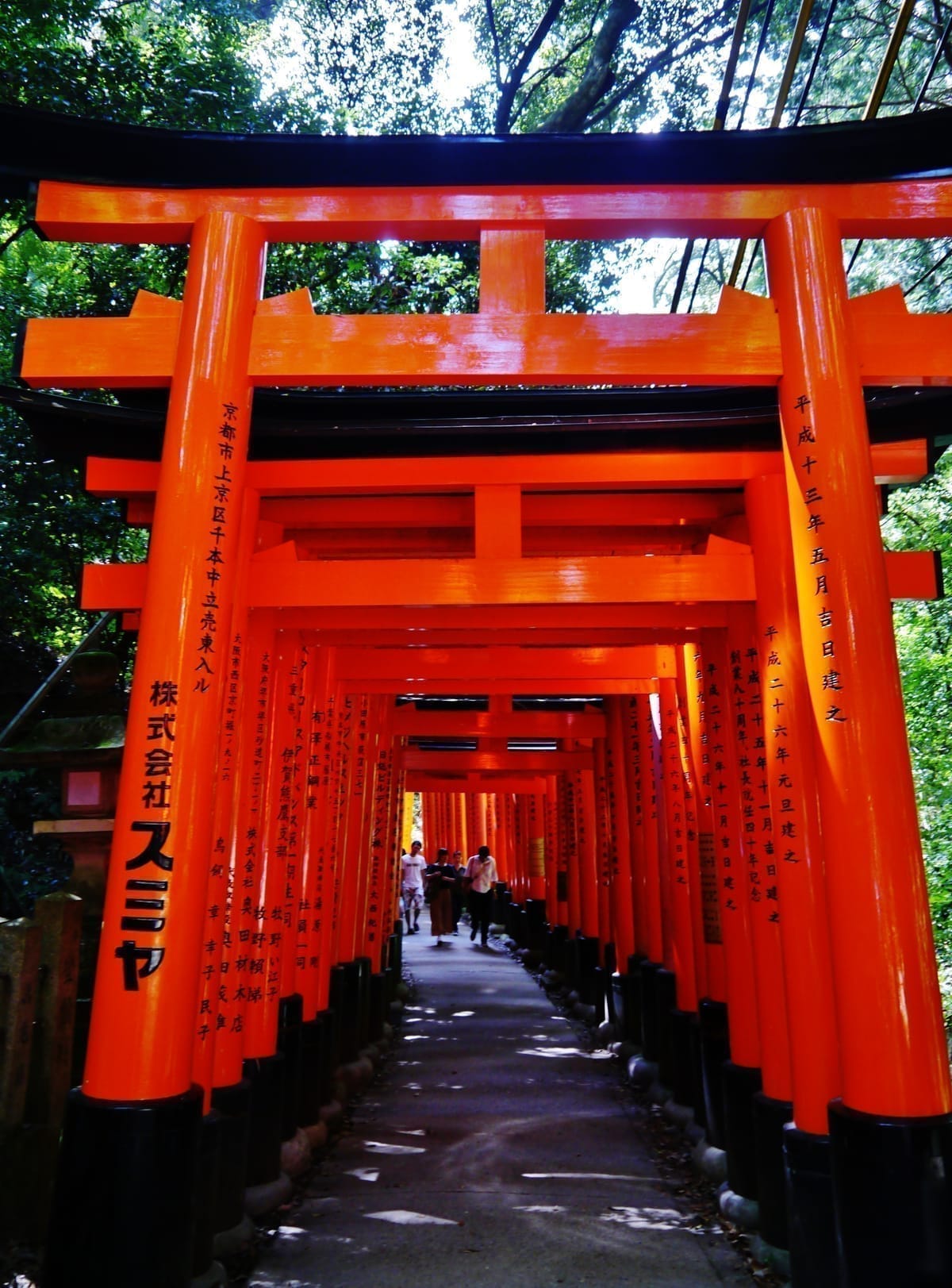
For outdoor areas — torii gates, stone lanterns, paths, gardens — photography is generally expected and welcomed.
Photographing the Calligrapher
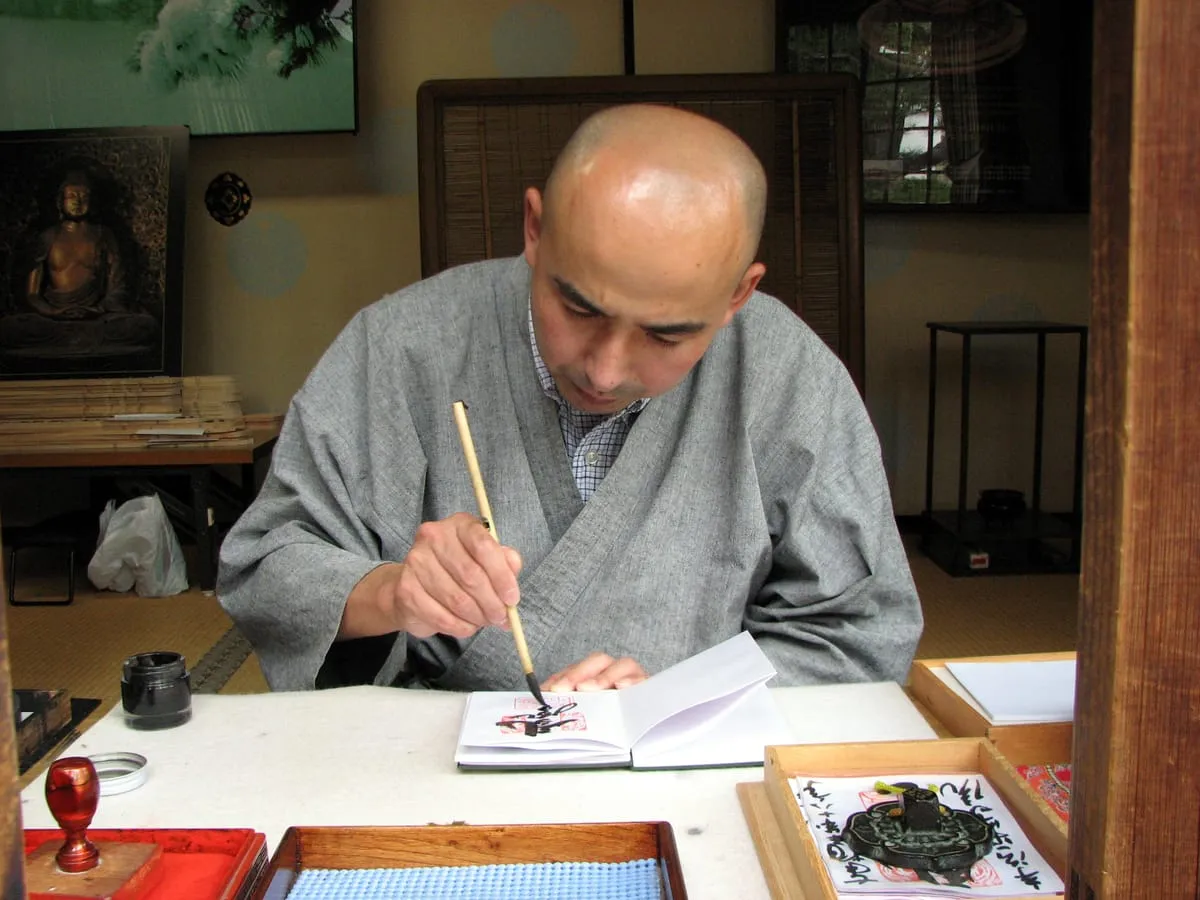
If you want to photograph the person writing your goshuin, ask first. This is non-negotiable courtesy — some calligraphers are comfortable with it, others find it intrusive. Assuming permission is presumptuous in a context that involves ritual formality.
If permission is granted, don’t use flash. Natural light from the side or above is sufficient for a phone camera in daylight. Even with permission, recognize when to stop: if a crowd is forming behind you or the atmosphere shifts, put the camera away.
Courtesy in the Waiting Area
The area around the shrine or temple office where goshuin are issued often becomes congested. Lingering to take photos while others are waiting creates unnecessary friction. Take the shot you want, then step aside.
What to Think About Before Posting
Goshuin as a Religious Object
Goshuin are, in their original and still-present meaning, records of a sacred visit. The practice has evolved, and many people today collect them for cultural or aesthetic reasons without strong religious intent. That’s accepted and common. But the religious dimension doesn’t disappear because the collector’s relationship to it has changed.
Posting goshuin with a degree of respect for what they represent — acknowledging the shrine or temple where they came from, noting something about the place — produces better content anyway, because it gives the post something to say beyond visual appeal.
Privacy Considerations
The calligrapher’s face. Permission for photography during the interaction and permission for publication are different things. If you’re uncertain, crop the face or focus on the hands and the book.
Other visitors. Shrine grounds are public spaces. Incidental background figures are generally fine. But if someone is clearly identifiable and centrally framed — praying at the hall, for instance — consider whether that’s a privacy issue worth resolving through cropping.
Your own name. Many people write their name on the first page of a goshuincho. Before posting, check whether your name is visible in the frame.
Location Tagging
For major shrines, tagging the location is unproblematic — Fushimi Inari-taisha or Tsurugaoka Hachimangu will not be affected by social media attention.
The situation is different for very small shrines: a rural shrine staffed by a single elderly priest, a neighborhood ujigami (tutelary shrine) that primarily serves local residents, a mountain shrine that sees perhaps fifty visitors a year. Viral posts tagging these locations precisely can generate visitor numbers the site isn’t equipped to handle. Consider whether a city-level tag is sufficient, or whether you want to hold the precise location back.
Avoiding the Appearance of Reselling
Goshuin resale — obtaining goshuin without personally visiting the shrine and selling them — is explicitly prohibited by most shrines. On social media, someone posting large volumes of goshuin without accompanying context about visiting can be read as a proxy collector or reseller.
The solution is simple: include something real about the visit. A line about what the shrine was like, the season, why you went. The goshuin only exists because someone traveled to a specific place. Including that context makes the post honest.
Hashtags
Core Japanese Tags
| Tag | Use case |
|---|---|
#御朱印 | The primary tag; essential for any goshuin post in Japanese |
#御朱印帳 | For photos of the goshuin book as a whole |
#御朱印めぐり | Multi-shrine pilgrimage trips |
#限定御朱印 | Seasonal or limited-edition designs |
#御朱印集め | Collection-focused posts |
Combine #御朱印 with a shrine-specific tag (e.g., #出雲大社 or #鶴岡八幡宮) for better targeting.
English and International Tags
For posts aimed at non-Japanese audiences:
#goshuin— the standard romanized tag; high awareness among people who’ve traveled in Japan#goshuincollectionor#goshuinstamp#japanshrineor#japantemple#shintoshrinefor shrine-specific content#japantravelfor travel-context posts
English-language goshuin content is relatively sparse compared to Japanese — there’s more room for posts to be discovered by international audiences.
Tag Volume
Instagram convention suggests 10–15 hashtags as a functional range. More important than quantity is specificity: a post tagged with both #御朱印 and #神田明神 reaches both the general community and people interested specifically in Kanda Myojin, which is more useful than 25 generic tags.
Getting Value from the Online Community
Tracking Seasonal Designs
The most practically valuable aspect of the online goshuin community is real-time information about special-edition stamps.
Official shrine websites sometimes announce seasonal goshuin, but social media is faster. A shrine may not update its website until days after a limited design is released — but a visitor who went that morning and posted before noon will have the information in front of you by evening.
Key seasonal windows where special goshuin are common:
- New Year’s (Jan 1–15): Designs available only on January 1 or the first few days
- Setsubun (early February): Demon-themed designs at shrines connected with the bean-throwing ritual
- Cherry blossom season (late March–April): Sakura motifs, often available only during bloom
- Summer festival period (July–August): Major shrines issue special designs during annual festivals
- Autumn leaves (October–November): Maple and ginkgo imagery
- Year-end (December): Coming year’s zodiac designs
Running searches during these periods — #桜 御朱印 in March, for example — turns up current information faster than any official source.
Comparing the Same Shrine Across Time
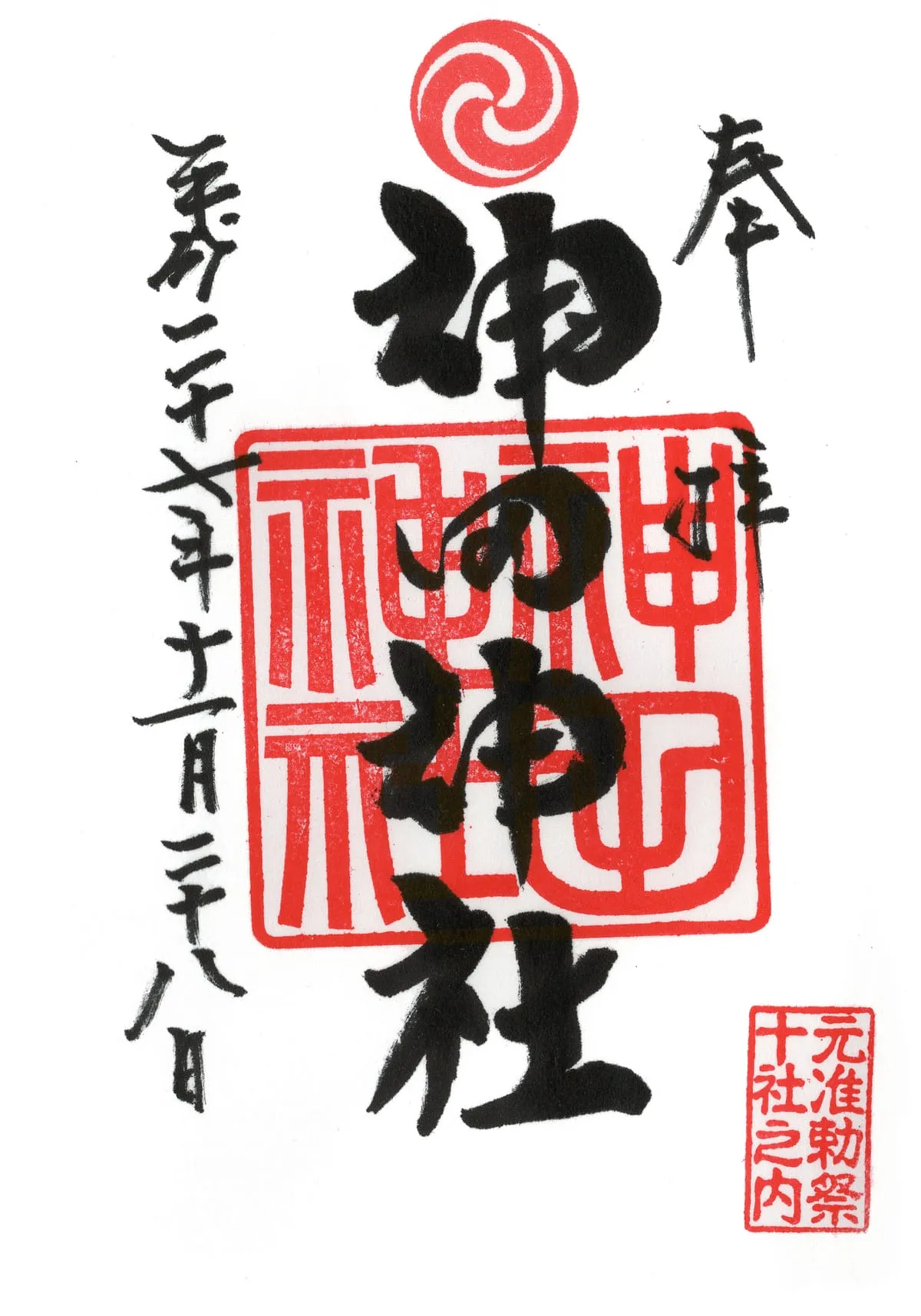
One of the pleasures social media enables is comparing goshuin from the same shrine across different periods and different calligraphers. Major shrines may have several people who write goshuin, and the differences — in ink weight, character form, the force of the stamp — can be striking.
Searching a shrine’s name combined with #御朱印 across a multi-year range shows this variation clearly. The goshuin you received isn’t just that shrine’s goshuin; it’s that writer’s expression on that particular day.
Finding Accounts Worth Following
Shrine and temple official accounts. Many shrines maintain active Instagram or X accounts where they announce limited editions and event schedules. Following these is the most reliable way to catch announcements before designs sell out.
Active collectors with geographic range. Accounts that post from across Japan surface a wider range of shrines. If their aesthetic sensibility overlaps with yours, they’re worth following.
Regional accounts. Dedicated accounts covering a specific prefecture often know the local shrine network in depth. Following relevant regional accounts in the weeks before a trip surfaces knowledge you wouldn’t find in guidebooks.
Photography Tips
Lighting. Direct overhead sunlight creates harsh shadows that obscure ink and wash out red stamps. Overcast natural light, window light from the side, or soft indoor lighting are all better. The goal is even illumination with enough contrast to show the depth of the ink.
Stability. Place the goshuincho flat on a stable surface and hold the phone directly above it with both hands. Many phone cameras have grid overlays that help keep the shot square.
Background. Plain and contextually relevant backgrounds work best: natural wood, stone, tatami, the shrine grounds themselves. A cluttered background pulls attention away from the goshuin.
Framing choices. The most common approach — a single goshuin centered and filling the frame — communicates the specific design clearly. Alternatives worth trying: a full spread showing two facing pages, or a detail shot where the calligraphy fills the frame edge to edge.
Common Mistakes
Posting unverified information. If you write “this shrine has a special design available until Sunday,” be certain of it. Dates change and offerings end early. “When I visited on the 28th, they had this design” is always accurate; “available now” may not be by the time someone reads it.
Inadvertently damaging small shrines. Discovery posts and “hidden gem” reveals can harm what they’re celebrating. A mountain shrine staffed by one elderly priest may be extraordinary. Posting its precise location may end its goshuin practice if the person writing them can’t handle the resulting volume. Before posting, consider whether a city-level tag is sufficient.
Treating special designs as content to acquire. Behavior that follows — rushing through the visit, not participating in worship, treating goshuin receipt as a transaction — is noticed by shrine staff. Posting in a way that emphasizes the shrine and the experience, not just the stamp, produces better content and a more accurate representation of the practice.
Using an App Alongside Social Media
The Goshuin Meguri app and social media serve complementary functions: the app is the complete private record, social media is the selective public broadcast.
Document first, post later. After each visit, record the goshuin in the app with a photo, date, and notes while the details are fresh. Later, choose from that complete record what to post publicly. This separates documentation from publishing — the result is usually better photos and richer captions.
The want-to-visit list as a discovery loop. When you find a shrine through social media, add it immediately to the app’s want-to-visit list. The next time you’re traveling to that region, those shrines appear highlighted on the map. Social media generates discoveries; the app preserves and organizes them.
Milestone posts. As your app record grows, you accumulate data: total shrines visited, prefectures covered, goshuin collected. Milestone posts — “100 shrines” or “every prefecture visited” — generate genuine engagement because they represent real accumulation, not just a single attractive image.
Finding Balance
It’s worth noticing when the social media layer is shaping the pilgrimage, rather than the other way around. The goshuin you’ll remember most are probably not the ones that got the most engagement — they tend to be the ones where something about the visit mattered: the shrine was quieter than expected, the walk there gave you time to think, the calligrapher said something worth carrying home.
Social media can document that experience. Deciding when to put the phone down is mostly a matter of deciding which one matters more in that moment.
Related Articles
- Goshuin App Comparison: Why Goshuin Meguri?
- How to Research Shrines Before Your Japan Trip
- Goshuin as Art: Appreciating the Design of Japanese Shrine Stamps
Image Credits
- Calligrapher writing at Byōdō-in temple: Chris Gladis (MShades), CC BY 2.0, via Wikimedia Commons
- Goshuin from Kanda Myojin shrine, Tokyo: Ocdp, CC BY-SA 4.0, via Wikimedia Commons
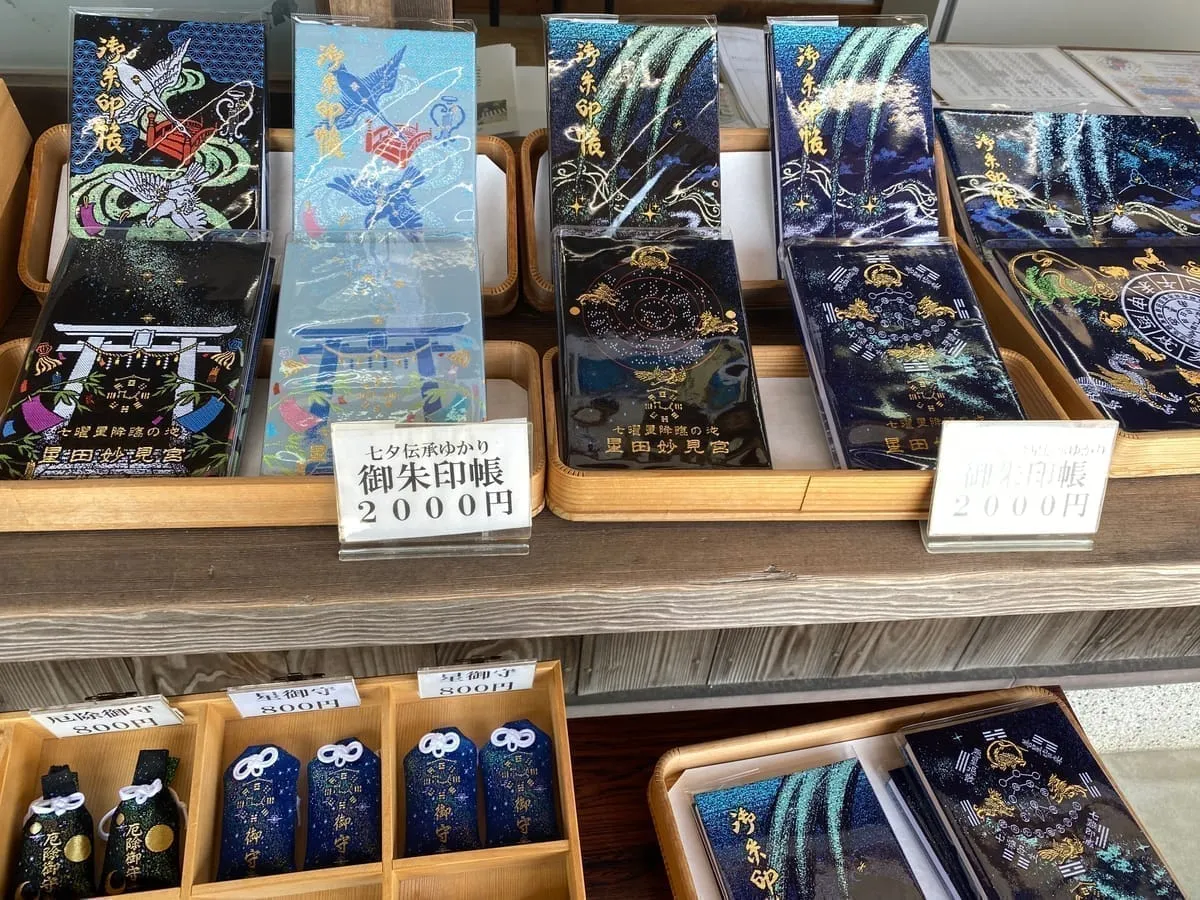
- Goshuincho at Hoshida Myokengu (Katano, Osaka): Immanuelle, CC BY 4.0, via Wikimedia Commons