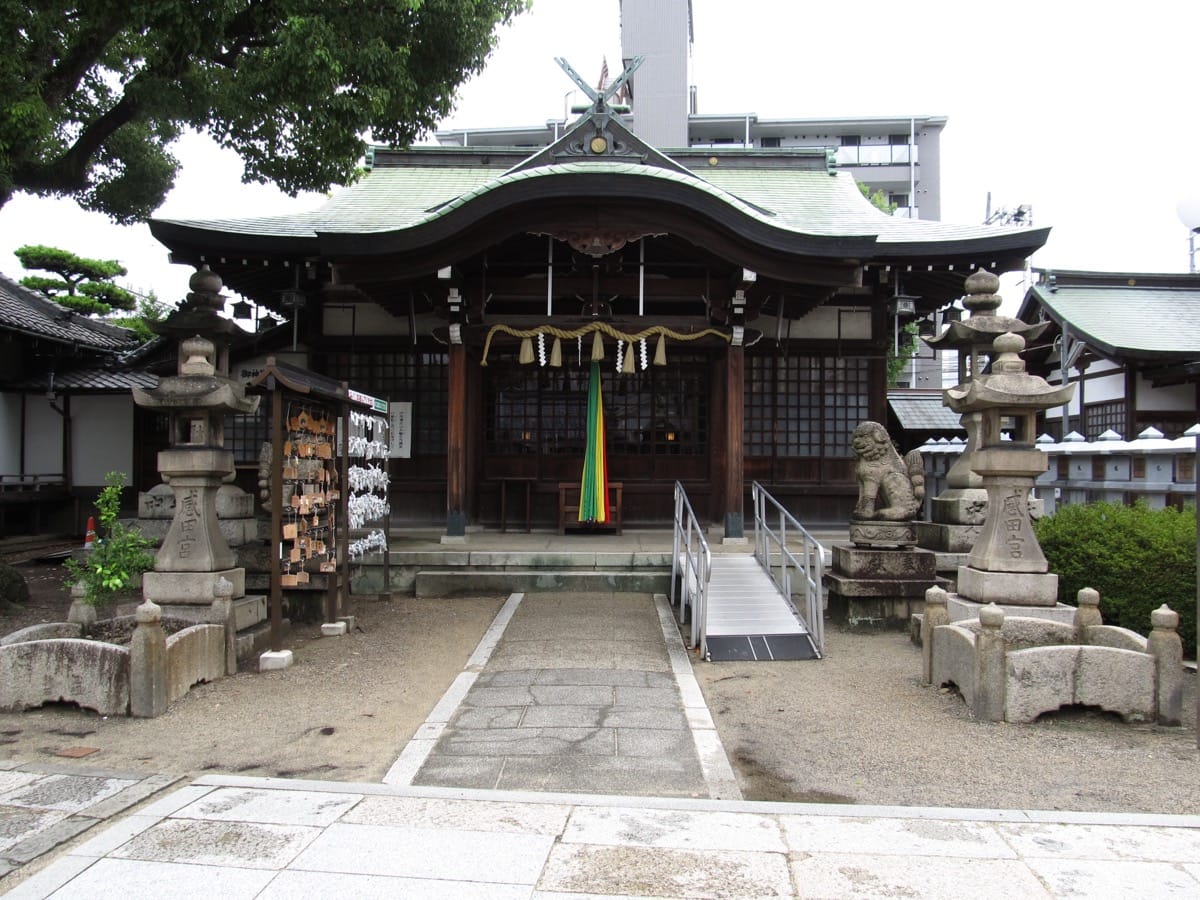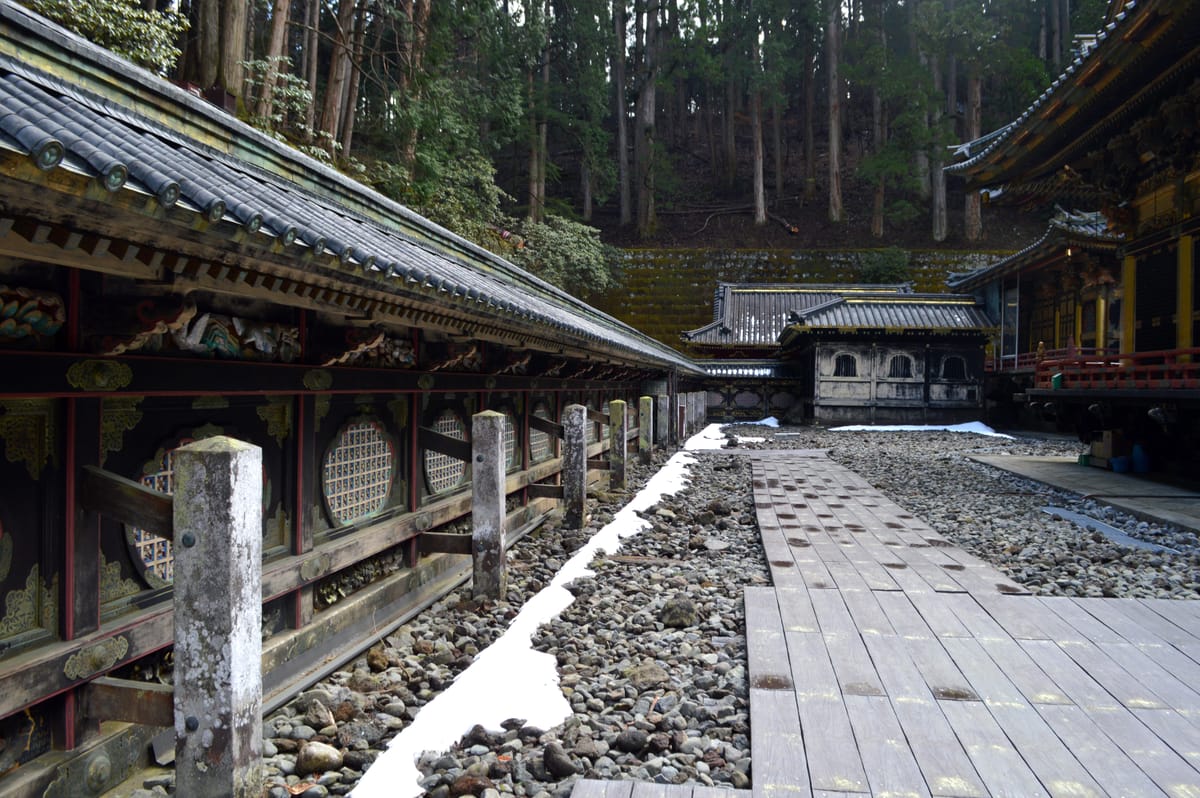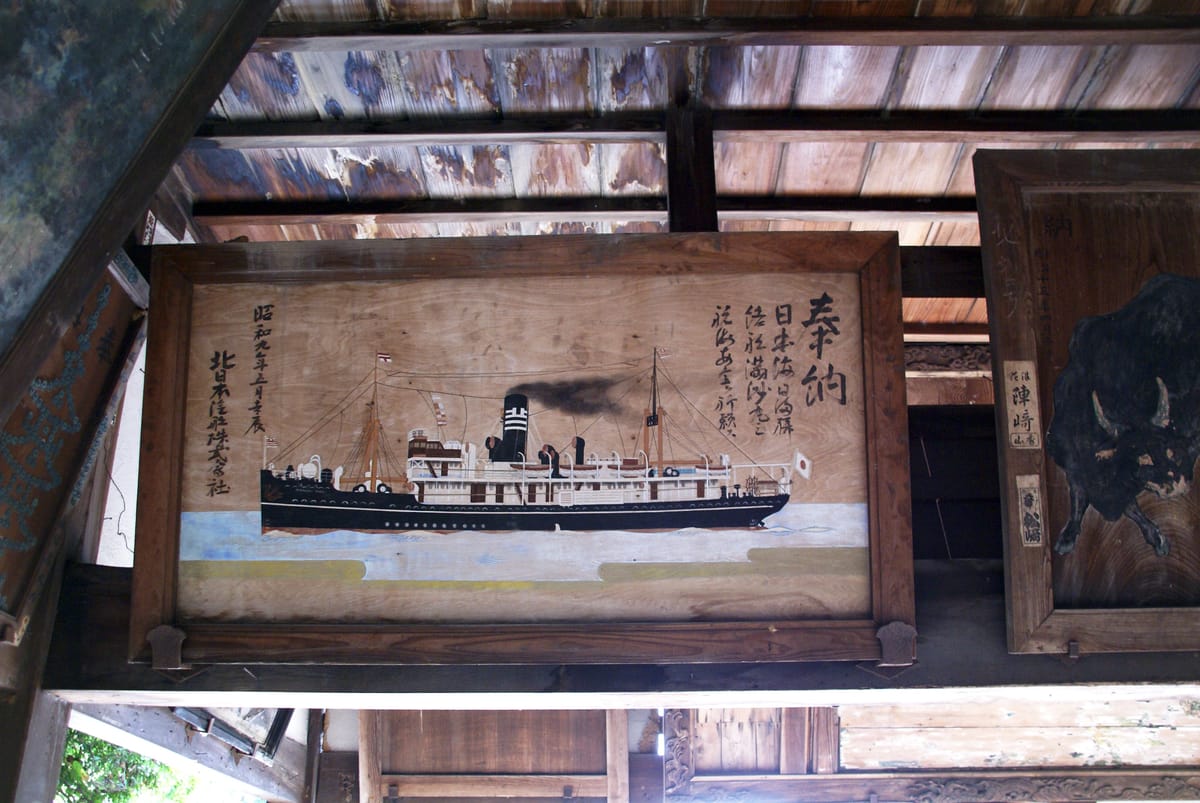
When you picture a Japanese shrine, you likely imagine cypress wood, vermillion paint, and thatched roofs. But many shrines you visit today are built from reinforced concrete — or were designed by contemporary architects working with steel and glass. Tradition and modernity coexist in Japanese sacred spaces in ways that might surprise you.
This article traces how shrine architecture has evolved from the postwar rubble to the present day.
Postwar Reconstruction and the Rise of Concrete
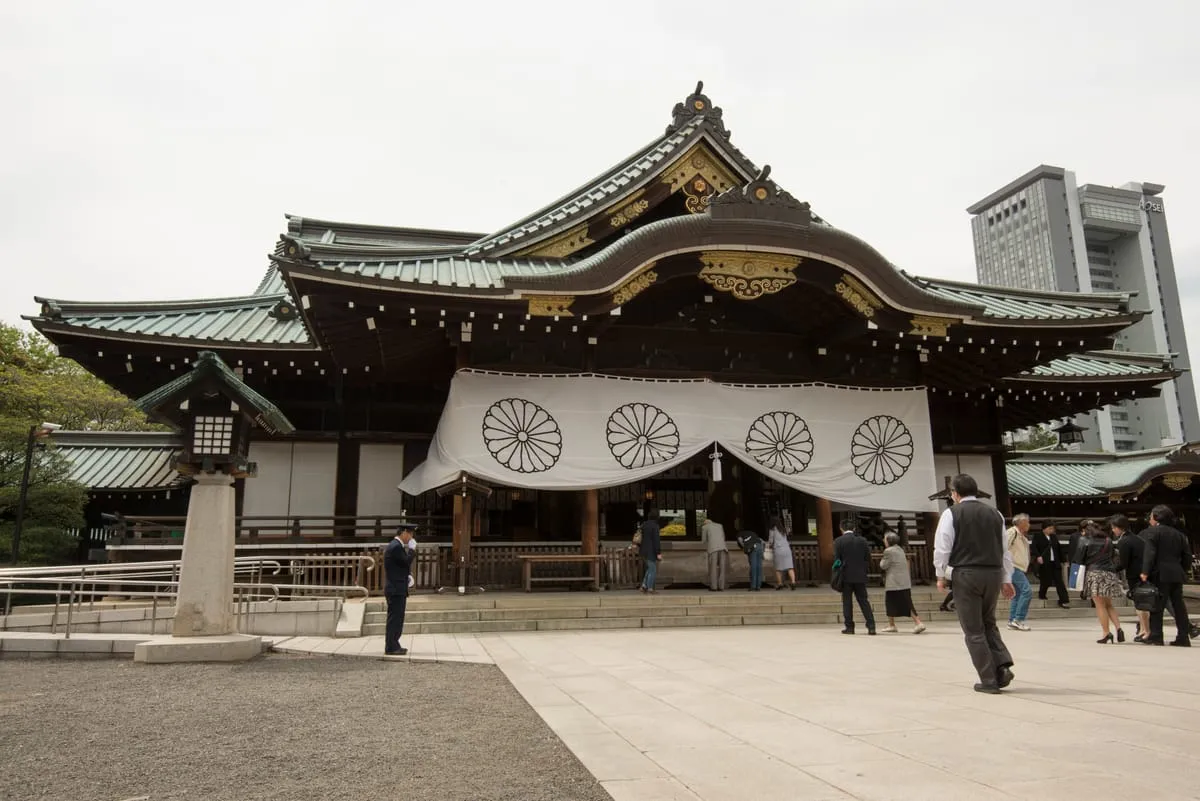
When Fire Took the Shrines
Allied air raids during World War II devastated Japan’s major cities. In Tokyo, Osaka, Nagoya, Hiroshima, and dozens of other urban centers, wooden shrine buildings burned alongside everything else. By August 1945, many shrine compounds held nothing but ash.
Before the war, wood construction was virtually universal in shrine architecture. The postwar recovery forced a fundamental rethinking of how to build sacred spaces.
Why Concrete Made Sense
In the 1950s through 1970s, reinforced concrete was the practical choice for shrine reconstruction:
- Fire resistance — reducing the risk of another catastrophic loss
- Durability — lower long-term maintenance costs compared to wood
- Cost — quality timber was scarce and expensive in the postwar economy
- Speed — formwork construction compressed rebuilding timelines
Following the 1946 Religious Corporations Ordinance, shrines became independent religious organizations no longer funded by the state. Rebuilding from scratch, with their own resources, they chose the most affordable durable option.
The Art of Simulated Wood
Raw concrete doesn’t evoke the sacred. Shrine builders developed techniques to restore a sense of tradition:
- Grain-textured formwork — pressing wood-grain patterns into wet concrete
- Wood-tone painting — finishing pillars and beams with red ochre or vermillion
- Hybrid construction — concrete exterior with wood interior elements
- Copper-plate roofing — traditional roof materials over steel frames
The result is a double reality: a shrine that reads as traditional from the outside, while its bones are entirely modern.
Gokoku Shrines: A Study in Postwar Rebuilding
One in Every Prefecture
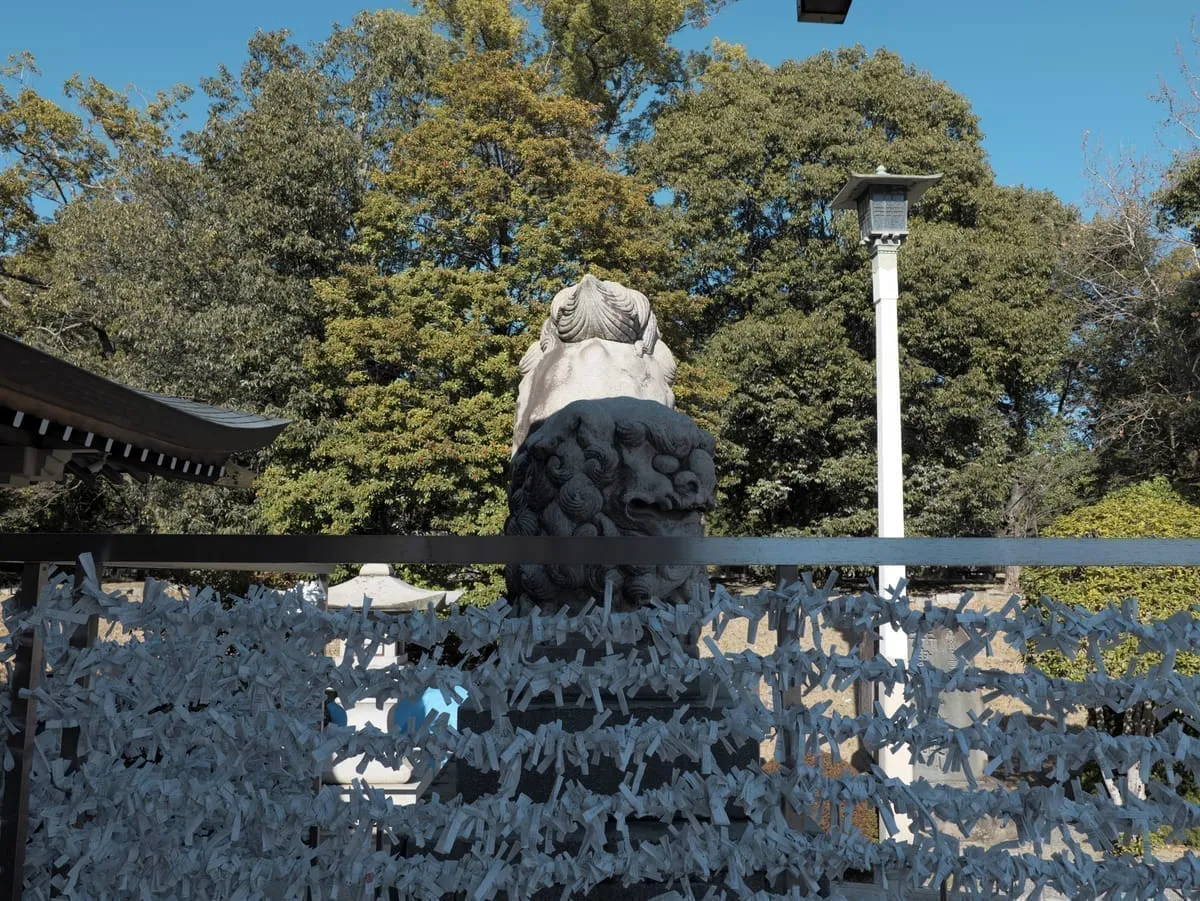
Japan’s 47 prefectural gokoku shrines (護国神社) enshrine the war dead and were established in the modern era. Most were destroyed during the war and rebuilt afterward, making them a near-complete survey of postwar shrine construction methods.
Hiroshima Gokoku Shrine is particularly significant. Located close to the atomic bomb’s hypocenter, the entire compound was destroyed on August 6, 1945. Its 1956 reconstruction became a symbol of Hiroshima’s recovery.
What Gokoku Shrines Have in Common
Looking across the country’s gokoku shrines reveals consistent patterns:
| Element | Details |
|---|---|
| Structure | Reinforced concrete (RC) primary structure |
| Roof form | Irimoya (hip-and-gable) or kirizuma (gable) profiles |
| Exterior finish | Wood-tone or whitewashed surfaces |
| Scale | Large compounds with broad approachways |
| Atmosphere | Monumental and imposing |
Meiji Jingu: Where Tradition Meets Modern Construction
A “New Tradition” Built in 1920
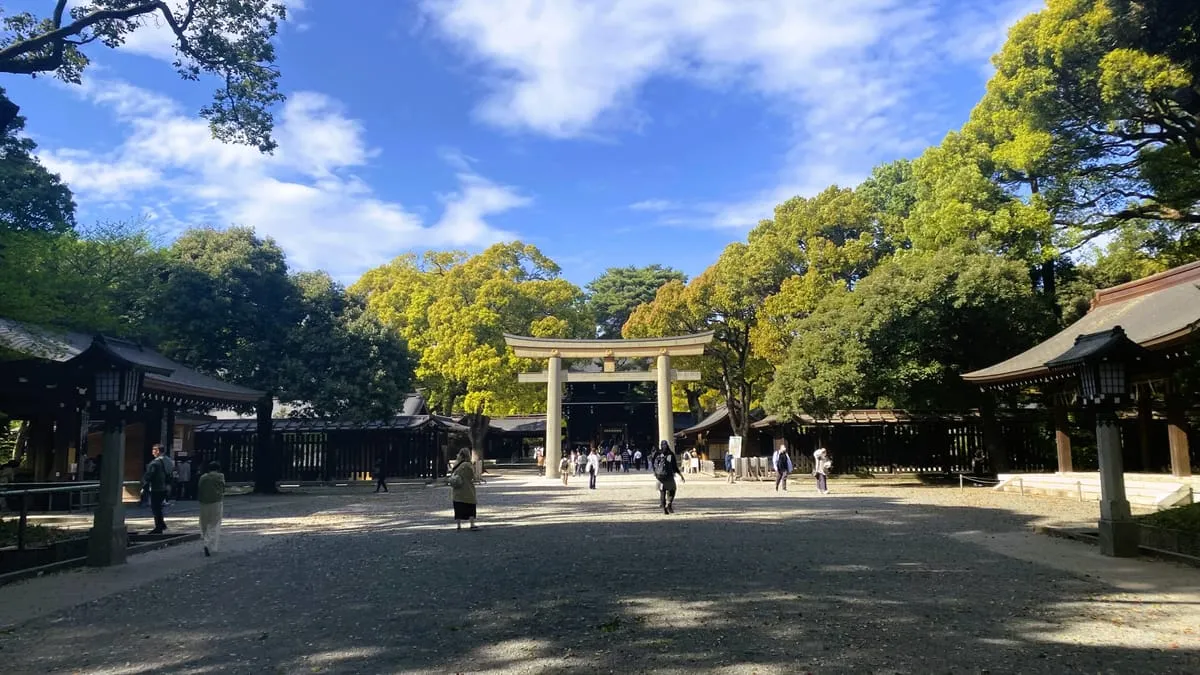
Meiji Jingu was founded in 1920 and enshrines Emperor Meiji and Empress Shoken. Its architecture synthesizes historical shrine styles into what became a reference point for 20th-century shrine design.
The current main hall follows the nagare gongen-zukuri style, connecting the inner sanctuary, an intermediate stone hall, and the worship hall in a continuous composition. The original buildings burned in 1945 and the present halls were completed in 1958.
The reconstruction prioritized:
- Kiso hinoki cypress — sourcing the highest quality timber available
- Traditional joinery — master shrine carpenters (miyadaiku) doing handwork
- Minimal concrete — RC used only in foundations
Meiji Jingu offered a different model from the pragmatic concrete rebuilding happening elsewhere: a postwar shrine that maintained wood construction through deliberate effort and resources.
Contemporary Architects and Shrine Design
Kenzo Tange and the Shrine Aesthetic
Architect Kenzo Tange (1913–2005) openly acknowledged that shrine architecture shaped his thinking. His designs for the former Tokyo Metropolitan Government Building (1957) and Kagawa Prefectural Government Office drew from Ise Jingu’s shinmei-zukuri style — the reduction of architecture to pure post-and-beam structure, stripped of ornament.
Tange described shrines as the “origin of Japanese architecture,” and spent his career translating their structural logic into concrete and steel.
Recent Notable Projects
Contemporary architects continue to engage with shrine design in inventive ways:
Dazaifu Tenmangu Temporary Shrine (2023) While the main hall undergoes renovation, architect Fujimori Terunobu designed a temporary kariden (“flying hall”) that provocatively integrates vegetation into its roof structure — living plants sprouting from the apex, merging architecture and nature.
Prefectural Shrine Office Facilities Across Japan, prefectural shrine associations have commissioned contemporary buildings for administrative and gathering functions. These allow more design freedom than sanctuaries themselves, creating a space where contemporary architecture meets shrine precincts.
Tradition vs. Innovation: An Ongoing Debate
The Wisdom of Shikinen Sengu
Ise Jingu’s shikinen sengu — complete reconstruction of the shrine every 20 years — appears extravagant but contains deep practical logic:
- Rebuilding before timber degrades maintains the sacred buildings in optimal condition
- It functions as a living school, transmitting miyadaiku skills across generations
- Ancient timber is distributed to shrines nationwide, spreading the shrine’s sacred character
This system cannot work with concrete. Concrete’s slow degradation removes the ritual occasion for rebuilding — and with it, the mechanism for skill transmission.
Seismic Retrofitting as Necessity
After the 2011 Tōhoku earthquake and tsunami, seismic safety assessments across Japan’s shrine inventory revealed widespread vulnerabilities. Pre-Edo wooden structures frequently fell short of current standards.
Three approaches have emerged:
- Strengthen in place — inserting steel braces or damping devices into existing wood frames
- Rebuild in concrete — achieving compliance at lower cost
- New-generation wood — using CLT (cross-laminated timber) and engineered wood products
CLT shrine construction has grown notably in recent years, offering traditional visual character alongside contemporary structural performance.
Where Shrine Architecture Is Heading
The Limits of Concrete
The concrete shrines of the 20th century are facing an unexpected irony: they may need replacement sooner than the wood structures they replaced.
- Reinforced concrete lifespans (60–100 years) can fall short of well-maintained timber buildings
- Demolition is costly and environmentally intensive
- The gap between appearance and material truth carries an increasing cultural discomfort
In response, a quiet return to local timber has begun. Shrines with forest landholdings are managing those resources specifically to supply future reconstruction timber.
Digital Tools and the Miyadaiku
3D scanning, digital fabrication, and computational simulation have quietly entered the shrine carpenter’s world:
- Deteriorated members are 3D-scanned, and replacement pieces are CNC-milled to match
- Complex joinery connections are computationally stress-tested before cutting begins
- VR training environments help younger carpenters develop spatial understanding before handling real timber
The fusion of tradition and technology now extends beyond a shrine’s visible surface to the processes that build and maintain it.
Conclusion
Shrine architecture has never been static. War, recovery, economic growth, seismic standards — each era has imposed its constraints, and shrines have adapted while preserving continuity of function and meaning.
Whether a shrine hall is built from cypress or concrete matters less than whether it remains a place where people come to stand still, bow, and feel something beyond the everyday. Form changes. The act of coming does not.
The next time you visit a shrine, try tapping a pillar lightly. A hollow knock may tell you it’s concrete. That doesn’t make the space any less sacred.
Image Credits
- Yasukuni Shrine haiden: Maarten Heerlien / CC BY 2.0 via Wikimedia Commons
- Meiji Jingu main hall: Akonnchiroll / CC BY-SA 4.0 via Wikimedia Commons
- Hiroshima Gokoku Shrine: Hyppolyte de Saint-Rambert / CC BY 4.0 via Wikimedia Commons