The Three Sacred Treasures of Japan (三種の神器, Sanshu no Jingi) have been passed down through generations of emperors since the age of mythology. A mirror, a sword, and a jewel — these three objects have symbolized the legitimacy of imperial succession for over two millennia.
Yet remarkably, even the Emperor has never seen the actual treasures. How much do we really know about these most sacred of Japanese artifacts?
What Are the Three Sacred Treasures?
The Three Sacred Treasures are:
- Yata no Kagami (八咫鏡) — The Sacred Mirror
- Kusanagi no Tsurugi (草薙剣) — The Sacred Sword, also called Ame no Murakumo no Tsurugi
- Yasakani no Magatama (八尺瓊勾玉) — The Sacred Jewel
According to Japanese mythology, these treasures were bestowed by the sun goddess Amaterasu upon her grandson Ninigi no Mikoto when he descended from heaven to rule the earthly realm — an event known as the Tenson Kōrin (天孫降臨).
Mythological Origins
Yata no Kagami — The Mirror That Drew Out the Sun
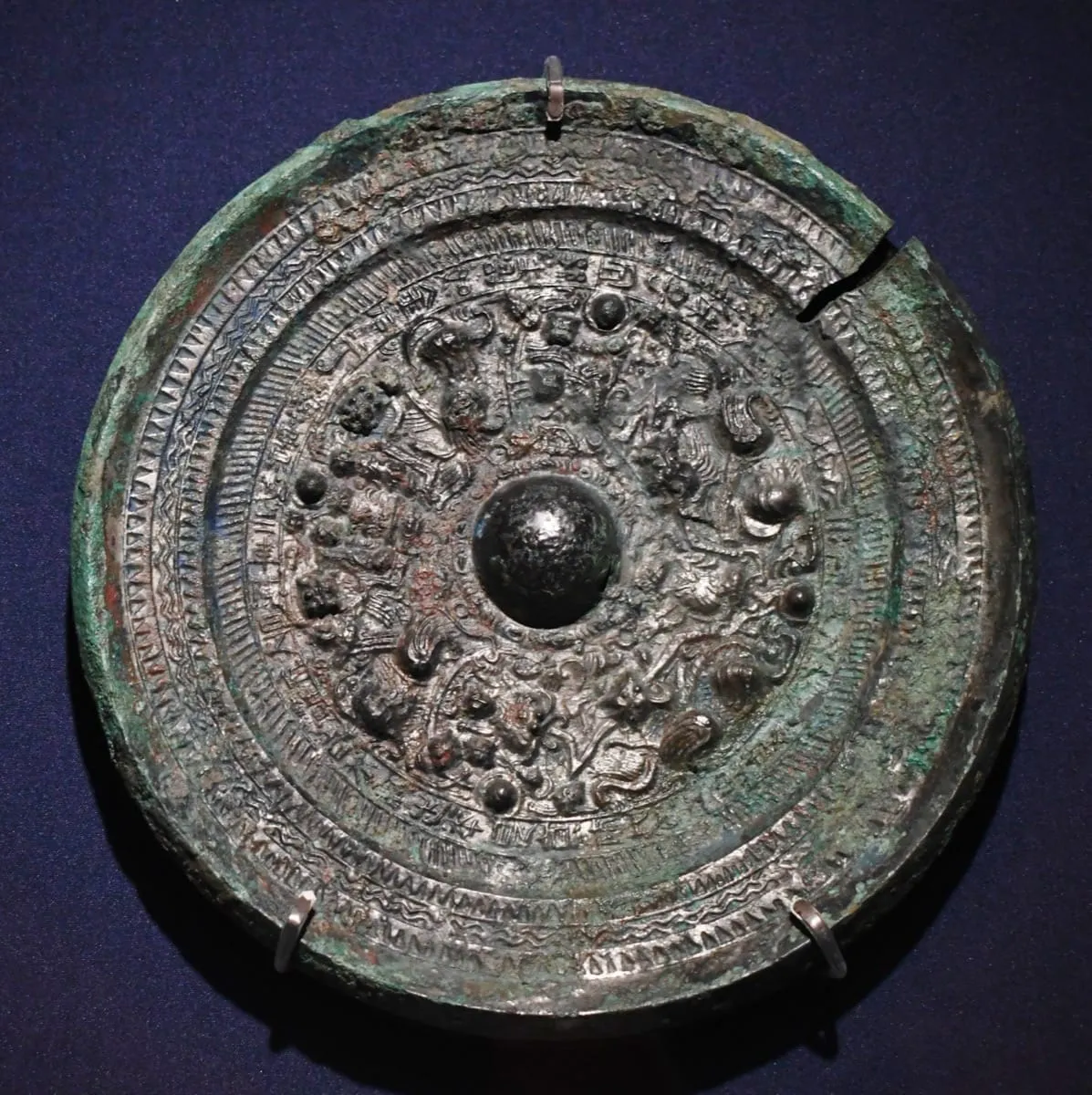
When Amaterasu, the sun goddess, hid in the Heavenly Rock Cave (Ama no Iwato) and plunged the world into darkness, the other gods devised a plan. They crafted a bronze mirror and held a raucous celebration outside the cave. Curious about the commotion, Amaterasu peeked out and saw her own brilliant reflection in the mirror, drawing her fully out of hiding.
Symbolizes: Wisdom, honesty, the reflection of truth
Kusanagi no Tsurugi — The Sword from the Serpent
The storm god Susanoo slew the eight-headed serpent Yamata no Orochi in the province of Izumo. From the creature’s tail emerged a magnificent sword, originally called Ame no Murakumo no Tsurugi (“Sword of the Gathering Clouds of Heaven”). It was later renamed Kusanagi (“Grass-Cutter”) after the hero Yamato Takeru used it to cut through burning grass during an ambush, saving his life.
Symbolizes: Valor, courage
Yasakani no Magatama — The Jewel of Benevolence
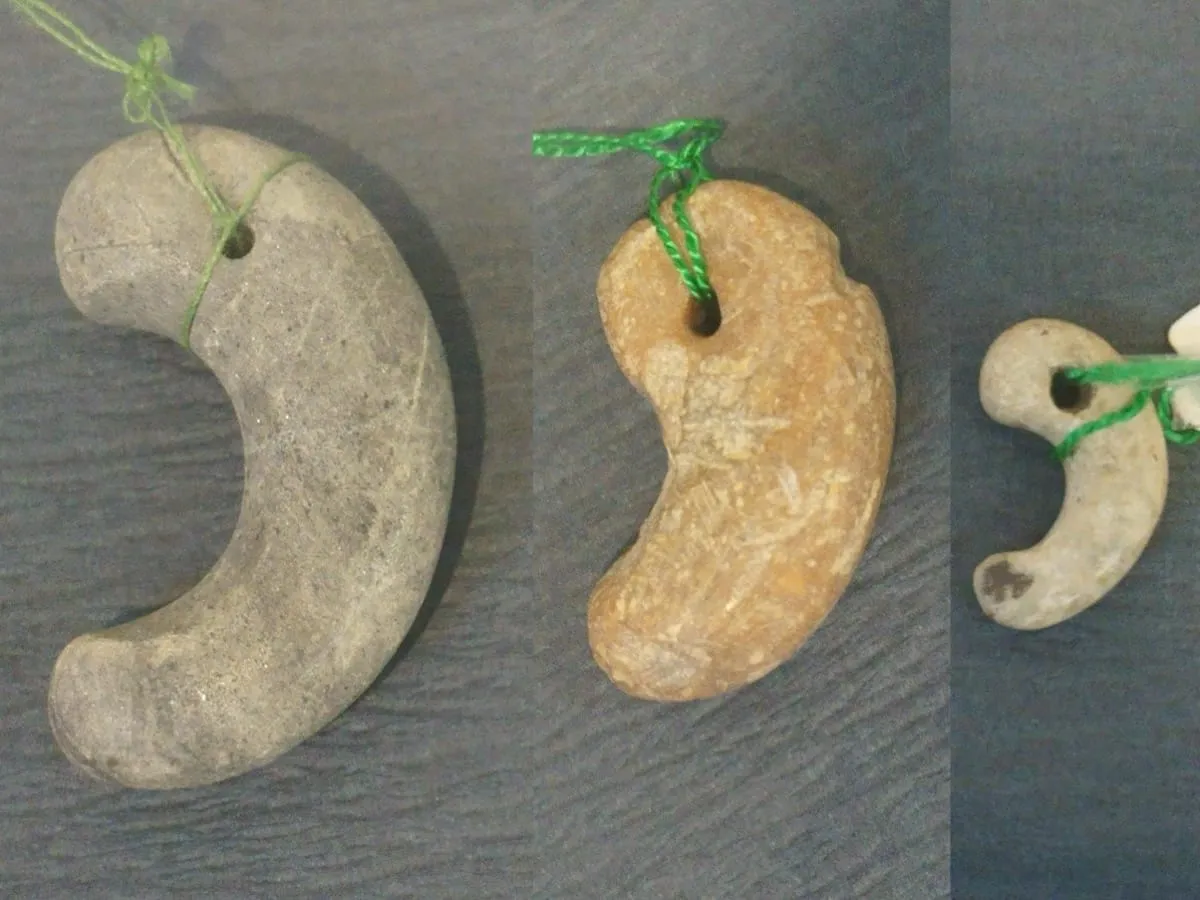
Like the mirror, this curved jewel was used in the ritual to lure Amaterasu from her cave. Crafted by the deity Tama-no-oya no Mikoto, it is notably the only treasure for which no replica (katashiro) was ever made.
Symbolizes: Benevolence, compassion
Where Are They Now?
The Mirror → Ise Grand Shrine (Mie Prefecture)
During Emperor Sujin’s reign, the mirror was removed from the imperial palace and enshrined separately. After being moved to various locations, it finally came to rest at Ise during Emperor Suinin’s reign. Today, it serves as the sacred object (goshintai) of the Inner Shrine (Naiku) of Ise Grand Shrine.
A replica is kept at the Kashikodokoro within the Imperial Palace’s Three Palace Sanctuaries.
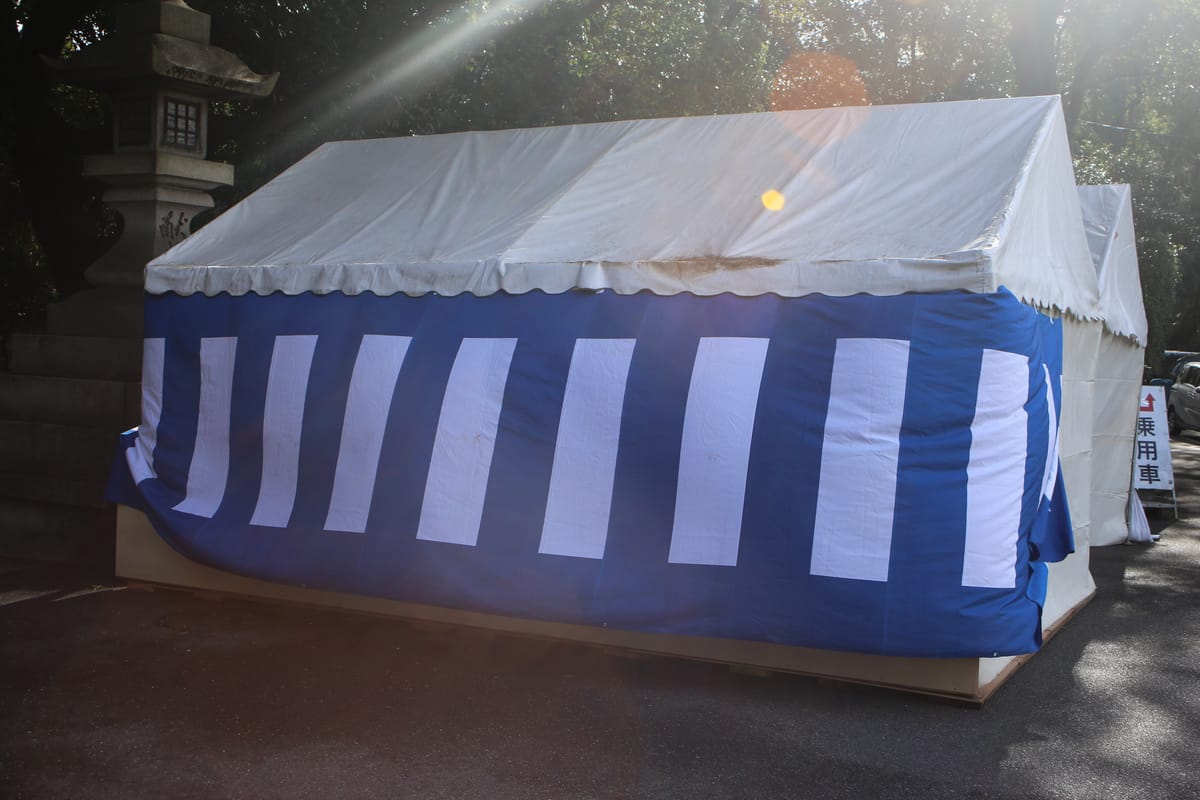
The Sword → Atsuta Shrine (Nagoya, Aichi Prefecture)
After Yamato Takeru died during his eastern campaign, his consort Miyasuhime no Mikoto enshrined the sword at Atsuta — this is the origin of Atsuta Shrine, one of Japan’s most revered.
A replica is kept in the Imperial Palace.
The Jewel → Imperial Palace (Tokyo)
The jewel is the only treasure whose original (not a replica) remains within the Imperial Palace. It is stored in the “Kenji no Ma” (Sword and Jewel Room) of the Fukiage Palace, alongside the sword’s replica.
No One Has Ever Seen Them
Perhaps the greatest mystery of the Three Sacred Treasures is that not even the current Emperor has seen the actual objects.
The treasures are kept wrapped in cloth and sealed in boxes. Opening them is forbidden. This means no one can verify whether they are truly ancient artifacts, what they look like, or even if they still exist.
Several historical events have threatened the treasures:
- Battle of Dan-no-ura (1185) — When the Taira clan fell, the child Emperor Antoku drowned along with the treasures. The mirror replica and jewel were recovered, but the sword was said to be lost to the sea
- Nanboku-chō Period (1336-1392) — Both the Northern and Southern Courts claimed to possess the legitimate regalia
- Ōnin War (1467-1477) — Some treasures may have been damaged in the devastating fires
Visiting the Sacred Sites
Ise Grand Shrine
Home to the Yata no Kagami, Ise Grand Shrine undergoes complete reconstruction every 20 years in the Shikinen Sengū ceremony. While the buildings are rebuilt, the sacred mirror is carefully transferred to the new structure. Visitors see the outer shrine buildings; the mirror rests unseen within.
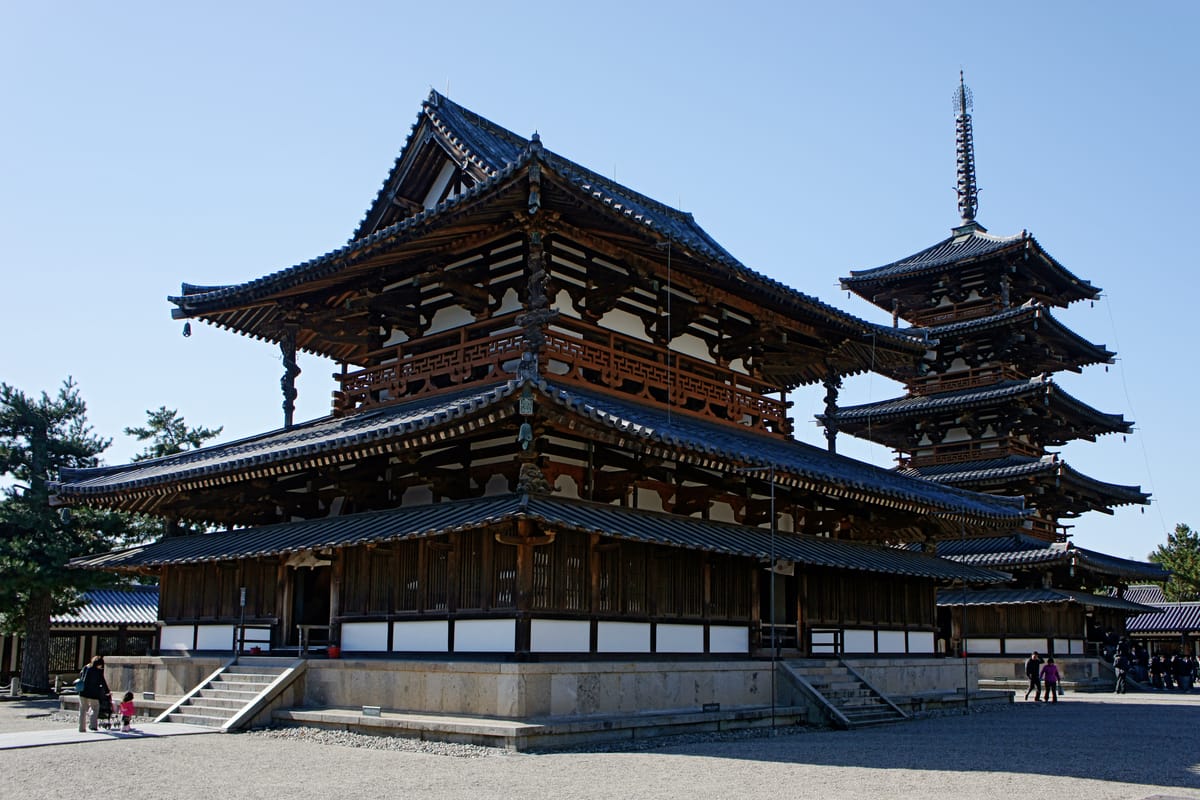
Atsuta Shrine
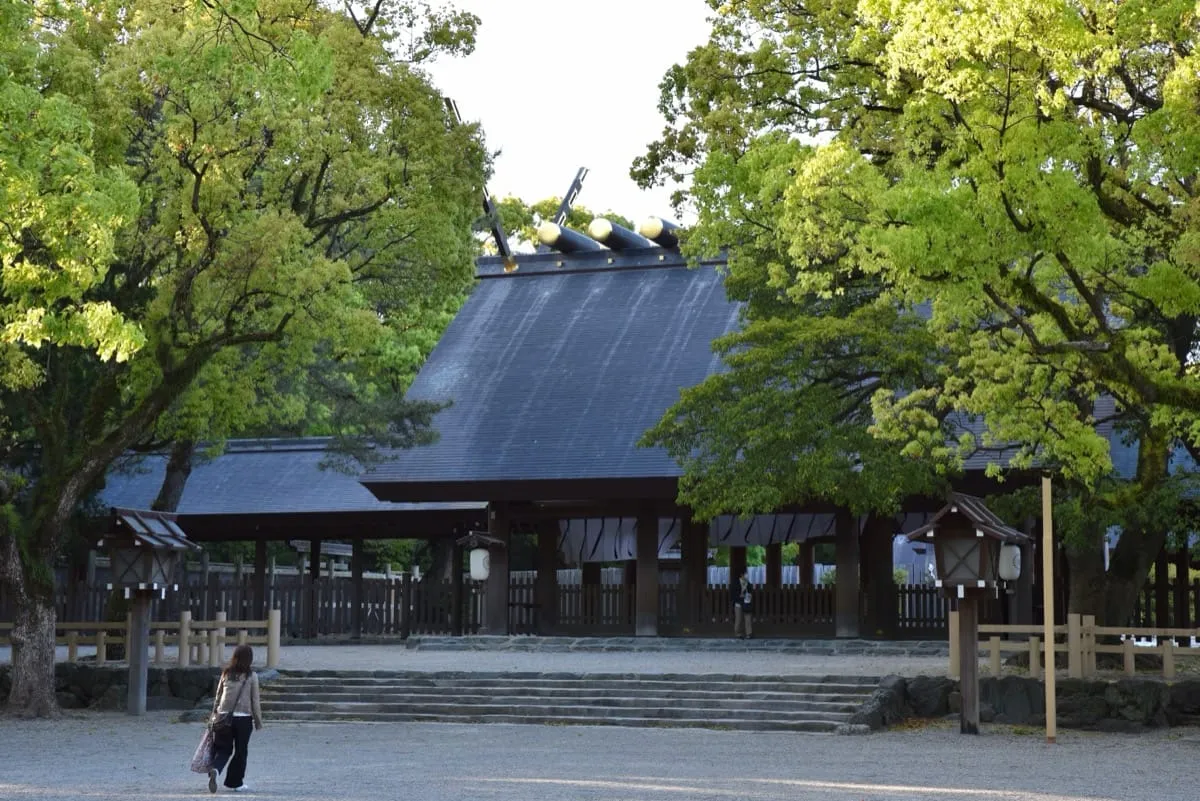
Located in central Nagoya, Atsuta Shrine holds a status second only to Ise Grand Shrine as guardian of an imperial treasure. Its main sanctuary follows the Shinmei-zukuri architectural style, the same as Ise.
Imperial Palace
While the treasures are inaccessible, visitors can explore the Imperial Palace East Gardens freely and experience Japan’s imperial heritage firsthand.
What the Treasures Symbolize
The mirror, sword, and jewel represent wisdom, valor, and benevolence respectively — virtues that align with Confucian ideals of the perfect ruler. During the Kenji-tō-Shōkei-no-Gi (剣璽等承継の儀) succession ceremony, the new Emperor inherits these symbols, establishing the legitimacy of the throne.
This ceremony was performed with great solemnity during the 2019 transition to the Reiwa era.
Conclusion
The Three Sacred Treasures occupy the deepest stratum of Japanese history and culture. Despite no one having seen them, their existence has been believed in and protected for over two thousand years.
This perhaps most eloquently expresses the essence of Shinto: believing in what cannot be seen. When visiting Ise Grand Shrine or Atsuta Shrine, consider that behind those walls, an unseen treasure may rest — a treasure whose power lies precisely in remaining unseen.
Image Credits
- Magatama: Yoshinogari Site excavation (Pekachu / CC BY-SA 4.0)
- Bronze Mirror: Triangular-rim divine beast mirror from Kanbara Shrine tumulus (Saigen Jiro / Public domain)
- Atsuta Shrine: Main hall worship building (Bariston / CC BY-SA 4.0)
References: Jinja Honchō “Jinja no Iroha,” Kojiki, Nihon Shoki, Jinja Kentei Official Column