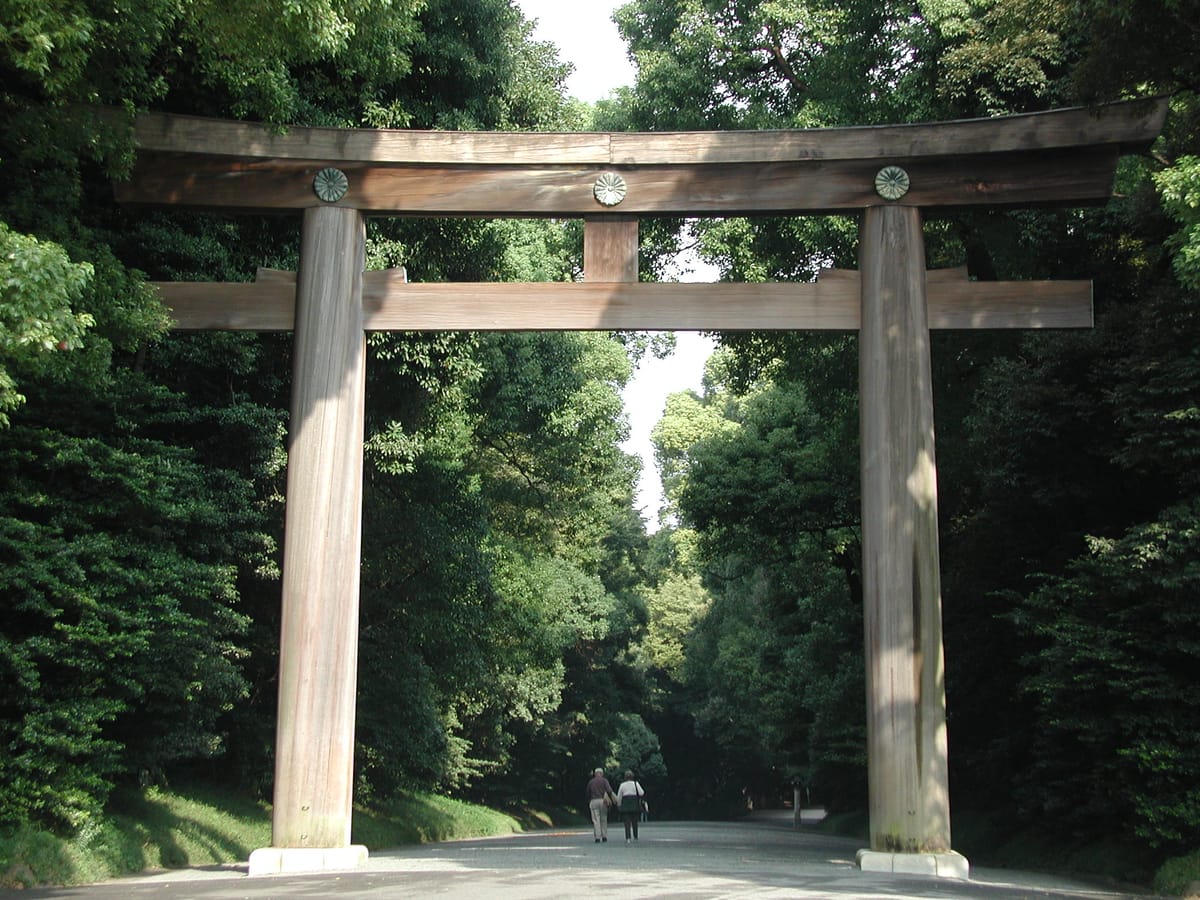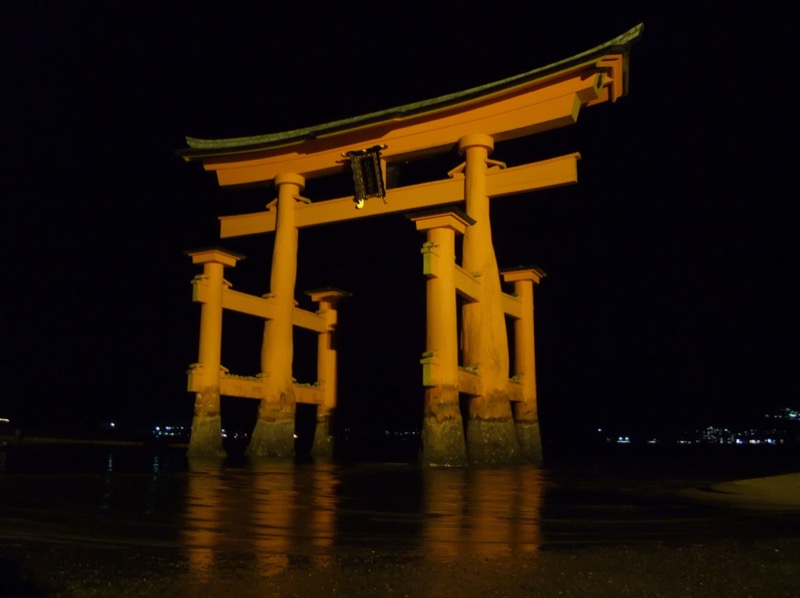
Nagoya does not get as much attention as Kyoto or Tokyo among international shrine visitors, but it punches well above its weight. Atsuta Jingu — the city’s spiritual heart — ranks second only to Ise Jingu in importance among Japan’s approximately 80,000 Shinto shrines, enshrining the Kusanagi-no-Tsurugi sword: one of the Three Imperial Treasures. Surrounding it is a quietly remarkable collection of sacred sites. There are Tokugawa-era shrines in the old castle town, a neighborhood shrine dedicated to the god of pickled vegetables (entirely unique in Japan), the atmospheric lantern-boat festival at Tsushima Shrine, and a string of compact street shrines where locals have prayed since the Edo period. This guide covers 15 shrines where you can receive goshuin in Nagoya and its immediate surroundings, with access information and notes on what makes each one worth the visit.
1. Atsuta Jingu (熱田神宮) — Atsuta Ward
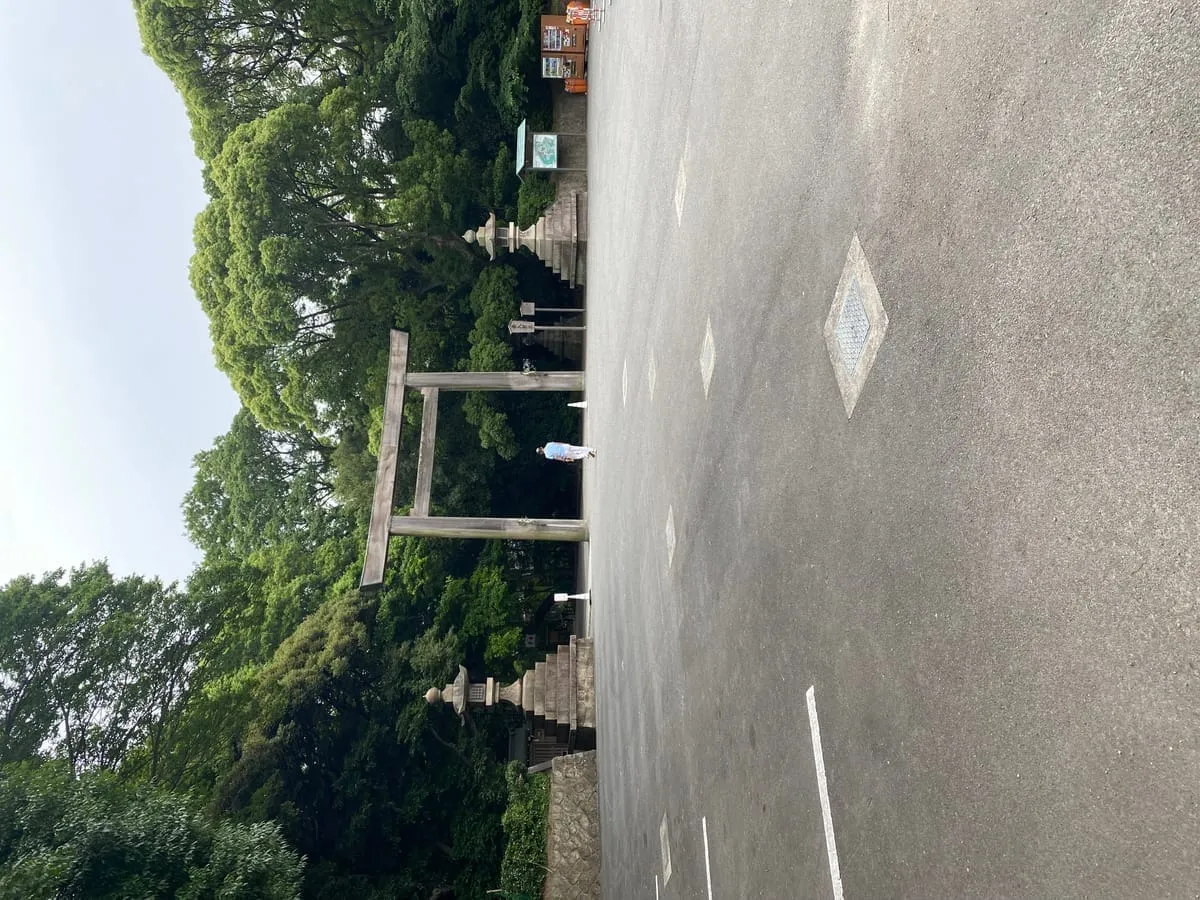
Enshrined deity: Atsuta-no-Okami — the spirit of Amaterasu dwelling within the Kusanagi-no-Tsurugi (Grass-Cutting Sword)
According to tradition, this shrine was founded around the 4th year of Emperor Keiko’s reign (~113 CE) when the legendary hero Yamato-Takeru entrusted the divine sword to his wife Miyasuhime before his death. The Kusanagi-no-Tsurugi — one of the Three Imperial Treasures alongside the Yata no Kagami mirror and Yasakani no Magatama jewel — has been enshrined here ever since, making Atsuta Jingu second in ritual status only to Ise Jingu. The 190,000-square-meter forested precinct shelters around 40 subsidiary shrines, ancient camphor trees said to be over 1,000 years old, and the famous “Nobunaga Wall” — a long, unadorned mud wall donated by Oda Nobunaga in gratitude after his victory at the Battle of Okehazama in 1560. Approximately 6.5 million people visit each year, including more than 2 million during the New Year period alone.
- Goshuin style: Bold, unhurried calligraphy reading “Atsuta Jingu” with the shrine’s official seal. Authoritative and fitting for a shrine of this rank — no unnecessary decoration
- Fee: ¥500
- Access: 3-min walk from Meitetsu Nagoya Main Line “Jingu-mae Station”; 7-min walk from Subway Meijo Line “Atsuta-Jingu Denmamachi Station”
Goshuin Info
| Item | Details |
|---|---|
| Hours | 7:00–16:30 |
| Location | Juyo-sho (授与所) east of the main shrine |
| Direct writing / pre-written | Direct writing |
| Limited editions | Yes (New Year, Grand Festival, monthly seasonal) |
2. Kami-Chigauma Jinja (上知我麻神社) — Atsuta Ward
Enshrined deity: Otoyo-no-Mikoto
A subsidiary shrine (sessha) within the Atsuta Jingu precinct, located near the western gate. The deity Otoyo-no-Mikoto is associated with wisdom and knowledge, making this the preferred shrine for students seeking success in examinations. The “replacement charm” (migawari o-mamori) tradition is said to have originated here, and the shrine fills with students and parents during entrance-exam season (January–March). Goshuin can be received here or at the main Atsuta Jingu counter.
- Goshuin style: Refined calligraphy for “Kami-Chigauma Jinja” — thoughtful and precise, matching the deity of wisdom
- Fee: ¥500
- Access: Within Atsuta Jingu precinct (near the west gate)
Goshuin Info
| Item | Details |
|---|---|
| Hours | 9:00–16:00 |
| Location | Subsidiary shrine office |
| Direct writing / pre-written | Direct writing |
| Limited editions | Yes (exam season) |
3. Takakura Musubi Miko Jinja (高座結御子神社) — Atsuta Ward
Enshrined deity: Takakuraji-no-Mikoto
Another subsidiary shrine within the Atsuta Jingu precinct, tucked in the southern area of the grounds. Takakuraji-no-Mikoto is associated with industry, matchmaking, and the protection of children. The shrine has attracted a growing following among younger visitors seeking relationship blessings (en-musubi). Compact and easy to miss among the larger precinct, it rewards visitors who take the time to explore beyond the main shrine.
- Goshuin style: Warm, careful calligraphy for “Takakura Musubi Miko Jinja” — gentle in tone, matching a shrine of connection and protection
- Fee: ¥500
- Access: Within Atsuta Jingu precinct (southern area)
Goshuin Info
| Item | Details |
|---|---|
| Hours | 9:00–16:00 |
| Location | Subsidiary shrine office (also available at main Atsuta counter) |
| Direct writing / pre-written | Pre-written slips (mainly) |
| Limited editions | Yes |
4. Nagoya Tosho-gu (名古屋東照宮) — Naka Ward
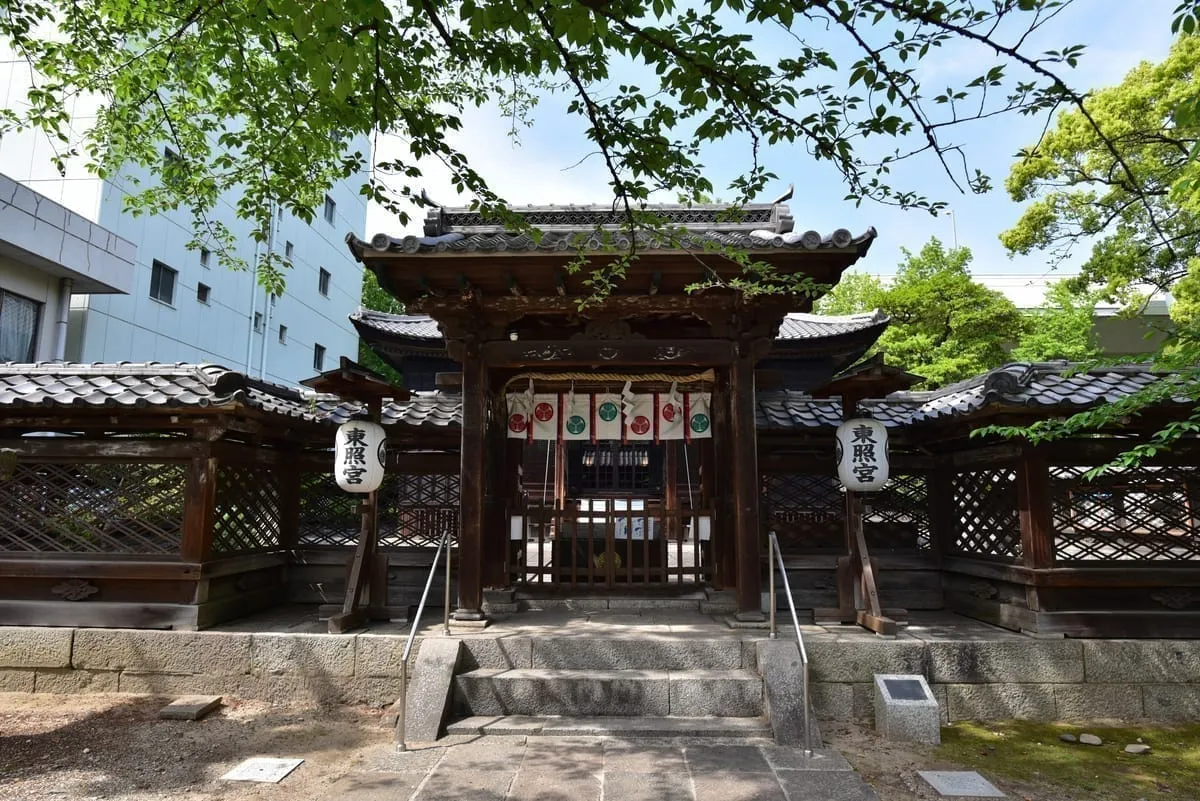
Enshrined deities: Tokugawa Ieyasu; Tokugawa Yoshinao (first lord of Owari Domain)
Built in 1619 by Yoshinao — the first lord of the Owari Tokugawa branch — to enshrine his father Ieyasu, this is one of several Toshogu shrines scattered across Japan that honor the founder of the Edo shogunate. The surviving Karamon (ornamental gate), Gokusho (offering hall), and main sanctuary are all designated Important Cultural Properties, showcasing the exuberant Momoyama architectural style: gilded surfaces, intricate zoomorphic carvings, and the葵 (hollyhock) crest of the Tokugawa clan repeated across every surface. The shrine sits in the old castle-town quarter of Naka Ward (Nago-ya), a short walk from Nagoya Castle.
- Goshuin style: Formal calligraphy for “Nagoya Toshogu” with the triple hollyhock (mitsuba aoi) crest — measured and aristocratic, carrying the weight of the Tokugawa legacy
- Fee: ¥500
- Access: 10-min walk from Subway Tsurumai Line “Osu Kannon Station”; 12-min walk from Subway Sakuradori Line “Marunouchi Station”
Goshuin Info
| Item | Details |
|---|---|
| Hours | 9:00–16:30 |
| Location | Shamusho |
| Direct writing / pre-written | Direct writing |
| Limited editions | Yes (Ieyasu death anniversary, Aoi Festival) |
5. Wakamiya Hachimansha (若宮八幡社) — Naka Ward
Enshrined deities: Emperor Nintoku; Homuda-wake-no-Mikoto (Emperor Ojin)
Founded in 1435 according to the shrine record, Wakamiya Hachimansha is one of Nagoya’s oldest and most venerated city shrines. The annual Wakamiya Festival in May — one of the “Three Great Festivals of Nagoya” — features an elaborate parade of Edo-period floats (dashi) that has continued for centuries. The shrine sits just north of the Osu shopping district in Naka Ward, making it easy to combine with a visit to Osu Kannon temple and the surrounding retro arcade.
- Goshuin style: Crisp calligraphy for “Wakamiya Hachimansha” with the hachiman seal — formal and assured, reflecting the shrine’s position as a civic centerpiece
- Fee: ¥500
- Access: 5-min walk from Subway Meijo Line “Yaba-cho Station”
Goshuin Info
| Item | Details |
|---|---|
| Hours | 9:00–17:00 |
| Location | Shamusho |
| Direct writing / pre-written | Direct writing |
| Limited editions | Yes (Wakamiya Festival period, monthly seasonal) |
6. Suzaki Jinja (洲崎神社) — Naka Ward
Enshrined deities: Susanoo-no-Mikoto; Kushiinadahime-no-Mikoto
A small but locally beloved shrine sometimes called “the Dragon God of Suzaki.” In the Edo period, when Nagoya castle town was laid out, this shrine served as a tutelary guardian for the surrounding commercial quarter. Today it occupies a quiet pocket in the middle of Nagoya’s busy Nishiki entertainment district. Suzaki Jinja is known for warding off bad luck and for matchmaking blessings — the combination of Susanoo and his consort Kushiinadahime creates a natural en-musubi power.
- Goshuin style: Unpretentious calligraphy for “Suzaki Jinja” with the dragon seal — direct and unadorned, like the shrine itself
- Fee: ¥300–500
- Access: 10-min walk from Subway Higashiyama Line “Fushimi Station”
Goshuin Info
| Item | Details |
|---|---|
| Hours | 9:00–17:00 (confirm on-site) |
| Location | Shamusho |
| Direct writing / pre-written | Pre-written slips (mainly) |
| Limited editions | Yes (seasonal) |
7. Fuji Sengen Jinja (富士浅間神社) — Naka Ward
Enshrined deity: Konohana-Sakuya-hime-no-Mikoto (the blossom princess of Mount Fuji)
One of the many branch shrines across Japan affiliated with Fujisan Hongu Sengen Taisha at the foot of Mount Fuji. Konohana-Sakuya-hime — goddess of flowering trees and the sacred fire in which she gave birth to prove her purity — is venerated here for blessings in marriage, safe childbirth, and protection from disaster. The shrine stands in the Aoi district of Naka Ward, compact but dignified, offering a chance to connect with Fuji Mountain faith without leaving the city center.
- Goshuin style: Elegant calligraphy for “Fuji Sengen Jinja” with Mount Fuji and cherry blossom motifs — graceful, as befits the goddess of flowering trees
- Fee: ¥500
- Access: 5-min walk from Subway Sakuradori Line “Kurumamichi Station”
Goshuin Info
| Item | Details |
|---|---|
| Hours | 9:00–16:00 (confirm on-site) |
| Location | Shamusho |
| Direct writing / pre-written | Pre-written slips |
| Limited editions | Yes (cherry blossom season, Sengen Festival) |
8. Yamada Tenmangu (山田天満宮) — Nishi Ward
Enshrined deity: Sugawara Michizane
The “Tenjin-san of Nagoya” — a compact shrine dedicated to the deified scholar and court minister Sugawara Michizane (845–903), patron of learning and calligraphy. Plum trees planted in his honor bloom in February. What makes this shrine particularly popular is the co-location of Kogane Jinja (金神社, “Golden Shrine”) on the same grounds, dedicated to the deity of wealth and commerce. Receiving goshuin from both shrines in a single visit — one for academic success, one for financial fortune — has become a signature experience for Nagoya goshuin collectors. The Kogane Jinja goshuin features gold-colored calligraphy that stands out in any collection.
- Goshuin style: Crisp calligraphy for “Yamada Tenmangu” with plum and ox motifs. Kogane Jinja goshuin uses gold ink — both are among Nagoya’s most photogenic stamps
- Fee: ¥500 each
- Access: 10-min walk from Subway Tsurumai Line “Joshin Station,” or 10-min walk from Meitetsu “Sakaemachi Station”
Goshuin Info
| Item | Details |
|---|---|
| Hours | 9:00–17:00 |
| Location | Shamusho |
| Direct writing / pre-written | Direct writing |
| Limited editions | Yes (plum festival, monthly seasonal) |
9. Biwajima Jinja (枇杷島神社) — Nishi Ward
Enshrined deities: Susanoo-no-Mikoto; Kushiinadahime-no-Mikoto; Kotoshironushi-no-Mikoto
An old shrine in the Biwajima district of Nishi Ward, famous for its Biwajima Festival — a float (dashi) parade designated an Important Intangible Folk Cultural Property of Japan. The festival has continued annually for over 300 years in this former post-town on the old highway. The pairing of Susanoo and Kushiinadahime naturally invites protective and matchmaking blessings. The surrounding Biwajima area retains the atmosphere of a quiet Edo-era neighborhood.
- Goshuin style: Understated calligraphy for “Biwajima Jinja” — unhurried and earthy, matching the old post-town setting
- Fee: ¥500
- Access: 5-min walk from Meitetsu Nagoya Main Line “Biwajima Station”
Goshuin Info
| Item | Details |
|---|---|
| Hours | 9:00–16:30 (confirm on-site) |
| Location | Shamusho |
| Direct writing / pre-written | Both available |
| Limited editions | Yes (Biwajima Festival period) |
10. Shichisho-sha (七所社) — Mizuho Ward
Enshrined deities: Seven deities co-enshrined — including Itsutakeru-no-Kami, Amaterasu-Omikami, Kasuga-no-Okami, Sumiyoshi-no-Okami, Hachiman-Okami, Katori-no-Okami, and Kashima-no-Okami
A quiet neighborhood shrine in Mizuho Ward whose name means “Shrine of Seven Places” — it houses seven deities representing different divine lineages. The shrine is said to date to the Heian period and has served as a local tutelary deity through centuries of Nagoya history. The co-enshrining of seven deities — covering protection, military power, maritime safety, agricultural fertility, and the creative arts — makes it a one-stop prayer destination for wide-ranging blessings. A known spot among Nagoya’s dedicated goshuin collectors.
- Goshuin style: Dignified calligraphy for “Shichisho-sha” — the gravity of seven deities in a single, collected stamp
- Fee: ¥500
- Access: 15-min walk from Subway Sakuradori Line “Sakurayama Station”
Goshuin Info
| Item | Details |
|---|---|
| Hours | 9:00–17:00 (confirm on-site) |
| Location | Shamusho |
| Direct writing / pre-written | Direct writing |
| Limited editions | Yes (Grand Festival) |
11. Harishima Jinja (針名神社) — Tempaku Ward
Enshrined deities: Empress Jingu; Emperor Chuai; Emperor Ojin; Hime-no-Okami
A Hachimangu (八幡宮) shrine in the Hirabari district of Tempaku Ward, venerating the Hachiman deities long associated with warriors and military success. In recent years the shrine has drawn visitors interested in the connection between “hari” (needle) in the shrine’s name and the popular game/media franchise Touken Ranbu — sword enthusiasts seeking katana-themed goshuin have discovered it as a result. The surrounding residential neighborhood is quiet; the shrine itself sits amid old trees that feel several decades older than their surroundings.
- Goshuin style: Strong, martial calligraphy for “Harishima Jinja” — the bold hand of a Hachiman shrine
- Fee: ¥500
- Access: 10-min walk from Subway Tsurumai Line “Hirabari Station”
Goshuin Info
| Item | Details |
|---|---|
| Hours | 9:00–17:00 (confirm on-site) |
| Location | Shamusho |
| Direct writing / pre-written | Direct writing |
| Limited editions | Yes (seasonal) |
12. Narumi Jinja (成海神社) — Midori Ward
Enshrined deities: Yamato-Takeru-no-Mikoto; Miyasuhime-no-Mikoto; Takeii-Tane-no-Mikoto
One of Owari Province’s oldest shrines, located in the Narumi district of Midori Ward — a former station town on the historic Tokai-do highway. The connection to Yamato-Takeru is significant: according to the Kojiki, the hero entrusted the Kusanagi sword to his wife Miyasuhime (enshrined at Atsuta Jingu) here in Owari before setting out on the eastern campaign that would lead to his death. Narumi Jinja is thus part of the same mythological landscape as Atsuta Jingu. The area is also near the Okehazama battlefield, enabling a rich historical half-day combining myth and the age of civil war.
- Goshuin style: Stately calligraphy for “Narumi Jinja” with the Yamato-Takeru seal — ancient and composed, the stamp of a shrine from Japan’s founding myths
- Fee: ¥500
- Access: 10-min walk from Meitetsu Nagoya Main Line “Narumi Station”
Goshuin Info
| Item | Details |
|---|---|
| Hours | 9:00–16:30 |
| Location | Shamusho |
| Direct writing / pre-written | Direct writing |
| Limited editions | Yes (Grand Festival, monthly seasonal) |
13. Okehazama Shinmei-sha (桶狭間神明社) — Midori Ward
Enshrined deities: Amaterasu-Omikami; Toyouke-no-Okami
A Shinmei-sha (神明社) — the generic shrine type dedicated to Amaterasu and affiliated with the Ise style — located in the Okehazama district of Midori Ward, very close to the Okehazama Battlefield Memorial Park. The battle fought here on June 12, 1560, when Oda Nobunaga’s 2,000 men defeated Imagawa Yoshimoto’s army of 25,000 in a sudden rainstorm, changed the course of Japanese history. The shrine’s connection to that moment is implicit in its location; stone monuments on the grounds mark the historical terrain. The clean, unadorned Shinmei architectural style adds to the sense of austere historical weight.
- Goshuin style: Clean, spare calligraphy for “Okehazama Shinmei-sha” — the spare dignity of a Shinmei shrine layered with the memory of Nobunaga’s world-historical gamble
- Fee: ¥500
- Access: 20-min walk from Meitetsu Nagoya Main Line “Arimatsu Station,” or taxi recommended
Goshuin Info
| Item | Details |
|---|---|
| Hours | 9:00–16:30 (confirm on-site) |
| Location | Shamusho |
| Direct writing / pre-written | Pre-written slips (mainly) |
| Limited editions | Yes (Okehazama battlefield festival) |
14. Tsushima Jinja (津島神社) — Tsushima City, Aichi
Enshrined deity: Takehaya-Susanoo-no-Mikoto
The headquarter shrine (souhonsha) of approximately 3,000 Tenno-sha (“Heavenly King Shrines”) across Japan — all dedicated to Susanoo in his guise as a deity who drives away plague and misfortune. Oda Nobunaga and the Toyotomi clan were among its historical patrons, donating the current grand vermilion gate (Romon). Today, the shrine is best known for the Owari Tsushima Tenno Festival (尾張津島天王祭), held every July, which has been designated an Important Intangible Folk Cultural Property. The festival’s nighttime spectacle — firelit straw-thatched boats (makiwara-bune) drifting in procession along the Tenno River — is one of the most atmospheric summer events in the Tokai region. A 30-minute train ride from central Nagoya, it is worth the trip at any time of year.
- Goshuin style: Powerful calligraphy for “Tsushima Jinja” with the Gozu Tenno (ox-headed heavenly king) seal — appropriately imposing for the national headquarters of a major cultic tradition
- Fee: ¥500
- Access: 15-min walk from Meitetsu Tsushima Line “Tsushima Station”
Goshuin Info
| Item | Details |
|---|---|
| Hours | 9:00–17:00 |
| Location | Juyo-sho |
| Direct writing / pre-written | Direct writing |
| Limited editions | Yes (Tenno Festival season, monthly seasonal) |
15. Kayatsu Jinja (萱津神社) — Ama City, Aichi
Enshrined deity: Kaya-no-Hime-no-Mikoto (goddess of grasses and the earth)
Possibly the most unusual shrine on this list — and arguably in all of Japan. Kayatsu Jinja is the only shrine in the country dedicated to the god of漬物 (tsukemono, or Japanese pickled vegetables). The deity Kaya-no-Hime-no-Mikoto, described in the Nihon Shoki as a “goddess of grasses,” became associated with the preservation and fermentation of plant foods over centuries of agricultural worship. Every August 21st, the shrine holds the Kouno-mono Festival (香物祭), during which jars of pickled vegetables are offered to the deity in gratitude for the harvest. Goshuin here are cheerfully unique — the design often incorporates pickle-barrel motifs that you won’t find anywhere else in Japan.
- Goshuin style: Warm, distinctive calligraphy for “Kayatsu Jinja” with a pickle-barrel seal. Japan’s only pickle shrine produces one of the most memorable stamps in any goshuin collection
- Fee: ¥500
- Access: 5-min walk from Meitetsu Tsushima Line “Kayatsu Station”
Goshuin Info
| Item | Details |
|---|---|
| Hours | 9:00–16:30 |
| Location | Shamusho |
| Direct writing / pre-written | Direct writing |
| Limited editions | Yes (Kouno-mono Festival, seasonal) |
Efficient Goshuin Routes
Atsuta Precinct Half-Day (3–4 shrines)
Atsuta Jingu (main shrine) → Kami-Chigauma Jinja (subsidiary) → Takakura Musubi Miko Jinja (subsidiary) → optionally extend to Kayatsu Jinja (20 min by Meitetsu)
All three main precinct stamps within a single morning, with an optional extension by train.
Central Nagoya History Route (3–4 shrines)
Nagoya Tosho-gu → Wakamiya Hachimansha → Suzaki Jinja → Fuji Sengen Jinja
Walkable from the subway; covers Tokugawa-era castle-town history and Edo-period merchant culture.
Midori Ward Warring States Route (2 shrines)
Narumi Jinja → Okehazama Shinmei-sha
Follow Yamato-Takeru’s mythic footsteps at Narumi, then walk the ground where Nobunaga rolled the dice at Okehazama. Best paired with a visit to the battlefield park.
Near-Nagoya Excursion (2 shrines)
Tsushima Jinja → Kayatsu Jinja
A half-day excursion on the Meitetsu Tsushima Line combining Japan’s foremost plague-expelling shrine with its only pickle shrine. Unusual enough to remember.
Practical Notes
Atsuta Jingu logistics
With 6.5 million annual visitors, Atsuta Jingu is busy year-round. The goshuin counter can have long queues on weekends and holidays, particularly from 10am onward. Arriving at opening (7am) on a weekday gives you the forest, the stillness, and a short queue.
Yamada Tenmangu: queue for Kogane Jinja
The gold-ink goshuin at the co-located Kogane Jinja (金神社) has become one of Nagoya’s most photographed stamps. On weekends, a separate queue forms at the Kogane Jinja counter. Budget extra time.
Getting to Tsushima and Kayatsu
Both shrines are 30–40 minutes from Nagoya Station by Meitetsu. They are not on the same line (Tsushima is on the Tsushima Line; Kayatsu requires a transfer), but a combined visit is manageable in a half-day.
A note on the Kusanagi sword
The divine sword at Atsuta Jingu is never displayed publicly. Unlike shrine treasures that occasionally appear in museum exhibitions, the Kusanagi-no-Tsurugi remains permanently enshrined — its appearance in photographs or videos is strictly prohibited. This makes the shrine experience at Atsuta Jingu more about presence and atmosphere than spectacle, which in practice makes it feel more sacred, not less.
Photo credits: All images are from Wikimedia Commons under Creative Commons licenses.
Atsuta Jingu torii by Immanuelle, CC BY 4.0, Wikimedia Commons
Nagoya Toshogu Karamon by Bariston, CC BY-SA 4.0, Wikimedia Commons
Top image: Atsuta Jingu by 円周率3パーセント, CC BY-SA 4.0, Wikimedia Commons