
Nikko is one of Japan’s most spectacular pilgrimage destinations. Registered as a UNESCO World Cultural Heritage Site in 1999, the “Shrines and Temples of Nikko” cluster packs more national treasures per square kilometer than almost anywhere in the country. Beyond the famous Toshogu complex, the surrounding mountains hide ancient shrines tied to centuries of mountain worship. This guide covers 10 shrines where you can receive goshuin in Nikko — from the ornate gate of the shogun’s mausoleum to the wind-swept summit of Mt. Nantai.
1. Nikko Toshogu (日光東照宮)
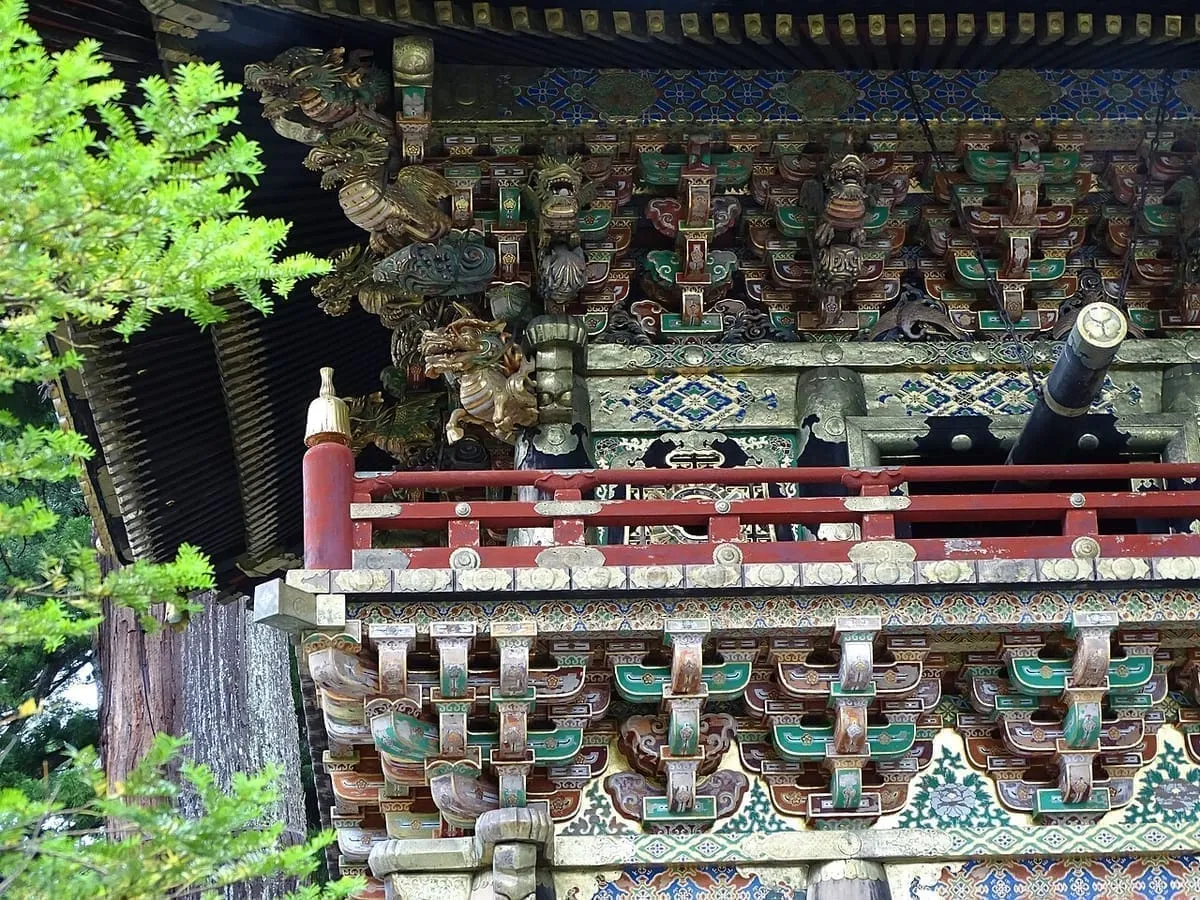
Enshrined deity: Tokugawa Ieyasu (Tosho Daigongen)
Built in 1617 as the mausoleum of Tokugawa Ieyasu, founder of the Edo shogunate, and massively expanded by his grandson Iemitsu in 1636, Toshogu is Japan’s most elaborately decorated shrine. 55 structures designated as National Treasures or Important Cultural Properties fill the complex, including the Yomeimon Gate — a 12-meter-tall feast of 508 carved figures — and the famous “Three Wise Monkeys” (see no evil, hear no evil, speak no evil). Over five million visitors come each year.
- Goshuin style: Bold calligraphy reading “Tosho Daigongen” with the Tokugawa hollyhock crest. Commanding and formal, befitting the founding shogun
- Fee: ¥500
- Access: Bus from JR/Tobu “Nikko Station” to “Omotesando” or “Nishi-Sando” stop
- Highlights: Yomeimon Gate (National Treasure), Sleeping Cat, Three Monkeys, Okusha (Ieyasu’s tomb)
Goshuin Info
| Item | Details |
|---|---|
| Hours | 9:00–17:00 (Nov–Mar: until 16:00) |
| Location | Shamusho (office) near the main hall |
| Direct writing / pre-written | Direct writing (pre-written slips available when busy) |
| Limited editions | Yes (spring/autumn festivals, New Year) |
2. Nikko Futarasan Jinja (日光二荒山神社)
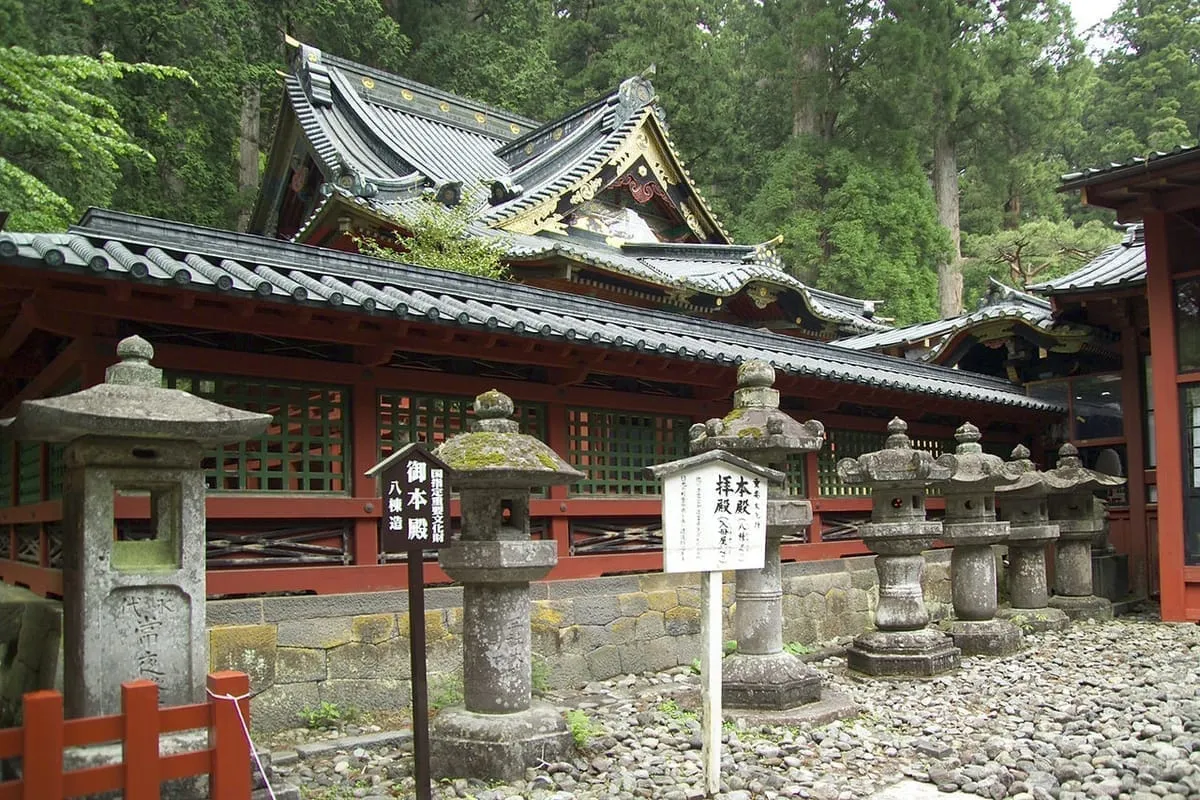
Enshrined deities: Okuninushi-no-Mikoto, Tagorihime-no-Mikoto, Ajisukitakahikone-no-Mikoto
Founded in 782 by the monk Shodo Shonin, Futarasan Jinja is the oldest of Nikko’s shrines and the spiritual heart of the entire mountain complex. Its divine territory encompasses all three sacred peaks: Mt. Nantai (the “male mountain”), Mt. Nyoho (the “female mountain”), and Mt. Taro. The shrine is renowned for matchmaking and the “Enmusubi no Ki” — a sacred cedar said to tie couples’ fates together.
- Goshuin style: Elegant calligraphy for “Futarasan Jinja” with the deity’s seal. Pure and composed, reflecting the shrine’s deep antiquity
- Fee: ¥500
- Access: Bus from Nikko Station to “Nishi-Sando” stop, 5 min walk
- Highlights: Main hall (Important Cultural Property), sacred cedar, treasure museum, shrine garden
Goshuin Info
| Item | Details |
|---|---|
| Hours | 9:00–17:00 (Nov–Mar: until 16:00) |
| Location | Shamusho |
| Direct writing / pre-written | Direct writing |
| Limited editions | Yes (Yayoi Festival, Grand Festival, New Year) |
3. Shinkyo Sacred Bridge (神橋)
Enshrined deity: Managed by Futarasan Jinja
The vermilion-lacquered bridge spanning the Daiya River has marked the entrance to Nikko’s sacred precinct for over 1,200 years. Legend says that when the monk Shodo Shonin could not cross the swollen river, the deity Jinja Daio appeared and two giant snakes formed a bridge for him. Designated an Important Cultural Property, the bridge is one of Japan’s three most famous bridges. You can receive a goshuin at the shamusho (office) near the bridge — a great first stamp on any Nikko pilgrimage.
- Goshuin style: Clean calligraphy for “Shinkyo” with Futarasan’s seal. A fitting opening stamp for any Nikko goshuin collection
- Fee: ¥500
- Access: 20 min walk from Nikko Station, or bus to “Shinkyo” stop
- Highlights: Vermilion bridge over the Daiya gorge, cedar avenue, gateway atmosphere
Goshuin Info
| Item | Details |
|---|---|
| Hours | 9:00–17:00 (seasonal variation) |
| Location | Shamusho near the bridge |
| Direct writing / pre-written | Direct writing |
| Limited editions | Yes (spring and autumn festival periods) |
4. Takinoo Jinja (瀧尾神社)
Enshrined deity: Tagorihime-no-Mikoto
A 20–30 minute forest walk from Toshogu leads to this atmospheric shrine dedicated to the goddess of Mt. Nyoho. The path itself — a cedar-lined trail through quiet forest — is half the experience. The shrine’s most famous feature is the “Test-of-Luck Torii”: visitors try to toss a pebble through the circular hole in the stone gate three times; success is said to bring good fortune. Both the gate and main hall are Important Cultural Properties.
- Goshuin style: Understated calligraphy for “Takinoo Jinja.” Quiet and unadorned, matching the forest shrine’s atmosphere
- Fee: ¥500
- Access: 25-min walk from Toshogu along the forest path
- Highlights: Test-of-luck torii, thousand-cedar path, main hall (Important Cultural Property)
Goshuin Info
| Item | Details |
|---|---|
| Hours | 9:00–16:30 (confirm in advance, especially off-season) |
| Location | Shamusho |
| Direct writing / pre-written | Direct writing |
| Limited editions | Yes (festival periods) |
5. Hongu Jinja (本宮神社)
Enshrined deity: Ajisukitakahikone-no-Mikoto
Before Futarasan Jinja moved to its current location, this was the original sacred site of the Nikko mountain faith. As such, Hongu holds a special place in the layered history of Nikko’s religious landscape and forms part of the UNESCO World Heritage listing. The grounds are quiet and rarely crowded — a welcome contrast to the busy Toshogu complex just a few minutes’ walk away.
- Goshuin style: Traditional calligraphy for “Hongu Jinja.” Ancient dignity, befitting the original seat of Nikko’s faith
- Fee: ¥500
- Access: 5 min walk from Futarasan Jinja
- Highlights: Main hall (Important Cultural Property), serene atmosphere, old-growth cedar
Goshuin Info
| Item | Details |
|---|---|
| Hours | 9:00–16:30 |
| Location | Shamusho |
| Direct writing / pre-written | Direct writing |
| Limited editions | Yes (grand festival) |
6. Futarasan Jinja Chugushi (二荒山神社中宮祠)
Enshrined deity: Okuninushi-no-Mikoto
Standing at the shore of Lake Chuzenji, 1,270 meters above sea level, this “middle shrine” of Futarasan Jinja serves as the gateway to Mt. Nantai. During the Mt. Nantai Tohai Grand Festival (April 25 – November 11), climbers register here before ascending to the summit shrine. The combination of lake views, mountain silhouette, and autumn foliage makes this one of the most photogenic shrine settings in Japan.
- Goshuin style: Bold calligraphy for “Futarasan Jinja Chugushi.” A mountaineer’s shrine — powerful and direct. The special summit-ascent goshuin is especially prized
- Fee: ¥500–¥1,000 (ascent commemorative seal varies)
- Access: Bus from Nikko Station to “Futarasan Jinja Chugushi” stop (~50 min, via Irohazaka)
- Highlights: Lake Chuzenji panorama, Mt. Nantai registration (Apr–Nov), autumn foliage
Goshuin Info
| Item | Details |
|---|---|
| Hours | 9:00–17:00 (during climbing season) |
| Location | Shamusho |
| Direct writing / pre-written | Direct writing |
| Limited editions | Yes (Mt. Nantai ascent commemorative, Lake Festival) |
7. Futarasan Jinja Okumiya (二荒山神社奥宮)
Enshrined deity: Okuninushi-no-Mikoto
At the summit of Mt. Nantai (2,486 m) sits the “inner shrine” of Futarasan Jinja — accessible only to those who make the 3–4 hour climb from Chugushi. The mountain has been a sacred site since 782, when Shodo Shonin became the first recorded person to reach the summit. The goshuin issued here is available only during the climbing season (Apr 25 – Nov 11) and only to those who complete the ascent — making it one of the most hard-earned stamps in Japanese pilgrimage culture.
- Goshuin style: Solemn calligraphy for “Futarasan Jinja Okumiya.” Earned only by climbers — each stroke carries the weight of the ascent
- Fee: ¥500 (plus ¥500 mountain entry fee at Chugushi)
- Access: 3–4 hour climb from Chugushi; proper hiking gear required
- Highlights: 360° panoramic views, iron torii and sacred sword at summit, stargazing
Goshuin Info
| Item | Details |
|---|---|
| Hours | Daytime during climbing season only |
| Location | Summit shamusho |
| Direct writing / pre-written | Direct writing (pre-written slips on busy days) |
| Limited editions | Yes (mountain opening, commemorative dates) |
8. Hie Jinja (日枝神社)
Enshrined deity: Oyamakui-no-Kami
Tucked in the northeastern corner of the Nikko mountain precinct, Hie Jinja is said to protect the precinct from the auspicious “demon gate” direction (northeast). Small and understated, it sees far fewer visitors than the main three shrines — offering a moment of genuine quiet amid Nikko’s bustle. The surrounding cedar forest gives it a distinctly different feel from the ornate grandeur nearby.
- Goshuin style: Simple calligraphy for “Hie Jinja.” A modest stamp for a modest guardian — but all the more meaningful for it
- Fee: ¥500
- Access: 10 min walk from Toshogu
- Highlights: Peaceful grounds, guardian deity of the northeast, towering cedars
Goshuin Info
| Item | Details |
|---|---|
| Hours | 9:00–16:30 (confirm in advance) |
| Location | Shamusho |
| Direct writing / pre-written | Pre-written slips (direct writing limited) |
| Limited editions | None (single standard design) |
9. Hotoku Ninomiya Jinja (報徳二宮神社)
Enshrined deity: Ninomiya Kinjiro (Ninomiya Sontoku-no-Mikoto)
Located in Imaichi — the lower part of modern Nikko City — this shrine honors Ninomiya Sontoku (1787–1856), the agricultural reformer whose image (a boy reading while carrying firewood) appears on old ¥1 coins and outside countless Japanese schools. Sontoku spent years revitalizing the farmlands of the Imaichi region, and this shrine marks his legacy. Enshrined qualities: diligence, wisdom, gratitude, and rural resilience.
- Goshuin style: Dignified calligraphy for “Hotoku Ninomiya Jinja.” Quietly inspiring — the stamp of a person who changed the land through patience
- Fee: ¥500
- Access: 10 min walk from Tobu “Shimo-Imaichi Station”
- Highlights: Statue of Ninomiya Kinjiro, historical artifacts, tranquil grounds
Goshuin Info
| Item | Details |
|---|---|
| Hours | 9:00–16:30 |
| Location | Shamusho |
| Direct writing / pre-written | Direct writing |
| Limited editions | Yes (grand festival) |
10. Taira Jinja / Koisumi Hachimangu (Nikko Region)
Enshrined deity: Varies by shrine
The Nikko region extends beyond the main mountain precinct into surrounding countryside, where small hachimangu and village shrines offer goshuin to determined travelers. Oyama Jinja in the Oyama area and scattered roadside shrines along the old Nikko Kaido highway reward those willing to explore beyond the UNESCO cluster. Ask at local tourist information centers for the most current goshuin availability at smaller shrines in the area.
- Goshuin style: Varies; smaller shrines often offer charming hand-stamped seals with a personal touch
- Fee: ¥300–¥500
- Access: Varies; rental bicycle or car recommended for countryside shrines
- Highlights: Quiet countryside, local festivals, unhurried stamp-receiving experience
Suggested Itineraries
One Day: UNESCO Core Circuit
Shinkyo → Toshogu → Futarasan Jinja → Hongu Jinja → Takinoo Jinja
Start early. Toshogu gets crowded by 10 AM. Takinoo is a peaceful 25-minute forest walk at the end.
One Day: Lake & Mountain
Chugushi (Futarasan Jinja) → Lakeside walk → (Mt. Nantai summit for the adventurous)
The Irohazaka winding road to Chuzenji is spectacular. Allow 50 min each way by bus.
Two Days: Complete Nikko
Day 1: Mountain precinct circuit (shrines 1–5, 8) Day 2: Imaichi + Chuzenji (shrines 6, 9) or Mt. Nantai climb (shrine 7)
Practical Tips for Nikko Goshuin Collectors
Getting there: Tobu Nikko Line from Asakusa (Tokyo) runs direct limited express trains to Nikko — about 2 hours. JR Shinkansen to Utsunomiya, then JR Nikko Line is an alternative.
Within Nikko: The World Heritage Area bus (tozan bus) covers the main stops. Toshogu to Shinkyo is walkable. Takinoo requires a forest hike.
Timing: Spring (April–May) for cherry blossoms and the Yayoi Festival; autumn (mid-October to mid-November) for foliage; winter for snow-dusted architecture. Summer weekends and Golden Week are extremely crowded.
What to bring: Your goshuincho, ¥500 coins, comfortable walking shoes (mountain paths are uneven), and rain gear (the mountains create their own weather).
Mt. Nantai: This is a genuine mountain hike. Bring water, hiking boots, and check the weather forecast. Do not attempt in bad conditions. The goshuin at the summit is extraordinary, but safety comes first.
Nikko distills centuries of Japanese religious culture into one mountain town: the opulent shogun’s shrine, the ancient mountain faith, the sacred bridge, the forest hermitage. Goshuin here are not just stamps — they are markers of a journey through layers of history that most visitors only glimpse from a tour bus window.
Photo credits: All images are from Wikimedia Commons under Creative Commons licenses. Yomeimon Gate by Adam Jones from Kelowna, BC, Canada, CC BY-SA 2.0, Wikimedia Commons Futarasan Jinja main hall by Fg2, Public Domain, Wikimedia Commons

.jpg)
